
Amazon staff reject union in Alabama, lean toward it in NYC
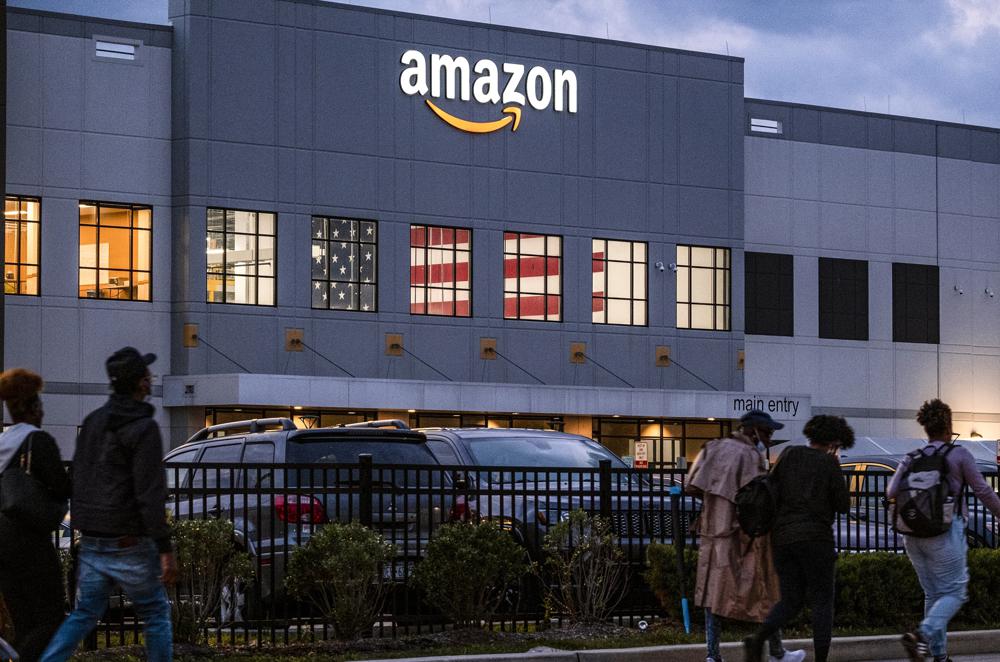
Amazon workers in Alabama appear to have rejected a union bid in a tight race, according to early results on Thursday. But outstanding challenged votes could change the outcome. In New York, union supporters have the edge in a count that will continue Friday morning. Warehouse workers in Bessemer, Alabama, voted 993 to 875 against forming a union. The National Labor Relations Board, which oversees the election, said that 416 challenged votes could potentially overturn that result. A hearing to go through the challenged ballots will occur in the next few days. Meanwhile, in a separate union election in Staten Island, New York, the nascent Amazon Labor Union is leading by more than 350 votes out of about 2,670 tallied. The close election in Bessemer marks a sharp contrast to last year when Amazon workers overwhelmingly rejected the union. “This is just the beginning, and we will continue to fight,” said Stuart Appelbaum, president of the Retail, Wholesale, and Department Store Union, which is organizing the union drive in Bessemer, at a Thursday press conference. “Regardless of the final outcome, workers have shown what is possible. They have helped ignite a movement.” Appelbaum said RWDSU will be filing objections to how Amazon handled the election but declined to be specific. He also took the opportunity to lash out at current labor laws, which he believes are rigged against unions and in favor of corporations. “It should not be so difficult to organize a union in the United States,” he said. If a majority of Amazon workers voted yes in either Bessemer or Staten Island, it would mark the first successful U.S. organizing effort in the company’s history. Organizers have faced an uphill battle against the nation’s second-largest private employer, which is making every effort to keep unions out. In New York, the ALU has led the charge to form a union along with Chris Smalls, a fired Amazon employee who now heads the fledging group. Turnout for the in-person election was unclear, but Smalls was hopeful of victory. “To be leading in Day One and be up a couple hundred against a trillion-dollar company, this is the best feeling in the world,” Smalls said after the conclusion of Thursday’s counting. While Smalls’ attention has been focused on securing victory in New York, similar efforts in Alabama also weighed heavily. “I’m not too sure what’s going in Alabama right now, but I know that the sky’s the limit if you can organize any warehouse,” he said, noting that the vote in Alabama could well end up differently. “I hope that they’re successful. I don’t know what’s going on yet, but we know we show our support and solidarity with them.” The warehouse in Staten Island employs more than 8,300 workers who pack and ship supplies to customers based mostly in the Northeast. A labor win there was considered difficult, but organizers believe their grassroots approach is more relatable to workers and could help them overcome where established unions have failed in the past. John Logan, director of Labor and Employment Studies at San Francisco State University, said the early vote counts in New York has been “shocking.” ALU has no backing from an established union and is powered by former and current warehouse workers. The group had also filed for a union election after getting support from about 30% of the facility’s workforce, a much lower percentage than what unions usually seek. “I don’t think that many people thought that the Amazon Labor Union had much of a chance of winning at all,” Logan said. “And I think we’re likely to see more of those (approaches) going forward.” Though RWDSU is currently lagging behind with challenged ballots outstanding, Logan said that the election was also remarkable because the union has made a good effort narrowing its margin from last year’s election. After a crushing defeat last year, when a majority of workers voted against forming a union, RWDSU is hoping for a different outcome in the Bessemer election, in which mail-in ballots were sent to 6,100 workers in early February. Federal labor officials scrapped the results of the first election there and ordered a re-do after ruling Amazon tainted the election process. The RWDSU said the election there had a turnout rate of about 39% this year, much smaller than last year. Appelbaum blamed the low numbers on high turnover — he believes thousands of people who worked for Amazon in January and were on the official list to be eligible to vote either quit or were fired. He also believes that an in-person election, which the RWDSU had asked for, would have made a difference. Amazon has pushed back hard in both elections. The retail giant held mandatory meetings, where workers were told unions are a bad idea. The company also launched an anti-union website targeting workers and placed English and Spanish posters across the Staten Island facility, urging them to reject the union. In Bessemer, Amazon has made some changes but still kept a controversial U.S. Postal Service mailbox that was key in the NLRB’s decision to invalidate last year’s vote. Both labor fights faced unique challenges. Alabama, for instance, is a right-to-work state that prohibits a company and a union from signing a contract that requires workers to pay dues to the union that represents them. The mostly Black workforce at the Amazon facility, which opened in 2020, mirrors the Bessemer population of more than 70% Black residents, according to the latest U.S. Census data. Pro-union workers say they want better working conditions, longer breaks, and higher wages. Regular full-time employees at the Bessemer facility earn at least $15.80 an hour, higher than the estimated $14.55 per hour on average in the city. That figure is based on an analysis of the U.S. Census Bureau’s annual median household income for Bessemer of $30,284, which could include more than one worker. The ALU said they don’t have a demographic breakdown of the warehouse workers on Staten Island, and Amazon declined to provide the information to The
Amazon, union organizers face off again in Alabama
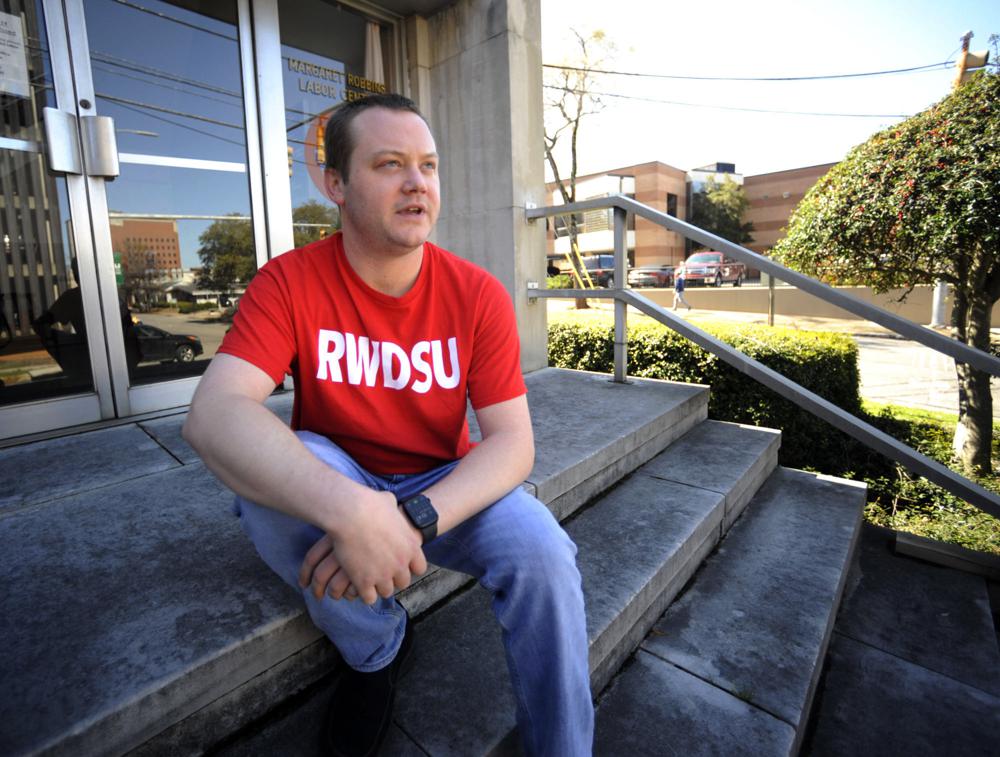
For union organizers at an Amazon warehouse in Bessemer, Alabama, the second time could be a charm — or not. After a crushing defeat last year, when a majority of workers voted against forming a union, the Retail, Wholesale and Department Store Union is hoping for a different outcome in a do-over election. The National Labor Relations Board on Monday began counting mail-in ballots that were sent to 6,100 workers in early February. Results could come as early as Thursday. If the vote goes in favor of the union, it would be Amazon’s first one ever in the U.S. Like last time, the RWDSU is driving the union campaign in Bessemer. Vaccines have made it easier for organizers to do face-to-face meetings during the pandemic as opposed to the texts, emails, and phone calls they relied on the first time around. “It’s been easier to spread the message this time, and we’ve had more support inside the building,” said Dale Wyatt, an Amazon worker at the Bessemer facility who’s assisting in the union push. “For example, more people are wearing T-shirts and pins and apparel, and more people are willing to come up and talk to us this time.” Amazon has had a chance to regroup as well after the NLRB determined that the company unfairly influenced last year’s election. The country’s second-largest private employer continues to hammer the message that it invests in both pay and benefits for its workers. Regular full-time employees in Bessemer earn at least $15.80 an hour, higher than the estimated $14.55 per hour on average in the city based on an analysis of the U.S. Census Bureau. They also get health care as well as a 401(k) with a company match. Amazon has also made some changes to but still kept a controversial U.S. Postal Service mailbox that was key in the NLRB’s decision to invalidate last year’s vote. Labor activists say the company is still relying on consultants and managers to hold mandatory staff meetings to talk about why unions are a bad idea. Such meetings stopped right before the ballots were sent, in accordance with labor laws. An Amazon spokesperson said the meetings give employees the opportunity to ask questions and learn what a union “could mean for them and their day-to-day life working at Amazon.” Prior to the Bessemer union drive, Amazon hadn’t faced a major union election in the U.S. since 2014 when the majority of the 30 workers at a warehouse in Delaware voted against organizing. In many European countries like France, Italy, Spain and Germany, where union membership is higher and there are fewer obstacles for labor groups, Amazon workers have long been unionized. Amazon also faces two union elections in the more labor-friendly New York City, though they’re being spearheaded by a nascent independent labor group. Amazon’s sprawling fulfillment center in Bessemer opened in 2020 just off an interstate exit where 18-wheelers painted with the Amazon logo come and go past small manufacturers, transportation companies, and the city’s high school. Bessemer itself is located about 20 miles southwest of Birmingham. The once-vibrant manufacturing town of 26,000 people fell on hard times after the area’s steel industry began slipping in the late 1900s. Today the city is more than 70% Black, with about a quarter of its residents living in poverty. Workers at the warehouse reflect Bessemer’s racial demographic — roughly 85% of them are Black, according to RWDSU. They drive to their jobs from as far away as metro Montgomery, nearly 100 miles to the south. RWDSU has been working with community organizations who have helped to frame the union push in Alabama in the context of the Civil Rights movement, focusing on the dignity and treatment of Amazon workers and linking their rights with human rights. “The community support has been essential, and it’s always been a part of the civil rights struggles in the South and other struggles in the South,” said Marc Bayard, the director of the Institute for Policy Studies’ Black Worker Initiative. Erica Iheme, deputy director of Jobs to Move America, said her organization honed its message from last year, going beyond pay. It visited barber shops, beauty shops, and other places where Black residents frequented and distributed 6,000 flyers. “For this election, what we have to get people to understand is it goes beyond bread and butter issues,” Iheme said. “Sometimes, your body has physical limitations. Sometimes you are tired. Sometimes you have children and you need to step away without losing your job. It’s about humanity of our community.” While unions are historically a tough sell in the South, Wyatt comes from a labor family. He began working at Amazon in August, taking items off incoming trucks and placing them into pods before they shipped to customers. “We need better working conditions, better hours, better pay,” Wyatt said. “We need longer breaks and more attention from management and a better HR system.” RWDSU’s first union campaign came in a year of widespread labor unrest at many corporations that has only reinvigorated the group’s cause. Workers at more than 140 Starbucks locations around the country, for instance, have requested union elections and several of them have already been successful. The pandemic spotlighted the plight of hourly workers who felt employers didn’t do enough to protect them from the virus. But labor shortages have only given workers more power to push for higher wages and better working conditions. Still, organizers are up against strong federal labor laws that favor corporations. Alabama itself is a right-to-work state, which means that companies and unions are prohibited from signing contracts that require workers to pay dues to the union that represents them. Labor activists also battle high turnover at the Bessemer facility. RWDSU estimates that roughly half of the 6,100 workers eligible to vote are new, making it difficult to organize. “It’s an uphill fight,” said Stuart Appelbaum, president of the RWDSU. “No matter what happens, we are not walking away. The first campaign initiated a global debate on the way Amazon
Amazon tries to stave off union drive on two fronts
Amazon is gearing up for its toughest labor fight yet, with two separate union elections coming to a head as soon as next week that could provide further momentum to the recent wave of organizing efforts across the country. Warehouse workers in Staten Island, New York, and Bessemer, Alabama, will determine whether or not they want to form a union. If a majority votes yes at either location, it would mark the first successful U.S. organizing effort in Amazon history. Rejection would notch another victory for the country’s second-largest employer in keeping unions at bay. Here’s what the elections will look like in Bessemer and Staten Island: THE VOTING Last April, workers in Bessemer overwhelmingly voted against a union bid, providing a bitter defeat for a labor movement that had already been declining in influence but making some gains during the pandemic. Federal labor officials later scrapped the results and ordered a re-do, ruling Amazon tainted the election process. Ballots for the second election were mailed to 6,100 employees in early February. The counting process is expected to start on Monday and could last for several days. Meanwhile, Amazon workers in the Staten Island warehouse began in-person voting Friday in their first union election. The facility is one of Amazon’s largest in New York City with more than 8,300 employees. Voting will wrap up Wednesday, with the counting expected to begin shortly thereafter. UNION SUPPORT The Retail, Wholesale and Department Store Union is once again spearheading the drive at the Alabama facility. More than 150 organizers from the union, as well as from roughly 20 other labor groups were on the ground since last summer — a bigger push than in the first election — to galvanize support. Vaccines made it easier during the ongoing pandemic to knock on workers’ doors and also visit barbershops, stores, and other places to distribute flyers and chat with residents. Pulling off a win could still be tough. There’s high turnover at the facility, making it difficult to build momentum. At the same time, organizers estimate about half of current workers were eligible to vote in the last election, offering the RWDSU a chance to tap new workers who may be more amenable to a union. In Staten Island, Amazon workers are currently organizing under the independent Amazon Labor Union led by Chris Smalls, a former employee who says he was fired after leading a protest over the warehouse’s working conditions in the early days of the pandemic. (Amazon said he violated COVID-19 safety protocols.) The nascent union seeks to negotiate higher wages, more paid time off and other benefits for workers, 100 of which sit on its worker committee. Some of them have been wearing shirts and masks with the group’s logo during work shifts. Others have been handing out pro-union fliers after work and encouraging their co-workers to unionize. NEW YORK VS. ALABAMA The union landscape in Alabama is starkly different from New York. Last year, union members accounted for 22.2% of wage and salary workers in New York, ranked only behind Hawaii, according to the Bureau of Labor Statistics. That’s more than double the national average of 10.3%. In Alabama, it’s 5.9%. Alabama is also a right-to-work state, which prohibits a company and a union from signing a contract that requires workers to pay dues to the union that represents them. Pro-labor experts say many may feel intimidated by companies that could undermine the unionized shop. New York is not a right-to-work state, and Amazon is attempting to use that to its advantage. The company is telling workers it could fire them should they unionize but fail to pay union dues. But that requirement is not an across-the-board mandate for non-right-to-work states and is something that is negotiated during union contracts, said Jennifer Sherer, senior state policy coordinator at the left-leaning Economic Policy Institute. THE WORKERS The mostly Black workforce at the Alabama facility, which opened in 2020, mirrors the Bessemer population of more than 70% Black residents, according to the latest U.S. Census data. There’s little public transportation, so many of the Amazon workers drive to the facility from as far away as metro Montgomery, nearly 100 miles to the south. Pro-union workers say they want better working conditions, longer breaks, and higher wages. Regular full-time employees at the Bessemer facility earn at least $15.80 an hour, higher than the estimated $14.55 per hour on average in the city. That figure is based on an analysis of the U.S. Census Bureau’s annual median household income for Bessemer of $30,284, which could include more than one worker. At Amazon’s Staten Island facility, which opened in 2018, workers earn a minimum hourly wage just over $18, much lower than the estimated $41 per hour average for the borough, according to a similar U.S. Census Bureau analysis of Staten Island’s $85,381 median household income. Workers from across the New York metro area trek long distances to get to the company’s warehouse, many times alternating between the subway, a ferry, and 40-minute long public bus rides. The ALU said it doesn’t have a demographic breakdown of the warehouse workers in Staten Island and Amazon declined to provide the information to The Associated Press, citing the union vote. But internal records leaked to The New York Times from 2019 showed more than 60% of the hourly associates at the facility were Black or Latino, while most of managers were white or Asian. AMAZON’S STRATEGY Amazon sees unions as a threat to its business model built on speedy deliveries to customers. “As a company, we don’t think unions are the best answer for our employees,” an Amazon spokesperson said in a emailed statement. “Our focus remains on working directly with our team to continue making Amazon a great place to work.” The online retail giant continues to hammer the message that it offers benefits such as health care, 401(k) plans, and a prepaid college tuition program to help grow workers’ careers. It launched a website for workers at both warehouses that casts doubt on the benefit of unions and
Freda Bacon: Another bite at the Amazon apple
After two full years of economic turmoil caused by the Covid-19 pandemic, employers throughout the country continue to face headwinds. In some cases, those headwinds are caused by a federal government that should be helping employers, not hindering them. Take, for example, the National Labor Relations Board (NLRB), a little-known agency that helps employees decide whether they want to have a labor union represent them in the workplace. The process for that can be rather complicated, but when you boil it down, employees usually hold a secret ballot election to decide. If a majority of employees vote in favor of the union, it becomes their representative with the employer, and if a majority vote against the union, it does not. That’s the way it’s supposed to work, at least. It is not much of a secret that the Retail, Wholesale and Department Store Union (RWDSU) has been attempting to be the collective bargaining representative of Amazon’s Bessemer, Ala., employees, but the problem for the RWSDU is the fact that the employees at that facility already had an election last April and voted against having the union represent them. In fact, it wasn’t even close: the RWDSU lost by a vote of 738 votes for the union versus 1,798 votes against it. But somehow, the NLRB won’t accept the result. Instead, they’ve decided to order yet another election based on a series of spurious complaints filed by the union that lost. This is disruptive both for workers and the company. Workers have the right to join a union. But when they decline to do so, government’s job shouldn’t be to disregard that decision. If workers at Bessemer say “no” again, let’s hope the NLRB will listen this time. Freda Bacon is the Chair of the Labor and Employment Committee of Business Council of Alabama.
2nd election for Amazon workers in Alabama will be by mail

A federal labor board said that Amazon workers in Bessemer, Alabama, will vote by mail next month in a re-run election to decide whether or not to unionize. The National Labor Relations Board said Tuesday that the ballots will be mailed out on February 4 and must be returned before the counting starts on March 28. The move comes roughly a month and a half after the board ordered a new union election for Amazon workers based on objections by the Retail, Wholesale and Department Store Union to the first vote that took place in April. The move was a blow to Amazon.com Inc., which spent about a year aggressively campaigning for warehouse workers in Bessemer to reject the union, which they ultimately did by a wide margin. In a 20-page decision, the regional director for the NLRB, Lisa Henderson, focused much attention on Amazon’s installation of a U.S. Postal Service mailbox at the main employee entrance, which may have created the false impression that the company was the one conducting the election process. Henderson also rejected Amazon’s argument that it was making voting easier and was trying to encourage as high a turnout as possible. “Our employees have always had the choice of whether or not to join a union, and they overwhelmingly chose not to join the RWDSU last year,” said Amazon spokeswoman Barbara Agrait in an emailed statement Tuesday, adding that she looks forward to having its team in Bessemer “having their voices heard again.” Meanwhile, the RWDSU took issue with NLRB’s decision to hold an election by mail. “We are deeply concerned that the decision fails to adequately prevent Amazon from continuing its objectionable behavior in a new election,” said the union in a statement. The union is pushing for in-person elections, which it feels could make the process fairer to workers. RWDSU faces an uphill battle to unionize workers given such high quit rates, but Amazon did reach a settlement with the NLRB last month to allow its employees to freely organize — and without retaliation. According to the settlement, the online behemoth said it would reach out to its warehouse workers — former and current — via email who were on the job anytime from March 22 of last year to notify them of their organizing rights. The settlement outlined that Amazon workers, which number 750,000 in the U.S., have more room to organize within the buildings. For example, Amazon pledged it will not threaten workers with discipline or call the police when they are engaging in union activity in exterior non-work areas during non-work time. Republished with the permission of the Associated Press.
Amazon workers in Alabama get a do-over in union election
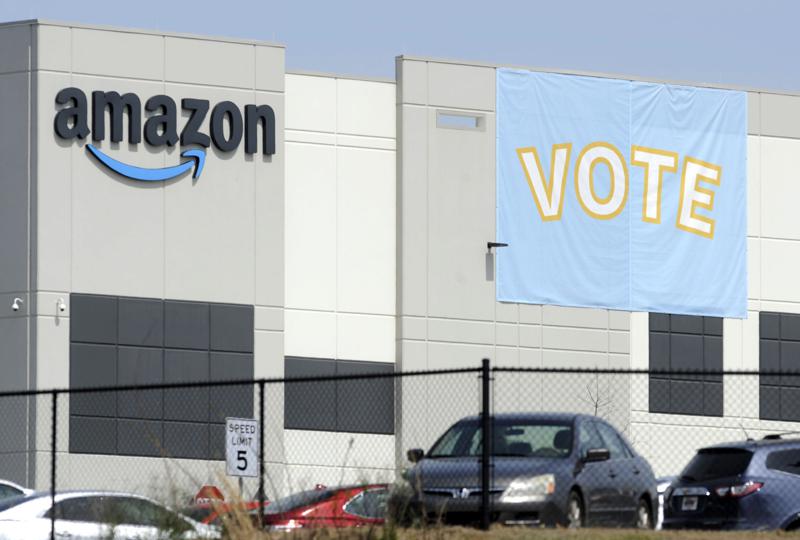
The National Labor Relations Board has ordered a new union election for Amazon workers in Bessemer, Alabama, based on objections to the first vote that took place in April. The move, announced Monday, is a major blow to Amazon, which had spent about a year aggressively campaigning for warehouse workers in Bessemer to reject the union, which they ultimately did by a wide margin. The board has not yet determined the date for the second election. The rare call for a do-over was first announced Monday by the Retail, Wholesale and Department Store Union, which spearheaded the union organizing movement. In a 20-page decision, the regional director for the NLRB focused much attention on Amazon’s installation of a U.S. Postal Service mailbox at the main employee entrance, which may have created the false impression that the company was the one conducting the election process. The regional director also refuted Amazon’s position that it was making voting easier and was trying to encourage as high a turnout as possible. “The employer’s flagrant disregard for the board’s typical mail-ballot procedure compromised the authority of the board and made a free and fair election impossible,” according to the decision. “By installing a postal mailbox at the main employee entrance, the employer essentially highjacked the process and gave a strong impression that it controlled the process. This dangerous and improper message to employees destroys trust in the board’s processes and in the credibility of the election results. “ The RWDSU charged Amazon with illegal misconduct during the first vote. In August, the hearing officer at NLRB who presided over the case determined that Amazon violated labor law and recommended that the regional director set aside the results and direct another election. About 53% of the nearly 6,000 workers cast ballots during the first election. Kelly Nantel, an Amazon spokesperson, called the decision “disappointing.” “Our employees have always had the choice of whether or not to join a union, and they overwhelmingly chose not to join the RWDSU earlier this year,” she said. “It’s disappointing that the NLRB has now decided that those votes shouldn’t count.” Stuart Appelbaum, president of the RWDSU, saw the NLRB decision as a victory. “Today’s decision confirms what we were saying all along – that Amazon’s intimidation and interference prevented workers from having a fair say in whether they wanted a union in their workplace – and as the Regional Director has indicated, that is both unacceptable and illegal, “ he said in a statement. “Amazon workers deserve to have a voice at work, which can only come from a union.” But even with a second election, labor experts say a union victory is a long shot. Amazon will likely appeal and try to delay another vote. And even when an election is held, workers may choose to vote against joining a union again. Last time around, 1,798 workers rejected the union, and 738 voted in favor of it. A repeat of the election means another battle for Amazon with the RWDSU. The first election garnered nationwide attention and put a spotlight on how Amazon treats its workers. It was the biggest union push in Amazon’s history and only the second time that an organizing effort from within the company had come to a vote. Pro-union employees at the Bessemer facility said they spent 10-hour shifts on their feet in the warehouse, where online orders are packed and shipped and didn’t have enough time to take breaks. A union could force Amazon to offer more break time or higher pay, those workers said. Amazon, meanwhile, argued that it already offered more than twice the minimum wage in Alabama plus benefits without workers having to pay union dues. Amazon has been fighting two different attempts by workers to unionize in the past year. Former Amazon employee Christian Smalls is organizing an effort at a distribution center in Staten Island, New York, without the help of a national sponsor. The labor board was expected to hold a hearing to determine whether there was sufficient interest to form a union there, but less than two weeks earlier, the group led by Smalls withdrew its petition. The workers, however, can refile. Other organizing efforts are afoot beyond Amazon, including by workers at three separate Starbucks stores in and around Buffalo, New York. Meanwhile, thousands of unionized workers at Kellogg Co. remain on strike amid widespread worker unrest across the country.
Amazon adding 3 sites in Birmingham, Huntsville, Montgomery
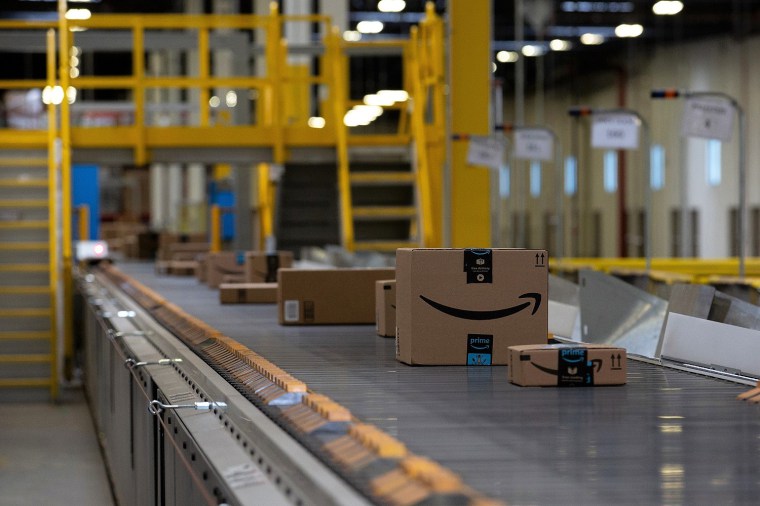
About 900 new jobs will be created as Amazon opens three new facilities near the Alabama cities of Montgomery, Huntsville, and Birmingham, the company said Tuesday. A 650,000-square-foot (60,387-square-meter) warehouse opening in Montgomery next year will provide more than 500 jobs as it receives products from vendors and sends them to fulfillment centers for shipment to customers, the Seattle-based company said in a statement. A center for fulfilling orders for large items like home appliances will home in Limestone County near Huntsville in 2022, employing more than 250 people, and about 150 will be employed at a delivery station opening in greater Birmingham in November, Amazon said. Amazon said it has spent more than $1 billion on infrastructure and employee compensation in Alabama while creating more than 9,000 direct jobs. Workers at the company’s warehouse in the Birmingham suburb of Bessemer defeated a union drive earlier this year. Republished with the permission of the Associated Press.
Bid to unionize Amazon workers in New York nears milestone
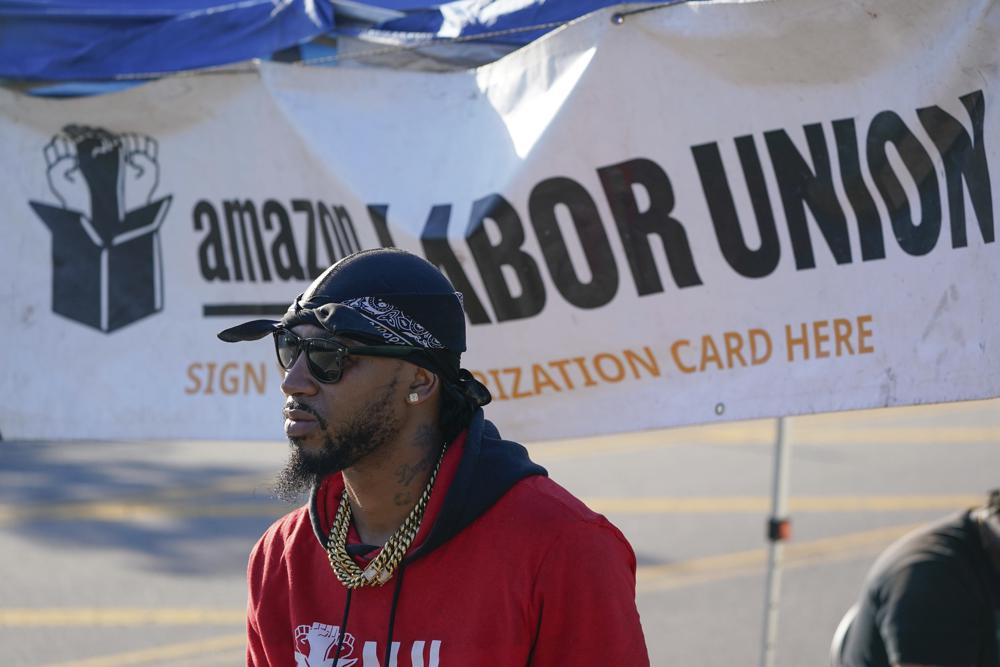
A bid to unionize Amazon workers at a distribution center in New York City neared an important milestone, as organizers prepared to deliver hundreds of signatures to the National Labor Relations Board as soon as Monday for authorization to hold a vote. Organizers say they have collected signatures from more than 2,000 employees at four Amazon facilities in Staten Island. The bid to establish the Amazon Labor Union in New York City is the second attempt in the past year to form a union at the nation’s largest online retailer. In April, workers at an Alabama facility overwhelmingly rejected forming a union in an effort led by the Retail, Wholesale and Department Store Union. The union drive in New York City is working without the help of a national sponsor and is being led by a former Amazon employee, Christian Smalls, who said he was fired just hours after he organized a walkout to protest working conditions last year at the outset of the pandemic. Organizers need to collect signatures from at least 30% of the workers — about 7,000 in four Staten Island warehouses — who would be covered by the resulting collective bargaining agreement. “We’ll have it by Monday. I’m going out there today, going out there tomorrow, the next day — until we get it,” said Smalls, who was elected Sunday as the nascent union’s president. Amazon spokesperson Kelly Nantel said the company’s employees have a choice of whether or not to join a union but “we don’t think unions are the best answer for our employees.” “Every day we empower people to find ways to improve their jobs, and when they do that we want to make those changes — quickly,” Nantel said. “That type of continuous improvement is harder to do quickly and nimbly with unions in the middle.” The union efforts in Staten Island come as Amazon is on a hiring binge. It announced in September it wants to hire 125,000 delivery and warehouse workers and is paying new recruits an average of $18 an hour in a tight job market. That’s in addition to the 150,000 seasonal workers it plans to bring on this season. The organizing drive is also happening during a moment of reckoning across Corporate America as the pandemic and ensuing labor shortage has given employees more leverage to fight for better working conditions and pay. Workers have staged strikes at Kellogg’s U.S. cereal plants as well as at Deere & Co., Frito-Lay, and Nabisco facilities nationwide. “Worker discontent goes far beyond Amazon,” said Kent Wong, the director of the UCLA Labor Center. ”Workers are feeling the pinch. They are feeling tremendous economic insecurity and they know that corporate leaders at Amazon are making record profits. There is a lot of discontent that may fuel support for this campaign.” Workers at other Amazon facilities are closely watching developments in New York City. Smalls said he’s been in discussions with other potential union organizers in about a dozen Amazon locations. Amazon employees have complained about long work hours, insufficient breaks, and safety, with Smalls and others likening working conditions to modern-day sweatshops. The employee turnover rate has also been a cause of concern. “That’s been our focus — creating a better working environment for Amazon employees,” said Derrick Palmer, another union organizer who has worked with Amazon for the past six years. “They’re working 10 to 12 hours a day and on their feet for 10 hours.” If the NLRB approves the signatures in Staten Island, it would mark the second unionization vote at an Amazon warehouse in less than a year. The first election, in Bessemer, Alabama, garnered nationwide attention and put a spotlight on how Amazon treats its workers. It was the biggest union push in Amazon’s 27-year history and only the second time that an organizing effort from within the company had come to a vote. However, there could be a do-over vote in Alabama. A hearing officer for the NLRB found in August that Amazon potentially interfered with the election. And the RWDSU is now waiting for a decision from an NLRB regional director to see whether the hearing officer’s guidance will be sanctioned. But even with a second election, labor experts say a union victory is a long shot. The unionizing effort in Staten Island differs from the one in Alabama in part because of who is leading the charge — and where. Wong noted that organizers in Staten Island face a less hostile union environment than Alabama — a right-to-work state that allows employees to decline union membership and not pay union dues. Moreover, there may be more sympathy and better response to the independent worker-run campaign that Smalls is spearheading versus the one led by the RWDSU. “There is a certain David and Goliath quality to this campaign,” Wong said. At the same time, there are downsides to going at it alone versus teaming up with a national retail labor union. “They don’t have the same staff and resources, and that makes it challenging,” Wong said of the Staten Island effort. “This is an uphill battle.” Already there is some friction starting to surface between the RWDSU and the independent effort in Staten Island. Smalls has been openly critical of national retail unions, calling them “a third party.” Stuart Applebaum, president of the RWDSU, said he takes issue with that. “Unions are not third parties, and if you listen to Chris Smalls’ logic, it calls for the elimination of all organized labor in the United States, and that is just a mistake,” Applebaum said, adding, “Amazon is such an extraordinary force with inconceivable power and wealth. You need to have an organized effort with sufficient resources.” Smalls counters: “Amazon’s been here 27 years now — if established unions were so great at organizing, wouldn’t they have done it already?” “We’re trying something different,” Smalls went on to say. “And that’s the problem that I have with everybody who expect us to just join forces with these established unions. Why can’t we lead the
Amazon announces new Alabama warehouse after union defeat
Amazon announced plans for a new warehouse that will bring more than 500 jobs to north Alabama just weeks after workers at another company facility in the state soundly defeated a push for unionization. The company said the 1 million-square-foot (93,000-square-meter) order fulfillment center would be built near a new Mazda Toyota vehicle factory that’s being constructed west of Huntsville in Limestone County. “Amazon employees will pick, pack, and ship bulky or larger-sized customer items such as patio furniture, outdoor equipment, or rugs,” Owen Torres, a company spokesperson, said in a statement Tuesday. Amazon already has warehouses near Mobile and in suburban Birmingham, where employees last month voted decisively against forming a union to cut off a drive that labor activists had hoped would lead to similar efforts throughout the company. The union push at Bessemer, located just west of Birmingham, was the biggest in the 26-year history of the online seller and only the second time that an organizing move from within the company had come to a vote. Republished with the permission of the Associated Press.
After union fight, Jeff Bezos to focus on Amazon workers
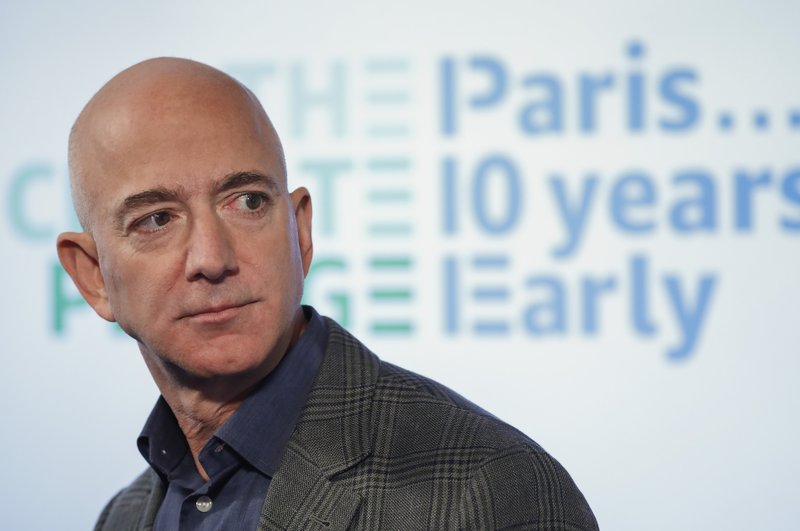
After a union battle at an Alabama warehouse, Amazon founder Jeff Bezos said that as executive chairman he will focus on making the company a better place to work. Bezos made the disclosure Thursday in his annual letter to shareholders. He said he didn’t take comfort in the outcome of the recent union election in Bessemer, Alabama, even though workers there overwhelmingly rejected a union. “I think we need to do a better job for our employees,” said Bezos, who will be stepping down as CEO later this year and will be executive chair of the online shopping giant. Part of his focus as chair will be to make warehouse jobs safer. He said about 40% of injuries are sprains and strains caused by repeating the same motions and are more likely to happen during a worker’s first six months in the job. He said training may help those “working in a physical role for the first time.” Last week, workers in Alabama handed the online retail giant a decisive victory when they voted against forming a union and cut off a path that labor activists had hoped would lead to similar efforts throughout the company. The union push was the biggest in Amazon’s 26-year history and only the second time that an organizing effort from within the company had come to a vote. But Bessemer was always viewed as a long shot since it pitted the country’s second-largest employer against warehouse workers in a state with laws that don’t favor unions. Alabama is one of 27 “right-to-work” states where workers don’t have to pay dues to unions that represent them. However, some of the work practices claimed by those seeking a union were unseemly and Bezos defended the company against the worst of those allegations. “If you read some of the news reports, you might think we have no care for employees. In those reports, our employees are sometimes accused of being desperate souls and treated as robots,” Bezos wrote. “That’s not accurate. They’re sophisticated and thoughtful people who have options for where to work.” Republished with the permission of the Associated Press.
Will Ainsworth: Amazon workers recognize union’s threat to Alabama economy
For the last few decades, our state has proudly led both the southeast and the nation in economic development, industrial recruitment, and job creation, and closets at the Alabama Department of Commerce are overflowing with awards recognizing our successes and shovels commemorating groundbreakings. Even today, as the U.S. continues to struggle with the economic fallout from the global COVID-19 pandemic, Alabama is faring better than most other states with regards to incoming tax revenues, and our employment rate ranks in the Top Ten in the nation. Though some of our citizens remain jobless and in obvious need of help, Alabama’s economic blessings are abundant. Much of our success in attracting industries and promoting economic expansion can be attributed to the fact that Alabama is a “right to work” state that protects every citizen’s ability to hold a job without being forced to join a union. Because the right to work is so deeply ingrained in Alabama’s social fabric and DNA, voters in 2016 approved a constitutional amendment that shields workers from having labor unions forced upon them, and it passed with 70 percent of the statewide vote. Given the choice between locating in an open, free-market state like Alabama or one that embraces the high costs and Orwellian employment mandates of labor unionism, most businesses, regardless of size or industry, will choose to locate here. Certainly, the explosive growth of Alabama’s automotive manufacturing sector and aerospace industry offer both strong and irrefutable evidence of that fact. One of our state’s newest and fast-growing corporate citizens is Amazon, which announced, built, and opened a massive order fulfillment center in Bessemer just before the COVID-19 pandemic struck with full force. Employing just shy of 6,000 full-time and seasonal Alabama employees who earn average pay eclipsing $15.00 an hour along with generous health benefits, Amazon is already expanding its presence and workforce with the construction of two additional Birmingham-area delivery stations. But much of that rapid expansion and the jobs and opportunities would have come to a quick and sudden halt if the Retail, Wholesale, and Department Store Union (RWDSU) had been successful in organizing workers in Amazon’s Alabama facilities. The fact that U.S. Senator Bernie Sanders, a self-avowed “democratic socialist,” and radical Congresswoman Alexandria Ocasio-Cortez repeatedly voiced strong public support for the unionization efforts in Alabama indicate that it was not in the best interest of our conservative, Pro-Trump state, its economy, or the workers who reside here. Keep in mind that in 2019, RWDSU, Sanders, AOC, and other members of the furthest fringes of the left formed a coalition that forced Amazon to abandon plans for a $1.7 billion facility in New York that would have employed 25,000 workers. Organizing the labor force in Bessemer could have prompted Amazon to swiftly reverse course, relocate its expansion, and re-examine its current presence and investment in Alabama. Moreover, policies advocated by unions like RWDSU often work against the interests of many of the employees it claims to represent. Labor unions, for example, often demand pay be based upon longevity of employment rather than the quality and merit of the work that is accomplished. Under that scenario, an employee who works hard, excels, proves especially productive, and separates themselves from the rest of the pack cannot be paid more than a previously hired worker who simply shows up and punches the time clock. Such a system stifles incentive, blocks promotion, and prevents the best and most eager employees from moving ahead and providing a better life for their families. Younger workers with bright futures are especially held back by those policies. Keeping Alabama economically healthy during a public health crisis is an incredibly difficult task, and unionizing a major employer as it works to create even more jobs and further invest in our state is not the way to accomplish that goal. Luckily, Amazon’s workers in Alabama voted overwhelmingly last week to reject the organized labor effort and refused to surrender their jobs to the labor union bosses and liberal leaders who wished to control them. Because of the wise choice made by Amazon’s employees, Alabama will continue to be fertile ground for growing jobs and opportunities, and our best days still remain ahead of us. Will Ainsworth is the Lieutenant Governor of Alabama.
Amazon takes early lead as union vote count gets underway

Vote counting in the union push at an Amazon warehouse in Bessemer, Alabama, is underway but a winner may not be determined until Friday. By Thursday evening, the count was tilting heavily against the union, with 1,100 workers rejecting it and 463 voting in favor. The count will resume Friday morning. The Retail, Wholesale, and Department Store Union, which is organizing the Bessemer workers, said that 3,215 votes were sent in — about 55% of the nearly 6,000 workers who were eligible to vote. The union said hundreds of those votes were contested, mostly by Amazon, for various reasons such as the voter didn’t work there or doesn’t qualify to vote. The union would not specify how many votes were being contested. The National Labor Relations Board is conducting the vote count in Birmingham, Alabama. In order to determine a winner, the margin of victory must be more than the number of contested votes, otherwise a hearing would be held on whether or not to open the contested votes and count them toward the final tally. RWDSU President Stuart Appelbaum struck a grim tone Thursday in a statement ahead of the results: “Our system is broken, Amazon took full advantage of that, and we will be calling on the labor board to hold Amazon accountable for its illegal and egregious behavior during the campaign. But make no mistake about it; this still represents an important moment for working people and their voices will be heard.” Amazon could not be reached for immediate comment. The vote itself has garnered national attention, with professional athletes, Hollywood stars and even President Joe Biden weighing in on the side of the union. If the union wins, it would be the first in Amazon’s 26-year history. But the vote also has wide-reaching implications beyond Amazon, which is now the second-largest private employer in the U.S. after retailer Walmart. Whatever the outcome, labor organizers hope Bessemer will inspire thousands of workers nationwide — and not just at Amazon — to consider unionizing. For Amazon, which has more than 950,000 workers in the U.S. and has fought hard against organizing attempts, a union loss could chill similar efforts around the company. The labor board has already reviewed each vote, reading names and signatures on the envelopes with representatives from Amazon and the retail union, both of which had a chance to contest those votes. Contested votes were put to the side and not opened. Now the board is opening the uncontested votes from their envelopes and counting “yes” or “no” votes. Even if there’s a clear winner, the battle may be far from over. If workers vote against forming a union, the retail union could file objections accusing Amazon of tainting the election in some way, which could lead to to a redo of the election if the labor board agrees. Amazon could file its own objections if the workers vote to form a union. Republished with the permission of the Associated Press.
