
Groups seek probe of Alabama use of virus funds for prisons
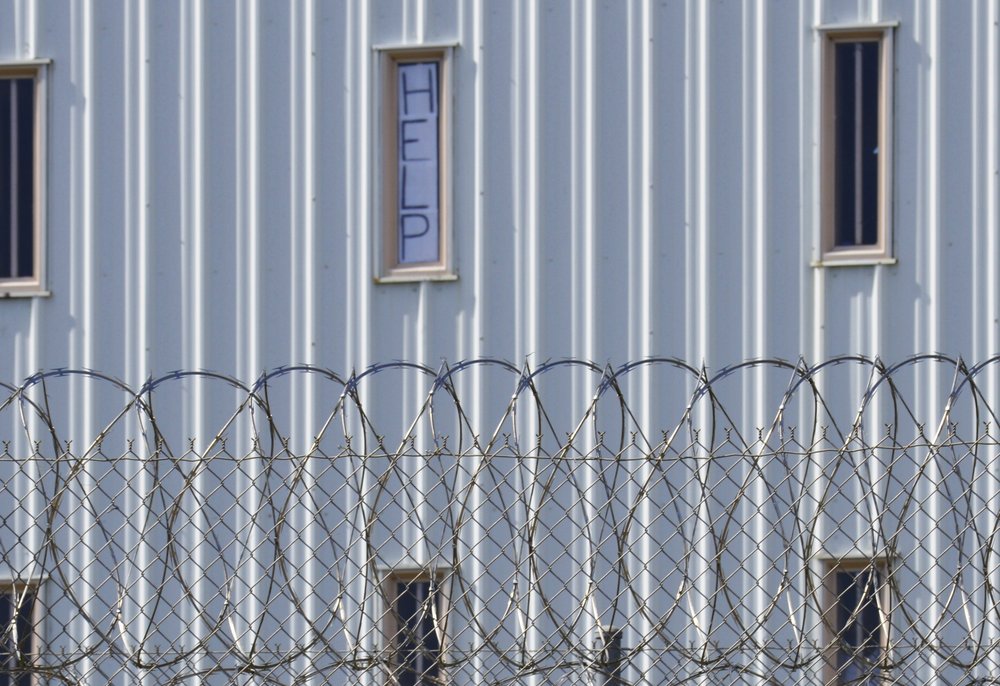
Nearly two dozen organizations have sent a letter asking the U.S. House Financial Services Committee to investigate Alabama’s plan to use $400 million in coronavirus pandemic relief funds to build two super-size prisons. The American Civil Liberties Union of Alabama, The Sentencing Project, and others signed on to a letter arguing that prison construction is an improper use of COVID-19 relief dollars from the American Rescue Plan. It asks Chairwoman Rep. Maxine Waters to hold hearings on the matter. “Directing COVID relief funds to a massive prison construction plan that long predates the pandemic is an absurd and inappropriate use of (American Rescue Plan) funds,” the organizations wrote. Alabama Gov. Kay Ivey signed legislation in October to tap $400 million of the state’s money from the federal plan to help build two super-size prisons. The Republican governor at the time called the construction plan “a major step forward” for the prison system, which faces various federal court orders and a lawsuit from the U.S. Department of Justice. The Alabama prison construction proposal calls for three new prisons — one north of Montgomery in Elmore County with at least 4,000 beds and enhanced space for medical and mental health care needs; another prison with at least 4,000 beds in south Alabama’s Escambia County and to replace the current women’s prison in Elmore — as well as renovations to existing facilities. Many existing facilities would close. Republican legislative leaders and Ivey have said they are confident that they can use the pandemic money for prison construction because the American Rescue Plan, in addition to authorizing the dollars for economic and health care programs, says states can use the money to replace revenue lost during the pandemic to strengthen support for vital public services and help retain jobs. But the opposed organizations argued that was not the intent of the money. “Building more prisons is a gross misuse of funds that were sent to help the people of Alabama, not punish them,” said JaTaune Bosby, executive director of ACLU of Alabama, in a statement. Bosby added that, “There seems to be no urgency from elected officials to provide relief to the people incarcerated in their facilities.” The U.S. Department of Justice has sued Alabama over a prison system “riddled with prisoner-on-prisoner and guard-on-prisoner violence.” The Justice Department noted in an earlier report that dilapidated facilities were a contributing factor to the unconstitutional conditions but wrote “new facilities alone will not resolve” the matter because of culture, management deficiencies, corruption and violence. The department updated its complaint this year, saying conditions in Alabama prisons have not improved since the federal government warned of unconstitutional conditions earlier and that male inmates continue to live in deadly and dangerous conditions. Ivey’s office did not immediately respond to an email seeking comment.
U.S. regulators lift in-person restrictions on abortion pill
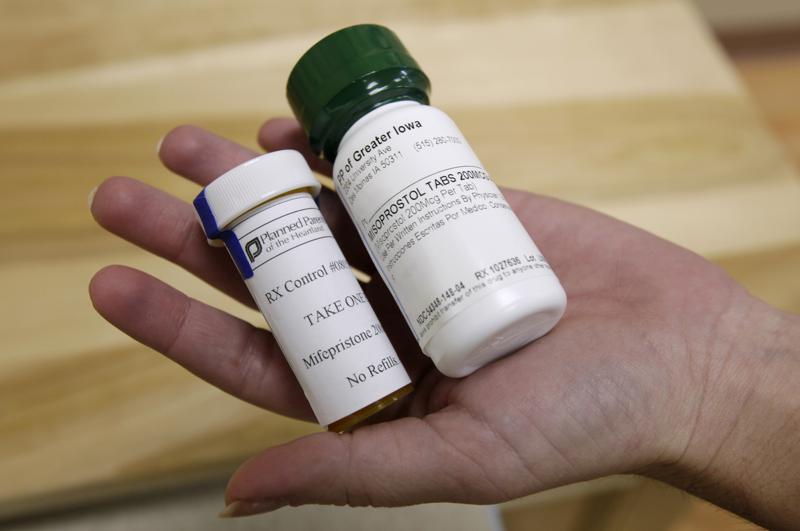
The Food and Drug Administration on Thursday permanently removed a major obstacle for women seeking abortion pills, eliminating a long-standing requirement that they pick up the medication in person. Millions of American women will now be able to get a prescription via an online consultation and receive the pills through the mail. FDA officials said a scientific review supported broadening access, including no longer limiting dispensing to a small number of specialty clinics and doctor’s offices. But prescribers will still need to undergo certification and training. Additionally, the agency said dispensing pharmacies will have to be certified. The decision is the latest shift in the polarized legal battle over medication abortion, which has only intensified amid the disruptions of the COVID-19 pandemic. It is certain to spur legal challenges and more restrictions in Republican-led states. Earlier this year, the FDA stopped enforcing the in-person requirement because of the pandemic. Under Thursday’s decision, the agency permanently dropped the 20-year-old rule, which has long been opposed by medical societies, including the American Medical Association, which say the restriction offers no clear benefit to patients. The FDA’s latest scientific review stems from a 2017 lawsuit led by the American Civil Liberties Union, which argued that the agency’s restrictions block or delay medical care, especially for people in low-income and rural communities. The ACLU hailed the elimination of the strictest requirements but said regulators should have gone further and allowed prescribing by any physician and broader pharmacy dispensing. Abortion opponents said the FDA decision would result in more drug-related side effects and complications for women. Physicians who prescribe the drug mifepristone, will have to certify that they can provide emergency care to deal with potential adverse effects, including excessive bleeding, FDA officials said Thursday. The change still means many more doctors will be able to write prescriptions, and American women will be able to fill their orders at far more pharmacies, including via online and mail-order services. The effect will vary by state. More than a dozen Republican-led states have passed measures that limit access to the pills, including outlawing delivery by mail. Increased use of mail-order abortion pills could pose a dilemma for the anti-abortion movement, given that its leaders generally say they don’t favor criminalizing the actions of women seeking abortions and because mail deliveries can be an elusive target for prosecutors. The latest policy shift comes as advocates on both sides of the abortion debate wait to see whether the conservative Supreme Court will weaken or even overturn the Roe v. Wade decision that guarantees the right to abortion nationwide. Roe’s demise would likely prompt at least 20 Republican-governed states to impose sweeping bans, while perhaps 15 states governed by Democrats would reaffirm support for abortion access. More complicated would be politically divided states, where fights over abortion laws could be ferocious. Medication abortion has been available in the United States since 2000 when the FDA first approved mifepristone to terminate pregnancies up to 10 weeks. Taken with a hormone blocker called misoprostol, it constitutes the so-called abortion pill. About 40% of all abortions in the U.S. are now done through medication — rather than surgery — and that option has become more pivotal during the COVID-19 pandemic. At the time of approval, the FDA imposed limits on how the drug could be distributed, including barring it from regular pharmacies and requiring that all doctors providing the drug undergo special certification. Women were also required to sign a form indicating they understood the medication’s risks. The FDA said Thursday there have been 26 deaths associated with the drug since 2000, though not all of those can be directly attributed to the medication due to underlying health conditions and other factors. Common drug side effects include cramping, bleeding, nausea, headache, and diarrhea. In some cases excess bleeding needs to be stopped with a surgical procedure. Near the beginning of the outbreak, the FDA waived in-person requirements for virtually all medications but left them in place for mifepristone. That triggered a lawsuit from the American College of Obstetricians and Gynecologists, which successfully overturned the restriction in federal court. The Trump administration then appealed the ruling to the Supreme Court, which reinstated the requirement in January. The point became moot — at least temporarily — in April when the FDA said it would not enforce the dispensing limits during the current public health emergency. “The FDA’s decision will come as a tremendous relief for countless abortion and miscarriage patients,” said Georgeanne Usova, a lawyer with the ACLU. “However, it is disappointing that the FDA fell short of repealing all of its medically unnecessary restrictions on mifepristone, and these remaining obstacles should also be lifted.” Jeanne Mancini, president of the March for Life Education and Defense Fund, said the decision “will lead to more lives lost to abortion, and will increase the number of mothers who suffer physical and psychological harm from chemical abortions.” Republished with the permission of the Associated Press.
No settlement for separated migrant families amid criticism

Migrants whose children were taken from them under former President Donald Trump’s zero-tolerance border policy have not reached a settlement agreement with the U.S. government, a lawyer for the families said Thursday as he and other advocates pushed back at increasing criticism of a proposal to pay compensation to them. Attorney Lee Gelernt of the American Civil Liberties Union would not discuss details of the talks nor confirm a previously reported settlement proposal of several hundred thousand dollars to each affected person. He did, however, hold out the possibility of a trial, featuring parents separated from children as young as six months as witnesses, if there’s no agreement to end the litigation. “All I can say is there’s no deal on the table, and we have no timeframe necessarily,” Gelernt said in a conference call with reporters. The settlement talks, which would typically be private until an agreement is finalized, have instead become a new line of attack for Biden administration critics seeking to tie the issue to the increasing number of migrants seeking to cross the U.S.-Mexico border over the past year. Republicans grilled Homeland Security Secretary Alejandro Mayorkas about it this week when he appeared before the Senate Judiciary Committee. “As you can imagine, many Americans think it’s a pretty outrageous idea to offer massive taxpayer-funded payments to illegal immigrants who broke our laws, particularly in the middle of a record-shattering border crisis that this administration has created,” Sen. Chuck Grassley, a Republican from Iowa, said at the hearing Tuesday. Mayorkas referred questions from the senators to the Department of Justice, which is handling the negotiations, though at one point, he disputed the suggestion that a settlement would encourage future migrants to seek to come to the U.S. About 5,500 children were forcibly removed from their parents under Trump’s zero-tolerance policy in which parents were separated from their children as the administration sought to discourage people from crossing the border, even if they were presenting themselves to authorities to seek asylum. Trump halted the practice in June 2018 amid widespread outrage, including from many Republicans, just six days before a judge ordered an end to the program in response to a lawsuit filed by the ACLU. In addition to negotiating a potential settlement, the Biden administration has also been working to reunite some of the families. There are believed to be hundreds, and perhaps as many as 1,000-2,000, parents who were separated from their children and still haven’t been located. The settlement talks had been going on quietly for months when The Wall Street Journal reported in October that the Justice Department was considering paying about $450,000 to each person affected. The Associated Press later confirmed the figure had been under consideration. In addition to the payment, settlement talks have also included a discussion of granting the families legal U.S. residency and providing counseling services. Asked about the amount on Nov. 3, Joe Biden appeared to misunderstand the question and said a payment of about $450,000 per person was “not going to happen.” He later said he supported a settlement without specifying an amount. “If, in fact, because of the outrageous behavior of the last administration, you coming across the border, whether it was legally or illegally, and you lost your child — You lost your child. It’s gone — you deserve some kind of compensation, no matter what the circumstance,” Biden said. “What that will be, I have no idea. I have no idea.” Migrant advocates say the amount of the settlement and the legal status of the families misses the point. “What’s really an issue is the question of whether we as a country are OK with ripping babies out of the arms of their parents,” said Conchita Cruz, co-executive director of the Asylum Seeker Advocacy Project. Gelernt noted in the call with reporters that many of the separated families were not entering the country illegally, as critics claim because they were presenting themselves to authorities to seek asylum, which is legal under U.S. law. He also pointed out that even non-citizens can sue the U.S. government, regardless of their immigration status. “The truth is that lawyers always settle cases, and it’s usually because it’s in their financial interest to do so,” he said. The advocates gave a sense of what a trial might entail, bringing a woman to the call who gave her name only as Leticia and tearfully described having her son taken from her as she sought asylum in 2017. It was 2 1/2 years before they were reunited, and she said the boy showed signs of psychological trauma from the separation. “Even now, after being reunited together, we live in fear a day that we could still be separated,” she said. “I could not imagine living through this pain again.” Republished with the permission of the Associated Press.
Court halts use of health order to expel migrant families
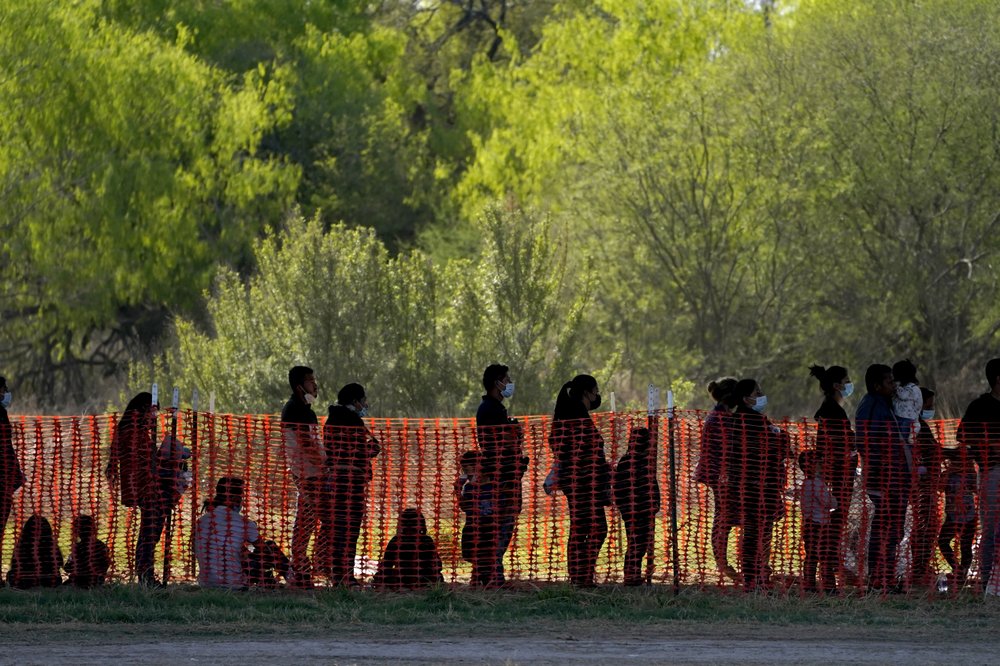
A federal judge ruled Thursday that the U.S. government must stop using a Trump-era public health order to quickly expel migrants with children who are apprehended along the U.S.-Mexico border. U.S. District Judge Emmet Sullivan gave the government two weeks to halt a practice that opponents say is unnecessary and improperly relies on the threat posed by COVID-19 to deprive people of their right to seek asylum in the United States. Sullivan granted a preliminary injunction in response to a lawsuit filed by the American Civil Liberties Union and others on behalf of migrant families, saying they were likely to succeed in their challenge to the use of the public health law known as Title 42. “President Biden should have ended this cruel and lawless policy long ago, and the court was correct to reject it today,” said Omar Jadwat, director of the ACLU’s Immigrants’ Rights Project. The Biden administration was evaluating the ruling and had no immediate comment on whether it plans to appeal. The organization Human Rights First, which has documented cases of kidnapping and sexual assault among families and individuals sent to Mexico under the policy, urged the Biden administration to stop the use of Title 42 before the injunction takes effect in 14 days. “In the wake of this decision, the Biden administration must choose to uphold the refugee laws enacted by Congress rather than permanently stain the president’s legacy by continuing to perpetuate and escalate this illegal and inhumane Trump policy,” said Eleanor Acer, the senior director for refugee protection with Human Rights First. Title 42 was invoked early in the pandemic, under President Donald Trump, ostensibly to help control the spread of COVID-19 in detention facilities by turning back migrants encountered by the Border Patrol without giving them a chance to seek to stay in the U.S. by asking for asylum or for some other reason. Opponents say there is no legitimate public health basis and no legal authority to deprive people of their right to seek protection in the United States from persecution in their homeland and that it is essentially a cover for a restrictive immigration policy. The judge said in his ruling that the use of Title 42, in this case, is “likely unlawful” and also unnecessary “in view of the wide availability of testing, vaccines, and other minimization measures” to address the potential spread of COVID-19. President Joe Biden halted the practice of expelling children crossing by themselves, following reports that they were being sent alone into dangerous Mexican border cities but continued turning away most other migrants. In recent months, Mexico has begun accepting fewer migrant families with children, and the U.S. has been allowing some to remain in the country as they seek to stay. In August, the U.S. invoked Title 42 to expel 16,240 people traveling in family groups who were encountered along the southwest border, according to the most recent statistics from Customs and Border Protection. In the same month, there were more than 86,000 migrants with minor children encountered along the border. Those who aren’t immediately expelled are subject to U.S. regulations that allow them to pursue legal residency under asylum through the immigration court system. The total number of migrants encountered along the U.S.-Mexico border in August was nearly 209,000, which was down 2% from the previous month but still exceeded recent periods of higher activity in 2019 and 2014, and was at levels not seen since 2000. One outcome of the rapid expulsions is that people are making repeated attempts to illegally enter the country. Customs and Border Protection said 25% of those it encountered in August had been stopped at least once over the previous year, compared with 14% in earlier years. The Biden administration said in July that it would begin seeking to prosecute repeat offenders. Republished with the permission of the Associated Press.
Tally of children split at border tops 5,400 in new count
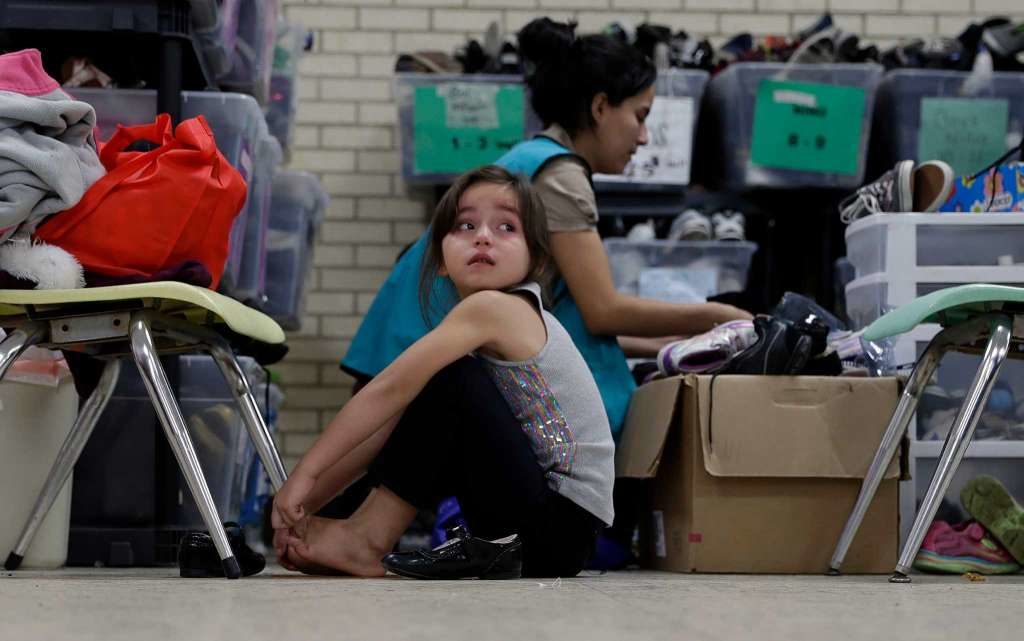
U.S. immigration authorities separated more than 1,500 children from their parents at the Mexico border early in the Trump administration, the American Civil Liberties Union said Thursday, bringing the total number of children separated since July 2017 to more than 5,400. The ACLU said the administration told its attorneys that 1,556 children were separated from July 1, 2017, to June 26, 2018, when a federal judge in San Diego ordered that children in government custody be reunited with their parents. Children from that period can be difficult to find because the government had inadequate tracking systems. Volunteers working with the ACLU are searching for some of them and their parents by going door-to-door in Guatemala and Honduras. Of those separated during the 12-month period, 207 were under 5, said attorney Lee Gelernt of the ACLU, which sued to stop family separation. Five were under a year old, 26 were a year old, 40 were 2 years old, 76 were 3, and 60 were 4. “It is shocking that 1,556 more families, including babies and toddlers, join the thousands of others already torn apart by this inhumane and illegal policy,” said Gelernt. “Families have suffered tremendously, and some may never recover.” The Justice Department declined to comment. The count is a milestone in accounting for families who have been touched by Trump’s widely maligned effort against illegal immigration. The government identified 2,814 separated children who were in government custody on June 26, 2018, nearly all of whom have been reunited. The U.S. Health and Human Services Department’s internal watchdog said in January that potentially thousands more had been separated since July 2017, prompting U.S. District Judge Dana Sabraw to give the administration six months to identify them. The ACLU said it received the last batch of 1,556 names one day ahead of Friday’s deadline. The administration has also separated 1,090 children since the judge ordered a halt to the practice in June 2018 except in limited circumstances, like threats to child safety or doubts about whether the adult is really the parent. The ACLU said the authorities have abused their discretion by separating families over dubious allegations and minor transgressions including traffic offenses. It has asked Sabraw to more narrowly define circumstances that would justify separation, which the administration has opposed. With Thursday’s disclosure, the number of children separated since July 2017 reached 5,460. The government lacked tracking systems when the administration formally launched a “zero tolerance” policy in the spring of 2018 to criminally prosecute every adult who entered the country illegally from Mexico, sparking an international outcry when parents couldn’t find their children. Poor tracking before the spring of 2018 complicates the task of accounting for children who were separated early on. As of Oct. 16, the ACLU said, volunteers couldn’t reach 362 families by phone because numbers didn’t work or the sponsor who took custody was unable or unwilling to provide contact information for the parent, prompting the door-to-door searches in Central America. Since retreating on family separation, the administration has tried other ways to reverse a major surge in asylum seekers, many of them Central American families.Tens of thousands of Central Americans and Cubans have been returned to Mexico this year to wait for immigration court hearings, instead of being released in the United States with notices to appear in court. Last month, the administration introduced a policy to deny asylum to anyone who passes through another country on the way to the U.S. border with Mexico without seeking protection there first. By Elliot Spagat Associated Press. Republished with the permission of the Associated Press.
New black sheriff, court officer in Birmingham rethinking policing
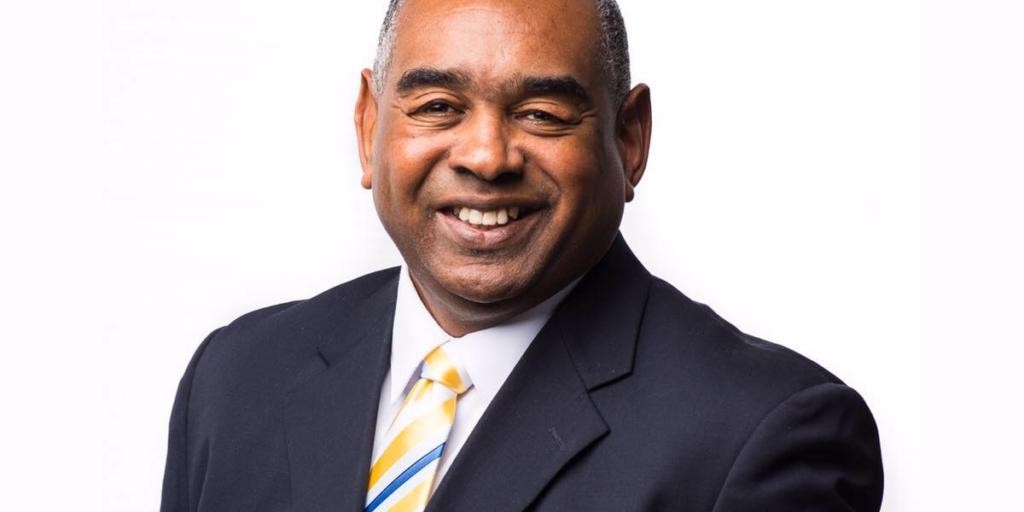
Veteran Alabama law enforcement officer Mark Pettway grew up in a black neighborhood called “Dynamite Hill” because the Ku Klux Klan bombed so many houses there in the 1950s and ’60s. Now, after becoming the first black person elected sheriff in Birmingham – on the same day voters elected the community’s first black district attorney – Pettway sees himself as part of a new wave of officers and court officials tasked with enforcing laws and rebuilding community trust fractured by police shootings, mass incarceration, and uneven enforcement that critics call racist. In a state where conservative politicians typically preach about getting tough on crime, Jefferson County’s new sheriff ran and won on an alternative message. He favors decriminalizing marijuana, opposes arming school employees, supports additional jailhouse education programs to reduce recidivism and plans for deputies to go out and talk to people more often, rather than just patrolling. “Going forward we need to think about being smarter and not being harder,” said the Democrat Pettway, 54. While the nation’s law enforcement officers are still mostly white men, and groups including the American Civil Liberties Union and Black Lives Matter call for sweeping changes in the criminal justice system, minorities appear to be making gains nationwide. In Pettway’s case, strong turnout by African-American voters, combined with national concern over police shootings of unarmed people of color, helped him defeat longtime Sheriff Mike Hale, a white Republican, said professor Angela K. Lewis, interim chair of political science at the University of Alabama at Birmingham. Winners in other cities attributed their success to similar factors. Houston voters elected 17 black women as judges in the midterms. Even before the election, nearly the entire criminal justice system in the Georgia city of South Fulton, near Atlanta was run by black women, including the chief judge, prosecutor, chief clerk and public defender. They’re offering more chances for criminal defendants to avoid convictions through pre-trial programs and increased use of taxpayer-funded lawyers to protect the rights of the accused. Chief Judge Tiffany C. Sellers of South Fulton’s municipal court said officials also explain court procedures in detail to defendants, many of whom haven’t been in court before and are scared. “Black and brown people often feel disenfranchised from the system, and I want them to understand what is going on,” Sellers said. “At the end of the day they may not like what I did with their case, but at least they know I explained things to them.” Midterms voters in five North Carolina counties elected black Democratic sheriffs for the first time, including Gerald Baker in Wake County. He defeated a longtime Republican incumbent by campaigning on ending the county’s participation in a Trump administration program to detain people suspected of being in the country illegally and advocating for greater police accountability. The message resonated in a county where a deputy and two highway troopers were charged in the beating of a black man earlier this year. Kyron Hinton suffered injuries including a broken nose, multiple dog bites and a fractured eye socket. “If we make a mistake out here in the actions that we take then we should take responsibility for those things,” Baker said in an interview after the election. Yet despite gains by people of color, officials like Baker still represent a minority in U.S. law enforcement. A Justice Department report released in 2013 showed that law enforcement agencies had become more racially and ethnically diverse over a 26-year period, yet the nation’s overall law enforcement community remained overwhelmingly white and male. Local police departments, which typically patrol inside city police jurisdictions, were about 73 percent white, the report said. Sheriff’s offices, which usually patrol in less urban areas and often operate county jails, were even whiter, at about 78 percent white. The report said research found that African-American, Latino and Asian-American communities were all underrepresented within police agencies relative to the populations they served. The disparity was greatest among blacks in areas where black population is proportionately largest, said the report. In Birmingham, Sheriff-elect Pettway of Jefferson County said he wants to increase hiring among minorities and women after he takes office in January. The department’s roughly 680-person staff should better reflect the county’s population, which is almost evenly split between blacks and whites, he said. Some of Pettway’s positions track those of the National Organization of Black Law Enforcement Executives, with about 3,000 members in all levels of police work. The group opposes arming teachers and held a conference last year aimed at broadening communication between police and community members. Pettway said he plans to increase the use of police body cameras, which he said was a big selling point during his campaign. “People loved that. With all the things that have been happening in law enforcement, people wanted accountability,” he said. Republished with permission from the Associated Press.
Donald Trump signs order denying asylum to illegal border crossers
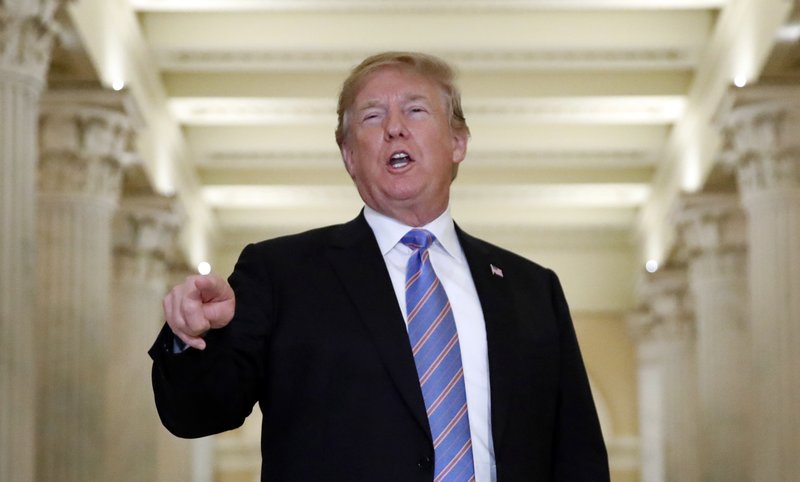
President Donald Trump issued an order Friday to deny asylum to migrants who enter the country illegally, tightening the border as caravans of Central Americans slowly approach the United States. The plan was immediately challenged in court. Trump invoked the same powers he used last year to impose a travel ban that was upheld by the Supreme Court. The new regulations are intended to circumvent laws stating that anyone is eligible for asylum no matter how he or she enters the country. About 70,000 people per year who enter the country illegally claim asylum, officials said. “We need people in our country but they have to come in legally,” Trump said Friday as he departed for Paris. The American Civil Liberties Union and other legal groups swiftly sued in federal court in Northern California to block the regulations, arguing the measures were clearly illegal. “The president is simply trying to run roughshod over Congress’s decision to provide asylum to those in danger regardless of the manner of one’s entry,” said ACLU attorney Lee Gelernt. The litigation also seeks to put the rules on hold while the litigation progresses. It wasn’t clear whether the case would go before a judge before the rules go into effect Saturday. They would be in place for at least three months but could be extended, and don’t affect people already in the country. Trump’s announcement was the latest push to enforce a hard-line stance on immigration through regulatory changes and presidential orders, bypassing Congress, which has not passed any immigration law reform. But those efforts have been largely thwarted by legal challenges and, in the case of family separations this year, stymied by a global outcry that prompted Trump to retreat. Officials said the asylum law changes are meant to funnel migrants through official border crossings for speedy rulings instead of having them try to circumvent such crossings on the nearly 2,000-mile (3,200-kilometer) border. Border Patrol agents in Yuma said they arrested nearly 450 migrants in Western Arizona this week. But the busy ports of entry already have long lines and waits, forcing immigration officials to tell some migrants to turn around and come back to make their claims. Even despite that, illegal crossings are historically low. Backlogs have become especially bad in recent months at crossings in California, Arizona and Texas, with some people waiting five weeks to try to claim asylum at San Diego’s main crossing. “The arrival of large numbers … will contribute to the overloading of our immigration and asylum system and to the release of thousands … into the interior of the United States,” Trump said in the proclamation, calling it a crisis. Administration officials said those denied asylum under the proclamation may be eligible for similar forms of protection if they fear returning to their countries, though they would be subject to a tougher threshold. Those forms of protection include “withholding of removal” — which is similar to asylum, but doesn’t allow for green cards or bringing families — or protection under the United Nations Convention Against Torture. Homeland Security officials said they were adding staffing at the border crossings to manage the expected crush, but it’s not clear how migrants, specifically families, would be held as their cases are adjudicated. Family detention centers are largely at capacity. Trump has said he wanted to erect “tent cities,” but nothing has been funded or decided. The U.S. is also working with Mexico in an effort to send some migrants back across the border. Right now, laws allow only Mexican nationals to be swiftly returned and increasingly those claiming asylum are from Central America, not Mexico. Trump pushed immigration issues hard in the days leading up to Tuesday’s midterm elections, railing against the caravans that are still hundreds of miles from the border. He has made little mention of the issue since the election, but has sent troops to the border in response. As of Thursday, there were more than 5,600 U.S. troops deployed to the border mission, with about 550 actually working on the border in Texas. Trump also suggested he’d revoke the right to citizenship for babies born to non-U.S. citizens on American soil and erect massive “tent cities” to detain migrants. Those issues were not addressed by the regulations. But Trump insisted the citizenship issue would be pushed through. “We’re signing it. We’re doing it,” he said. The administration has long said immigration officials are drowning in asylum cases partly because people falsely claim asylum and then live in the U.S. with work permits. In 2017, the U.S. fielded more than 330,000 asylum claims, nearly double the number two years earlier and surpassing Germany as highest in the world. Migrants who cross illegally are generally arrested and often seek asylum or some other form of protection. Claims have spiked in recent years and the immigration court backlog has more than doubled to 1.1 million cases in about two years, Syracuse University’s Transactional Records Access Clearinghouse reported this week. Generally, only about 20 percent of applicants are approved. It’s unclear how many people en route to the U.S. will even make it to the border. Roughly 5,000 migrants — more than 1,700 under the age of 18 — sheltered in a Mexico City sports complex decided to depart Friday for the northern city of Tijuana, opting for the longer but likely safer route to the U.S. border. Similar caravans have gathered regularly over the years and have generally dwindled by the time they reach the southern border, particularly to Tijuana. Most have passed largely unnoticed. Republished with permission from the Associated Press.
Judge rules Cullman County’s bail system illegally discriminates against the poor

People who fall victim to what many deem a “two-tiered” system of justice that’s based on wealth, won a significant victory in Cullman County, Ala. on Thursday when a federal court judge ruled that the practice of jailing those who cannot afford cash bail is unconstitutional. U.S. District Court Judge Madeline Haikala entered a preliminary injunction order that prohibits Cullman County from continuing to discriminate against the poor through its bail system, which many deem a “two-tiered” system of justice that’s based on wealth. Her decision follows a memorandum opinion entered last week explaining why the county’s practices were illegal. As the Court explained, “Cullman County’s discriminatory bail practices deprive indigent criminal defendants in Cullman County of equal protection of the law” and its justifications for using a bail schedule are “illusory and conspicuously arbitrary.” This preliminary injunction will remain in effect while the lawsuit challenging the practice is fully resolved and permanent relief is ordered. The suit was brought by the Southern Poverty Law Center(SPLC), Civil Rights Corps, the American Civil Liberties Union (ACLU) and the American Civil Liberties Union of Alabama on behalf of Bradley Hester, who was held on a $1,000 bond he could not afford. “Today was a big win for all Cullman County residents because no longer will the county be allowed to treat residents with means differently than those without in our criminal justice system,” said Sam Brooke, deputy legal director, the Southern Poverty Law Center. “Jails are not meant to warehouse people who have not been convicted of a crime, particularly where, as here, the rich are able to buy their freedom and impoverished people are left to languish in jail. This form of wealth-based discrimination that keeps people in jail just because they cannot afford their freedom is unconstitutional. We will continue to fight to eliminate wealth-based justice.” Katherine Hubbard, attorney, Civil Rights Corps, says most municipal courts have already moved away from cash. bail. “Today’s decision affirms that progress, and encourages more, recognizing that our district and circuit courts still have a long way to go,” she said. “We look forward to working with the county officials to ensure their new practices comply with the preliminary injunction order, and we will continue our litigation against Cullman County until permanent relief is implemented.” “The federal court’s decision today acknowledges what policy makers, advocates, and state courts across the country are recognizing: that locking people up simply based on poverty is unacceptable, and that a just bail system must provide robust protections to ensure that those presumed innocent are released pretrial, while only the most severe cases will require detention,” added Brock Boone, staff attorney, ACLU of Alabama. Brock continued, “Cullman County is in many ways typical of courts across Alabama. Far too often, its bail system results in people being locked away pretrial simply because they could not pay. Courts throughout Alabama, and the country, are setting bail above what people can pay, without any protections to ensure that this draconian penalty is used only when absolutely necessary.” Others moving away from cash bail Last month, California became the first state to fully abolish cash bail, a step backers said would create a more equitable criminal justice system, that’s not as dependent on a person’s wealth. “Several U.S. cities and states have in recent years reduced their reliance on bail, arguing the system unfairly confines poor people, creating overcrowded jails and extra costs for taxpayers,” the Wall Street Journal reported. Those who have been accused of crimes will instead be assessed, released on their own recognizance, given conditions for their release (GPS trackers, placed on house arrest) or held in jail.
ACLU of Alabama outlines how to cut the state’s prison population in half
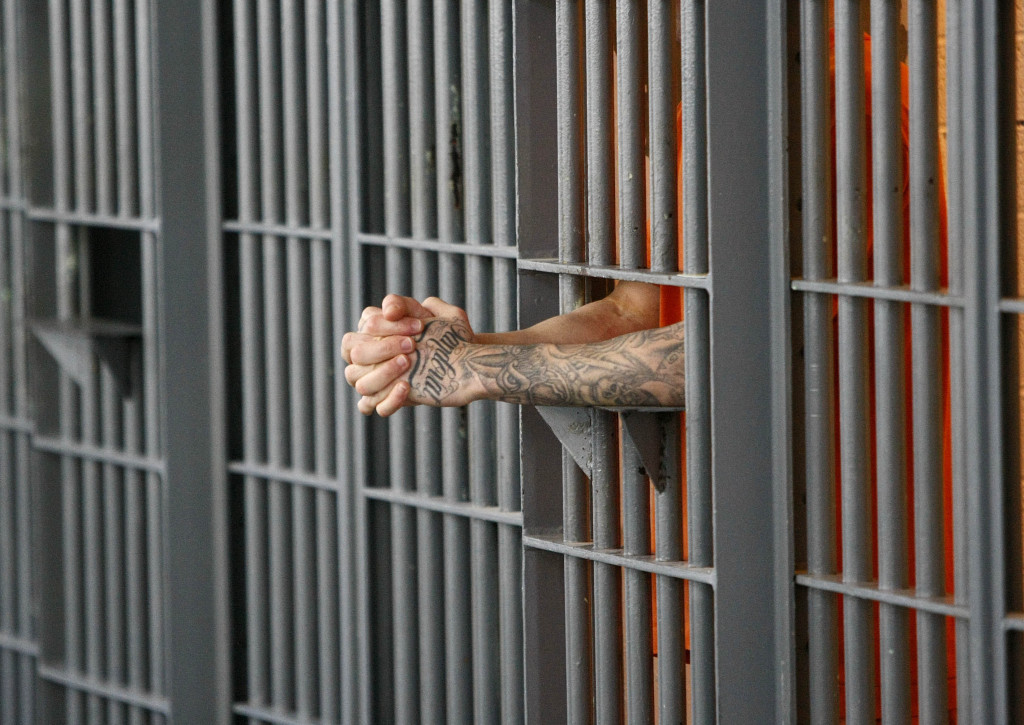
Out of the 2+ million people who are behind bars in this country, about 90 percent are held in local jails and state prisons, which is why the American Civil Liberties Union (ACLU) of Alabama has released a new report outlining how Alabama in particular can cut incarceration rates in half. Currently, 28,296 people are locked up in Alabama prisons, says the ACLU of Alabama. According to the Alabama Department of Corrections (ADOC), state facilities are are at 160 percent of their intended occupancy — the most overcrowded system in the country — as they’re collectively designed to hold only only 13,000 prisoners. The ACLU of Alabama says prosecutors, judges, the state’s parole board and state lawmakers have the ability to change these stats if they pursue reforms like changing drug sentencing laws and sentencing enhancement laws, reducing sentencing ranges, and addressing its juvenile justice system. The new report is a part of the ACLU’s Smart Justice 50-State Blueprints project, a comprehensive, state-by-state analysis of how states can transform their criminal justice system and cut incarceration in half. In the coming weeks, the ACLU of Alabama will convene briefings with advocates and policymakers to share the findings of the Blueprint and discuss strategies on how to move the criminal justice reform agenda further forward. “If Alabama were to follow these and other reforms in this Smart Justice 50-State Blueprint, 12,511 fewer people would be in prison in Alabama by 2025, saving nearly $470 million that could be invested in schools, services, and other resources that would strengthen communities,” reads the report’s website. According to the report, Alabama can dramatically reduce its prison population by implementing just a few sensible reforms: Reducing the amount of time people spend in prison by reforming harsh drug laws by amending the criminal code Doing away with direct and discretionary transfers of juveniles to adult court. Increasing the value threshold that defines whether a property offense is a misdemeanor or a felony. Eliminating or significantly scaling back mandatory minimum sentences. Repealing Alabama’s Habitual Felony Offender Act, which is one of the most punitive habitual offender laws in the country. Releasing aging people in prison who pose no threat to public safety. Looking back 2015, more than 70 percent of people in Alabama county jails had not been convicted of a crime and were still awaiting trial. According to the ACLU of Alabama, “practices like this that are funneling more people into prison and having them stay there for longer and longer periods of time is creating a strain on Alabama’s budget.” In fact, in 2016, Alabama spent nearly half a billion dollars of its general fund on corrections, which represents an increase of 126 percent since 1985, a figure that far outpaces growth in spending on higher education. “Alabama voters, advocates, policymakers, and prosecutors have a crucial choice to make: continue our over-reliance on incarceration that is stifling our state and hurting our communities, or move forward by building a new, more compassionate, more humane systems of accountability that puts people before prisons,” said Randall Marshall, executive director of the ACLU of Alabama.
Federal appeals court blocks Alabama anti-abortion law

The 11th Circuit U.S. Court of Appeals in Atlanta blocked Alabama anti-abortion legislation on Wednesday, that would have outlawed a commonly used second-trimester dismemberment abortion procedure. The legislation, SB363: the Unborn Child Protection from Dismemberment Abortion Act, originally passed in 2016 and called for a ban on dilation and evacuation abortions; during which the fetus is removed in pieces with forceps. This type of procedure accounts for approximately 95 percent of all abortions in the second trimester. The legislation also allowed an exception in the event of a “serious health risk to the mother.” Executive director of the American Civil Liberties Union of Alabama, Randall Marshall told the Associated Press that the ruling means “Alabama politicians can’t put an “ideological agenda” over a woman’s health and decision-making.” “I am disappointed that the 11th Circuit sided with the lower court in this case, but it is encouraging that the court recognized the State’s important and legitimate interests in ending barbaric abortion procedures—in this case, procedures that literally tear apart babies living inside their mothers’ wombs,” Attorney General Steve Marshall said in a statement. “Our legal team is carefully considering whether we will petition the Supreme Court for review of this case. We expect to reach a decision soon.” In June of 2016 the ACLU filed a lawsuit against the restrictions, saying they would dramatically cut abortion access and close the state’s two busiest clinics — the West Alabama Women’s Clinic in Tuscaloosa and the Alabama Women’s Center in Huntsville. According to the Alabama Department of Public Health, the clinics in Huntsville and Tuscaloosa performed 72 percent of the 8,080 abortions in Alabama in 2014. Scheduled to take effect on Aug. 1 of 2016, U.S. District Judge Myron Thompson temporarily blocked the enforcement of the new law in July of that year.
ACLU files suit against State of Alabama in transgender license case
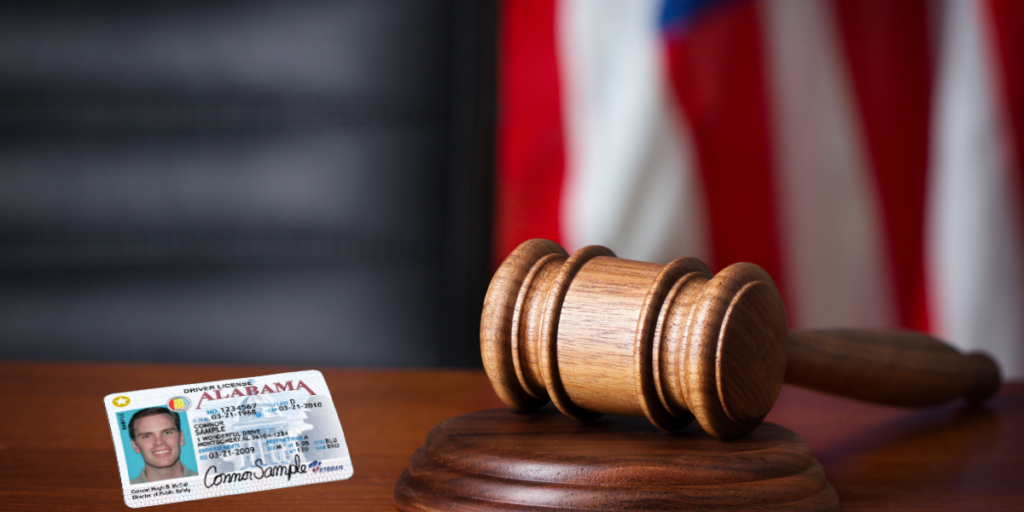
“Mr. Doe experiences distress whenever he sees the gender listed on his own license” states the American Civil Liberties Union (ACLU) lawsuit against the Alabama Law Enforcement Agency (ALEA). The suit was filed on Tuesday and claims the State of Alabama restricts the rights of transgender people by not allowing them to choose which gender their state issued ID identifies them as. Alabama is one of only nine states that requires proof of reassignment surgery before the gender on the state issued ID can be changed. Both trans-rights activists and the ACLU consider this a restriction of the rights of those who identify as transgender who either select not to have the surgery, or are unable to afford it. The ACLU, and two Alabama trans women, Darcy Corbitt and Destiny Clark, believe that by changing this policy trans people will be safer, and more comfortable during everyday activities. “Corbitt was loudly called an “it” in a public area of a crowded driver license office” and “Clark avoids lawful activities that could lead her to have to show her license,” states the lawsuit. According to AL.com, “Eighty percent of the transgender people in Alabama don’t have identification that accurately reflects their gender.” Clark’s motivation behind the lawsuit is to clear a path for younger transgender’s, and to protect them from some of the embarrassment she has experienced. Corbitt believes that the state does not have the right to define their gender identities as their worth. Below is an ACLU video featuring Darcy and Destiny, two of the transgender plaintiffs who are going to court as part of the suit:
US Supreme Court weighs case on detention of immigrants
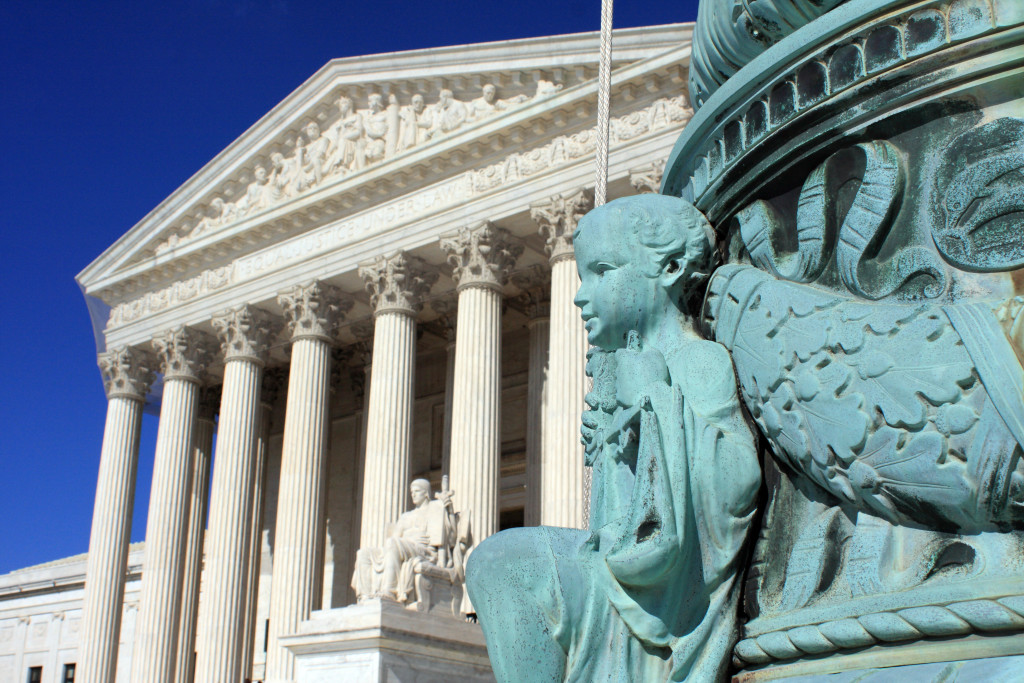
The Supreme Court wrestled for a second time Tuesday with whether the government can indefinitely detain certain immigrants it is considering deporting without providing a hearing. An eight-member court, deadlocked 4-4, didn’t decide the issue last year. Now that Justice Neil Gorsuch has joined the court he will presumably break a tie. But the justices seemed to struggle Tuesday with the issue just as they did when the case was first heard last November. The case the justices were hearing is a class-action lawsuit brought by immigrants who’ve spent long periods in custody. The group includes some people facing deportation because they’ve committed a crime and others who arrived at the border seeking asylum. The San Francisco-based U.S. Court of Appeals for the 9th Circuit ruled for the immigrants, saying they generally should get bond hearings after six months in detention, and then every six months if they continue to be held. The court said the government must show why they should remain locked up. The government disputes that ruling, a position shared by the Obama and Trump administrations. The American Civil Liberties Union, which brought the case on behalf of the immigrants, says about 34,000 immigrants are being detained on any given day in the United States, and 90 percent of immigrants’ cases are resolved within six months. But some cases take much longer. In the case before the justices, Mexican immigrant Alejandro Rodriguez was detained for more than three years without a bond hearing. He was fighting deportation after being convicted of misdemeanor drug possession and joyriding, and was ultimately released and allowed to stay in the United States. The court’s liberal justices suggested sympathy for immigrants like Rodriguez who face lengthy detention. Justice Stephen Breyer said that in most other cases where someone is detained they get a hearing to determine whether they should be freed. “We give triple ax murderers, at least people who are accused of such, bail hearings,” Breyer said. Justice Elena Kagan told the government’s lawyer, Malcolm Stewart, that asylum seekers have some constitutional rights, such as “not to be tortured, not to be placed in hard labor.” She suggested a similar right “not to be placed in arbitrary confinement.” But the appeals court’s decision that a hearing is necessary at six months and every six months thereafter seemed to give other justices pause. Justice Samuel Alito told ACLU lawyer Ahilan Arulanantham that “it’s quite something to find six months in the Constitution.” “Where does it say six months in the Constitution? Why is it six? Why isn’t it seven? Why isn’t it five? Why isn’t it eight?” he asked. A decision in the case, Jennings v. Rodriguez, 15-1204, is expected by June. Republished with permission from the Associated Press.
