
Lawmakers give first approvals to pandemic relief spending
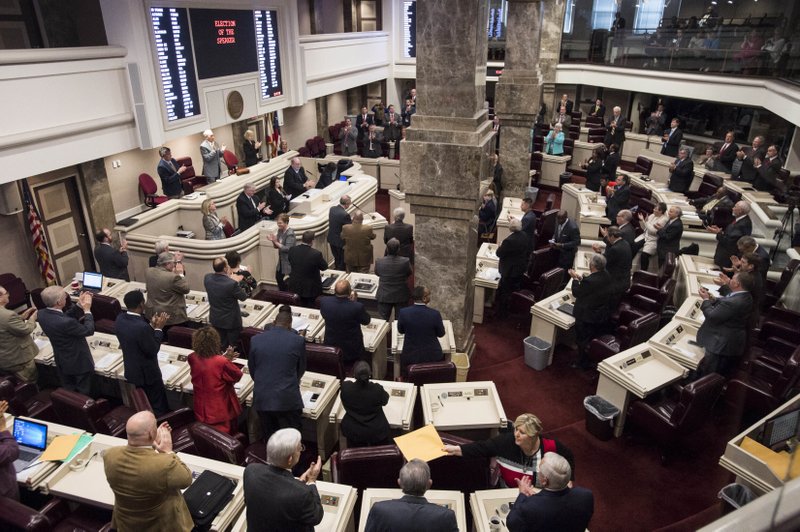
Alabama lawmakers on Tuesday advanced a plan to use $771 million in pandemic relief funds on a mix of broadband expansion, water and sewer projects, and health care reimbursements. The Alabama House of Representatives and the Alabama Senate approved the bills with only one dissenting vote in each chamber. The bills now move to the other respective chamber for final approval. Alabama Gov. Kay Ivey called lawmakers into a special session on how to spend the $580 million remaining from the state’s first $1.1 billion installment, as well as $191 million allocated through the America Rescue Plan’s Capital Projects Fund. The proposed spending plan would use almost 36% of the money, about $276 million on broadband expansion. It would also use about $225 million on water and sewer projects and provide $146 million, to health care providers, including hospitals and nursing homes. The proposal so far has broad support from Republicans and Democrats. But it comes after Alabama faced criticism last year for using $400 million for prison construction. The massive $1.9 trillion American Rescue Plan is providing aid to state and local governments to shore up finances, pay pandemic-related costs, and invest in longer-term projects to strengthen communities. Republished with the permission of the Associated Press.
Lawmakers advance spending plan for pandemic funds
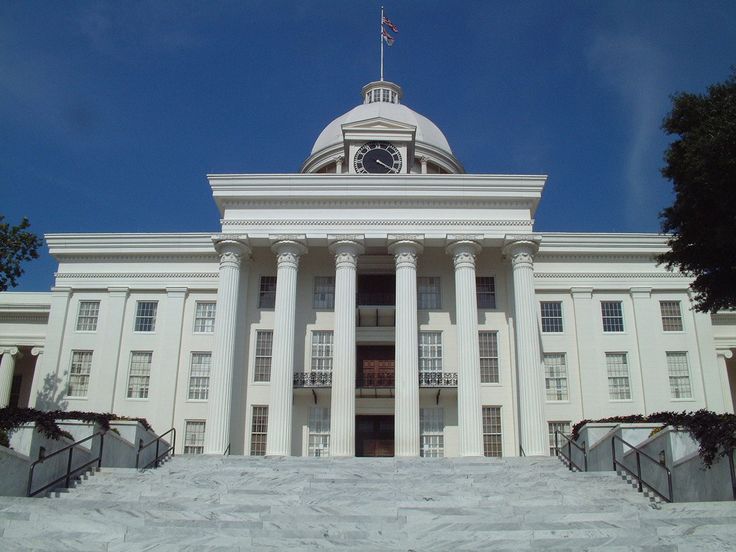
Legislative committees on Thursday advanced plans to spend more than half of the state’s available $772 million in pandemic relief funds for broadband expansion and water and sewer projects. The two budget committees approved identical spending plans for using available funds from the American Rescue Plan. The approval, which came after almost no debate, puts the bills in line for floor votes on Tuesday. The proposed spending plan so far appears to have support from Republicans and Democrats. The vote comes after Alabama faced criticism last year for using $400 million — nearly 20% of the state’s total $2.1 billion allocation from the American Rescue Plan — for prison construction. The massive $1.9 trillion American Rescue Plan is providing aid to state and local governments to shore up finances, pay pandemic-related costs, and invest in longer-term projects to strengthen communities. Alabama lawmakers are meeting in special session on how to spend the $580 million remaining from the state’s first $1.1 billion installment, as well as $191 million allocated through the America Rescue Plan’s Capital Projects Fund. The proposed spending plan would use almost 36% of the money, about $276 million on broadband expansion. Broadband expansion in the mostly rural state has long been a goal for policymakers, but the cost has been prohibitive. And officials with the Alabama Department of Economic and Community Affairs cautioned lawmakers earlier this week that the federal funds are only a fraction of the estimated $4.6 billion it would take to provide “border to border broadband.” The spending proposal would also use about $225 million on water and sewer projects. Lance LeFleur, director of the Alabama Department of Environmental Management, told lawmakers that his agency will work with the governor’s office on distributing the funds under a “needs-based approach.” “We will be looking at disadvantaged communities. Oftentimes these are in the Black Belt,” LeFleur said, referencing a high-poverty region of the state. The proposal would also provide $146 million, to health care providers, including hospitals and nursing homes. The spending plan would also steer $79.5 million to shore up the state’s unemployment fund; $20 million to emergency responders including volunteer fire departments; $11 million to reimburse counties for housing state inmates during the pandemic; $7.8 million for the cost of reporting and auditing the use of the funds and $5 million for telemedicine. While the committees advanced the bills with almost no debate, some have urged the state to address other needs. Robyn Hyden, executive director of Alabama Arise, a nonprofit focused on poverty-related issues, on Wednesday urged lawmakers to consider investing money in the Alabama House Trust Fund “to expand everyone’s access to safe affordable homes especially during this global pandemic” as well as money in rural transportation. Hyden said the organization applauded the use of the money for water and sewer projects. “We urge you to provide these funds with as few barriers and as little red tape as possible so the communities most in need can benefit,” she said. The state is expected to receive the second $1 billion installment later this year. “We will have to redo this at some point after the other $1 billion comes in,” Sen. Greg Albritton, who chairs the Senate General Fund budget committee, said after Thursday’s vote. Republished with the permission of the Associated Press.
Kay Ivey calls for special legislative session to spend COVID relief funds
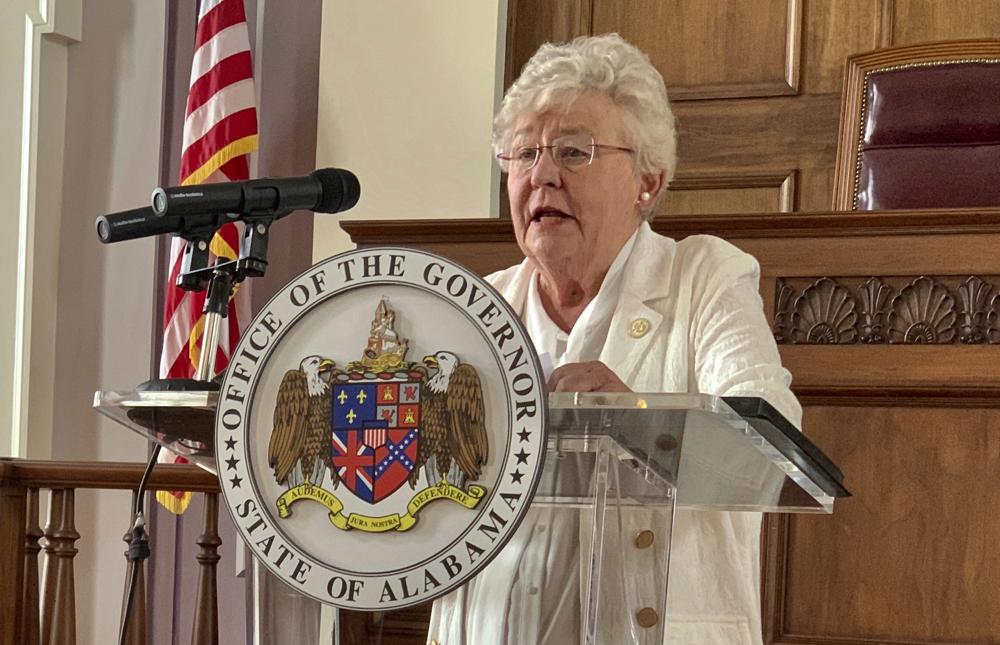
Governor Kay Ivey has signed a proclamation calling the Alabama Legislature into a special session to appropriate federal American Rescue Plan Act (ARPA) funds. The Alabama Legislature will convene on Wednesday, January 19, 2022, at 11:00 a.m. “While states like Alabama are making record economic comebacks, Congress and the Biden White House are wanting our country to spend more and more federal dollars, and now we are tasked with allocating the American Rescue Plan Act funds. I have made clear, that unlike Washington, D.C., Alabama will be wise with these one-time, federal dollars,” Ivey stated. “I again urge the members of the Legislature to direct these funds to meet some of Alabama’s biggest challenges like statewide broadband connectivity, water, and sewer infrastructure, as well as investing funds in our hospitals, nursing homes, and other health care providers,” Ivey continued. “We must be smart with these one-time, federal dollars by wisely investing – not just casually spending them. This is not free money.”
Groups seek probe of Alabama use of virus funds for prisons
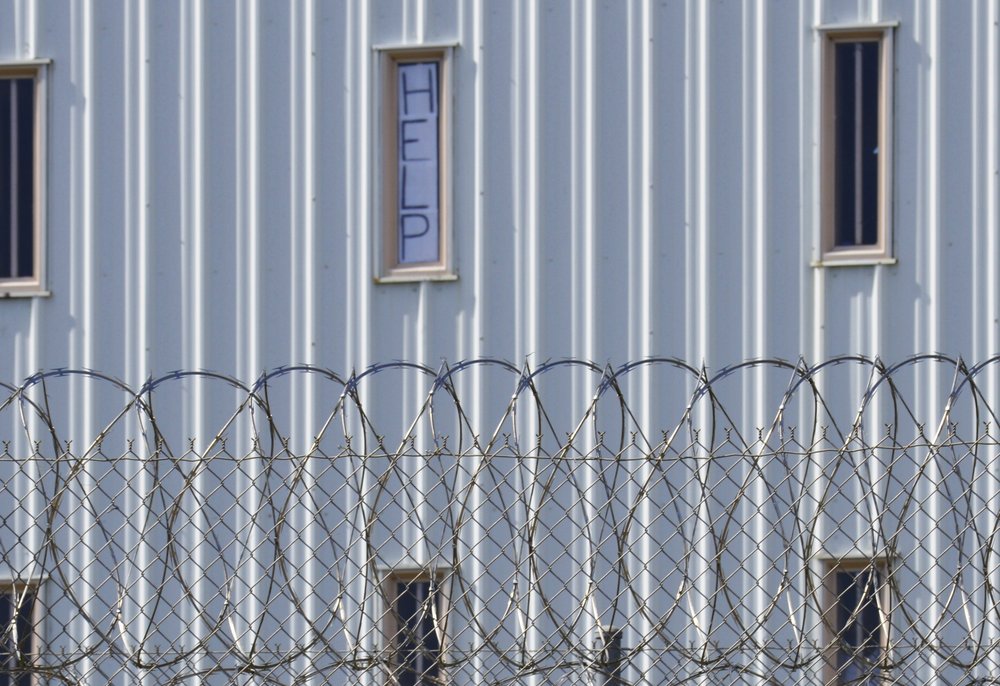
Nearly two dozen organizations have sent a letter asking the U.S. House Financial Services Committee to investigate Alabama’s plan to use $400 million in coronavirus pandemic relief funds to build two super-size prisons. The American Civil Liberties Union of Alabama, The Sentencing Project, and others signed on to a letter arguing that prison construction is an improper use of COVID-19 relief dollars from the American Rescue Plan. It asks Chairwoman Rep. Maxine Waters to hold hearings on the matter. “Directing COVID relief funds to a massive prison construction plan that long predates the pandemic is an absurd and inappropriate use of (American Rescue Plan) funds,” the organizations wrote. Alabama Gov. Kay Ivey signed legislation in October to tap $400 million of the state’s money from the federal plan to help build two super-size prisons. The Republican governor at the time called the construction plan “a major step forward” for the prison system, which faces various federal court orders and a lawsuit from the U.S. Department of Justice. The Alabama prison construction proposal calls for three new prisons — one north of Montgomery in Elmore County with at least 4,000 beds and enhanced space for medical and mental health care needs; another prison with at least 4,000 beds in south Alabama’s Escambia County and to replace the current women’s prison in Elmore — as well as renovations to existing facilities. Many existing facilities would close. Republican legislative leaders and Ivey have said they are confident that they can use the pandemic money for prison construction because the American Rescue Plan, in addition to authorizing the dollars for economic and health care programs, says states can use the money to replace revenue lost during the pandemic to strengthen support for vital public services and help retain jobs. But the opposed organizations argued that was not the intent of the money. “Building more prisons is a gross misuse of funds that were sent to help the people of Alabama, not punish them,” said JaTaune Bosby, executive director of ACLU of Alabama, in a statement. Bosby added that, “There seems to be no urgency from elected officials to provide relief to the people incarcerated in their facilities.” The U.S. Department of Justice has sued Alabama over a prison system “riddled with prisoner-on-prisoner and guard-on-prisoner violence.” The Justice Department noted in an earlier report that dilapidated facilities were a contributing factor to the unconstitutional conditions but wrote “new facilities alone will not resolve” the matter because of culture, management deficiencies, corruption and violence. The department updated its complaint this year, saying conditions in Alabama prisons have not improved since the federal government warned of unconstitutional conditions earlier and that male inmates continue to live in deadly and dangerous conditions. Ivey’s office did not immediately respond to an email seeking comment.
Steve Marshall declares victory over ban on state tax cuts
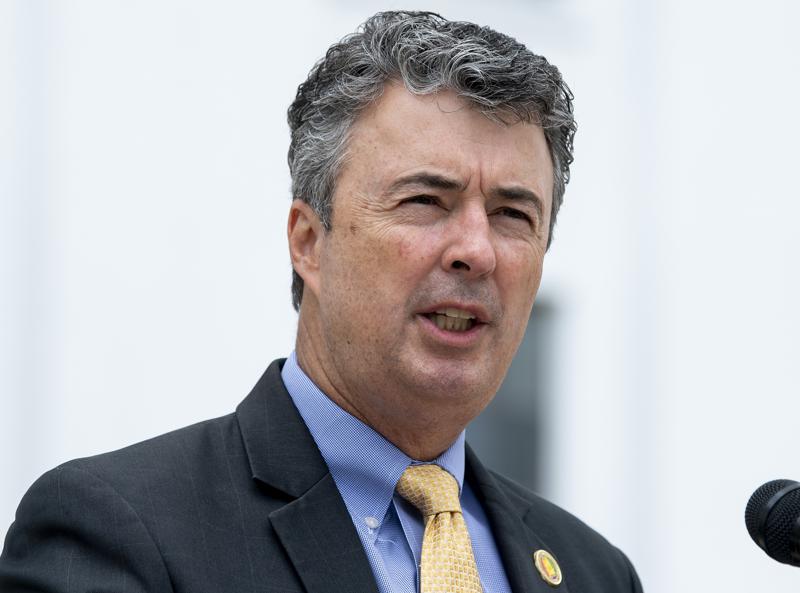
Alabama Attorney General Steve Marshall announced Monday that the State had won its lawsuit against the U.S. Department of Treasury over a provision of the American Rescue Plan Act (ARPA) that punishes states for making changes to any laws that would reduce taxes. The U.S. District Court for the Northern District of Alabama granted the States’ motion for a final judgment and permanent injunction, instructing the Treasury Secretary not to seek enforcement of the Tax Mandate against the plaintiff states. In its opinion, the court noted, “The Tax Mandate’s restriction on direct or indirect state tax cuts pressures States into adopting a particular—and federally preferred—tax policy. The inherent ambiguity in the text of the mandate may disincentive the Plaintiff States from considering any tax reductions for fear of forfeiting ARPA funds. This is a federal invasion of State sovereignty…” Marshall stated, “This federal tax mandate is an unprecedented and unconstitutional assault on state sovereignty by the federal government, which attempts to commandeer the State of Alabama’s sovereign power to tax and spend and determine her own fiscal policies. I am pleased that the court agreed. My Office is now fighting this pattern of behavior by the federal government on a weekly basis in court and we have no intention of stopping.” Alabama co-led the lawsuit with West Virginia and Arkansas, was joined by Alaska, Florida, Iowa, Kansas, Montana, New Hampshire, Oklahoma, South Carolina, South Dakota, and Utah.
Steve Marshall joins 20 other leaders, urging clarity in COVID-19 Act
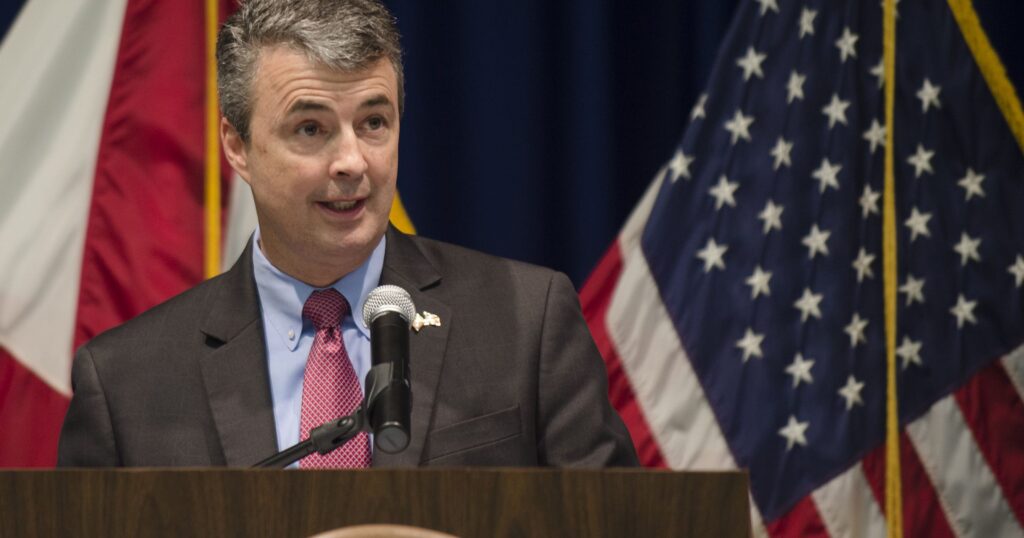
Attorney General Steve Marshall signed a letter today asking the U.S. Department of Treasury to take action to ensure that the American Rescue Plan Act doesn’t take away a state’s authority to implement state tax policy. Also signing the letter were attorneys general from Arizona, Arkansas, Florida, Idaho, Indiana, Kansas, Kentucky, Louisiana, Mississippi, Missouri, Montana, Nebraska, Oklahoma, South Carolina, South Dakota, Texas, Utah, and Wyoming. Leaders warn that certain provisions of the Act forbid states from using COVID-19 relief funds to “directly or indirectly offset a reduction in…net tax revenues” resulting from state laws or regulations that reduce tax burdens, whether by cutting rates or by giving rebates, deductions, credits, “or otherwise.” This language could be used to deny the states the ability to cut taxes in any manner, even if they would have provided tax relief with or without the prospect of COVID-19 relief funds. The attorneys general have requested that the Treasury use a more sensible interpretation of the language in the Act because if not, it could be seen as an intrusion on the sovereignty of the States. Attorney General Mark Brnovich stated, “A view of state tax policy this expansive by the federal government would not only be a giant overreach, but it would represent an unprecedented and unconstitutional infringement upon Arizona’s sovereignty,” said Attorney General Mark Brnovich. “The pandemic has wreaked havoc on the economy, and states like Arizona must be independent and free to determine their own tax policies without the threat of losing federal funds.” Brnovich wants the Treasury to clarify their interpretation of this language by March 23. He wants to ensure that the Act doesn’t stop states from providing tax relief and will take further action if clarity isn’t provided. A copy of the letter can be viewed here. 21 AG’s are urging the US Treasury to take immediate action to ensure the American Rescue Plan Act does not strip States of their core authority to implement basic state tax policy. View letter here: https://t.co/qUod6HeMOH — Mark Brnovich (@GeneralBrnovich) March 16, 2021
