
Alabama joins Florida to request cap on Georgia water use

Alabama filed a brief Friday supporting Florida’s federal lawsuit to cap Georgia’s water use from federal reservoirs that terminate in Apalachicola Bay. The state cited its “long experience combating Georgia’s excessive withdrawals” and said Georgia “has largely chosen not to invest its resources in reservoirs and other infrastructure” as the population of Atlanta has outgrown its water supply. Florida filed the suit in 2013, arguing that Georgia’s excessive water use has been damaging the seafood industry in Apalachicola Bay, and Alabama is one of several parties to file a brief in support of Florida’s case ahead of the Oct. 21 deadline set by the court. In addition to Alabama, the National Audubon Society, Defenders of Wildlife, Florida Wildlife Federation, and Apalachicola Riverkeeper filed a joint brief in support of Florida’s suit. Those groups said the “long-term ecological sustainability of this vital and vibrant ecosystem depends, critically, on freshwater flows moving through the system at the right times” and that Georgia’s increased water consumption from the Apalachicola-Chattahoochee-Flint system have dried out the Apalachicola River, “threatening the survival of numerous species and jeopardizing the economic vitality of local communities.” Georgia has its share of supporters as well, including Colorado, which argued in a brief that Florida must not only prove it has been damaged by the increased water use, but be able to show that the damage incurred is greater than the benefit received by Georgia. The case is set to go to trial Oct. 31 in Portland, Maine.
Lawyers, company agree on documents in ongoing Gulf oil leak
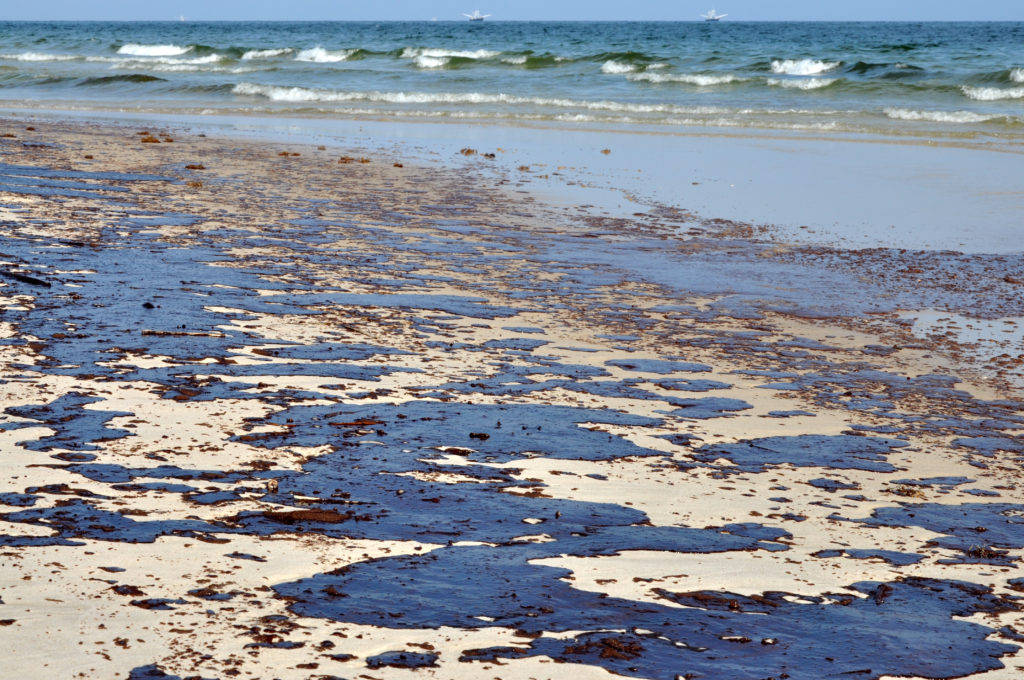
Environmental attorneys and a New Orleans energy company agreed Thursday to work out differences over the confidentiality of documents related to an ongoing Gulf of Mexico oil leak from an offshore site damaged by Hurricane Ivan in 2004. Environmental groups including Waterkeeper Alliance, Apalachicola Riverkeeper and the Louisiana Environmental Action Network agreed in federal court with Taylor Energy to negotiate supplemental language for a 2015 settlement agreement over how and when to release information on Taylor’s response to the leak. At issue are volumes of documents that Taylor Energy says include confidential information about oil spill containment technology developed for the company. A 2015 Associated Press investigation revealed evidence that the leak was worse than the company or the federal government had earlier reported. Government experts believe oil is still leaking at the site where waves whipped up by Hurricane Ivan in 2004 triggered an underwater mudslide, toppling a Taylor Energy-owned platform and burying a cluster of its oil wells under mounds of sediment. Last year, regulators estimated the leak could last a century or more if left unchecked. Taylor Energy has said nothing can be done to completely eliminate persistent slicks from the site. The company has said the sheens sometimes seen off Louisiana’s coast are coming from residual oil oozing from sediment on the seafloor. Republished with permission of the Associated Press.
