
Alabama Confederate statue law to stay in effect amid appeal
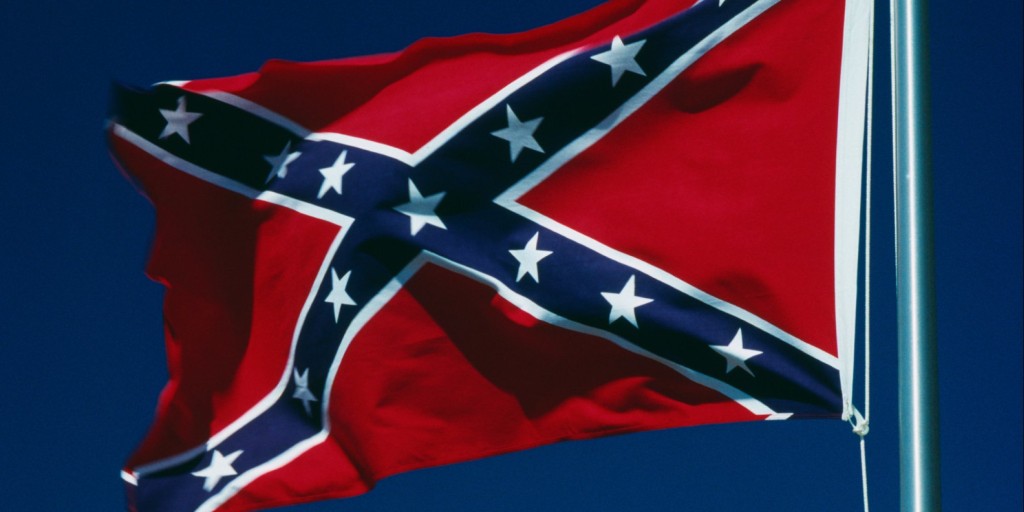
An Alabama law that prohibits cities from removing Confederate monuments will remain in effect while the state appeals a judge’s ruling that declared the statute constitutional, the Alabama Supreme Court ruled Friday. Justices granted the request of Attorney General Steve Marshall to stay a judge’s order striking down the law, Marshall’s office announced. “The Supreme Court’s stay allows the Alabama Memorial Preservation Act to remain in effect until the Supreme Court resolves this appeal over the act’s constitutionality,” Marshall said in a statement. Marshall said he believes a judge erred when he ruled the law unconstitutional. The 2017 Alabama Memorial Preservation Act prohibits relocating, removing, altering or renaming public buildings, streets and memorials that have been standing for more than 40 years. Cities can be fined for violations. Jefferson County Circuit Judge Michael Graffeo last month ruled that the law violates the free speech rights of local communities and declared it void. The state law doesn’t specifically mention Confederate monuments, but it was enacted as some Southern states and cities began removing such monuments and emblems. Alabama sued the city of Birmingham in 2017 after officials erected a wooden box that obscured the view of a 52-foot-tall (16-meter-tall) obelisk honoring Confederate veterans. In his order declaring the law unconstitutional, Graffeo said it was indisputable that most citizens in the majority black city are “repulsed” by the memorial. He rejected the state’s claims that lawmakers had the power to protect historical monuments statewide. Justices on Friday also agreed to stay any fines against Birmingham as the court case plays out over the law’s constitutionality. Republished with permission from the Associated Press.
Mike Hubbard continues to appeal ethics conviction
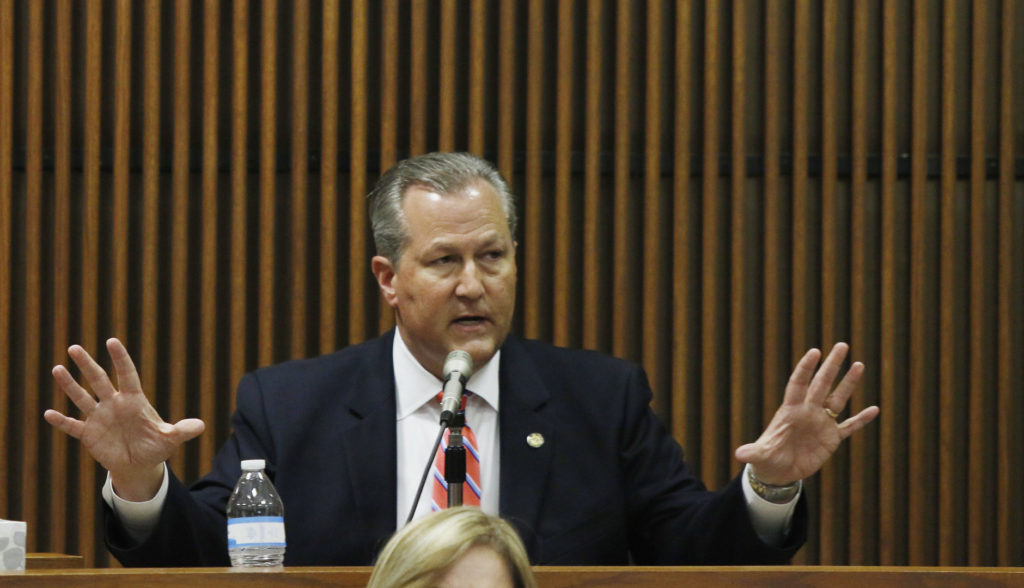
Former Alabama Speaker Mike Hubbard is asking an appellate court to reverse its decision upholding his 2016 ethics conviction. The rehearing request was filed Monday with the Alabama Court of Criminal Appeals. Under Alabama appellate rules a person must seek a rehearing before appealing upward to the Alabama Supreme Court. The Court of Criminal Appeals court last month affirmed 11 of the 12 counts against Hubbard. The court ruled there was sufficient evidence to convict Hubbard on the counts, including that he improperly asked lobbyists and company executives for work and investments in his printing business. However, judges’ ruling also chided legislators over what they described as ambiguities in the law and urged them to make clarifications. Hubbard is free on bond as he appeals his conviction. Republished with permission from the Associated Press.
Judges to be picked Thursday for suspended Alabama Chief Justice Roy Moore’s appeal
Seven judges will be named this week to hear suspended Alabama Chief Justice Roy Moore’s appeal. Alabama Supreme Court Acting Chief Justice Lyn Stuart says the judges will be randomly selected among a pool of 50 of retired appellate, circuit, and district judges. In September, Moore was suspended from the bench for the remainder of his term for encouraging probate judges to defy federal order and refuse marriage licenses to gay couples back in January. Moore’s colleagues on the Court recused themselves on Monday from hearing Moore’s appeal themselves, citing their impartiality might come into question. The appeal judges will be selected in a public proceeding at the Heflin-Torbert Judicial Building at 3 p.m. Thursday.
Suspended Alabama Chief Justice Roy Moore files official notice of appeal
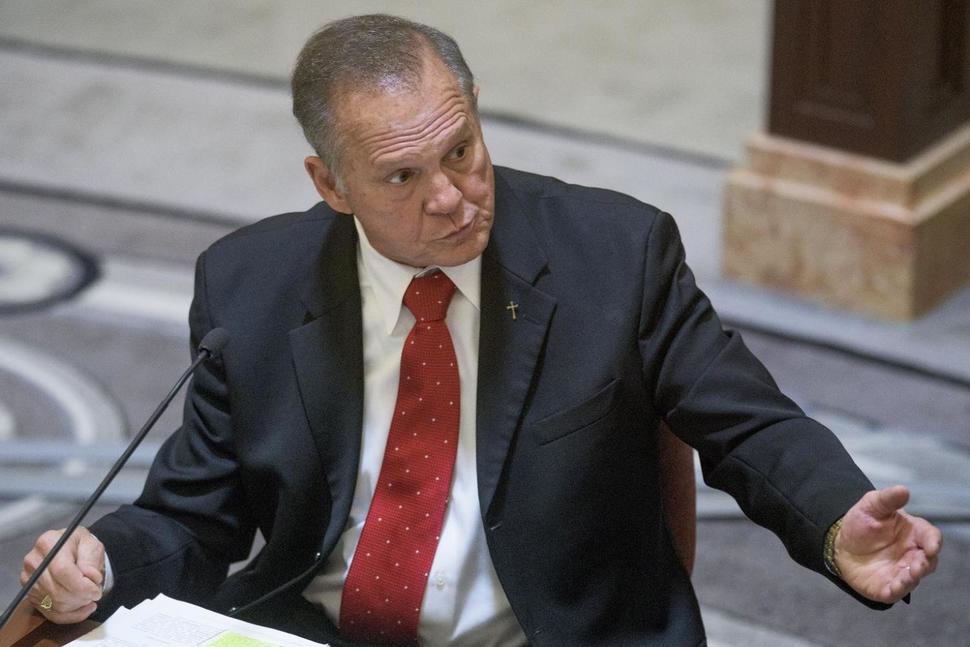
Suspended Alabama Chief Justice Roy Moore is beginning the appeal process of last week’s judicial ethics conviction that led to his suspension for the remainder of his term. The five-page document was filed with the Alabama Supreme Court Monday. Moore’s attorney, Liberty Counsel founder and chairman Mat Staver, indicated several key issues for appeal in the documentation: Whether the Judicial Inquiry Commission proved each of the six charges against his client by clear and convincing evidence. Whether the JIC violated its own rules and Alabama law by breaching confidentiality during its investigation, or by prosecuting without a sworn complaint. Whether the JIC and COJ have jurisdiction to investigate or punish judges for issuing administrative orders. Whether the automatic disqualification provision of the Alabama Constitution violates due process guarantees. Whether the COJ can impose a de facto removal from office without a unanimous vote. The nine-member Alabama Court of the Judiciary (COJ) unanimously found Moore guilty on six charges relating to violations of the canon of judicial ethics, and issued his suspension from the bench on Friday. Moore was subsequently suspended from the bench for the remainder of his six-year term, which ends in January 2019, without pay. View the full appeal notice below:
