
Autherine Lucy Foster, first Black student at University of Alabama, dies

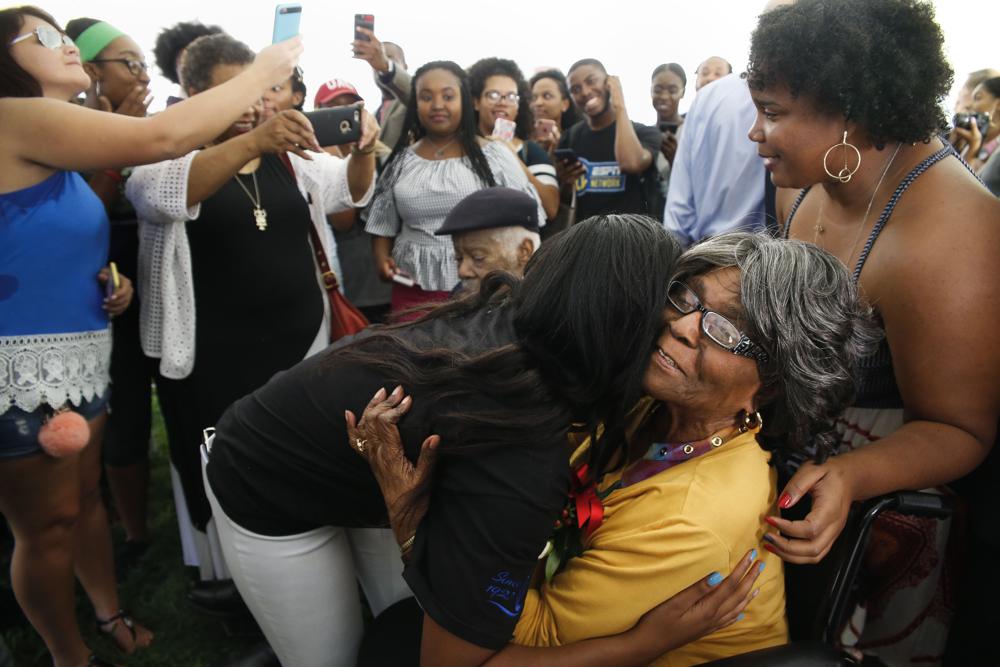
Autherine Lucy Foster, the first Black student to enroll at the University of Alabama, died Wednesday. She was 92. University officials announced her death in a statement. Her daughter, Angela Foster Dickerson, said her mother died Wednesday morning and said a family statement would be released. Foster, in 1956 briefly attended classes at the then all-white university. She was expelled three days later after her presence brought protests and threats against her life. Foster, a graduate student studying education, had faced hostile crowds hurling racially charged threats and debris. The university later celebrated Foster’s legacy, her role in desegregating the institution, and her bravery. Her death comes less than a week after university officials dedicated the campus building, where she briefly attended classes in her honor. During the ceremony, she was also proclaimed a “master teacher.” “If I am a master teacher, what I hope I am teaching you is that love will take care of everything in our world, don’t you think,” Foster said at the dedication ceremony last week. “It’s not your color. It’s not how bright you are. It’s how you feel about those that you deal with,” Foster said. In 2019, she was awarded an honorary doctorate by the university, where she had returned and earned a master’s degree in education in 1992. “Dr. Foster will always be remembered as one who broke barriers, reminded us of the respect due to every individual, and lived a life of strength in steadfast service to her students and community,” University President Stuart R. Bell said in a statement. After criticism, trustees abandoned a plan for the building to also keep the name of a one-time governor who led the Ku Klux Klan and to rename it solely for Foster. Rather than Lucy-Graves Hall, the classroom building will be known as Autherine Lucy Hall, trustees decided. Foster’s family wanted to use her maiden name since she was known as Autherine Lucy while originally on campus. After Foster left the campus in the 1950s, African-American students did not return to the campus until 1963, when Gov. George Wallace made his infamous stand in the schoolhouse door. Republished with the permission of the Associated Press.
University of Alabama to remove KKK leader’s name from hall
University of Alabama trustees voted Friday to strip the name of a one-time governor who led the Ku Klux Klan from a campus building and rename it solely for the school’s first Black student. The unanimous vote reversed a decision last week to add the name of Autherine Lucy Foster, who briefing attended the all-white state school in 1956, to a building honoring Bibb Graves, a progressive, pro-education governor who also ran a Montgomery KKK group a century ago. Rather than Lucy-Graves Hall, the classroom building will be known as Autherine Lucy Hall, trustees decided. “It’s never too late to make the right decision,” said John England, a former trustee who led a committee that initially recommended the joint name and then reversed itself after criticism that Graves didn’t deserve to have his name alongside that of Lucy, now 92 and living in metro Birmingham. Trustees didn’t mention the topic of Graves’ leadership in the notorious hate group during an online meeting, but England said some questioned why the woman’s married name of “Foster” wouldn’t be on the structure. Foster’s family wanted to use her maiden name since she was known as Autherine Lucy while originally on campus, said Chancellor Finis St. John. Foster had expressed ambivalence about being honored alongside Graves, saying she didn’t know much about him or seek out the recognition but would accept it. Foster briefly attended classes in Graves Hall but was expelled after three days when her presence brought protests by whites and threats. Foster was awarded an honorary doctorate in 2019 by the university, where she had returned and earned a master’s degree in education in 1992. Explaining the original reasoning for proposing Lucy-Graves Hall, England said committee members hoped that having a building named for both Graves and Foster would “generate educational moments that can help us learn from our conflicts and rich history.” While the main intent was meant to honor Foster, that “sort of took the background” after the decision, he said. “That’s not what we wanted,” he said. The student newspaper was among those complaining about the inappropriateness of retaining the name of a Klan leader on a campus building. Several Alabama universities have removed Graves’ name from buildings in recent years as the nation reconsidered its history and white supremacy. Troy University renamed its Bibb Graves Hall for the late Rep. John Lewis, who was denied admission there in 1957 and led voting rights marchers in Selma in 1965. Republished with the permission of the Associated Press.
University of Alabama revisits pairing KKK leader and Black student names
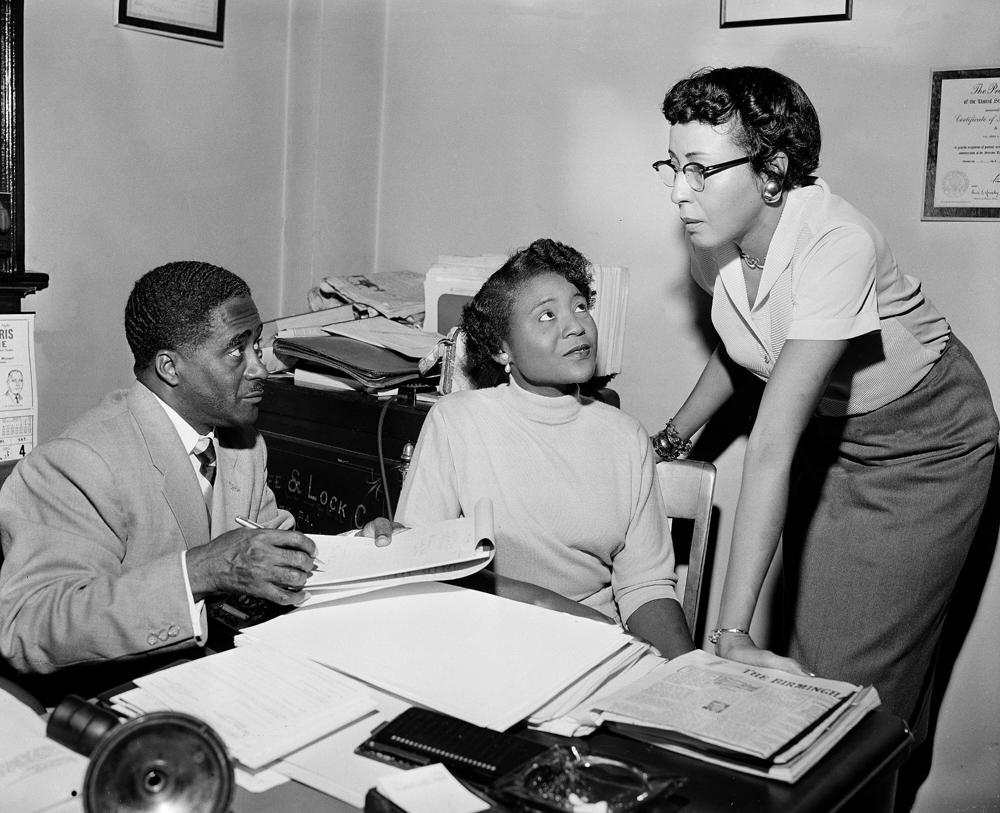
The University of Alabama is reconsidering its decision last week to retain the name of a one-time governor who led the Ku Klux Klan on a campus building while adding the name of the school’s first Black student. Trustees will meet publicly in a live-streamed video conference on Friday to revisit their decision to keep the name of former Alabama Gov. Bibb Graves on a three-story hall while renaming it Lucy-Graves Hall to also honor Autherine Lucy Foster, the University of Alabama System said. The decision to honor Foster alongside a one-time KKK grand cyclops was criticized harshly by some. An editorial in the student newspaper said Graves’ name doesn’t belong beside Lucy’s, given his association with the violent, racist organization. Foster herself expressed ambivalence, telling WIAT-TV she didn’t know much about Graves, who was considered a progressive, pro-education governor in the 1930s, despite having led the Klan in Montgomery during a period when it was at its strongest. “I wouldn’t say it doesn’t bother me, but I accept it because I didn’t ask for it, and I didn’t know they were doing it until I was approached the latter part of last year,” said Foster, 92. The committee that recommended honoring both people together “acknowledges the complexity of this amended name,” the university said. “The board’s priority is to honor Dr. Autherine Lucy Foster, who, as the first African American student to attend the University of Alabama, opened the door for students of all races to achieve their dreams at the university. Unfortunately, the complex legacy of Governor Graves has distracted from that important priority,” it said. Foster, who lives in metro Birmingham, briefly attended classes in Graves Hall after enrolling at all-white Alabama in 1956 but was expelled three days later after her presence brought protests and threats against her life. In 2019, she was awarded an honorary doctorate by the university, where she had returned and earned a master’s degree in education in 1992. The university also recognized Foster in 2017 with a historic marker in front of Graves Hall, which houses the college of education. It named a clock tower after Foster, and she’s a member of the university’s student hall of fame. Graves, who began the first of two terms as governor in 1927, left the KKK in the late 1920s, after multiple terms in the legislature. As a member of the House, he opposed the ratification of Alabama’s 1901 Constitution, which was meant to ensure white supremacy in the state and remains in effect today although heavily amended. Several state universities have stripped Graves’ name from buildings in recent years as the nation reconsidered its past. Troy University renamed its Bibb Graves Hall for the late Rep. John Lewis, who was denied admission there in 1957 and led voting rights marchers in Selma in 1965. John England Jr., a former Alabama trustee who is Black, served as chairman of the naming committee. He previously said the members wrestled with what to do about Graves’ name. “Some say he did more to directly benefit African American Alabamians than any other governor through his reform. Unfortunately, that same Gov. Graves was associated with the Ku Klux Klan. Not just associated with the Ku Klux Klan, but a Grand Cyclops – It’s hard for me to even say those words,” he said. Republished with the permission of the Associated Press.
Autherine Lucy Foster joining Alabama Educator Hall of Fame
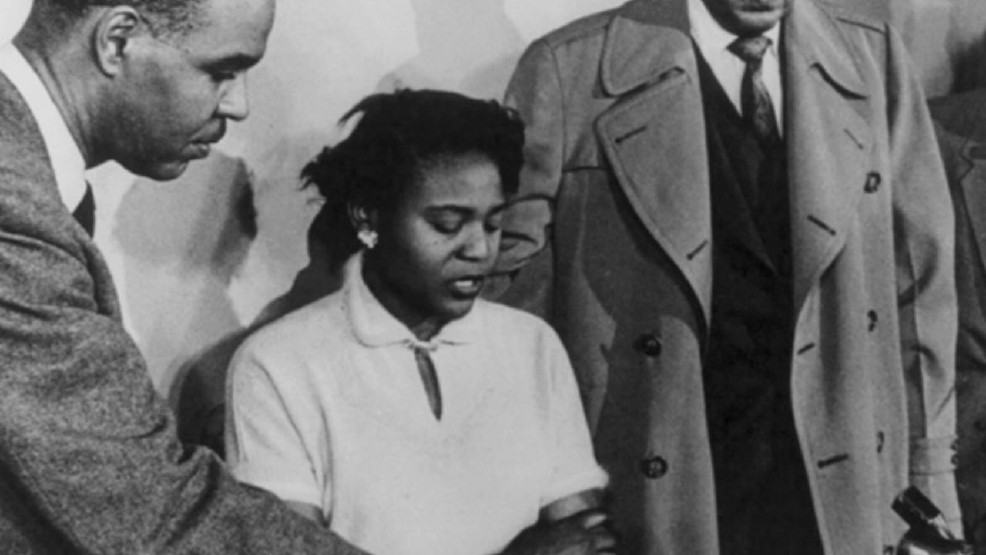
The first black person to attend the University of Alabama, Autherine Lucy Foster, is among four people who are being honored as the newest members of the university’s Alabama Educator Hall of Fame. The group will be honored at a ceremony Saturday night at NorthRiver Yacht Club in Tuscaloosa. Foster became the first black person to attend Alabama in 1956. Campus riots broke out and the university removed her. Foster’s expulsion was reversed in 1988, and she graduated from Alabama with a master’s degree in elementary education in 1992. The other honorees are being inducted posthumously. They include former Alabama educator professor Adolph Crew; former state school board president Ethel Hall; and Judy Merritt, who was the first woman to serve as a college or university president in Alabama.
