
Kay Ivey defends use of virus funds for prisons, bills advance
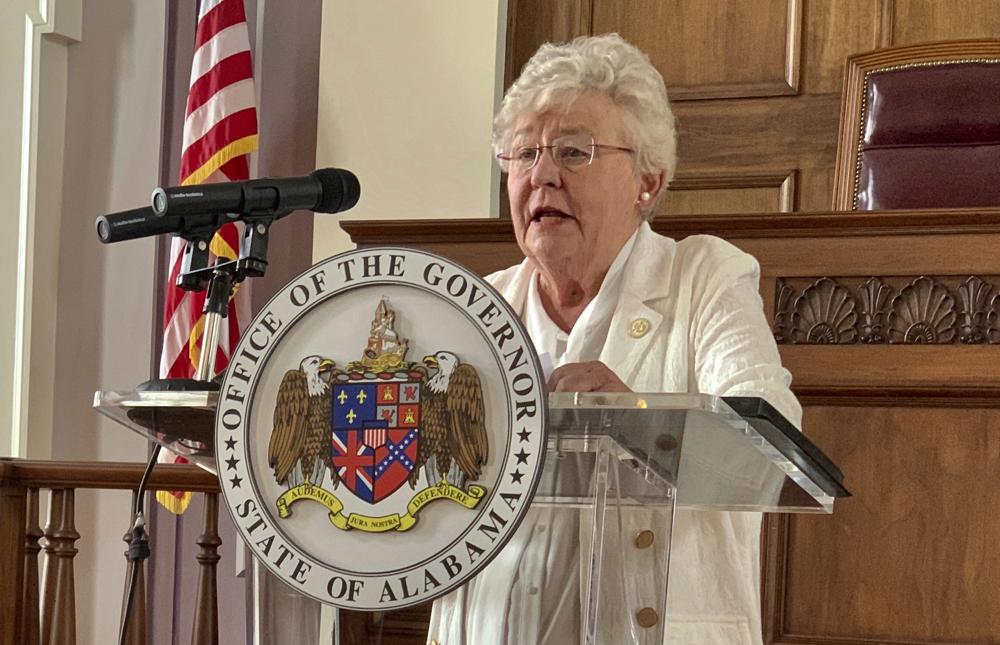
Alabama Gov. Kay Ivey on Tuesday defended her state’s plan to use pandemic relief funds to build new prisons —saying the $400 million expenditure is both allowed and needed — while a legislative committee swiftly advanced the construction plan. Ivey issued a response to U.S. House Judiciary Committee Chairman Jerrold Nadler, who urged Treasury Department Secretary Janet Yellen to block the expenditure, saying prison construction was not the intention of the American Rescue Plan. “The fact is, the American Rescue Plan Act allows these funds to be used for lost revenue, and sending a letter in the last hour will not change the way the law is written. These prisons need to be built, and we have crafted a fiscally conservative plan that will cost Alabamians the least amount of money to get to the solution required,” Ivey said. The Alabama prison construction proposal calls for at least three new prisons — one in Elmore County with at least 4,000 beds and enhanced space for medical and mental health care needs, another with at least 4,000 beds in Escambia County, and a women’s prison — as well as renovations to existing facilities. Six existing prisons would close. The $1.3 billion construction plan would tap $400 million of the state’s $2.2 billion share of American Rescue Plan dollars. The House Ways and Means Committee on Tuesday approved the appropriations bill plus a separate bond issue. At least two lawmakers, both Democrats, voted against the use of pandemic funds. Carla Crowder, executive director of Alabama Appleseed Center for Law & Justice, said during a public hearing that the proposal doesn’t address a staffing crisis or most of the issues identified by the U.S. Department of Justice in its lawsuit and reports against the state. “Buildings are not killing people,” Crowder said. She said the Justice Department reports are “primarily concerned with unabated violence, homicides, sexual assaults, excessive force by guards and introduction of contraband by staff.” The Department of Justice last year sued Alabama, saying the state prisons for men are “riddled with prisoner-on-prisoner and guard-on-prisoner violence.” “Alabama has never built 4,000-bed prisons. We can’t staff 1,000-bed prisons. This bill does nothing to address the staffing crisis that has been unmet,” she said. Rep. Steve Clouse, chairman of the budget committee, said the new prisons would be the base for the changes to the corrections plan. “It’s just a piece of the puzzle. We feel like it’s a big piece that is building the foundation. There are several different pieces, but we’ve got to get this foundation,” Clouse said. The Ozark Republican said he believed safer facilities will allow the state to better retain staff. The House Judiciary Committee on Tuesday advanced legislation that makes presumptive sentencing guidelines approved in 2013 retroactive, thus allowing nonviolent inmates sentenced before 2013 to ask for a new sentence. Bennet Wright, executive director of the Alabama Sentencing Commission, estimated that up to 700 inmates might be eligible to request new sentences. Some lawmakers have argued the state should take on more comprehensive sentencing changes. “It’s incumbent on us to figure out different ways to manage our system, so we can actually reserve space for the people who need it,” said Rep. Chris England, a Tuscaloosa Democrat. Republished with the permission of the Associated Press.
Alabama trying to use COVID relief funds for new prisons
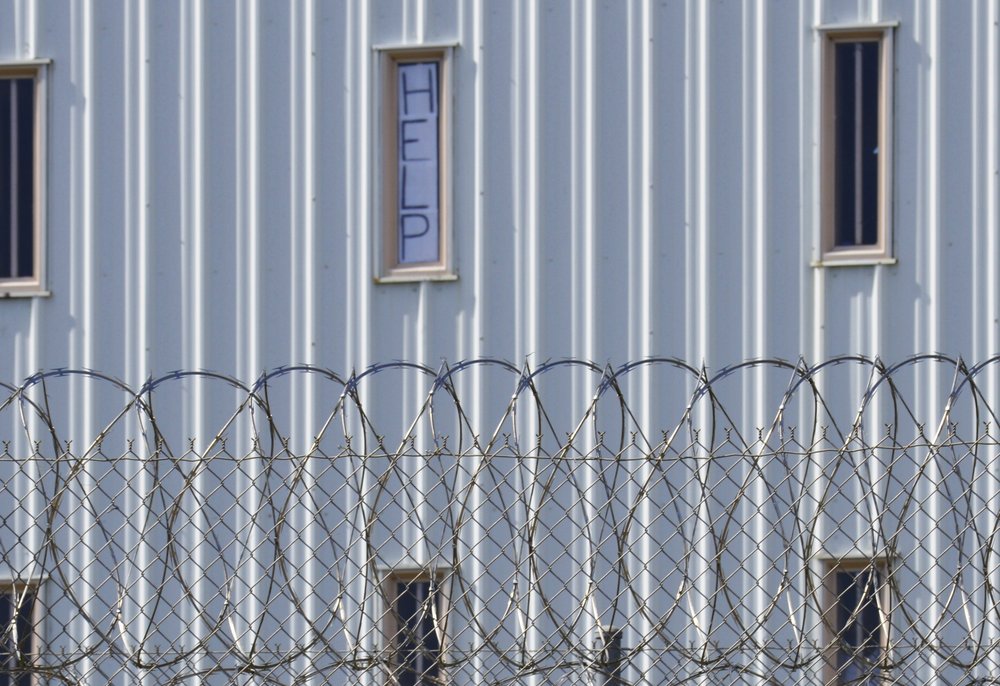
Facing a Justice Department lawsuit over Alabama’s notoriously violent prisons, state lawmakers on Monday began a special session on a $1.3 billion construction plan that would use federal pandemic relief funds to pay part of the cost of building massive new lockups. Gov. Kay Ivey has touted the plan to build three new prisons and renovate others as a partial solution to the state’s longstanding troubles in its prison system. The proposal would tap up to $400 million from the state’s $2.2 billion share of American Rescue Plan funds to help pay for the construction. “I am pleased and extremely hopeful that we are finally positioned to address our state’s prison infrastructure challenges,” the Republican governor said in a statement last week. “While this issue was many years in the making, we stand united to provide an Alabama solution to this Alabama problem.” But critics of the plan say the state’s prison problems go beyond building conditions and that the state should not be using pandemic relief dollars to build prisons. “This week, the Alabama Legislature plans to spend $400 in American Rescue Plan funds — money intended to help your local schools, get your kids into affordable childcare, provide a lifeline to your small business, or assist your struggling rural hospital — to build two new mega-prisons. Not only is this a poor decision, it robs our communities of the money they desperately need to rebuild after 18 months of the pandemic,” said Katie Glenn, a policy associate with the SPLC Action Fund, an arm of the Southern Poverty Law Center. The Alabama prison construction proposal calls for at least three new prisons — a prison in Elmore County with at least 4,000 beds and enhanced space for medical and mental health care needs; another prison with at least 4,000 beds in Escambia County; and a women’s prison — as well as renovations to existing facilities. President Joe Biden’s sweeping $1.9 trillion COVID-19 rescue package known as the American Rescue Plan was signed in March, providing a stream of funds to states and cities to recover from the pandemic. The program gives broad discretion to states and cities on how to use the money. Republican legislative leaders said they are comfortable they can legally use the funds because the American Rescue Plan, in addition to authorizing the dollars for economic and health care programs, says states can use the money to replace revenue lost during the pandemic to strengthen support for vital public services and help retain jobs. Ivey and GOP legislative leaders have defended the use of the virus funds, saying it will enable the state to essentially “pay cash” for part of the construction and avoid using state dollars as well as paying interest on a loan. “We don’t have to borrow quite as much money and pay all that money back,” Ivey told reporters last week as she defended using virus funds for prison construction. The Department of Justice last year sued Alabama, saying the state prisons for men are “riddled with prisoner-on-prisoner and guard-on-prisoner violence.” The lawsuits came after the Justice Department issued reports describing a culture of violence and listed a litany of incidents including a prison guard beating a handcuffed prisoner in a medical unit while shouting, “I am the reaper of death, now say my name!” as the prisoner begged the officer to kill him. The department noted in a 2019 report that dilapidated conditions were a contributing factor to what it called unconstitutional conditions but emphasized that, “new facilities alone will not resolve the contributing factors to the overall unconstitutional condition of ADOC prisons, such as understaffing, culture, management deficiencies, corruption, policies, training, non-existent investigations, violence, illicit drugs, and sexual abuse.” The state has disputed the accusations from the Justice Department but has acknowledged problems with staffing and building conditions. Prison construction is the centerpiece of the special session call, but it also includes two policy changes: proposals to make retroactive both the 2013 sentencing standards and a 2015 law on mandatory supervision of released inmates. Bennet Wright, executive director of the Alabama Sentencing Commission, said they estimated that would allow up to 700 inmates to apply for reduced sentences. Republished with the permission of the Associated Press.
Kay Ivey’s special session call focused on prison construction
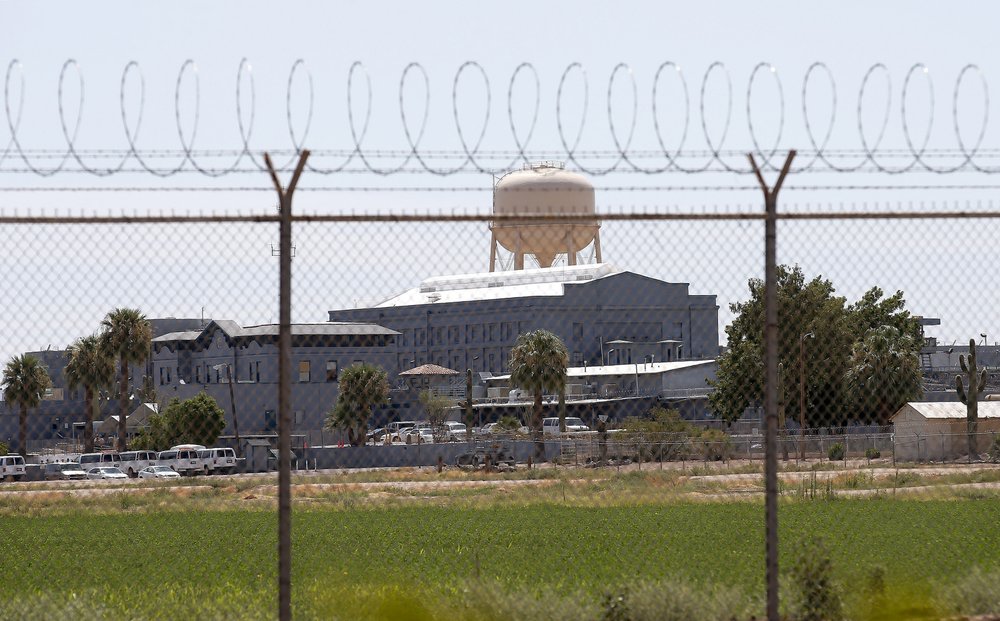
Alabama Gov. Kay Ivey on Thursday issued the call for next week’s special session that largely focuses on prison construction as the chief response to the state’s longstanding problems in corrections. Ivey is calling lawmakers back to Montgomery to vote on a $1.3 billion prison construction plan that will use $400 million from the state’s virus relief funds to build three new prisons and renovate others. “I am pleased and extremely hopeful that we are finally positioned to address our state’s prison infrastructure challenges,” Ivey said in a statement. “While this issue was many years in the making, we stand united to provide an Alabama solution to this Alabama problem.” The construction is the centerpiece of the special session call, but it does include two policy changes: proposals to make retroactive both the 2013 sentencing standards and a 2015 law on mandatory supervision of inmates. However, that is far short of sweeping reforms and leadership changes some advocacy groups say are needed to address violence, overcrowding, and other problems. The construction proposal calls for at least three new prisons — at least a 4,000-bed prison in Elmore County with enhanced space for medical and mental health care needs; another at least 4,000-bed prison in Escambia County; and a women’s prison — as well as renovations to existing facilities. The projects would be done in phases and funded with a $785 million bond issue, $150 million in general fund dollars, and $400 million from the state’s $2.2 billion shares of American Rescue Plan funds. The sentencing change would allow 200 or so nonviolent inmates sentenced before 2013 to ask for a new sentence under the presumptive sentencing guidelines approved in 2013. The change was recommended by the governor’s study commission on criminal justice policy that said there are some inmates “much lengthier than the sentence they may have received under the presumptive standards that became effective at that time.” Bennet Wright, executive director of the Alabama Sentencing Commission, said they are trying to determine how many inmates would be affected by the sentencing change, but “last time we reviewed this policy last year there were approximately 200 offenders that were potentially eligible pursuant to this legislation.” Limiting the sentencing change to nonviolent inmates excludes most prisoners. Some lawmakers and advocacy groups said the state should do more to address policy, sentencing, and leadership. “We’ll just have shiny new buildings with old problems,” Rep. Chris England, D-Tuscaloosa, said unless the state enacts comprehensive sentencing reform and leadership changes in corrections and the state parole board. Dillon Nettles, director of policy and advocacy for the American Civil Liberties Union of Alabama, said the organization is disappointed that the governor is “limiting the upcoming special session to prison infrastructure and only one minor sentencing reform.” “Our leaders need to ensure that we are not just building more prisons, but that we are devoting time to creating comprehensive and progressive policies that address the harsh conditions and unfair practices that currently plague our system. Alabama needs new policies, not new buildings,” Nettles said. Republished with the permission of the Associated Press.
Champ Lyons: Governor’s Study Group on Criminal Justice Policy Yields Positive Recommendations
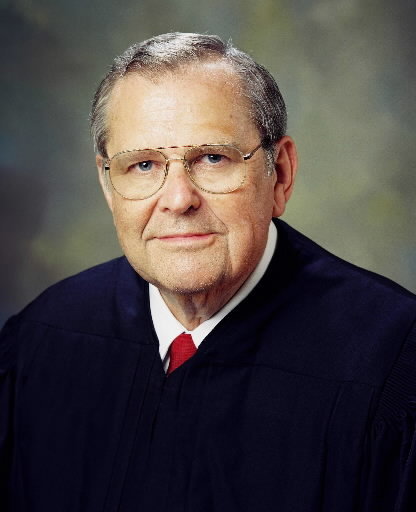
Former Supreme Court Justice Champ Lyons discusses the findings of Kay Ivey’s study group on criminal justice policy in Alabama.
