
Environmental groups meet with Birmingham Water Works board on Cahaba Beach Road project
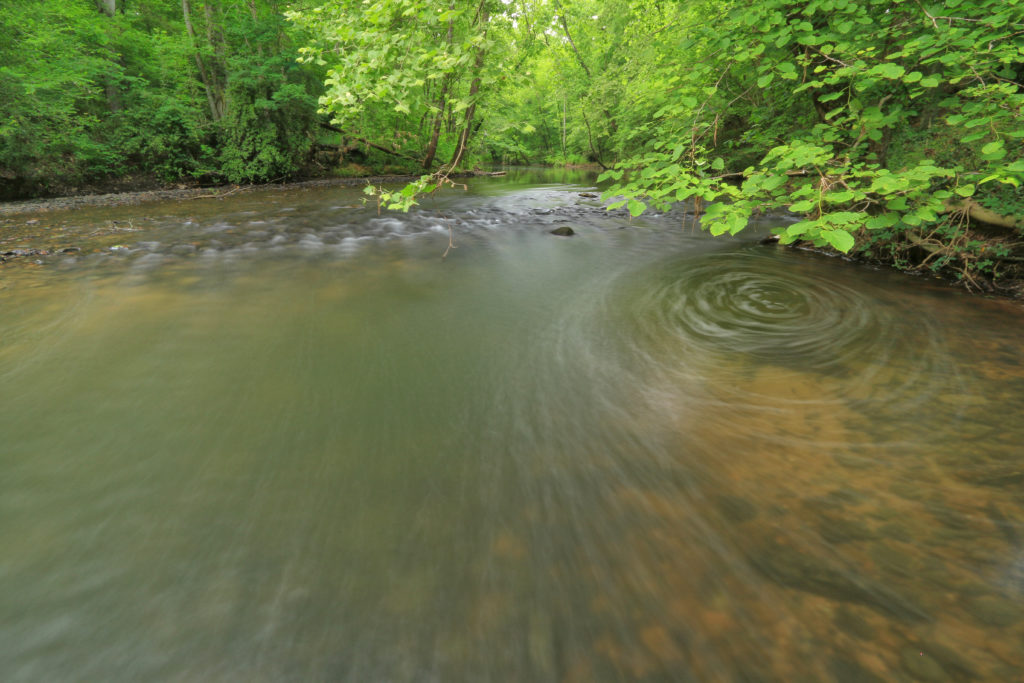
Environmental groups in the Birmingham area are teaming up to keep ALDOT‘s Cahaba Beach Road project from being built. On Thursday, the Cahaba River Society and Cahaba Riverkeeper attended the Birmingham Water Works Board of Directors meeting presenting their cases for why the road should not be built. The proposed road would stretch across the Little Cahaba River from U.S. 280, allowing over 8,000 cars a day to travel across an environmentally sensitive area, and cost anywhere from $10 million to $20 million WBHM reported According to Save the Cahaba, the river is vital for the areas drinking water as the Little Cahaba River is the connection between the Lake Purdy reservoir and the main Cahaba River. “Our biggest concern is how this will impact the forests that keep our drinking water clean,” Beth Stewart, Cahaba River Society executive director told the board, according to AL.com. “This road could cut a swath 100 to 200 feet wide, and ALDOT’s own estimates indicate if they had to grade and cut forest in that whole area, it could be the equivalent of about 40 football fields worth of forest loss and grading and disruption to the natural hydrology that’s keeping that water in the Little Cahaba clean,” she continued. Although their arguments were presented, the board made no motion to vote on the subject. Last month, the groups attended a public involvement meeting hosted by ALDOT. Over 250 people attended the meeting, including members from the The Cahaba River Society, Cahaba Riverkeeper, Alabama Rivers Alliance and Southern Environmental Law Center. But ALDOT and other civil engineers say the road will cut down on travel time, improve access to roads on both sides of the river, and improve connectivity between U.S. 280 and the Liberty Park area. According to ALDOT’s “next steps” listed on the project’s website; they will be conducting several different environmental analysis before proceeding with the project. ALDOT is considering several alternatives, including not building the road at all. One concerned Alabama resident has also started a Care2 petition to stop the project. So far, the petition has collected 1,320 signatures of its 2,000 signature goal. Once complete, it will be shared with the Alabama Department of Transportation; Federal Highway Administration; Shelby County Commissioners Lindsey Allison and Rick Shepard; Alabama Senator Jabo Waggoner; Alabama Senator Mark Blackwell.
Judge approves expansion of Birmingham Water Works Board
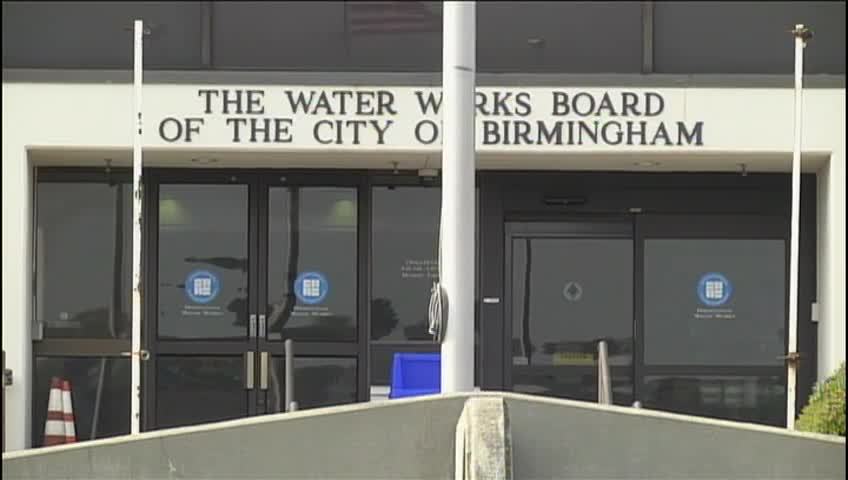
If you’re a Birmingham Water Works customer, you may be welcoming a judge’s decision that assures a new law will go into effect next month, putting more checks on how the Water Works Board spends your money and more voices on that board. On Monday, a judge ruled against the Water Works Board’s attempt to stop this law. For ratepayers this means there will be more eyes on how your money is spent. After years of fighting, this decision means three more members will join the Water Works Board in January. Blount County, Jefferson and Shelby counties will all appoint one person to the board starting Jan. 1. Shelby County should pick their person within the next two weeks. The former Mayor of Irondale, Tommy Joe Alexander, will represent Jefferson County and Attorney Brett King will represent Blount County. Former Alabama State Representative Paul DeMarco says he and several others worked on this legislation because they questioned how the board was spending rate payer’s money. “This Water Board, the pay was out of bounds. The travel expenses were out of bounds for a board that should be putting the rate payers first,” DeMarco said. DeMarco also spoke about rate increases saying, “That’s been a problem. Rate payers get their bills and rates keep going up and up and up and we needed to have some folks really look at how the water board spends its dollars.” DeMarco says that the water board spent thousands of dollars in legal fees trying to stop this legislation, but ultimately the judge sided with the ratepayers. “The judge ruled in favor with those that have to suffer monthly from increased water board rates when the water board spends thousands of dollars on all kinds of issues and all kind of expenses, and there have been questions about how this board operates. So hopefully we have some reform in place that will bring some common sense into this Birmingham Water Works Board,” DeMarco continued. Republished with permission of The Associated Press.
