
Inside the Birmingham community where Dr. Martin Luther King Jr. found solace
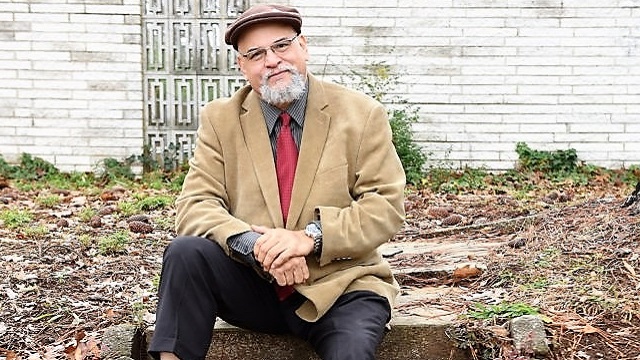
Jeff Drew remembers the first day he met the Rev. Dr. Martin Luther King Jr., who stayed with his family during visits to Birmingham in the midst of the civil rights movement. Drew, who was 6 at the time, and some friends in the North Smithfield community — known as “Dynamite Hill” because it was the most bombed place in Birmingham — were playing a football game when a motorcade arrived. A line of long cars rolled down the “driveway at my dad’s house, and these men with tall hats and coats sat here on the flower bed” and watched a bunch of kids play football, Drew recalled. King, who was rising in prominence, was among the group. It looked like a rescue operation, and the men meant business. “We saw the determination in their faces,” Drew, now 66, remembered. “They arrived together. They left together. They ate together. This was leadership of black America, and we were about to be rescued. They looked like a SWAT team without weapons coming into Birmingham to make this change. We felt liberated.” This was during the late 1950s, a time when segregationist policies deprived blacks of equal rights and their dignity throughout the nation and particularly in the South and Birmingham. The city needed someone who could come in and assist local leaders — including the Rev. Fred L. Shuttlesworth, pastor of Bethel Baptist Church and founder of the Alabama Christian Movement for Human Rights — in the effort to dismantle segregation. That man was King, who would become a close friend of the Drews. Morehouse men The Drew family was a natural connection for the civil rights icon, whose national birthday celebration is Monday, Jan. 15. Jeff Drew explained how the bond began. During the Montgomery bus boycott, which took place from Dec. 5, 1955, to Dec. 20, 1956, Alabama’s capital city lost money because African-Americans refused to ride the transit system. In retaliation, the city imposed higher insurance fees on church vehicles and prohibited some companies from insuring vehicles in carpools. King, then pastor of Montgomery’s Dexter Avenue Baptist Church and head of the Montgomery Improvement Association, needed someone who could help provide insurance for blacks in the city. His brother, the Rev. A.D. King, who served as pastor of First Baptist Church in Ensley from 1961 through 1965, connected him with a friend, John Drew — Jeff’s father. All three men, the King brothers and Drew, were Morehouse College men. “Morehouse men were like brothers,” Jeff Drew said. “[King] called my dad and asked if he could come to Montgomery and meet him. My father came out of that meeting and said, ‘That little preacher knows more about insurance than I do.’ “My dad was thoroughly impressed” with King, who asked Drew’s father during that meeting, “‘May I come visit you in Birmingham?’ Dad said, ‘Yes.’ At the time, Mama and Daddy were already involved in voter registration; they were already politically active.” Jeff Drew is the son of John and Addine “Deenie” Drew. His father operated the Alexander Insurance Agency Inc., which he co-founded in Atlanta in 1932; he opened a branch in Birmingham in 1950. And Drew’s mother was known by many as the “Den Mother” of the civil rights movement. King’s request for help with the insurance was the beginning of a friendship that lasted until King’s assassination in April 1968. ‘Uncle Mike’ King was known as “Uncle Mike” in the Drew home on Center Street in Smithfield, where Jeff Drew still lives and where he sat for an exclusive interview with The Birmingham Times. “In this house, that’s what Mom and Dad called him: Mike,” said Drew, current president of the Alexander Insurance Agency. “He was ‘Uncle Mike,’ and he called me ‘Nephew.’” Drew remembers answering the phone one day at the house: “‘This is the White House calling. Is Dr. Martin Luther King there?’ “I went into the living room, and [King went] back into the kitchen [to take the call]. His side of the conversation was, ‘Hello, Mr. President. Glad to hear from you. Hello, Mr. Attorney General. Glad to hear from you, too, sir. How are things in Washington? … No, sir, I’m sorry. … No, sir, I’m sorry, Mr. President. … We’re not going to stop the demonstrations.’” Many civil rights meetings were held at the Drew house, and they were not always cordial. “The leadership would have arguments, and there would be dissenters,” Drew recalled. “But before the evening was over and they walked out that door, they spoke with one voice. That’s the power of temperament. [King] was an expert at managing opposing views. He knew black America was listening, but they didn’t want to hear conflicting views.” The unified voice that came out of those meetings “provided solid leadership that black America could gravitate toward.” Designed to withstand bombs The Drew home on Dynamite Hill was designed to take bombings. The front room, which is the great room, has ceiling-to-floor windows and an open space. Going toward the back of the house, a wall separates the great room from the kitchen and living room. Going farther back in the house, another wall separates the kitchen and living room from the bedrooms. “All the bedrooms were in the back, so when they would bomb the house — because they were cowards and did it only at night — we wouldn’t get hurt,” Drew said. “They would throw the dynamite and run off.” Civil rights icons Because of his parents, Drew was on a first-name basis with Shuttlesworth and King, as well as Andrew Young, former Atlanta mayor and U.S. ambassador to the United Nations; the Rev. John T. Porter, who served 38 years as pastor of Birmingham’s Sixth Avenue Baptist Church; and the entire leadership of the movement. Jeff Drew sits at the dining room table in his home where Dr. Martin Luther King Jr. and other leaders in the civil rights movement ate and planned the Birmingham Campaign. [Photo Credit: Frank Couch Photography] He also grew up around several of Birmingham’s civil rights luminaries, who lived in the Smithfield community. “We were closely
Birmingham’s Ballard House hosts pop-up exhibit for King Holiday
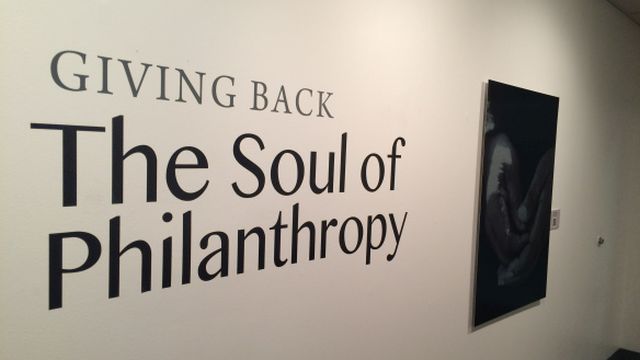
What is philanthropy? And how does it manifest in the African-American culture? On the Rev. Martin Luther King Jr.’s birthday, The Ballard House Project will host a free exhibition to examine this philosophy. Giving Back: The Soul Of Philanthropy Reframed and Exhibited is a photographic exhibition open to the public Monday, Jan. 15 through Friday, Jan. 19 from noon to 6 p.m. each day. Exhibit co-chair Lyord Watson shared the significance of hosting this exhibit: The popular, traveling pop-up exhibition celebrates the essence and history of giving in the African-American community nationwide in the form of time, talents, resources and leadership. It’s based on the book “Giving Back,” published in 2014 by Charles Thomas and Valaida Fullwood. At the Ballard House event, Linetta Gilbert will be the special guest speaker. She’s considered a thought leader and strategist in the national philanthropic community. For a few years, the exhibition has traveled to a number of cities across the country. The exhibit will make its way to Birmingham this weekend; it was featured in Atlanta immediately before. Described as family-friendly, it will also highlight the philanthropic work of local agents of change in Birmingham through the years. Visitors are also invited to a special event Monday afternoon at the Ballard House. Gather for a Community Conversation from 3 p.m. to 5 p.m. The Ballard House Project is dedicated to preserving the heritage and voices of the African-American community in the Birmingham metro area. The Ballard House is located at 1420 Seventh Ave. North. Republished with permission from the Alabama NewsCenter.
Target deal for Shipt showcases Birmingham’s dynamic tech sector

The vibrant entrepreneurial tech scene in Birmingham is once again in the national spotlight, as Target plans to buy local grocery delivery service Shipt for $550 million in a blockbuster deal. The retail giant, which announced the acquisition in December, said it will have a major impact on efforts to increase convenience for Target shoppers through affordable, same-day delivery across a variety of product categories. For Birmingham, the move is the latest win for the city’s burgeoning innovation sector, which has attracted millions of dollars in new investment for tech-based startups. “Birmingham is a center for innovation and this agreement highlights the type of cutting-edge industry that is emerging here,” said Jon Nugent, vice president for innovation and technology for the Birmingham Business Alliance. “Through the success of companies like Shipt, Birmingham continues to reinforce its presence as a destination for entrepreneurs looking for a smart, modern city where they can build and launch the next generation of technology companies.” Vibrant scene Shipt has grown rapidly since its founding in Birmingham in 2014. Members of the service use an app to connect to a network of more than 20,000 personal shoppers, who fulfill orders from various retailers and deliver within hours in more than 72 markets. Nugent credited Shipt’s leadership for recognizing what Birmingham has to offer startups. “Bill Smith and Jeff Smith are truly visionary business people who recognized the incredible value in Birmingham’s people, community and commitment to its entrepreneurs,” Nugent said. “Their investment in Shipt’s employees, their neighborhood and their corporate headquarters represents a standard of excellence that continues to be recognized across the United States and internationally. “They continue to be an integral part of this vibrant community that, through the twin discovery engines of UAB and Southern Research, are launching new and innovative companies at an incredible pace.” Opportunities Innovation Depot is a hub of much of the activity. The downtown Birmingham business incubator is home to more than 100 companies, which recorded $126 million in gross sales in 2016. The five-year economic impact of the facility is estimated at more than $1.4 billion. Meanwhile, other technology-based startups have turned heads among major investors, and shepherding more firms like them is a priority in Birmingham and across Alabama. Innovation Depot’s Velocity Accelerator is designed to accelerate development of idea-stage companies, while Alabama Launchpad, a program of the Economic Development Partnership of Alabama, has invested $4 million in companies that have created more than 500 jobs and go on to raise $50 million in follow-on funding. “It’s a great time to be an entrepreneur in Birmingham and Alabama, especially a technology-based entrepreneur,” said Greg Canfield, secretary of the Alabama Department of Commerce. “With a skilled and creative workforce, growing funding and mentorship opportunities, and a history of advanced research and developments, the city and the surrounding region have all of the ingredients to help startups thrive.” Ambitious goals As for Shipt, it will be a wholly owned Target subsidiary and will continue to run its business independently. Target will look to Shipt to help achieve ambitious goals set last year that focus on giving customers a number of convenient ways to shop, said John Mulligan, executive vice president and chief operating officer for the retailer. “With Shipt’s network of local shoppers and their current market penetration, we will move from days to hours, dramatically accelerating our ability to bring affordable same-day delivery to guests across the country,” he said. “By the 2018 holiday season, we will be servicing every major market across the country with same-day delivery, and Shipt’s service-oriented approach aligns well with Target’s commitment to delivering an exceptional shopping experience for our guests.” Shipt founder and CEO Bill Smith said the company is excited to partner with Target and is eyeing additional expansion. “Partnering with Target and the national scale they provide allows Shipt to further accelerate our growth, bringing our service to more people, in more markets across the country,” he said. “We’ll continue growing our marketplace and membership base, working with a variety of retailers to drive scale and efficiencies. We look forward to introducing Target guests to the convenience of our same-day delivery services, with the level of personal attention only Shipt can provide.” This story originally appeared on the Alabama Department of Commerce’s Made in Alabama website. Republished with permission from the Alabama NewsCenter.
Birmingham warming stations remain open for those seeking shelter

Due to the extreme cold, the Magic City is continuing to keep open warming stations for those in the community to take haven and keep warm. The City of Birmingham’s warming station will remain open all day on Tuesday, Jan. 2 at the BJCC South Hall, due to a continued cold snap in the area. On the Wednesday, Jan. 3, the city will move the warming station to Boutwell Auditorium, across from Linn Park, to make way for a pre-planned trade show at the BJCC’s South Hall. “We thank the BJCC for allowing us to use its South Hall as a warming station since Dec. 25. Each night, we’ve served more than 200 people. The last two nights, we have had more than 300,” Mayor Randall Woodfin said. “We remain committed to putting people first and working with agencies that serve the homeless community.” Currently, the plan is to operate the Boutwell warming station on Wednesday, Jan. 3, Thursday, Jan. 4; and Friday, Jan. 5. The Boutwell warming station will close at 9 a.m. and reopen at 5 p.m. on Jan. 4 and Jan. 5. Because the warming station will be open all day on Jan. 2 at the BJCC, and Jan. 3-5 at the Boutwell, additional volunteers are needed. At this time, volunteers are needed on Jan. 2 from 9 a.m. to 9 p.m. Don Lupo, director of the Mayor’s Office of Citizens Assistance, said he is thankful for all of the donated supplies, food and coats. But currently, the warming station has enough clothes, coats, shoes and hygiene products. What is needed now are scarves, gloves and knit caps. Supplemental food to stretch the main meals in the evening, is also needed. Donations may be made on Jan. 2 at the BJCC South Hall from 12 to 5 p.m. The door to the South Hall faces Ninth Avenue North and is between Richard Arrington Jr. Boulevard and 19th Street North. Since crews will be moving cots and supplies from the BJCC to the Boutwell during the day on Jan. 3, it is suggested that donations are made at 5 p.m. or later on Jan. 3.
Alabama cities rank among some of the worst in America to find a job

Even with the national unemployment rate at a 17-year low and employers expecting to hire 4 percent more college graduates from the Class of 2018 than from the previous graduating cohort, Alabama’s biggest cities might not be the best places for job-seekers to look for employment in 2018. According to a new study by personal financial website WalletHub, 2018’s Best Places to Find a Job, Birmingham ranked the 5th worst city in America to find a job, closely followed by Montgomery ranked 9th, and Mobile ranked 10th. Huntsville, Ala. fared little better than the state’s southern cities, ranking the 20th worst on the list. To determine the strongest local job markets in the U.S., WalletHub compared more than 180 cities across 26 key metrics. The data set ranges from job opportunities to employment growth to monthly average starting salary. Finding work in Birmingham (1= best; 91= avg.) 31st: Housing affordability 64th: Job opportunities 74th: Industry variety 74th: Avg. work and commute time 127th: Monthly average starting salary* 136th: Employment growth 162nd: % of workforce living in poverty 164th: Median annual income* 170th: Unemployment rate *Adjusted for cost of living Finding work in Montgomery (1= best; 91= avg.) 48th: Housing affordability 146th: Job opportunities 148th: Industry variety 58th: Avg. work and commute time 173rd: Monthly average starting salary* 98th: Employment growth 135th: % of workforce living in poverty 98th: Median annual income* 143th: Unemployment rate *Adjusted for cost of living Finding work in Mobile (1= best; 91= avg.) 87th: Housing affordability 157th: Job opportunities 84th: Industry variety 84th: Avg. work and commute time 138th: Monthly average starting salary* 102nd: Employment growth 134th: % of workforce living in poverty 133th: Median annual income* 170th: Unemployment rate *Adjusted for cost of living Here’s how Alabama compares to the rest of the country: Source: WalletHub
Birmingham ranks in top 15 neediest cities in America

‘Tis the season of giving and giving back to those in need, and a new report reminds us we can often find those in need suffering from poverty, homelessness and hunger in our own backyards. That’s certainly the case in Birmingham, which ranked as the 14th neediest city in America in WalletHub‘s list of 2017’s Neediest Cities. But Birmingham wasn’t the only needy city in the Yellowhammer State. Not far behind the Magic City was Montgomery (24) and Mobile (25). Huntsville was the only major Alabama city to fare slightly better, ranking as the 87th neediest. f The data set ranges from child poverty rate to food-insecurity rate to uninsured rate. Neediness in Birmingham (1= neediest; 91= avg.) 5th: Child poverty rate 18th: Adult poverty rate 87th: Unemployment rate 31st: Food Insecurity rate 55th: Uninsured rate 15th: % of Homes with inadequate plumbing 86th: % of Homes with inadequate kitchens Here’s how Alabama compares to the rest of the country: Source: WalletHub Top 15 neediest cities in America: Detroit, Mich. Cleveland, Ohio Newark, N.J. Memphis, Tenn. Jackson, Miss. Atlanta, Ga. Fresno, Cali. Los Angeles, Cali. St. Louis, Mo. Indianapolis, Ind. Gulfport, Miss. Philadelphia, Pa. Brownsville, Texas Birmingham, Ala. Little Rock, Ark.
Alabama Launchpad selects 2 innovative Birmingham startups for funding

Two Birmingham firms prevailed in the latest round of the Alabama startup competition that has pumped millions of dollars into innovative ideas across the state. The Alabama Launchpad Startup Competition Finale, at Iron City, featured six teams that made pitches in front of a panel of judges and a live audience. The winner of the seed track, and the top prize of $100,000, was INFLCR, which equips innovative college athletic programs with critical social media tools to empower their student athletes to be brand ambassadors on social media. A $50,000 prize went to the winner of the concept track, Edify Online Corp. It’s an exchange of independent teaching talents from universities and communities that work together to achieve important milestones for higher-education students. A program of the Economic Development Partnership of Alabama that began in 2006, Alabama Launchpad has invested $4 million in companies that have created more than 500 jobs and raised $50 million in capital. Angela Till, deputy secretary of the Alabama Department of Commerce, said the agency supports startups as they transform their ideas into the next generation of companies. “At the same time we continue efforts to attract new investment, new jobs and great companies to the state, we share the same goal as Alabama Launchpad on helping companies start, stay and grow in Alabama,” she said. “Fostering the state’s entrepreneurial community is part of Alabama’s strategic economic development plan that is in place. “We are excited at the Department of Commerce about partnering with EDPA in the Launchpad program to help these companies grow.” All of Alabama benefits from the partnership, which diversifies the economy and creates more jobs, Till added. Expanding Launchpad Alabama Launchpad is the most active early-stage investor in Alabama, according to PitchBook, which tracks the public and private equity markets. The program has recently been updated and is expanding its reach. Upgrades to the original statewide competition include a more efficient application process that now judges entrants along two tracks: concept-stage entrepreneurs launching businesses and seed-stage businesses accelerating growth. The competition also has a shorter, two-month schedule compared to five months in the past. And only the best concept business and seed stage business win cash prizes, although every entrant will receive valuable feedback and exposure to capital providers in the state. Meanwhile, two regional contests have spun off in the Shoals and in Auburn. Like the statewide program, the regional ones offer local entrepreneurs the chance to compete for funding and receive valuable mentoring. EDPA President Steve Spencer said the driver of Alabama Launchpad is key to the state’s economic success. “Innovation is the nucleus of what will move this state forward,” he said. This story originally appeared on the Alabama Department of Commerce’s Made in Alabama website. Republished with permission from the Alabama NewsCenter.
Target to buy Birmingham’s Shipt for $550 million in challenge to Amazon

Target on Wednesday announced it will purchase Birmingham-based grocery-delivery startup Shipt, a leading online same-day delivery platform, for $550 million in cash. Target will leverage its network of stores and Shipt’s proprietary technology platform and community of shoppers to quickly and efficiently bring same-day delivery to guests across the country, immediately making it a contender to challenge Amazon’s e-commerce dominance. “With Shipt’s network of local shoppers and their current market penetration, we will move from days to hours, dramatically accelerating our ability to bring affordable same-day delivery to guests across the country,” said Target’s chief operating officer John Mulligan in a statement. Target will offer some same-day delivery service for online purchases The acquisition significantly accelerates Target’s digital fulfillment efforts, bringing same-day delivery services to guests at approximately half of Target stores by early 2018. The service will be offered from the majority of Target stores, and in all major markets, before the 2018 holiday season. At launch, Target will offer same-day delivery of groceries, essentials, home, electronics and other products, while expanding the products offered over time. By the end of 2019, same-day delivery will include all major product categories at Target. Founded in 2014 and located in Birmingham, Alabama, Shipt is a rapidly growing membership-based grocery marketplace and same-day delivery platform. The service leverages an extensive network of over 20,000 personal shoppers to fulfill orders from various retailers and deliver within hours in more than 72 markets. “We are very excited to partner with Target, one of the most loved retailers in the country with a reputation for supporting local communities. Partnering with Target and the national scale they provide allows Shipt to further accelerate our growth, bringing our service to more people, in more markets across the country,” said Shipt’s founder and CEO Bill Smith. “We’ll continue growing our marketplace and membership base, working with a variety of retailers to drive scale and efficiencies. We look forward to introducing Target guests to the convenience of our same-day delivery services, with the level of personal attention only Shipt can provide.” Shipt will be a wholly owned Target subsidiary, and will continue to run its business independently. All current Shipt employees will continue to be employed by Shipt and will work from their current offices in Birmingham and San Francisco, and will continue to operate like a retail partner. Shipt currently requires a $99-a-year membership for unlimited deliveries. The minimum for Shipt orders is $35, but Target may opt to remove that requirement for orders from its stores.
BBA elects 2018 Chairman Lee Smith, announces board, officers
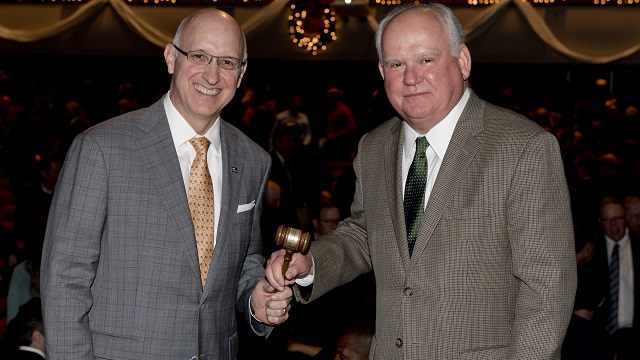
Lee Smith, Executive Vice President and East Region Executive for BBVA Compass, has been elected as the 2018 Chairman of the Board for the Birmingham Business Alliance (BBA) —the lead economic development organization for the Birmingham region. Smith succeeds UAB President Ray Watts. “I am excited and honored to be serving as Chairman of the BBA in 2018,” said Smith. “Preparing and adding to the region’s workforce, and supporting Birmingham companies to attract and retain some of the brightest minds in the country will be a top priority for the coming year. I would like to thank Dr. Ray Watts for his strong leadership of the BBA for two years. His vision and wisdom around complex issues has helped Birmingham become a powerhouse of innovation and economic development that is recognized throughout the region and the country.” Members of the Executive Committee and Board of Directors were also elected at the annual Chairman’s meeting. Each will serve a one-year term. The 2018 BBA officers include: Chairman of the Board: Lee Smith | BBVA Compass Chairwoman-elect: Nancy Goedecke |Mayer Electric Supply Vice Chairman of Workforce Development: Sanjay Singh | Bimal LLC Vice Chairman of Public Policy: Greg Curran | Maynard Cooper & Gale Vice Chairman of Communications: Don Logan | Birmingham Barons Vice Chairman of Finance: Nelson Bean | Synovus-First Commercial Bank Vice Chairman of Economic Development: Jim Gorrie | Brasfield & Gorrie President and CEO: Brian Hilson | Birmingham Business Alliance Corporate Secretary: Bing Edwards | Edwards+Law LLC New members of the BBA executive committee include: Ed Aldag | Medical Properties Trust Tim Vines | Blue Cross Blue Shield of Alabama Nick Willis | PNC Bank Randall Woodfin | Mayor of Birmingham New members elected to the BBA Board of Directors include: Jason Alexander| St. Vincent’s Health System Scott Berte | Dixon Hughes Goodman John Coleman | Graham & Co. Chris Cooper | AAA Cooper/Boyd Brothers John Hackett | Kamtek Brian Hamilton | Trillion Communications Corp. Dr. Bruce Irwin | American Family Care Jimmy Johnston | Autocar Richard Murray | National Bank of Commerce Kathy Nugent | UAB Daniel Parker | Norfolk Southern Corp. Andrea Smith | BBVA Compass Bill Smith | Shipt Tricia Wallwork | Milo’s Tea.
Randall Woodfin sworn-in as Birmingham’s 30th mayor
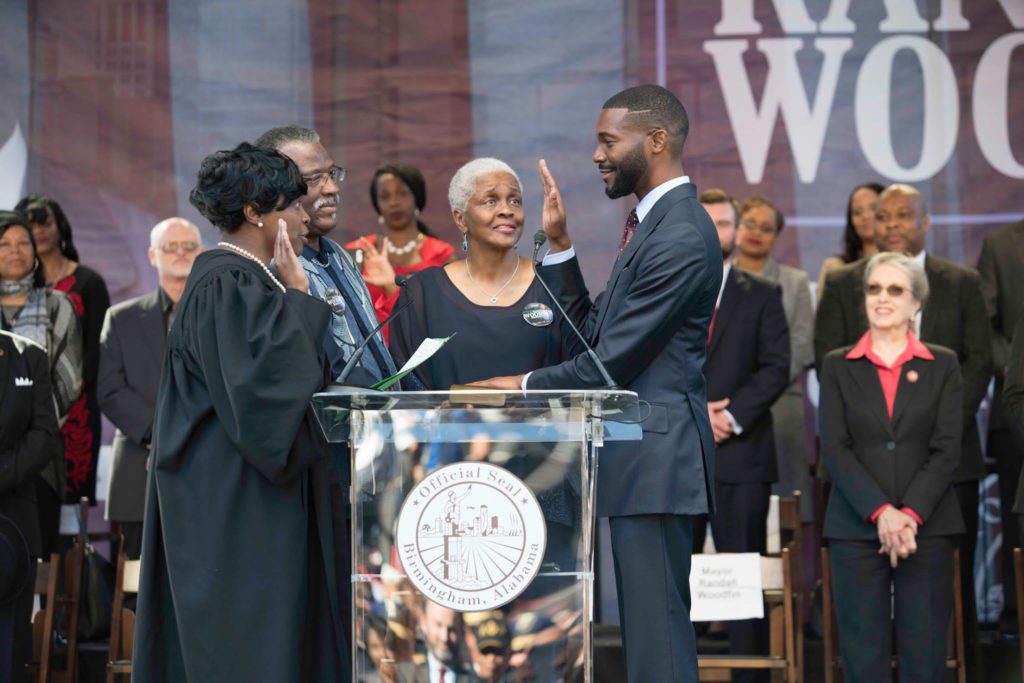
It was a picture-perfect day on Tuesday as Randall Woodfin, 36, was sworn into office as the 30th mayor of the City of Birmingham, Ala. by Judge Nakita Blocton making him the city’s youngest mayor in modern history. Woodfin took the oath of office before thousands of onlookers in downtown Birmingham’s Linn Park where there was not a cloud in the sky. With a giant American flag backdrop, Woodfin was flanked by banners which, according to the Birmingham Times., listed the names of all 99 neighborhoods in the city. “I am so honored for this moment. It is hard to put this moment into words as relates to this opportunity to serve my hometown,” Woodfin told the crowd. “I am so proud and so eager to get to work.” He continued, “ this is not my inauguration. This is our inauguration. What stands behind us is not just a building, it’s not just city hall, but it’s a symbol that reflects the voice of the people of all 23 communities and all 99 neighborhoods.” Woodfin’s October victory On Oct. 3, Woodfin handily bested Birmingham’s seven-year incumbent mayor, William Bell, in the city’s contentious runoff mayoral race. Woodfin — a city attorney and member of the Birmingham Board of Education — took home 24,910 votes, 58 percent, over Bell’s 17,353, 41 percent. Woodfin’s team Two weeks ahead of his inauguration, Woodfin announced the six members of his executive leadership team during a press conference at the Birmingham Civil Rights Institute. “I could not be more proud of the team we are putting together to help transform our city,” Woodfin said. “Each of these men and women are true public servants. They reflect my core beliefs in integrity, efficiency and concern for each resident of Birmingham. We look forward to continuing to complete our executive team as well as department heads as we near the administration beginning in two weeks.” His executive team includes: Cedric Sparks: chief of staff. He is a longtime leader of Birmingham’s Division of Youth Services dating back to 2002. He is a graduate of West End High School, the University of Alabama and Miles Law School. Kevin Moore: chief operating officer. He has worked for the city of Birmingham for 22 years, most recently as director of the Birmingham Parks and Recreation Department. He has also served as the director of the Birmingham CrossPlex. Moore is a 1992 graduate of Samford University. Ed Fields: senior advisor and chief strategist. He led Woodfin’s campaign for mayor and has a long history as a local businessman and civic activist. He received his undergraduate degree in business Administration from Alabama State University and his MBA from University of Alabama’s Manderson School of Business. Kelvin Datcher: director of intergovernmental affairs. He previously served as director of investor relations at REV Birmingham. He is a graduate of Gettysburg College and previously worked at Southern Poverty Law Center, Alabama State University and for the Birmingham City Council. He has been active in economic development initiatives for the City of Birmingham. Nicole King: city attorney. She began her legal career with the city of Birmingham Law Department in 2006. A native of Birmingham and graduate of Ramsay High School, King is also a University of Alabama and Texas Southern University Law School graduate. She has successfully handled cases before the Alabama Supreme Court, Alabama Court of Civil Appeals and the U.S. Court of Appeals for the 11th Circuit. Sylvia Bowen: executive administrator. She has worked as the Birmingham City Council District 8 chief of staff and served as executive assistant to the dean of academic affairs and as an instructor at Lawson State Community College. She is a graduate of Tuskegee University and holds an MBA from Johnson and Wales University. Watch Woodfin’s inauguration ceremony below:
Personnel note: Bradley welcomes 8 new Birmingham associates
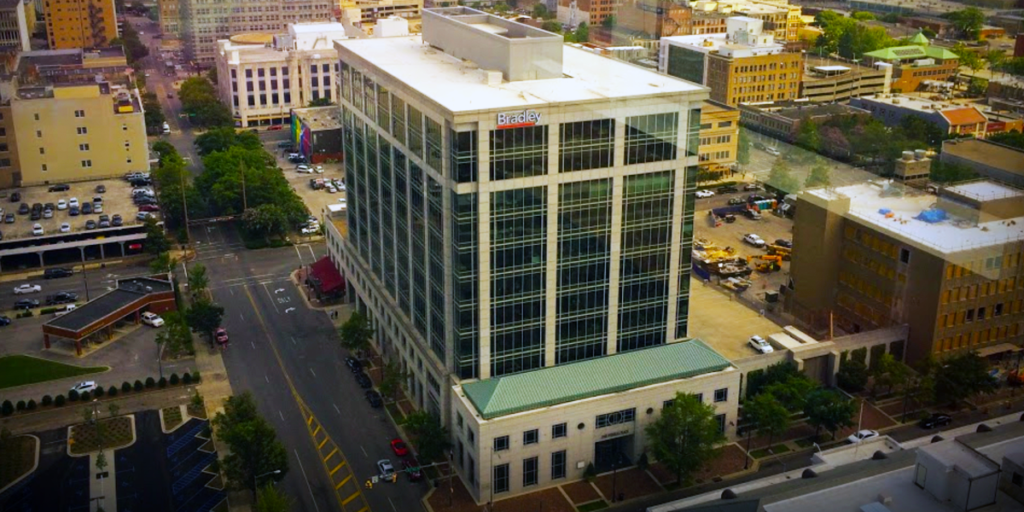
Birmingham-based Bradley Arant Boult Cummings LLP on Wednesday announced the addition of 24 new attorneys joining the firm as associates — eight in its Birmingham office. “We are thrilled to welcome this diverse group of attorneys to contribute to the successes of our clients across all of Bradley’s offices,” said Bradley Chairman of the Board and Managing Partner Beau Grenier. “We look forward to benefitting from their fresh thinking and to fostering their ongoing development and achievements.” Including the new associates, the firm has added 35 attorneys in 2017, for a current firm-wide total of 533 attorneys. The firm’s new associates in Birmingham are: Jared C. Batte is a member of the Banking & Financial Services Practice Group, representing clients in real estate, finance and banking transactional matters. He received his J.D. (magna cum laude) from the University of Georgia School of Law, where he served as an articles editor for the Georgia Law Review. He earned his Bachelor of Science (summa cum laude) from Auburn University. Angelique A. Ciliberti is a member of the Litigation Practice Group. Her diverse general litigation practice includes the representation of pharmaceutical and other product manufacturers in state and federal courts throughout the country. In addition, she currently represents an Alabama death row inmate pro bono. She earned her J.D. from the University of Virginia School of Law (UVA Law). During law school, she served as president of the UVA Law Innocence Project Pro Bono Clinic and was a member of the Managing Board of the Virginia Journal of Social Policy & Law. She earned her Bachelor of Arts (summa cum laude) from Wake Forest University. Niya T. McCray is a member of the Litigation Practice Group. She previously served as an intern with Bradley and with the in-house legal departments of Bridgestone and USAA. She received her J.D. from Vanderbilt University Law School (VLS). During law school, she assisted veterans with their legal needs through the VLS Medical-Legal Partnership Clinic. She received the VLS Scholastic Excellence Award for her performance in Information Privacy and was inducted into the Phi Delta Phi Legal Honor Society. She also was a Chancellor’s Scholar and the first three-time recipient of the Senator Avon N. Williams Jr. and Hon. Robert Lillard Law School Scholarship. McCray earned her Bachelor of Arts from Vanderbilt University. David W. Morton is a member of the Corporate and Securities Practice Group and focuses his practice on public finance matters. He earned his J.D. (magna cum laude) from the University of Alabama School of Law, where he was an articles editor for the Alabama Law Review and a member of the Campbell Moot Court Board. He received his Bachelor of Science (summa cum laude) from Auburn University. Ryan R. Priddy is a member of the Litigation Practice Group, representing clients in financial services litigation matters. He earned his J.D. (cum laude) from the University of Alabama School of Law, where he was senior editor of the Alabama Law Review. He holds a Bachelor of Science (summa cum laude) from the University of Alabama. Candice L. Rucker is a member of the Appellate Practice Group. She clerked for Judge Leslie H. Southwick of the U.S. Court of Appeals for the Fifth Circuit. She earned her J.D. (summa cum laude) from Mississippi College School of Law, where she was executive editor of the Mississippi College Law Review and vice chair of internal affairs for the Moot Court Board. Rucker received her Bachelor of Arts (summa cum laude) from the University of Alabama. D. Butler Sparks is a member of the Corporate and Securities Practice Group. He focuses his practice on advising public and private clients in a variety of corporate transactions, including mergers and acquisitions, joint ventures, private equity transactions, business entity formation, securities offerings, financing transactions and corporate reorganizations. He earned his J.D. from the University of Virginia School of Law, where he served on the editorial board of the Virginia Law Review and on the managing board of the Virginia Law and Business Review. He received his Bachelor of Business Administration (summa cum laude) from Mississippi State University. Lance W. Waters is a member of the Financial Services Litigation Practice Group. He served as a law clerk to Judge Yvette Kane of the U.S. District Court for the Middle District of Pennsylvania. He earned his J.D. (magna cum laude) from Tulane University Law School, where he was a managing editor for the Tulane Law Review. He received his Bachelor of Arts (summa cum laude) from Tulane University.
Northern Beltline construction loses funding, now competing with other state projects

Construction delays to complete Birmingham’s Northern Beltline — a 52-mile, six-lane highway that would connect Interstate 459 in Bessemer with Interstate 59 in northeast Jefferson County — continue due to loss of funding, according to AL.com. First started in 2014, beltline construction was later delayed in 2016 to loss of funding for the estimated $5.3 billion project. The Alabama Department of Transportation (ALDOT) hoped to start working on the project again in 2019, but the project, which was being funded by the Appalachian Development Highway System, was not funded in the 2018 federal transportation bill. Now, the project is going to need state funding to continue in 2019 as originally planned. “Unfortunately, adding lanes along existing, heavily congested roadways typically take a higher priority since the relative cost is so much less for relief,” Linda Crockett, spokesperson for ALDOT’s East Central Region, told AL.com. “The Northern Beltline is obviously needed but will take several years to fund and construct,” she added. “If there is a change in funding, either through an increase in gas taxes or if funds are dedicated toward the ADHS again, it may help the construction pick back up, but for the foreseeable future, it will be very limited.” One of the many projects the could compete with the beltline funding is that of the proposed, competing bridge to the Foley Beach Express down in Orange Beach. This proposed bridge could divert much needed state resources away from other critical state infrastructure projects such as the beltline. “Construction of the Northern Beltline is expected to enhance cross-region accessibility, create jobs, stimulate economic growth and respond to existing development, as well as address future traffic growth,” said BetterBeltline.org. “Birmingham is unique among U.S. urban areas because it has four interstates that converge and connect to other southeastern metropolitan areas. The Beltline touches every mainline interstate in Jefferson County and creates significant opportunities for growth and prosperity.” But if Alabama had to pay the tab on its own, the project “would never pass the idea stage,” Beth Osborne, who spent five years as a senior policy official in the Obama administration’s Transportation Department and is now at the advocacy group Transportation for America, told Environment and Energy News. ALDOT last projected the Northern Beltline should be completed in 2054. Only time will tell if Osborne is correct.
