
Airbus defies naysayers with Alabama plant for new jet
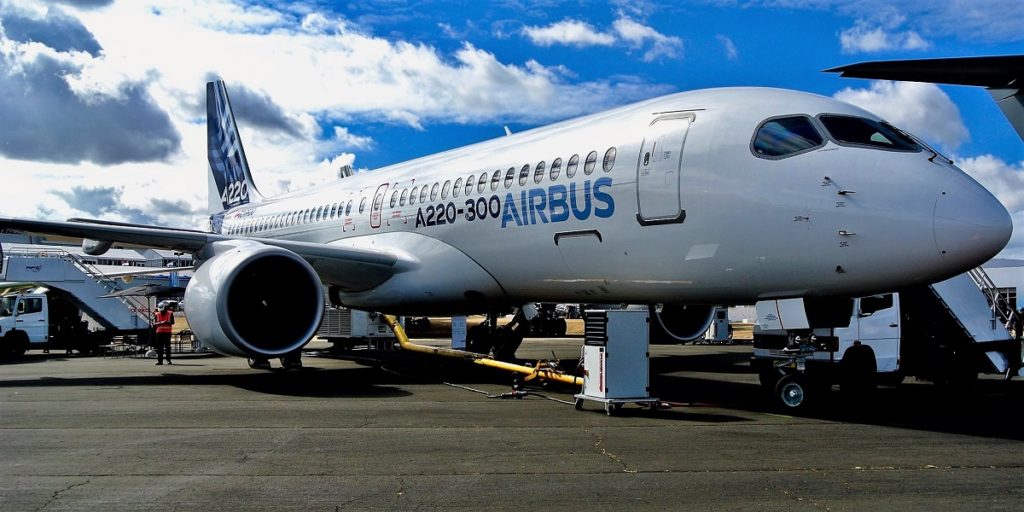
Airbus SE has broken ground for a new factory in Mobile, Alabama, defying predictions by archrival Boeing Co. that the plant would never be built. By midyear, mechanics will begin assembling the first American-made A220, a single-aisle jetliner developed by Bombardier Inc. and taken over by Airbus last year. Delivery of the initial plane with made-in-the-USA label is slated for next year. The new factory caps a dizzying turnaround for the Canadian-designed aircraft formerly known as the C Series, which Airbus rescued in 2018 after working for years to stymie sales. Bombardier turned to the European planemaker after Boeing rejected overtures. The U.S. aerospace giant then waged a high-profile and ultimately unsuccessful campaign to slap duties on imports of the jets by Delta Air Lines Inc. “That plane with our Airbus brand, with our support, our procurement and our sales is a game-changer,” said Jeff Knittel, Airbus’s Americas chief. Boeing spat In November 2017, Boeing at the height of the trade spat argued in a letter to U.S. Commerce Secretary Wilbur Ross that Airbus and Bombardier were “extremely unlikely ever to actually establish a C Series assembly line in Alabama.” Building a new factory would “make no economic sense,” the Chicago-based company said, contending there were too few orders to support a second production facility beyond the existing one in Mirabel, Quebec. Airbus has been shoring up sales and production of the jetliner since taking control over the unprofitable C Series program on July 1. The economic case once questioned by Boeing has grown stronger after a flurry of recent deals expanded the backlog of unfilled A220 orders to 480 aircraft. The initial sales and a top-up order by Delta show that there is ample demand to support a second factory in Mobile, Knittel said. Airbus is in discussions with several U.S. customers, he said, declining to provide specifics. “The trendline is terrific,” he said. “I am not concerned about filling the backlog.” Final assembly of the A220 jets in the U.S. “is a vital selling point for most U.S.-based customers,” Airbus said. Even so, Airbus and Bombardier plan to build the first 40 A220s ordered by Delta in Mirabel. Airbus is looking to achieve a “significant double-digit’’ reduction in production costs of the A220, said Philippe Balducchi, who runs the partnership with Bombardier. “The targets we have in our plan are achievable,’’ while conceding, “they are not easy.” The desired savings likely represent about $3 million per plane, according to Benoit Poirier, an analyst at Desjardins Capital Markets. In a twist, the new Airbus factory will be modeled on the production system that Bombardier created in Mirabel rather than mimic a neighboring A320 plant in Mobile, said Florent Massou, head of the A220 program. That’s unexpected, given the mass-production techniques that Airbus and Boeing have forged as they push single-aisle jet output to record-high levels. When Boeing took control of McDonnell Douglas Corp.’s MD-95 program following the companies’ 1997 merger, for example, engineers created an elaborate cable system to move jets and copy the moving line created for the 737 program. Tripling output The jigs, tooling and robotics at Mirabel are all cutting-edge, part of a lean production system that will eventually make 10 of the aircraft a month. But the engineers’ desks scattered around the factory floor hint at the problem-solving needed to triple output by the mid-2020s. “Technically, the production processes haven’t changed,” Massou told reporters at Mirabel this week. Rather than changing out equipment, Toulouse, France-based Airbus has focused on how work is organized to make sure that unfinished tasks aren’t handed over to workers downstream, while training mechanics to be more efficient. The Alabama final assembly line will look “exactly like this,” Massou said Jan. 14, from a balcony overlooking the Mirabel factory floor, where two lines of A220s were slowly taking shape. That’s so workers at the two factories can share the tribal knowledge that comes with repeating tasks – the learnings that drive down cost and speed production times for aircraft, he said. Boeing-Embraer Including the new factory, Airbus’s total investment in Mobile will approach $1 billion, Knittel said. Bombardier has committed to providing as much as $700 million in funding to the A220 partnership through 2021, Chief Financial Officer John Di Bert said last month. The figure includes a commitment of $350 million for 2019. Airbus and its partners are investing $300 million in the Mobile facility against the uncertain economic fallout from Brexit, and the emerging competitive threat of a joint venture that will give Boeing control of rival aircraft made by Brazil’s Embraer SA. “It’s sometimes hard to predict the future, but it didn’t take a genius” to anticipate the Boeing-Embraer tie-up, Airbus Chief Executive Officer Tom Enders told reporters. “We’re helped by the fact that we have by far the best aircraft in the A220.” (Contact the reporters at jjohnsson@bloomberg.net and tomesco@bloomberg.net.) Reprinted with permission from The Alabama NewsCenter.
Kay Ivey to Alabama economic developers: “Momentum is on our side.”
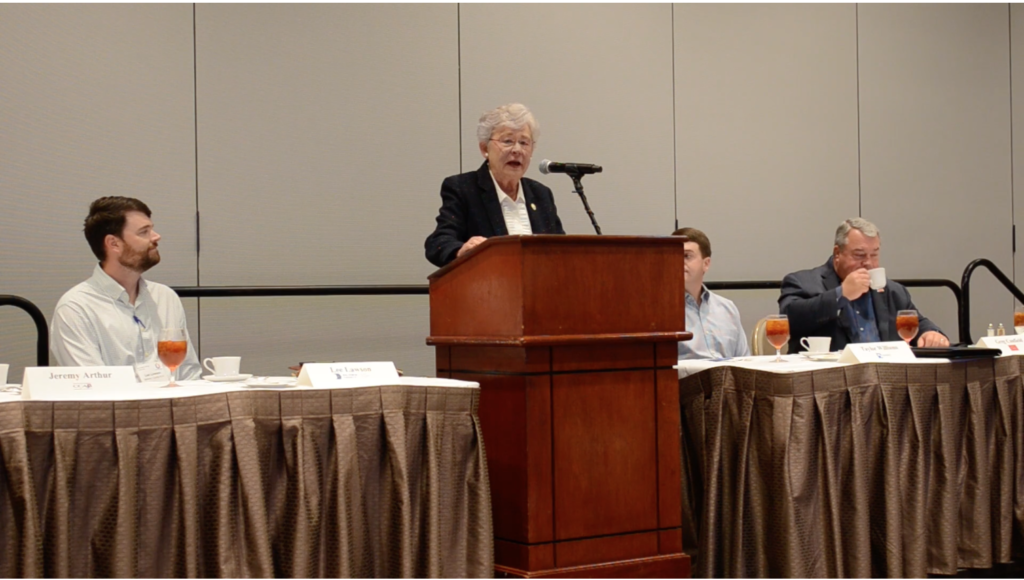
Alabama’s two main economic development leaders urged state economic developers to continue to evolve and advance to help keep the momentum Alabama has enjoyed in landing and expanding industry. Alabama Gov. Kay Ivey and Alabama Commerce Secretary Greg Canfield addressed the 2018 Summer Conference of the Economic Development Association of Alabama Monday. Both had much to brag about. Alabama’s economy has roared back since the Great Recession a few years ago to post the lowest unemployment in state history and some of the biggest names in business now — or soon will — have significant operations in the state. Gov. Kay Ivey addresses the 2018 EDAA Summer Conference from Alabama NewsCenter on Vimeo. Consider: Alabama unemployment in October 2009 was 11.8 percent. In May 2018, it was 3.9 percent. Alabama’s gross domestic product (a measure of total economic output) was 2.5 percent in 2009. In 2017, it was 3.3 percent. In 2017, the state announced economic development projects with $4.4 billion in capital investment that will create an estimated 15,456 jobs. Monday, AIDT, the state’s lead workforce training department, announced it is working a record number 135 projects with 30,000 jobs. Alabama Commerce Secretary Greg Canfield shared his cautious optimism with leaders at the Economic Development Association of Alabama summer conference. (Mike Tomberlin/Alabama Newscenter) “Times have gotten better. The strategy is paying off,” Canfield said. “But we’re not yet where we want to be.” Ivey credited economic developers at the local level across the state with helping achieve the success. “These jobs are in large cities like Mobile and Birmingham, but they’re also in smaller towns like Brewton and Bridgeport,” she said. “We’ve celebrated announcements and groundbreakings with companies like Google and Facebook and Boeing and with some growing companies, too, like Kimber Firearms and AutoCar. Y’all, momentum is on our side and I want Alabama to be every company’s first choice for their location.” Ivey said corporate CEOs from around the world tell her they are successful in Alabama because of the quality and productivity of their employees in the state. Part of keeping the momentum the governor talked about is gearing economic development toward the jobs and businesses of the future. “We’re really focused a lot on technology and innovation, the growth of entrepreneurship,” he said. “It’s really about growing the knowledge economy in Alabama that will support the industry that’s here.” Canfield said the state is about to get a major tool to work with in that regard. Alabama EPSCoR, which represents research universities and private institutions like Southern Research and HudsonAlpha, is close to unveiling a gamechanger. “EPSCoR is putting together and about to launch a digital database that’s searchable so that economic developers and site consultants and companies who want to be able to find out where they can link their product development and their own internal research with that of public universities or private research institutions, they will actually be able to go into this database and if they want to find something like who is doing research right now on composite materials, who is doing research on nickel alloys in the aerospace sector, who is doing additive manufacturing and powder alloy research in technology development? They can actually go in and be linked to the specific researchers doing that work, not just at the university level, but at the researcher level,” Canfield said. “So at the state level, we will be able to provide that connectivity. This will really help us advance economic development to the next level.” Canfield’s optimism is due, in part, to education at all levels of the state (K-12, community colleges and universities,) along with worker training initiatives working closely to complement each other’s efforts. “I think the state has never been better aligned in terms of workforce preparedness,” he said. “That terminology really includes everything from education – the academic side of education but also skills development and certifications – anything that’s industry-specific, industry-recognized and equips Alabamians with the right tools necessary to be able to do the right jobs.” With that alignment, Ivey wants to ensure education and worker training are looking ahead to what’s needed. “We’ve got a great workforce, but we have got to keep the pipeline full with folks trained with higher skills to meet the jobs that we know are coming, and some of them are already here,” Ivey said. Many of those next-generation jobs will be in aerospace. Ivey said the state delegation’s recent efforts at the Farnborough International Air Show are paying off. “Even more good news may be on the horizon for Alabama,” she said. “I’m proud of what Airbus and Bombardier are doing to finalize their plans to create a second assembly line in Mobile for the A220 series. And, also, Leonardo is still in the running to be awarded the contract from the United States Air Force to build the T-100 trainers. Y’all, if Leonardo is successful and gets that contract, there are going to be 750 new jobs in Macon County. That is huge.” Canfield, too, is hopeful for the state’s chances on the T-100 trainer. “I am so eager to hear positive news for Tuskegee and Macon County,” he said. Ivey said watching Alabamians get good-paying jobs is the true goal of economic development. “All of this good news gives me great hope about our fine state,” she said. “We all want Alabamians to be able to achieve their dreams, live in a safe environment, have a quality of life and create a reputation for the state of Alabama that is envied worldwide.” Greg Canfield at the 2018 EDAA Summer Conference from Alabama NewsCenter on Vimeo. Republished with the permission of the Alabama Newscenter.
New investment fuels aerospace job growth across Alabama
Momentum continues to build in Alabama’s aerospace industry, which is adding new investments and hundreds of jobs to produce innovative, in-demand products in communities across the state. In 2017 alone, there were announcements totaling nearly $690 million and 1,750 jobs. Those numbers increased the sector’s cumulative investment over the past seven years to almost $2.4 billion, along with 8,348 aerospace and defense jobs during the same time period. This year, there’s a hiring surge, as the plans become reality. And more jobs are on the way. At last week’s Farnborough International Airshow, defense contractor BAE Systems and Carpenter Technology Corp., a maker of premium metals and alloys used in the aerospace industry, announced expansions of their Alabama operations. Together, these projects will create more than 250 jobs in north Alabama. Meanwhile, growth plans are already in place for aerospace companies operating across the state. Airbus’ Alabama factory, for instance, is in linefor 600 new jobs, thanks to a planned second assembly line for the Bombardier C Series jetliner (renamed the A220), as well as a potential increase in the production of A320 Family aircraft. GE Aviation plans to double its 90-member Huntsville workforce in the coming year and increase to 300 when the new factory complex for silicon carbide materials reaches full production. The company is also adding workers at its Auburn facility, which mass produces a jet engine fuel nozzle using additive manufacturing, or 3-D printing technologies. Targeting growth Aerospace companies from around the world are seeing that Alabama offers plenty of advantages to help them expand their business, said Greg Canfield, secretary of the Alabama Department of Commerce. “From complex military weapons systems to innovative passenger aircraft, and many of the break-through technologies that power them all, Alabama is home to an impressive array of the industry’s leading products,” Canfield said. “How do we do it? In Alabama, we take partnerships very seriously. A company’s strategic vision and expertise, coupled with the skill and dedication of our highly trained workforce, is always a winning combination.” Canfield joined Gov. Kay Ivey and an Alabama team at Farnborough for appointments with executives of 16 aerospace companies, including Airbus, Boeing, Leonardo and GE Aviation. The talks were aimed at bringing home new investment and jobs in the aerospace sector. Aerojet Rocketdyne One of last year’s key announcements was Aerojet Rocketdyne’s $46.5 million, 800-job expansion project in Huntsville. The company is consolidating its Defense division headquarters and Rocket Shop advanced programs to the Rocket City, where it has had a presence for more than 50 years. It has also moved into a new office space at Cummings Research Park and is building a new Advanced Manufacturing Facility that will produce subassemblies and components for the AR1 rocket engine, composite cases for rocket motors, 3-D printed rocket engine components and other parts. James Ramseier, site leader for operations at the Huntsville Advanced Manufacturing Facility, said construction is about 60 percent complete and right on schedule. “We plan on opening that facility in December of 2018, and initially in 2019, we are going to go through product verification. In 2020, we will ramp up to full production,” he said. Ramseier said everyone in Huntsville, from major business groups to individual building inspectors, has been supportive and welcoming. “The culture here is, ‘Let’s all work together to help make you successful,’” he said. “It’s a pleasure working in an environment where people want you to succeed. “You don’t feel like a stranger. As soon as you move here, you’re part of the family.” Aerojet Rocketdyne’s hiring plans are moving forward as well, with support from Alabama’s top worker training agency. “AIDT is fantastic. We’re working with them every week on developing our training plans and material, and they have been outstanding to work with,” Ramseier said. Forging partnerships The company is also impressed with the ties between business and education in the community, said Bill Bigelow, chief of defense communications. “The partnerships here are very attractive to us,” he said. “We’re growing the future workforce, as we grow our presence here in Huntsville, partnering with Alabama A&M University, the University of Alabama in Huntsville and other area educational institutions, as well as the chamber of commerce and the mayor’s office.” Bigelow said the Tennessee Valley is clearly committed to bringing in the types of jobs and training programs that will grow a generational workforce. “The knowledge and the history in all things aerospace, missile-defense and industrial base operations is here, and Aerojet Rocketdyne wants to leverage that community expertise both now and well into the future,” he said. Republished with the permission of the Alabama Newscenter.
Boeing investing in future growth at its Alabama operations
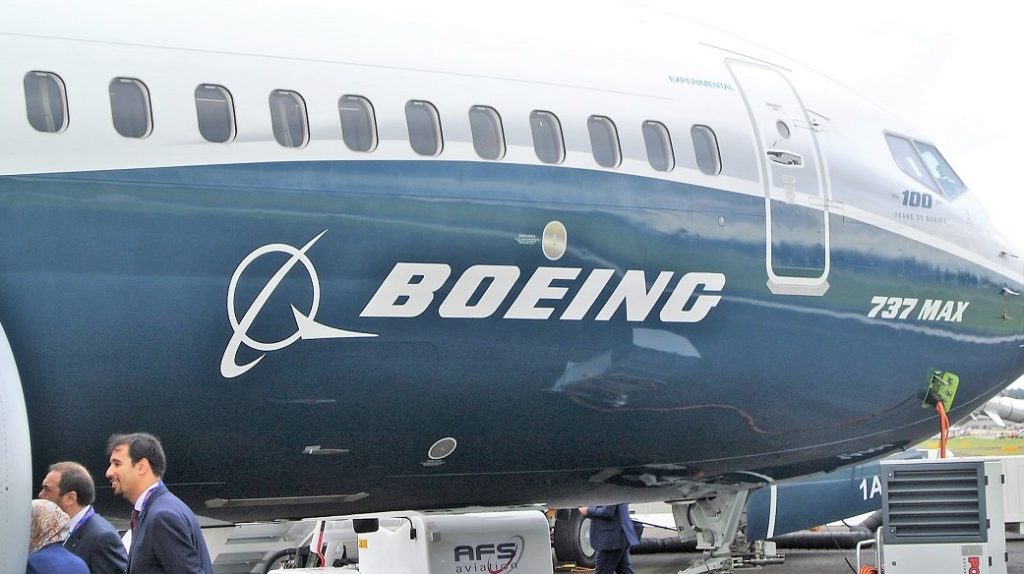
While aerospace giant Boeing grabs headlines with major deals at the Farnborough International Airshow, its Alabama operations are having a far-reaching impact on the company’s global business. Boeing workers in Alabama provide critical support and expertise in weapons systems, space exploration, advanced avionics research and more. One of the latest developments in the company’s 56-year history in the state is the expansion of its Patriot Advanced Capability-3 (PAC-3) missile seeker facility in Huntsville, which is taking support of its customers and warfighters to a whole new level. Meanwhile, Boeing is investing about $70 million in capital in Alabama to prepare its facilities for future growth. “It is an exciting time to work in aerospace in Alabama,” said Norm Tew, vice president and general manager of the Missile and Weapon Systems Division, and Huntsville senior site executive. “Boeing’s Alabama employees are designing, building and supporting some of the most advanced and most critical aerospace systems in the world, through our work on NASA’s Space Launch System, advanced air and missile defense systems, strategic deterrence systems, our engineering design centers and the many other projects and programs we support at our facilities in Alabama,” Tew said. “As the largest aerospace company in the state, we continue to grow our portfolio of work here and we’re making the investments to do so.” PAC-3 seeker The new PAC-3 seeker expansion is a 28,000-square-foot state-of-the-art facility with investment from Boeing, as well as its customers. Gov. Kay Ivey joined company officials in April to mark the completion of the project. “This facility houses the latest production and test equipment and gives us additional capacity required to produce PAC-3 seekers for our customer and partner, Lockheed Martin – ultimately helping support the growing needs of the U.S. Army and its allies for the PAC-3 missile capability,” said Boeing spokeswoman Jen Wollman. The Boeing seeker technology provides key target data to the PAC-3 missile guidance system, and the company has produced more than 3,000 PAC-3 seekers over the history of the program, which spans more than 20 years, she added. Boeing’s Alabama-made seekers provide active data to the PAC-3 missile, which enables it to acquire, intercept and destroy enemy ballistic and cruise missiles as well as hostile aircraft using hit-to-kill technology. The company invested $45 million to expand the Huntsville PAC-3 missile seeker production line in 2011, and last year workers produced the 3,000th seeker at the Alabama location. Alabama presence Boeing employs about 2,700 people in Alabama at two key facilities in Huntsville, in the Jetplex Industrial Park and at Redstone Gateway. The company generates an estimated $2.3 billion of economic activity in the state annually. Last year, it spent $606 million with nearly 200 suppliers, supporting about 18,000 direct and indirect jobs. In addition, Boeing and its employees contributed more than $1.6 billion to charitable organizations throughout the state in 2017. “Boeing has been a pillar of Alabama’s aerospace industry for more than half a century, buoyed by the skill and dedication of its Huntsville workforce,” said Greg Canfield, Secretary of the Alabama Department of Commerce. “The company continues to deepen its roots here in the state, setting the stage for even more groundbreaking research, developments and products.” Boeing’s core business areas in Alabama are: Missile and Weapons Systems: Includes Ground-based Midcourse Defense, designed to detect, intercept and destroy long-range ballistic missiles during their midcourse phase of flight, and Strategic Deterrence Systems, which integrate Boeing’s support of the U.S. Air Force’s nuclear deterrence mission. Space and Launch: The world’s largest satellite manufacturer, which also provides other space and intelligence systems and manages Boeing’s share of United Launch Alliance and United Space Alliance. Also includes Space Launch System, responsible for design, development, testing and manufacture of the core and upper stages and avionics for the nation’s next-generation human-rate rocket to take people and cargo to deep space and to the International Space Station. Boeing Global Services: Support services for U.S. Army helicopters. Huntsville Design Center: Includes a team of nearly 250 engineers that support a wide variety of programs, including military and commercial aircraft. Boeing Research and Technology: The Alabama research center houses about 300 engineers, scientists and technicians who are working on advances in avionics systems, composite materials, cybersecurity and other areas. Republished with the permission of the Associated Press.
Boeing expands Alabama PAC-3 missile seeker facility

Aerospace and defense leader Boeing marked the completion of a major expansion at its Patriot Advanced Capability-3 (PAC-3) missile seeker facility in Alabama’s “Rocket City.” Boeing officials joined military leaders, Gov. Kay Ivey and local officials at a ribbon-cutting ceremony for the 28,000-square-foot facility at 499 Boeing Blvd. in Huntsville. The expansion will enhance the company’s ability to produce, upgrade and sustain the PAC-3 missile seeker program. Boeing is adding 70 employees to its Alabama workforce as part of the project. “This is a proud moment for Boeing,” Jim Chilton, a Boeing senior vice president, said at the event. Boeing’s Alabama-made seekers provide active data to the PAC-3 missile, which enables it to acquire, intercept and destroy enemy ballistic and cruise missiles as well as hostile aircraft using hit-to-kill technology. Boeing invested $45 million to expand the Huntsville PAC-3 missile seeker production line in 2011. In June 2017, the company produced its 3,000th seeker at the Alabama location. The missile seekers made in Huntsville are delivered to PAC-3 prime contractor Lockheed Martin. The PAC-3 missile system is deployed with U.S. Army and Army National Guard air defense units, and it has been purchased by several international customers. Work on the new facility in Huntsville began in June 2016. Boeing impact Since arriving in Huntsville in 1962, Boeing has played a key role in building the nation’s defense and space programs in Alabama. It has long ranked as the state’s largest aerospace company, with more than 2,700 employees at two main facilities in Huntsville. “Boeing has been doing business in Alabama for more than 50 years,” Ivey said at the event. “A long time ago, Boeing found that Alabama is a good place to do business, especially in aerospace and defense.” U.S. Rep. Mo Brooks and Huntsville Mayor Tommy Battle both said the work being done by Boeing keeps the U.S. safe and protects the lives of soldiers deployed overseas. Core business areas for Boeing in Alabama include missile and weapon systems, the Space Launch System (SLS), an aerospace design center, and a research and technology center. “Boeing’s continued growth in Alabama is a testament to the company’s strategic vision, as well as the skillful execution by its extremely talented workforce in the state,” said Greg Canfield, secretary of the Alabama Department of Commerce. “Boeing’s innovative work in Alabama is critical to our nation’s defense and space programs, and the company has helped the state build a significant presence in an industry with a solid future.” Boeing’s financial impact on Alabama has been measured at $2.3 billion annually. Republished with the permission of the Alabama News Center.
GE Aviation managers in growing Alabama plant share training duties
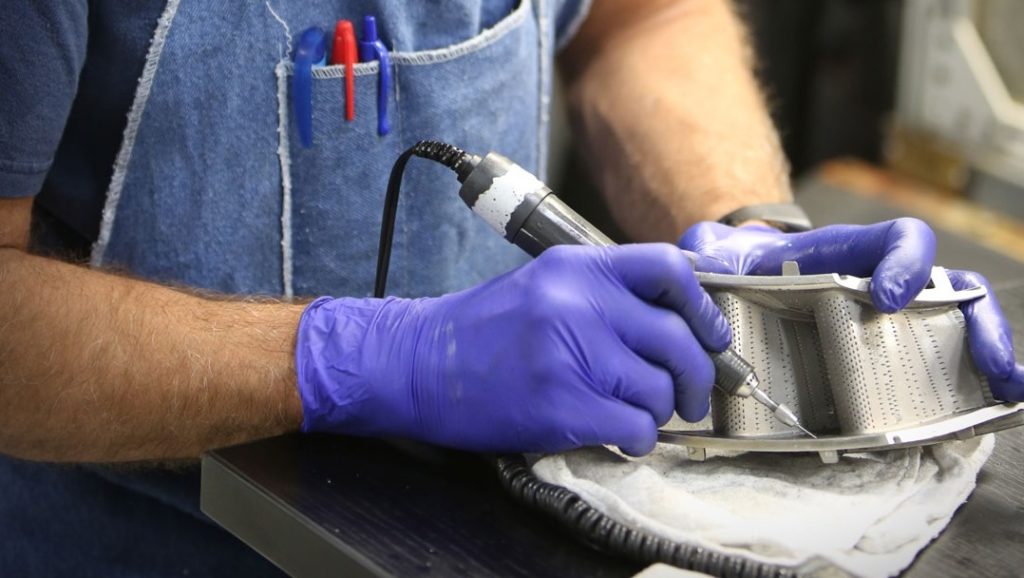
Joseph Moore works days on the shop floor at GE Aviation’s fast-growing jet engine factory in Auburn – then teaches his experiences at night in the classroom. He’s one of several operations managers at GE’s Auburn site with a teaching role during the month-long vocational training sessions at Southern Union State Community College near Auburn to prepare GE’s growing roster of hourly workers About four sessions are held annually to handle the demand for more trained workers in the GE Auburn factory. In addition to the Southern Union instructors, the program includes Moore and his GE colleagues each leading a three-hour evening of instruction each week. “I really enjoy the interaction,” said Moore, who teaches lean manufacturing, Six Sigma quality practices and compliance. “Being part of the training also allows us to get a good look at the people we are evaluating for positions at the plant.” The close cooperation between GE Aviation, Southern Union and the Alabama Department of Commerce is another example of GE Aviation preparing workers for the skill sets required in its new modern factories across the U.S. “Alabama has long been a leader in workforce development, and it’s critical that we partner with industry leaders like GE Aviation to develop cutting-edge training programs like this one,” said Ed Castile, director of AIDT and deputy secretary of the Alabama Department of Commerce. “With new technologies rapidly changing how factories and other workplaces operate, our workers must be equipped with the in-demand skills to succeed in the future.” GE’s Auburn facility uses sophisticated equipment to machine advanced turbine airfoils and structural components for jet engines. Machine operators vying for positions are first trained at Southern Union with a curriculum developed by the Commerce Department’s AIDT division and by local GE plant leaders. GE Auburn produces components for the fastest-selling jet engine in commercial aviation history, the “LEAP” engine for CFM International, the 50/50 joint company of GE and Safran Aircraft Engines of France.GE is actively involved in the training process because GE Auburn is ramping up fast. Employment reached 200 people in March and is expected to grow to 280 by year’s end, according to plant manager Ricardo Acevedo. More than 14,000 LEAP engines are on back order to power three airplanes: the Airbus A320neo (soon to be made in Alabama), Boeing737 MAX and China’s COMAC C919. The Airbus and Boeing airplanes are now in airline service. The GE and Safran factories delivered 459 LEAP engines in 2017. The LEAP delivery goal is up to 1,200 engines for 2018 and in the 1,800-engine range in 2019. In addition to machining parts, the Auburn site this year will produce more than 34,000 fuel nozzle injectors for the LEAP engine using additive manufacturing machines. Auburn’s 37 additive machines is expected to grow to 45 by midyear to handle the needed higher volume. These employees require six weeks of in-house training. GE is looking at ways to engage the local community colleges in offering additive manufacturing as part of their curriculum. GE Aviation is also engaging with engineering students at Auburn University in additive manufacturing projects as part of a groundbreaking partnership. ‘Great careers’ Training for GE’s Auburn employees is not limited to community college classes. The plant also offers training in non-destructive testing in which employees become certified to evaluate jet engine components scanned in advanced X-ray machines. “There’s a skills shortage in this field,” said Tory Landry, the plant’s human relations leader. “It’s hard to find the people. We offer in-house training to candidates who can then experience a significant pay increase.” Among the factors Acevedo attributes to high retention at the plant is the GE investment in training. “There are great careers in advanced manufacturing,” he said. Over the past decade, GE Aviation has opened eight new facilities in the United States, including the new factory in Auburn and a $200 million advanced materials production center in Huntsville. Republished with the permission of Alabama Newscenter.
Bombardier’s upstart jet regains U.S. access, Mobile plant likely
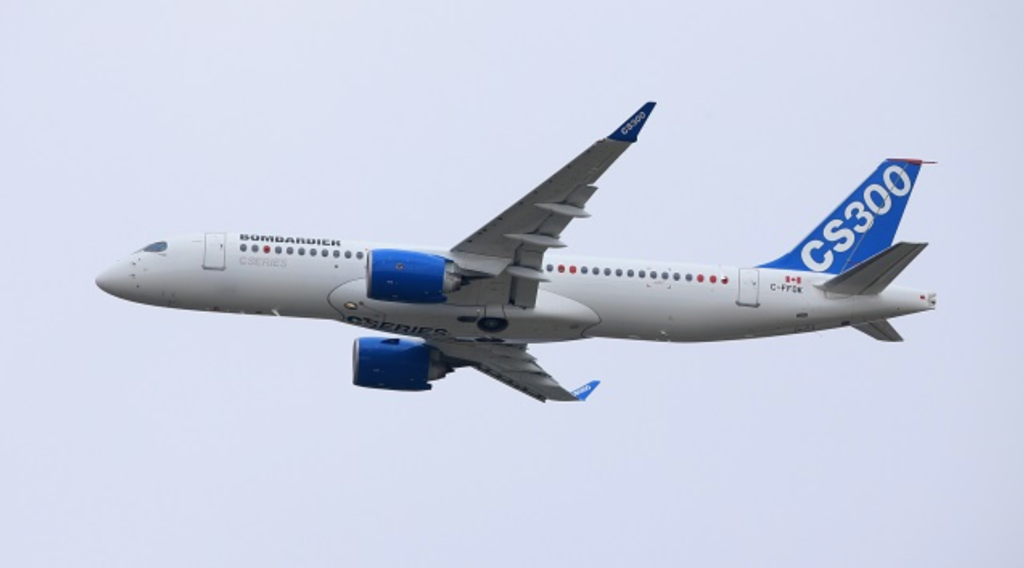
Welcome back to America, C Series. Bombardier Inc.’s marquee jet, slapped with crushing U.S. tariffs last year, got a new lease on life when an American trade panel nixed the duties. The Jan. 26 ruling, a surprise defeat for Boeing Co., enables Bombardier to jump-start sales campaigns in the world’s largest aircraft market and makes production of those planes in Alabama more likely. A revival of orders would help debt-laden Bombardier, Canada’s largest aerospace company, add momentum to its comeback. Chief Executive Officer Alain Bellemare thrilled investors in October by forging a C Series partnership with Airbus SE. Now the two plane makers are poised to win new customers for the cutting-edge jetliner in Boeing’s backyard. “Other airlines in the U.S. are probably going to take a closer look,” said Dan Fong, an analyst at Veritas Investment Research Corp. in Toronto. “If you get another U.S. anchor, it will accelerate the sales momentum globally. The U.S. is home to the most experienced aircraft operators in the world, and everyone will be keeping an eye on what happens there.” Bombardier shares surged 16 percent after the ruling, the biggest gain in almost two years for the Montreal-based company. The shares are at their highest level in three years. Boeing was little changed at $343.22, missing out on a defense-industry rally spurred by a report of stepped-up U.S. military spending. Trade ruling The U.S. International Trade Commission ruled that American industry isn’t being harmed by C Series sales. The unanimous vote blocked a Commerce Department decision last year to impose duties of almost 300 percent after a complaint by Boeing. The Chicago-based company said Bombardier sold the C Series in the U.S. at less than fair value while benefiting from government subsidies. The decision means Bombardier can make deliveries to Delta Air Lines Inc. The U.S. carrier threw a lifeline to the slow-selling jets in 2016 by ordering at least 75 CS100 planes, in a deal with a list value of $5.6 billion at the time. Before that, Bombardier had struggled to gain a U.S. foothold while production of the single-aisle plane fell more than two years behind schedule and costs ballooned to more than $2 billion over budget. Bombardier spent more than $6 billion to develop the C Series after launching it in 2008, equipping the aircraft with fuel-efficient engines, large windows and a wider-than-usual middle seat. Passenger capacity ranges from 108 to 160. Sales prospects Chief on the list of U.S. sales prospects is JetBlue Airways Corp., which earlier this year delayed a decision on updating its fleet of regional jets. In October, Fabrice Bregier, Airbus’s chief operating officer, identified JetBlue as a possible customer. “JetBlue’s another potential anchor,” Fong said. The carrier was one of at least three U.S. operators – the others were Spirit Airlines Inc. and Sun Country Airlines – that wrote to the Commerce Department and the International Trade Commission last year to express support for Bombardier. JetBlue has held discussions with Bombardier about the C Series, Bloomberg News reported in 2016. The New York-based airline didn’t immediately respond to a request for comment. While Bombardier has a second U.S. customer in Republic Air, the carrier’s status is anything but certain. Republic has a firm order for 40 jets, but it reached a confidential settlement with Bombardier in 2016 to defer deliveries for an undisclosed period. ‘Not over’ It’s possible Boeing hasn’t said its last word. After the trade panel’s ruling, the company said it would review the decision and vowed not to stand by as Bombardier’s “illegal business practices” hurt U.S. workers and companies. Boeing has forged close ties with President Donald Trump, who last week slapped tariffs on imported solar panels and washing machines on the grounds that they’re harming U.S. industry. Unfair competition threatened the survival of the 737 Max 7, the smallest of Boeing’s upgraded single-aisle jets, the U.S. aerospace giant said. That plane and the C Series can carry similar passenger loads, depending on how they’re configured. Boeing is in talks about a potential combination with the Canadian company’s top rival, Embraer SA, which sells planes that directly compete with the C Series. Boeing can appeal to the U.S. Court of International Trade, said Terence Stewart, managing partner at Washington law firm Stewart & Stewart. Canadian lawmaker Andrew Leslie, the parliamentary secretary to Foreign Minister Chrystia Freeland, isn’t taking anything for granted. “It’s not over yet,” said Leslie, whose minister is responsible for U.S.-Canada tiesl. The ITC’s ruling “is not the final stage in this process,” he said. Alabama manufacturing Airbus and Bombardier believe they have a solution to remove the risk of future duties once and for all: a U.S.-made C Series. The companies are pressing ahead with a plan to manufacture the planes in Mobile, where the European company makes single-aisle planes. The new assembly line, with an estimated cost of $300 million, would complement Bombardier’s factory in Mirabel, Quebec. “Building the plant eliminates any of that future risk that duties can be imposed at a later date,” said Cam Doerksen, an analyst at National Bank Financial in Montreal. “If you believe Airbus and Bombardier will be able to sell a lot more aircraft through their partnership than what the current plant in Mirabel can accommodate, why not build that capacity in Alabama instead? Absolutely it’ll get built.” After the International Trade Commission’s decision, Bombardier reaffirmed its commitment to build in Mobile once the Airbus deal is completed. The closing is expected to occur later this year. The unanimous trade ruling, coupled with the Alabama plan, puts the C Series “on the right path to re-enter the U.S. market,” said Fadi Chamoun, a BMO Capital Markets analyst. “A cloud has been lifted.” Republished with permission from the Alabama NewsCenter.
Bombardier bills marquee jet as U.S.-made in Boeing trade fight
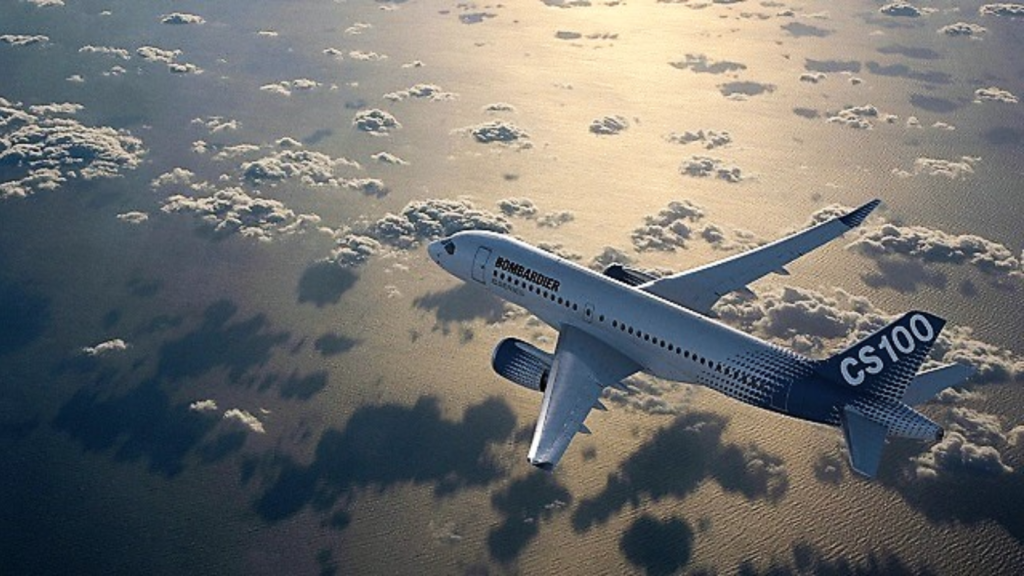
Bombardier Inc., a crown jewel of Canadian manufacturing, is billing itself as a major U.S. employer in a bitter trade fight with Boeing Co. that has profits, diplomatic ties and the future of a fledgling aircraft on the line. The maker of the narrow-body jet at the heart of the dispute has assembled an influential group of U.S. politicians, vendors and customers to back its side in a case brought by Boeing, which reaches a critical hearing next week in Washington, D.C. Bombardier says more than half its all-new C Series aircraft is made in U.S. factories even though final assembly takes place near Montreal. The U.S. International Trade Commission is slated to hear arguments Dec. 18 on whether American industry was harmed by Bombardier’s sale of its jet to Delta Air Lines Inc. at what Boeing calls an unfairly low price – enabled in part by subsidies in Canada. The U.S. Commerce Department sided with Boeing in a preliminary ruling in October and ordered tariffs of about 300 percent. Delta has vowed not to pay. While President Donald Trump likely won’t intervene directly in the case, the dispute is a test of his pledge to enforce U.S. trade laws more strictly while also encouraging foreign investment. Companies in other industries will be watching closely. A U.S. solar-panel maker is pushing for import tariffs, while steel producers are calling for a crackdown on shipments from China. The U.S. must also decide on washing-machine tariffs after a complaint brought by Whirlpool Corp. against Samsung Electronics Co. and LG Electronics Inc. ‘Bitterly disappointed’ The Bombardier case has already bruised U.S. relations with Canada and heightened tensions in the talks to overhaul the North American Free Trade Agreement. Canadian Prime Minister Justin Trudeau, who has aggressively defended Bombardier and discussed the matter with Trump, dropped the planned purchase of 18 Boeing fighter jets because of the dispute. The British government warned Boeing it could lose defense contracts. Prime Minister Theresa May said she was “bitterly disappointed” by the tariffs, which threaten about 1,000 jobs in Northern Ireland. For Montreal-based Bombardier, a loss would make other U.S. carriers hesitant about buying the C Series and could potentially prompt Delta to drop the order, said Addison Schonland, a partner at consultant AirInsight. The ITC ruling, expected in late January, is also critical to the company’s medium-term profitability as it prepares to deliver planes to Delta. In April 2016, the No. 2 U.S. airline ordered 75 of Bombardier’s CS100 jets, which carry fewer passengers than Boeing’s smallest aircraft, and secured options for 50 more C Series planes. The order has a list value of $5.6 billion before customary discounts. Bombardier hasn’t disclosed the price agreed to with Delta, nor has it revealed its unit costs in building the C Series. U.S. suppliers Bombardier will need all the help it can get in challenging the world’s largest aerospace company, which has developed a strong relationship with Trump. Bombardier argues that more than half of the aircraft’s content is sourced from U.S.-based suppliers, including engine maker United Technologies Corp. Bombardier employs about 7,000 in 17 U.S. states, while Chicago-based Boeing has 142,000 workers in all 50 states. The nationality of the C Series got even more complex after Boeing filed its complaint in April. That’s because its chief rival, Europe’s Airbus SE, announced plans in October to acquire a controlling stake in the program, throw its marketing heft behind the program and eventually open a second assembly line in Alabama. “It’s a huge victory for President Trump and all that he has been trying to do to bring more foreign investment and jobs to America,” said U.S. Rep. Bradley Byrne, whose Alabama district stands to gain 400 to 500 Bombardier jobs in Mobile. “This is not anti-Boeing. It’s pro-American.” Boeing, a major campaign donor, has plenty of friends of its own in Congress. It also spent $13 million to lobby in Washington during the first three quarters of 2017, compared with $1.1 million by Bombardier, according to data compiled by Bloomberg Government. ‘Enduring commitment’ Still, Bombardier has won plenty of support from politicians who have company employees in their states or districts. Letters shared with Bloomberg show members of Congress from both parties have written to the ITC, as has the governor of West Virginia and various airlines. “Bombardier has demonstrated an enduring commitment to the U.S., and its operations have had an unquestioned positive impact on our economy,” Arizona’s senators, John McCain and Jeff Flake, wrote in a Sept. 28 letter. The company has operations in Phoenix and Tucson. Bombardier Chief Executive Officer Alain Bellemare and other top executives addressed the trade dispute Thursday during a presentation to investors in New York. Bombardier has argued the C Series isn’t a comparable product to Boeing’s 737 and notes that Boeing didn’t formally take part in the competition that led to Bombardier’s sale to Delta. In a statement, Bombardier said Boeing is demonstrating “hypocrisy on launch pricing” by complaining about a tradition in the industry of giving major discounts to early buyers of a new aircraft. Boeing disputes the view that the C Series isn’t a direct competitor. The seating capacity of the CS300, the biggest model, is comparable to that of the smallest 737 jets. In its own statement, Boeing said Bombardier has “willfully broken U.S. and international trade law by illegally dumping its government subsidized C Series jets, which pose a direct threat to the Boeing 737-700 and 737 Max 7.” Besides bad blood between competitors, the case also threatens the very nature of the aviation industry’s global supply chain, aerospace observers say. “If this gets carried to its fullest conclusion and if there is retaliation, then you are damaging the idea that jetliners are an asset that everyone wants to finance, like New York real estate with wings,” said Richard Aboulafia, an analyst at Teal Group. “This is a global industry and the idea of trade barriers is almost quaintly obsolete.” Republished with permission from the Alabama NewsCenter.
Boeing scorns Airbus, Bombardier plan for Alabama facility
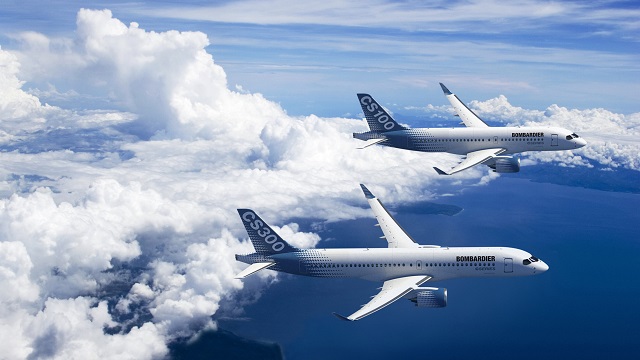
Boeing Co. isn’t buying Bombardier Inc.’s assurances that it will build an assembly line in Alabama under a partnership with Airbus SE on the Canadian plane-maker’s marquee jetliner. “Bombardier and Airbus are extremely unlikely ever to actually establish a C Series assembly line in Alabama,” Boeing said in a letter to U.S. Commerce Secretary Wilbur Ross. Plans for the new facility, which would probably be located next to an existing Airbus plant in Mobile, “would make no economic sense,” the Chicago-based company said. The letter, dated Nov. 13, is part of Boeing’s case before U.S. authorities, which are investigating whether duties should be imposed on U.S. sales of the C Series. Boeing accused Bombardier of selling the jet to Delta Air Lines Inc. at “absurdly low prices.” The Commerce Department so far has sided with Boeing, recommending preliminary tariffs of about 300 percent on the narrow-body plane. Airbus agreed last month to take a majority stake in the C Series project, offering the European plane-maker’s marketing and manufacturing expertise in exchange. Executives of both companies have argued that the C Series shouldn’t face duties if it’s assembled in Alabama. U.S.-made parts and components on the C Series already exceed 50 percent, Bombardier Chief Executive Officer Alain Bellemare said Tuesday at an investor conference. Going Mobile Building the C Series facility in Mobile could cost more than $300 million, Bombardier said in a Commerce Department filing dated Nov. 6. Bombardier doesn’t “have enough orders for the C Series to sustain full production” at the company’s existing C Series assembly line in Mirabel, Quebec, “for any appreciable period of time,” Boeing said in its letter. “The only reason to conduct any C Series assembly activities in the United States would be to attempt to circumvent the antidumping and countervailing duties.” Penalties should apply to C Series jets even if a second assembly line is established in the U.S., Boeing said. “Boeing is wrong,” Bombardier spokesman Mike Nadolski said Wednesday by email. “The partnership was motivated by the economic opportunities of collaborating on the C Series. An added benefit of the U.S. assembly facility is that, to the extent U.S trade laws were intended to promote U.S. manufacturing, it achieves that goal and means that U.S. airlines will get a U.S.-made C Series.” U.S. Rep. Bradley Byrne urged the Commerce secretary to support the Airbus-Bombardier venture. The new assembly line in Mobile “will result in hundreds more high-paying, high-skill American jobs,” the Alabama Republican said in a Nov. 13 letter addressed to Ross. The U.S. International Trade Commission is expected to deliver a final ruling early next year on whether Boeing was harmed by the C Series program. If the Washington-based tribunal sides with Boeing, the duties will stay in place for imports of the jets. That would set up the next battle: Whether Airbus-built C Series in Alabama are “made in America.” Republished with permission from the Alabama NewsCenter.
Airbus $50 billion Dubai jet deal will be boost to Mobile assembly line
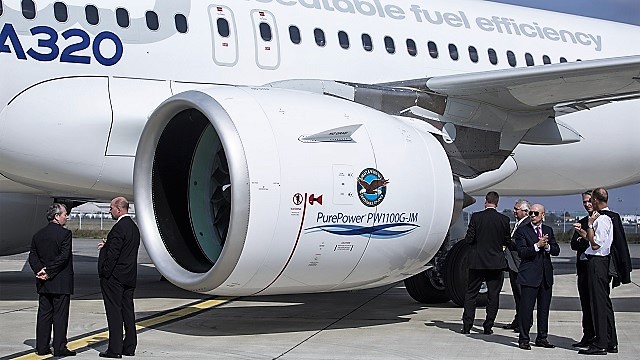
Airbus SE announced the biggest commercial-plane transaction in its history, securing an order for single-aisle aircraft valued at nearly $50 billion at the Dubai Air Show, outdoing Boeing Co.’s own $20 billion mega-deal. Wednesday’s pact for 430 A320neo planes with U.S. investor Indigo Partners marked a turnaround for Airbus at the Gulf expo, where it had been trailing its rival. It’s also a crowning achievement for sales chief John Leahy, who is set to retire after a career in which he has struck deals for more than 16,000 jets and lifted the European plane-maker into a duopoly position with Boeing. For Indigo Partners, led by Bill Franke, the Airbus accord provides upgraded narrow-body aircraft to boost the fleets of low-cost carriers from Denver to Budapest. The planes will go to four companies in Indigo’s investment portfolio: Frontier Airlines, Mexico’s Volaris, East European operator Wizz Air Holdings Plc and Chile’s JetSmart, which began operating this year. The deal features 273 A320neo jets together with 157 of the larger A321neo variant and is worth $49.5 billion before customary discounts, Airbus said. Leahy, 67, called the transaction “remarkable,” while Franke, 80, who co-founded Indigo in 2002, said it underscores his confidence in the A320 and the bargain fares, no-frills travel model he helped develop. Airbus makes the A320 family at different sites around the world, including its main factory in Toulouse, France, as well as in Hamburg, Germany. The company also builds the plane at an assembly line in China, and has recently pushed into the U.S. with a plant in Mobile. Boeing retort Boeing recovered some ground with the sale of 175 737 Max planes, the A320’s main competitor, to FlyDubai, a deal big enough to have dominated most air shows. While that order will come as an irritation for Airbus, with the airline having been expected to split it between the two manufacturers, the Toulouse, France-based company wasn’t done at the Dubai event. It went on to announce EgyptAir Airlines Co. as the operator of 15 A320neos previously ordered by leasing firm AerCap Holdings NV. The Indigo deal more than doubles Airbus’s previous order book for the year, which stood at about 290 aircraft as of Oct. 31, pushes the plane-maker’s backlog above 7,000 jets and reverses expectations that orders will trail deliveries in 2017. The haul will help Airbus catch up to Boeing in the order tally this year, with the European plane-maker having chalked up 343 contracts at the end of October, compared with 690 for its Chicago-based rival as of Nov. 7. The order also trumps a 2015 deal for 250 single-aisle jets worth $27 billion by Indian budget carrier IndiGo. The two companies aren’t related. Click here to read more. Republished with permission from the Alabama NewsCenter.
Boeing to perform design work on new ICBM in Alabama

The U.S.’s next-generation intercontinental ballistic missile could be designed in Alabama. Boeing Co., the aerospace company whose roots in Alabama go back more than half a century, announced Monday that the U.S. Air Force has awarded it a $349 million contract for preliminary design work on a replacement for the Minuteman III ICBM. Boeing said the work will be performed in Huntsville, as well as other locations including Ogden, Utah, and Heath, Ohio. Northrop Grumman also received a $349 million contract for the design phase of what’s called the Ground Based Strategic Deterrent (GBSD) program. The Minuteman III replacement represents the land-based element of the nation’s “nuclear triad,” which includes missiles launched from submarines and aircraft. In 2020, the Air Force will choose either Boeing or Northrop Grumman to develop the new ICBM. “Since the first Minuteman launch in 1961, the U.S. Air Force has relied on our technologies for a safe, secure and reliable ICBM force,” said Frank McCall, Boeing director of Strategic Deterrence Systems and GBSD program manager. “As the Air Force prepares to replace the Minuteman III, we will once again answer the call by drawing on the best of Boeing to deliver the capability, flexibility and affordability the mission requires.” Alabama presence Boeing has around 2,700 Alabama employees, with plans to add 400 more by 2020, along with an additional capital investment of $70 million. In Huntsville, the aerospace giant supports a diverse portfolio of missile defense and space exploration programs. The company first established a presence in Huntsville in 1962 to support the new U.S. space programs, and today the local operations provide a wide variety of innovations and capabilities for both the commercial and defense sectors. In Huntsville, Boeing supports the Ground Based Midcourse Missile Defense system, which this year intercepted a mock ICBM during a test. It’s also expanding a manufacturing facility that produces Patriot Advanced Capability-3 Missile seekers. In addition, Boeing operates an aircraft Design Center and a Research & Technology Center, while also performing key roles in the development of NASA’s Space Launch System, its next-generation rocket. “Boeing’s continued growth in Alabama is a testament to the company’s strategic vision, as well as the skillful execution by its workforce in the state,” said Greg Canfield, secretary of the Alabama Department of Commerce. “Boeing innovation in Alabama is key to our nation’s defense and space programs, and we can’t wait to see what they do next.” Gov. Kay Ivey released a statement on the announcement. “I am proud that the U.S. Air Force has chosen Boeing to develop our nation’s next intercontinental ballistic missile and that Boeing plans to complete some of that project here in Alabama,” Ivey said. “This announcement is a testament to the fantastic work that Boeing does and serves to strengthen the bond between that great company and this great state. Boeing’s continued growth and success is a sign that Huntsville, and all of Alabama, is on the forefront of aerospace innovation and in protecting our nation.” A recent economic impact study showed the company contributes more than $2 billion annually to the state’s economy and sustains nearly 8,400 direct and indirect jobs. This story originally appeared on the Alabama Department of Commerce’s Made in Alabama website.
North Alabama aviation firm upgrading Austrian Air Force helicopters
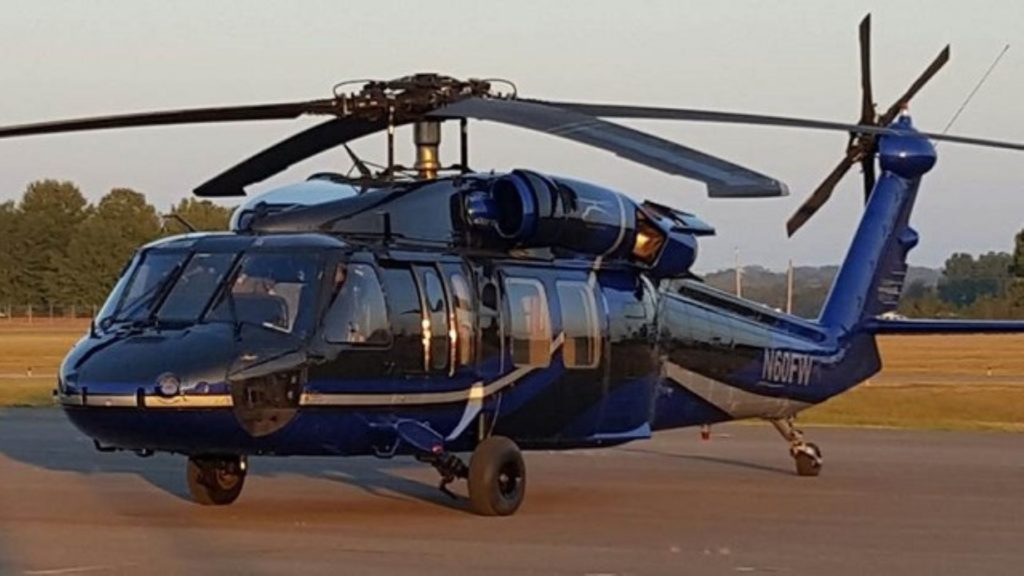
An aviation company that upgrades Black Hawk helicopters is deepening its roots in North Alabama while expanding its customer base around the world, starting with an order for the Austrian Air Force. Huntsville-based Ace Aeronautics, which does business as Global Aviation Solutions (GAS), has about 50 employees and plans to add 25 to 50 positions at its Alabama location over the next two years. Most of the jobs will be at a hangar the company is building at the airport in Guntersville. The positions will include mechanical and electrical engineers, aviation mechanics, electricians, technicians, inspectors and other highly skilled professionals. As it ramps up in Guntersville, GAS has landed a major piece of new business. The company was awarded a contract worth more than $40 million by the Republic of Austria Ministry of Defense to upgrade its fleet of Black Hawk helicopters. The contract covers the design, manufacture, installation and testing of new avionic systems for nine Austrian S-70A-42 Black Hawk helicopters, said Darrell Kindley, the company’s president and CEO. “GAS is pleased to provide the Austrian Air Force with our Garmin 5000H-based avionics upgrade kit called the ACEHAWK,” he said. “We’re happy to be selected by the Austrian Air Force to solve the parts obsolescence problems with their Black Hawk helicopters.” The company will perform the work at its headquarters in Huntsville and its new hangar in Guntersville. The project is expected to be complete by fall 2020. The cockpit of a Black Hawk helicopter. The aircraft’s worldwide popularity has been a boon for Alabama’s Global Aviation Solutions, which specializes in upgrading the copters. (GAS) Cockpit upgrades GAS was established in 2015 specifically to develop cockpit upgrades for the Black Hawk family of helicopters, Kindley said. “The overarching objective of GAS is to minimize technological upgrade and obsolescence challenges facing Black Hawk operators around the world through forward-thinking and intelligent architectural design,” he said. Products include upgrade kits for customers that already own UH-60A/L and S-70 Blackhawks. The company also supplies complete helicopters, UH-60As, with varying levels of structural, mechanical and avionics upgrades, purchased from the U.S. Army’s UH-60 divestiture program. GAS’ primary customers are foreign governments, but it also markets to the U.S. Department of Defense, U.S. Department of State and other government agencies. Aviation tradition For Marshall County, GAS is the latest in a long tradition of great aviation and aerospace companies, said Matt Arnold, president and CEO of the Marshall County Economic Development Council. “Back during the Space Shuttle program, we had two or three companies that made specialized parts for NASA. Most of those have transitioned into supplying components for Boeing, Lockheed and others. Other aviation related companies are located in Marshall County, such as RainAir, BAE Systems and Metal Research,” he said. Arnold said the county offers valuable assets for firms in the industry. “In 2008, we opened the Aviation Training Center at the Albertville Airport. That program teaches students the airframe component of the FAA Part 147 A&P certification program for aviation mechanics,” he said. “Recently, Snead State Community College took over that program and is going to add the power plant component, making it a true A&P program. Students will be able to become fully certified as an aviation mechanic right here in Marshall County. “That is a tremendous resource for potential companies like GAS to locate here.” Alabama’s Fort Rucker is the training center for the U.S. Army’s helicopter pilots. (Contributed) Guntersville expansion Kindley said GAS was drawn to the Guntersville airport for three key reasons: a new 5,000-foot runway, room to grow as the first business to move to the airport, and proximity to Huntsville. “Of course, the most important … it’s Guntersville. Who doesn’t like Lake Guntersville? I live there,” he said. GAS is constructing 42,000 square feet of hangar space at the airport, and there are plans for an expansion if needed. The facility, once complete this summer, will be capable of completing about 12 helicopters per year. Kindley said the market for Black Hawk upgrades is very large. “The UH-60/S-70 Black Hawk is a wonderful air vehicle that has been in use for over 30 years,” he said. “Many of the foreign customers have older Black Hawks and are ready for an avionics upgrade.” GAS sees this as the greatest demand and the largest business opportunity, compared to selling new or recapitalized UH-60As purchased from the U.S. Army, Kindley added. “The upgrade market is in the thousands; the new or recapitalized market is in the hundreds,” he said. “Good thing GAS does both.” Rotorcraft expertise GAS is part of a robust rotorcraft presence in Alabama. Helicopter MRO operations include Arista Aviation in Enterprise and Vector in Andalusia. Also, Science and Engineering Services (SES) has been growing its Huntsville manufacturing operation, with a recent $70 million, 450-job expansion. In addition, Fort Rucker near Ozark has been the training center for U.S. Army helicopter pilots since 1955, and the U.S. Army’s helicopter command is at Redstone Arsenal in Huntsville. Republished with permission of Alabama NewsCenter.
