
Kay Ivey details 8 new restoration projects thanks to additional BP funds
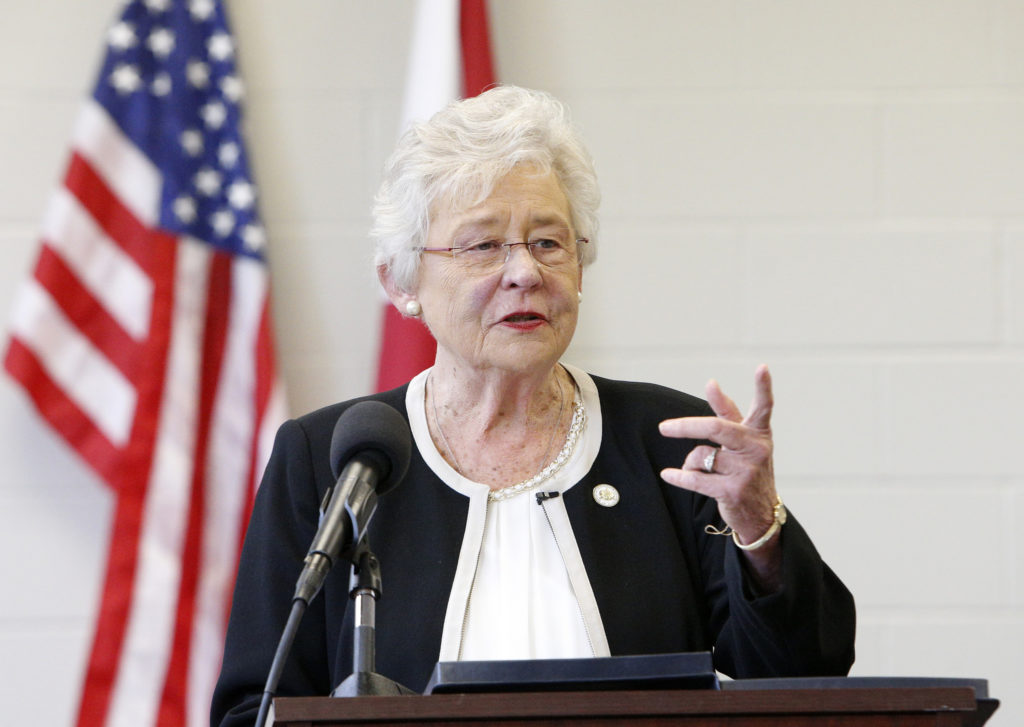
Governor Kay Ivey announced on Monday the National Fish and Wildlife Foundation (NFWF) approved more than $48 million for eight new projects, which focus on the restoration and conservation of Alabama’s natural resources. “Alabama’s Gulf Coast is of great ecological importance to our state, and it is imperative we protect and restore those natural resources harmed by the Deepwater Horizon oil spill,” Ivey said. “Today’s announcement gets us one step closer to success. We are improving our water quality in the Bon Secour River and Mobile Bay, bolstering our fish populations with the expansion of artificial reefs, and ensuring resiliency along our coastline. Thank you to our local, state, and federal partners for developing this impressive slate of projects.” In 2013, a U.S. District Court approved two plea agreements resulting from the criminal charges against BP and Transocean as responsible parties to the Deepwater Horizon oil spill. The settlement directs a total of $2.54 billion to NFWF to establish a Gulf Environmental Benefit Fund (GEBF) over a five-year period to support ecological projects in all five Gulf States. A total of $356 million will be paid into the GEBF for conservation projects dedicated to the State of Alabama. “This announcement brings the number of NFWF GEBF-funded projects to 32 in the State of Alabama for a total investment of close to $200 million. These projects will significantly enhance long-term restoration and protection of our natural resources and will ensure the sustainability and resiliency of our coastal ecosystem. We thank NFWF and our local partners for their hard work during this year-long process,” said Alabama Department of Conservation and Natural Resources Commissioner Chris Blankenship. Alabama 2018 projects Alabama Artificial Reef and Habitat Enhancement Plan – Phase II Amount: $22.5 million This project will build on phase I of the plan to construct and enhance artificial reef habitat in Alabama’s coastal waters. Alabama’s artificial reef system provides habitat for economically important reef fishes and provides a marine environment, allowing fish populations to flourish. Over time, subsidence, storm damage, and other factors have caused deterioration of many of the state’s existing artificial reefs. Phase II of the project aims to continue to increase connectivity between habitats used by fish in early and adult life through creation or enhancement of inshore, nearshore, and offshore reef habitats. Analysis of phase I response monitoring suggests increases in the abundance of red snapper on artificial reefs post deployment. Future analysis will include examination of responses in biomass, other species of interest, and the overall marine community. Bon Secour National Wildlife Refuge Acquisition – Three Rivers Parcel Amount: $4.4 million This project will acquire and restore 236 acres of estuarine and forested shrub wetlands on Fort Morgan Peninsula. The parcel is within the acquisition boundary of the Little Point Clear Unit of the Bon Secour National Wildlife Refuge (BSNWR), bordered on the east, west, and north by Bon Secour Bay. Following acquisition, the property will be transferred to the U.S. Fish and Wildlife Service (USFWS) to become part of the BSNWR. Habitats within this unit consist of scrub/shrub, pine flatwoods, saltwater marsh, and tidal creeks, scattered with permanent and semi-permanent wetlands. Fort Morgan Peninsula is under significant and consistent threat of commercial and residential development that would result in loss of habitat and negatively impact living coastal and marine resources. Bon Secour River Headwater Restoration – Phase I Amount: $1.5 million This project will complete engineering and design plans for creating wetlands to treat urban runoff impacting downstream fisheries. The constructed wetlands will address nutrient, sediment and debris flow to improve habitat quality in the lower Bon Secour River and Bon Secour Bay, which historically has included south Alabama’s most significant and productive shellfish habitats and nursery areas for juvenile finfish. This section of the Bon Secour River encompasses major headwaters and the main channel of the Bon Secour River immediately downstream from the City of Foley. Rapid development of the City over the past two decades has contributed signficant nutrient and sediment loading to the Bon Secour River and Bay, with adverse effects to downstream fisheries. Under the proposal, the City will acquire 94 acres of undeveloped property along the Bon Secour River to construct the stormwater wetlands. Dauphin Island Causeway Shoreline Restoration: Engineering & Design Amount: $250,000 This project will fund the engineering and design of breakwaters to enhance, protect, and improve resiliency of marsh and oyster habitat adjacent to the Dauphin Island Causeway. Erosive forces, like tidal action, wave energy, and storms, provide a constant threat to the coastal habitats in this area. Productive wetland habitat has been lost along the Bay side of the Causeway, stimulating the Alabama Department of Transportation to install and rely upon riprap revetment to protect the low-lying transportation corridor. The goal of the project is to stabilize the shoreline along the Bay side of the Dauphin Island Causeway and to create/enhance aquatic, wetland, and riparian habitats in the region. The project will serve as leverage for a companion proposal submitted to the National Coastal Resiliency Fund. Deer River Coastal Marsh Stabilization and Restoration – Phase I Amount: $750,000 This project will complete engineering & design plans to stabilize and restore the shoreline and intertidal salt marsh at the mouth of Deer River, adjacent to the Theodore Industrial Canal and Mobile Bay. Intertidal marsh at the mouth of Deer River has experienced significant deterioration and loss of natural function due to erosion from heavy storms, tides, and ship wakes. In the past two decades, approximately nine acres of productive intertidal marshland and shoreline have been lost. These habitats buffer wave energy and storm surges, protecting the shoreline as well as neighboring upland and wetland habitats, preserving the long-term sustainability of the ecological services they provide. Once designed and constructed, this project will stabilize and enhance up to 5,600 feet of shoreline on Mobile Bay necessary to protect and enhance over 275 acres of existing priority coastal saltmarsh, along with the potential to create additional marsh habitat. Lightning Point Restoration Project
