
Kay Ivey details 8 new restoration projects thanks to additional BP funds
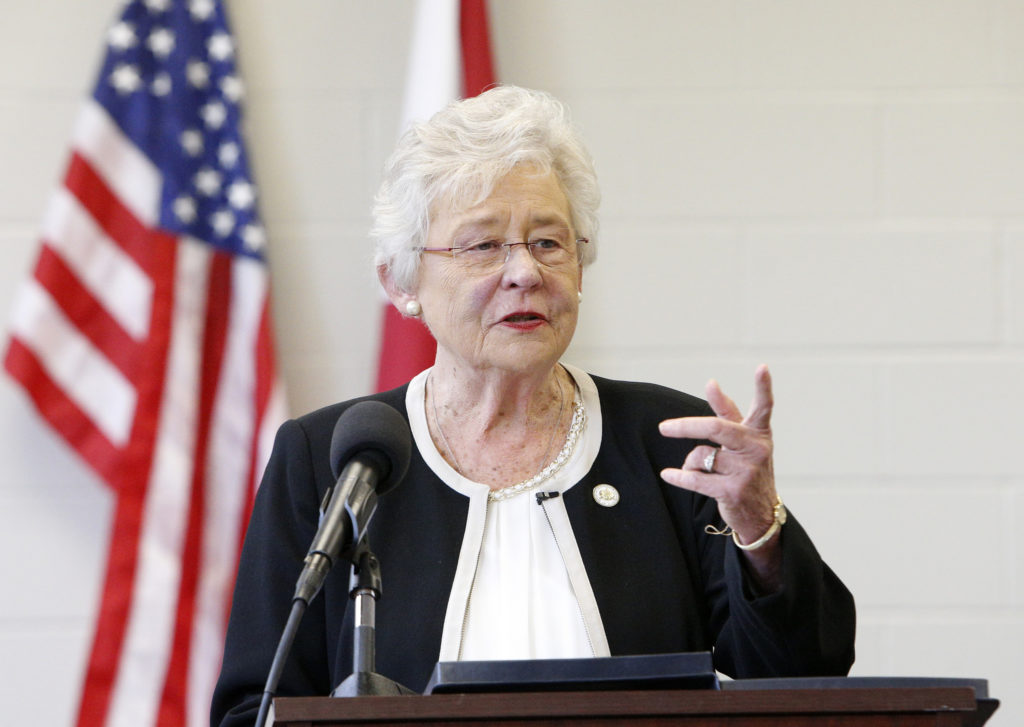
Governor Kay Ivey announced on Monday the National Fish and Wildlife Foundation (NFWF) approved more than $48 million for eight new projects, which focus on the restoration and conservation of Alabama’s natural resources. “Alabama’s Gulf Coast is of great ecological importance to our state, and it is imperative we protect and restore those natural resources harmed by the Deepwater Horizon oil spill,” Ivey said. “Today’s announcement gets us one step closer to success. We are improving our water quality in the Bon Secour River and Mobile Bay, bolstering our fish populations with the expansion of artificial reefs, and ensuring resiliency along our coastline. Thank you to our local, state, and federal partners for developing this impressive slate of projects.” In 2013, a U.S. District Court approved two plea agreements resulting from the criminal charges against BP and Transocean as responsible parties to the Deepwater Horizon oil spill. The settlement directs a total of $2.54 billion to NFWF to establish a Gulf Environmental Benefit Fund (GEBF) over a five-year period to support ecological projects in all five Gulf States. A total of $356 million will be paid into the GEBF for conservation projects dedicated to the State of Alabama. “This announcement brings the number of NFWF GEBF-funded projects to 32 in the State of Alabama for a total investment of close to $200 million. These projects will significantly enhance long-term restoration and protection of our natural resources and will ensure the sustainability and resiliency of our coastal ecosystem. We thank NFWF and our local partners for their hard work during this year-long process,” said Alabama Department of Conservation and Natural Resources Commissioner Chris Blankenship. Alabama 2018 projects Alabama Artificial Reef and Habitat Enhancement Plan – Phase II Amount: $22.5 million This project will build on phase I of the plan to construct and enhance artificial reef habitat in Alabama’s coastal waters. Alabama’s artificial reef system provides habitat for economically important reef fishes and provides a marine environment, allowing fish populations to flourish. Over time, subsidence, storm damage, and other factors have caused deterioration of many of the state’s existing artificial reefs. Phase II of the project aims to continue to increase connectivity between habitats used by fish in early and adult life through creation or enhancement of inshore, nearshore, and offshore reef habitats. Analysis of phase I response monitoring suggests increases in the abundance of red snapper on artificial reefs post deployment. Future analysis will include examination of responses in biomass, other species of interest, and the overall marine community. Bon Secour National Wildlife Refuge Acquisition – Three Rivers Parcel Amount: $4.4 million This project will acquire and restore 236 acres of estuarine and forested shrub wetlands on Fort Morgan Peninsula. The parcel is within the acquisition boundary of the Little Point Clear Unit of the Bon Secour National Wildlife Refuge (BSNWR), bordered on the east, west, and north by Bon Secour Bay. Following acquisition, the property will be transferred to the U.S. Fish and Wildlife Service (USFWS) to become part of the BSNWR. Habitats within this unit consist of scrub/shrub, pine flatwoods, saltwater marsh, and tidal creeks, scattered with permanent and semi-permanent wetlands. Fort Morgan Peninsula is under significant and consistent threat of commercial and residential development that would result in loss of habitat and negatively impact living coastal and marine resources. Bon Secour River Headwater Restoration – Phase I Amount: $1.5 million This project will complete engineering and design plans for creating wetlands to treat urban runoff impacting downstream fisheries. The constructed wetlands will address nutrient, sediment and debris flow to improve habitat quality in the lower Bon Secour River and Bon Secour Bay, which historically has included south Alabama’s most significant and productive shellfish habitats and nursery areas for juvenile finfish. This section of the Bon Secour River encompasses major headwaters and the main channel of the Bon Secour River immediately downstream from the City of Foley. Rapid development of the City over the past two decades has contributed signficant nutrient and sediment loading to the Bon Secour River and Bay, with adverse effects to downstream fisheries. Under the proposal, the City will acquire 94 acres of undeveloped property along the Bon Secour River to construct the stormwater wetlands. Dauphin Island Causeway Shoreline Restoration: Engineering & Design Amount: $250,000 This project will fund the engineering and design of breakwaters to enhance, protect, and improve resiliency of marsh and oyster habitat adjacent to the Dauphin Island Causeway. Erosive forces, like tidal action, wave energy, and storms, provide a constant threat to the coastal habitats in this area. Productive wetland habitat has been lost along the Bay side of the Causeway, stimulating the Alabama Department of Transportation to install and rely upon riprap revetment to protect the low-lying transportation corridor. The goal of the project is to stabilize the shoreline along the Bay side of the Dauphin Island Causeway and to create/enhance aquatic, wetland, and riparian habitats in the region. The project will serve as leverage for a companion proposal submitted to the National Coastal Resiliency Fund. Deer River Coastal Marsh Stabilization and Restoration – Phase I Amount: $750,000 This project will complete engineering & design plans to stabilize and restore the shoreline and intertidal salt marsh at the mouth of Deer River, adjacent to the Theodore Industrial Canal and Mobile Bay. Intertidal marsh at the mouth of Deer River has experienced significant deterioration and loss of natural function due to erosion from heavy storms, tides, and ship wakes. In the past two decades, approximately nine acres of productive intertidal marshland and shoreline have been lost. These habitats buffer wave energy and storm surges, protecting the shoreline as well as neighboring upland and wetland habitats, preserving the long-term sustainability of the ecological services they provide. Once designed and constructed, this project will stabilize and enhance up to 5,600 feet of shoreline on Mobile Bay necessary to protect and enhance over 275 acres of existing priority coastal saltmarsh, along with the potential to create additional marsh habitat. Lightning Point Restoration Project
Additional $280M issued in BP oil spill restoration grants
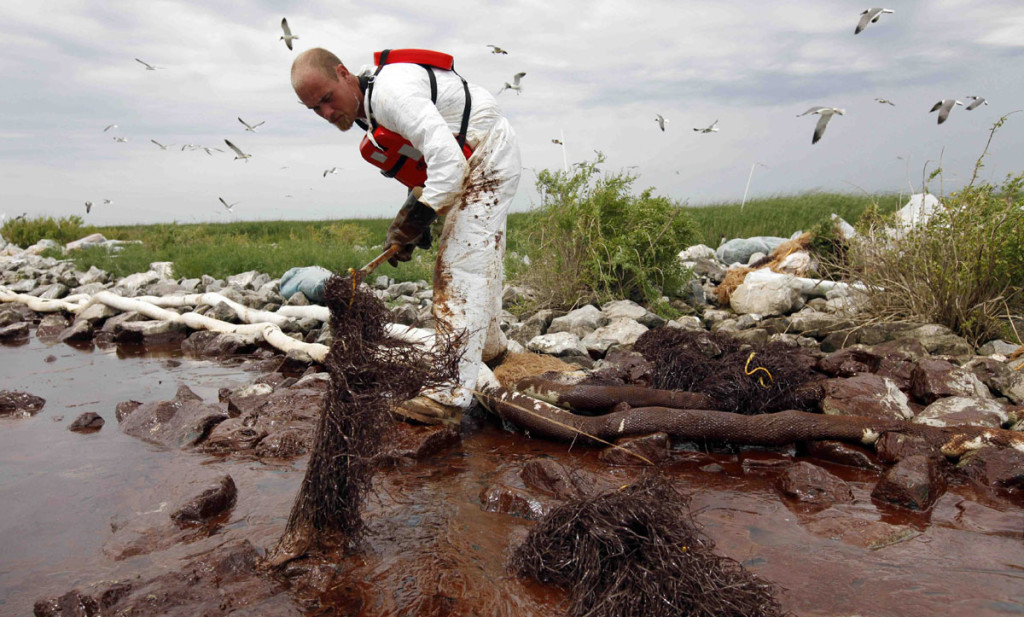
Gulf states are getting an additional $280 million in restoration grants from the BP oil spill of 2010. The National Fish and Wildlife Foundation says Monday that Louisiana is getting $161 million to restore three barrier islands. Florida is receiving $53 million, including $16 million to protect coastal forest and wetlands along the Lower Suwanee River and Big Bend coast. Nearly $49 million will go to Alabama, including $22.5 million for artificial reefs. Texas will get $19 million, including $6 million to protect 575 acres of coastal habitat. The foundation is getting $2.5 billion over five years for restoration projects. The money’s coming from criminal damages paid by BP PLC and drilling company Transocean Deepwater Inc. Monday’s grants bring the total so far to $1.3 billion. Republished with permission from the Associated Press.
What will the Alabama Legislature tackle in the final three days of special session?
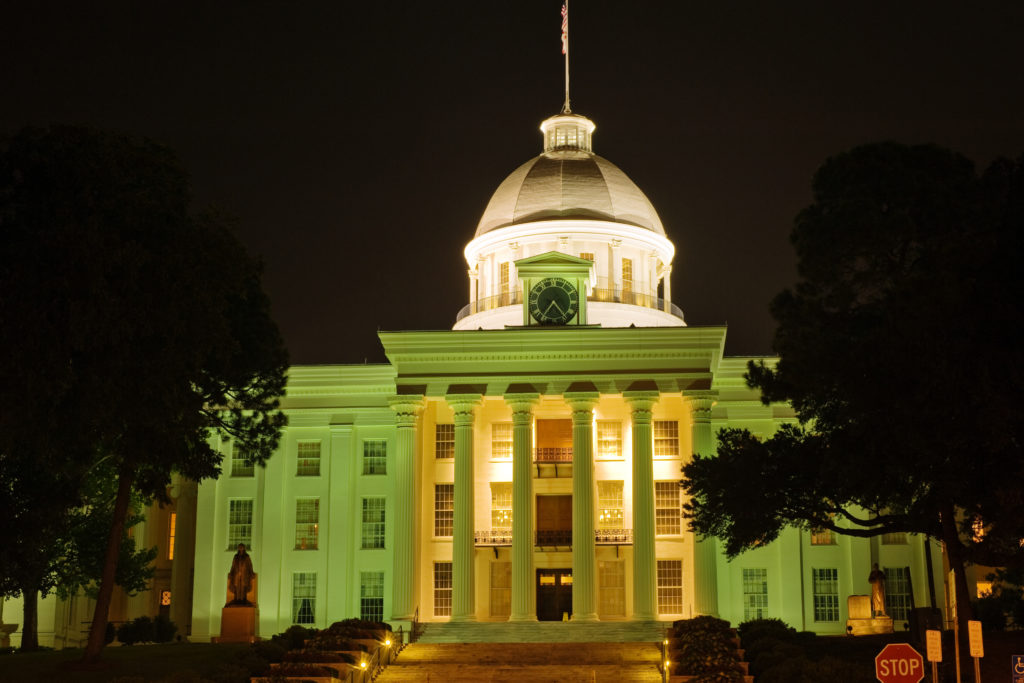
After an 11th-hour Hail Mary attempt to save it, Gov. Robert Bentley‘s proposed state lottery failed in the Alabama Senate Friday night. Bentley called the special session in July and tasked lawmakers solely with considering a state lottery. After a week of back-and-forth on various bills, Senators voted 23-7 to reject changes the Alabama House of Representatives made to the bill. The bill’s sponsor, Sen. Jim McClendon, on Friday proclaimed the legislation is “dead” for the special session. “It’s over,” he said. In the wake of the lottery bill’s failure, both chambers adjourned until Sept. 6. Meanwhile, Alabama Medicaid continues to face an $85 million shortfall in funding — an issue expected to be fixed with the BP settlement bill. In the first week of special session, the House of Representatives cleared a major hurdle in approving a bill to use the state’s settlement funds from the 2010 Deepwater Horizon BP oil spill in the Gulf of Mexico to pay debts and build roads in south Alabama. Lawmakers approved the bill 88-10. Whether or not that bill will clear the Senate remains to be seen. When the special session resumes after Labor Day, lawmakers will only have three days to land on a solution to a lottery and the issue of what to do with BP settlement funds. Bentley has not ruled out the possibility of another special session to bring the lottery back up as a permanent fix.
BP settlement could be dead in Alabama Senate … Here’s what happened
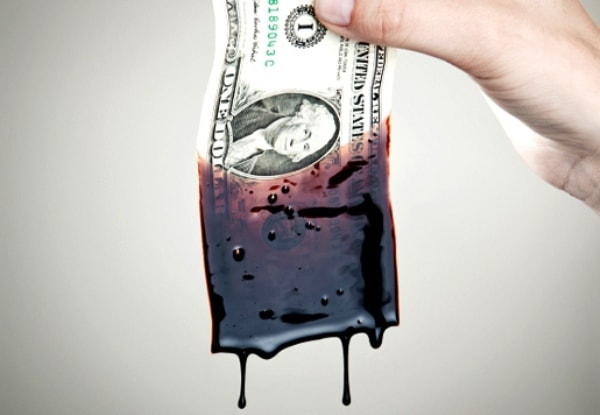
Hidden among the customary grapples over state budgets this Legislative Session has been another battle between two groups that used to work together on most priorities. It isn’t Republican versus Democrat, or liberal versus conservative. It isn’t even, like we see so often in DC, a tussle between the executive and legislative branches. No, this year a fight has broken out between the coast and the interior, and it might send $640 million in BP Settlement funds into purgatory until the stalemate ends. With approximately 24 hours before this year’s Regular Session concludes, the fate of a $640 million compromise between the Gulf Coast delegation from Mobile and Baldwin counties, and other lawmakers who want a piece of the pie, hangs precariously. The Senate Ways and Means General Fund Committee was scheduled to take a vote Tuesday on the House’s version of how to spend a bond issue taken out against future BP settlement funds. Members representing central and north Alabama, led most vocally by Decatur Republican Sen. Arthur Orr, argue the decline in revenue due to the 2010 Deepwater Horizon oil spill negatively affected the entire state. The substitute bill Orr backed would have appropriated $191 million for road projects spread around the state, with a double portion going to coastal counties, and $450 million for repaying a “rainy day fund” raided in the wake of the oil spill, freeing up other funds to be used to shore up Medicaid for the fiscal year. This move rankled coastal representatives, one of whom, Republican Sen. Tripp Pittman, who makes his home in Baldwin County, also happens to be chair of the committee hearing the bill. Pittman unceremoniously ended the committee meeting Tuesday before the bill received a vote. Fellow coastal delegate Sen. Bill Hightower said the region isn’t close to being where it needs to be. “We’re not made whole,” Hightower said. “We won’t know the full implications of the oil spill for 25 years.” But if the committee doesn’t approve some grand compromise before midnight Tuesday, the state will only get BP settlement funds as scheduled by a federal judge — a relatively paltry $50 million per year, instead of the fiscal shot in the arm legislators say they so desperately need.
Bradley Byrne: BP settlement a missed opportunity
Whether you are from Brewton, Frisco City, or Robertsdale, you probably remember the summer of 2010 and the BP oil spill. The scenes on our Alabama beaches were heartbreaking as oil glistened in the water and tarballs washed ashore. From the waitress at the restaurant in Atmore to the gas station owner in Loxley, families and small businesses from throughout Southwest Alabama were negatively impacted by the lack of tourism. Many parts of our area are still dealing with economic and environmental challenges brought on by the oil spill. That’s why I was cautiously optimistic when I learned the Department of Justice and the five Gulf States had reached a settlement agreement with BP to cover penalties and damages associated with the oil spill. The total settlement was worth $18.7 billion, making it the largest settlement ever between the United States and a single company. Unfortunately, as my staff and I began to look into the details of the settlement, we realized that Alabama’s coastal communities were getting a bad deal. Only around $1.8 billion of the total settlement would be directly spent in Alabama. Even worse, over half of the money is slated to go directly into the state’s General Fund instead of flowing to our coastal areas. Now I understand that the State of Alabama is currently in the midst of a budget crunch, but I do not believe money from a natural disaster on the Gulf Coast should be used to fix a man-made “disaster” in Montgomery. That money should be allocated for projects which meet the needs of Coastal Alabama. Just as bad, too much of the total settlement money is going to be under the control of federal regulators in Washington, like NOAA – the same federal agency that is responsible for our drastically shortened Red Snapper season. I certainly don’t trust NOAA and other agencies from the Obama administration with the settlement money. Here’s why this is so frustrating. In 2012, Congress, led by Gulf Coast congressmen like Alabama’s own Jo Bonner, passed the RESTORE Act. This landmark legislation created a clear framework to ensure that money from any BP settlement would flow directly to communities on the Gulf Coast. The RESTORE Act specifically guaranteed local decision makers would control how the money was spent. The bill created the RESTORE Act Council, including local officials from Baldwin and Mobile counties, which would allocate the funds toward projects of particular need. Sadly, instead of directing money toward the RESTORE Act process, the settlement puts money toward the Natural Resources Damages Assessment (NRDA) program. This program is governed by a board of trustees that includes too much influence from the federal government and not enough input from the people on the Gulf Coast who were actually living this nightmare. I am also very frustrated by the level of secrecy surrounding the settlement. BP, the Justice Department, and the Gulf states all agreed to put the settlement under a confidentiality order, which prevents the details of the settlement from being made public. A document meant to remedy the needs of the public should be available in its entirety for the public to consume and debate. At the end of the day, communities on the Gulf Coast are the ones who were directly hit by the oil spill, and it is a mistake to hand control of the settlement money over to the state and federal governments instead of to our local coastal communities. This settlement was a major opportunity to bring some much needed closure to our area, but sadly it seems like that opportunity was missed. The families and small businesses in Southwest Alabama deserve better. Bradley Byrne is a member of the U.S. Congress representing Alabama’s 1st Congressional District.
Gov. Robert Bentley says BP settlement won’t fix state budget
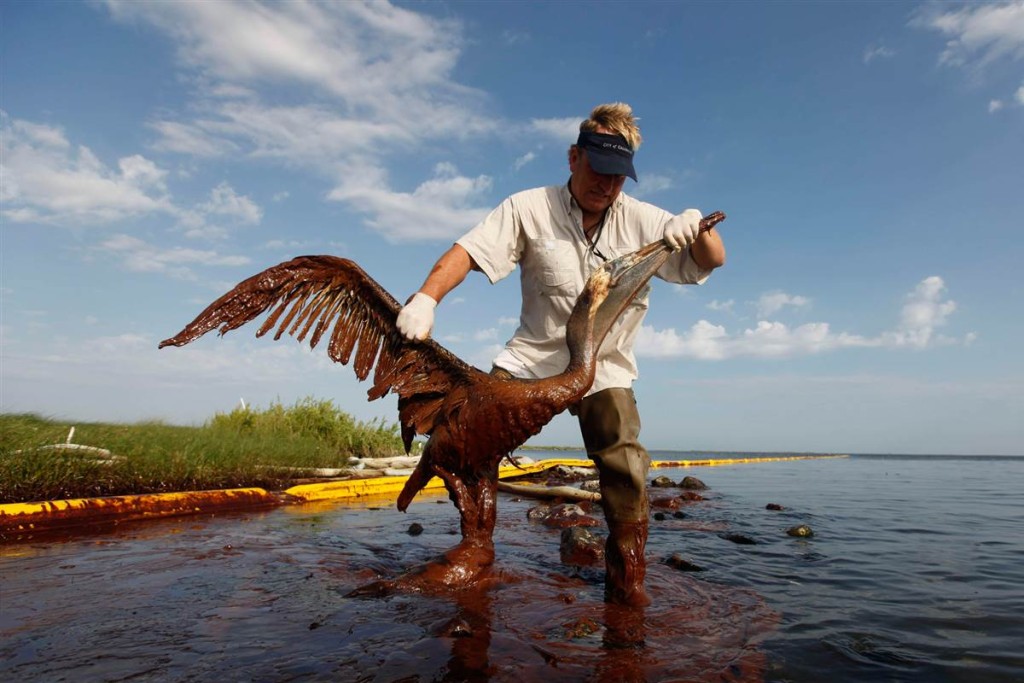
Alabama will receive about $2.3 billion in a settlement with BP over the 2010 Gulf of Mexico oil spill, Gov. Robert Bentley said Thursday. About $1 billion of that is for economic damages and will go to the state’s General Fund in payments during an 18-year period. Information about whether the money will come in equal annual amounts was not available Thursday, and it’s not known yet when the first payment will arrive. At a press conference Thursday, Bentley talked about the environmental and economic effects of the spill and said both were significant hardships for the state. Bentley said the announcement, shared Thursday by other coastal states, does not resolve the looming shortfall in the state’s 2016 General Fund budget. He said a Special Session to address the $200 million hole in the budget is still needed. “It will not factor into the special session,” Bentley said. Divided by 18 years, the $1 billion settlement equals about $55 million a year. Jere Beasley, head of the Beasley Allen Law Firm in Montgomery that assisted the state in the litigation and calculated damages, said the settlement amount was fair. “In fact, based on everything we had, information from all department heads, all the projections and actual losses that we could prove, it’s a very good settlement,” said Beasley, a former Alabama lieutenant governor. “In fact, it was more, quite honestly, than I thought they’d pay.” Republican Rep. Ed Henry of Hartselle said Thursday that he would like to see the money put aside in a separate trust. “Historically, the Legislature and the governor have taken these one-time moneys and used them to shore up state government,” Henry said. “If we are going to be fiscally responsible, we should take this settlement money, put it into a trust, and only use that interest to fund government.” Henry was supportive earlier this year of legislation that would put all state settlement money into a trust. Most of the interest generated would flow toward the General Fund. That bill didn’t get much traction, but Henry said it will be brought back next year. In total, the principal settlement among BP and other states after the 2010 oil spill is $18.7 billion. The agreements were signed Wednesday and still need court approval. Beasley said that should happen very soon. About $1.3 billion will go toward coastal restoration in Mobile and Baldwin counties. Alabama Attorney General Luther Strange said this case may be the largest economic damages case ever handled by the attorney general’s office. Asked how much money will go toward attorney fees, Bentley said that will be up to the court but won’t come from the settlement. Beasley said that his firm has put in more than 22,000 man hours and fronted about $1.5 million in costs for the state. Thursday’s settlement announcement comes as a federal judge was preparing to rule on how much BP owed in federal Clean Water Act penalties after well over 125 million gallons of oil spewed into the Gulf. BP PLC Chairman Carl-Henric Svanberg said the settlement reflected the company’s commitment to restoring the Gulf of Mexico economically and environmentally, and provided the company with closure going forward. “It resolves the company’s largest remaining legal exposures, provides clarity on costs and creates certainty of payment for all parties involved,” Svanberg said. The company had been facing an additional about $13.7 billion in possible Clean Water Act penalties alone, with possibly billions more resulting from other legal cases. BP has said its spill-related costs already exceed $42 billion, even without the Clean Water Act fine. It’s also unclear how much BP will end up paying under a 2012 settlement with individuals and businesses claiming spill-related losses. The spill resulted from the April 20, 2010, explosion of the Deepwater Horizon rig, which killed 11 workers. Republished with permission of The Associated Press.
