
Republican governors ask Biden administration to rescind Title IX guidance
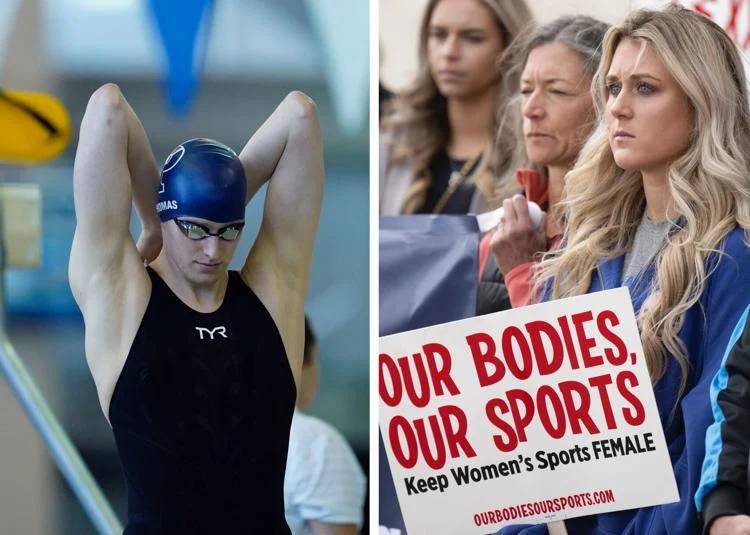
Twenty-five of the nation’s 26 Republican governors have asked the Biden administration to shelve its intent to expand Title IX protections to transgender athletes. The letter, led by the signature of Mississippi Gov. Tate Reeves, says the U.S. Department of Education’s proposed regulation should be withdrawn pending litigation that could be addressed by the U.S. Supreme Court. “The Department’s proposed regulation would attempt to coerce compliance with an uncertain, fluid, and completely subjective standard that is based on a highly politicized gender ideology,” the letter reads. The letter comes as the public comment period ends Monday on a proposed revision to Title IX that would ban state and local governments from prohibiting transgender students from participating on sports teams aligned with their gender identity. Title IX was created to increase opportunities for female athletes. Federal funds can be withheld from those found to be in violation. The law, which was passed in 1972, prohibits discrimination based on sex for school districts, universities, museums, and other educational institutions that receive federal funds. “Compelling a subjective, athlete-by-athlete analysis controlled by a student’s self-identified ‘gender identity’ enforced under threat of Department retribution affords no clarity,” the letter reads. “It does the opposite. This ‘fluid’ subjective standard ensures chaos and confusion in schools and will no doubt result in protracted and disruptive litigation.” Twenty-one states prohibit transgender students from participating on sports teams that do not align with their biological sex at birth, according to the Movement Advancement Project that tracks state policies. The letter was signed by Alabama Gov. Kay Ivey, Alaska Gov. Mike Dunleavy, Arkansas Gov. Sarah Sanders, Florida Gov. Ron DeSantis, Georgia Gov. Brian Kemp, Idaho Gov. Brad Little, Indiana Gov. Eric Holcomb, Iowa Gov. Kim Reynolds, Missouri Gov. Mike Parson, Montana Gov. Greg Gianforte, Nebraska Gov. Jim Pillen, Nevada Gov. Joe Lombardo, New Hampshire Gov. Chris Sununu, North Dakota Gov. Doug Burgum, Ohio Gov. Mike DeWine, Oklahoma Gov. Kevin Stitt, South Carolina Gov. Henry McMaster, South Dakota Gov. Kristi Noem, Tennessee Gov. Bill Lee, Texas Gov. Greg Abbott, Utah Gov. Spencer Cox, Virginia Gov. Glenn Youngkin, West Virginia Gov. Jim Justice, and Wyoming Gov. Mark Gordon. The signature of Vermont Republican Gov. Phil Scott is not on the letter. Republished with the permission of The Center Square.
Teachers earn $67K on average. Is push for raises too late?

As schools across the country struggle to find teachers to hire, more governors are pushing for pay increases, bonuses, and other perks for the beleaguered profession — with some vowing to beat out other states competing for educators. Already in 2023, governors in Georgia and Arkansas have pushed through teacher pay increases. Ahead of Monday’s start of national Teacher Appreciation Week, others — both Republican and Democratic — have proposed doing the same to attract and retain educators. More than half of the states’ governors over the past year — 26 so far — have proposed boosting teacher compensation, according to groups that track it. The nonprofit Teacher Salary Project said it is the most it has seen in nearly two decades of tracking. “Today we have governors left and right from every political party and then some who are addressing this issue because they have to,” said founder and CEO Ninivé Caligari. “We’ve never seen what we are seeing right now. Never.” In Idaho, Gov. Brad Little is aiming to raise the state’s average starting salary into the nation’s top 10. In Delaware, Gov. John Carney said competition for teachers is more intense than ever, and a pay increase is necessary to “win the competition with surrounding states.” It’s not clear how far pay raises will go toward relieving the shortages, though, and some teachers say it is too little, too late to fix problems that are years in the making. Blame for teacher shortages has fallen on underfunding after the Great Recession, tight labor markets, lackluster enrollments in colleges and programs that train teachers, and teacher burnout inflamed by the travails of the COVID-19 pandemic. There has been no mass exodus, but data from some states that track teacher turnover has shown rising numbers of teachers leaving the profession over the past couple of years. Shortages are most extreme in certain areas, including the poorest or most rural districts, researchers say. Districts also report particular difficulties in hiring for in-demand subjects like special education, math, and science. Meanwhile, teacher salaries have fallen further and further behind those of their college-educated peers in other fields, as teachers report growing workloads, shrinking autonomy, and increasingly hostile school environments. Magan Daniel, who at 33 just left her central Alabama school district, was not persuaded to stay by pay raises as Alabama’s governor vows to make teacher salaries the highest in the Southeast. It would take big increases to match neighboring Georgia, where the average teacher salary is $62,200, according to the National Education Association. Fixing teachers’ deteriorating work culture and growing workloads would be a more powerful incentive than a pay raise, she said. She recalled, for instance, her principal asking her to make copies and lesson plans last fall while she was on unpaid maternity leave. Difficulty getting substitutes puts pressure on teachers who need time off for emergencies, she said, and spending nights and weekends on paperwork siphoned the joy out of teaching. “I would not go back just for a higher salary,” Daniel said. In Oklahoma, Joshua Morgan, 46, left his rural district a year ago because after 18 years he was still earning under $47,000. Oklahoma’s governor is talking about awarding performance bonuses, but Morgan said he would only go back to teaching for substantially more money — like $65,000 a year. The national average public school teacher salary in 2021-22 increased 2% from the previous year to $66,745, according to the NEA, the nation’s largest teachers union. Inflation peaked around 9% at the time. For new recruits, the math of paying for a college education is grim: The national average beginning teacher salary was $42,845 in 2021-22, according to the NEA. Teachers do often qualify for public service loan forgiveness, which forgives their student debt after they’ve made 10 years of monthly payments. Besides fewer teachers getting certified, the “teacher pay penalty” — the gap between teacher salaries and their college-educated peers in other professions — is growing. It reached a record 23.5% in 2021, with teachers earning an average 76.5 cents for every dollar earned by other college-educated professionals, according to the Economic Policy Institute, a nonpartisan think tank. It has been widening for decades, researchers say. For men, it is 35%, and for women, it is 17% — reflecting the gender pay gap seen across the U.S. economy. For Rachaele Otto and other Louisiana teachers, the prospect of a $3,000 salary increase proposed by the governor might be appreciated. But at roughly $200 a month after taxes, it’s not enough to keep a teacher who feels burned out or demoralized, Otto said. “I know there are teachers willing to take pay cuts to leave the profession,” said Otto, 38, a science teacher in a rural Louisiana district. “If you double the salary, maybe that would change their thinking.” Sylvia Allegretto, a senior economist who studies teacher compensation for the Center for Economic and Policy Research, called salary promises by governors one-time “Band-Aids” that barely keep up with inflation. “You’re kind of chipping away at the margins,” Allegretto said. “You’re not fixing the problem, generally.” For governors, raising teacher pay may be good politics, but raising it across the board may have little long-term impact. Getting better data on where the shortages are and then targeting raises — or bigger raises — to those areas will help more, researchers say. Research shows a pay raise will have at least some effect on retaining teachers, said Ed Fuller, a Penn State associate professor who studies teacher quality and turnover. What is difficult to research, Fuller said, is the effect a raise has on a college student’s decision to enter a teacher preparation program — and take on debt. Some districts haven’t waited for governors and legislatures to act. Kentucky’s biggest school district, Jefferson County in Louisville, gave a 4% raise last year, and the board approved another raise of 5% to start this coming July. It also started giving an annual $8,000 stipend to teachers who work with higher-need students. Superintendent Marty Pollio wants the district to
25 GOP governors ask Biden administration to hit pause on broader clean water rule

Twenty-five Republican governors oppose a revised federal rule regulating U.S. waterways, citing uncertainty from an undecided U.S. Supreme Court case related to the rule. The governors sent a letter to the Biden administration on Monday asking it to delay the implementation of the revised Waters of the United States rule since the U.S. Supreme Court is currently considering Sackett v. EPA. The revised WOTUS rule, released on Dec. 30, reinstates pre-2015 water protections under the federal Clean Water Act. The rule was scaled back under the Trump administration, which triggered lawsuits from environmental groups. “The substance of the rule hinders State governments as we seek to give clarity and consistency to businesses, farms, and individuals regarding the regulatory framework for water,” the 25 GOP governors wrote. “The broad definitions used in the 514- page document only add to the confusing and complicated history of WOTUS. In fact, it appears that the EPA is seeking to regulate private ponds, ditches, and other small water features.” The U.S. Environmental Protection Agency said in December the revised rule applies to “traditional navigable waters, the territorial seas, interstate waters, as well as upstream water resources that significantly affect those waters.” “When Congress passed the Clean Water Act 50 years ago, it recognized that protecting our waters is essential to ensuring healthy communities and a thriving economy,” EPA Administrator Michael Regan said in a statement. “Following extensive stakeholder engagement, and building on what we’ve learned from previous rules, EPA is working to deliver a durable definition of WOTUS that safeguards our nation’s waters, strengthens economic opportunity, and protects people’s health while providing greater certainty for farmers, ranchers, and landowners.” The governors also questioned the timing of the new rule, given ongoing inflation. “Another burdensome and overbroad regulation from the federal government could not come at a worse time for America,” they wrote. “Having already squandered much of America’s energy independence, you should not increase costs for consumers by tying up energy production with even more red tape.” Environmental groups praised the Biden administration’s revised WOTUS rule. “This comes at a time when we’re seeing unprecedented attacks on federal clean water protections by polluters and their allies,” Jon Devine, director of federal water policy for the Natural Resources Defense Council, said in a statement last month. “While the nation still has significant work to do to fully protect important waters, it’s encouraging to see the country taking a step in the right direction to protect the waters we need for everyone’s health and the environment.” The letter was signed by Idaho Gov. Brad Little, Alabama Gov. Kay Ivey, Alaska Gov. Mike Dunleavy, Arkansas Gov. Sarah Sanders, Florida Gov. Ron DeSantis, Georgia Gov. Brian Kemp, Indiana Gov. Eric Holcomb, Iowa Gov. Kim Reynolds, Mississippi Gov. Tate Reeves, Missouri Gov. Mike Parson, Montana Gov. Greg Gianforte, Nebraska Gov. Jim Pillen, Nevada Gov. Joe Lombardo, New Hampshire Gov. Chris Sununu, North Dakota Gov. Doug Burgum, Ohio Gov. Mike DeWine, Oklahoma Gov. Kevin Stitt, South Carolina Gov. Henry McMaster, South Dakota Gov. Kristi Noem, Tennessee Gov. Bill Lee, Texas Gov. Greg Abbott, Utah Gov. Spencer Cox, Virginia Gov. Glenn Youngkin, West Virginia Gov. Jim Justice, and Wyoming Gov. Mark Gordon. Republished with the permission of The Center Square.
Kay Ivey gets a ‘D’ in report card stacking up U.S. governors’ fiscal policies
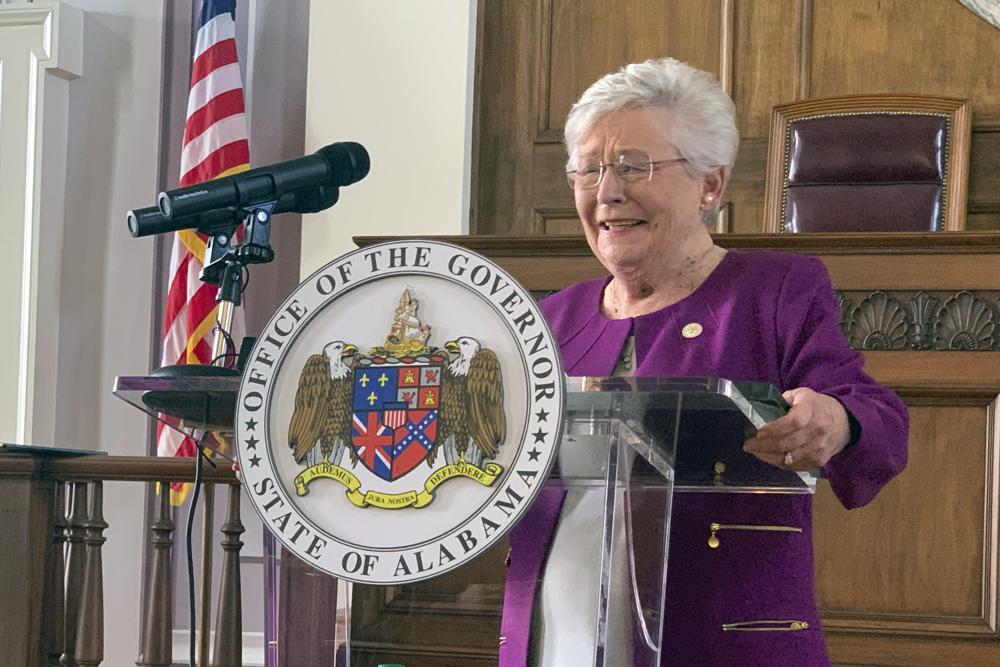
Gov. Kay Ivey’s years-long support of an increased gas tax in Alabama landed her in the bottom tier of a new report grading states’ top-level leaders on their fiscal policies. The Cato Institute, a public policy organization focused on limited government, recently released its 2022 Fiscal Policy Report Card on America’s Governors. Co-authors Chris Edwards and Ilana Blumsack gave Ivey, who is seeking a second full term in office this fall, a score of “D.” In their analysis of Ivey’s fiscal performance throughout her first full term in office, Edwards and Blumsack elaborated on why they gave the governor a low score. “Running for a full term in office in 2018, Ivey said she opposed tax increases,” Edwards and Blumsack wrote. “Nonetheless, she has raised some taxes, including the gas tax by 10 cents per gallon in 2019 and an assessment on nursing home facilities in 2020.” In their report, the authors did note some of Ivey’s more recent tax-cutting overtures in her run-up to reelection and against the backdrop of inflation. “Ivey switched direction recently and approved modest tax cuts, including raising the standard deduction, exempting $6,000 of retirement income from taxes, increasing an adoption credit, and exempting small businesses from the business privilege tax,” Edwards and Blumsack wrote. Early this year, during the most recent legislative session, Ivey also touted her support of House Bill 231, which she signed into law in February. “I am proud to sign this needed tax relief into law so that money will return directly into the hands of hardworking Alabamians,” Ivey said in the news release. Ivey’s support of a gas tax, and her denial of cutting it back this spring, has been a source of criticism since she first signed the legislation into law in 2019. Proceeds from portions of the increased gas tax have been poured into Ivey’s 2019 Rebuild Alabama Act, which required the state’s Department of Transportation to annually allocate $10 million from excised gas taxes. “Since becoming governor, with the support of Rebuild Alabama, we have embarked on more than 1,500 new road and bridge projects worth more than $5 billion,” Ivey said in March. “We certainly have more work in front of us, and I am proud to continue those efforts today.” While the Cato Institute’s newest report did not have a clear-cut partisan divide in the granular state-by-state rankings, there was a prevailing theme. The top-performing governors in this year’s report were Republican, while the lowest-scoring leaders were Democrats. “The results are data-driven. They account for tax and spending actions that affect short-term budgets in the states,” Edwards and Blumsack said of their methodology. “But they do not account for longer-term or structural changes that governors may make, such as reforms to state pension plans.” Five governors, all Republican, received an “A” in this year’s Cato Institute report: Doug Ducey of Arizona; Brad Little of Idaho; Kim Reynolds of Iowa; Pete Ricketts of Nebraska; and Chris Sununu of New Hampshire. On the bottom end, eight Democrat governors received an “F” in the Cato Institute’s analysis of their fiscal policies: Kate Brown of Oregon; Jay Inslee of Washington; Phil Murphy of New Jersey; Gavin Newsom of California; J.B. Pritzker of Illinois; Tim Walz of Minnesota; Gretchen Whitmer of Michigan; and Tom Wolf of Pennsylvania. Republished with the permission of The Center Square.
GOP governors to Joe Biden: Student loan plan will be costly for American taxpayers
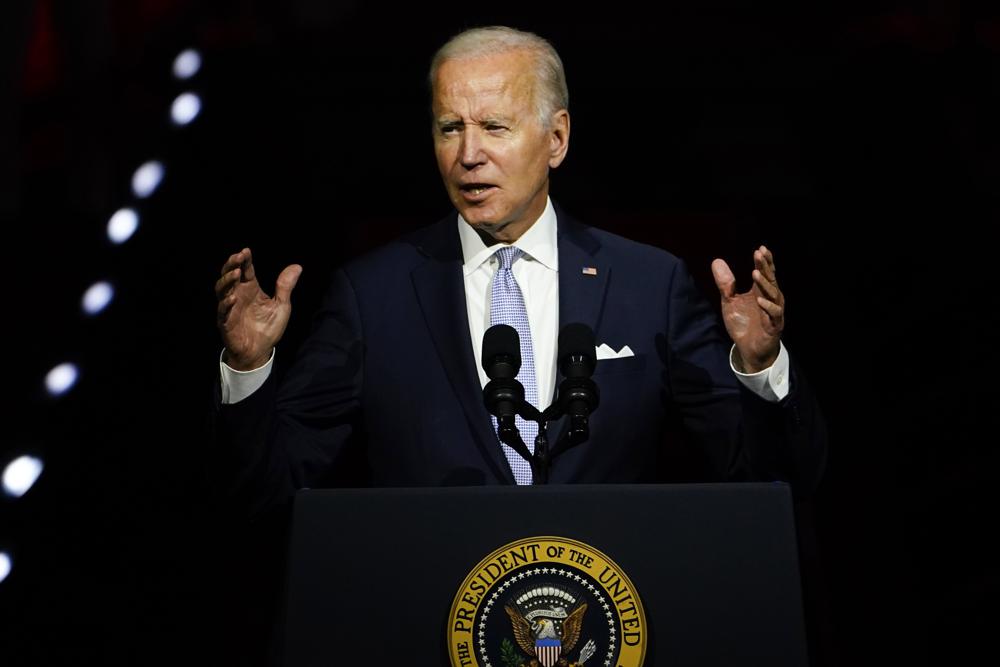
President Joe Biden’s student loan forgiveness plan will be costly for American taxpayers, a coalition of GOP governors said in a letter sent Monday to the White House. The letter, signed by 22 GOP governors, tells Biden to “withdraw” the plan, citing cost estimates of up to $600 billion, or $2,000 per American taxpayer. “As governors, we support making higher education more affordable and accessible for students in our states, but we fundamentally oppose your plan to force American taxpayers to pay off the student loan debt of an elite few,” the coalition wrote. The coalition includes Alabama Gov. Kay Ivey, Alaska Gov. Mike Dunleavy, Arizona Gov. Doug Ducey, Arkansas Gov. Asa Hutchinson, Florida Gov. Ron DeSantis, Georgia Gov. Brian Kemp, Idaho Gov. Brad Little, Iowa Gov. Kim Reynolds, Maryland Gov. Larry Hogan, Missouri Gov. Mike Parson, Montana Gov. Greg Gianforte, Nebraska Gov. Pete Ricketts, New Hampshire Gov. Chris Sununu, North Dakota Gov. Doug Burgum, Ohio Gov. Mike DeWine, Oklahoma Gov. Kevin Stitt, South Carolina Gov. Henry McMaster, South Dakota Gov. Kristi Noem, Tennessee Gov. Bill Lee, Texas Gov. Greg Abbott, Utah Gov. Spencer Cox, and Wyoming Gov. Mark Gordon. “At a time when inflation is sky high due to your unprecedented tax-and-spend agenda, your plan will encourage more student borrowing, incentivize higher tuition rates, and drive-up inflation even further, negatively impacting every American,” the governors added. Biden announced the plan last month during an address from the White House. “Many people – many people can’t qualify for a mortgage or buy a home because the debt they continue to carry,” Biden said. “A lot of folks are even putting off starting families because of the cost, and the dream of starting or owning your business is just way off in the distance with a debt that’s – that so many are saddled with.” The plan forgives $10,000 in federal student loan debt for those who make less than $125,000 annually, while federal Pell Grant recipients will be forgiven $20,000. The Committee for a Responsible Federal Budget has estimated that the plan’s total cost would be $440 to $600 billion. Republished with the permission of The Center Square.
Republican governors call Democrat spending bill “reckless”

Twenty-one Republican governors called the Inflation Reduction Act “another reckless tax and spending spree” in a joint statement released Thursday. The legislation, dubbed the “Democrats spending bill” by Republicans, would reduce the federal deficit, Senate Democrats said in a summary. But the $740 billion bill would hurt all Americans, the Republican governors said. “While denying recession, Democrats want to raise taxes on businesses and manufacturers, which will force higher costs onto consumers, worsen inflation, and aggravate shortages,” they said in the letter. “With sky-high prices at the pump, the last thing Americans need is for Democrats to punish energy producers, which will ultimately hurt working families struggling to pay for gas, goods, food, and utilities.” Democrats maintain the measure would reduce inflation by investing taxpayer dollars into domestic energy production and manufacturing and lowering carbon emissions by 40% by 2030. Republicans have maintained that Biden’s policies hindered energy production in the oil and gas industry, leading to record high gas prices this summer, which in part contributed to 40-year high inflation. They point to the president’s executive orders ending new leases for oil production on federal lands, ending the Keystone Pipeline construction, and other restrictions on the industry. Democrats say their bill also would allow Medicaid to negotiate prescription drug prices, something critics say will discourage investment in new treatments. The Affordable Care Act also would be extended for three years under Democrats’ plans. The bill also includes up to $7,500 in tax credits on the purchase of an electric or fuel cell vehicle made in America. Large corporations would be required to pay a minimum 15% tax, and the measure would not raise taxes on Americans making less than $400,000 a year, according to remarks by President Joe Biden. The joint statement opposing the Inflation Reduction Act was made by South Carolina Gov. Henry McMaster, Georgia Gov. Brian Kemp, Alabama Gov. Kay Ivey, Arizona Gov. Doug Ducey, Arkansas Gov. Asa Hutchinson, Florida Gov. Ron DeSantis, Idaho Gov. Brad Little, Indiana Gov. Eric Holcomb, Iowa Gov. Kim Reynolds, Mississippi Governor Tate Reeves, Missouri Gov Mike Parson, Montana Gov. Greg Gianforte, Nebraska Gov. Pete Ricketts, North Dakota Gov. Doug Burgum, New Hampshire Gov. Chris Sununu, Oklahoma Gov. Kevin Stitt, Tennessee Gov. Bill Lee, Texas Gov. Greg Abbott, Utah Gov. Spencer Cox, Virginia Gov. Glenn Younkin, and Wyoming Gov. Mark Gordon. Republished with the permission of The Center Square.
Governors pan SEC climate disclosure proposal as unprecedented federal overreach
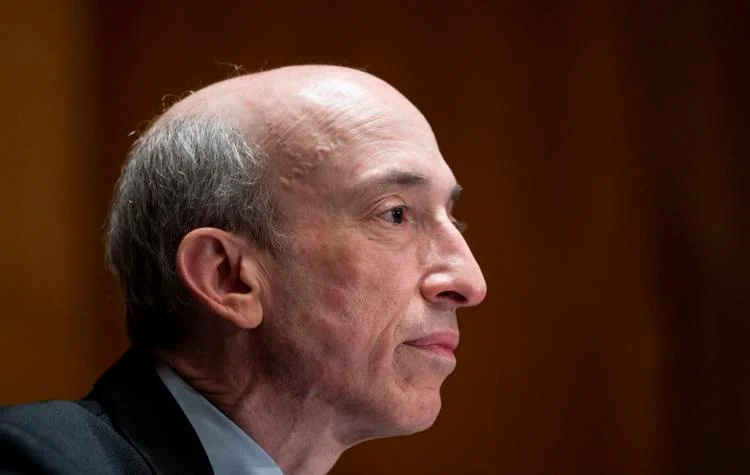
Sixteen Republican governors are asking the Biden administration to withdraw a proposed rule by the U.S. Securities and Exchange Commission that would require companies to disclose some climate-related investment information in annual reports and registration. The governors called the move an “unprecedented level of federal overreach” in a letter sent Tuesday to President Joe Biden and SEC Commissioner Gary Gensler. “The proposed rule will harm businesses and investors in our states by increasing compliance costs and by larding disclosure statements with uncertain and immaterial information that the federal government – let alone the SEC – is not equipped to judge,” the governors said in their letter. The governors said it’s OK for companies to disclose the information voluntarily. “However, since climate change models vary dramatically, the notion of evaluating investment risk based on such uncertain variables is inherently subjective and unreliable,” they wrote. “Moreover, such disclosures would serve to confuse investors as to how to judge true financial risk, significantly reducing market efficiency. It is precisely the type of question where government should not impose its own judgments of what constitutes material risk in place of managers.” The rule “appears part of an ongoing effort across the federal government to penalize companies involved in traditional energy development,” the governors said. “Until recently, the Biden administration explicitly refused to issue new oil and gas leases on federal lands and is now considering only a fraction of the lands that should be available,” they wrote. “In addition, the Council on Environmental Quality is rolling back reforms to the environmental review process, the President has denied key pipeline and other permitting applications, and officials throughout the Biden Administration are rhetorically discouraging investment in oil and gas development.” SEC officials said companies are interested in climate-related information. “The results of multiple recent surveys indicate that climate risks are among the most important priorities for a broad set of large asset managers,” the SEC said in its 140-page report. “PWC reported in their Annual Global CEO Survey that in 2016, only 39% of asset and wealth management CEOs reported that they were concerned about the threats posed by physical risks brought about by climate change, whereas this figure increased to 70% in 2021.” The SEC extended the comment period on the proposed rule from May 20 to June 17. The commission is accepting electronic comments. The letter is signed by Kay Ivey of Alabama, Mike Dunleavy of Alaska, Doug Ducey of Arizona, Asa Hutchinson of Arkansas, Brad Little of Idaho, Kim Reynolds of Iowa, Tate Reeves of Mississippi, Mike Parson of Missouri, Greg Gianforte of Montana, Pete Ricketts of Nebraska, Doug Burgum of North Dakota, Kevin Stitt of Oklahoma, Kristi Noem of South Dakota, Greg Abbott of Texas, Spencer Cox of Utah and Mark Gordon of Wyoming. Republished with the permission of The Center Square.
Kay Ivey signs on to joint U.S.-Canada letter in support of protesting truck drivers
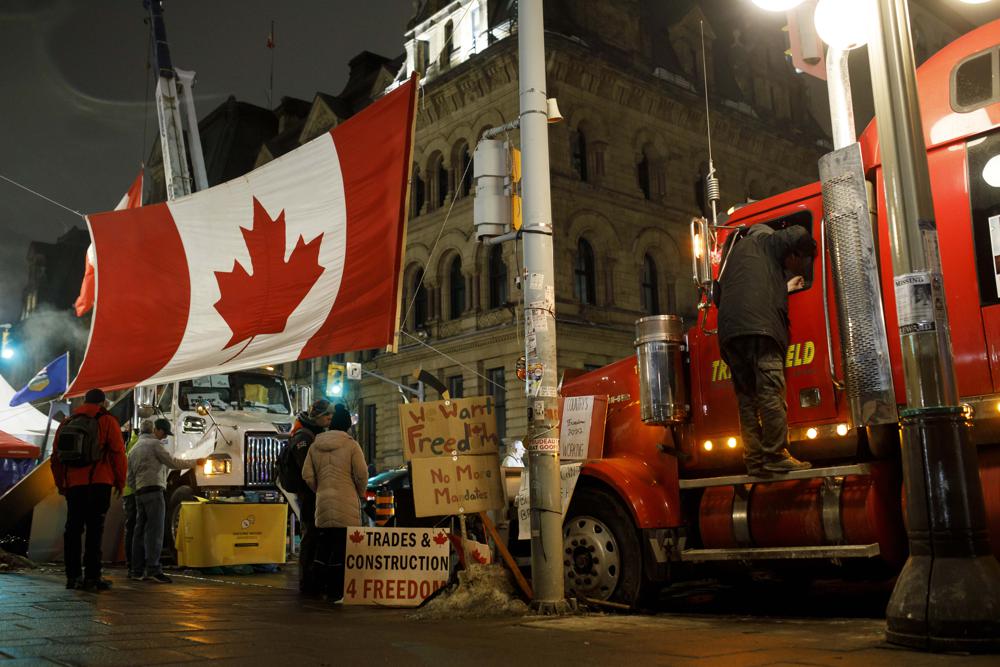
Governor Kay Ivey, along with 15 other governors, has signed on to a letter to Prime Minister Justin Trudeau and President Joe Biden asking them to immediately reinstate the vaccine and quarantine exemptions available to cross border truck drivers. Since late January, Canadian truckers have blocked some of the busiest border crossings between Canada and the U.S. The demonstrations initially focused on Canada’s vaccine requirement for truckers entering the country but quickly became a broad attack on COVID-19 precautions and Trudeau himself. Demonstrations and blockades have shut down border crossings into the U.S. and inflicted economic damage on both countries. Ivey stated on Twitter, “The truck drivers we’ve seen peacefully protesting in Canada simply want common sense reinstated & freedoms protected. I support them and am joining my fellow governors in calling Prime Minister Trudeau & @POTUS to immediately allow exemptions for cross border truck drivers. These types of unnecessary mandates would continue to exacerbate supply chain and economic issues.” The letter emphasizes the need for the border to remain open because of COVID-19 supply chain issues. The letter states, “The timing of your decision to terminate the vaccine and quarantine exemptions could not have been worse, as North America already faces grave supply chain constraints. These constraints, combined with increasing inflation, place significant burdens on the residents of Canada and the United States. Furthermore, transportation associations have informed us that the lack of exemptions will force thousands of drivers out of the trucking industry, which is already facing a significant workforce shortage. The removal of these exemptions is ultimately unnecessary, and we cannot afford to lose any more truck drivers who transport food and other vital supplies across the border.” Last week, the White House stated, “The two leaders agreed that the actions of the individuals who are obstructing travel and commerce between our two countries are having significant direct impacts on citizens’ lives and livelihoods.” Other governors who signed the letter include Greg Gianforte (MT), Mike Dunleavy (AK), Asa Hutchinson (AR), Brian Kemp (GA), Brad Little (ID), Kim Reynolds (IA), Tate Reeves (MS), Mike Parson (MO), Pete Ricketts (NE), Doug Burgum (ND), Henry McMaster (SC), Kristi Noem (SD), Bill Lee (TN), Spencer Cox (UT), and Mark Gordon (WY).
Lloyd Austin to governors: Guard troops must get COVID-19 vaccine

Defense Secretary Lloyd Austin, in letters to seven governors, is reaffirming the need for members of their states’ Army and Air National Guards to get the mandatory COVID-19 vaccine or lose their Guard status. In nearly identical letters signed late last week, Austin tells the governors that the virus “takes our service members out of the fight, temporarily or permanently, and jeopardizes our ability to meet mission requirements,” according to copies obtained Monday by The Associated Press. The letters, which have not been publicly released, come as the military services begin to ramp up the number of active-duty troops being discharged for refusing the vaccine. Nearly 600 Marines, airmen, and sailors have been thrown out of the military or dismissed from entry-level training at boot camps as of last week. Two of the letters — to Alaska and Texas state leaders — note that they have an ongoing lawsuit over the vaccine and that, Austin said, limited his ability to comment further on their concerns. Texas, Oklahoma, and Alaska filed lawsuits challenging the military’s vaccine mandate, but a federal judge has already rejected the Oklahoma challenge. The Alaska governor was one of five Republican state leaders who sent a letter to Austin asking him not to enforce the mandate on National Guard troops. The other four were governors from Wyoming, Mississippi, Iowa, and Nebraska. The latest letters were to those five governors along with Idaho and Texas. Austin’s response to them mirrors the letter he sent in late November to Oklahoma Gov. Kevin Stitt, defending the department’s vaccine mandate as necessary to maintain military readiness and the health of the force. At the time, he warned that failure to get the vaccine “may lead to a prohibition on the member’s participation in drills and training” and could “jeopardize the member’s status in the National Guard.” In the new letters, Austin changed a keyword in that sentence, telling the governors that failure to get the vaccine “will” lead to prohibiting members from participating in drills and jeopardize their status. “To ensure that we maintain a healthy and ready military force capable of accomplishing our mission to defend this Nation and to protect the American people, vaccination against COVID-19 is an essential military readiness requirement for all components and units of the military,” including the Guard, he said. The governors getting the letters were: Wyoming Gov. Mark Gordon, Alaska Gov. Mike Dunleavy, Mississippi Gov. Tate Reeves, Nebraska Gov. Pete Ricketts, Iowa Gov. Kim Reynolds, Idaho Gov. Brad Little, and Texas Gov. Greg Abbott, all Republicans. Alaska joined the lawsuit filed by Texas Attorney General Ken Paxton. Texas has more than 20,000 National Guard members, the largest contingent of any state. About 40% of its Army National Guard are currently refusing to receive the COVID-19 vaccination “for either religious accommodation needs or otherwise,” according to the lawsuit filed in a federal court in East Texas. It added that more than 200 airmen in the Texas Guard are also refusing the vaccine. The deadline for Air Guard members to get the shots has passed, but Army Guard members have until this June. Thousands of members of the active-duty military and the reserves are seeking medical, administrative, or religious exemptions or refusing the shots. But overall, the percentage of troops, particularly active duty members, who quickly got the vaccine is high – with at least 97% in each service getting at least one shot as of last week. According to the Centers for Disease Control and Prevention, nearly 87% of the U.S. population age 18 or older has gotten at least one shot. Republished with the permission of the Associated Press.
Kay Ivey backs SCOTUS case that could overturn Roe v Wade
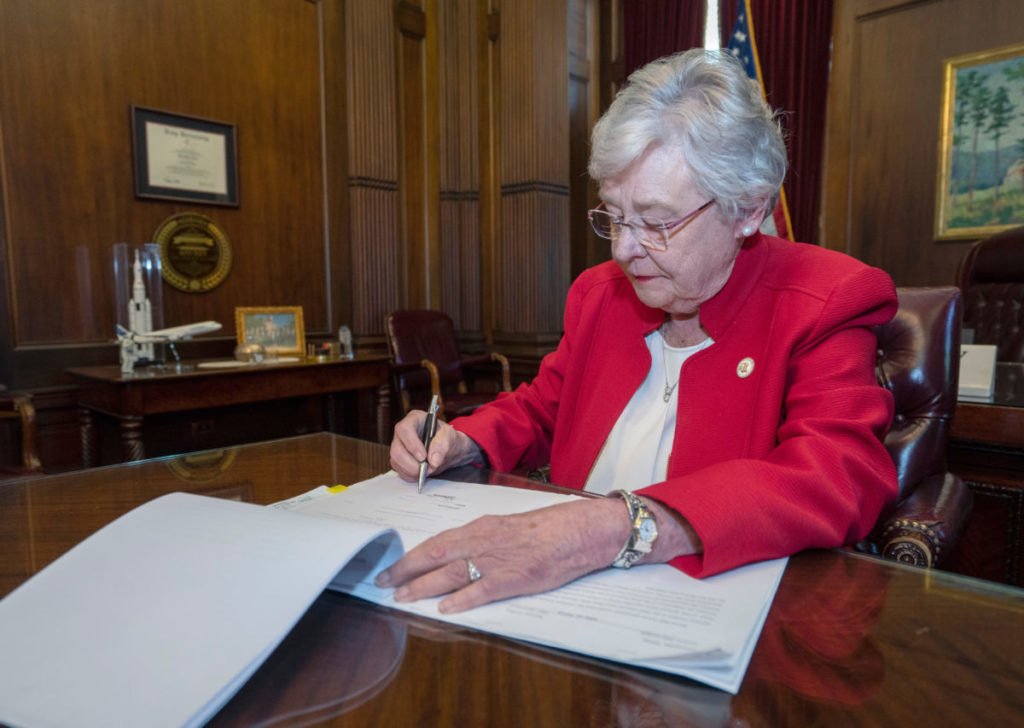
Gov. Kay Ivey has joined 11 other Republican governors in asking the U.S. Supreme Court to overturn the Roe v. Wade abortion-rights decision, Al.com reported. Governor Henry McMaster led the group by filing an amicus brief that questions whether all pre-viability prohibitions on elective abortions are unconstitutional in regards to Dobbs v. Jackson Women’s Health Organization. The case is pending at the U.S. Supreme Court and involves a challenge to a Mississippi law banning abortion after 15 weeks of pregnancy. In a brief filed Thursday, the governors joined Mississippi’s argument that the 14th Amendment does not include the right to abortion and that the rulings in Roe v. Wade and Planned Parenthood v. Casey upset the constitutional balance between states and the federal government. Kay Ivey said in a press release, “Alabama will continue to fight for life so that every unborn child is protected. We must stand strong for those babies who do not have a voice, and I assure my fellow Alabamians that we will continue this fight until they are protected once and for all. We will not rest until Roe v. Wade is overturned.” In May 2019, Alabama passed one of the most restrictive abortion laws. House Bill 314 established the personhood of the baby in the womb and criminalized surgical abortions as soon as a pregnancy can be medically determined, in almost all cases except if a doctor determines that the pregnancy poses a serious health risk to the mother. In October 2019, U.S. District Judge Myron Thompson issued a preliminary injunction temporarily blocking Alabama from enforcing the law that would make performing an abortion a felony in almost all cases. “Alabama’s abortion ban contravenes clear Supreme Court precedent,” Thompson wrote in an accompanying opinion. “It violates the right of an individual to privacy, to make choices central to personal dignity and autonomy. It diminishes the capacity of women to act in society and to make reproductive decisions. It defies the United States Constitution.” Reproductive rights activists criticized the governor’s inclusion on the Supreme Court brief. If Roe v. Wade were overturned, experts speculate that it could mean an almost immediate ban on all abortions in the state. Planned Parenthood Southeast Advocates commented on Twitter, “What we’re witnessing right now is a full-scale assault on patients, their health care providers, and their support systems. This isn’t about protecting families and this is not what the American people want. The data is clear: 80% of people in this country support access to a safe, legal abortion.” Other governors who joined McMaster’s brief include Doug Ducey of Arizona, Asa Hutchinson of Arkansas, Ron DeSantis of Florida, Brian K. Kemp of Georgia, Brad Little of Idaho, Kim Reynolds of Iowa, Michael L. Parson of Missouri, Greg Gianforte of Montana, Kevin Stitt of Oklahoma, and Greg Abbott of Texas.
‘Orange skies’: Joe Biden raising federal pay to fight wildfires

The Biden administration said Wednesday it is hiring more federal firefighters — and immediately raising their pay — as officials ramp up response efforts in the face of a severe drought that is setting the stage for another destructive summer of intense wildfires across the West. President Joe Biden announced the moves during a virtual meeting with governors from Western states and as a huge swath of the Pacific Northwest endures one of the worst heat waves in recent memory. Temperatures in Portland, Oregon, soared to a record 116 degrees Fahrenheit on Monday, a fact Biden cited as “a wake-up call to the rest of the public” about the realities of climate change. “The truth is we’re playing catch-up″ on preparing for extreme heat and wildfires, Biden said, calling federal efforts “under-resourced″ compared with the deadly threat posed by climate change and extreme drought. “That’s going to change and we have to do it,″ Biden told the governors. “We can’t cut corners when it comes to managing our wildfires or supporting our firefighters. Right now we have to act and act fast.″ Recalling horrific scenes from wildfires in California and other states last year, Biden said, “Orange skies look like end-of-days smoke and ash.″ Biden’s plan would ensure that no one fighting wildland fires is making less than $15 per hour and would add or convert to full-time nearly 1,000 firefighters across a host of agencies. “Because of climate change, wildland firefighting is no longer a seasonal endeavor,″ the White House said in a statement. “With fire seasons turning into fire years, it is imperative to have a year-round workforce that is available to respond at any time … and is available to undertake preventive actions” such as cutting down small trees and brush that serve as fuel to fires that are increasing in size and intensity. Western states have been parched by severe drought and record heat that has burned more than 2,300 square miles (5,900 square kilometers) this year. That’s ahead of the pace in 2020, which saw a near-record 15,000 square miles (40,000 square kilometers) burned, killing dozens of people and destroying more than 17,000 homes and other structures. “Climate change is driving a dangerous confluence of extreme heat and prolonged drought,″ Biden said. “We’re seeing wildfires of greater intensity that move with more speed.” Biden has expressed dismay at the starting pay for federal firefighters, which is significantly lower than at many local and state fire agencies. Pay for new federal firefighters typically starts at $13 per hour. The pay raise will come in the form of retention incentives and by providing additional bonuses to those working on the front lines. More experienced permanent firefighters could also be eligible for a 10% retention incentive. Temporary firefighters will be eligible to receive some incentive pay under the plan. Wednesday’s meeting included eight Western governors, including six Democrats and two Republicans. California Gov. Gavin Newsom, a Democrat, said he was pleased to be working with the White House, rather than as “sparring partners,″ as he described his state’s relationship with the Trump administration. “We were debating raking policies″ in forests, Newsom said, referring to comments by then-President Donald Trump that the state should “rake” its forests to reduce the risk of wildfires. With climate change, the wildfire seasons are only to get worse, Newsom and other governors said. “The hots are getting hotter, the dries are getting drier,” Newsom said. Three Republican governors, Greg Gianforte of Montana, Brad Little of Idaho, and Doug Ducey of Arizona, said they were disappointed at their exclusion from the White House meeting. “It is critical to engage governors fully and directly to have a productive discussion about how the federal government can improve its wildfire response and prevention efforts,″ Gianforte and Little wrote in a letter to Biden. A White House spokesman said the invited governors represented “a cross-section of states impacted by wildfires” and said Biden will continue to work with governors from both parties on the issue. The meeting with the governors came as the White House released a memo confirming its commitment to a clean energy standard, tax credits, and 500,000 charging stations for electric vehicles, among other climate goals as officials pursue a two-track approach on infrastructure. A memo by climate adviser Gina McCarthy and White House senior adviser Anita Dunn also pledges at least $10 billion to conserve and restore public lands and waters, address environmental injustice and create a Civilian Climate Corps to complete projects related to climate change and clean energy. The memo responds to criticism from environmental groups and other progressives who are frustrated that many climate-related initiatives were cut out of a bipartisan infrastructure plan announced last week. “We know more work needs to be done, which is why President Biden will continue championing″ the nearly $1 trillion bipartisan infrastructure bill and a separate, larger plan Biden and fellow Democrats aim to approve along party lines, the memo said. On wildfires, administration officials have pledged to work with Congress to find a permanent fix to increase firefighter pay and convert more seasonal wildland firefighters to year-round workers. The U.S. Forest Service and Interior Department combine to employ about 15,000 firefighters. Roughly 70% are full-time and 30% are seasonal. Those figures used to be reversed, but have changed as fire seasons have grown longer and more severe. Oregon Sen. Ron Wyden, a Democrat who has pushed the administration to ramp up its wildfire response, said Congress “can and should bolster these efforts” with legislation to lift a cap on overtime pay, create a permanent firefighting workforce and expand work to remove hazardous fuels to lessen fire risk. “The ongoing infrastructure debate in Congress gives us an essential chance to get this and other wildfire prevention efforts done,″ Wyden said. The meeting with governors came as Arizona marked the eighth anniversary of a 2013 wildfire that killed 19 members of an elite firefighting team. First lady Jill Biden, visiting a middle school in Phoenix, said
Kay Ivey joins 19 other governors urging action at the U.S. border
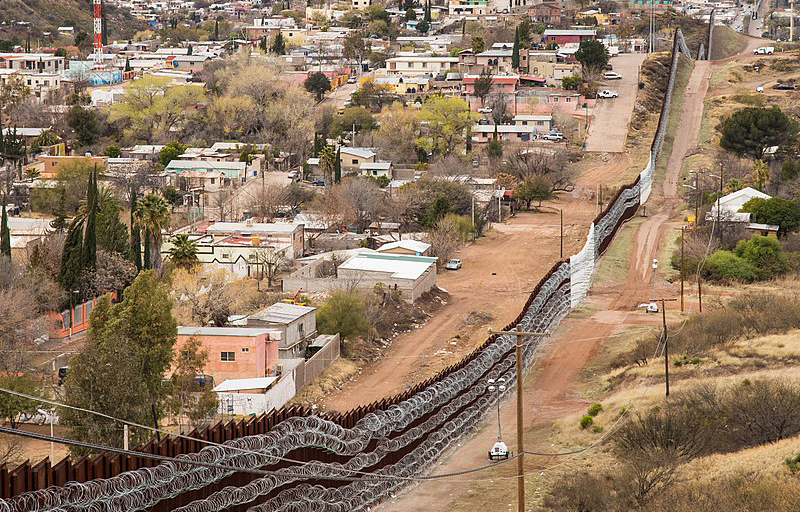
Today Gov. Kay Ivey joined 19 other governors in a call for Joe Biden to take action and reverse their policies regarding the U.S. border. The group wrote a letter to President Biden and Vice-President Kamala Harris describing worsening conditions at the border. In April, Arizona’s governor Doug Ducey declared a state of emergency at the southern border and deployed the Arizona National Guard to support law enforcement agencies in border regions. In May, the Associated Press reported that the State Emergency Council voted to allocate approximately $2.5 million to help pay for the deployment of 250 National Guard personnel to free up law enforcement officers in border towns along the Arizona-Mexico border. Part of the letter states, “This Administration has enticed a rush of migrants to our border and incentivized an influx of illegalcrossings by using irresponsible rhetoric and reversing a slew of policies—from halting border wall construction to eliminating asylum agreements to refusing to enforce immigration laws.” The letter concluded, stating, “At a time when our country is trying to recover from a once-in-a-generation pandemic, the last thing weneed is a self-created crisis that exploits families, undermines public safety, and threatens our national security. We urge you to take action to end the humanitarian crisis and secure our southern border immediately.” Gov. Ivey stated on Twitter, “I’m proud to sign on to this letter with fellow governors urging @POTUS & @VP to take immediate action on the crisis happening at America’s southern border. The crisis is too big to ignore & is now spilling over the border of all of our states.” I’m proud to sign on to this letter with fellow governors urging @POTUS & @VP to take immediate action on the crisis happening at America’s southern border. The crisis is too big to ignore & is now spilling over the border of all of our states. #alpolitics @WhiteHouse pic.twitter.com/lyX6AQsyaE — Governor Kay Ivey (@GovernorKayIvey) May 11, 2021 Other governors who signed the letter are Governors Bill Lee, Tennessee; Doug Ducey, Arizona; Asa Hutchinson, Arkansas; Brian Kemp, Georgia; Brad Little, Idaho; Eric Holcomb, Indiana; Kim Reynolds, Iowa; Tate Reeves, Mississippi; Mike Parson, Missouri; Greg Gianforte, Montana; Pete Ricketts, Nebraska; Chris Sununu, New Hampshire; Doug Burgum, North Dakota; Kevin Stitt, Oklahoma; Henry McMaster, South Carolina; Kristi Noem, South Dakota; Greg Abbott, Texas; Spencer Cox, Utah; and Mark Gordon, Wyoming.
