
Bradley Byrne: Cutting regulations, lowering power bills
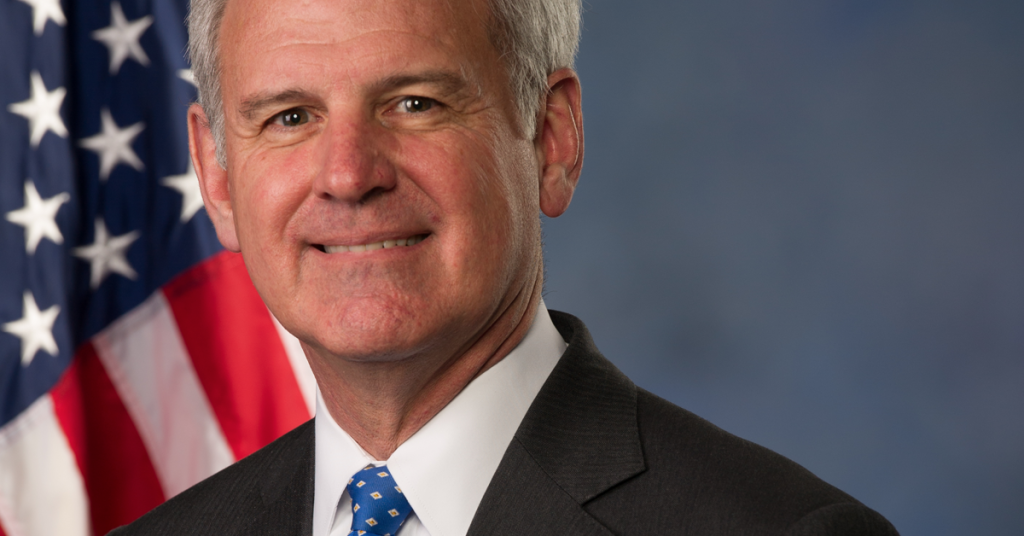
The summer months in southwest Alabama can be especially grueling with temperatures resting in the 90s. If your family is like mine, summer also means higher power bills. Well, those power bills might be getting even more expensive without anything to do with the weather. In the past few years the Environmental Protection Agency (EPA) has released a record number of regulations. They run the gambit from costly regulations on coal power plants to attempts to regulate mud puddles on family farms to policies changing what type of light bulbs Americans can use in their home. The new regulations aren’t cheap, and they will hit the wallets of working Americans. Studies found that the EPA’s attempt to regulate CO2 emissions from existing fossil-fuel power plants would cost more than $366 billion. Even worse, families in more than 40 states, including Alabama, would see their power bills rise by double digits. It doesn’t stop there. The EPA’s attempt to lower the ozone standard would result in the most expensive rule it has ever proposed. If put into effect, the National Association of Manufacturers contends, the regulation could slash family budgets by $830 per year, reduce our gross domestic product by $1.7 trillion, and cost our economy 1.4 million jobs. Being from along the Gulf Coast, we know how important it is have clean air and water, but I don’t think the American people need costly mandates and federal requirements in order to be good stewards of our land. We should always consider the effect such regulations would have on hardworking families and the budgets of small businesses. In Congress, I have made it a priority to focus on solutions that help lower the costs of energy and fight back against the activist EPA. A few weeks ago, the House passed H.R. 2402, the Ratepayer Protection Act. This common-sense legislation would allow states to opt-out of implementing the EPA’s rule on greenhouse gas emissions if they found the rule would have an adverse effect on families in their state. The House is also using the appropriations process to rein in the EPA. Since Republicans took control of the House in 2010, the EPA has been cut by about 15 percent, but I think we can make even more cuts. This year’s funding bill for the EPA, being debated in the House this week, is $1.17 billion less than President Obama requested. The funding bill also includes provisions to prevent the EPA from moving forward with many of its regulations. Analysts say that by halting these new regulations, our legislation will save nearly 300,000 jobs related to the energy sector. Our bill also rejects efforts to place more requirements and red tape on new energy projects. Congress and the legislative branch aren’t the only ones fighting back against the EPA’s overreach. A few weeks ago, the U.S. Supreme Court ruled against the EPA in a major court decision. In the ruling, the court said that the EPA has to consider the economic impact when issuing new regulations. It was a major victory for those of us who think regulations are holding back our economy. If we are to accomplish a true “all-of-the-above” approach to energy production, then we must stop senseless regulations and costly red tape. Affordable energy is a key component to turning our economy around and putting people back to work. That should be the ultimate focus of Congress, and that will remain my focus as I serve as your voice in Washington. Bradley Byrne is a member of the U.S. Congress representing Alabama’s 1st Congressional District.
Alabama Independence Day messages

Today, families across Alabama and the country celebrate the birth of the greatest nation on Earth, the United States of America. 239 years ago our Founding Fathers risked it all and declared their independence in hopes of creating a nation of liberty, freedom, and endless opportunity for all. Here are some Independence Day messages from elected officials in Alabama: U.S. Senator Richard Shelby: U.S. Rep. Bradley Byrne (AL-01): The 4th of July is an opportunity to reflect on what makes our nation great. Only in America can people like Benjamin Franklin, Abraham Lincoln, the Wright brothers, and Steve Jobs come from the humblest of beginnings and go on to become Presidents and famous inventors simply by having the vision and working industriously toward their goal. I love America because we are a nation built on the twin principles of freedom and opportunity, and I wish everyone a safe and happy Independence Day! U.S. Rep. Martha Roby (AL-02): Happy Fourth of July Weekend to you and your family! I hope you’re able to spend time with loved ones and enjoy a long weekend. But, as we celebrate over cookouts, outdoor fun and, of course, fireworks, let’s pause to remember the true meaning of Independence Day and how blessed we are to enjoy the freedoms we have. U.S. Rep. Mike Rogers (AL-03): Wishing everyone a safe and happy Fourth of July as we celebrate the birth of our great nation. U.S. Rep. Robert Aderholt (AL-04) I hope you all have a safe and blessed 4th of July weekend. U.S. Rep. Gary Palmer (AL-06): “Why I love America” I love America because it truly is a land of opportunity. I know that, because I grew up in a low-income household in a small rural town and, despite the fact that we had little money, I became the first person on either side of my family to attend college. There are millions of stories just like mine where, through hard work, discipline, and sheer determination, individuals from all kinds of backgrounds have gone on to make great lives for themselves and, in the process, had a great impact on their families, neighborhoods and even the nation. I also love being an American. Being an American has nothing to do with blood or dirt or race or religion. Being an American is all about what we believe, about embracing ideals … that all men are created equal, that our rights are endowed to us by God and that government exists to protect those rights. These are the ideals of free people, independent people, and it is these ideals that we celebrate on Independence Day and that have made us an exceptional nation which I am proud to serve. U.S. Rep. Terri Sewell (AL-07): AL Attorney General Luther Strange: Some Alabamians have already begun celebrating the 4th, as seen in this photo of the fireworks Friday night in Alexander City. Wherever you are this July 4th – on the beach, the lake, the river or in the park – remember to enjoy it SAFELY! From the Tennessee River to the Gulf Beaches, Happy 4th of July!
Alabama reacts to Supreme Court rejecting EPA regulatory initiative
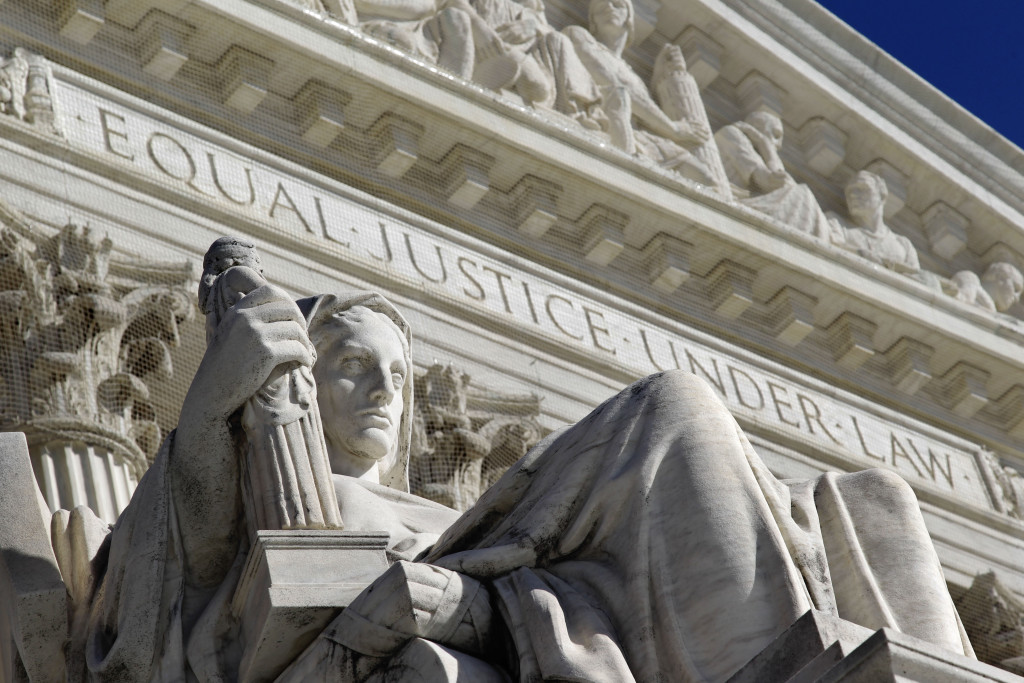
Monday, the U.S. Supreme Court blocked one of the Obama administration’s most aggressive environmental initiatives — an Environmental Protection Agency effort to limit certain power plant emissions — saying the agency “unreasonably” failed to consider the cost of the regulations. Writing for the majority, in the 5-to-4 decision, Justice Antonin Scalia wrote: “It is not rational, never mind ‘appropriate,’ to impose billions of dollars in economic costs in return for a few dollars in health or environmental benefits. Statutory context supports this reading.” The challenge against the EPA was brought by industry groups and 21 Republican-led states, including Alabama. Here are reactions from elected officials and political groups in Alabama: U.S. Sen. Richard Shelby: The Supreme Court’s ruling rightly pointed out that the Obama Administration’s EPA failed to weigh the costs of its regulation on the economy and job creation. The EPA’s blatant disregard of the impact that its policymaking would have on the American people underscores the need to rein in this out-of-control agency. U.S. Rep. Bradley Byrne (AL-01): The Supreme Court ruled today that the EPA “unreasonably” failed to consider the cost of a proposed regulation on power plants. This should be considered a major victory for families and small businesses who would have likely seen their power bills go up. I will continue to look for ways to push back against the activist EPA as they continue to churn out expensive regulations. U.S. Rep. Martha Roby (AL-02): The Supreme Court’s ruling to block the EPA’s aggressive, costly regulation of power plants is a win for our state and consumers. This attempt at ‘backdoor-legislating’ is all too common at federal agencies, and the Court was right to put a stop to it. There hasn’t been a lot out of this Supreme Court to be happy about out lately, but I am glad to see them stop this agency’s radical environmental agenda, and I hope lower courts do the same. U.S. Rep. Mike Rogers (AL-03): I’ve long believed the EPA under President Obama has greatly overstepped its authority, especially with its War on Coal. This ruling is the latest evidence. Congress must continue to work to stop the EPA from pursuing its radical, jobs-threatening agenda. U.S. Rep. Gary Palmer (AL-06): When deciding whether or not to propose new regulations, the first step should always be determining whether the benefits outweigh the costs. The EPA’s decision to move forward without considering the impact on individuals and the economy was ill-advised and I am pleased the Supreme Court recognized that. This Administration has been open about the fact that they want to put the coal industry out of business, regardless of what reasonable standards they may meet. This case is a blow to those efforts. I will continue to work in Congress to rein in the EPA when they overreach on environmental policy. Alabama Attorney General Luther Strange: Alabama and 21 other states joined Michigan in the successful lawsuit challenging the EPA’s interpretation of the Clean Air Act in which the agency ignored its legal obligation to consider costs of new power plant regulations as well as the impact upon health and the environment. The EPA chose to impose costly new regulations on electric utility emissions without considering the financial impact upon both the plant operators and the consumers. In this case, the EPA’s projected cost for a new mercury emission regulation would outweigh the benefit by a factor of 2 to 1. The EPA claims they don’t have to consider cost in power plant regulations under the Clean Air Act. However, the law requires both a study to evaluate health risks and a separate consideration of whether the regulation would be ‘appropriate and necessary.’ Today’s decision deals a major setback to the EPA’s overreach agenda and should send a signal to the agency that it cannot continue to end run the law in pursuit of a radical political agenda. Commissioner of the Alabama Public Service Commission Twinkle Andress Cavanaugh: Today’s ruling on the EPA by the U.S. Supreme Court was too little and too late for the hard-working people of this country. The U.S. Supreme Court simply acknowledged what we already knew. They rightly recognized that the EPA, in its zeal to push through the liberal agenda of President Obama and his radical environmental cronies, completely disregarded the harm it would cause consumers. These mandates have already cost the consumers and small businesses across this state and nation billions in unnecessary expenses. The simple analogy is you can’t put toothpaste back in the tube. Companies have already shut down coal-fired units and spent billions of dollars to comply with EPA regulations. That is why I will continue to fight for affordable and reliable electricity and against the radical environmental agenda.
Alabama reactions to Supreme Court declaring same-sex marriage a right
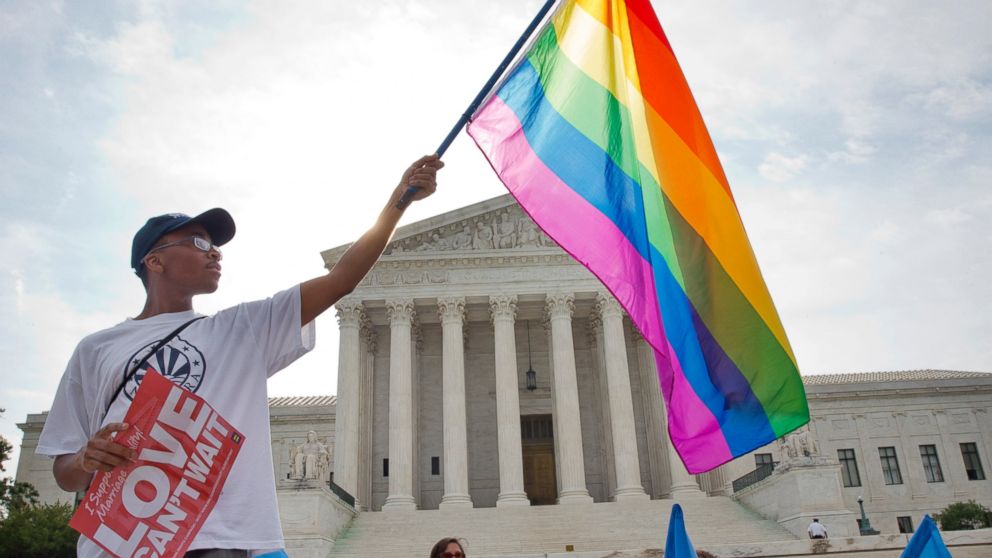
Friday, the U.S. Supreme Court declared in a 5-4 ruling that same-sex couples have a right to marry in the United States. The AP reports, “Gay and lesbian couples already can marry in 36 states and the District of Columbia. The court’s 5-4 ruling means the remaining 14 states, in the South and Midwest, will have to stop enforcing their bans on same-sex marriage.” Read more here. Here are reactions from elected officials and political groups in Alabama. We will be updating this post as they come in: U.S. Rep. Bradley Byrne AL-01: I have always believed that marriage should be defined as the union between one man and one woman. I believe today’s decision threatens what should be exclusive state jurisdiction over matters pertaining to marriage. U.S. Rep. Gary Palmer AL-06: I strongly disagree with the Supreme Court’s decision in this case and believe it represents the height of Judicial activism. Two years ago, in U.S. v Windsor, the Supreme Court struck down the Defense of Marriage Act as unconstitutional because they claimed that it interfered with the right of states to define marriage as each state saw fit. Now that same Court has summarily invalidated the right of every state, such as Alabama, that defines marriage as between one man and one woman. Nonetheless, it is important to remember that in a larger sense, neither the Supreme Court nor any government entity can redefine marriage, because the definition of marriage pre-exists government. No one can change the fundamental nature of what marriage is: the union of a man and woman and the formation of family which is the foundation of every civilization. The Court’s ruling cannot change that. Because of this ruling I have grave concerns about the assault against the religious liberties of the millions of Americans for whom marriage is a religious institution and will always remain one. Congress should act to ensure that the religious liberties of all Americans are protected so that no one is ever be forced or coerced into violating their conscience. U.S. Rep. Terri Sewell AL-07: There are moments in American history when the trajectory of our nation shifts. Today, the Supreme Court’s ruling affirmed the basic principle that our Constitution affords all Americans the same equal protections under the law, while also acknowledging our First Amendment right to maintain our own religious beliefs. Marriage licenses are an instrument of the state, and every person should have the rights afforded to all unions sanctioned by the state. This decision positively upholds the equal dignity of all Americans to enter and have the same rights afforded to every union of marriage. Gov. Robert Bentley (via a statement): I have always believed in the Biblical definition of marriage as being between one man and one woman. That definition has been deeply rooted in our society for thousands of years. Regardless of today’s ruling by the Supreme Court, I still believe in a one man and one woman definition of marriage. The people of Alabama also voted to define marriage as between a man and woman. I always respect the people’s vote, and I am disappointed that the Supreme Court has disregarded the choice made by the people of Alabama in its decision today. AL Attorney General Luther Strange (via @lyman_brian on Twitter): Disappointed in same-sex marriage ruling, but “I acknowledge that the U.S. Supreme Court’s ruling is now the law of the land.” State Rep. Patricia Todd (Via a tweet shortly after decision announced): Court rules love wins Alabama Chief Justice Roy Moore: I think it is just the beginning. I think it’s the beginning just like when the court in 1857 declared that black people were property. It had no right to do that and there was a long turmoil there after. There was actually the civil war and there was a constitutional amendment. Alabama Policy Institute (Via its Facebook page): Foundational to the Alabama Policy Institute’s mission is the adherence to an originalist understanding of the Constitution, zeal for the “numerous and indefinite” powers reserved to the states, and lastly, a biblical view of matters affecting the family. Today’s ruling trounces on a strict interpretation of the Constitution by creating an entirely new right and by inexplicably taking the matter out of the hands of the people of each state. This ruling will have far-reaching consequences, particularly for those who maintain sincere religious beliefs on marriage. We call on our state’s delegation in Congress, the Governor of Alabama, and the Alabama Legislature to take proactive steps to ensure that no Alabamian will be forced to relinquish the freedom to live in accordance with their religious convictions on this matter.
House approves fast-track trade bill with little Alabama support
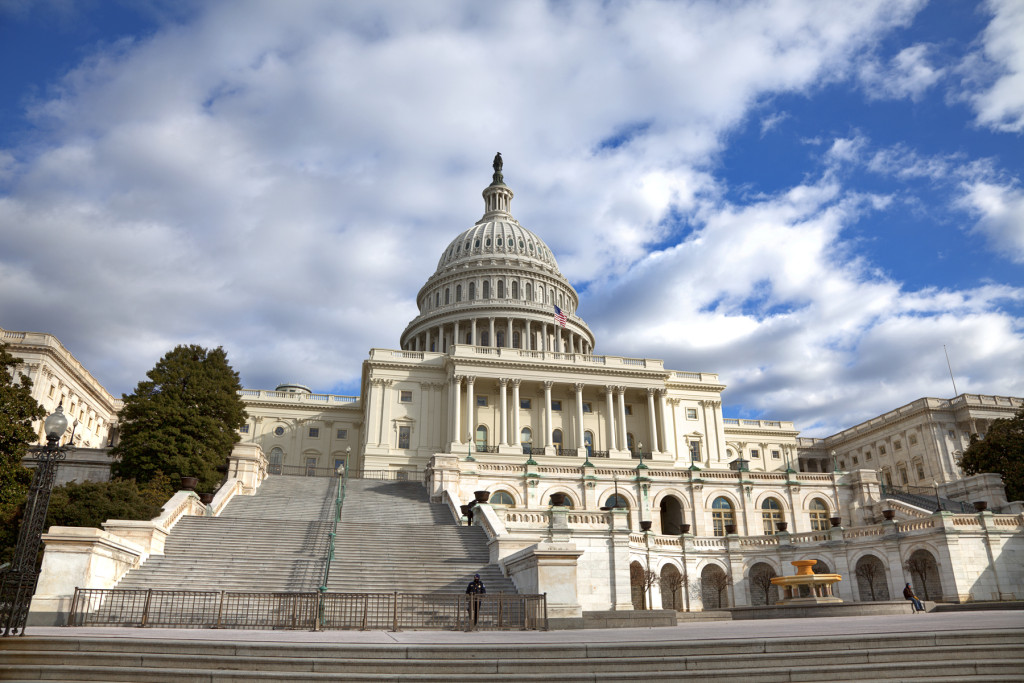
The House took the first of many steps toward reviving President Barack Obama‘s trade agenda Thursday, by narrowly passing controversial fast-track trade authority for the President. The 218-208 vote, with three of Alabama’s seven members voting yes, came less than a week after the trade legislation was quashed by the President’s own party. In last week’s vote, House GOP leadership paired the fast-track bill, Trade Promotion Authority (TPA), with a measure known as Trade Adjustment Assistance (TAA), which gives aid to workers displaced by trade. Both measures needed to be approved in separate votes for the entire package to move forward. Thursday’s vote stripped the fast-track bill of the the worker assistance provisions while still granting the president fast-track authority to negotiate a massive, 12-nation Trans-Pacific Partnership (TPP) trade deal. The bill now moves on to the Senate, where White House and GOP leaders are standing by, hoping to make a deal with pro-trade Democrats. Here’s a quick look at how the members of the Alabama Delegation voted and statements from their office: Representative Bradley Byrne (R – 01): Did not vote Representative Martha Roby (R – 02): Voted for TPA Representative Mike Rogers (R – 03): Voted for TPA Representative Robert Aderholt (R – 04): Voted against TPA Representative Mo Brooks (R – 05): Voted against TPA Representative Gary Palmer (R – 06): Voted against TPA Representative Terri A. Sewell (D – 07): Voted for TPA Roby: “There’s no question that trade supports jobs in Alabama, and it’s our responsibility to make sure trade agreements we enter into benefit American workers and serve our nation’s strategic global interests,” Rep. Roby said. “That’s why this Trade Promotion bill is important. It puts Congress in a much better position to ratify good multi-lateral trade agreements and to stop bad ones.” Sewell: “I continue to believe that President Obama should be given the same trade promotion authority as past Presidents. I trust that President Obama will do right by the American people, and the people of Alabama’s 7th Congressional District. President Obama has our backs, and we should have his. “President Obama has been unwavering in his support for promoting fair trade that protects American jobs and workers. I trust that President Obama will continue to protect the interests of the nation he has been elected to serve, and to uphold the values we hold dear. “I am deeply disappointed that Congress has yet to reauthorize the Trade Adjustment Assistance (TAA). TAA is a vital lifeline for displaced workers that provides the needed resources for training, employment services, and relocation allowances. Globalization and automation — irrespective of trade agreements — have created a need for greater support services for workers who lost their jobs through no fault of their own. It is my hope that my colleagues will reconsider the TAA vote because I strongly believe that TPA and TAA go hand in hand.”
U.S. House of Representatives: June 16-19
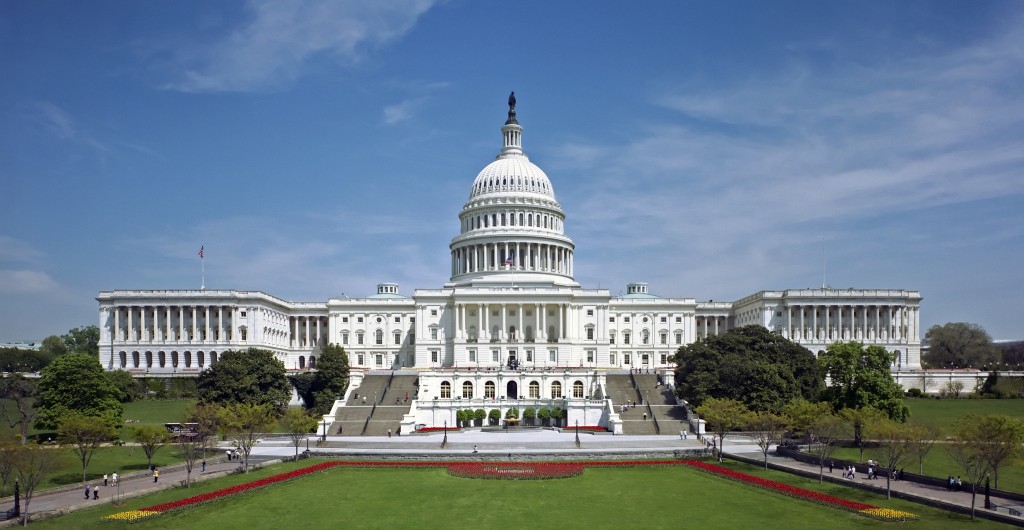
The U.S. House of Representatives returned yesterday to consider several minor bills naming post offices and other federal facilities. However the main legislative work begins today, when the House will take action on the Intelligence Authorization Act, which provides the Intelligence Community authorization needed to protect and defend the United States by supporting critical national security programs such as those protecting Americans against terrorism and cyberattacks. The Remainder of the week, the House will focus on a number of health care-related bills, including pieces of legislation that would repeal two contentious provisions of the Affordable Care Act, all the while Congress and the President wait patiently the Supreme Court’s ruling in King v. Burwell, regarding subsidies for health insurance under the Affordable Care Act. Legislation on the floor for a vote this week includes: H.R. 1190: Protecting Seniors’ Access to Medicare Act of 2015 Alabama co-sponsors: Rep. Bradley Byrne (AL-1), Rep. Martha Roby (AL-2), Rep. Robert Aderholt (AL-4),Rep. Mo Brooks (AL-5) H.R. 160: Protect Medical Innovation Act of 2015 Alabama co-sponsors: Rep. Bradley Byrne (AL-1), Rep. Martha Roby (AL-2), Rep. Mike Rogers (AL-3), Rep. Robert Aderholt (AL-4),Rep. Mo Brooks (AL-5), Rep. Gary Palmer (AL-6), Rep. Terri Sewell (AL-7) H. Res. 233: Expressing the sense of the House of Representatives that Iran should immediately release the three United States citizens that it holds, as well as provide all known information on any United States citizens that have disappeared within its borders Alabama co-sponsors: Rep. Mike Rogers (AL-3), Rep. Mo Brooks (AL-5) H.R. 2596: Intelligence Authorization Act for Fiscal Year 2016 H.R. 2505: Medicare Advantage Coverage Transparency Act of 2015 H.R. 2507: Increasing Regulatory Fairness Act of 2015 H.R. 2582: Seniors’ Health Care Plan Protection Act of 2015 H.R. 2570: Strengthening Medicare Advantage through Innovation and Transparency for Seniors Act of 2015 H. Con. Res. 55: Directing the President, pursuant to section 5(c) of the War Powers Resolution, to remove United States Armed Forces deployed to Iraq or Syria on or after August 7, 2014, other than Armed Forces required to protect United States diplomatic facilities and personnel, from Iraq and Syria
Bradley Byrne: What is Trade Promotion Authority and why does it matter?

The world’s economy is now more interconnected than ever before, with 96% of customers located outside of the United States. If we are going to stay competitive on the world stage and grow our economy, then we must look for new ways to engage in trade. That’s why the United States is currently in negotiations with a number of Pacific Rim and South American countries located on the Pacific regarding a new free trade agreement. Similar talks are ongoing with our allies in Europe. To simplify the process, Congress is using a tool called Trade Promotion Authority, or TPA. This process has been used for decades. TPA is not a trade deal itself, but instead, a way for Congress to set the negotiating guidelines which the President must adhere to in any final agreement. To date, no trade deal has been completed without a TPA procedure in place. I have heard from constituents and groups right here in Alabama and all across the country who believe Congress should pass TPA. Groups like the Mobile Area Chamber of Commerce, the South Baldwin Chamber of Commerce, the Alabama State Port Authority, the Alabama Farmers Federation, the steel industry, and Manufacture Alabama have all asked me to support TPA. Liberal labor unions claim that free trade doesn’t benefit American workers, but that is simply not true. Over 558,384 jobs in Alabama alone are directly supported by trade. Nationwide more than one in five jobs – over 38 million – are related to trade. Specific to Southwest Alabama, the Port of Mobile is among the top United States ports serving manufacturing, mining, and agribusiness exports. I’ve also heard from our nation’s military and foreign policy leaders who believe passing TPA is important for our national security. If the United States doesn’t engage in trade with our allies in the Pacific and Europe, nations like China and Russia will fill the void and expand their influence in the region. We simply cannot allow that to happen. That’s why 17 former Secretaries of Defense and senior military officials, as well as former Secretary of State Condoleezza Rice, have called on Congress to move forward with new free trade agreements, which are a key foreign policy tool. Most importantly, many conservative organizations and leaders like Ted Cruz, Paul Ryan, and Macro Rubio, have urged passage of TPA in order to restrict President Barack Obama’s authority and hold the President accountable. In fact, Senator Cruz wrote that “trade promotion authority will hold the administration accountable both to Congress and to the American people.” Every President already has the Constitutional authority to negotiate trade deals with foreign nations, but TPA would allow Congress to set guidelines, restrictions, and requirements for the negotiations. TPA puts Congress, not President Obama, in the driver’s seat when it comes to trade agreements. TPA also makes some significant transparency requirements that will force the President to keep the American people informed about the negotiations. Under TPA, any potential trade agreement will have to be made publicly available for 60 days before Congress can vote on it. Most importantly, TPA ensures that Congress has the final say in approving any trade agreements. If a deal doesn’t meet the high standard that is required, then Congress would simply reject it. I came to Washington to focus on solutions that grow the economy, advance a strong national defense, and fight back against an out of control executive. Passing TPA fulfills each of those goals, and that’s why it earned my support. If you still have questions about TPA or any other issue related to trade, I invite you to visit my website at Byrne.House.Gov where I have posted some more information about this important legislation. Bradley Byrne is a member of the U.S. Congress representing Alabama’s 1st Congressional District.
Bradley Byrne: Recapping my trip to Cuba
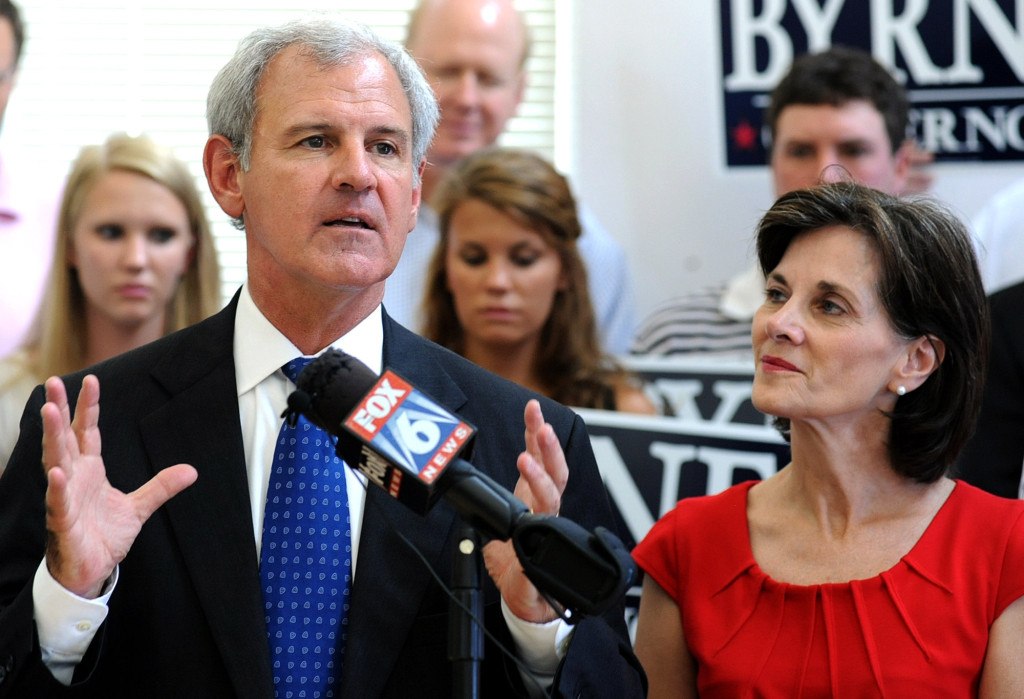
I recently traveled to Cuba as part of a Congressional Delegation to learn more about the Cuban government, visit with the Cuban people, and discuss everything from the economy to education to trade. This visit came at a particularly interesting time as the United States remains in negotiations with Cuba about restoring diplomatic and economic relations. You may remember that late last year President Barack Obama announced that he had decided unilaterally to normalize relations with Cuba for the first time in over 50 years. I was immediately concerned by this announcement because the President had once again decided to act alone without any consultation with Congress. This pattern of executive overreach has been far too common from the Obama administration. I also had serious concerns about normalizing relations with Cuba while the Castro regime was still in power. Despite these reservations, I do want to see the United States and Cuba reach the point where diplomatic relations can be fully restored and the Congressionally imposed trade embargo can be lifted. I also realize that the city of Mobile and all of Southwest Alabama is uniquely suited to potentially benefit from improved relations with Cuba. That’s why I accepted an opportunity to travel to Cuba and see the progress for myself. I was joined on the trip by four other Members of Congress, two of whom represent southern port cities like I do. Upon arrival, we immediately met with the Cuban Foreign Minister and his staff. We had a very serious conversation about the ongoing negotiations, and I expressed my concerns about the need for mutual assurances on security matters and human rights. I also made clear that it isn’t the responsibility or intention of the United States to change the way Cuba runs their country. That is a decision that the Cubans must reach on their own. The next day we traveled out to the Port of Mariel, which is west of Havana. The port is well positioned and has a lot of room for expansion. It is only two years old and still under construction. It has a capacity for 800,000 containers, but they are only handling around 260,000 containers at present. I talked with the Port officials about ways the United States can slowly open up trade opportunities instead of lifting the trade embargo all at once. We talked extensively about transshipments, which would allow goods from the larger Post-Panamax ships soon to be passing through the Panama Canal to be moved onto smaller ships that could then dock at ports along the Gulf Coast, like the Port of Mobile. That is, at least until our port is dredged to the appropriate depth to support these new vessels. During the trip we also had the opportunity to visit with officials from the Catholic Church, small business owners, scholars, medical students, and many ordinary Cubans. Each group faces some pretty significant challenges, but they all expressed optimism. At each stop, it became clear that Cuba is a beautiful country full of remarkable people. I believe there is legitimate potential for strong ties between our two countries. Unfortunately, they have a long way to go to achieve their legitimate desire to participate in the world economy. Cuba must continue to make improvements in their infrastructure, as well as progress in the treatment of its citizens. Cuba must also build trust with the United States by no longer allowing known U.S. adversaries like Russia to operate militarily in Cuban airspace and waters. I know that one day the trade embargo will be repealed, the Cuban people will engage in economic activities with the United States, and Americans will be able to freely travel to Cuba. While that day is not yet here, I look forward to continuing to be a positive, proactive participant in the negotiations. Bradley Byrne is a member of the U.S. Congress representing Alabama’s 1st Congressional District.
Bradley Byrne offers House amendment to rein in federal ATF bureau
U.S. Rep Bradley Byrne offered an amendment on Tuesday to the federal Commerce, Justice, Science and Related Agencies Appropriations Act that would cut funding to the Alcohol, Tobacco, Firearms and Explosives bureau (ATF), which Byrne says has grown out of control in recent years. The budget amendment — which would have cut the bureau’s budget by 20 percent, or about $250 million — was not adopted, but Byrne stood by his proposal and the underlying point it was intended to make. “Let me make one thing clear: I know that the ATF has an important mission to play in keeping our nation safe and regulating everything from firearms to alcohol,” said Byrne in a prepared statement, before outlining his objections to the agency’s well-publicized problems over recent years, including a rogue Mexican gunwalking operation dubbed “Fast and Furious” by critics. “That said, in the last few years we have seen an outrageous growth in operations and regulations coming out of the ATF,” the second-term congressman from Alabama’s 1st District wrote. “How could we forget the Fast and Furious gun trafficking scheme that was allowed to go so far off track that 2,000 guns were allowed to flow to Mexican drug-trafficking groups. Worst of all, a federal law enforcement officer was killed with a gun from the operation. “I am all for safety and responsible gun ownership, and the ATF does have a role to play in that, but this amendment would simply require ATF to return to its core functions and responsibilities. It would cause ATF to look at itself in the mirror, find areas where they can cut back, and refocus on their true priorities. “Ultimately, this amendment is about protecting our Second Amendment rights while also pushing for real reforms to federal spending, and I urge my colleagues to support this amendment.” See Byrne’s full remarks on his amendment below.
Alabama delegation supports U.S. House passed fishing reforms, despite Obama veto threat

Disregarding a veto threat from President Barack Obama, the U.S. House of Representatives reauthorized the four-decade-old Magnuson-Stevens Act, the nation’s primary fishing law, on Monday, which sets the policy for fisheries all across the United States. The legislation, H.R. 1335, the Strengthening Fishing Communities and Increasing Flexibility in Fisheries Management Act, makes a number of improvements to the MSA in order to ensure a proper balance between the biological needs of fish stocks and the economic needs of fishermen and coastal communities, and includes provisions sponsored by Alabama Rep. Bradley Byrne. Specifically, Congressman Byrne’s provisions would repeal the inflexible quotas for the Gulf of Mexico red snapper fishery, extend state water boundaries for each Gulf state to nine nautical miles, and remove data collection and stock assessments from federal control. “Tonight was a big win for red snapper fishermen in the Gulf and fishermen all across the country,” Byrne said in a news release Monday. “These provisions were designed to give the Gulf states control over the science and data collection as it relates to red snapper, and I believe that with better data and more flexibility for fisheries managers, we can get back to having a real red snapper season in the Gulf.” The Alabama delegation joined Byrne in his support of the bill, with the exception of Rep. Robert Aderholt who did not vote, and Rep. Terri Sewell who voted no. Fellow U.S. Rep. Gary Palmer also celebrated the passage of the fishing reforms, saying, “Fishing is important in Alabama, both for commerce and for recreation. This bill will provide for more opportunities for Alabamians to have a stronger voice in the process of deciding how our fisheries are managed by replacing the current one-size-fits-all approach to a state managed approach that requires state and local data in decision-making.” U.S. Rep. Martha Roby reiterated the importance of the bill to Alabama. “Fishing is not only a large recreational attraction in Alabama, it’s also an important facet of our state’s economy. The bill … works to increase transparency, empower local experts who have a greater knowledge of regional needs, give states more of a say in decisions affecting them and support job growth- all with no increase in federal spending. “ The measure now goes to the Senate, and is facing a veto threat from the White House should it pass. In a May 19 statement Obama said the House bill would “undermine the use of science-based actions to end and prevent overfishing” and would “interfere with the tremendous success achieved in rebuilding over-fished fisheries by setting rebuilding targets that are not based on sound, credible science, and that unnecessarily extend the time to rebuild fisheries.” Byrne however, is optimistic. “I started working on this issue as soon as I got to Washington last year, and this vote is a big step forward. I will now get to work with my Gulf Coast colleagues in the Senate, including Senators Shelby and Sessions, to keep this legislation moving.”
AL congressional delegation disagrees with new EPA Clean Water Rule

The U.S. Environmental Protection Agency rolled out a new plan Wednesday to expand the Clean Water Act to include more bodies of water. According to EPA, the 297-page “Waters of the United Sates” (WOTUS) rule ensures that waters protected under the existing Clean Water Act are “more precisely defined, more predictably determined, and easier for businesses and industry to understand,” as two Supreme Court rulings in 2001 and 2006 have left the current scope of the law uncertain. “Today’s rule marks the beginning of a new era in the history of the Clean Water Act,” Assistant Secretary for the Army Jo-Ellen Darcy said. “This rule responds to the public’s demand for greater clarity, consistency, and predictability when making jurisdictional determinations.” However, that’s not the way the Alabama delegation and critics across the country see it, calling it a massive federal government power grab. “For decades, water quality regulation has been primarily the responsibility of state governments, but this rule would significantly shift that responsibility to the federal government,” U.S. Rep. Bradley Byrne told Alabama Today. “This rule would have an especially harmful impact on our farmers and foresters, who could face new compliance requirements and costs.” U.S. Rep. Gary Palmer also expressed his disdain for the rule. “This expansive rule would allow the EPA to place onerous regulations on almost any body of water. While the EPA claimed to listen to the extensive public outcry over this proposal by making cosmetic changes, the rule is still well beyond EPA’s rightful authority,” Palmer said in a statement issued Wednesday evening. U.S. Rep. Mike Rogers joins in the disapproval. According to the congressman’s press secretary, “Congressman Rogers was extremely disappointed the overreaching EPA chose to go forward with the ‘Definition of “Waters of the United States” Under the Clean Water Act,’ despite House passage of H.R. 1732, which Congressman Rogers strongly supported. This rule includes EPA control of puddles and ditches and could hurt family farms and landowners.” H.R. 1732, the Regulatory Integrity Protection Act designed to block the implementation of the new EPA rule, was voted on in the U.S. House of Representatives this month with support of all of Alabama’s representatives excluding Rep. Terri Sewell who did not vote. It passed the House on May 11 by a vote of 261-155. The bill was received in the Senate on May 13, but has yet to be considered. But there’s hope for the legislation, as Alabama’s House members aren’t the only ones concerned with the new EPA Clean Water rule. U.S. Sen. Richard Shelby told Alabama Today that he thinks the EPA is overreaching. “The EPA’s final rule redefining ‘waters of the United States’ is yet another example of the Obama Administration’s overreach. The rule will place thousands of streams, creeks, wetlands, ponds, and ditches throughout the country under the control of Washington bureaucrats instead of private property owners. I have supported legislation in the Senate to prohibit this harmful rule, and I will continue to fight against it as well as other burdensome rules and regulations from the EPA.” U.S. Sen. Jeff Sessions joined seven of his Republican colleagues on the Environment and Public Works (EPW) Committee last April sent a letter to President Barack Obama regarding the then proposed WOTUS rule. “The scope of CWA jurisdiction is one of the most important regulatory issues facing landowners, businesses, and municipalities today,” the senators wrote. “The proposed ‘Waters of the U.S.’ rule will exponentially impede economic recovery and is a significant step in the wrong direction. Mr. President, the decision to move forward would be a clear breach of your promise to cut through red tape.”
Bradley Byrne: The ultimate sacrifice

Aug. 10, 2009, likely started as any other day for Marine Lance Cpl. Bruce “Bubba” Ferrell Jr. The Baldwin County High School graduate was on a foot patrol in the Helmand province of Afghanistan when he stepped on an improvised explosive device, or IED. The explosion took his life. Army Chief Warrant Officer 2 Phillip Johnson attended the University of South Alabama before joining the Marines. He later left the Marines and joined the Army. In January of 2004, Johnson lost his life during a Black Hawk crash in Iraq. Friends and family of Marine Cpl. Joseph “Joe” Whitehead from Axis in Mobile County called him “tough as nails.” He was tragically killed in 2011 by a roadside bomb while serving the United States in Afghanistan. Marine Cpl. Christopher Winchester was a native of Flomaton in Escambia County. Before he left, he asked his pastor and congregation in East Brewton to pray for his safety. Tragically, he died in a roadside bomb explosion near Tikrit, Iraq. Those are just a few stories of American heroes from Southwest Alabama who lost their life while serving in the United States military over the last decade. Unfortunately, there are far too many stories of South Alabamians who have made the ultimate sacrifice in conflicts ranging from World War I to Vietnam to the War on Terror. As we celebrate Memorial Day this weekend, I hope you take the time to remember these heroes and all of those who lost their life while defending our country. I hope you reflect on what the holiday is all about. Memorial Day isn’t about trips to the beach or family barbecues. Memorial Day isn’t about time off work or family vacations. Memorial Day is about the men and women, throughout U.S. history, who have given their lives so that we may continue to enjoy the freedoms we hold dear. Memorial Day began in the years after the Civil War, and it was originally known as Decoration Day. It wasn’t until 1968, when Congress passed the Uniform Monday Holiday Act, that the last Monday in May officially became Memorial Day. On this day, communities all across the country hold ceremonies to honor our fallen heroes. As elected officials, we can never do enough for our service members and their families. We can pass important legislation to honor our veterans or we can work to ensure today’s military has the resources it needs, but nothing we do will ever be enough to adequately honor those who have given so much in defense of our great nation. As humans, it seems like we are programmed to avoid any situation that would put us in danger. That’s why there is something truly remarkable about the men and women of our military who choose to run toward danger. These American heroes aren’t afraid of a challenge; when faced with adversity, they simply push themselves harder and reach even higher. From time to time, I travel out to Arlington National Cemetery and visit the graves of Alabamians who are buried on the hallowed grounds. There is nothing more powerful than paying a visit to the 624-acre cemetery, the site of more than 400,000 graves. The small white tombstones stretch on for miles and serve as a small reminder of the sacrifice our service men and women make to defend our nation. So to Cpl. Winchester, Cpl. Whitehead, Chief Warrant Officer Johnson, and Lance Cpl. Ferrell: I say thank you. Thank you for putting your nation and our freedoms above yourself. Thank you for the sacrifice you made so that others may live. Thank you to all of those who have served, are serving, or intend to serve in the United States military. Our nation is forever grateful. Bradley Byrne is a member of the U.S. Congress representing Alabama’s 1st Congressional District.
