
Senate committee hears arguments over decriminalization of cannabis oil
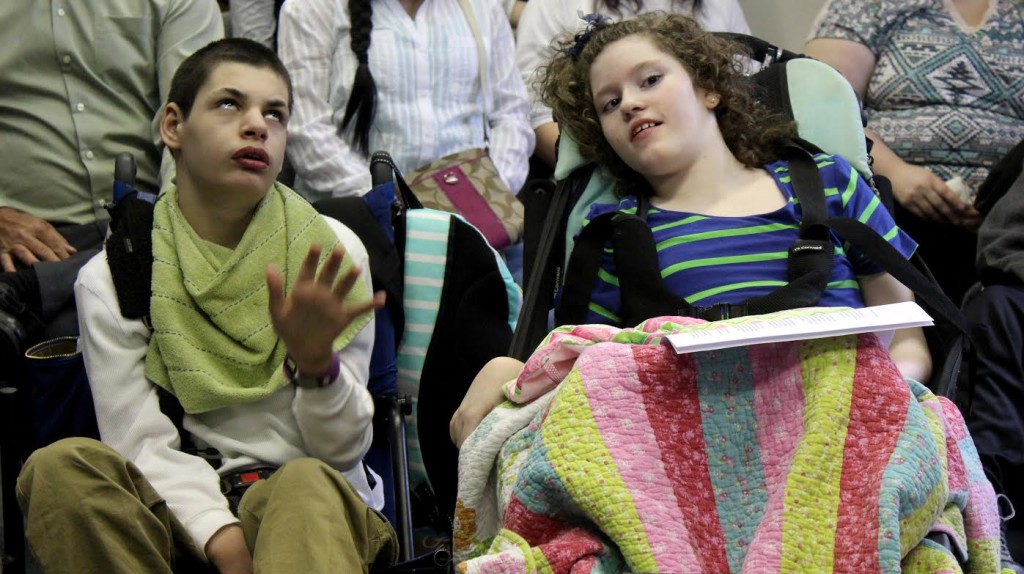
The Senate Judiciary Committee met Wednesday in a room filled to the brim with desperate families and ailing children. The contingent was on hand to hear the committee discuss SB115 from Sen. Paul Sanford (R-Huntsville), which would decriminalize possession of the seizure-reducing drug cannabidiol (CBD). The bill is the Senate version of HB61 from Rep. Mike Ball. Ball brought forth the legislation, also known as “Leni’s Law,” after the previously passed “Carly’s Law” left many needy children out of the CBD studies. Ball’s legislation is named for Leni Young, a 4-year-old Alabama girl whose family was forced to move to Oregon to gain access to the medicine after she was excluded from the CBD study. According to Amy Young, Leni’s mother, access to the marijuana-derived medication has allowed Leni to improve by leaps and bounds. The little girl is now verbal and able to sit on her own, two things she was not able to do before moving across the country. Ten minutes after the meeting was set to begin, the contingent was told to move to the seventh floor. Sanford introduced the legislation, referencing Leni and the failures of “Carly’s Law” to include more families. “Basically, an Alabama family has turned into refugees,” Sanford said. “I believe government is basically standing in the way right now.” Sanford said the new law would provided families with an “affirmative defense” against prosecution for possession of the medicinal oil. “These parents are not criminals,” Sanford said. “They’re trying to help their children.” Despite a public hearing being scheduled and there being no plans for a vote on the bill, Sen. Bobby Singleton (D-Greensboro) immediately called for a vote on the legislation. “We’re talking about the lives of children,” Singleton said, noting his disdain for opponents of the measure. “I think we need to go and vote on this bill and get it out of committee and give these children what they need.” Committee chairman Sen. Cam Ward (R-Alabaster) noted Singleton’s suggestion, but added that each side has a right to plead its case. One of the opponents was Dr. Roxanne Travelute, president of the Jefferson County Medical Society. Travelute contended that the bill’s allowance of CBD oil containing as much as 3-percent THC, the psychoactive chemical in marijuana, would cause addiction and neurological disorders, as well as widespread use for illnesses the drug was not designed to treat. Another opponent was Dr. Shannon Murphy, speaking on behalf of the American Academy of Pediatrics (AAP), who opposed the bill on the basis that CBD oil attained by parents may not be safe for patients. “We all sympathize greatly with these families,” Murphy said. “But as physicians, our Hippocratic Oath requires that we first do no harm.” Dr. Gina Dawson spoke in favor of the bill, saying that many of the claims made by opponents are patently false. Dawson noted that the AAP opposes legalization but has said exceptions should be made for “compassionate use.” She cited drugabuse.gov, which says that abuse of CBD oil is almost nonexistent, and remarked that the Epilepsy Foundation has called for legislation providing access to CBD oil to be passed. Dawson also noted that CBD oil is expensive and has no street value. Parents would willingly be on the hook for the cost of the medicine, but drug dealers would not be interested in a high-cost, low-potency drug for sale on the black market. Another proponent, Joe Church, noted that the ingredients in Tylenol or Ibuprofen are more dangerous than CBD oil, as are the mind-numbing drugs these children must take every day. He also alleged that much of the opposition to Leni’s Law comes from GW Pharmaceuticals, which has $1.1 billion invested in its stranglehold over the manufacturing of the oil. The committee is scheduled to take the legislation up again after spring break.
UAB provides first results of ‘Carly’s Law’ study
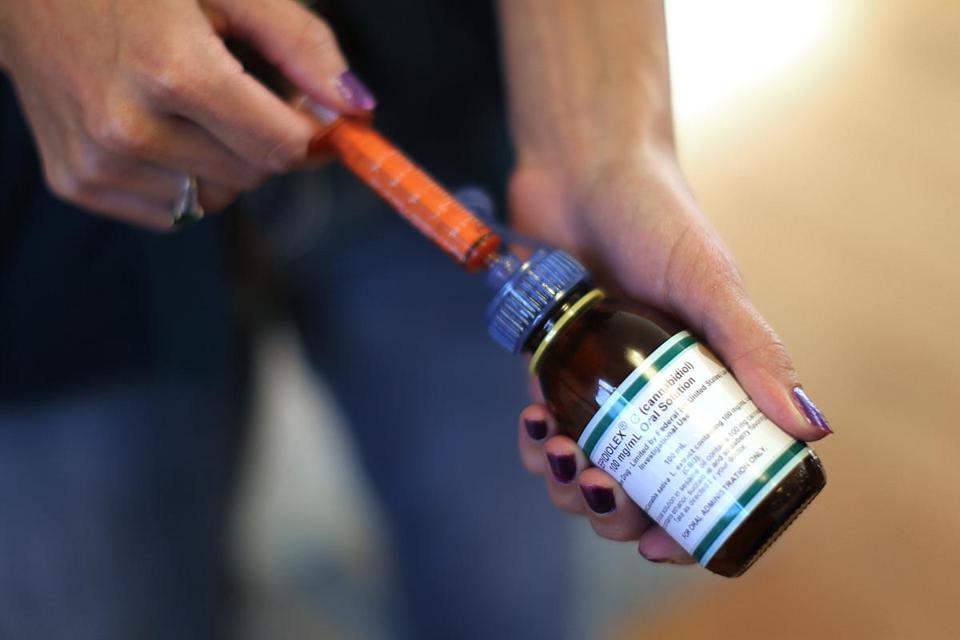
The University of Alabama at Birmingham released results from its Cannabidiol Program study, which was created to test the efficacy and tolerability of CBD oil, a marijuana-derived medicine with only trace amounts of the high-inducing chemical THC meant to assist in the quelling of seizures. According to the results, half of the 51 patients saw sustained improvement of seizure control – specifically a 32 to 45 percent decline in seizures depending on the dose. Two patients were seizure-free at the end of the study and nine others were forced to drop out due to side effects or ineffectiveness. Currently, 49 children and 30 adults are enrolled in the studies. “The studies are ongoing, and we have a lot more to learn; but these preliminary findings are encouraging,” Jerzy Szaflarski, M.D., Ph.D., professor in the Department of Neurology and principal investigator of the adult study said in a press release. “Among our goals was to determine the safety of CBD oil therapy, and it appears that, in many cases, patients tolerate the oil quite well. The evidence of seizure reduction gives us hope that, the more we learn about CBD oil, the better we will be able to tailor this therapy to provide relief for those with severe epilepsy.” The study began in April of 2015 after the legislature unanimously passed “Carly’s Law” the year before. While the legislation approved the study of the CBD oil on patients with intractable seizures, it has drawn the ire of many CBD supporters who complain that the studies aren’t inclusive enough. “Leni’s Law,” sponsored by Rep. Mike Ball (R-Madison), seeks to decriminalize the oil at the center of the UAB studies in order to make it more readily available to desperate citizens throughout the state. The law’s namesake, Leni Young, and her family fled Alabama to seek relief in Oregon. Despite having been on the front lines of the push to pass “Carly’s Law,” Leni was left out of the initial study. While the medication that Leni receives is slightly different from CBD oil, or more specifically the epidiolex being given to patients in the “Carly’s Law” studies, she has improved by leaps and bounds since moving to Oregon. UAB’s results will be described at the annual American Academy of Neurology meeting in Vancouver, Canada, which takes place April 15 through 21.
Two Alabama mothers seek assistance for ailing children
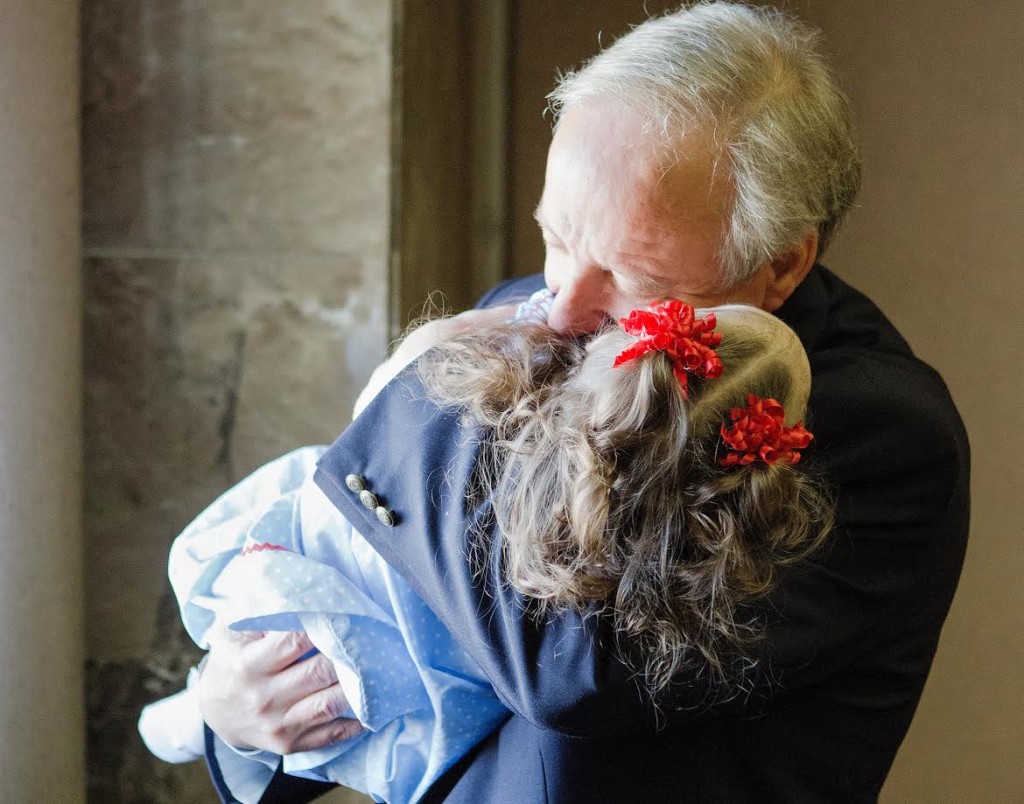
Kari Forsyth and Jody Mitchell, two mothers from Athens and Decatur respectively, travelled to Montgomery Tuesday to meet with Alabama lawmakers to discuss “Leni’s Law,” a bill from Rep. Mike Ball (R-Madison) that would decriminalize the possession of CBD oil and give caretakers the ability to discuss the use thereof with physicians. CBD oil came into the Alabama lexicon with the passage of “Carly’s Law” last year, a piece of legislation which provided the University of Alabama at Birmingham the ability to conduct clinical trials of the cannabis-based medicine. But “Carly’s Law” left out many desperate children in Alabama, including Forsyth’s daughter Chesney, who was deemed too sick to participate. Mitchell’s son, Robert, was forced to leave the trials because the oil was interacting poorly with his other medications. According to Forsyth and Mitchell, no Senators were available to meet with them and every Representative they met with mentioned UAB – the university at the center of the “Carly’s Law” trials but mentioned nowhere in Ball’s legislation. “Somewhere, everybody knows that UAB wants in it,” Forsyth said of the new bill. “All I’ve gotten today is that they’re trying to get UAB in it.” The prospect of involving UAB in Ball’s legislation concerns both mothers because the namesake of “Leni’s Law” was denied entrance into the CBD studies and forced to move to Oregon. “Anything that this bill does wrong, we’re out of here,” Forsyth said, who has already acquired a medical marijuana card in Oregon. “We can’t wait for them anymore,” Mitchell said. “We need help now, like yesterday.” According to the duo, Iowa has obtained a copy of “Leni’s Law,” edited it and plans to bring it before the legislature next week. For his part, Ball says his legislation, which is currently pending in the House Judiciary Committee, should come up for a hearing next week. Currently, the two desperate mothers have more questions than answers, more concerns than assurances. The study at UAB, contrary to popular belief, was not established to test CBD’s efficacy but to test the effect of high doses on patients, Leni is currently receiving 45mg a day in Oregon, while Jody’s son was receiving 800mg a day before being pulled from the trials. The mothers were also curious as to how the $1 million pulled from the Education Trust Fund last year to fund the study was used, as GW Pharmaceuticals, who produced the Epidiolex used in the studies, generally funds its own clinical trials. Forsyth noted that she is in close contact with 25 to 30 parents of suffering children who have already given their children CBD oil illegally. She hasn’t, afraid that doing so would turn her into a criminal. “Leni’s Law,” in its original incarnation, would eliminate such fears. Only time will tell if that will be the case or if Alabama will lose more families opting to migrate to heal their children.
Mike Ball to introduce new bill aimed at decriminalizing marijuana medicinal oil
A new bill aimed at decriminalizing the possession of CBD oil will likely come up for discussion during the upcoming legislative session, according to the bill’s sponsor, GOP state Rep. Mike Ball of Huntsville). A previous bill, “Carly’s Law,” gave the University of Alabama – Birmingham the opportunity to research the use of CBD oil, a medicinal oil derived from marijuana but containing little of the “high-inducing” chemical THC, and eventually led to chemical trials for children and adults suffering from myriad ailments. However, after the U.S. Food and Drug Administration narrowed the margins for who could have access to the medicine, many of the state’s most needy were denied access to the program. Specifically Leni Young and her family, who fled to Oregon last year where access to the oil is more readily available. “They’re refugees,” Ball said. Leni’s parents fought tirelessly for “Carly’s Law,” only to see their daughter, who suffers from intractable complex epilepsy and a rare form of cerebral palsy, left out of the trials and following dispersion of medication. Since moving to Oregon and using “high CBD cannabis oil” regularly, Leni has gone from hundreds of seizures a day to one every four to six weeks and has had her cocktail of medication reduced by 20 percent with no adverse side effects. Further, Leni is using her hands for the first time, engaging with her family more thoroughly and able to sit on her own with minimal assistance. Thus, Ball will introduce “Leni’s Law” during the upcoming session. “This is a spiritual issue, not a political issue” Ball said. “It’s time to take this step.” To ensure that his bill is on legal footing, Ball had the bill drafted by the Alabama Law Institute and is planning to have it examined by district attorneys. Ball noted that the issue is complex – federal law has created a climate where doctors are afraid to prescribe the drug and desperate families are afraid to be in possession of it. For that reason, Ball believes a resolution should be drafted to petition the federal government to change its stance on marijuana policy, specifically as it pertains to the use and dispersion of CBD oil, and the Alabama legislature should eradicate fears of prosecution for potential patients. “These people are not criminals,” Ball said. “It’s just common sense. Leni is the catalyst for me, but there are lots of other families who need this medication and we have got to do something to help them.”
