
EXPLAINER: How does moratorium affect high-vacancy Alabama?
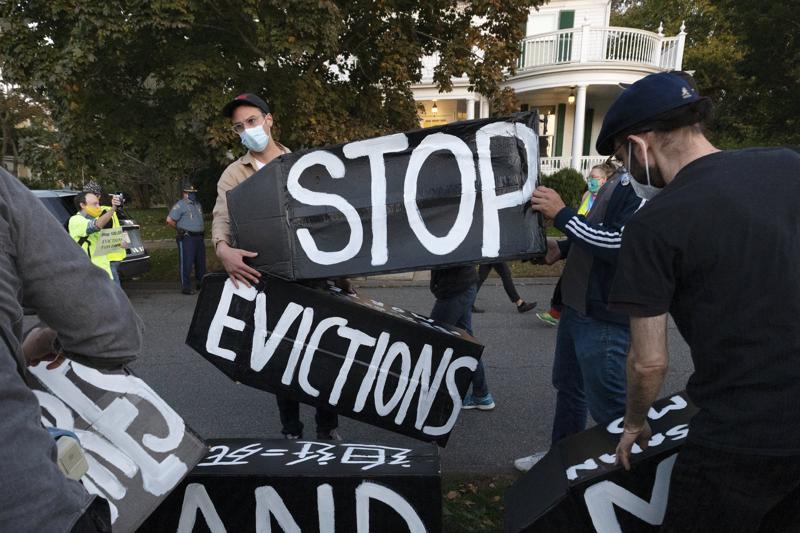
A federal freeze on most evictions enacted last year is scheduled to expire July 31, after the Biden administration extended the date by a month. The moratorium, put in place by the Centers for Disease Control and Prevention in September, was the only tool keeping millions of tenants in their homes. Many of them lost jobs during the coronavirus pandemic and had fallen months behind on their rent. Landlords successfully challenged the order in court, arguing they also had bills to pay. They pointed out that tenants could access more than $45 billion in federal money set aside to help pay rents and related expenses. Advocates for tenants say the distribution of the money has been slow and that more time is needed to distribute it and repay landlords. Without an extension, they feared a spike in evictions and lawsuits seeking to boot out tenants who are behind on their rents. As of June 7, roughly 3.2 million people in the U.S. said they would face eviction within the next two months, according to the U.S. Census Bureau’s Household Pulse Survey. The survey measures the social and economic effects of the coronavirus pandemic every two weeks through online responses from a representative sample of U.S. households. Here’s the situation in Alabama: WHAT’S THE STATUS OF EVICTION MORATORIUMS IN THE STATE? Alabama is one of several states that enacted a moratorium last year halting eviction proceedings. However, the measure expired June 1, 2020, leaving only the CDC moratorium. WHAT’S BEING DONE TO HELP PEOPLE FACING EVICTION? Alabama has set aside more than $263 million from the Consolidated Appropriations Act of 2021 to help tenants with outstanding rent, utility payments, and other expenses. The Alabama Housing Finance Authority received $237 million to administer the statewide program for Emergency Rental Assistance Alabama. The money can go toward 15 months of rent and utilities. Renters who make no more than 80% of the area median income and have experienced economic hardship because of the pandemic qualify. The housing authority said 323 people had received some form of rent and/or utility assistance from ERA Alabama, and another 4,600 applications are pending review. However, that number excludes local jurisdictions that received separate grants in 2020 and 2021. Both renters and landlords can apply for assistance. HOW ARE THE COURTS HANDLING EVICTION HEARINGS? Alabama judges have been holding eviction proceedings, and it is up to renters to claim protection under the CDC moratorium, said Laurie McFalls, an attorney with Legal Services Alabama. Judges are handling the cases differently, she said. Some judges have ordered tenants out but stayed the eviction until the end of the CDC moratorium. In other cases, the judge has stayed the eviction trial until the moratorium lifts. McFalls said her office has seen a dramatic jump in people seeking legal assistance in eviction cases. HOW AFFORDABLE IS HOUSING IN THE STATE’S MAJOR RENTAL MARKETS? Alabama has long had one of the country’s more open rental housing markets. Vacancy rates were about 16% before the pandemic, far above the 7% national average. But numbers suggest rents are increasing. As of May, the median monthly rent in the Birmingham-Hoover metropolitan area had risen 9.4% over the past year, to $1,039, according to a report released June 16 by Realtor.com. Median rents for a two-bedroom apartment had risen 11.1% over the past year, to $1,083. Contributing to the increase are pandemic-related delays in the construction of more multi-family homes. ARE EVICTIONS EXPECTED TO CREATE A SURGE IN HOMELESSNESS? It’s hard to say how much homelessness will increase in Alabama. Both McFalls and Carol Gundlach of the Arise Citizens Policy Project say they believe there will be a surge in homelessness. One indication of the scope of the problem is census data showing 57,049 state residents concerned that they could be evicted over the next two months. One issue is that people may have trouble finding another rental once they have an eviction proceeding on their record, McFalls said. Gundlach urged people to apply for available rental assistance. Republished with the permission of the Associated Press.
Alabama groups ask governor to use up $1B in COVID-19 relief
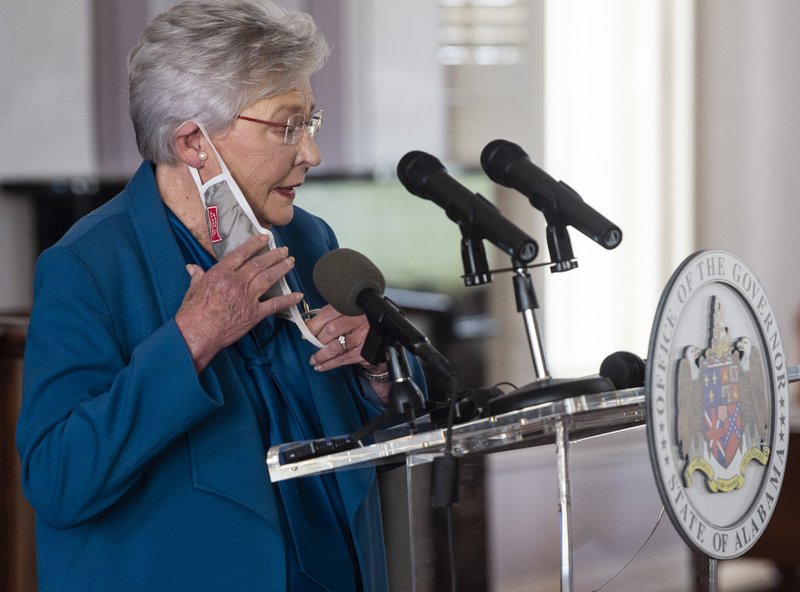
Alabama has about six weeks to spend almost $1 billion in remaining coronavirus relief funds or the money will revert to Washington, D.C., prompting concerns from advocacy groups that the state will leave money on the table that could be used to help hurting Alabamians. States have until Dec. 30 to spend their share of CARES Act dollars or the money must be returned. Alabama has so far spent about $850 million of its $1.7 billion allocation, according to a dashboard maintained by the state Department of Finance. “We’re in the same situation as all the other states,” said Rep. Steve Clouse, who heads the House General Fund budget committee. Clouse said he is concerned the state might have as much as $400 million unspent by the end of the year and added the state may not have a choice but to send the money back unless Congress extends the deadline. More than 80 organizations, including advocacy groups for low-income families and people with disabilities, sent Republican Gov. Kay Ivey a letter suggesting ways to use the money. The groups noted Alabama was one of the poorest states in the country, with 800,000 residents living in poverty “before this pandemic devastated the economy.” “These CARES Act funds provide our best hope to ensure the economic downturn does not force these families into long-term, catastrophic conditions that will impact generations to come,” said the letter signed by Alabama Arise, Alabama Appleseed, and other organizations. The groups suggested Alabama could follow the lead of states that have set up programs to help people with rent, mortgage, or utility bill assistance if their income has been impacted by COVID-19. Other possibilities they suggested were relief to keep child care centers operational and help for food banks and food assistance programs. “If Alabama had no needs made worse by the pandemic and the resulting recession, then we would say, ‘Yeah, return the money to the feds.’ But Alabama has very real, immediate needs. We still have people unemployed. We have some of the lowest unemployment benefits in the nation,” said Carol Gundlach, a policy analyst with Alabama Arise. Clouse said one possibility under discussion is to further shore up the state’s unemployment compensation fund that has taken a hit during the periods of massive unemployment. The Alabama Department of Finance said the funds have to be used for COVID-19 response expenses incurred between March 1 and Dec. 30. Gina Maiola, a spokeswoman for Ivey, said as the spending deadline approaches, the administration is urging everyone who has been allocated funds to submit their reimbursements or applications. She said they are also evaluating the “need to shift funds again to potentially address areas that will impact our economy, specifically small businesses.” “Gov. Ivey remains focused on getting this money in the hands of those who need it. … As Gov. Ivey has pointed out, $1.7 billion is a hefty chunk of money to spend in six months, but she and the team at Finance will continue working to get this spent and into the hands of Alabamians,” Maiola said. Republished with the permission of the Associated Press.
Carol Gundlach: 260,000+ Alabamians should claim federal stimulus payments by Oct. 15
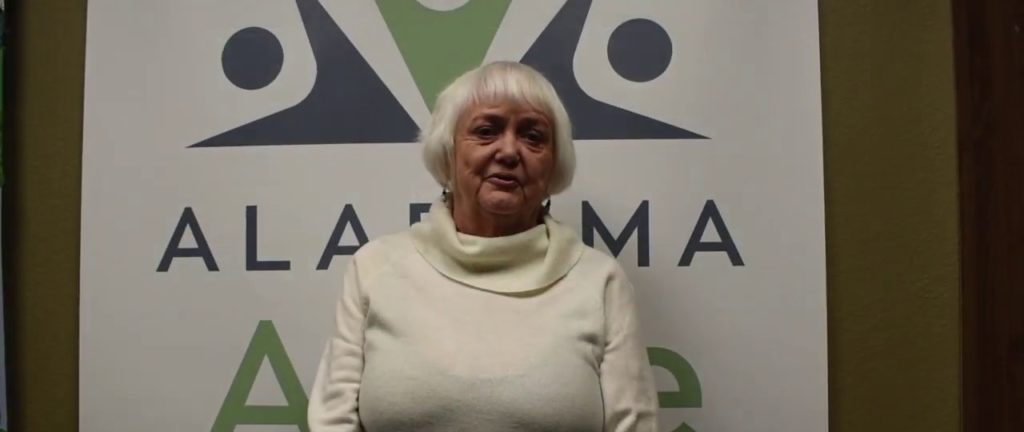
Carol Gundlach of Alabama Arise outlines the economic impact of Coronavirus stimulus payments and exactly why Alabamians should make sure they claim their payment as soon as possible.
Carol Gundlach: Protect SNAP to help thousands of Alabama veterans make ends meet
Alabamians, like all Americans, take time on Veterans Day each year to honor those who have served our country and sacrificed to keep all of us free. But we should treat this holiday as more than a chance to say “thank you.” It also should be an occasion to reflect on our national obligation to provide veterans with the services and support they need to return to civilian life with dignity and security. The unfortunate reality is that many people who served in our military struggle with hunger after they return home. About 26,000 Alabama veterans, or 8 percent of all veterans in the state, use the Supplemental Nutrition Assistance Program (SNAP) to help feed themselves and their families, according to a new study released Thursday by the Center on Budget and Policy Priorities, a nonprofit research organization based in Washington, D.C. Nationally, nearly 1.4 million veterans, representing 7 percent of all American veterans, receive assistance through SNAP, also known as food stamps. SNAP is an essential tool to help these veterans feed their families, just as it fights hunger for tens of millions of other Americans. But a U.S. House proposal threatens to take this vital food assistance away from as many as 2 million people, including tens of thousands in Alabama. The U.S. House and Senate have passed conflicting versions of the Farm Bill, the legislation that authorizes SNAP. The House version, for which six of Alabama’s seven House members voted, would impose harmful new SNAP “work requirements” that would take food away from many hungry families while doing little or nothing to help them find or keep work. Fortunately, the bipartisan Senate bill – with support from Sens. Doug Jones and Richard Shelby – offers a better path. Unlike the House approach of creating punitive new barriers to SNAP, the Senate plan would strengthen core SNAP assistance. The Senate proposal also would make needed investments in employment and training services for seniors, homeless people, people with disabilities and other SNAP participants who face additional barriers to work. Now the House and Senate must reconcile the differences between the two Farm Bills. Congress faces a choice between helping and hurting hungry people, including the veterans who could be devastated by the House version. Veterans face many barriers as they re-enter the civilian labor force. Trying to find a civilian job while still in the military can be difficult, and veterans who come home with disabilities may face additional barriers to employment. SNAP is an especially critical lifeline for families including veterans with disabilities, which are more likely to struggle to put food on the table. Young male veterans have higher rates of unemployment than do similarly situated civilian workers. While the U.S. Department of Veterans Affairs (VA) has programs to help these veterans gain skills and find stable employment, the VA programs are not necessarily aligned with the rigid one-size-fits-all work requirements proposed in the House Farm Bill. Should the House plan become law, many veterans would have to choose between getting the job help offered by the VA and keeping SNAP food assistance. This Veterans Day, we should thank Alabama veterans for their service by supporting SNAP, a program that helps thousands of them put food on the table. We also should urge our members of Congress to pass a final Farm Bill with the Senate’s SNAP provisions. By protecting and strengthening SNAP, Congress can take an important step toward ensuring that no veteran goes hungry after serving our country. ••• Carol Gundlach is a policy analyst for Alabama Arise, a nonprofit, nonpartisan coalition of congregations, organizations and individuals promoting public policies to improve the lives of low-income Alabamians. Email: carol@alarise.org.
