
Mitch McConnell and other Republican Senators denounce White nationalism after Tommy Tuberville’s refusal to denounce White nationalists as racists
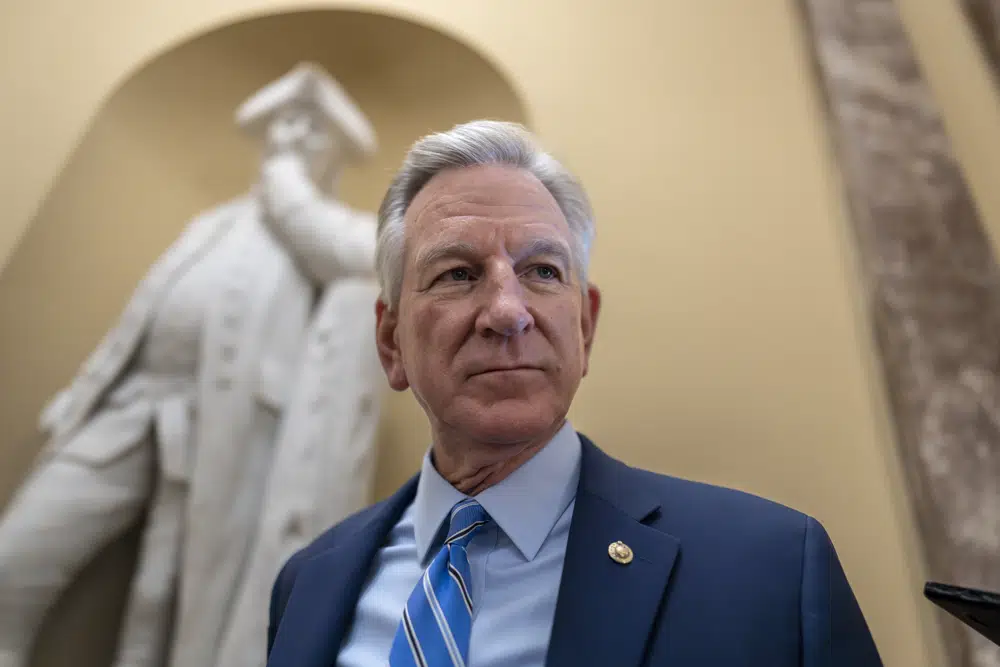
U.S. Senator Tommy Tuberville (R-Alabama) is being widely criticized for his comments on White nationalists in a recent CNN interview. On Tuesday, U.S. Sen. Mitch McConnell (R-Kentucky) responded, saying there is no place for White nationalists in the military or the country. “White supremacy is simply unacceptable in the military and in our whole country,” McConnell told reporters. The number two Republican in the Senate, Minority Whip John Thune (South Dakota), said there’s no room for white nationalists in the GOP or the military. “I just think there isn’t any place for it,’ Thune said. “We are a country obviously that has built around a set of principles that’s welcoming.” “Ethnic nationalism is un-American, and I think it would be problematic in the military,” said Sen. Marco Rubio (R-Florida). “My definition of a White nationalist is someone that believes that America belongs to white people. That’s not American, that’s un-American, and that would be a problem in the military,” “White supremacy and racism have absolutely no place in our country. Period. The end,” Sen. Katie Britt (R-Alabama) told reporters. This controversy began during an NPR interview in Alabama when Tuberville was asked if White nationalists should be able to serve in the military. “Well, they call them that. I call them Americans,” Tuberville answered. Tuberville followed those comments with an interview Monday on CNN. CNN host Kaitlan Collins said a White nationalist is “someone who believes that the white race is superior to other races.” “Well, that’s some people’s opinion,” Tuberville responded. “My opinion of a White nationalist, if someone wants to call them a White nationalist, to me, is an American. It’s an American. Now, if that White nationalist is a racist, I’m totally against anything that they want to do because I am 110 percent against racism.” Tuberville said White nationalism is “just a cover word for the Democrats now where they can use it to try to make people mad across the country.” Senate Majority Leader Chuck Schumer (D-New York) chastised Tuberville for his opinion, “The senator from Alabama is wrong, wrong, wrong. The definition of White nationalism is not a matter of opinion. “For the Senator from Alabama to obscure the racist nature of white nationalism is indeed very, very dangerous,” Schumer said. “He is fanning the flames of bigotry and intolerance.” “I don’t think Senator Tuberville is in any way racist,” said Sen. Mitt Romney (R-Utah) when asked about Tuberville. “I am totally against anything racist,” Tuberville emphasized. “My opinion of a White nationalist, if you want to call them that, is an American.” Tuberville chastised Democrats for dividing this country and making it weaker. This is not the first gaffe that Tuberville has made on the national stage. Tuberville was criticized in October when he seemed to be saying those Americans who want reparations for slavery are responsible for committing crimes. “They’re not soft on crime. They’re pro-crime. They want crime,” Tuberville said of Democrats. “They want crime because they want to take over what you got. They want to control what you have. They want reparations because they think the people that do the crime are owed that. Bulls**t. They are not owed that.” Tuberville was in Nevada campaigning for GOP Senate candidate Adam Laxalt. Laxalt lost to incumbent Sen. Catherine Cortez-Masto 48.9 to 48.0% a month later. Tuberville has also been widely criticized for his hold on military promotions over the Pentagon’s controversial abortion policy. Tuberville has refused to vote yes on unanimous consent to the promotions over his opposition to the Biden administration’s efforts to thwart pro-life state laws for military members and their families. Despite the criticism from Washington, the Hill reports that Tuberville remains overwhelmingly popular in Alabama, with a commanding majority of Alabamians holding favorable views of the senior Senator from Alabama. To connect with the author of this story or to comment, email brandonmreporter@gmail.com.
Katie Britt and Senate colleagues introduce a bipartisan bill to cut compensations from failed bank executives
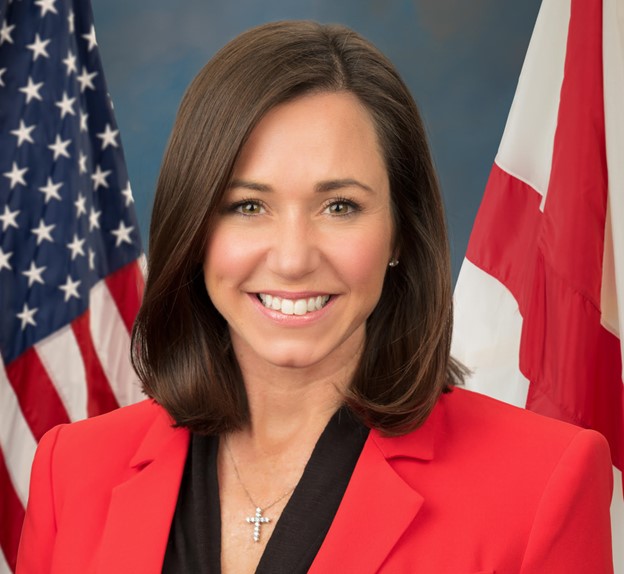
U.S. Senator Katie Britt on Friday joined Senator J.D. Vance (R-Ohio), Senator Elizabeth Warren (D-Massachusetts), and a bipartisan group of colleagues in introducing the Failed Bank Executives Clawback Act. This legislation would enable federal regulators to claw back compensation from bank executives who are responsible for the reckless decisions that resulted in their institution’s failures. “When executives drive financial institutions into failure with reckless business practices, they shouldn’t be allowed to use their golden parachutes to escape responsibility while their customers, their employees, and hardworking American families are left footing the bill for the failure of their bank,” said Sen. Britt. “This commonsense legislation will dissuade risky bank mismanagement and ensure that bad actors are held accountable.” “The executives responsible for running their banks into the ground are sitting on millions of dollars in compensation and bonuses. Meanwhile, the American people are bearing the financial burden for their excessive risk-taking and gross mismanagement,” said Sen. Vance. “This legislation would right that wrong and ensure that failed bank executives are held accountable for the collapse of their institutions – not the American taxpayer.” “Nearly three months after the collapse of Silicon Valley Bank, a bipartisan group of Senators is demonstrating a serious commitment to pass legislation requiring financial regulators to claw back pay from executives when they implode their bank,” said Sen. Warren. “Congress must answer the President’s call for stronger laws to hold failed bank executives accountable, and I’m determined to work with lawmakers on both sides of the aisle in the Senate Banking, Housing, and Urban Affairs Committee to deliver change.” The bill would expand the existing authority of the Federal Deposit Insurance Corporation (FDIC) to claw back the compensation of bank executives when they are found to have substantially contributed to the collapse of a financial institution by engaging in reckless business practices. Any funding that is clawed back will be directed to the FDIC’s Deposit Insurance Fund. This legislation was introduced in light of the recent collapses of Silicon Valley Bank (SVB) in California and Signature Bank in New York. Sponsors claim that considering the cost of the institutions’ collapse to the FDIC’s Deposit Insurance Fund and impact to the broader banking sector, this legislation is needed to deter future bad actors. Sen. Britt questioned former SVB CEO Greg Becker at a recent Banking Committee hearing, demanding answers about his responsibility in the bank’s collapse and his plans to give back the $1.5 million bonus he received. “If the team would have known it was going to be the fastest rate in history, I believe they would have considered different decisions,” Becker testified. “Senator, I was the CEO of Silicon Valley Bank. I take responsibility for what ultimately happened.” Co-sponsors of the bill also include U.S. Senators Bob Menendez (D-New Jersey), Mark Warner (D-Virginia), Kevin Cramer (R-North Dakota), Chris Van Hollen (D-Maryland), Tina Smith (D-Minnesota), Raphael Warnock (D-Georgia), John Fetterman (D-Pennsylvania.), Catherine Cortez Masto (D-Nevada), Josh Hawley (R-Missouri.), and Mike Braun (R-Indiana). To connect with the author of this story or to comment, email brandonmreporter@gmail.com.
Katies Britt joins bipartisan group of colleagues questioning Federal Reserve’s actions in Silicon Valley Bank crisis
On Monday, U.S. Senator Katie Britt joined Senators Kyrsten Sinema, Thom Tillis, and a bipartisan group of Senators questioning the Federal Reserve its’ oversight of troubled Silicon Valley Bank before the bank’s failure. The Sens. claim that the Federal Reserve missed clear warning signs – including bank leadership’s failure to appropriately manage customer deposits. That it missed as part of its responsibilities to conduct oversight and examinations ahead of Silicon Valley Bank’s collapse. “SVB is a clear case of regulators refusing to do their job despite the fact that all of the red flags were there,” said Sen. Britt. “The Fed failed to use the tools in their toolbox to prevent what we saw in recent weeks, and I want to know why. Alabamians don’t just want answers, they deserve answers. And I, for one, will not stop until we get them.” “It is gravely concerning that retail participants, utilizing only publicly available information, were able to identify clear and compelling examples of financial mismanagement and asset over-concentration at SVB, while the Fed, which can draw even deeper from non-public supervisory information, was unable to ascertain a similar conclusion,” the Sens. wrote in their letter. “The fact that the San Francisco Fed, among other regulatory agencies, found no reason to take appropriate regulatory action or even investigate SVB further in the months, weeks, and days prior to the bank’s collapse must be addressed in a manner that restores public confidence in Fed supervision.” “Safety and soundness is the cornerstone regulatory principle of the U.S. banking system, and it is important we assess what went wrong at SVB to ensure future stability in the U.S. financial services sector. Specifically, we support any efforts that will provide further information on all relevant risks, actions, and inactions – taken by SVB and by regulators, supervisors, and examiners – that contributed to this failure,” the Sens. wrote. “It is gravely concerning that retail participants, utilizing only publicly available information, were able to identify clear and compelling examples of financial mismanagement and asset over-concentration at SVB, while the Fed, which can draw even deeper from non-public supervisory information, was unable to ascertain a similar conclusion. The fact that the San Francisco Fed, among other regulatory agencies, found no reason to take appropriate regulatory action or even investigate SVB further in the months, weeks, and days prior to the bank’s collapse must be addressed in a manner that restores public confidence in Fed supervision. We look forward to evaluating the results of your review, particularly with respect to the robustness of Fed supervision and examination of SVB.” Britt joined Sinema and Tillis in cosigning the letter. Also cosigning were Sens. John Hickenlooper (D-Colorado), Kevin Cramer (R-North Dakota), Chris Murphy (D-Connecticut), Mike Rounds (R-South Dakota), Cynthia Lummis (R-Wyoming), Bill Hagerty (R-Tennessee), Catherine Cortez Masto (D-Nevada), J.D. Vance (R-Ohio), and Michael Bennet (D-Colorado). There are media reports that federal regulators knew about the problems at SVB for more than a year, and yet they hesitated to act. The Wall Street Journal reported that federal bank regulators knew Silicon Valley Bank was a troubled bank as early as 2019. In 2021, the Federal Reserve cautioned the bank about significant vulnerabilities in the bank’s containment of risk. SVB had a uniquely concentrated customer base of venture capital funds, venture investors, and start-ups, many of whom have or have had financial relationships or business partnerships with one another. That customer base includes a significant level of financial interdependency that potentially increased risk. The Fed identified the risks to the bank, yet SVB did nothing to mitigate any of the risks. The Federal Reserve has already announced an internal investigation into its regulatory oversight, supervision, and examination of Silicon Valley Bank. The Senators urged that as part of this investigation, the Fed should focus on the role of concentration risk in the bank examination process and review the financial arrangements between Silicon Valley Bank and its customers to determine their impact on the bank’s collapse. Katie Britt is a member of the Financial Institutions and Consumer Protection Subcommittee of the Senate Committee on Banking, Housing, and Urban Affairs. To connect with the author of this story or to comment, email brandonmreporter@gmail.com.
Democrats kept the Senate this year, but 2024 may be harder
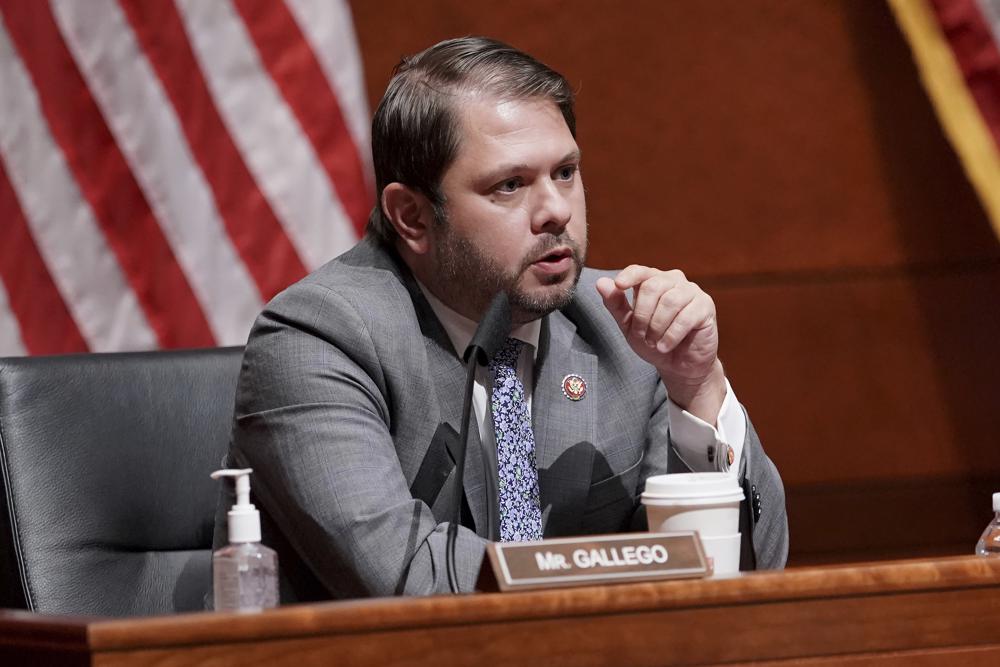
Democrats celebrating a successful effort to keep control of the U.S. Senate this year will soon confront a 2024 campaign that could prove more challenging. The party enters the next cycle defending 23 seats, including two held by independents who caucus with Democrats. That’s compared with just 10 seats that Republicans hope to keep in their column. Adding to the potential hurdles is that some 2024 contests are in states that have become increasingly hostile to Democrats, including Montana, Ohio, and West Virginia. Other Democratic-held seats are in some of the same hotly contested states that were at the center of this year’s midterms, such as Pennsylvania, Arizona, and Nevada. And while Democrats carried each of those races, they did so at great cost and with sometimes narrow margins. In Nevada, for instance, Democratic incumbent Sen. Catherine Cortez Masto won by less than 1 percentage point, or about 9,000 votes. For now, both parties insist they’re laser-focused on coming out on top in the December 6 Senate runoff in Georgia. But Democrats who are on the ballot in 2024 know that they could face fierce headwinds and are studying the results of this year’s election when the party outperformed expectations. For Nevada Sen. Jacky Rosen, a Democrat facing her first reelection campaign, that means staying focused on kitchen table issues and touting legislation like the infrastructure law and gun violence legislation signed by President Joe Biden. “We know that races are always close,” Rosen said in an interview. “We never take anything for granted.” The dynamics of the next Senate campaign could be influenced by a variety of outside factors, particularly the presidential election and the attention it generates. Biden, who turned 80 this month, has said his “intention” is to run for reelection and that he will make a final decision early next year. Former President Donald Trump has already announced a third White House bid, and multiple other Republicans are lining up to launch campaigns. The eventual nominee in each party could have a profound impact on down-ballot races, including those for Senate. But perhaps the biggest question for Senate Democrats seeking reelection will be who Republicans nominate as their opponents. The GOP lost several Senate elections this year, including those in Arizona, Pennsylvania, and Nevada, after Trump-backed candidates struggled to raise money and connect with a broader, more moderate range of voters during the general election. In Nevada, the Republican field to challenge Rosen has not begun to shape up but is expected to attract several contenders. One name receiving attention is Sam Brown, a former U.S. Army captain who was awarded a Purple Heart after being severely wounded in Afghanistan. Brown ran for Senate this year and put up a strong challenge in the Republican primary before losing to Adam Laxalt, who lost in the general election to Cortez Masto. Richard Hernandez, who was Brown’s campaign adviser, said, “He has committed to his supporters that he will never stop fighting for their issues, but he has not made any decisions as to whether that involves a future run for office.” Also in the southwest, Arizona Sen. Kyrsten Sinema, a centrist Democrat, will be up for reelection. The race, like other recent statewide contests in Arizona, is expected to be very competitive. But Sinema is likely to first face a well-funded primary challenger after angering much of the Democratic base by blocking or watering down progressive priorities like a minimum wage increase or Biden’s big social spending initiatives. She has not said whether she plans to run for reelection. Sinema’s most prominent potential primary challenger is U.S. Rep. Ruben Gallego, who has a long history of feuding with Sinema. Gallego has not announced his plans for 2024 but has made it no secret that he’s thinking about challenging Sinema. He even raised money on the prospect he might oppose Sinema. An independent expenditure group is also raising money, saying it will support grassroots organizations committed to defeating Sinema in a Democratic primary. Republicans hope a bruising Democratic primary might give them an opening to win the seat after losing Senate races in Arizona in three consecutive elections. Sinema is among a trio of moderate Senate Democrats who have sometimes used their leverage in an evenly divided chamber to block or blunt some of Biden’s plans and nominees. They will also be among the party’s most vulnerable incumbents in 2024. The other two senators, Joe Manchin of West Virginia and Jon Tester of Montana, will be running as Democrats in states that Trump handily carried in 2020. Manchin has already drawn a GOP challenger in U.S. Rep. Alex Mooney, who declared a week after winning reelection that he was setting his sights on higher office. Manchin has not yet said whether he’ll run for reelection. Republicans see Tester, a three-term senator, as vulnerable, and the opportunity to run for the seat could draw a fierce primary contest between former Interior Secretary Ryan Zinke and Rep. Matt Rosendale. Zinke, who won a House seat in this year’s midterm elections, said he will decide whether to run next year, and Rosendale declined to answer. Tester has not announced if he will seek another term but has said he anticipates 2024 will be just as tough as his last race in 2018, when he beat Rosendale in a close contest. In Pennsylvania, Democratic U.S. Sen. Bob Casey has not said whether he intends to run for a fourth term. Casey easily won reelection in 2018, but Pennsylvania has been competitive for Republicans, including in this year’s Senate race won by Democrat John Fetterman. One potential Republican challenger whose name has been floated in Pennsylvania is former hedge fund CEO David McCormick, who narrowly lost the Republican primary in this year’s race to celebrity heart surgeon Dr. Mehmet Oz. McCormick advisers declined to comment on that prospect. Conservative activist Kathy Barnette, who finished a close third in the Republican primary, didn’t respond to messages about whether she’s considering a 2024 campaign. Wisconsin, which saw Republican Sen. Ron Johnson narrowly win reelection this year, is also expected to have
GOP’s lackluster fundraising spurs post-election infighting

Trailing badly in his Arizona Senate race as votes poured in, Republican Blake Masters went on Tucker Carlson’s Fox News program and assigned blame to one person: Senate Minority Leader Mitch McConnell. “You know what else is incompetent, Tucker? The establishment. The people who control the purse strings,” Masters said before accusing the long-serving GOP leader and the super PAC aligned with him of not spending enough on TV advertising. “Had he chosen to spend money in Arizona, this race would be over. We’d be celebrating a Senate majority right now.” Masters not only lost his race against Democratic Sen. Mark Kelly, but he also trailed every other Republican running for statewide office in Arizona. There’s another problem Masters didn’t acknowledge: He failed to raise significant money on his own. He was hardly alone. As both parties sift through the results of Democrats’ stronger-than-expected showing in the midterm elections, Republicans are engaged in a round of finger-pointing, including a failed attempt by Florida Sen. Rick Scott, who led the Senate GOP’s campaign arm, to challenge McConnell for his leadership post. But the recriminations obscure a much deeper dilemma for the party. Many of their nominees — a significant number of whom were first-time candidates who adopted far-right positions — failed to raise the money needed to mount competitive campaigns. That forced party leaders, particularly in the Senate, to make hard choices and triage resources to races where they thought they had the best chance at winning, often paying exorbitant rates to TV stations that, by law, would have been required to sell the same advertising time to candidates for far less. The lackluster fundraising allowed Democrats to get their message out to voters early and unchallenged, while GOP contenders lacked the resources to do the same. “This has become an existential and systemic problem for our party, and it’s something that needs to get addressed if we hope to be competitive,” said Steven Law, a former McConnell chief of staff who now leads Senate Leadership Fund, a super PAC that spent at least $232 million on advertising to elect Republicans to the Senate this year. “Our (donors) have grown increasingly alarmed that they are being put in the position of subsidizing weak fundraising performances by candidates in critical races. And something has got to give. It’s just not sustainable,” Law said. In key Senate and House battlegrounds, Democratic candidates outraised their Republican counterparts by a factor of nearly 2-to-1, according to an Associated Press analysis of campaign finance data. Consider the handful of races that helped Democrats retain their Senate majority. In Arizona, Masters was outraised nearly 8-to-1 by Kelly, who poured at least $32 million into TV advertising from August until Election Day, records show. Masters spent a little over $3 million on advertising during the same period after Senate Leadership Fund pulled out of the race. Meanwhile, in Nevada, Democratic Sen. Catherine Cortez Masto raised $52.8 million compared to Republican Adam Laxalt’s $15.5 million. And in Pennsylvania, Democratic Sen.-elect John Fetterman took in $16 million more than his GOP opponent, Dr. Mehmet Oz. That’s despite the celebrity TV doctor lending $22 million to his campaign, records show. Similar disparities emerged in crucial House races, including in Nevada, Pennsylvania, and Virginia, helping limit House Republicans to a surprisingly narrow majority. When it came to purchasing TV ad time, Democrats’ fundraising advantage yielded considerable upside. Ad sellers are required by law to offer candidates the cheapest rate. That same advantage doesn’t apply to super PACs, which Republican candidates relied on to close their fundraising gap — often at a premium. In Las Vegas, for example, a candidate could buy a unit of TV advertising for $598, according to advertising figures provided to the AP. That same segment cost a super PAC $4,500. In North Carolina’s Raleigh-Durham media market, a $342 spot cost a super PAC $1,270. And a $580 candidate segment in the Philadelphia area cost a super PAC nearly $2,000, the advertising figures show. Republicans also found themselves playing defense in states that weren’t ultimately competitive. JD Vance, who won his Ohio Senate race by more than 6 percentage points, was outraised nearly 4-to-1 by Democratic Rep. Tim Ryan. To shore him up, Senate Leadership Fund poured $28 million into the state. The group’s advertising ultimately accounted for about 70% of all Republican media spending from August until Election Day. A similar situation played out in North Carolina, where the McConnell-aligned super PAC was responsible for 82% of the Republican advertising spending during the same period. GOP Rep. Ted Budd won his Senate race by over 3% of the vote. But money woes weren’t the only complicating factor. Donald Trump elevated a series of untested, first-time candidates. They included Masters, Vance, and former NFL star Herschel Walker, whose complicated backstory includes threats of violence against his ex-wife, false claims of business success, and allegations that he pressured two girlfriends to get abortions, which Walker denies. Then there was Oz, who moved to Pennsylvania to seek the seat and also secured Trump’s endorsement but was pilloried by Democrats as an out-of-touch carpetbagger. The former president gave them his endorsement, but he was parsimonious when it came to sharing some of the more than $100 million he’s amassed in a committee designed to help other candidates. He ended up spending about $15 million on ads across five Senate races, records show. Meanwhile, the National Republican Senatorial Committee, led by Scott, often worked at cross-purposes with McConnell’s political operation. Early on, Scott ruled out getting involved in primaries, which he saw as inappropriate meddling. McConnell’s allies, meanwhile, moved to fend off candidates they saw as poor general-election contenders, like Don Bolduc, a far-right conservative who lost his New Hampshire Senate race by nearly 10 percentage points. McConnell forces also defended Alaska Sen. Lisa Murkowski, a GOP moderate, against a conservative challenger. “Senate races are just different,” McConnell said in August. “Candidate quality has a lot to do with the outcome.” In response, Scott took a shot at McConnell without mentioning him by name, suggesting in an opinion article published in the Washington Examiner that any “trash-talking”
Democrats keep Senate majority as GOP push falters in Nevada
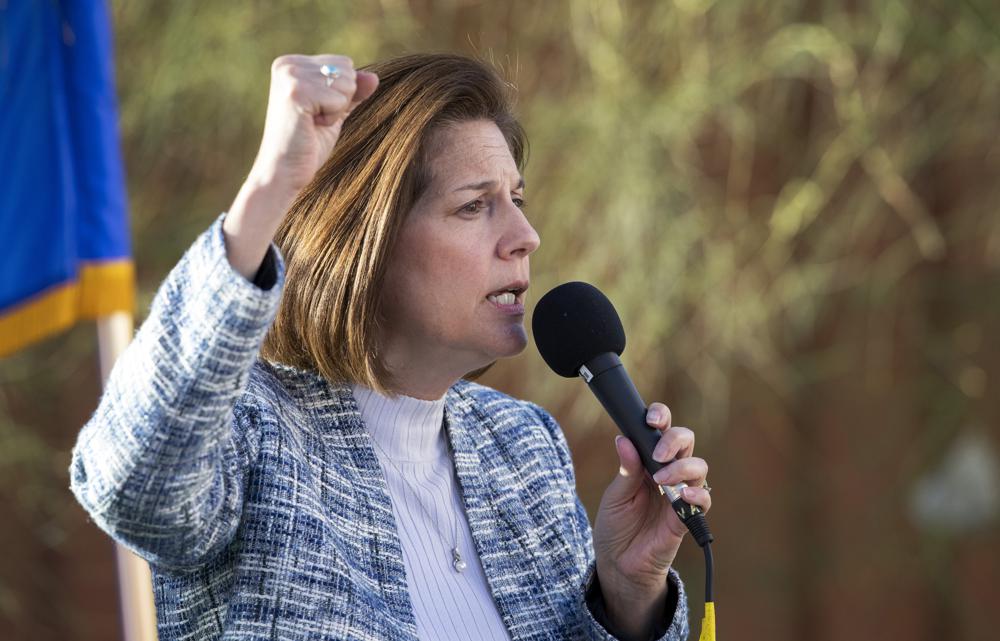
Democrats kept control of the Senate on Saturday, repelling Republican efforts to retake the chamber and making it harder for them to thwart President Joe Biden’s agenda. The fate of the House was still uncertain as the GOP struggled to pull together a slim majority there. Sen. Catherine Cortez Masto’s victory in Nevada gave Democrats the 50 seats they needed to keep the Senate. Her win reflects the surprising strength of Democrats across the U.S. this election year. Seeking reelection in an economically challenged state that has some of the highest gas prices in the nation, Cortez Masto was considered the Senate’s most vulnerable member, adding to the frustration of Republicans who were confident she could be defeated. “We got a lot done, and we’ll do a lot more for the American people,” Senate Majority Leader Chuck Schumer, D-N.Y., said Saturday night. “The American people rejected — soundly rejected — the anti-democratic, authoritarian, nasty and divisive direction the MAGA Republicans wanted to take our country.” With the results in Nevada now decided, Georgia is the only state where both parties are still competing for a Senate seat. Democratic incumbent Sen. Raphael Warnock faces GOP challenger Herschel Walker in a December 6 runoff. Alaska’s Senate race has advanced to ranked-choice voting, though the seat will stay in Republican hands. Democratic control of the Senate ensures a smoother process for Biden’s Cabinet appointments and judicial picks, including those for potential Supreme Court openings. The party will also keep control over committees and have the power to conduct investigations or oversight of the Biden administration, and will be able to reject legislation sent over by the House if the GOP wins that chamber. In Phnom Penh, Cambodia, for the summit of the Association of Southeast Asian Nations, Biden said of the election results: “I feel good. I’m looking forward to the next couple of years.” He said winning a 51st seat from the Georgia runoff would be important and allow Democrats to boost their standing on Senate committees. “It’s just simply better,” Biden said. “The bigger the number, the better.” If Democrats manage to pull off a win in the House, it would mean full control of Congress for Democrats — and another chance to advance Biden priorities, which he has said include codifying abortion rights. The party still lacks the 60 votes in the Senate needed to move many kinds of major legislative changes. Biden, who called to congratulate Cortez Masto, said he was still hopeful that Democrats could hold the House. “It’s a stretch,” he acknowledged. “Everything has to fall our way.” The Senate fight had hinged on a handful of deeply contested seats. Both parties spent tens of millions of dollars in Pennsylvania, Arizona, Nevada, and Georgia, the top battlegrounds where Democrats had hoped that Republicans’ decision to nominate untested candidates — many backed by former President Donald Trump — would help them defy national headwinds. Democrats scored a big win in Pennsylvania, where Lt. Gov. John Fetterman defeated celebrity heart surgeon Dr. Mehmet Oz, who was endorsed by Trump, to pick up a seat currently held by a Republican. Arizona Sen. Mark Kelly won reelection by about 5 percentage points. A closely divided swing state, Nevada is one of the most racially diverse in the nation, a working-class state whose residents have been especially hard-hit by inflation and other economic turmoil. Roughly three-fourths of Nevada voters said the country is headed in the wrong direction, and about half called the economy the most important issue facing the country, according to AP VoteCast, a survey of 2,100 of the state’s voters. Heading into the midterm election, Republicans focused relentlessly on the economy, a top concern for many voters amid stubborn inflation and high gas and food prices. The GOP also hit Democrats on crime, a message that sometimes overstated the threat but nonetheless tapped into anxiety, particularly among the suburban voters who turned away from the party in 2018 and 2020. And they highlighted illegal border crossings, accusing Biden and other Democrats of failing to protect the country. But Democrats were buoyed by voters angry about the Supreme Court’s June decision overturning the constitutional right to an abortion. They also portrayed Republicans as too extreme and a threat to democracy, following the Jan. 6, 2021, insurrection at the U.S. Capitol and Trump’s false claims — repeated by many GOP candidates — that the 2020 election was stolen from him. Schumer said Democratic candidates’ promises to defend abortion rights resonated with voters. He said the election results made him feel good about the country and its commitment to democracy. “We knew that the negativity, the nastiness, the condoning of Donald Trump’s big lie — and saying that the elections were rigged when there’s no proof of that at all — would hurt Republicans, not help them,” Schumer said. “But too many of them, and their candidates, fell into those traps.” Referring to Trump’s “Make America Great Again” slogan, Schumer said voters had rejected “extremist MAGA Republicans.” Nationally, VoteCast showed that 7 in 10 voters said the Supreme Court’s decision on Roe v. Wade was an important factor in their midterm decisions. It also showed the reversal was broadly unpopular. And roughly 6 in 10 said they favor a law guaranteeing access to legal abortion nationwide. Half of voters said inflation factored significantly in their vote, while 44% said the future of democracy was their primary consideration. Beyond Congress, Democrats won key governors’ races in Wisconsin, Michigan, and Pennsylvania — battlegrounds critical to Biden’s 2020 win over Trump. Republicans, though, held governors’ mansions in Florida, Texas, and Georgia — another battleground state Biden narrowly won two years ago. Though the midterms failed to deliver Republican romps, Trump remains a major factor in the national party and plans to announce his third run for the presidency Tuesday at his Mar-a-Lago estate in Florida — setting up a potential rematch for the White House with Biden. “I think the Republican Party is going to have to … decide who they are,” Biden said. Republished
Joe Guzzardi: Pro-Environment platform a mid-term winner
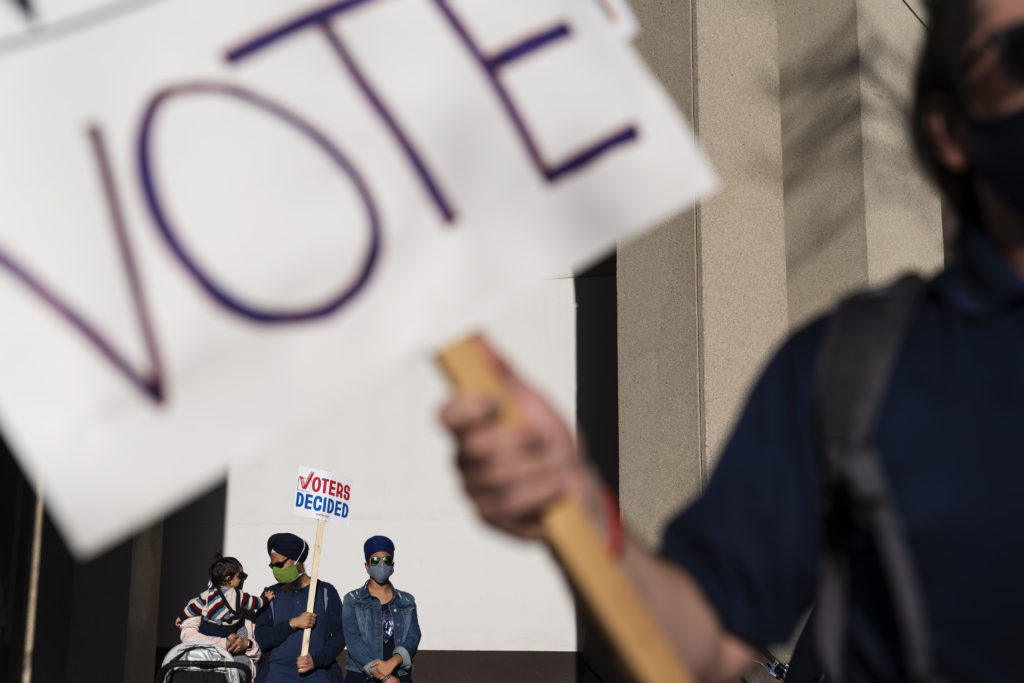
The latest mid-term election polling shows that Republicans and Democrats are dead even. In January, the same polling firm Statista had the GOP ahead by four points. Other polls like 538.com indicate more or less the same outcome. But if voters have learned anything since the 2016 and 2020 elections, it would be to distrust polling firm projections. Results from 2020 polls favored Democrats, with Susan Collins (R-Maine), Lindsey Graham (R-S.C.), Joni Ernst (R-Iowa), Thom Tillis (R-N.C.), and Steve Daines (R-Mont.) as likely losers. But Collins, 6.5 points behind, or so said the pre-election pollsters, won by 8.6 points. The other five candidates that the prognosticators wrote off as doomed won handily. Pollsters have an explanation to defend their theory that congressional Democrats might still retain the majority, despite record inflation, rising crime rates, a botched Afghanistan withdrawal, student debt forgiveness, billions of dollars squandered in support of what’s become an endless Russia-Ukraine war, and an open border. It is that the GOP has nominated poor candidates in key swing states. Among the races, pollsters are tracking most closely are Blake Masters in Arizona vs. incumbent Mark Kelly, Herschel Walker in Georgia vs. incumbent Raphael Warnock, Adam Laxalt in Nevada vs. incumbent Catherine Cortez Masto, and Mehmet Oz vs. John Fetterman in Pennsylvania, where incumbent Republican Pat Toomey is retiring. A state official who has no congressional voting record, Fetterman proudly notes that his wife’s family overstayed their visas, at which time their immigration status converted to unlawfully present, a clue that he favors more immigration. Fetterman’s website says he supports a “humane” immigration system, a vapid remark which confirms that he endorses Biden’s status quo. The GOP challengers, all within striking distance, may be getting short shrift from pollsters. The candidates were persuasive enough to capture primary nominations; they’re not too tongue-tied to debate. More important, going into the general election, the GOP has as much fodder – listed above – and primo debate material as any high-office challengers in history, thanks mostly to President Biden’s slipshod governance, and the incumbents’ whole-hearted endorsement of it. On the key open borders issue, Masters, Walker, and Laxalt have the benefit of launching an offensive against their opponents’ immigration voting records. Their rivals, Kelly, Warnock, and Cortez Masto are, like Fetterman and Biden, all-in on open borders. A review of the incumbents’ immigration votes found that each has consistently voted against reducing amnesty fraud, against curbing illegal immigrants’ rewards, against ending unnecessary employment visas, against stricter border enforcement, and against more rigorous interior enforcement. Stumping on reducing immigration can be problematic since such a focused campaign would trigger untruthful but potentially damaging racist allegations. A winning campaign would include linking immigration to unsustainable population growth, an indisputable fact that the Census Bureau confirms. Census Bureau data predicts that by the mid-21st century, the U.S. population will increase to more than 400 million from its current 333 million, a greater than 20 percent increase. More than half of that growth will be attributable to immigration and births to immigrants. For comparison’s sake, the Center for Immigration Studies’ researchers, based entirely on the Census Bureau’s American Community Survey and the Current Population Survey Annual Social and Economic Supplements, found that in 2017 there were 35.8 million legal and illegal immigrants living in the U.S. who arrived from 1982 to 2017. Further, these immigrants had 16.9 million U.S.-born children and grandchildren. In total, immigration added 52.7 million people to the U.S. population between 1982 and 2017, accounting for a little over 56 percent of population growth during this 35-year time period. For the nation’s population to increase by more than 65 million people, as the Census Bureau predicts, in less than 30 years, creates a grave danger that will exacerbate existing environmental problems like water shortages and land lost to urban sprawl. Opinions about immigration and its effects often differ. But sentiments about the environmental future Americans want to ensure for their children and grandchildren are consistent. Americans want open spaces and nature’s bounty to remain for future generations to enjoy, a goal that ever-more immigration makes impossible. To win and to prove the pollsters wrong again, the GOP platform must emphasize immigration’s harmful, unwanted consequences of unchecked population growth and the environmental degradation that accompanies it. Joe Guzzardi is a nationally syndicated newspaper columnist who writes about immigration and related social issues. Joe joined Progressives for Immigration Reform in 2018 as an analyst after a ten-year career directing media relations for Californians for Population Stabilization, where he also was a Senior Writing Fellow. A native Californian, Joe now lives in Pennsylvania. Contact him at jguzzardi@pfirdc.org.
Lindsey Graham unveils nationwide abortion ban after 15 weeks
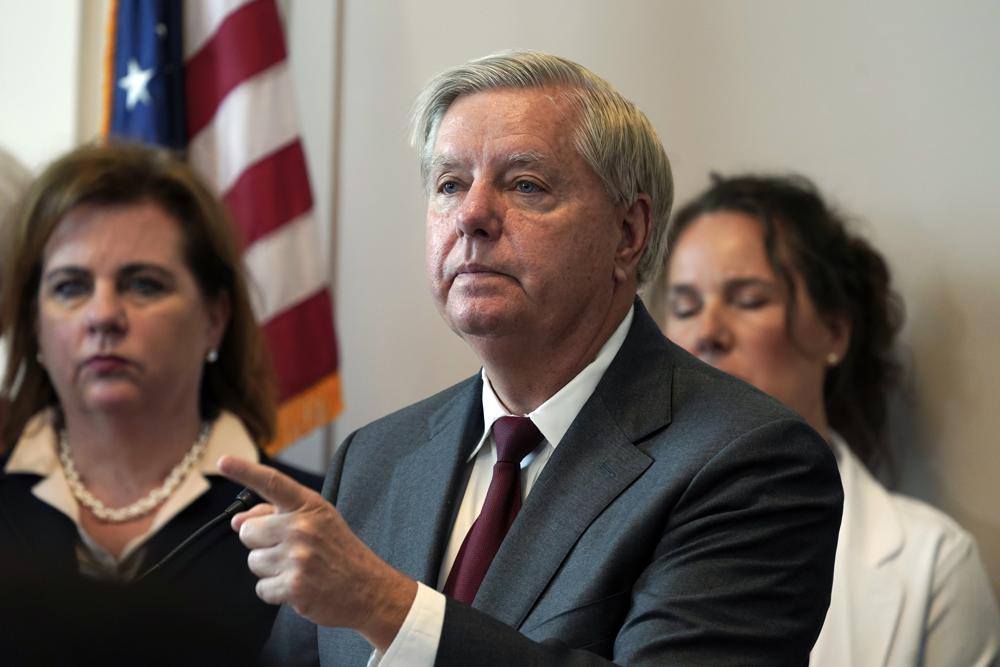
Upending the political debate, Republican Sen. Lindsey Graham introduced a nationwide abortion ban Tuesday, sending shockwaves through both parties and igniting fresh debate on a fraught issue weeks before the midterm elections that will determine control of Congress. Graham’s own Republican Party leaders did not immediately embrace his abortion ban bill, which would prohibit the procedure after 15 weeks of pregnancy with rare exceptions, and has almost no chance of becoming law in the Democratic-held Congress. Democrats torched it as an alarming signal of where “MAGA” Republicans are headed if they win control of the House and Senate in November. “America’s got to make some decisions,” Graham said at a news conference at the Capitol. The South Carolina Republican said that rather than shying away from the Supreme Court’s ruling this summer overturning Roe v. Wade’s nearly 50-year right to abortion access, Republicans are preparing to fight to make a nationwide abortion ban federal law. “Oh, no, no, no, no, no, no, we’re going nowhere,” the senator said while flanked by female advocates from the anti-abortion movement. “We welcome the debate. We welcome the vote in the United States Senate as to what America should look like in 2022.” Reaction was swift, fierce, and unwavering from Democrats who viewed Graham’s legislation as an extreme example of the far-right’s hold on the GOP and as a political gift of self-inflicted pain for Republican candidates now having to answer questions about an abortion ban heading toward the midterm elections. “A nationwide abortion ban — that’s the contrast between the two parties, plain and simple,” Senate Majority Leader Chuck Schumer said. Sen. Patty Murray, a Democrat from Washington who is in her own fight for reelection, said Republicans “want to force” women to stay pregnant and deliver babies. “To anyone who thought they were safe, here is the painful reality,” she said. “Republicans are coming for your rights.” The sudden turn of events comes in a razor-tight election season as Republicans hoping to win control of Congress are struggling to recapture momentum, particularly after the Supreme Court’s landmark decision sparked deep concerns among some voters, with signs of female voters peeling away from the GOP. In a midterm election where the party out of the White House traditionally holds an advantage, even more so this year with President Joe Biden’s lackluster approval ratings, the Democrats have regained their own momentum pushing back the GOP candidates in House and Senate races. Tuesday’s announcement set up an immediate split screen with Biden and Democrats poised to celebrate their accomplishments in a ceremony at the White House after passage of the Inflation Reduction Act and Republicans forced to answer for Graham’s proposed abortion ban. “This bill is wildly out of step with what Americans believe,” White House press secretary Karine Jean-Pierre said in a statement. “While President Biden and Vice President [Kamala] Harris are focused on the historic passage of the Inflation Reduction Act to reduce the cost of prescription drugs, health care, and energy – and to take unprecedented action to address climate change — Republicans in Congress are focused on taking rights away from millions of women,” Jean-Pierre said. Graham’s legislation has almost zero chance of becoming law, but it elevates the abortion issue at a time when other Republicans would prefer to focus on inflation, border security, and Biden’s leadership. The Republican bill would ban abortions nationwide after 15 weeks of pregnancy, except in cases of rape, incest, or risk to the physical health of the mother. Graham said it would put the U.S. on par with many countries in Europe and around the world. In particular, Graham’s bill would leave in place state laws that are more restrictive. That provision is notable because many Republicans have argued that the Supreme Court’s ruling leaves the abortion issue for the states to decide. But the legislation from the Republicans makes it clear states are only allowed to decide the issue if their abortion bans are more stringent. Senate Republican leader Mitch McConnell, who is one seat away from majority control, declined to embrace Graham’s legislation. “I think every Republican senator running this year in these contested races has an answer as to how they feel about the issue,” McConnell said. He said most GOP senators prefer having the issue dealt with by the states rather than at the federal level. “So I leave it up to our candidates who are quite capable of handling this issue to determine for them what their response is.” The Democratic senators most at risk this fall and other Democratic candidates running for Congress appeared eager to fight against Graham’s proposed nationwide abortion ban. Sen. Catherine Cortez Masto, a Nevada Democrat, tweeted that Graham “and every other anti-choice extremist can take a hike.” Her Republican opponent, Adam Laxalt, has during his campaign insisted that abortion is protected in the state constitution, which it may no longer be under this bill. In Colorado, another Democrat up for reelection, Sen. Michael Bennet, tweeted: “A nationwide abortion ban is outrageous. ” Bennet pledged “to defend a woman’s right to make her own health care decisions, no matter what ZIP code she lives in. We cannot afford to let the Republicans take back the Senate.” His opponent in Colorado, Republican Joe O’Dea, who supports putting abortion access that had been guaranteed under Roe v. Wade into law, agreed, in part: “A Republican ban is as reckless and tone deaf as is Joe Biden and Chuck Schumer’s hostility to considering any compromise on late-term abortion, parental notification or conscience protections for religious hospitals.” The races for control of Congress are tight in the split 50-50 Senate, where one seat determines majority control, and in the House, where Speaker Nancy Pelosi can afford to lose only a few seats. Pelosi called Graham’s bill the “clearest signal of extreme MAGA Republicans’ intent to criminalize women’s health freedom in all 50 states and arrest doctors for providing basic care. Make no mistake: if Republicans get the chance, they will work to pass laws even more
Senate bid to save Roe v. Wade falls to GOP-led filibuster
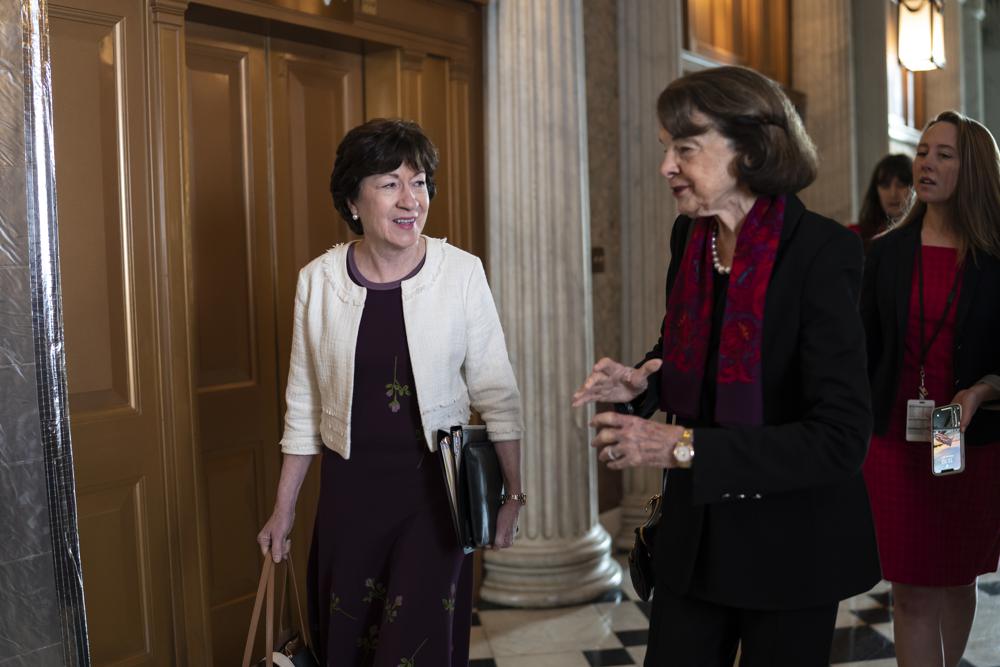
The Senate fell far short Wednesday in a rushed effort toward enshrining Roe v. Wade abortion access as federal law, blocked by a Republican filibuster in a blunt display of the nation’s partisan divide over the landmark court decision and the limits of legislative action. The almost party-line tally promises to be just the first of several efforts in Congress to preserve the nearly 50-year-old court ruling, which declares a constitutional right to abortion services but is at serious risk of being overturned this summer by a conservative Supreme Court. President Joe Biden said that Republicans “have chosen to stand in the way of Americans’ rights to make the most personal decisions about their own bodies, families, and lives.” Biden urged voters to elect more abortion-rights lawmakers in November and pledged in the meantime to explore other ways to secure the rights established in Roe. For now, his party’s slim majority proved unable to overcome the filibuster led by Republicans, who have been working for decades to install conservative Supreme Court justices and end Roe v. Wade. The vote was 51-49 against proceeding, with 60 votes needed to move ahead. Congress has battled for years over abortion policy, but the Wednesday vote to take up a House-passed bill was given new urgency after the disclosure of a draft Supreme Court opinion to overturn the Roe decision that many had believed to be settled law. The outcome of the conservative-majority court’s actual ruling, expected this summer, is sure to reverberate around the country and on the campaign trail ahead of the fall midterm elections that will determine which party controls Congress. Security was tight at the Capitol where Vice President Kamala Harris presided, and it has been bolstered across the street at the Supreme Court after protesters turned out in force last week following the leaked draft. Scores of House Democratic lawmakers marched protest-style to the Senate and briefly watched from the visitor galleries. Harris can provide a tie-breaking vote in the 50-50 split Senate, but that was beside the point on Wednesday. One conservative Democrat, Joe Manchin of West Virginia, voted with the Republicans, saying he supported keeping Roe v. Wade but believed the current bill was too broad. “The Senate is not where the majority of Americans are on this issue,” Harris said afterward. Over several days, Democratic senators delivered speeches contending that undoing abortion access would mean great harm, not only for women but for all Americans planning families and futures. Sen. Catherine Cortez Masto, D-Nev., said that most American women have only known a world where abortion access was guaranteed but could face a future with fewer rights than their mothers or grandmothers. “That means women will not have the same control over their lives and bodies as men do, and that’s wrong,” she said in the run-up to Wednesday’s vote. Few Republican senators spoke in favor of ending abortion access, but they embraced the filibuster to block the bill from advancing. Senate Republican leader Mitch McConnell, an architect of the effort to install conservative justices on the Supreme Court — including three during the Trump era — has sought to downplay the outcome of any potential changes in federal abortion policy. “This issue will be dealt with at the state level,” McConnell said. Some other Republicans, including Sen. John Thune of South Dakota, argue that the House-passed bill is more extreme than Roe and would expand abortion access beyond what is already the law. About half the states already have approved laws that would further restrict or ban abortions, including some trigger laws that would take effect once the court rules. Polls show that most Americans want to preserve access to abortion in the earlier stages of pregnancy, but views are more nuanced and mixed when it comes to late-term abortions. The draft court ruling on a case from Mississippi suggested the majority of conservative justices are prepared to end the federal right to abortion, leaving it to the states to decide. Whatever the Supreme Court says this summer, it will almost guarantee a new phase of political fighting in Congress over abortion policy, filibuster rules, and the most basic rights to health care, privacy, and protecting the unborn. In recent years, abortion debates have come to a political draw in Congress. Bills would come up for votes — to expand or limit services — only to fail along party lines or be stripped out of broader legislative packages. In the House, where Democrats have the majority, lawmakers approved the abortion-rights Women’s Health Protection Act last year on a largely party-line vote after the Supreme Court first signaled it was considering the issue by allowing a Texas law’s ban to take effect. But the bill has languished in the Senate, evenly split with bare Democratic control because of Harris’ ability to cast a tie-breaking vote. Wednesday’s failure renewed calls to change Senate rules to do away with the high-bar filibuster threshold, at least on this issue. The two Republican senators who support abortion access — Lisa Murkowski of Alaska, who faces her own reelection in November, and Susan Collins of Maine — were also no votes, having proposed their own more tailored approach to counter the Supreme Court’s potential action. Both of the Republican senators, who voted to confirm most of former President Donald Trump’s justices, are in talks over alternatives. But Democrats have largely panned the Collins-Murkowski effort as insufficient. “I plan to continue working with my colleagues on legislation to maintain – not expand or restrict – the current legal framework for abortion rights in this country,” Collins said in a statement. Pressure is building on those two senators to join most Democrats in changing the filibuster rules, but that appears unlikely. Five years ago, it was McConnell who changed Senate rules to selectively do away with the filibuster to confirm Trump’s justices after blocking Barack Obama’s choice of Merrick Garland to fill a Supreme Court vacancy at the start of the 2016 presidential campaign, leaving the seat open for Trump to fill after he won
GOP blocks Senate COVID bill, demands votes on immigration
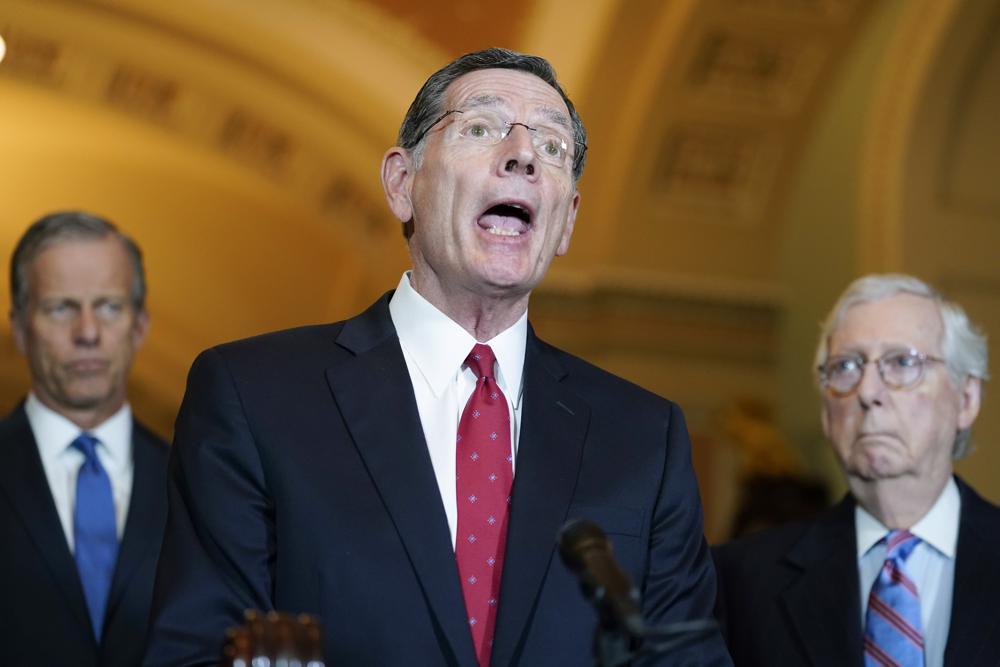
Republicans blocked a Democratic attempt Tuesday to begin Senate debate on a $10 billion COVID-19 compromise, pressing to entangle the bipartisan package with an election-year showdown over immigration restrictions that poses a politically uncomfortable fight for Democrats. A day after Democratic and GOP bargainers reached an agreement on providing the money for treatments, vaccines, and testing, a Democratic move to push the measure past a procedural hurdle failed 52-47. All 50 Republicans opposed the move, leaving Democrats 13 votes short of the 60 votes they had needed to prevail. Hours earlier, Republicans said they’d withhold crucial support for the measure unless Democrats agreed to votes on an amendment preventing President Joe Biden from lifting Trump-era curbs on migrants entering the U.S. With Biden polling poorly on his handling of immigration and Democrats divided on the issue, Republicans see a focus on migrants as a fertile line of attack. “I think there will have to be” an amendment preserving the immigration restrictions “in order to move the bill,” bolstering federal pandemic efforts, Senate Minority Leader Mitch McConnell, R-Ky., told reporters. “I don’t think there are probably 10 Republican votes at the moment for a process that doesn’t include” a vote on language retaining the immigration barriers, said No. 2 Senate GOP leader John Thune of South Dakota. At least 10 GOP votes will be needed in the 50-50 Senate for the measure to reach the 60 votes it must have for approval. Biden and Senate Majority Leader Chuck Schumer, D-N.Y., want Congress to approve the pandemic bill before lawmakers leave in days for a two-week recess. Tuesday’s vote suggested that could be hard. ”This is a potentially devastating vote for every single American who was worried about the possibility of a new variant rearing its nasty head within a few months,” Schumer said after the vote. The new omicron variant, BA.2, is expected to spark a fresh increase in U.S. COVID-19 cases. Around 980,000 Americans and over 6 million people worldwide have died from the disease. The $10 billion pandemic package is far less than the $22.5 billion Biden initially sought. It also lacks $5 billion Biden wanted to battle the pandemic overseas — money that fell victim to disagreements over GOP demands that the measure be entirely paid for with budget savings. At least half the bill would be used for research and to produce therapeutics to treat COVID-19. Money would also be used to buy vaccines and tests and to research new variants. The measure is paid for by pulling back unspent funds provided earlier for protecting aviation manufacturing jobs, assisting entertainment venues shuttered by the pandemic, and other programs. Administration officials have said the government has run out of money to finance COVID-19 testing and treatments for people without insurance, and is running low on money for boosters, free monoclonal antibody treatments, and care for people with immune system weaknesses. At the 2020 height of the pandemic, President Donald Trump imposed immigration curbs letting authorities immediately expel asylum seekers and migrants for public health reasons. The ban is set to expire May 23, triggering what, by all accounts, will be a massive increase in the number of people trying to cross the Mexican border into the U.S. That confronts Democrats with messy choices ahead of fall elections when they’re expected to struggle to retain their hair-breadth majorities in the House and Senate. Many of the party’s lawmakers and their liberal supporters want the U.S. to open its doors to more immigrants. But moderates and some Democrats confronting tight November reelections worry about lifting the restrictions and alienating centrist voters. Shortly before Tuesday’s vote, Senate Majority Leader Chuck Schumer, D-N.Y., showed no taste for exposing his party to a divisive immigration vote. “This is a bipartisan agreement that does a whole lot of important good for the American people. Vaccines, testing, therapeutics,” he said. “It should not be held hostage for an extraneous issue.” Jeff Zients, head of White House COVID-19 task force, expressed the same view about an immigration provision. “This should not be included on any funding bill,” he told reporters. “The decision should be made by the CDC. That’s where it has been, and that’s where it belongs.” But Rep. Bennie Thompson, D-Miss., chairman of the House Homeland Security Committee, said he would still support a Senate COVID-19 aid bill if it included the GOP effort to retain the Trump immigration restrictions. “Why wouldn’t I?” he said in a brief interview. The federal Centers for Disease Control and Prevention, which initiated the move two years ago, said earlier this month that it would lift the ban next month. The restrictions, known as Title 42, have been harder to justify as pandemic restrictions have eased. Trump administration officials cast the curbs as a way to keep COVID-19 from spreading further in the U.S. Democrats considered that an excuse for Trump, whose anti-immigrant rhetoric was a hallmark of his presidency, to keep migrants from entering the country. Sen. Catherine Cortez Masto, D-Nev., who faces a competitive reelection this fall, declined to say Tuesday whether she would support retaining the Trump-era ban, saying she wanted to see its language. But she said the Biden administration needs to do more. “I’ve been very clear with the administration. I need a plan; we need a plan,” she said in a brief interview. “There’s going to be a surge at the border. There should be a plan, and I’ve been calling for it all along.” Republished with the permission of the Associated Press.
Harry Reid, former Senate majority leader, dies at 82
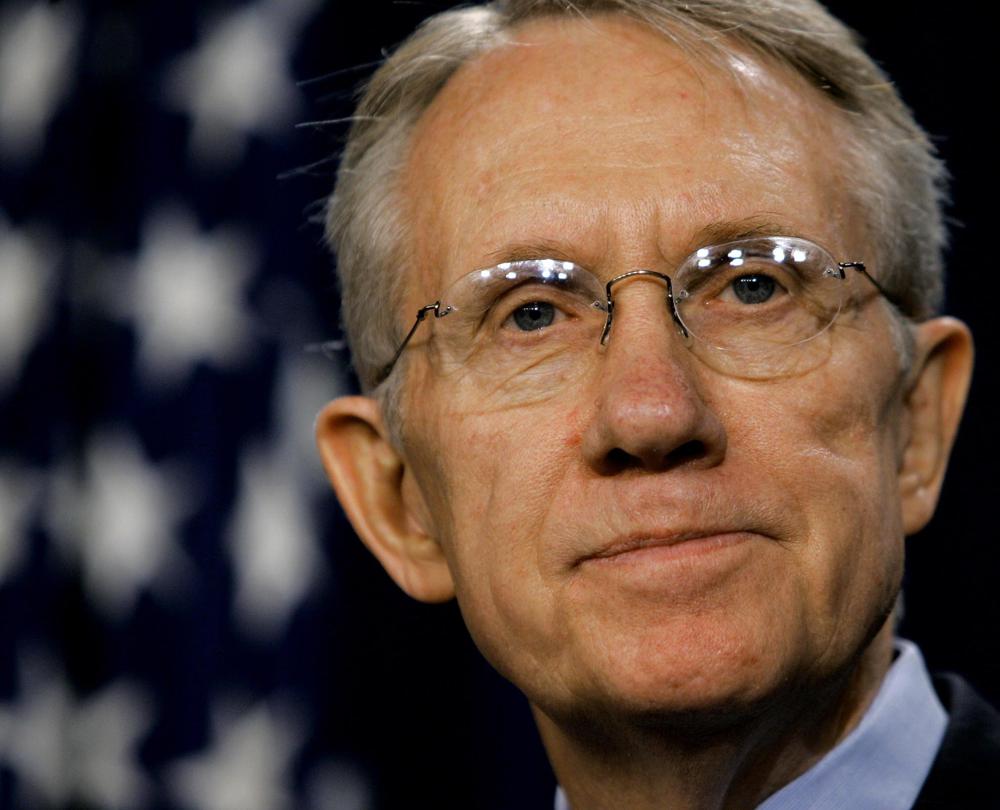
Harry Reid, the former U.S. Senate majority leader and Nevada’s longest-serving member of Congress, has died. He was 82. Reid died Tuesday “peacefully” and surrounded by friends at home in suburban Henderson, “following a courageous, four-year battle with pancreatic cancer,” according to family members and a statement from Landra Reid, his wife of 62 years. “Harry was a devout family man and deeply loyal friend,” she said. “We greatly appreciate the outpouring of support from so many over these past few years. We are especially grateful for the doctors and nurses that cared for him. Please know that meant the world to him,” Landra Reid said. Funeral arrangements will be announced in the coming days, she said. Harry Mason Reid, a combative former boxer-turned-lawyer, was widely acknowledged as one of toughest dealmakers in Congress, a conservative Democrat in an increasingly polarized chamber who vexed lawmakers of both parties with a brusque manner and this motto: “I would rather dance than fight, but I know how to fight.” Over a 34-year career in Washington, Reid thrived on behind-the-scenes wrangling and kept the Senate controlled by his party through two presidents — Republican George W. Bush and Democrat Barack Obama — a crippling recession and the Republican takeover of the House after the 2010 elections. President Joe Biden said that during the two decades they served together in Congress, and the eight years they worked together when Biden was vice president, Reid met the marker for what he believed was the most important measure of a person — their actions and their words. “If Harry said he would do something, he did it. If he gave you his word, you could bank on it. That’s how he got things done for the good of the country for decades,” Biden said in a statement. Reid retired in 2016 after an accident left him blind in one eye and revealed in May 2018 that he’d been diagnosed with pancreatic cancer and was undergoing treatment. Less than two weeks ago, officials and one of his sons, Rory Reid, marked the renaming of the busy Las Vegas airport as Harry Reid International Airport. Rory Reid is a former Clark County Commission chairman and Democratic Nevada gubernatorial candidate. Neither Harry nor Landra Reid attended the December 14 ceremony held at the facility that had been known since 1948 as McCarran International Airport, after a former U.S. senator from Nevada, Pat McCarran. Reid was known in Washington for his abrupt style, typified by his habit of unceremoniously hanging up the phone without saying goodbye. “Even when I was president, he would hang up on me,” Obama said in a 2019 tribute video to Reid. Reid was frequently underestimated, most recently in the 2010 elections when he looked like the underdog to tea party favorite Sharron Angle. Ambitious Democrats, assuming his defeat, began angling for his leadership post. But Reid defeated Angle, 50% to 45%, and returned to the pinnacle of his power. For Reid, it was legacy time. “I don’t have people saying ‘he’s the greatest speaker,’ ‘he’s handsome,’ ‘he’s a man about town,’” Reid told The New York Times in December that year. “But I don’t really care. I feel very comfortable with my place in history.” Born in Searchlight, Nevada, to an alcoholic father who killed himself at 58 and a mother who served as a laundress in a bordello, Reid grew up in a small cabin without indoor plumbing and swam with other children at a pool at a local brothel. He hitchhiked to Basic High School in Henderson, Nevada, 40 miles (64 kilometers) from home, where he met the wife he would marry in 1959, Landra Gould. At Utah State University, the couple became members of the Church of Jesus Christ of Latter-day Saints. The future senator put himself through George Washington University law school by working nights as a U.S. Capitol police officer. At age 28, Reid was elected to the Nevada Assembly and at age 30 became the youngest lieutenant governor in Nevada history as Gov. Mike O’Callaghan’s running mate in 1970. Elected to the U.S. House in 1982, Reid served in Congress longer than anyone else in Nevada history. He narrowly avoided defeat in a 1998 Senate race when he held off Republican John Ensign, then a House member, by 428 votes in a recount that stretched into January. After his election as Senate majority leader in 2007, he was credited with putting Nevada on the political map by pushing to move the state’s caucuses to February, at the start of presidential nominating season. That forced each national party to pour resources into a state that, while home to the country’s fastest growth over the past two decades, still only had six votes in the Electoral College. Reid’s extensive network of campaign workers and volunteers twice helped deliver the state for Obama. Obama in 2016 lauded Reid for his work in the Senate, declaring, “I could not have accomplished what I accomplished without him being at my side.” The most influential politician in Nevada for more than a decade, Reid steered hundreds of millions of dollars to the state and was credited with almost single-handedly blocking construction of a nuclear waste storage facility at Yucca Mountain outside Las Vegas. He often went out of his way to defend social programs that make easy political targets, calling Social Security “one of the great government programs in history.″ Reid championed suicide prevention, often telling the story of his father, a hard-rock miner who took his own life. He stirred controversy in 2010 when he said in a speech on the floor of the Nevada legislature it was time to end legal prostitution in the state. Reid’s political moderation meant he was never politically secure in his home state or entirely trusted in the increasingly polarized Senate. Democrats grumbled about his votes for a ban on so-called partial-birth abortion and the Iraq war resolution in 2002, something Reid later said it was his
Tommy Tuberville joins other leaders to change sexual assault investigations in the military
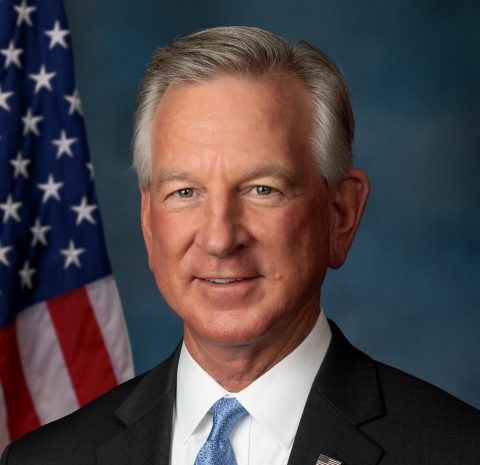
U.S. Senator Tommy Tuberville has joined a bipartisan group of senators to support a bill that will change the way the military conducts sexual assault investigations and prosecutions. Tuberville, a member of the Senate Armed Services Committee Subcommittee on Personnel, joined U.S. Senators Kirsten Gillibrand (D-NY), Chuck Grassley (R-IA), Joni Ernst (R-IA), Richard Blumenthal (D-CT), Ted Cruz (R-TX), Jeanne Shaheen (D-NH), Mark Kelly (D-AZ), and 28 other Senators to introduce the Military Justice Improvement and Increasing Prevention Act. According to the press release, the legislation “keeps the prosecution of sexual assault crimes within the military but moves the decision to prosecute to independent, trained, professional military prosecutors, and provides for several new prevention provisions such as better training for commanders and increased physical security measures, while ensuring that commanders still have the ability to provide strong leadership and ensure a successful command climate.” Tuberville stated, “Our men and women in uniform sacrifice every day to keep us safe, often working in some pretty unsafe places around the world. The last thing they should be worrying about is whether they’re unsafe within their ranks, and they certainly shouldn’t have to fear retaliation if they report a sexual assault. This bill is what happens when a bipartisan group of senators come together to get something done. I’m thankful that Senator Gillibrand and Senator Ernst have led the charge, and I’m glad to join my colleagues in support of this bill that will help improve the way the military handles sexual assaults so survivors can get the justice they deserve.” The bill was introduced in 2019, but did not receive a vote. Specifically, the legislation would: Move the decision on whether to prosecute serious crimes to independent, trained, and professional military prosecutors, while leaving misdemeanors and uniquely military crimes within the chain of command. Ensure the Department of Defense supports criminal investigators and military prosecutors through the development of unique skills needed to properly handle investigations and cases related to sexual assault and domestic violence. Require the Secretary of Defense to survey and improve the physical security of military installations– including locks, security cameras, and other passive security measures – to increase safety in lodging and living spaces for service members. Increase, and improve training and education on military sexual assault throughout our armed services. Kirsten Gillibrand stated on Twitter, “Here’s a bipartisan mission we can all support: Survivors of military sexual assault deserve justice. I’m proud to have @JoniErnst join me this week to introduce our new, improved bill to reform the military justice system and invest in prevention.” Here’s a bipartisan mission we can all support: Survivors of military sexual assault deserve justice. I’m proud to have @joniernst join me this week to introduce our new, improved bill to reform the military justice system and invest in prevention. https://t.co/pYYUL6IRyA — Kirsten Gillibrand (@SenGillibrand) April 27, 2021 The legislation is cosponsored by U.S. Senators Kirsten Gillibrand (D-NY), Chuck Grassley (R-IA), Joni Ernst (R-IA), Richard Blumenthal (D-CT), Ted Cruz (R-TX), Jeanne Shaheen (D-NH), Tammy Baldwin (D-WI), Chris Van Hollen (D-MD), Angus King (I-ME), Michael Braun (R-IN), Dick Durbin (D-IL), Tammy Duckworth (D-IL), Michael Bennet (D-CO), Rand Paul (R-KY), Chris Coons (D-DE), Mark Kelly (D-AZ), Sherrod Brown (D-OH), Bob Casey Jr. (D-PA), Maggie Hassan (D-NH), Mazie K. Hirono (D-HI), Amy Klobuchar (D-MN), Patrick Leahy (D-VT),Elizabeth Warren (D-MA), Ron Wyden (D-OR), Cynthia Lummis (R-WY), Dianne Feinstein (D-CA), Catherine Cortez Masto (D-NV), Raphael Warnock (D-GA), Alex Padilla (D-CA), Shelley Moore Capito (R-WV), Gary C. Peters (D-MI), Tim Kaine (D-VA), Tina Smith (D-MN), Bob Menendez (D-NJ), and Martin Heinrich (D-NM).
