
Community Development Block Grants awarded to help improve 54 communities statewide
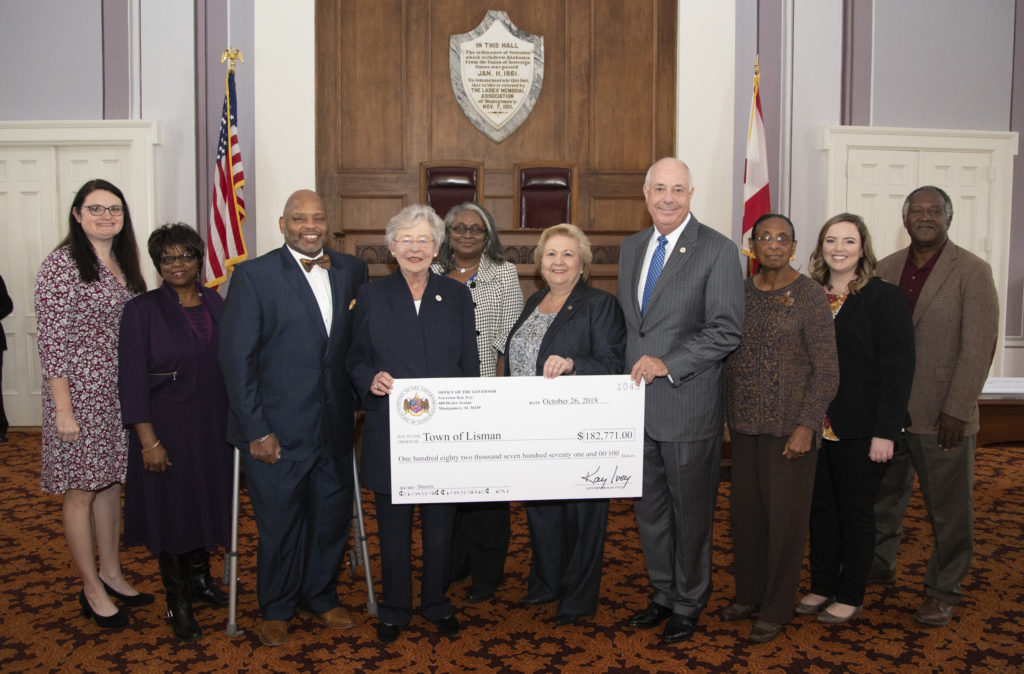
54 Alabama towns, cities and counties were awarded a total of nearly $17.8 million in Community Development Block Grants (CDBG) on Friday by Governor Kay Ivey. The 54 grants will support a number of community improvement projects including water and sewer extensions and rehabilitation, street and drainage improvements, housing rehabilitation and community centers. “The beginning of a better Alabama starts today for many residents who are without clean water to drink or safe roads to drive or suitable housing in which to live,” Ivey said. “I am pleased to award these grants to support vital community improvement projects, and I commend the dedicated local officials who sought these grants with the intent to make their communities better places to live.” CDBG are awarded annually through a competitive process in four main categories including small city, large city, counties and community enhancements. Other categories in this round include Black Belt and planning grants. Award determinations are based on the number of low and moderate-income families affected, urgency of the need and project cost efficiency. The Alabama Department of Economic and Community Affairs is administering the grants from funds made available by the U.S. Department of Housing and Urban Development (HUD). “As a former mayor whose city has been a recipient of CDBG awards, I can attest to how important this program is to our towns, cities and counties and the difference these grants can make in a community,” explained ADECA Director Kenneth Boswell. “ADECA is pleased to join Governor Ivey in the partnerships that it takes to make these grants come to fruition.” Those awarded grants, grant amounts and projects are: Small City Fund (Municipalities with populations of 3,000 or less) Beatrice – $350,000 for street improvements. Camden – $350,000 for water and sewer improvements. Carrollton – $350,000 for sewer improvements. Cherokee – $314,000 for street and drainage improvements. Detroit – $350,000 for water improvements. Falkville – $350,000 for sewer improvements. Luverne – $350,000 for water and street improvements. Millry – $350,000 for water improvements. New Hope – $350,000 for sewer and street improvements. Oak Grove – $200,000 for sewer improvements. Parrish – $350,000 for street and drainage improvements. Pisgah – $314,900 for water improvements. Rutledge – $350,000 for street improvements. Samson – $350,000 for sewer, water and street improvements. Sumiton – $350,000 for sewer improvements. Toxey – $350,000 for street improvements. Woodville – $350,000 for street and drainage improvements. Vredenburgh – $350,000 for street improvements. Large City Fund (Municipalities with populations of 3,001 or more) Andalusia – $280,000 for street improvements. Demopolis – $450,000 for sewer improvements. Elba – $450,000 for downtown revitalization. Eufaula – $450,000 for housing rehabilitation. Haleyville – $450,000 for sewer, water, drainage and street improvements. Hamilton – $450,000 for sewer, water, street and drainage improvements. Jacksonville – $429,713 for sewer improvements LaFayette – $450,000 for water improvements. Piedmont – $450,000 for sewer improvements. Roanoke – $359,487 for street improvements. Talladega – $450,000 for sewer improvements. Tuskegee – $450,000 for water and street improvements, and demolition and revitalization. County Fund (applies to 65 Alabama counties with Mobile and Jefferson counties receiving CDBG funds directly from HUD) Baldwin County – $350,000 for water improvements near the Lillian community. Hale County – $350,000 for water improvements in the Akron area. Madison County – $300,000 for water improvements east of Huntsville. Marshall County – $350,000 for street improvements on several county roads. Monroe County – $350,000 for water improvements west of Frisco City. Montgomery County – $350,000 for housing rehabilitation in Eastwood Villa. Sumter County – $350,000 for water improvements north of Cuba. Washington County – $350,000 for water improvement in the Fruitdale area. Community Enhancement Fund (municipalities of all sizes and 65 Alabama counties for projects addressing quality of life issues.) Akron – $250,000 for sewer improvements. Autaugaville – $250,000 for a new senior center. Barbour County – $250,000 for a new fire station in the Texasville community. Billingsley – $250,000 for town park improvements. Blountsville – $250,000 for sewer and street improvements. Blue Springs – $185,000 for water improvements. Butler County – $250,000 for courthouse renovations/handicapped accessibility. Cottonwood – $250,000 for street improvements. Dozier – $247,510 for demolition and clearance. Enterprise – $250,000 for demolition and clearance. Lauderdale County – $202,569 for a new senior center in the Greenhill community. Lisman – $182,771 for street improvements. Midway – $250,000 to convert a school into a community center. River Falls – $250,000 for street improvements. Black Belt Fund (municipalities and counties within a 12-county Black Belt region.) Selma – $450,000 for drainage improvements. Planning Fund (awarded to guide municipalities in orderly growth, revitalization or development.) Piedmont – $40,000 Skyline – $35,000
Kay Ivey awards over $6.3 million in Community Development Block Grants
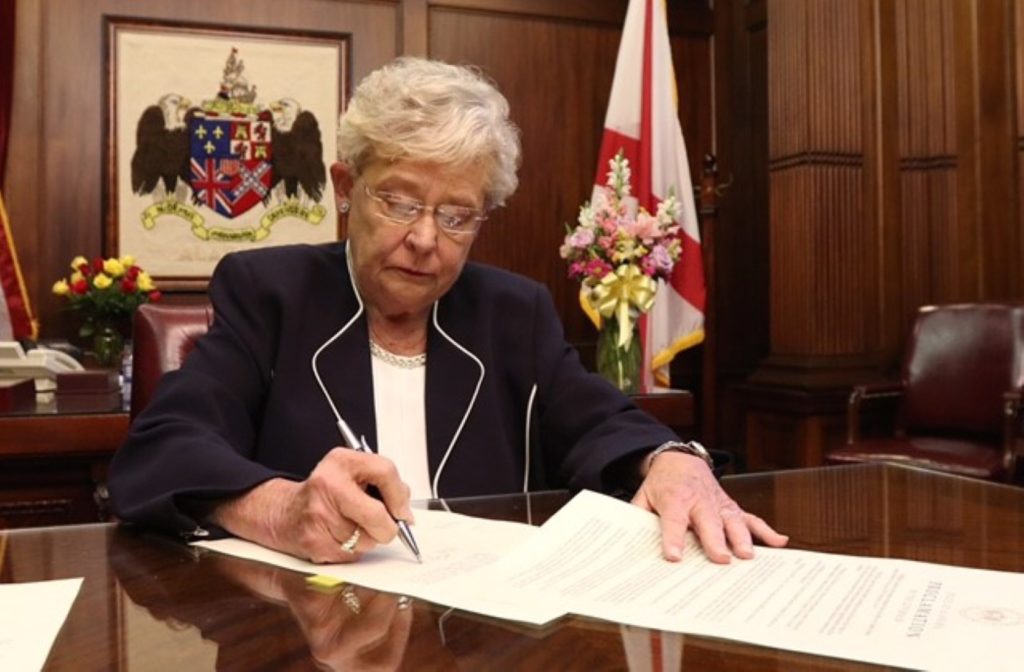
On Wednesday, Gov. Kay Ivey presented over $6.3 million in Community Development Block Grants to improve the communities of 26 Alabama cities, towns and counties. These grants are allocated annually through a competitive process based on many components including: the community’s need, cost efficiency of projects and number of low- and moderate-income families affected. “Lives will be improved today thanks to these projects funded through the Community Development Block Grant program,” insisted Ivey. “People who have been subject to impure water will get clean water to drink, bathe and wash. People who have been maneuvering unsafe roads will soon be traveling smooth streets and the list goes on. I am so thankful for this program and the assistance it provides to communities who may be unable to afford these needed improvements on their own.” A ceremony at the Capitol announced the first wave of CDBG grants, Ivey plans to reveal another series of the same grants on February 1. The grants are made possible through funds from the U.S. Department of Housing and Urban Development. The Alabama Department of Economic and Community Affairs (ADECA) is responsible for the administration of the allowances. “As a former mayor, I am aware of how important these grants are to these communities and the impact that they have in improving the quality of life,” asserted Director of ADECA, Kenneth Boswell. “I join with Gov. Ivey in congratulating the towns, cities and counties that have been awarded grants. Those involved in this process are to be commended for their dedication and hard work they have provided for their communities.” The funds are in several categories of aid including: community enhancement, county, planning and Black Belt. The Community Development Block Grants awarded, their amounts, and the projects they will fund are as follows: Planning Town of Ragland – $28,000 for downtown revitalization plan. Black Belt Town of Pine Hill – $350,000 for water improvements. County Choctaw County Commission – $350,000 for street improvements. Clarke County Commission – $350,000 for street improvements. Coosa County Commission – $350,000 for street improvements. Covington County Commission – $350,000 for water extension. DeKalb County Commission – $256,422 for streets and drainage. Geneva County Commission– $350,000 for water extension. Jackson County Commission – $275,780 for water extension. Lamar County Commission – $222,000 for water extension. St. Clair County Commission – $350,000 for street improvements. Community Enhancement City of Aliceville – $206,272 for fire truck for Volunteer Fire Department. Town of Ariton – $249,976 for street improvements. City of Ashford – $146,807 for street improvements. Town of Chatom – $150,000 for street improvements. City of Evergreen – $250,000 for a baseball field. Town of Louisville – $250,000 for street improvements. Town of Mosses – $149,068 for community park upgrades. City of Muscle Shoals – $250,000 for a “miracle field” ball field. City of Ozark – $250,000 for a swimming pool. City of Sheffield – $132,300 for demolition and clearance. Town of Susan Moore – $250,000 for water improvements. Town of Taylor – $205,604 for street improvements. Town of Thorsby – $250,000 for demolition and clearance. Town of Triana – $238,690 for Town Hall rehabilitation. City of Wetumpka – $171,000 for demolition and clearance.
Ronda Walker: Sensationalism sells, and the truth be damned

If you were to read a headline that stated, “Dog found on roadside” you might not even take the time to read the full article. But if the headline stated, “Fifty mutilated puppies found on roadside” that would definitely grab your attention. How about, “Flashes of light seen in night sky during storm” versus “Unexplained flashes of light seen by dozens could be UFOs.” Sensationalism sells, and the truth be damned. The United States federal budget process is very complicated; I do not understand it and won’t act like I do. But in my best Schoolhouse Rock attempt I will sum it up like this: the President submits a budget request to Congress, then the House and Senate have to come to some agreement on what they want to do, then Congressional hearings take place, and eventually the document (much evolved from the original version) goes back to the President for signature. There are a kabillion (official number) programs that receive federal funds. So many programs, in fact, that our country has a $20 trillion deficit. Twenty Trillion Dollars. That is a ridiculous and unsustainable figure. President Donald Trump recently submitted his budget request to Congress, the first step in the process, and the media absolutely freaked out. When everyone got their eye on the White House budget, it was probably some smart Democrat staffer on the Senate side that said, hey, let’s distract the entire nation from looking at this budget by scaring them to death with a headline that reads, “President Trump to gut Meals on Wheels program – seniors nationwide will begin to starve to death within the week.” And that’s exactly what they did, and it worked. It worked because first, the general public does not understand the budget process and they actually believe the President can unilaterally set the federal budget. And two, it worked because the news said it was true, so it must be true. Wrong. Meals on Wheels, administered in central Alabama by the Montgomery Area Council on Aging (MACOA), is a phenomenal program with a life-changing impact on local seniors. This program ensures homebound seniors in our area receive a hot midday meal. In addition to a nutritious meal, the seniors get a friendly smile and loving concern by the volunteer delivering their meal. Meals on Wheels is a program I support both personally as well as publicly through the appropriation of county funds. MACOA is a well run and effective organization and I encourage everyone to donate to MACOA or your local Meals on Wheels provider program. Last week the media reported that the White House budget gutted funding to the Meals on Wheels program – that assertion is false. The White House does not make unilateral budget decisions, moreover Meals on Wheels isn’t even a federal program. This was all a ploy to confuse and distract us from the real issue of the day – our $20 trillion deficit. Twenty Trillion Dollars. As educated Americans we have got to learn to stop chasing these false headlines. We have got to stop blindly reacting to what we read in the media, social and otherwise. But oftentimes we get all Chicken Little about a false issue not because we mistakenly believe it. We oftentimes spread the false narrative because it will help us win an argument, or it will help our side look better. That horrible monster Donald Trump is starving seniors to death; I told you he is a bad President. Yet, that same angry person that just lashed out about Trump never said a peep when President Barack Obama went year after year, after year and never submitted a budget at all which threw agencies dependent on federal funding into a tailspin of uncertainty. Let’s take a look at what actually happened. The White House wants to cut funding to a federal program called Community Development Block Grants (CDBG). It is important to note that Presidents Bush and Obama both proposed cuts to CDBG as well, it just happened without all of this manufactured uproar about taking meals away from the elderly. CDBG funds are federal funds given to states and localities to use at their discretion – and the use and effectiveness of these monies has been questioned for years, thus the desire to scale back on the spending for this program. A few localities designate a small amount of CDBG funds to their local Meals on Wheels program, so those programs could indeed be impacted in the event CDBG gets reduced. However the vast majority of federal dollars to Meals on Wheels comes not from CDBG but from the Department of Health and Human Services through the Older Americans Act. And, the majority of money spent on this program comes from state, local, and private funding, not federal. Every day I read media reports and social media posts that are full of false information and opinion and people buy it hook line and sinker. It’s exhausting. Political spin and trickeration is nothing new. There are lies coming from both sides of the political aisle, likewise there is truth coming from both sides. As caring and involved Americans, we must do our due diligence, dig deep, and understand the facts for ourselves. Please never just rely on one source for your news, read multiple articles and authors and form an education conclusion. And, don’t forget to support your local Meals on Wheels provider! ••• Ronda M. Walker is a wife, mother of four and the Vice Chairman of the Montgomery County Commission.
Robert Bentley awards grants to make improvements in northwest Alabama
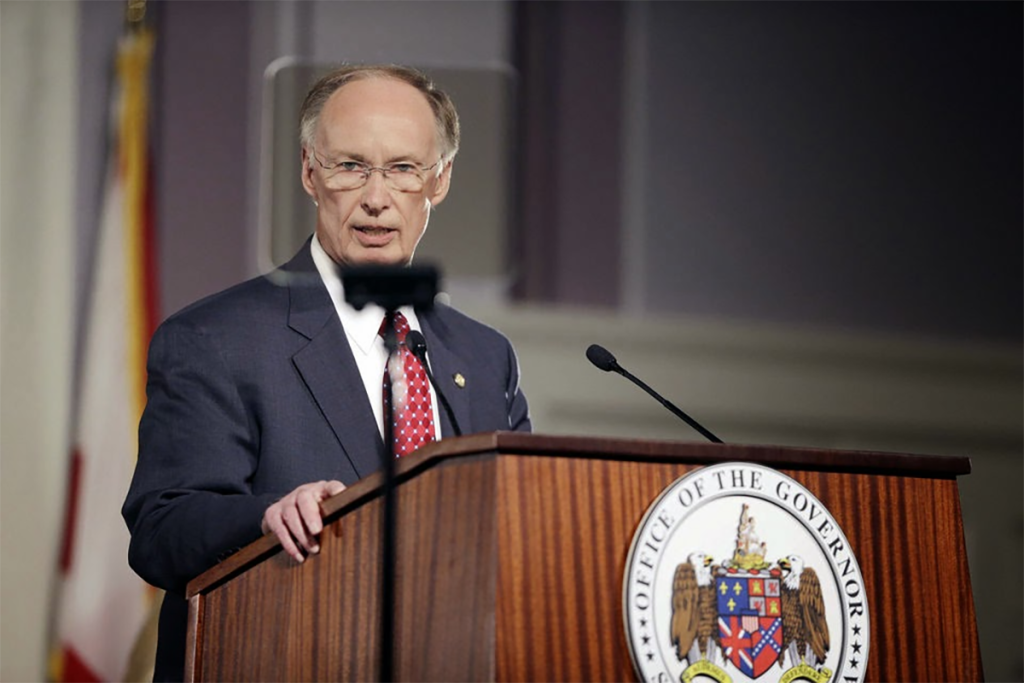
Gov. Robert Bentley has awarded more than $2.1 million to provide clean drinking water and fire protection to residents, alleviate road, sewer and drainage problems and improve a park that experienced severe flood damage in five northwest Alabama counties. Provided to the state by the U.S. Department of Housing and Urban Development, the funds come in the form of Community Development Block Grants (CDBG) and and are being administered by the Alabama Department of Economic and Community Affairs to Haleyville, Russellville, Lexington, Town Creek, Hamilton and Marion County. The governor made the Haleyville announcement Monday while visiting Winston county. “Community Development Block Grants help communities take on projects that enhance the lives of their residents, projects they might not otherwise be able to afford,” Bentley said. “I am pleased to assist local officials in their efforts to make these improvements.” The grant recipients and their projects are: Haleyville (Winston County): A $450,000 CDBG to the city of Haleyville will provide street reconstruction and drainage improvements and water and sewer upgrades in the Cripple Creek neighborhood. The project area is around Newburg Road, including parts of 33rd, 34th and 35th streets and 17th, 18th and 19th avenues. The improvements will alleviate many health and safety concerns stemming from potholes, standing water, inflow and infiltration problems and water leaks. The city is providing $100,003 to supplement the grant. The city of Russellville (Franklin County): Hal Kirby Jr. Park, located in the Mill Village area of the city of Russellville, experienced severe flooding in May, resulting in “a total loss,” according to the city’s grant application. A $250,000 CDBG to the city will provide new fencing for the two ball fields at the park, a multiuse building to accommodate the concession stand, restrooms and press box, and associated walkways that are compliant with the Americans with Disabilities Act. Local matching funds and in-kind services will provide an additional $109,399 toward the project. The town of Lexington (Lauderdale County): The town of Lexington will improve its water system with help from a $350,000 CDBG. The project will replace old, deteriorated water lines and install fire hydrants. The project area includes parts of Albert Brewer Drive, state highways 101 and 64, East Avenue, North and South Oak Park Drive, county roads 48 and 136, School-Church Street and Taylor-Kizer Road. Local funds of $20,000 will supplement the award. The town of Town Creek (Lawrence County): A $250,000 CDBG to Town Creek will help fund water system improvements. Along with making upgrades to the town’s water storage tank, which will have system-wide benefits, water distribution improvements will be made along parts of Hazlewood, Lemay, Lovett, Meredith, Sanderson, Slayton and Wallace streets and Rosecrest Circle. Local funds of $25,000 will supplement the grant. The Marion County Commission (Marion County): The Marion County Commission will use a $350,000 CDBG to provide new public water service to the southwestern portion of the county known as the North Detroit Community. The county will install more than 23,000 feet of water pipe and related system parts and 10 fire hydrants. The area has been reliant on private wells and springs that have shown bacterial contamination. The county Public Water Authority is providing $131,310 toward the project. The city of Hamilton (Marion County): Will complete water, sewer and street improvements in the Weston Housing Complex with help from a $450,000 CDBG. The project will include the installation of about 5,800 feet of various types of water lines, four fire hydrants, 43 meters and additional system components. The sewer rehabilitation includes installing more than 5,000 feet of various sewer lines, and the street leading into the area will be repaved to a level that allows for smooth driving and adequate drainage. The city and the Hamilton Housing Authority are providing $239,800 to supplement the award.
