
Alabama Power prepared for Tropical Storm Gordon
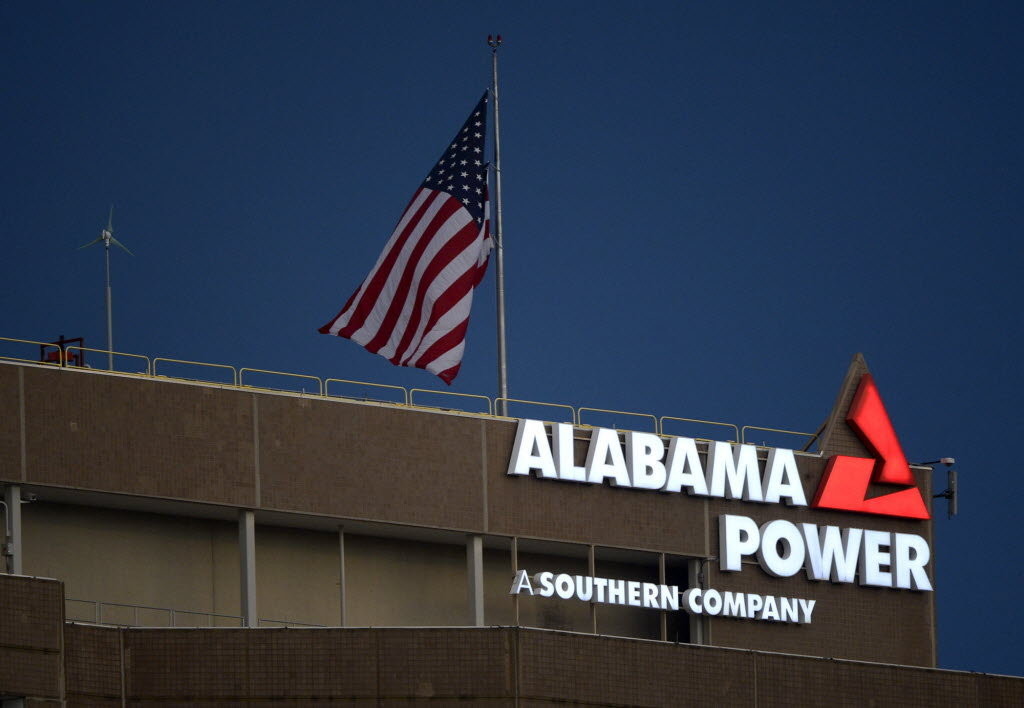
Alabama Power is preparing for Tropical Storm Gordon as it strengthens this afternoon and heads toward the Gulf Coast. Alabama Power crews and personnel are ready to respond, if needed. Current forecasts predict Gordon will make landfall on the central Gulf Coast overnight Tuesday. The forecasts suggest Gordon could intensify to hurricane-strength before arriving on shore in Alabama, Mississippi or Louisiana. The storm is expected to drop between 4 and 12 inches of rain in the western Florida panhandle, southwest Alabama, central Mississippi, eastern Louisiana and into southern Arkansas. Alabama Power crews are preparing for any damage or outages that may come when Tropical Storm Gordon makes landfall in the state later today. [Photo Credit: file/Alabama Newscenter] Forecasters say southwest Alabama, including the metro Mobile area, will be affected by high winds and heavy rainfall, with the possibility of flash flooding. Downtown Mobile also faces potential flooding. Gov. Kay Ivey issued a state of emergency at 7 a.m. Tuesday for Baldwin, Choctaw, Clarke, Conecuh, Escambia, Mobile, Monroe and Washington counties. “All coastal Alabama residents need to prepare now ahead of tonight’s potential landfall near Alabama,” Ivey said. “I have directed essential state agencies to be on the ready should they be needed over the next couple of days.” Localized flooding is possible across the southern portion of the state. Dangerous wind gusts of up to 45 mph will be an issue as the storm makes landfall. Tornadoes also are possible. Based on current forecasts, the Mobile area will see the greatest impact from this storm in Alabama before it moves north and west on its forecasted track through Mississippi, Louisiana and toward Arkansas. Heavy rain and gusting winds could cause trees to fall. As always, safety is a top priority for all Alabama Power. Individuals, families and businesses in the projected path of the storm should take precautionary measures and make sure they have a hurricane plan, including a fully stocked emergency supply kit. Click here for specific tips related to hurricane preparedness. Alabama Power customers who experience storm-related outages can report them online via mobile devices at www.alabamapower.com. Customers also can call the company’s automated outage reporting line at 1-800-888-APCO (2726). Republished with the permission of the Alabama Newscenter.
Constables: who they are, and what they do

Only 24 counties, out of the 67 in Alabama, have constables. But who are they, and what do they do? The Code of Alabama defines constables as an elected or appointed “conservator of the peace within his county,” and according to the Alabama Constables Association, they are one of the only two remaining elected peace officers in the world. Their duties include: attending the circuit court of the county when summoned by the sheriff for that purpose; executing and returning all summons, executions and other process directed to him by any lawful authority; paying over moneys collected by virtue of his office to the person entitled thereto performing such other duties as are or may be required of him by law Constables are also permitted to carry a gun, are authorized to make arrests, stop and question, search for dangerous weapons, escort weddings and funerals, and enforce traffic at churches and schools. Although not permitted to write a traffic ticket, they can also pull over vehicles who disobey traffic laws. According to a 2015 AL.com article, the qualifications to become a constable are very few. “You must be a citizen of the county you’re running in, have no criminal record, and be old enough to carry a firearm.” The report continues to name the counties have constables including: Barbour, Colbert, Conecuh, Coosa, Dallas, Dekalb, Elmore, Etowah, Franklin, Green, Jackson, Jefferson, Marengo, Marion, Mobile, Monroe, Russell, Sumter, Talladega, Tallapoosa, Walker, Wilcox and Winston. Tallapoosa County will only have constables until 2020, after which they will be abolished according a court ruling in April of this year.
