
Tally of children split at border tops 5,400 in new count
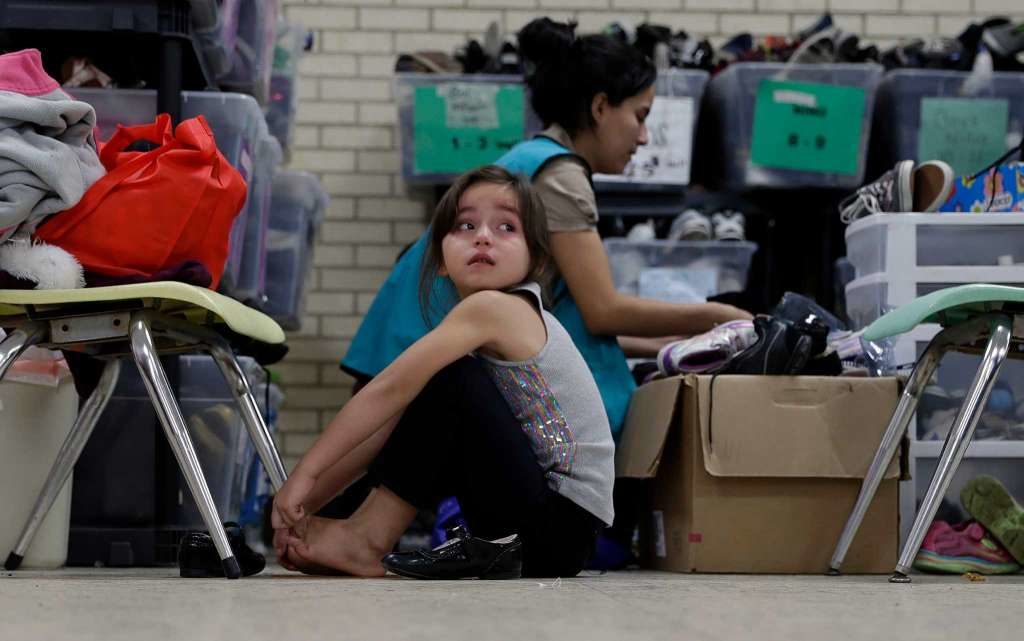
U.S. immigration authorities separated more than 1,500 children from their parents at the Mexico border early in the Trump administration, the American Civil Liberties Union said Thursday, bringing the total number of children separated since July 2017 to more than 5,400. The ACLU said the administration told its attorneys that 1,556 children were separated from July 1, 2017, to June 26, 2018, when a federal judge in San Diego ordered that children in government custody be reunited with their parents. Children from that period can be difficult to find because the government had inadequate tracking systems. Volunteers working with the ACLU are searching for some of them and their parents by going door-to-door in Guatemala and Honduras. Of those separated during the 12-month period, 207 were under 5, said attorney Lee Gelernt of the ACLU, which sued to stop family separation. Five were under a year old, 26 were a year old, 40 were 2 years old, 76 were 3, and 60 were 4. “It is shocking that 1,556 more families, including babies and toddlers, join the thousands of others already torn apart by this inhumane and illegal policy,” said Gelernt. “Families have suffered tremendously, and some may never recover.” The Justice Department declined to comment. The count is a milestone in accounting for families who have been touched by Trump’s widely maligned effort against illegal immigration. The government identified 2,814 separated children who were in government custody on June 26, 2018, nearly all of whom have been reunited. The U.S. Health and Human Services Department’s internal watchdog said in January that potentially thousands more had been separated since July 2017, prompting U.S. District Judge Dana Sabraw to give the administration six months to identify them. The ACLU said it received the last batch of 1,556 names one day ahead of Friday’s deadline. The administration has also separated 1,090 children since the judge ordered a halt to the practice in June 2018 except in limited circumstances, like threats to child safety or doubts about whether the adult is really the parent. The ACLU said the authorities have abused their discretion by separating families over dubious allegations and minor transgressions including traffic offenses. It has asked Sabraw to more narrowly define circumstances that would justify separation, which the administration has opposed. With Thursday’s disclosure, the number of children separated since July 2017 reached 5,460. The government lacked tracking systems when the administration formally launched a “zero tolerance” policy in the spring of 2018 to criminally prosecute every adult who entered the country illegally from Mexico, sparking an international outcry when parents couldn’t find their children. Poor tracking before the spring of 2018 complicates the task of accounting for children who were separated early on. As of Oct. 16, the ACLU said, volunteers couldn’t reach 362 families by phone because numbers didn’t work or the sponsor who took custody was unable or unwilling to provide contact information for the parent, prompting the door-to-door searches in Central America. Since retreating on family separation, the administration has tried other ways to reverse a major surge in asylum seekers, many of them Central American families.Tens of thousands of Central Americans and Cubans have been returned to Mexico this year to wait for immigration court hearings, instead of being released in the United States with notices to appear in court. Last month, the administration introduced a policy to deny asylum to anyone who passes through another country on the way to the U.S. border with Mexico without seeking protection there first. By Elliot Spagat Associated Press. Republished with the permission of the Associated Press.
Over 1,800 immigrant children reunited by deadline
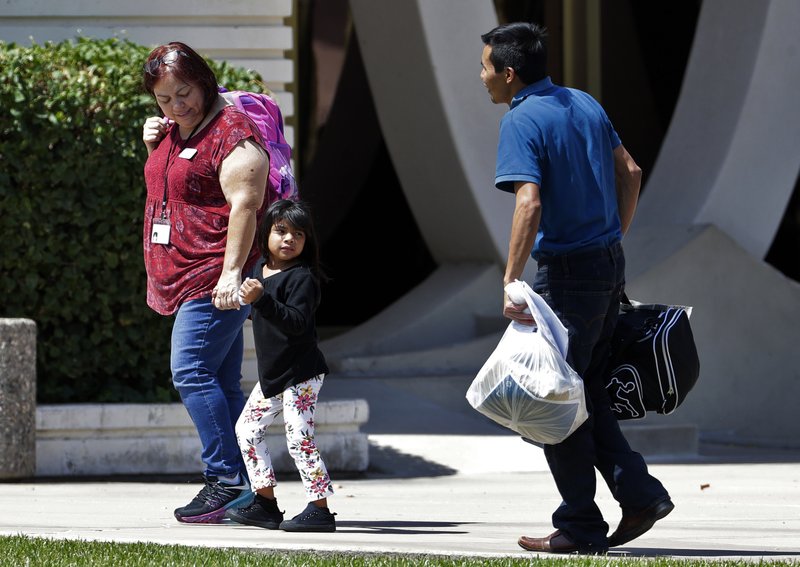
Shy children were given a meal and a plane or bus ticket to locations around the U.S. as nonprofit groups tried to smooth the way for kids reunited with their parents following their separations at the U.S. Mexico border. The Trump administration said Thursday that more than 1,800 children 5 years and older had been reunited with parents or sponsors hours before the deadline. That included 1,442 children who were returned to parents who were in U.S. Immigration and Customs Enforcement custody, and another 378 who were released under a variety of other circumstances. But about 700 more remain separated, including 431 whose parents were deported, officials say. Those reunions take more time, effort and paperwork as authorities fly children back to Guatemala, El Salvador and Honduras. On Friday morning, Homeland Security officials said they had reunified all eligible parents with children — but noted many others were not eligible because they have been released from immigration custody, are in their home countries or chose not to be reunited. Updated figures were not made public, but new data was expected to be released Friday at a court hearing in San Diego held by the judge overseeing the reunification process. “The administration will continue to make every effort to reunify eligible adults with their children,” a Homeland Security statement said. Now the federal judge in San Diego who ordered the reunifications must decide how to address the hundreds of still-separated children whose parents have been deported, as well as how much time, if any, reunified parents should be allowed to file asylum claims. Lee Gelernt, an attorney for the American Civil Liberties Union representing separated parents, said Thursday it was unclear how long it might take to find the parents returned to their homelands. “I think it’s just going to be really hard detective work and hopefully we’re going to find them,” he said. U.S. District Judge Dana Sabraw will also consider the ACLU’s request to give reunified parents at least a week to consider if they wish to seek asylum. The government opposes the waiting period, and Sabraw has put a hold on deporting reunified families while the issue is decided. On a parallel legal front over treatment of immigrant children, U.S. District Judge Dolly Gee in Los Angeles will be asked Friday to appoint a special monitor to oversee detention facilities. Children described horrid conditions in a voluminous report filed this month over whether the Trump administration is meeting its obligations under a long-standing settlement governing how young immigrants should be treated in custody. As the deadline neared, small groups of children were led in and out of Lutheran Social Services in Phoenix all day Thursday, sometimes holding hands with a worker from the center. Children and parents wore matching hospital-like identification bracelets and carried belongings in white plastic bags. The men sported shoes without laces that were taken away while in immigration detention. Support worker Julisa Zaragoza said some kids were so afraid of losing their parents again they didn’t want to go to the bathroom alone. “These families have been through a lot,” she said. The federal government was supposed to reunify more than 2,500 children who were separated from their parents under a new immigration policy designed to deter immigrants from coming here illegally, but the policy backfired amid global outrage over crying children taken from their parents. President Donald Trump ended the practice of taking children from parents and Sabraw ordered the government to reunite all the families by the end of Thursday, nevertheless indicating some flexibility given the enormity of the effort. Chris Meekins, the head of the office of the assistant secretary for preparedness and response for Health and Human Services, said the government would continue to reunify families with eligible parents throughout the evening. In most cases the families are released and the parents typically get ankle-monitoring bracelets and court dates to appear before an immigration judge. Faith-based and other groups have provided meals, clothing, legal advice, plane and bus tickets and even new shoe laces. A charitable organization called FWD.US, founded by technology leaders including Microsoft founder Bill Gates, Facebook CEO Mark Zuckerberg and Dropbox founder Drew Houston was paying for the airline tickets, the bus tickets and the lodging for all the families newly reunited in the Phoenix area to get them to relatives living all over the United States, said Connie Phillips of Lutheran Social Services. She said a phone company donated 500 mobile phones for the migrants, each with six months of free service. There were scattered reunions in various locations Thursday, including about 15 in Phoenix, said Phillips. The main immigrant-assistance center in El Paso, Texas, has been receiving about 25 reunified families daily. Some children who had not seen their parents in weeks or months seemed slow to accept that they would not be abandoned again. Jose Dolores Munoz, 36, from El Salvador, was reunited with his 7-year-old daughter last Friday, nearly two months after they were separated, but he said his daughter cries when he leaves the house. “She is afraid,” Munoz said. “Yesterday I left her crying, she is telling me, ‘You are not coming back.’” Those who remain separated from their children include Lourdes de Leon of Guatemala. She surrendered to authorities at the border and was deported on June 7, while her 6-year-old son, Leo, remained in the U.S. De Leon said Guatemalan consular officials told her signing a deportation order would be the easiest way to reunite with Leo. “He is in a shelter in New York,” de Leon said. “My baby already had his hearing with a judge who signed his deportation eight days ago. But I still do not know when they are going to return him to me.” At the Lutheran center, Phillips said the parents and kids have opened up as they go through an assessment process with workers. She said the outpouring of donations has been comforting. “We have seen a lot of people come
