
Robert Aderholt supports protecting pharmacists’ First Amendment rights regarding prescriptions for elective abortions
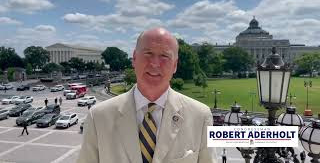
Congressman Robert Aderholt announced that he has become a co-sponsor of a bill to protect the First Amendment rights of pharmacists when choosing whether or not to fill prescriptions for elective abortions. The Pharmacist Conscience Protection Act H.R. 8820 was introduced by Rep. Earl L. “Buddy” Carter (R-Georgia), Diana Hashbarger (R-Tennessee), and Blake Moore (R-Utah). Reps. Carter and Harshbarger are both pharmacists. It is co-sponsored by 26 House Republicans. The legislation comes after the Department of Health and Human Services (HHS) issued guidance warning pharmacists that they could be in violation of federal civil rights laws if they do not fill such prescriptions. “Pharmacists should not be forced to surrender their First Amendment rights of religious freedom because of radical policies from the Biden Administration,” said Congressman Aderholt. “It’s unfortunate that we need conscience protections like these, but it’s the only way to keep the overbearing Biden Administration from forcing private citizens to violate strongly held convictions.” “Your first amendment rights don’t go away when you put on a white coat,” said Rep. Carter. “This legislation will ensure that pharmacists are able to make the medical decisions that are best for the health of the mother, the life of the child, and the integrity of their practice without threats from non-medically trained bureaucrats. Medical decisions should be made between doctors, pharmacists, and patients – not the federal government.” “I will not stand by and let the Biden administration use an extremist and unlawful agenda of taxpayer-funded abortions through birth to persecute pharmacists who have religious, moral, or conscience objections to the intentional killing of unborn children through abortion,” stated Rep. Harshbarger. “As a licensed pharmacist for more than 30 years, I have always followed the precept of first doing no harm. I will always stand up for the lives of unborn children and will always defend health practitioners who believe the same. Pharmacists and other health professionals should never be punished for their moral beliefs in protecting life, or be threatened or forced to facilitate abortions against such beliefs. I call on the Biden administration to immediately withdraw this outrageous assault on pharmacists’ conscience rights, and to stop treating the Constitution like its own political chew-toy!” “Conscience protections prevent discrimination and ensure Americans in the healthcare sector are not forced to violate their beliefs,” said Rep. Moore. “As the Biden Administration takes steps to undermine the conscience rights of pharmacists, I am proud to join Congressman Buddy Carter and Congresswoman Diana Harshbarger in introducing the Pharmacist Conscience Protection Act which would ensure pharmacists can refuse to provide abortion drugs without repercussion. Pharmacists, along with other medical and healthcare workers, should never be coerced into participating in abortions, and this bill is an important step in supporting medical professionals who have deep convictions about practicing life-affirming medicine.” The text reads in part, “In General.—Notwithstanding any other provision of law, the Federal Government, and any person or entity that receives Federal grants, contracts, or financial assistance, including any State or local government, may not penalize, treat adversely, retaliate against, or otherwise discriminate against a specified health care provider, or take any action that has such effect, on the basis that the specified health care provider does not or declines to store or fill a prescription, or make a referral, for a drug that is approved by the Food and Drug Administration to cause an abortion or that the specified health care provider in good faith believes may be used to cause an abortion.” Other co-sponsors are Reps. Chris Smith (R-NJ), Tracey Mann (R-KS), Doug Lamborn (R-CO), David McKinley (R-WV), Ken Buck (R-CO), Lance Gooden (R-TX), Jake Ellzey (R-TX), Kat Cammack (R-FL), Mary Miller (R-IL), Ralph Norman (R-SC), Bill Posey (R-FL), Greg Steube (R-FL), Troy Balderson (R-OH), Brian Babin (R-TX), Dan Webster (R-FL), Jeff Duncan (R-SC), Randy Weber (R-TX), Markwayne Mullin (R-OK), Brad Wenstrup (R-OH), Don Bacon (R-NE), Robert E. Latta (R-OH), and Andrew Clyde (R-GA). Aderholt is in his thirteenth term representing Alabama’s Fourth Congressional District. To connect with the author of this story, or to comment, email brandonmreporter@gmail.com.
Donald Trump’s clout factors into U.S. House races in West Virginia, Nebraska
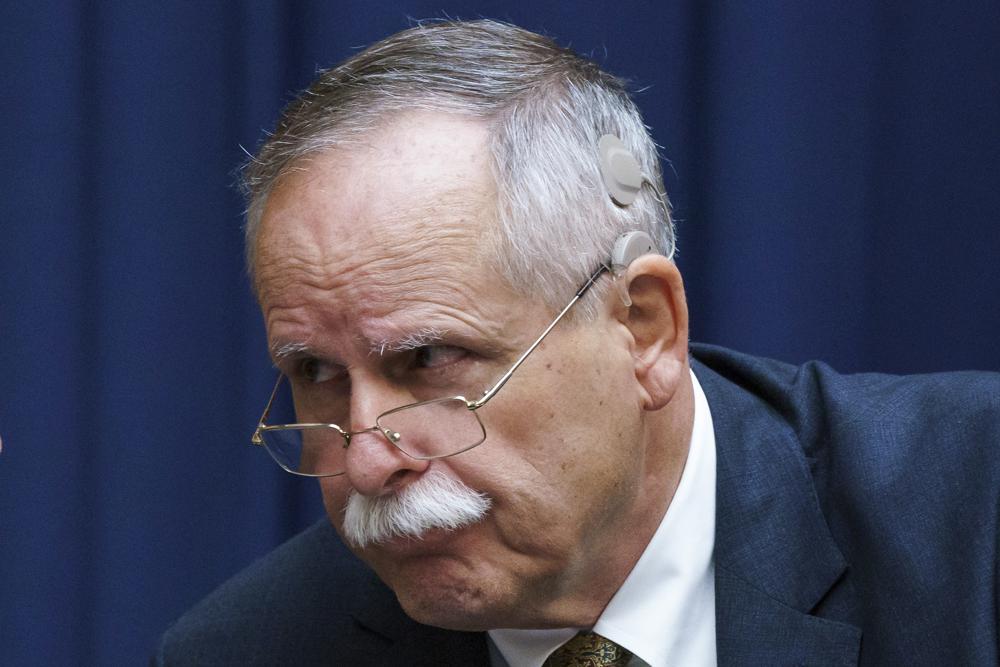
Roads, bridges, and former President Donald Trump are on West Virginia and Nebraska voters’ minds as they choose congressional candidates in Tuesday’s Republican primary elections. Two incumbent GOP congressmen who have taken dramatically different approaches to their time in office are facing off in West Virginia’s 2nd Congressional District, one of the most-watched U.S. House primaries on the day’s ballot. Reps. David McKinley and Trump-backed Alex Mooney were pitted against each other after West Virginia lost a congressional seat based on the results of the 2020 U.S. census. Throughout West Virginia on Tuesday, voters were heading to polling places at schools, churches, and public libraries. Susan Smith, a small business owner in Valley Grove, West Virginia, voted for Mooney at a local elementary school Tuesday morning. She lives in McKinley’s former district and said she always voted for him in the past. But not in this election. “When Mr. McKinley started voting with the Democrats and the current administration, that’s when things changed,” said Smith, who cited McKinley’s vote for President Joe Biden’s infrastructure bill and the January 6 commission. “I’m sorry to be losing a congressman, but we cannot have a Republican congressman voting with the Democrats. West Virginia did not need the money from this un-infrastructure bill.” Lowell Moore, a retired highways worker and county commissioner in rural Tucker County, said the choice was clear to support McKinley. He said he’s already seeing the benefit of federal infrastructure money in work being done to complete Corridor H, the last remaining section of the Appalachian Development Highway System in West Virginia. Moore said completing Corridor H will cut the response time for emergency services in half in Tucker County, which does not have a hospital and where first responders now have to travel on winding mountain roads. “The people he represents needed this so bad,” Moore said. “I’m a Republican, and I commend him for reaching across the aisle. It shouldn’t be about making the political decision — it should be about making the right decision.” West Virginia’s election is the first of five primaries in which two incumbent U.S. House members will face off. It will be followed by similar contests in Georgia and Michigan and in two Illinois districts. The primary comes on the heels of a victory by Trump-endorsed conservative JD Vance, author of the bestselling memoir “Hillbilly Elegy,” who defeated six other candidates to win the Ohio Republican primary for U.S. Senate last week. The West Virginia contest will once again test the former president’s clout when his own name isn’t on the ballot. Nebraska voters will nominate candidates on Tuesday to fill the seat abandoned by U.S. Rep. Jeff Fortenberry, a Republican who resigned from office and ended his reelection bid after he was convicted of lying to federal authorities about an illegal campaign contribution. Fortenberry’s name will still appear on the ballot for the 1st Congressional District because he withdrew after a deadline to certify the ballot, but Sen. Mike Flood, a former speaker of the Nebraska Legislature, appears to have the advantage over five other Republican candidates. Voters will also pick nominees for Nebraska’s 2nd Congressional District in the Omaha area. Three-term Republican Rep. Don Bacon faces a long-shot challenge from Steve Kuehl, an Omaha consultant who got a shoutout from Trump when the former president visited earlier this month. Trump blasted Bacon as a “bad guy” during a recent rally in the state and had criticized him previously for his support of a federal infrastructure bill that most GOP lawmakers opposed. Bacon also has been mildly critical of Trump in the past, saying the former president bore some responsibility for the January 6 riot at the U.S. Capitol. Trump stopped far short of officially endorsing Kuehl, however, saying: “I think Steve will do well. Good luck, Steve, whoever the hell you are.” Democrats in Nebraska will nominate either state Sen. Tony Vargas of Omaha or Alisha Shelton, an Omaha mental health therapist, to challenge Bacon in the 2nd, the state’s only competitive district. In the rural, geographically vast 3rd Congressional District, Republican U.S. Rep. Adrian Smith faces a challenger but is expected to win his party’s nomination. Two Democrats are vying for their party’s nomination within the district, which is overwhelmingly Republican. In West Virginia, incumbent Rep. Carol Miller is expected to hold her seat in the 1st Congressional District against four Republican challengers. In the state’s 2nd Congressional District, where McKinley and Mooney are battling each other for the GOP nomination, openly gay former Morgantown city councilor Barry Wendell is competing against security operations manager Angela Dwyer in the Democratic primary. Mooney has attacked McKinley for voting with 12 other House Republicans in favor of Biden’s $1.2 trillion infrastructure bill. Trump, who won every single county in West Virginia in two presidential elections and said Republicans who voted for the infrastructure bill should be “ashamed of themselves,” endorsed Mooney on the same day Biden signed the infrastructure law. Rep. David McKinley, a civil engineer by trade, received endorsements and praise from Democratic U.S. Sen. Joe Manchin and GOP Gov. Jim Justice over his infrastructure vote. He said it was time to put party politics aside to meet the needs of his constituents. “This wasn’t for Joe Biden — this was to help West Virginia,” he told The Associated Press. Republished with the permission of The Associated Press.
Reps. Barry Moore and Mo Brooks demand DOD halt involuntary discharges for vaccine refusal immediately
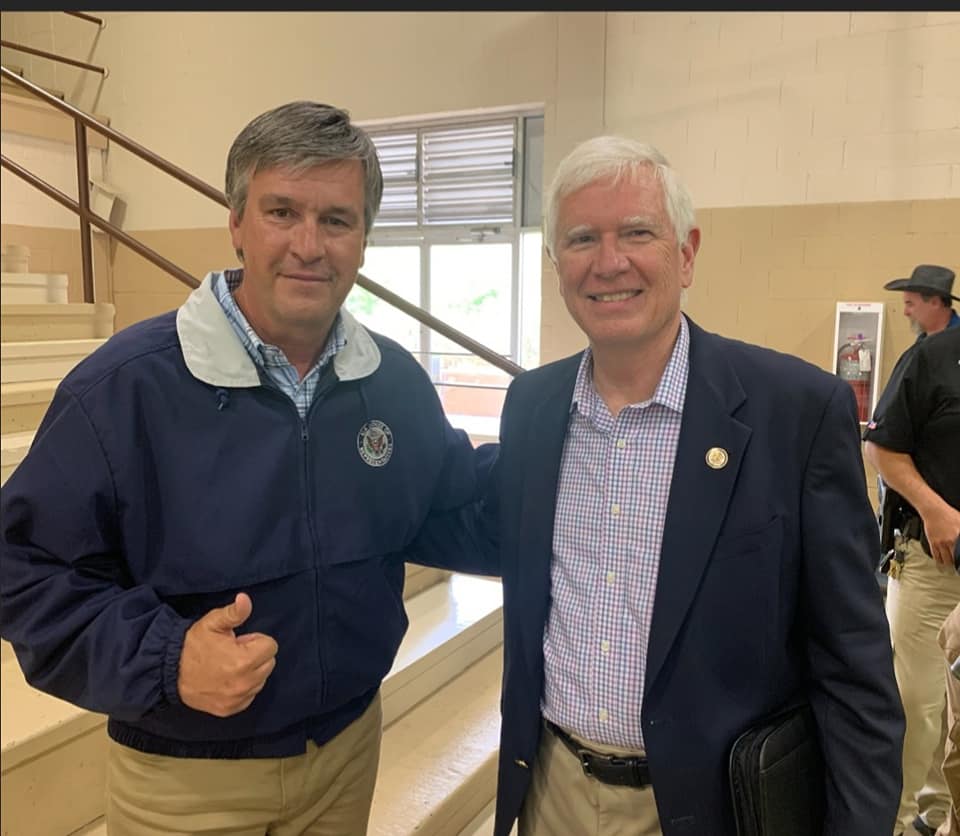
Reps. Barry Moore and Mo Brooks joined 40 of their colleagues in sending a letter to the Department of Defense (DOD) to demand that they halt efforts to involuntarily discharge members of the military who have refused COVID-19 vaccination. The letter requests that they stop until an in-depth review of natural immunity is complete, and the Department has issued uniform procedures for vaccine exemptions. According to Moore’s press release, Section 720 of the National Defense Authorization Act for Fiscal Year 2022 requires the DOD to establish uniform procedures for issuing exemptions and fully consider natural immunity. This includes eligibility timelines for consideration of exemptions for service members nearing separation and retirement in the development of uniform procedures relating to administrative exemptions. According to an NPR report, as of January 26, 96% of active troops had been completely vaccinated, while 3,350 soldiers had refused to get the vaccine. Nearly 5,900 have received temporary exemptions. “The DOD must immediately halt efforts to discharge our active-duty military members who refuse to get the vaccine just because overreaching politicians want to continue intervening in the private lives of the American people,” said Moore. “We must ensure that the DOD completes an in-depth review of natural immunity. I will continue to fight against the tyrannical vaccine mandate on our service members.” The letter states, “We are gravely concerned that the military services are proceeding with involuntary discharges when it is unclear to us whether uniform procedures have been issued by the Department of Defense. If the Department of Defense has not issued uniform procedures or reviewed the inclusion of natural immunity and the military services are moving forward with involuntary discharges, then we believe the Department is ignoring and violating Section 720. Congress included this language to protect our service members, and we expect the Department of Defense to abide by the law.” Additional members of Congress to sign the letter include Vicky Hartzler, Doug Lamborn, Elise Stefanik, Brian Mast, David McKinley, Darrell Issa, Kevin Hern, Rodney Davis, Bill Huizenga, Yvette Herrell, Michael Waltz, Bill Posey, Michael Guest, David Valadao, Thomas Tiffany, Pete Stauber, Mike Kelly, Andy Biggs, Neal Dunn, Gus Bilirakis, Dan Crenshaw, Randy Weber, Sr., Louie Gohmert, Lauren Boebert, Glenn Grothman, Alex Mooney, Joe Wilson, Scott DesJarlais, Jack Bergman, David Schweikert, Jeff Duncan, Ralph Norman, Bruce Westerman, Jim Banks, Rick Crawford, Jodey Arrington, Christopher H. Smith, Victoria Spartz, Ted Budd, and Gregory Steube.
Gary Palmer demands cost analysis of Build Back Better legislation
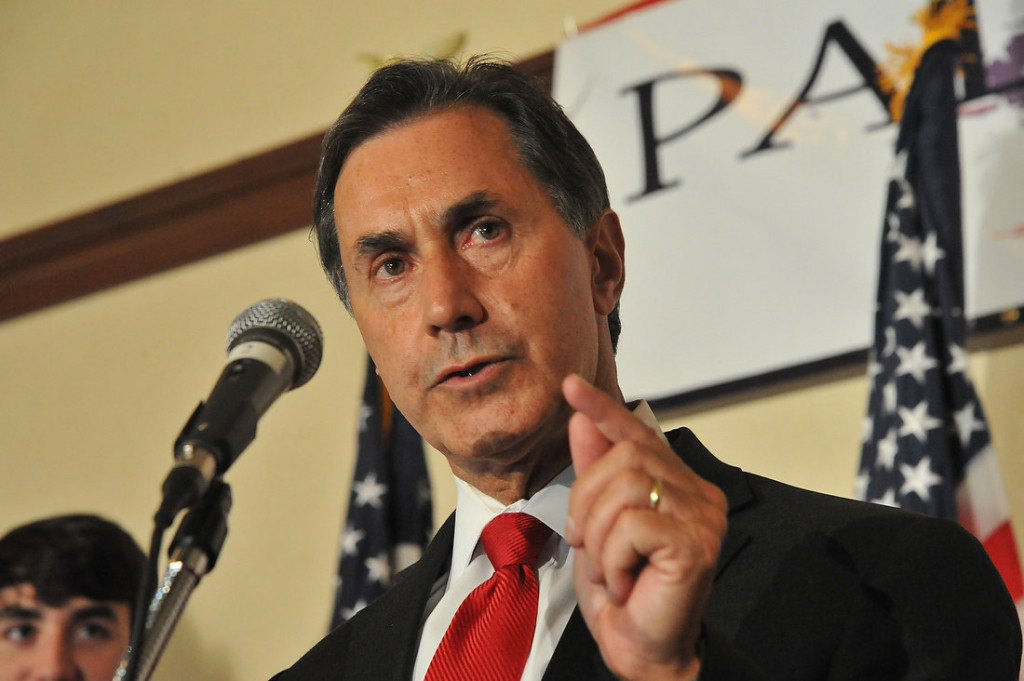
Congressman Gary Palmer and several colleagues have sent a letter to Congressional Budget Office Director Phillip Swagel. The group has requested cost analysis of the Democrats’ Build Back Better legislation. In a press release, Palmer stated, “The nation will have to build back from the brink of bankruptcy, should this legislation ever become law. Although the Democrats are pretending to scale back on a number of the unwarranted programs in it, we have no idea what the true price tag is for these policies that would fundamentally undermine our Republic and move us one step closer to socialism.” According to a recent article from the House Committee on the Budget Chairman John Yarmuth, the Build Back Better Act “aims to make an investment of $1.75 trillion in family care, health care, and combatting the climate crisis.” However, Palmer argues that the initiative will cost more than what is being stated. “I have seen more than one or two budget gimmicks during my time in Congress, and this package is full of them,” Palmer continued. “For instance, the legislation partially funds programs and pretends they will come to an end, even though the clear intention is to make them permanent. This is why we have requested that the CBO Director conduct a true analysis, so that Congress and the American people have a real understanding of just how much this monstrosity will cost. Independent groups have consistently said this bill is not paid for and will increase the deficit. This analysis will expose all of the bill’s budget gimmicks and hopefully end this misleading effort to run our country over the fiscal cliff.” The letter states, “H.R. 5376, as it is currently drafted, contains cherry-picked program expirations and phase-out periods that are meant to circumvent congressional scoring procedures. These provisions are disingenuously meant to hide the true costs of these policies and their burden on Americans today and for generations to come. It is of paramount importance that before Congress collectively acts on this legislation, it has an accurate understanding of what the effects of this legislation would be if its policies became permanent law.” The letter was also signed by Reps. Vern Buchanan, Greg Steube, Pete Stauber, Mariannette Miller-Meeks, Jack Bergman, David Rouzer, Tracey Mann, Mary E. Miller, Tedd Budd, Markwayne Mullin, Jody Hice, Eric Crawford, David McKinley, and Andy Biggs.
Jerry Carl supports bill to allow flexibility in spending COVID-19 funds
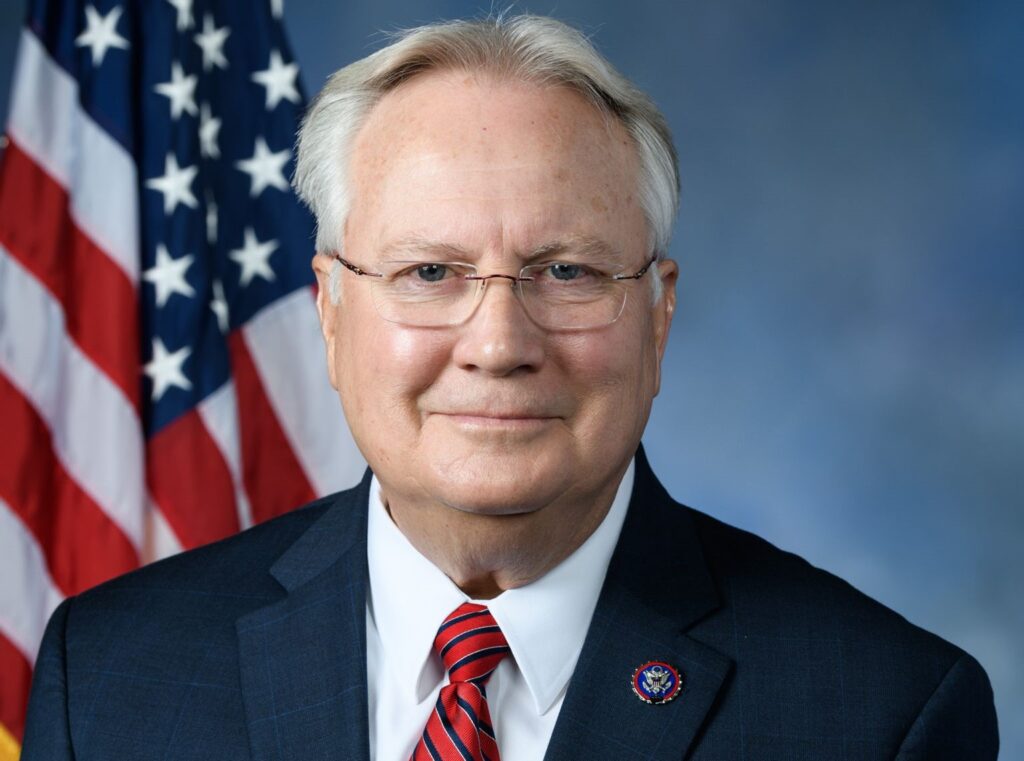
Congressman Jerry Carl announced he has co-sponsored a bipartisan bill to give state and local officials flexibility and time to spend the remainder of COVID-19 relief dollars. The State, Local, Tribal, and Territorial Fiscal Recovery, Infrastructure, and Disaster Relief Flexibility Act, introduced by Reps. Dusty Johnson and Carolyn Bourdeaux, aims to make various infrastructure investments eligible for payment with these funds. The legislation recently passed the U.S. Senate unanimously. Under the CARES Act, Congress did provide some flexibility for how COVID-19 funds could be spent, but the funds were not able to be used for infrastructure projects. This bill will give state and local officials additional flexibility and time to spend the remaining COVID-19 relief dollars responsibly. Carl supports the effort to add infrastructure spending as part of the COVID funding. Carl said in a statement, “South Alabama has a desperate need for investments in true infrastructure such as roads, bridges, ports, waterways, and broadband. As a former county commissioner, investing in our nation’s infrastructure is a top priority for me, so I’m proud to cosponsor this bipartisan bill to give states like Alabama the flexibility they need to spend unused COVID-19 relief dollars on critical investments in our nation’s infrastructure. “Unfortunately, Nancy Pelosi is holding the American people hostage by blocking this bill from being considered on the House floor. Despite passing the U.S. Senate unanimously and being introduced in the House by a large, bipartisan group, Nancy Pelosi is focused on raising our taxes, bankrupting America, and playing political games. It’s time to put the American people first and pass this bipartisan, commonsense bill.” South Dakota congressman Dusty Johnson posted on Twitter, “We need to cut the federal red tape. State governments need flexibility to administer remaining COVID-19 relief funds for critical infrastructure. Our bill would make that a reality & it’s already passed the Senate. Congress can get it done.” This legislation is cosponsored by Reps. Steve Scalise, Henry Cuellar, Rick Allen, Suzan DelBene, David Rouzer, Marilyn Strickland, Randy K. Weber, Jared Huffman, Steven Palazzo, Sanford D. Bishop, Jr., Andy Barr, Joseph Morelle, Dan Meuser, Albio Sires, Carlos A. Gimenez, Antonio Delgado, David B. McKinley, Kim Schrier, Peter Meijer, Darren Soto, Chris Pappas, Rick Crawford, Betty McCollum, William Timmons, Josh Gottheimer, Brad Wenstrup, Derek Kilmer, Don Young, and Tom O’Halleran.
Democrats seek Green New Deal to address climate change

Democrats including Rep. Alexandria Ocasio-Cortez of New York are calling for a Green New Deal intended to transform the U.S. economy to combat climate change and create thousands of jobs in renewable energy. The freshman lawmaker and veteran Sen. Ed Markey of Massachusetts are teaming up on the plan, which aims to eliminate the U.S. carbon footprint by 2030. A joint resolution drafted by Ocasio-Cortez and Markey sets a goal to meet “100 percent of the power demand in the United States through clean, renewable and zero-emission energy sources,” including dramatic increases in wind and solar power. A news conference at the Capitol is set for later Thursday as the lawmakers introduce the nonbinding resolution. While setting lofty goals, the plan does not explicitly call for eliminating the use of fossil fuels such as oil and natural gas, a nod to pragmatism that may disappoint some of Ocasio-Cortez’s strongest supporters. Even so, their Green New Deal goes far beyond the Clean Power Plan proposed by President Barack Obama. President Donald Trump has scrapped Obama’s plan, which imposed emissions limits on coal-fired power plants, as a job-killer. The Democrats are likely to meet resistance to their proposal in Congress, especially in the Republican-controlled Senate. Trump, who has expressed doubts about climate change, also is likely to oppose it. The announcement of the Green New Deal came as House Speaker Nancy Pelosi tapped eight Democrats to serve on a special committee to address climate change. Ocasio-Cortez was not among those selected for the panel, which is chaired by Rep. Kathy Castor, D-Fla. Ocasio-Cortez declined to answer Thursday when asked about the snub. Pelosi said in a statement that the climate committee will “spearhead Democrats’ work to develop innovative, effective solutions to prevent and reverse the climate crisis.” She made no mention of the Green New Deal. The resolution being introduced Thursday marks the first time Ocasio-Cortez and other lawmakers have attached legislative language to the Green New Deal, a concept that until now has been largely undefined other than as a call for urgent action to head off catastrophic climate change and create jobs. Several Democratic presidential hopefuls have embraced the idea of a Green New Deal without saying exactly what it means. Ocasio-Cortez said in a statement that the plan will create “unprecedented levels of prosperity and wealth for all while ensuring economic and environmental justice and security.” She calls for a “World War II-scale mobilization” that includes high-quality education and health care, clean air and water and safe, affordable housing. Answering critics who call the plan unrealistic, Ocasio-Cortez says that when President John F. Kennedy wanted to go to the moon by the end of the 1960s, “people said it was impossible.” She also cites Franklin D. Roosevelt’s New Deal, Lyndon B. Johnson’s Great Society and the interstate highway system begun under Dwight D. Eisenhower as examples of American know-how and capability. While focusing on renewable energy, Ocasio-Cortez said the plan would include existing nuclear power plants but block new nuclear plants. Nuclear power does not emit greenhouse gases, which contribute to global warming. The resolution does not include a price tag, but some Republicans predict it would cost in the trillions of dollars. They denounced the plan at House hearings on climate change on Wednesday. “If anyone thinks that decarbonizing America is going to save the planet, they’re delusional,” said Rep David McKinley, R-W.Va. The Green New Deal would be paid for “the same way we paid for the original New Deal, World War II, the bank bailouts, tax cuts for the rich and decades of war — with public money appropriated by Congress,” Ocasio-Cortez said. Government can take an equity stake in Green New Deal projects “so the public gets a return on its investment,” she said. Republished with permission from the Associated Press
