
State approves alcohol sales at Bryant-Denny stadium
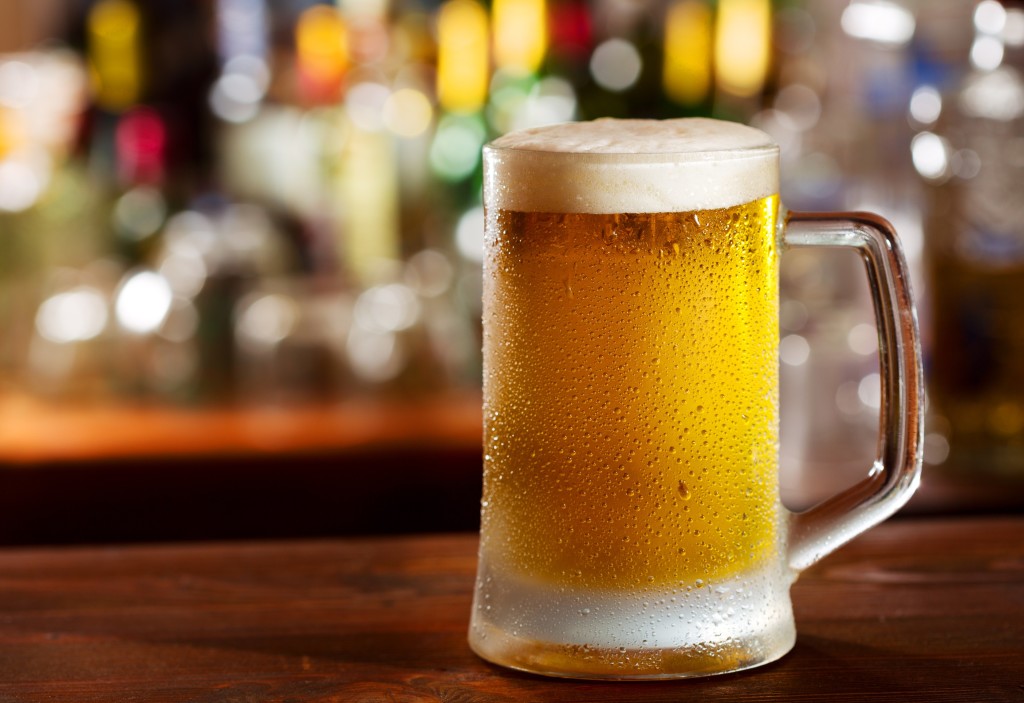
Beer and wine sales are coming to Bryant-Denny Stadium at the University of Alabama. Dean Argo, a spokesman for the Alabama Alcoholic Beverage Control Board, said Wednesday that the agency gave approval to an alcohol license for the vendor at Bryant-Denny Stadium. The state approval was the final regulatory step in authorizing sales. A spokeswoman for the university’s athletic department did not immediately return an email seeking comment about when sales might begin. The Tuscaloosa City Council on Tuesday approved the alcohol sales license for Levy Premium Foodservice, the university’s concession vendor at the stadium, news outlets reported. Levy representative Herbert Tesh told councilmembers that beer and wine would be sold to fans on the concourse but not in the stands, news outlets reported. The university is seeking to join a growing number of universities selling alcohol in their stadiums on game days. Previously, alcohol was only allowed in skyboxes at the Tuscaloosa stadium. The 100,077-capacity stadium is one of the largest football stadiums in the United States. Republished with the permission of The Associated Press.
Alabama may resume to-go alcohol sales as virus surges
Alabama officials may go back to allowing bars and restaurants to make curbside alcohol sales amid a surge of coronavirus infections in the state. The state’s Alcoholic Beverage Control Board has scheduled an emergency virtual meeting on the issue Monday, roughly three months after its order authorizing to-go sales of beer, wine, and liquor was allowed to expire after businesses had been allowed to reopen with limited capacities. “The spread of COVID-19 appeared at that time to be on the decline,” Dean Argo, government relations manager of the Alabama ABC Board, said in a statement. “…However, COVID cases have steadily increased over the last month causing a need to authorize curbside delivery options.” Alabama in the past week hit record highs for daily infections and the number of COVID-19 patients in state hospitals. Reported deaths also jumped from nearly 22 deaths per day on Nov. 26 to almost 37 deaths per day on Dec. 10. Since the pandemic began, the state health department has reported more than 280,000 confirmed and probable virus cases and more than 4,000 confirmed and probable virus deaths in Alabama. While the virus causes only mild or moderate symptoms in most people, it can be deadly for the elderly and people with other, serious health problems. The ABC Board first agreed in March to allow businesses with liquor licenses to sell to-go orders of alcohol in unopened containers when bars and restaurant dining rooms were shut down to slow the spread of the virus. That order was later extended from July through Sept. 15. The board then decided that curbside sales were no longer necessary and allowed the provision to lapse. Last month, Gov. Kay Ivey further eased occupancy restrictions for restaurants and other businesses including retail stores and gyms, where masks and social distancing are still required. Ivey on Wednesday extended Alabama’s mask requirement until Jan. 22 but did not impose any new restrictions on businesses. Republished with the permission of the Associated Press.
Inside the Statehouse: All politics is local. Most of Alabama’s mayoral races are this year.
“Folks, being mayor of a city is where the rubber meets the road.”
State alcohol regulator’s website gets facelift. Should agency operations?
The state’s ABC Board’s old website was beyond just dated in a visual way. It also included some questionable content including mixed drink recipes. But no more, according to Dean Argo, Govt. Relations and Communications Manager at the Alabama ABC Board, the site was updated on Jan. 1, 2018 for that among other reasons. “The previous site was extremely outdated, hard to navigate, had little to no ability to interact with a visitor, a limited search function and provided little information about the Board, its mission, or division functions. Obviously, it had not been updated in several years,” Dean said in a statement. Dean said the board worked off the state contract for professional services and through the State-managed service provider network (ACRO). The State-managed service provider submitted to us resumes from qualified vendors and they evaluated those resumes and then interviewed individual candidates. From those interviews, they chose a web developer by the name of David Connerth to rework the site. “While we are still working on a couple of areas of the new site, including a section for our public education/awareness program about the dangers and consequences of underage and binge drinking called ‘Under Age – Under Arrest,’ our contract with the web developer was about 6 months in length and will cost approximately $85,000,” Argo added. What’s the purpose of the ABC Board? According to the newly update site, the purpose of the ABC Board is: The ABC Board controls alcoholic beverages through distribution, licensing, and enforcement. The Board operates a chain of retail stores selling the majority of liquor purchased in Alabama. The ABC Board also licenses commercial firms to sell alcoholic beverages. These range from restaurants and nightclubs to small stores selling beer for off-premise use. Applicants for a license are examined carefully to ensure the individuals involved are of solid moral character and will ensure the laws of Alabama and rules of the Board are obeyed. The proposed site for selling or dispensing of beverages is checked through neighborhood survey. After a license is issued, the ABC Board continuously inspects operations of licensees. The Board also conducts audits, collects taxes, and disburses revenue obtained from those taxes, and disburses revenues from the ABC Stores. Recipients of these funds include the Department of Mental Health, Special Education Trust Fund, Department of Human Resources, and the State General Fund. Controversial Role in Alcohol Sales But the board’s work isn’t without controversy as Alabama remains one of the last states in the nation with such strict control over sales and licensing. Legislation to change the structure operations has been introduced for years by State Senator Arthur Orr trying to do away with the portion of the Board that runs package stores. Orr has refiled the legislation this session, SB98, in an effort to privatize ABC stores. Cameron Smith, Vice President and General Counsel at the R Street Institute, took on the issue noting its fiscal sense in a 2015 AL.com post saying, “Orr’s bill would eliminate the cost of more than 600 employees and the expense of leasing ABC stores from the ABC Board’s operational cost. While the move would undoubtedly incur one-time costs associated with eliminating those positions, those costs are far less expensive than the ongoing salaries and benefits of those state employees.” Alabama Today’s own Apryl Marie Fogel wrote a piece on the subject and website, noting you could get some fun recipes there. Those have sense been removed from the website. The conclusion of the post according to her remains relevant today new website or not, “The fact is the prohibition days are long behind us and so should be the days of state-run liquor stores.” BEFORE: AFTER:
