
This week at the Alabama Statehouse: May 12-14
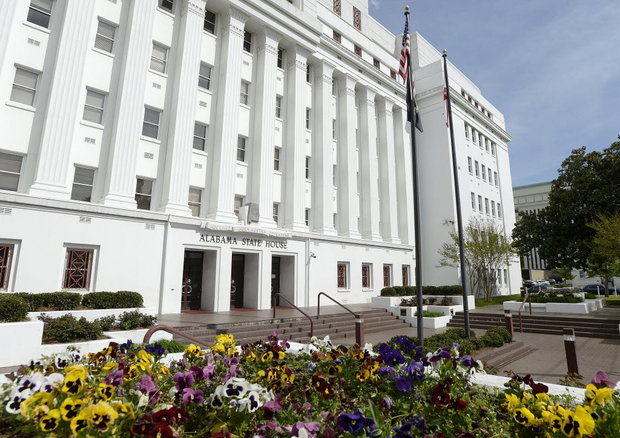
All eyes will be on the Republican leadership this week as competing solutions to the state’s budget shortfall make their way through the House and Senate: At 1 p.m. Tuesday the Senate Tourism & Marketing Committee holds a public hearing on Senate Bill 453, Sen. Del Marsh’s proposal to legalize casino-style gambling in Alabama. Marsh is expected to ask the committee to vote on the bill the same day. At 10:30 a.m. Wednesday, a House panel on boards and commissions will consider a handful of bills. Included on the agenda is House Bill 563. Rep. Patricia Todd and Rep. Howard Sanderford sponsored the legislation to ensure that only licensed veterinarians can make medical or surgical decisions on the treatment of animals. The bill also says spay and neuter clinics would be regulated as veterinary facilities. House Bill 14 by Rep. Randall Shedd will also be heard. It makes revisions to the state cosmetology and barbering board by removing the licensing for barbers and changing details related to who can be appointed and for how long to the renamed cosmetology board. At 3 p.m. Wednesday, the Senate committee on Fiscal Responsibility and Economic Development will hear Senate Bill 452 offered by Sen. Bill Holtzclaw, which would change the law for brewpubs to allow allow them to sell beer not just for on-premises but also off-premises consumption. A slate of proposals to boost tax revenue are expected on the House floor this week. House Republicans unveiled their budget plan last week, including $151 million in tax revenue and a recommendation to accept an offer from the Poarch Band of Creek Indians in exchange for exclusive gaming rights. The Times Daily is reporting that the tax measures are likely to fail in a Senate unconvinced of the need to boost revenue. A full committee meeting schedule can be found here. Keep checking ALToday.com for updates.
Alabama Statehouse week in review: May 5-7
Just 10 days left in the regular session, folks. That’s assuming, of course, that Gov. Robert Bentley doesn’t have to make good on his pledge to call a Special Session if his budget proposals don’t go through. In case you missed it, here are some of the headlines that came from the statehouse this week: •Sen. Del Marsh unveiled his legislation to create a lottery and allow class three gaming in Alabama racetracks. In a press conference on Monday, he urged Gov. Bentley to “Let the people decide” on his gaming proposal before pushing forward his plan to increase taxes. •House Republicans quickly followed Sen. Marsh’s announcement with a budget plan that includes a compact with the Poarch Band of Creek Indians, as recommended in Marsh’s plan. •On Wednesday, House Republicans quickly approved a slate of tax increases mentioned in their budget plan. Most of the measured passed out of the House on Thursday, with exception of two proposals to cut state employee pay. •After heated debate last week, the House sent a bill to impose membership, term, and compensation limits on the Birmingham Water Works Board to the governor. •A new board will oversee Alabama’s two-year colleges, thanks to a bill sent to Gov. Bentley this week. Legislators said a board made up of industry and business leaders would help focus the colleges’ mission of worker training and workforce development. •Sen. Cam Ward ended the week by getting his comprehensive prison reform bill through the House. Senate Bill 67 passed with a 100-5 vote; the Senate quickly concurred on the House version, then sent it to Bentley for signature on Thursday evening.
Panelists debate gaming legislation in Mobile
Mobile news station WJTC/UTV 44 held the state’s first public forum on the issue of increased gaming since Sen. Del Marsh introduced legislation Tuesday. Marsh’s bill would create a state lottery and allow casino-style gaming in four Alabama locations. Included on the panel were three participants whose groups have publicly spoken against the bill and Prichard City Councilman Lorenzo Martin, who expressed his support for allowing the public to vote on the issue. Panelists included: John Hill, senior analyst for the Alabama Policy Institute; Les Bernal, national director of Stop Predatory Gambling; Prichard City Councilman Martin; and Robert McGhee, government relations adviser and treasurer of the Poarch Band of Creek Indians tribal council. An early question asked the potential for more gambling addictions. Bernal framed the discussion with strong criticism of any state policy based on gaming: “When you use gambling for profit, it becomes predatory because the business model is about exploiting people. You’re letting them spend far beyond their means. And the idea that state government would be partners in that is unjust and wrong.” Bernal pointed to examples in Florida and Georgia of state-run lottery programs intended to help all residents, but end up paid for by the state’s poorest communities. “The poorest counties in Georgia bought the most tickets, but the wealthiest counties got the benefit of the programs,” he said. “Middle class families in Georgia don’t have to save for their kids’ education, because they know the poor will pay for it.” McGhee, though, said Indian gaming has made a positive difference in the Native American community. McGhee said that his tribe spends millions of dollars year from Indian casinos on education and county repairs, like roads. The Poarch Band of Creek Indians he represents propose an alternative to the current bill that would include a one-time payment to the state in exchange exclusive gaming rights. He said much of the tribe’s gaming revenue goes toward paying its share of federal health care and education benefits for tribe members. He warned that the strict federal gaming regulation that Poarch Creek follows is missing in the current legislation. “Our current concern is that legislation has no regulatory process in place. They don’t tell you how they’re going to pay for that regulatory process. There are a lot of unanswered questions. “The current legislation is not good for the state of Alabama. They tell you all these jobs will be created, but they don’t tell you how.” Many audience questions asked about lack of clarity in the proposal, specifically on where the projected proceeds from the gaming proposal would be directed. Martin echoed that concern, saying that proceeds should go to heal disadvantaged minority neighborhoods and to encourage community revitalization. Hill countered with his belief that a lottery would do little to overcome the budget deficit or address community concerns. “I have very little faith in the ability of our legislators to keep their word on this,” Hill said. “Even if we raised $100 million in gambling revenue this year or next year, we’re not solving the problems of the government spending too much or living within its means. Three or four years from now, these problems are going to come back, they’re going to be worse than ever, and we won’t have gambling to fall back on.” “Unfortunately,” he said, “none of the lottery proposals out there would help anybody’s issues here at all.” As the discussion turned to a recommendation from Marsh and the House Republican caucus that Gov. Robert Bentley pursue a compact with the Poarch Band of Creek Indians, McGhee said the tribe is most interested in establishing a positive partnership with the state. “We provide government programs to our members and our constituents, like health care and educational scholarships. And we employ more than 5,000 employees throughout the state,” McGhee said. “We want to be better partners with the state and to be able to help Alabama with its fiscal and financial problems, but can only do that with a vote.” Marsh’s proposed Senate Bill 453 is a constitutional amendment that requires a popular vote. In a press conference on Tuesday, Marsh urged the governor to allow the proposal to be put up for vote in September. Martin echoed his support for allowing voters to decide on whether to expand gaming in Alabama. “Stop gambling with our lives, with our education, with our health, and with our public school systems,” Martin said. “There are so many things that people are being held back from because they’re impoverished. Let’s vote and make a decision on where you want to go.” Viewers took to Facebook and Twitter using the hashtag #YourVoiceYourFuture to weigh in on the discussion. Here are some of their comments: @LOCAL15NEWS No. The expense of the fallout of legalized gambling will surpass the benefits and politicians will still overspend. — Kevin Cobb (@WeMoKevin) May 8, 2015 @LOCAL15NEWS #yourvoiceyourfuture gamblers are going to gamble no matter what. So why not keep the money in #AL with a lottery? — Kimiko Mura (@MuraKimiko) May 8, 2015 @LOCAL15NEWS #Yourvoiceyourfuture If we are going to vote on everything, we don’t need the legislature. — Joe Godfrey (@ALCAPministry) May 8, 2015 @LOCAL15NEWS Alabamians have been spending their money in other states for years! It’s time to bring that revenue home! — Jennifer Jones (@skyjenn11) May 8, 2015 LIVE NOW Town Hall: Alabama State Lottery. Do you support a lottery in Alabama? Join in on the discussion and post your… Posted by Local 15 NBC News, WPMI Mobile on Thursday, May 7, 2015.
Committee to hold public hearing on Del Marsh’s gaming proposal
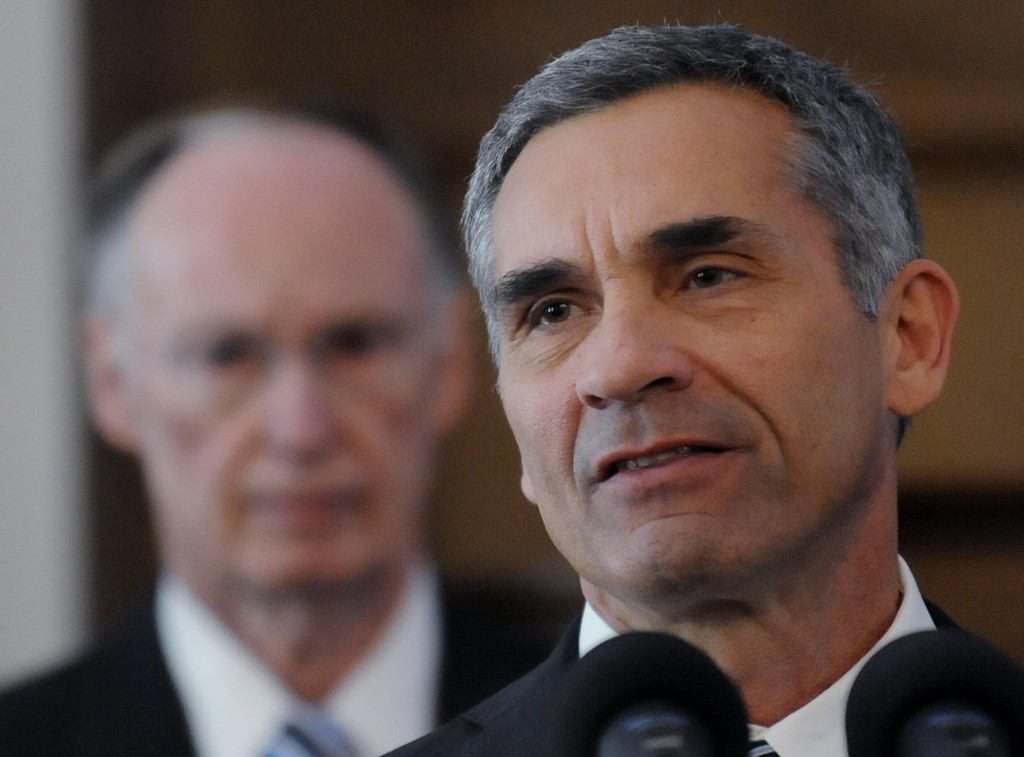
For those with strong opinions on the proposal to expand gaming and create a state lottery you will not have to wait long to weigh in. The Senate Tourism and Marketing Committee has scheduled a public hearing for 1 p.m. Tuesday to hear the bill, Senate Bill 453. The bills sponsor, Sen. Del Marsh chairs that committee. This bill has received bipartisan support as an effort to bring increase revenue coming into the state without increasing taxes. Birmingham Mayor William Bell joined Marsh at a recent news conference in support of the bill highlighting economic impact. The other gaming proposal on the table is to grant exclusive rights to the Poarch Band of Creek Indians. The Poarch have reportedly offered the state a one-time payment of $250 million to allow them to keep their monopoly rather than pursue the Marsh plan, which focuses on job creation and increased tax revenues. According to an AP report, Marsh has said he “will ask the committee to vote the same day as the hearing”.
Robert Bentley stresses major budget cuts will ensue without quick remedy
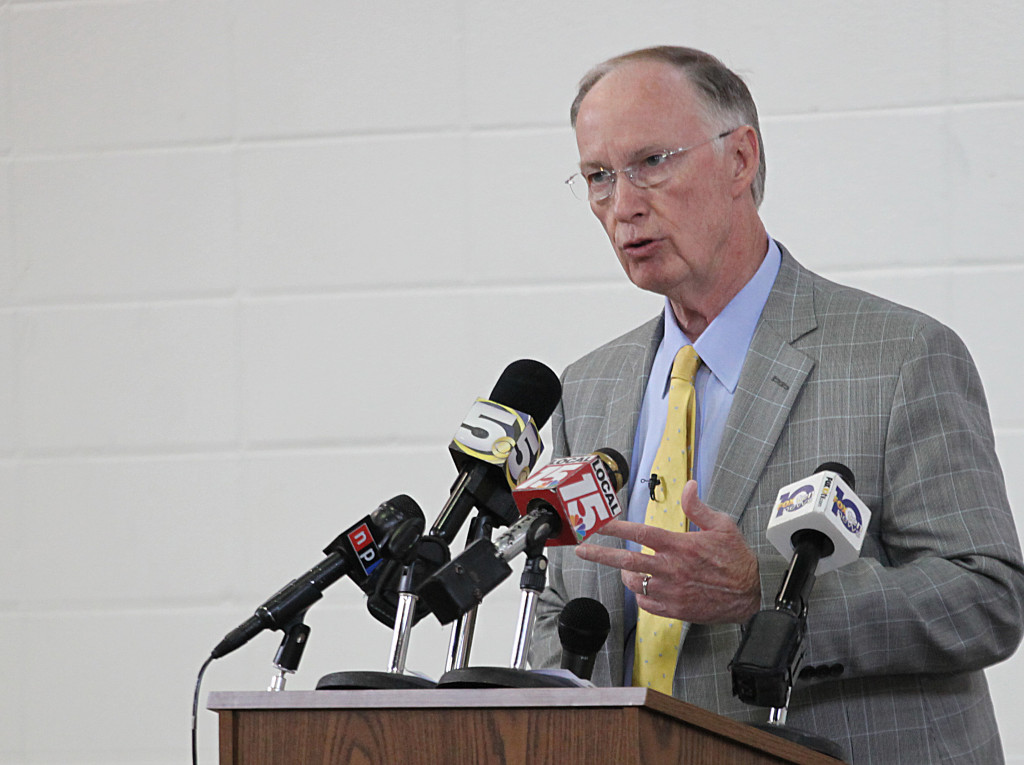
Gov. Robert Bentley continued his crusade against the Legislature’s current budget Wednesday, issuing an announcement detailing severe cuts to Lee County unless the tax increases he is proposing — or perhaps recent a gambling expansion measure he omitted from mention — are adopted as part of an overall budget approach. “We are facing a tremendous crisis in our General Fund Budget that will impact every Alabama county if not addressed by the Legislature,” Bentley said in a prepared statement Wednesday afternoon. Specifically, the governor’s office said that Lee County — home to the city of Opelika and the college town surrounding Auburn University — would face harsh consequences, including the loss of temporary public assistance from the Department of Human Services for 405 children, layoffs for 15 court system employees, possible closing of the Lee County Armory and the Opelika Trooper Post, one of 13 Alabama state trooper posts. “I am committed to finding new revenue so our state agencies can continue to provide essential services to Alabamians. For decades, we have failed to address the way our non-education state agencies are funded,” Bentley said. “With no one-time money available to support the General Fund and debts that are owed, we have a real crisis on our hands. I encourage the residents of Lee County to let their elected representatives know that these cuts are unacceptable and will hurt the people in in Lee County.” Auburn University at Montgomery recently published a study which bolsters Sen. Del Marsh‘s proposal to allow a lottery and a handful of casinos across the state. The study suggested that such an expansion of gambling could help solve the $250 million state budget shortfall currently projected in during the next fiscal year. An initiative to do so is in the works in the Legislature, where Republican House budget chief Rep. Steve Clouse has joined 23 House Democrats in co-sponsoring an agreement that would call for a constitutional amendment that would make Alabama the 45th state in the nation to adopt some form of state lottery. The effort was the subject of a press conference convened Tuesday by Marsh.
House budget panel weighs testimony on 2 plans to avert budget shortfall
Tuesday, the House’s General Fund budget committee weighed testimony on two proposals to save money as an overall plan to avert a state budget shortfall. Rep. Lynn Greer presented House Bill 588 a plan to convert two state holidays into furlough days while House Bill 590 from Rep. Arnold Mooney cuts longevity pay, a yearly payment made to state employees each December based on how long they have worked for the state, for the coming fiscal year. During the public hearing, Mac McArthur, executive director of the Alabama State Employees’ Association, urged the committee to delay voting on both bills until a decision had been made on Sen. Del Marsh’s gambling proposal. “Don’t balance the budget on the backs of state employees,” he said. “Are you going to look at those people who have served you over and over and tell them ‘We’re gonna cut your pay?’” The pressure is on for lawmakers to agree on a plan to avoid across-the-board budget cuts because of a budget shortfall. Gov. Robert Bentley has urged lawmakers to pass a set of tax increases in order to boost revenue to the General Fund. On Monday, the governor threatened to call a Special Session of the Legislature if lawmakers fail to approve his plan to increase revenue to the General Fund. The committee chairman indicated that the panel will reconvene on Wednesday for a formal vote.
Birmingham Mayor William Bell says gaming would bring thousands of per-hour jobs to city
Birmingham Mayor William Bell traveled to Montgomery today to show his support for Senate leader Del Marsh’s legislation to expand gaming options in Alabama. In a press conference today, Mayor Bell echoed Marsh’s call for a referendum on his gaming proposal. He added that at least half of the 11,000 jobs estimated in an economic impact study on the gaming proposal would go to Birmingham. “That means more wage-an-hour jobs, more earning power and more spending power for a lot of people in that area,” he said. “You would have those dollars turning over into the community, increasing the level of revenue we have at the municipal level to do a lot of the things that we currently do have revenue for.” Mayor Bell told ALToday.com that Marsh’s proposal would mean new construction, revenue, and jobs at Birmingham Race Course, specifically. He also said that added entertainment would make the city – and the state overall – an attractive option for larger conferences and conventions. “It would increase our economic footprint tremendously,” he said. The mayor dismissed concerns that a state lottery and more casino games could have a disparate impact on low-income residents, saying that a strong gaming commission could oversee how the facilities operate. “People are going to gamble,” he said. “I look at the various parking lots where people leave their vehicles to get on buses to go to Mississippi. That is money leaving our state to go to other areas, and we need to find a way to capture those dollars and keep them right here in the state of Alabama.” On Tuesday, Sen. Marsh introduced Senate Bill 453 a bill to establish an Alabama Lottery and authorize Vegas-style gaming in the state’s four existing racetracks. Gov. Robert Bentley has rejected the gambling proposal outright, saying that it would not address current budget concerns. “My legislation doesn’t deal with the immediate problems, but I think it solves the longer term problems,” added Marsh. “None of the other models bring jobs. This is as much about economic development as it is about solving our budget issues.” Marsh said he expected to hold a committee meeting in his legislation sometime next week.
Del Marsh to governor: Don’t raise taxes without statewide vote on gaming
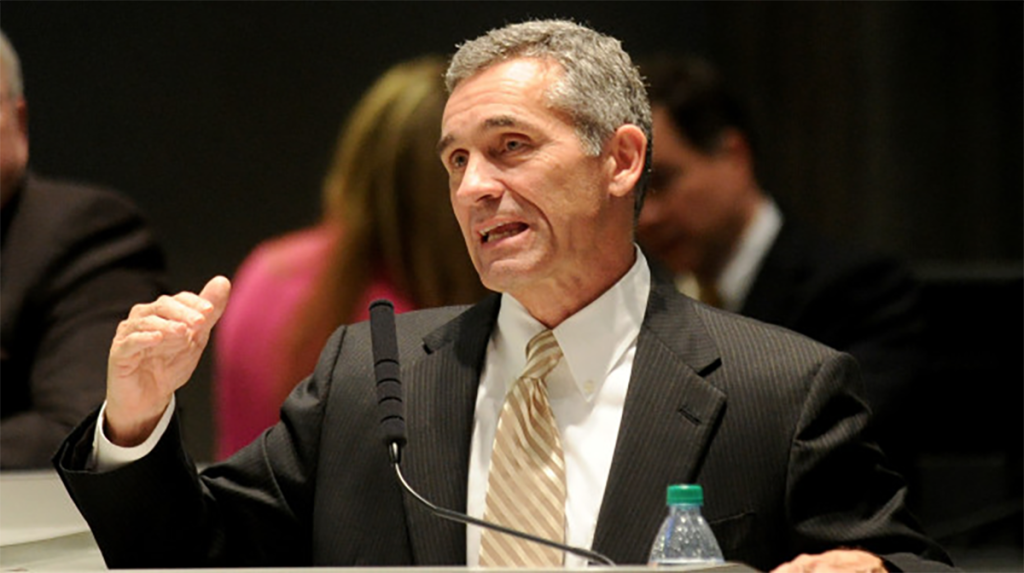
In a press conference Tuesday, Senate Pro Tem Del Marsh announced plans to introduce legislation that would bring card tables and slot machines to existing gaming facilities across the state and introduce a new lottery. Marsh urged the governor to allow his gaming proposal to be put up for vote in September, rather than imposing new taxes on Alabamians. “This is a viable option that should be put to the people to decide,” he said. “The people should have the right to make this choice before we put $600 million of new taxes on them.” Birmingham Mayor William Bell joined Marsh at the press conference to lend his support to the gaming proposal because of its potential to boost economic development in his city. “We can’t stand on the sidelines,” Bell said. “In the last gubernatorial election, you had officials saying that we should let the people have the right to decide on gaming. Gaming is by choice, taxes aren’t by choice. If we have a lottery, people can choose for themselves whether to participate in that activity.” An Auburn University study estimated that Marsh’s plan could boost state revenue by as much as $400 million. Marsh’s proposal is one of four options lawmakers have at this point to overcome the budget shortage. Other options include adopting Gov. Robert Bentley’s plan to plug the $541 million shortfall using tax increases, approving a $250 million offer from the Poarch Creek Indians in exchange for exclusive rights to manage gaming, or allowing across-the-board budget cuts that could include the loss of up to 1,000 jobs. On Monday, Bentley rejected the gambling proposal outright, saying it would “make Alabama look like Las Vegas” and not address the budget concerns: “It is one of the worst pieces of legislation I have ever seen.” In Tuesday’s press conference, Marsh presented a side-by-side analysis of his gaming proposal against what he called the “Creek Plan” and Bentley’s plan. “My proposed legislation would bring 11,000 new jobs. It’s fair to all and it’s not raising taxes on the people,” he said. By comparison, he said the governor’s tax proposal “raises taxes and results in no new jobs” and that the $250 million bailout proposal by the Poarch Creek Indians wouldn’t solve the state’s long-term budget problems. Marsh was optimistic that his caucus would support his legislation because of its potential for long-term economic gains. “I’m not hearing a lot of excitement on tax increases. What I’m hearing from my caucus is ‘Keep this in play.’” Since March, Bentley has been urging legislators to adopt his plan to plug the $541 million shortfall using tax increases, including increased taxes on cigarettes, car sales, and car rentals. The House’s General Fund budget committee is scheduled to hold public hearings on several of those proposed increases, including higher cigarette and car rental taxes, later Tuesday.
This week at the Statehouse: Legislative Days 19-20
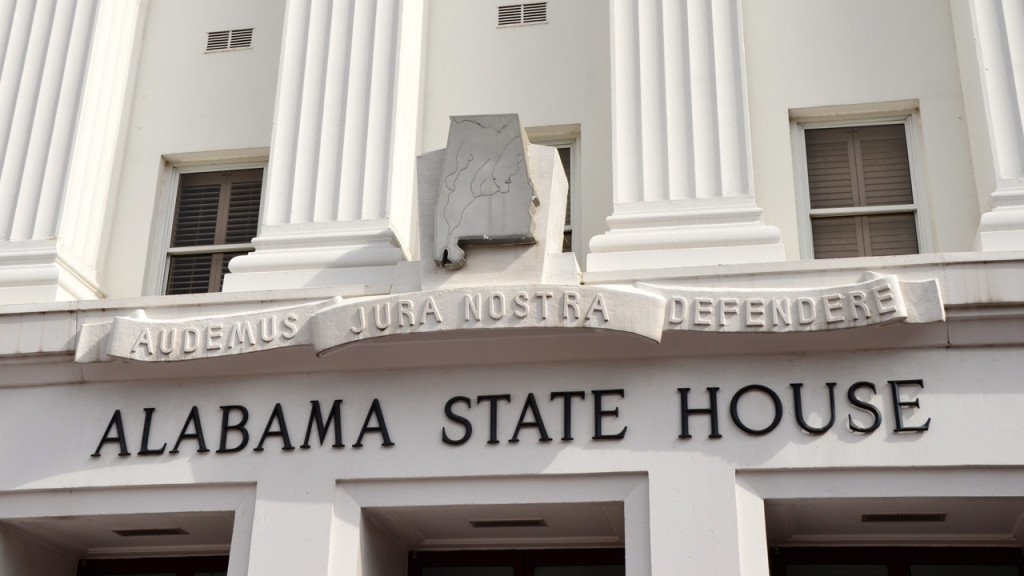
The talk of the town this week is expected to be about the gaming proposals Sen. Del Marsh drafted and sent home to members last week and the Poarch Creek Indian Tribe’s counter offer. Then there’s the lawsuit that the State Auditor Jim Zeigler has announced he’ll drop Monday to challenge Attorney General Luther Strange for his decision not to challenge school boards from using tax payer money to lobby for tax increases. Here are some of the proposals expected to move in the statehouse this week: Sen. Cam Ward’s comprehensive prison reform bill Senate Bill 67 could go to the House floor was early as Tuesday, according to reports from AL.Com. On Tuesday in the House Ways and Means Committee there will be four bills up. They include House Bill 572 which would raise the cigarette taxes from $.425 a pack to $.675 a pack, House Bill 267 which would raise the rental car tax from one-half percent to four percent and House Bill 590 which would authorize the state skipping the 2015-2016 longevity pay paid out at the beginning of December for state employees. On Wednesday, an education policy panel will hear comments on House Bill 243 to authorize local boards of education to admit or readmit students up to age 21 into the 12th grade. That same panel is expected to vote on Erin’s Law House Bill 197, a proposal to provide age-appropriate instruction in public schools on recognizing and avoiding child sexual abuse. The health committee is slated to vote on a trio of proposals governing abortion on Wednesday. The committee declined to vote last week following public hearings on the Fetal Heartbeat Act, the Healthcare Rights of Conscience Act, and a proposal to bar clinics within 2,000 feet of a public school. Keep checking ALToday.com for updates. *Article updated to reflect tax bills heard on Tuesday not Wednesday.
Lawmakers say department shouldn’t tax digital transmission
Alabama legislative leaders are asking the Department of Revenue to cancel its plan to tax digital streaming services in the state. Lawmakers in April sent a letter to Revenue Commissioner Julie Magee asking her department to withdraw its plan to tax video and audio services such as Netflix and Pandora. The letter was signed by several members of the Legislature including Speaker of the House Mike Hubbard and Senate President Pro Tem Del Marsh. The rule would require companies to pay a 4 percent rental tax on all sales. A copy of the letter obtained by The Associated Press says new taxes should be approved by the legislature. Revenue officials have said the tax is not a new tax but only an update to existing tax code. Republished with permission of The Associated Press. Photo Credit: AP file photo
Del Marsh aims to patch budget deficit with gaming deal
In an aggressive move to fill a projected deficit in the state General Fund, Senate President Pro Tem Del Marsh is reportedly circulating a package of gaming legislation that would create four casinos. According to an AL.com report, the proposal reportedly includes a state gross receipts tax provision of 13 percent on gaming revenue at the tracks, located in in Birmingham, Mobile, Macon County and Greene County. Marsh’s proposal also provides for a 1 percent local gross receipts tax that would be shared by the local jurisdictions where the tracks are. The proposal would require an unusually high threshold of support for enactment, needing a three-fifths vote of confidence in both legislative chambers, plus approval from Alabama voters in a state constitutional amendment. March asked fellow senators to study the bill this weekend. If he deems support for the deal sustains it, he told reporters Thursday, he will introduce similar language next week. Marsh’s new gaming efforts are bolstered by a recent study conducted at the Auburn University at Montgomery Institute for Accountability and Government Efficiency, which concluded that the state could garner some $323 million or in new tax receipts — $64 million a year during the first year — were it to allow casino gambling at the state’s four pari-mutuel facilities and adopt a state lottery. Alabaster Sen. Cam Ward recently told AL.com, presciently, that he expected to see a new gaming bill come forward before the end of Session this year. “I think your lottery has a pretty good chance of passing,” Ward said. “The dilemma there is who is going to get the money. If it all goes to education, it doesn’t solve our budget problem.” AL.Com has posted a draft copy of the legislation here. Photo credit
Auburn report makes case for bold budget proposal from Senate
Everyone watching knew something big was on the horizon to address the budget crisis. In fact, as soon as Monday we’re expected to see the case laid out for at least two proposals to increase revenue with no or limited tax increases. The big plan is a significant expansion of gaming in Alabama. The question is who will make the ultimate decision? Sources say there are two very different proposals being considered. The first is expected to come from the Senate Pro Tem Del Marsh’s office and will put the issue in the hands of the voters by way of a constitutional amendment, The second is a proposal that would require a heavy-handed move by Gov. Robert Bentley to give a sweetheart deal to the Poarch Band of Creek Indians. When voters rejected a constitutional amendment in 1999, it was under very different political and economic circumstances. Voters today may be more open to the idea. The threats surrounding across-the-board budget cuts are being met with significant resistance, as is the governor’s plan to raise taxes. The Senate’s proposal is a direct result of a report commissioned by Marsh’s office by the Institute for Accountability and Government Efficiency (IAGE) at Auburn Montgomery. The report, expected to be released Monday, is titled “Assessment of Lottery and Gaming Programs Across the United States,” and looks at the costs and benefits of existing lottery and casinos in surrounding states. It uses historical evidence to estimate the potential revenue and jobs created by expanding both in Alabama. The surrounding states covered in the report include Arkansas, Florida, Georgia, Louisiana and Tennessee. The economic impact report is based on the premise that Class III gaming would be expanded at the four parimutual sites in the state: Birmingham, Greenetrack, Victoryland and Mobile. All would be expanded with slots and tables. The estimated number of slot machines and tables each casino would have was said to be based on second study “State of Alabama Gaming Market Assessment and Impact Study,” by Global Market Advisors LLC in 2015. A look at the numbers in the AUM report: A staggering 13,000 plus jobs will be created; $331,667,963 is the expected annual revenue from a state-run lottery system, and; Depending on the tax rate, the estimated revenue from expanded casinos will be with a rate of 13 percent, $63,015,148, or up to $73,863,632 with a 15 percent tax rate. That adds up to nearly $400 million in tax revenue to be collected for the general fund with the expansion of both. The Washington Post reported on Alabama’s lottery situation a week ago saying, “Forty years ago, these losing games of chance were illegal in every state. But they have proven so lucrative and politically irresistible that 44 states have since started selling tickets to the lottery. In 2013, state-run lotteries brought in $62 billion, which amounts to $257 in sales to every adult in the nation.” In an interview with The Associated Press in February of last year Bentley had this to say about expanding the lottery: “That is up to the Legislature. That’s a constitutional amendment. I don’t even sign a constitutional amendment.” He went on to say he wouldn’t fight a lottery constitutional amendment in the Legislature: “I always believe in the people’s right to vote.” The people may get to use their right soon.
