
State Supreme Court: Greenetrack owes $76 million in taxes
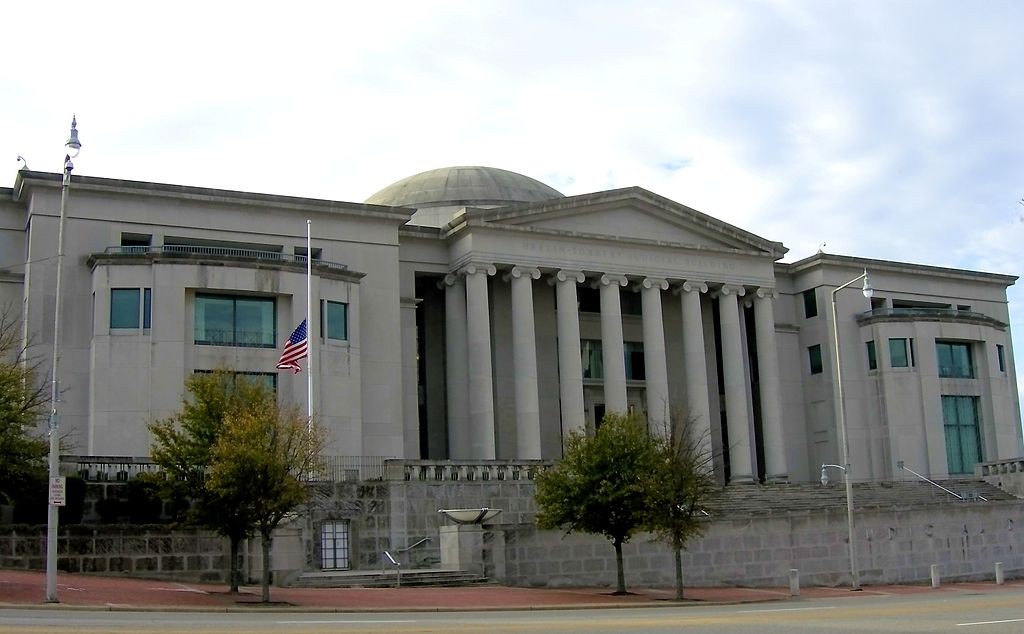
The Alabama Supreme Court on Thursday ruled that Greenetrack owes $76 million in unpaid taxes and interest in a decision that accused the dog track of using charities as a sham for a profitable electronic gambling operation. Justices sided with the state Department of Revenue, which contended that Greenetrack’s bingo operation was not in compliance with the constitutional amendment authorizing charity bingo games in the county. Thus, they said, bingo receipts were subject to state sales tax and other taxes. A state constitutional amendment allows nonprofit organizations in Greene County to offer bingo games. Greenetrack leased parts of its bingo operation to charities— paying them $4,850 a day— while Greenetrack kept the rest of the profits, justices wrote. “For the low cost of $4,850 a day, Greenetrack was able to use the nonprofit organizations’ licenses as a fig leaf for its own illegal — but extremely profitable — bingo activities,” justices wrote. The decision reversed an earlier ruling by a state tax tribunal and a circuit judge that ruled in favor of Greenetrack. Circuit Judge William E. Hereford ruled in 2021 that a 1975 dog-racing statute exempted Greenetrack from certain taxes, and the state was trying to ignore that by speculating on legislative intent. A lawyer representing Greenetrack did not immediately return an email seeking comment. The ruling came after a more than decade-long fight with the state. Alabama Attorney General Steve Marshall praised the decision. “Every day, all across our great state, the people of Alabama get up, work hard to make an honorable living, obey the law, and pay their taxes. And then there are the likes of Greenetrack, which scheme to make a dishonorable profit, break the law, and evade their taxes. Such a sordid state of affairs is more than merely unjust — it is hateful to the rule of law,” Marshall said in a statement. Bingo operators and the state attorney general’s office have been in a long-running legal battle over the legality of electronic bingo games. The state has argued the electronic games, which sometimes resemble slot machines, are not what was intended by the laws allowing charity bingo. Operators maintain the games are allowed by local constitutional amendments authorizing bingo, and it doesn’t matter if the game is played on paper or on a machine. Republished with the permission of The Associated Press.
Robert Bentley: No extra fee for ‘God Bless America’ license plates
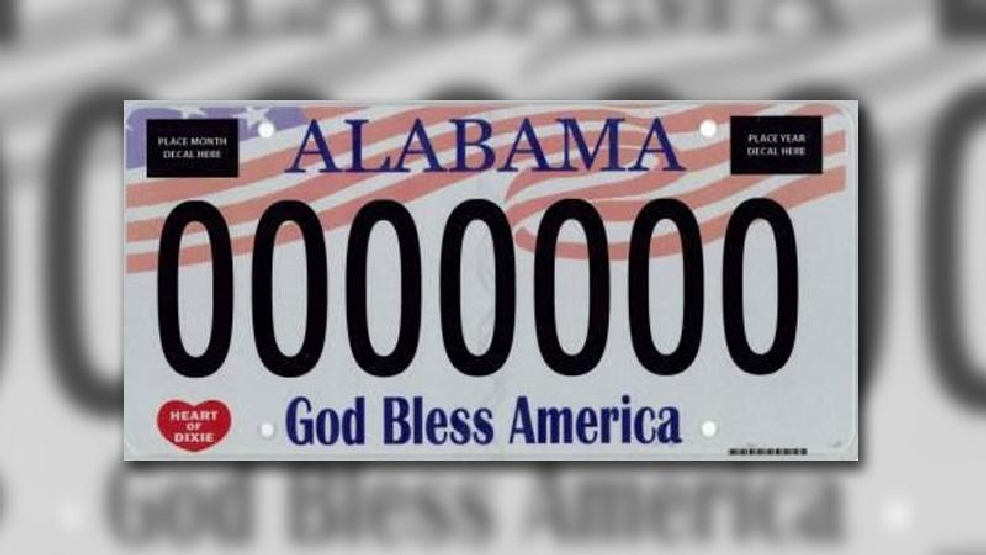
Alabama Gov. Robert Bentley is ordering the state Department of Revenue to waive the fee for license plates that read “God Bless America.” Bentley said in a statement Wednesday that drivers who want the plates will continue to be able to request them at no cost. Bentley says the tag is in a category of special plates that were offered free of cost before a law was passed during the 2015 regular session that established a fee for them. The governor says that legislation was ambiguous and didn’t specify whether a $50 fee should apply to the “God Bless America” tag. Bentley says his office is working with the Speaker of House and other lawmakers to clarify the law during the next session. — Full statement from Gov. Bentley: “Approximately 1.1 million Alabamians have chosen to proudly display their patriotism with the God Bless America license plate,” Governor Robert Bentley said. “At a time when our country is facing so many unprecedented issues, these tags are a reminder of the blessings God has bestowed on our state and nation. After some concerns were raised that the God Bless America tag would cost 50 dollars in January, we reexamined the legislation that passed in the 2015 Regular Session and found it was not clear on whether the additional fees would apply to this tag. Based on those findings, I have ordered that no fee will be charged by the Department of Revenue for the God Bless America tag. Alabamians who want this license plate will be able to choose it at no additional cost as it has previously been offered.” Republished with permission of The Associated Press.
Paul Sanford creates Gofundme account for states $300 million budget deficit

Friday afternoon State Senator Paul Sanford created a GoFundMe account to “Fund the Alabama State Government” or more accurately as he said he created it to prove a point. The state needs $3 million dollars and as the first of what could be several special sessions comes to a close it doesn’t look like the legislature is any closer than they were before it started to find a solution. Gov. Robert Bentley and Speaker Mike Hubbard want to raise taxes but the senate seems firmly against most or all of their ideas. The comments on the account so far are mixed but I think it’s brilliant. Not a lot of people are paying attention to what’s been happening in Montgomery so this may be a great way to draw attention to a subject that will affect everyone in the states pocketbooks. GoFundMe sites are often shared through social media and can spread like wildfire. Wouldn’t it be nice if instead of the latest funny meme people were talking about their priorities for the state and giving their elected officials input on cuts vs. tax increases? The description on the site is below. So far it has raised $225.00. According to a report by WAFF Sanford said he will make sure the money gets to the Department of Revenue with the noted earmarks for what it is to be used for. The State of Alabama is experiencing tight financial times and needs your help. Legislators are debating possible financial solutions but are finding that Raising Taxes are not wanted by the citizens of Alabama. Rather than have the Government come after your hard earned money you can now send an amount that fits your budget, even request where your money be used. You can determine what functions of Government are a priority to you. In a comment left on the site he says: I do appreciate the comments but please realize this was to prove a point that most people do not want to pay more taxes but are for taxes when the other guy is to be taxed. Also, even the few donations that have been received reflect our ability to budget State functions (earmarked for education a rate of 8 to 2 (education to other govt services). It is easy to get support for education but not so easy for he remaining rolls of Government.
House OKs expanding program helping pay for private school
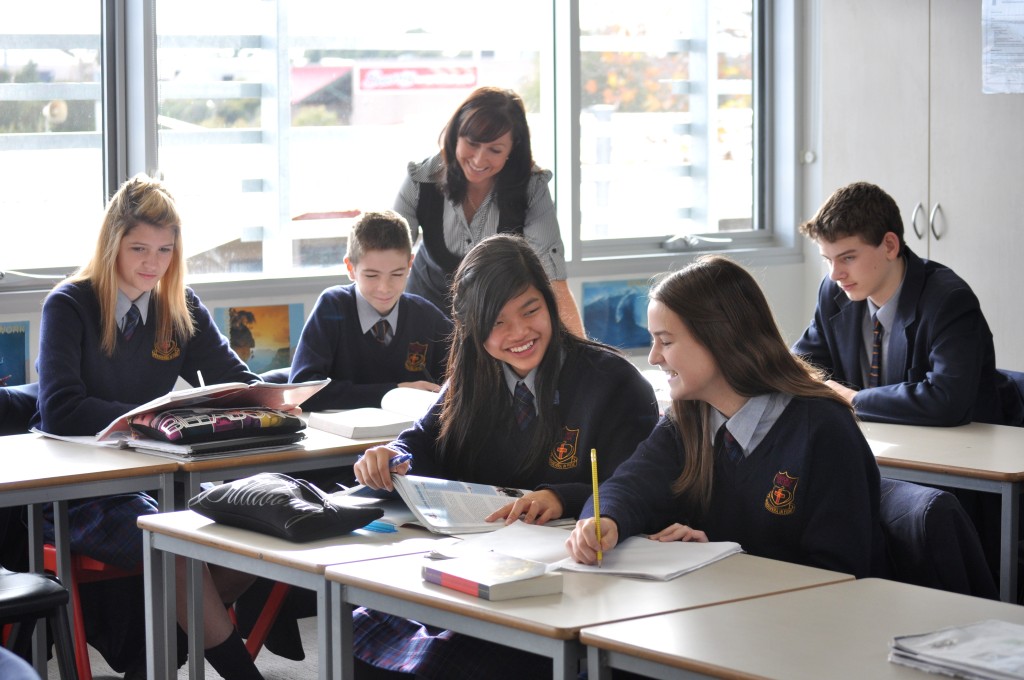
The Alabama House on Thursday voted to expand a program that helps some families pay for private school, but it also wants to tighten restrictions on scholarships and the groups that distribute them. The House of Representatives voted 68-26 to approve changes to the Alabama Accountability Act. The Alabama Accountability Act provides income-tax credits — a dollar-for-dollar reduction on an income-tax bill — in exchange for donations to the scholarship-granting organizations. Children in failing public schools have priority for the scholarships. Failing schools are the bottom 6 percent of K-12 schools on standardized test scores. The bill expands the cumulative yearly cap on donations from $25 million to $30 million. It would also tighten income restrictions on recipients and expand reporting requirements for the organizations that hand out scholarships. Senate President Pro Tem Del Marsh praised the proposed changes to the program he helped create two years ago. He said the cap needed to be raised after a scholarship granting organization did not raise enough money to renew scholarships while there was ongoing litigation over the program. “It tightens up a lot of the accountability. I think it makes excellent challenges to the Accountability Act and will allow those worthy students and parents to continue to in the program,” Marsh said. The bill would also increase reporting requirements and specify that the Department of Revenue can audit the scholarship-granting organizations. The proposal would also tighten income requirements on new scholarship applicants to 185 percent of the federal poverty level. That means a family of four would have to earn $44,123 or less each year to qualify for the scholarship. The Alabama Senate sent the bill to conference committee to review a House change that will require the Department of Education to maintain a database of scholarship recipients’ test scores. Republished with permission of The Associated Press.
Lawmakers say department shouldn’t tax digital transmission
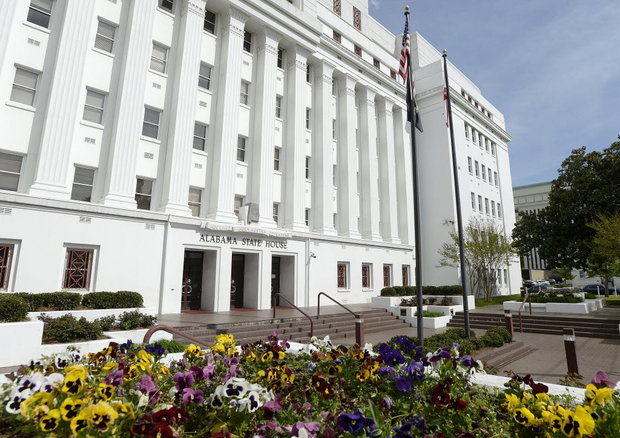
Alabama legislative leaders are asking the Department of Revenue to cancel its plan to tax digital streaming services in the state. Lawmakers in April sent a letter to Revenue Commissioner Julie Magee asking her department to withdraw its plan to tax video and audio services such as Netflix and Pandora. The letter was signed by several members of the Legislature including Speaker of the House Mike Hubbard and Senate President Pro Tem Del Marsh. The rule would require companies to pay a 4 percent rental tax on all sales. A copy of the letter obtained by The Associated Press says new taxes should be approved by the legislature. Revenue officials have said the tax is not a new tax but only an update to existing tax code. Republished with permission of The Associated Press. Photo Credit: AP file photo
