
Yolanda Flowers addresses prison protesters
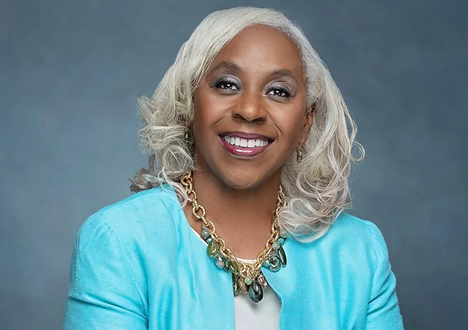
On Friday, Democratic nominee for Governor Yolanda Flowers addressed the “Break These Chains” protest rally on the Capitol steps in Montgomery. The rally aimed to draw attention to conditions within the Alabama Department of Corrections. Alabama is one of seven states that do not pay its prisoners for their labor. There is reportedly still an ongoing work stoppage in some state prisons. “Criminal justice is in my heart,” Flowers told the crowd, saying that she shares their concerns. Flowers said that some prisoners have endured being stripped “naked and beating them to a bloody pulp” in the prisons. “I am a recent widow, for just about a year,” Flowers said. “My husband is free, but I want my people to be free.” “They have been incarcerated since they were 12 years old,” Flowers charged. “They when they turned 17 or 18, they found some way to convict them and keep them locked up.” Flowers said that “God is the only way” to resolve this problem. “God is the government. He is the ruling authority because he made the universe. We are going to have to get down on our knees and humble ourselves before the Lord.” Flowers then sang a Gospel song, “You are all important to me. I will pray for you. You pray for me. I love you. I need you to survive. You are all important to me. I need you to survive.” One of Flowers’ supporters said, “The singing governor, a praying governor; that is what we need.” Flowers acknowledged that she is being out-fundraised by the incumbent, Alabama Governor Kay Ivey. “Money does not move me,” Flowers said. Diyawn Caldwell, who emceed the event, urged voters, “Don’t divide the vote. That only benefits Kay Ivey.” Glenn Ray with the NAACP also addressed the crowd. “When you have somebody who does not listen to you, you got to vote them out of office,” Ray said. “We have human beings that are being mistreated,” Ray claimed. He argued that the Governor and Republicans have ignored the situation. “We are going to have to vote these people out.” Ray said that the Ivey administration is using money that was supposed to be distributed to the people for COVID relief to build new prisons. “Those prisons are for your children and grandchildren,” Ray said. Addressing the problems with Alabama prisons will be a challenge for the next governor as the state faces a U.S. Department of Justice lawsuit and suit that is already in federal court. The court has tasked the state with hiring more guards and providing appropriate mental health and healthcare services to the prisoners. The DOJ charges that the violence in Alabama prisons is so bad that it violates the U.S. Constitution’s ban on cruel and unusual punishment. Flowers is retired from a career as a teacher and rehabilitation services specialist in Tennessee. She has several degrees from the University of Tennessee. She is a native of Birmingham, where she lives in the Woodlawn community of the city. She is a mother and grandmother. Flowers, Ivey, and the Libertarian nominee, Dr. James “Jimmy” Blake, will be on the November 8 general election ballot. To connect with the author of this story, or to comment, email brandonmreporter@gmail.com.
Alabama prisons reduce meals, nix visits amid inmate strike
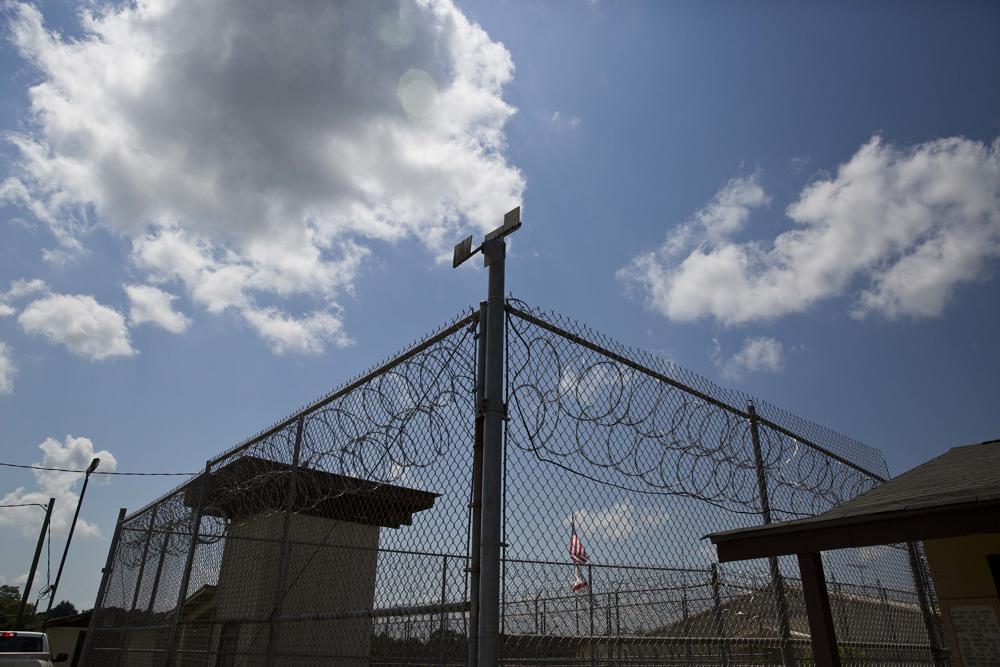
Thousands of inmates in Alabama’s overcrowded prison system are receiving only two meals a day during a prisoner work stoppage that was in its fourth day Thursday, and the agency said weekend visitation also was being canceled. While inmates and activists have accused the Department of Corrections of using pressure tactics in an attempt to end the demonstration, officials said the reduced rations and the lack of visits were the result of a prisoner labor shortage. Inmates provide much of the labor force inside prisons, the department said, so the lockups eliminated one of the three meals that normally are served to compensate for the lack of workers. “This is not a retaliatory measure but logistically necessary to ensure that other critical services are being provided,” the department said in a statement. Photos posted on social media showed brown bag meals consisting of a corn dog or peanut butter sandwich. The prison system said it would return to regular meal service once the strike ends, but it wasn’t clear how long that might take. The department said most of its large male prisons were still affected by the strike on Thursday, and visitation was being canceled this weekend because of the stoppages and their impact on prison staff. “Inmates have been notified and encouraged to notify any visitors,” the agency said. Activist Diyawn Caldwell, whose husband is incarcerated in Alabama, said canceling visitation was “just another mechanism for retaliation” by the state on inmates. She said prison officials also are threatening striking inmates with loss of living space in honor dorms, where conditions often are better than in other areas. “That’s huge in there because you’re taking merits they have earned away from them because they don’t want to perform free labor,” said Caldwell, who founded Both Sides of the Wall, which describes itself as a grassroots organization. Gov. Kay Ivey has rejected demands for criminal justice reforms, including changes to sentencing laws for habitual offenders, calling them unreasonable. Alabama prisons held more than 20,000 inmates in July, when the Department of Corrections issued its latest statistical report, despite being designed for only 12,115 people. The department runs 13 major prisons for men, the largest of which holds more than 2,200 men, and one for women. The Department of Justice is suing Alabama over the conditions in its prisons, saying the state is failing to protect male inmates from inmate-on-inmate violence and excessive force at the hands of prison staff. The 2020 lawsuit alleges that conditions in the prison system are so poor that they violate the constitutional ban on cruel and unusual punishment and that state officials are “deliberately indifferent” to the problems. Alabama officials have acknowledged problems but deny that the living conditions violate constitutional standards. Republished with the permission of The Associated Press.
Alabama prisoners refusing to work in 2nd day of protest
Alabama inmates were in their second day of a work strike Tuesday, refusing to labor in prison kitchens, laundries, and factories to protest conditions in the state’s overcrowded, understaffed lock-ups. Prisoners, including those who provide food, laundry, and janitorial services, refused to show up for work at major state prisons, leaving staff scrambling to keep the facilities running. “They are running a slaughterhouse,” Diyawn Caldwell, founder of the advocacy group Both Sides of the Wall, said of Alabama’s prison system, which the U.S. Department of Justice has called one of the most violent and understaffed in the country. Caldwell’s husband is incarcerated at a state prison. The Department of Justice has an ongoing civil lawsuit against Alabama over conditions in its prisons, saying the state is failing to protect male inmates from inmate-on-inmate violence and excessive force at the hands of prison staff. The 2020 lawsuit alleges that conditions in the prison system are so poor that they violate the ban on cruel and unusual punishment and that state officials are “deliberately indifferent” to the problems. Alabama officials have acknowledged problems in the prison system but dispute the Justice Department’s accusations. The Alabama Department of Corrections confirmed Tuesday that the work stoppage was “still active in most male facilities.” However, the department maintained that “facilities are operational and there have been no disruption of critical services, which include meals.” Family members of several inmates, however, said prisons were not distributing three daily meals and prisoners were given paper sacks containing corndogs or sandwiches. Inmate labor provides a vital role in keeping prisons functioning. “HOW LONG CAN 25 PEOPLE RUN A PRISON WITH 1000, 1800, 2300, etc. PRISONERS?” inmate organizers of the work stoppage wrote in a press statement about the strike. Caldwell said organizers are hoping to persuade federal officials to go ahead intervene in the prison system. She said they are also seeking a number of changes related to release and sentencing such as repealing the Habitual Felony Offender Act, establishing uniform criteria for parole that would guarantee release, streamlining the review process for medical furloughs and reviewing elderly incarcerated individuals for immediate release. Supporters, including family members, delivered the demands to the prison system headquarters after a protest on Monday. A spokesperson for Gov. Kay Ivey told reporters that the demands were unreasonable and thanked prison staff for maintaining facilities. “It is also important for these protestors to understand that a lot of their demands would require legislation, not unilateral action. Some of these demands suggest that criminals like murderers and serial child sex offenders can walk the streets, and I can tell you that will never happen in the state of Alabama where we will always prioritize the safety of our citizens,” Ivey’s office told news outlets. The strike, while not directly related, comes after photos of an emaciated inmate at Alabama‘s Elmore Correctional Facility went viral. Kastellio Vaughan’s sister had posted the photos to Facebook with the message, “Get Help.” The disturbing image prompted outrage and allegation of medical neglect. The prison system said that Vaughan had refused medical assessment and left the hospital following surgery against medical advice “This is horrific,” Ben Crump, an attorney representing Vaughan said in a statement. “Let’s be clear, the State of Alabama has tried to deflect any action or responsibility for Mr. Vaughan’s condition at every turn. The prison system issued a statement Tuesday saying that Vaughn had surgery for an obstructed bowel in August and was hospitalized in September for a complication. Both times he was discharged against medical advice, the prison system said, and has since refused medical assessment and medical treatment. “The ADOC offers medical assessment and treatment to all inmates but does not force them to accept that care,” the prison system said. Republished with the permission of The Associated Press.
