
Donald Trump eager to sign bill rolling back Dodd-Frank regulations
President Donald Trump indicated Wednesday that he’s eager to sign a bill that would dismantle a chunk of the rules framework for banks, installed to prevent recurrence of the 2008 financial crisis that brought millions of lots jobs and foreclosed homes. The House voted 258-159 on Tuesday to approve legislation rolling back the Dodd-Frank law, notching a legislative win for Trump, who made gutting the landmark law a campaign promise. The Republican-led legislation, pushed by Wall Street banks as well as regional banks and smaller institutions, garnered 33 votes from House Democrats. Similarly, the bill splintered Democrats into two camps when the Senate voted 67-31 to approve it in March. “Big legislation will be signed by me shortly,” Trump tweeted Wednesday. “Big changes to DODD FRANK.” The bill raises the threshold at which banks are deemed so big and plugged into the financial grid that if one were to fail it would cause major havoc. Those banks are subject to stricter capital and planning requirements. Backers of the legislation are intent on loosening the restraints on them, asserting that would boost lending and the economy. The legislation is aimed at especially helping small and medium-sized banks, including community banks and credit unions. But critics argue that the likelihood of future taxpayer bailouts will be greater once it becomes law. They point to increases in banks’ lending and profits since Dodd-Frank’s enactment in 2010 as debunking the assertion that excessive regulation of the banking industry is stifling growth. The Dodd-Frank act, named after its co-authors, Democratic Sen. Christopher Dodd of Connecticut and Democratic Rep. Barney Frank of Massachusetts, boosted government oversight of banks. U.S. banks’ net income climbed to $56 billion in the January-March quarter, a 27.5 percent increase from a year earlier, as profits were revved up by the corporate tax cuts enacted late last year, the Federal Deposit Insurance Corp. reported Tuesday. “This is not a bill that benefits consumers. It is a big-bank bonanza,” Rep. Al Green, D-Texas, said in debate on the House floor before the vote. The bill makes a fivefold increase, to $250 billion, in the level of assets at which banks are deemed to pose a potential threat if they fail. The change would ease regulations and oversight on more than two dozen financial institutions, including BB&T Corp., SunTrust Banks, Fifth Third Bancorp and American Express. Eventually, the exempted banks will no longer have to undergo an annual stress test conducted by the Federal Reserve. The test assesses whether a bank has a big enough capital buffer to survive an economic shock and keep on lending. The banks also will be excused from submitting plans called “living wills” that spell out how a bank would sell off assets or be liquidated in the event of failure so it wouldn’t create chaos in the financial system. Rep. Jeb Hensarling, the Texas Republican who heads the House Financial Services Committee, said Main Street banks “have been suffering for years under the weight” of the Dodd-Frank regulations. “Help is on the way,” Hensarling declared. “Today is an important day in the history of economic opportunity in America.” Republican lawmakers, with Hensarling at the forefront, have been chafing at Dodd-Frank’s restrictions in the eight years since its enactment by President Barack Obama and Democrats in Congress, and finally prevailed with Tuesday’s vote. The win on the banking bill adds to Trump’s marquee business-friendly legislative achievement, the sweeping tax bill enacted late last year that deeply cut taxes for corporations and wealthy individuals and offered more modest reductions for most ordinary Americans. Supporters of the bill say Dodd-Frank was too blunt an instrument in response to the financial crisis, hurting smaller lenders that played no role in the debacle. They provide more than half of small business loans and over 80 percent of agricultural loans. The legislation also exempts certain banks and credit unions from requirements to report some mortgage loan data. The exempted data includes the age of a loan applicant, credit score, total loan costs and interest rate. Critics say that would make it easier for banks to discriminate against minorities seeking home mortgages and go undetected. In response to the Equifax breach that exposed personal information for more than 145 million Americans, the bill requires free credit freezes for all consumers affected by data breaches. Currently most states allow the credit reporting companies to charge consumers a fee for freezing their credit. Backers of the legislation note that the Federal Reserve still will have the authority to apply tougher standards for banks with $100 billion to $250 billion in assets. A sole Republican, Walter Jones of North Carolina, voted against the bill Tuesday. Republished with permission from the Associated Press.
Bradley Byrne: The House is working for the American people
Last week in Washington, all eyes were on the Senate Intelligence Committee where former FBI Director James Comey was sent to testify. The hearing was a media circus. News outlets used countdown clocks in the lead up to the “big moment.” Of course it is important to get to the bottom of Russia’s involvement in the 2016 election. That is why committees in Congress and a special counsel are working diligently to get answers. Unfortunately, many think the issue should be litigated in the media instead of through the proper legal process. We should follow the facts and the law and nothing but the facts and the law. What the news media was not talking about last week was our efforts in the House to stick true to our word and enact a commonsense, conservative agenda. We are getting the work done that the American people elected us to do. Consider these numbers: to date the Republican-led House has passed over 158 bills, making us the most productive in the modern era. On top of that, President Trump has signed 37 bills into law, which places him ahead of the last four presidential administrations. We are getting things done. So what exactly are we accomplishing? Everything from passing a bill to repeal and replace Obamacare to enacting a whole range of bills focused on rolling back burdensome regulations that are restricting economic growth. Just this past week we passed a range of bills addressing a range of issues important to the American people, including financial regulations and border security. First, we passed a bill to dismantle the Dodd-Frank law passed by Democrats in 2010. We were promised that the Dodd-Frank Act would be a major win for the American consumer. Instead, big bank bailouts were enshrined in law while small banks and credit unions that people in Southwest Alabama rely upon are drowning in regulations and red tape, making it harder for them to serve their customers and threatening their existence. In fact, studies show that at least one small bank or credit union close each day due to Dodd-Frank. That is why the House passed the Financial CHOICE Act last week, sending a clear message that Main Street comes before Wall Street. The bill officially ends the policy of “too big to fail” and puts a stop to bank bailouts. Just as important, the bill increases consumer protections and simplifies systems to ensure they cannot be gamed by the well-connected and powerful. It is all about increasing opportunities for hardworking Americans and small businesses. Second, we passed the Anti-Border Corruption Reauthorization Act of 2017, which will make it easier to fight illegal immigration and secure the border. Our border protection programs are currently severely understaffed. In fact, the numbers show that we are short 1,000 officers and 1,800 Border Patrol Agents. This shortage is making it harder to secure the border and keep bad guys out of our country. That is where our bill comes it. It will allow us to expedite the hiring of border patrol agents when the individuals have previously served in law enforcement or in the military. These are the exact kind of people we need working to secure the border. As you can see, in the House of Representatives, we refuse to have our agenda thrown off course. Even more, we are continuing to making important progress on other priorities like tax reform, rebuilding the military, and fixing our nation’s infrastructure. I pledge to continue to keep my head down and focus on the issues you elected me to tackle. We must get the job done. • • • Bradley Byrne is a member of U.S. Congress representing Alabama’s 1st Congressional District.
Terri Sewell votes against bill aimed at reversing Dodd-Frank financial regulations
The U.S. House of Representatives voted Thursday to deliver on their promise to repeal Dodd-Frank — the sweeping set of financial regulations imposed on Wall Street that former President Barack Obama signed into law following the 2008 financial crisis. H.R. 10: the Financial CHOICE (Creating Hope and Opportunity for Investors, Consumers and Entrepreneurs) Act is intended to end taxpayer-funded bailouts of Wall Street banks and create more opportunities for Americans on Main Street, but the Alabama delegation’s sole Democrat, 7th District U.S. Rep. Terri Sewell, says the bill would actually “eliminate consumer protections designed to deter abuse by predatory lenders and large financial institutions.” “I voted against the Wrong CHOICE Act because it erases financial protections for American families and eliminates the safeguards enacted to protect against another financial crisis,” said Sewell. “In Alabama, we all remember the devastating impact the recession had on families in our communities.” Sewell continued, “Between the home foreclosures, rising unemployment, and the families whose dreams were stripped away to pay for Wall Street’s mistakes, it is hard to forget. It is unacceptable that only a decade later, Congress is rolling back key financial reforms enacted under the Obama Administration. We cannot go back to a time when predatory lenders and other bad actors abused consumers and brought our economy to the brink of collapse.” The remainder of the Alabama delegation voted in favor of the bill, which passed the House 233-186 along party lines.
GOP House panel takes first step to gut Dodd-Frank law
House Republicans took a major step toward their long-promised goal of unwinding the stricter financial rules created after the 2008 crisis, pushing forward sweeping legislation that would undo much of President Barack Obama‘s landmark banking law. A House panel on Thursday approved Republican-written legislation that would gut much of the Dodd-Frank law enacted by Democrats and signed by Obama in the wake of the financial crisis and the Great Recession. The party-line vote in the Republican-led House Financial Services Committee was 34-26. “I can’t do a good James Brown, but I feel good,” said Rep. Jeb Hensarling, the normally reserved Republican chairman of the committee, referring to the singer often called the godfather of soul. Hensarling wrote much of the overhaul legislation. Republicans argued that the Dodd-Frank law is slowing economic growth because of the cost of compliance and by curbing lending. Democrats warned the GOP bill will create the same conditions that led to the financial crisis and pushed the economy to the brink of collapse. Rep. Maxine Waters, the panel’s senior Democrat, called it “a deeply misguided measure that would bring harm to consumers, investors and our whole economy.” “The bill is rotten to the core and incredibly divisive,” Waters said. “It’s also dead on arrival in the Senate, and has no chance of becoming law.” After attempts in recent years to overhaul the Dodd-Frank legislation, the Republicans were heartened this time by a sympathetic Republican president now in the White House. President Donald Trump has denounced Dodd-Frank and promised that his administration would “do a big number” on it. Still, getting the new bill to Trump’s desk could be a hard road. It now goes to the GOP-dominated House for a vote, but supporters admit that the path will be much more difficult in the Senate, where Democratic support will be needed. In a fast-moving session following two days of laborious debate, the panel flew through a series of votes on amendments, as the majority Republicans easily beat back Democrats’ attempts to reshape and soften the legislation. The bill would repeal about 40 provisions of the Dodd-Frank Act. Banks could qualify for much of the regulatory relief in the bill so long as they meet a strict basic requirement for building capital to cover unexpected big losses. Republicans argued that big banks have done well under Dodd-Frank, but that community banks and credit unions are struggling to keep up with the regulatory burdens imposed by the law. “This economy is poised to take off, but it’s not going to take off as long as Dodd-Frank in its current form remains on the book,” Hensarling said. “It’s important that we get tax reform done. It’s important we get health care reform done, but it’s also important we pass the Financial Choice Act.” While the measure is expected to pass the full House, in the Senate, it will need 60 votes to become reality, meaning the GOP will need several Democrats to join their effort. Leaders of the Senate panel with jurisdiction over a Dodd-Frank overhaul have said they would like to work together to find areas of common agreement to enhance economic growth. Such agreement was nonexistent during the House hearings this week. Instead, the hearings turned into a contentious debate over Democratic efforts to cast a spotlight on President Donald Trump’s business empire and his refusal to release his tax returns. The Republican bill also goes after an agency that enforces consumer protection laws and scrutinizes the practices of virtually any business selling financial products and services. That ranges from credit card companies to mortgage servicers to auto lenders. The bill removes some of the Consumer Financial Protection Bureau’s powers and replaces its guaranteed funding from the Federal Reserve with whatever Congress determines would be the appropriate amount, a move Democrats said would gut the agency. The advocacy group Consumers Union criticized the legislation, saying the consumer agency has worked to win almost $12 billion in refunds and relief for an estimated 29 million Americans. “This bill strips the CFPB of most of its power and would leave consumers vulnerable to fraud, hidden fees and costly gotchas by banks and unscrupulous financial firms,” said Pamela Banks, senior policy counsel for Consumers Union. Republished with permission of The Associated Press.
Donald Trump eyes changes to Barack Obama’s tax and Wall Street rules
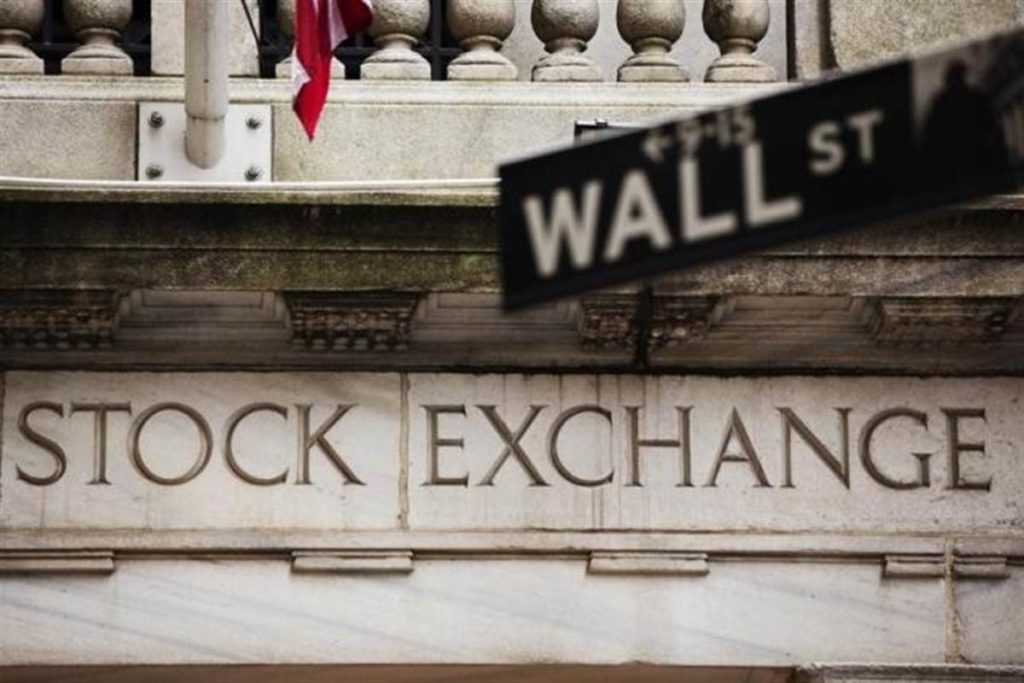
The Trump administration embarked Friday on new efforts to study and possibly dismantle some of the tax and financial regulations established by former President Barack Obama. President Donald Trump will sign an executive order to review tax regulations set last year by his predecessor, as well as two memos to potentially reconsider major elements of the 2010 Dodd-Frank financial reforms passed in the wake of the Great Recession. The review of tax regulations could give greater leeway to companies looking to shelter income overseas, or simply seeking to reduce paperwork related to the enforcement of such regulations. Treasury Secretary Steven Mnuchin said a “significant” issue to be examined will be the crackdown by Obama on inversions, which are mergers that enable U.S. firms to relocate their headquarters overseas where tax rates are lower. The review could also touch on overlapping rules designed to stop foreign-based companies from shifting their U.S. profits abroad. Mnuchin said the goal of the executive order is to reduce the burden of time and money from complying with tax regulations. “The tax system is way too complicated and burdensome,” he said. The administration is also trying to pass tax reform that would reduce corporate rates and encourage businesses that have trillions of dollars stowed overseas to bring their profits back to the U.S. “We’re not going to do anything that makes U.S. businesses less competitive,” Mnuchin said. The two memos would focus on possible adjustments to the Dodd-Frank law, which was designed to stop banks from growing “too big to fail” and requiring public bailouts. One memo will order Mnuchin to review a component of the law that allows federal regulators to liquidate failing financial firms during an economic crisis if those companies are large enough that their collapse would pose a threat to the entire U.S. economy. The other memo will order the Treasury to review a process that designates which non-bank firms could threaten the financial system if they fail. Critics argue this process is costly and arbitrary. Both measures will be suspended while they’re under review. Mnuchin said taxpayers won’t be left on the hook. “Let me make it absolutely clear: President Trump is absolutely committed to make sure that taxpayers are not at risk for government bailouts of entities that are too big to fail,” he said. His report will explore if it would be better to liquidate troubled financial firms through a modified form of bankruptcy. Former Federal Reserve chair Ben Bernanke argued in a February blog post that there is no provision for the government to inject money into a failing firm as was done during the 2008 financial meltdown. This means that all losses would be borne by private investors. Also, Bernanke said his experience is that financial regulators are often better equipped to respond to these emergencies than bankruptcy judges. Mnuchin suggested Friday that it might be necessary to update bankruptcy laws to accommodate collapsing firms during an economic crisis. Republished with permission of The Associated Press.
Congress to grill Fed Chair amid uncertainty over Donald Trump’s plans
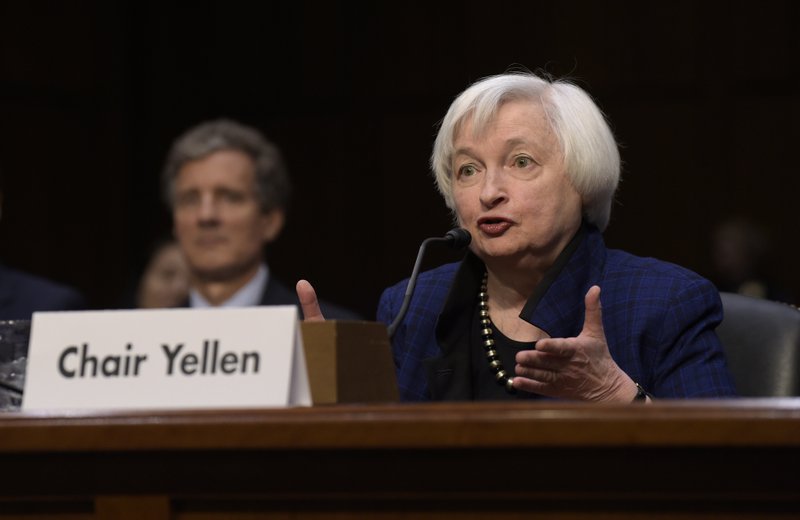
Federal Reserve Chair Janet Yellen faces two tasks when she delivers her semiannual testimony to Congress starting Tuesday: As always, she’ll sketch a picture of how she expects the economy to fare in coming months and how the Fed’s interest rate policy may unfold. But lawmakers are sure to press her also to spell out how the Fed might react to the ambitious economic program President Donald Trump is preparing to unveil soon. The proposals are expected to include deep tax cuts, stimulus spending, trade actions and deregulation. Investors will be eager to hear whatever Yellen says about them — or doesn’t say. Analysts caution, though, that Yellen may remain mum in her assessment of the possible consequences of Trump’s plans given that the details remain mostly unknown. Equally unclear is how much of the program will survive through Congress. “A lot of what the Federal Reserve will do this year will depend on what President Trump and Congress do, and at the moment we have no idea what will emerge from Congress,” said Mark Zandi, chief economist at Moody’s Analytics. “Until there is some clarity about what President Trump and Congress have in mind, I think the Fed is going to be cautious.” In December, the Fed modestly raised its benchmark short-term rate to a range of 0.5 percent to 0.75 percent, its first increase since December 2015. Until then, the Fed had left its key rate unchanged at a record low near zero for seven years to energize an economy pummeled by the most severe recession in decades. In December, the Fed also forecast that it would raise rates three times in 2017. After it met again early this month, the Fed issued a statement that noted improved sentiment among consumers and businesses. And the Fed said it had become more confident that inflation will reach its 2 percent target. But it offered no hints about when it would resume raising rates. Many economists caution that the pace of rate increases could change quickly depending on how much success Trump has in getting his economic initiatives enacted. The president is expected to formally present his program in the coming weeks, offering tax cuts for individuals and businesses and increased spending on infrastructure projects and a rollback of government regulations. Trump has said his goal is to double economic growth, as measured by the gross domestic product, from the lackluster 2 percent annual rate that’s prevailed since the Great Recession ended in 2009 to a robust 4 percent rate or better. Comments he made late last week reiterating his commitment to major tax relief helped drive up stock indexes to fresh record highs. But Fed officials could grow concerned that a big stimulus package at this stage of the recovery, with job growth solid and unemployment below 5 percent, might overheat the economy and trigger unwanted inflation pressures. If that were to happen, the central bank could decide to accelerate its rate hikes. “The Fed has been pretty consistent that it wants the rate hikes to come at a gradual pace, but that could change if Fed officials believe the budget-and-tax package that Trump is pushing is too big and coming too late in the economic cycle, with the economy already at full employment,” said Diane Swonk, chief economist at DS Economics. Swonk said she thinks Yellen will avoid responding directly to questions from Congress this week about Trump’s economic proposals until more is known about them. “She is going to want to fly under the radar as much as possible this week,” Swonk said. Yellen will likely also face questions about a key Republican priority: To undo much of the Dodd-Frank financial regulatory law, which was intended to curb the kind of excessive risk taking in the banking system that fueled the 2008 financial crisis. Yellen has been a staunch defender of the law. But Trump and his allies argue that the law has imposed too many constraints on banks, thereby slowing lending and economic growth. Beyond Dodd-Frank, Yellen could be pressed about Republican efforts to diminish the Fed’s independence, in part by subjecting it to more intensive audits. With a Republican in the White House, those efforts now stand a greater chance of success. Trump now also has the opportunity to fill three vacancies on the Fed’s seven-member policymaking board after Daniel Tarullo, a board member who was guiding the Fed’s regulatory efforts, announced Friday that he would resign this spring. With Tarullo’s exit and the selection of a successor, Trump and likeminded Republicans in Congress could be able to soften the Fed’s approach to regulation. Republished with permission of the Associated Press.
End Dodd-Frank? Unlikely, but consumer agency in crosshairs
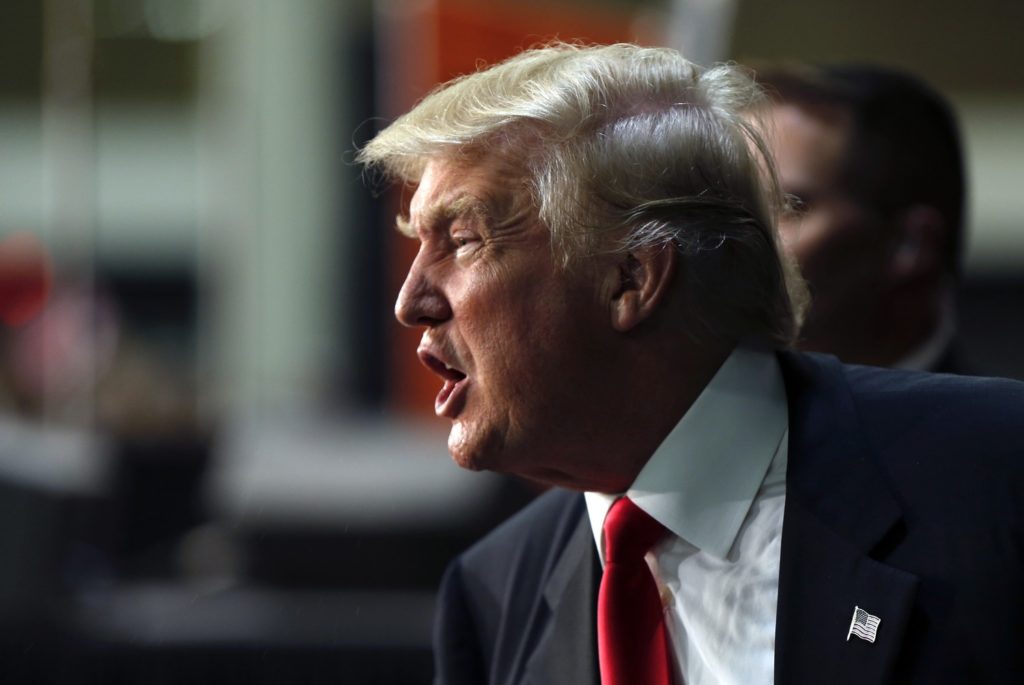
President-elect Donald Trump pledged in his campaign to throw out what he called stifling regulations, including the stricter financial rules that Congress built to prevent another crisis. Now, as his transition team asserts itself, an all-out repeal of the 2010 Dodd-Frank law – Trump called it a “disaster” and a “disgrace” – seems unlikely. But experts foresee a gradual but potentially significant chipping away of key parts of the law. “I don’t think it eviscerates Dodd-Frank, but I think it takes away some parts,” James Cox, a Duke University expert on securities law, said of the Trump team’s approach. The transition team’s stated goal is a stark one: “To dismantle the Dodd-Frank Act and replace it with new policies to encourage economic growth and job creation.” Republicans have long attacked Dodd-Frank and a central component, the Consumer Financial Protection Bureau. The CFPB vastly expanded regulators’ ability to police consumer products – from mortgages to credit cards to student loans. Critics say Dodd-Frank and the CFPB went too far to hinder banks from making loans that people and businesses need to spend and hire. Yet many experts say a relaxing of Dodd-Frank’s rules – the most sweeping such changes since the Depression – could raise the likelihood of another crisis fed by high risk-taking. Dodd-Frank limits many of the high-risk practices that ignited the 2008 financial crisis and led to a recession that wiped out $11 trillion in household wealth. Taxpayers were stuck bailing out Wall Street giants and other financial firms. Beyond the CFPB, other elements of Dodd-Frank that could be vulnerable to a Trump-driven attack are: The Financial Stability Oversight Council. The council, made up of top regulators, monitors the banking system for any risks that could trigger another crisis. It can label a company as so big and entwined with the financial system that its fall could imperil the economy. That label then puts the company under tighter oversight. Critics say the council, which makes decisions behind closed doors, wields excessive power. Rules that critics say especially hurt regional and community banks that had little to do with the financial crisis. Their cost of complying with the new rules is so high, critics charge, as to impede their ability to lend and help fuel economic growth. The Volcker Rule, which in most cases bars the biggest banks from trading for their own profit. The idea was to prevent high-risk trading bets that could implode at taxpayer expense. Many banks argue that the Volcker Rule stifles legitimate trading on behalf of customers and the banks’ ability to limit risks. If opponents manage to weaken those parts of Dodd-Frank, they could leave the law with much of its core intact yet without crucial elements. Among the elements left in place could be these: Stricter requirements for how much capital large banks must hold to protect against potential losses and for what proportion of their holdings must be high quality. Expanded oversight and greater transparency involving derivatives, the risky financial tools that helped ignite the 2008 crisis. Scrutiny of hedge funds, which had previously faced scant oversight and now must reveal information about investments and business partners. Restrictions on the mortgage system to discourage risky lending. The right of shareholders to provide a nonbinding vote on executive pay packages. Among the provisions Cox thinks may be eliminated is one that empowers the Securities and Exchange Commission to impose a stricter standard for brokers when they provide investment advice. Like investment advisers, brokers would have to put their clients’ interests first. All that said, no one is sure what critics will manage to achieve. Though Republicans control the House, they’ll have only 52 seats in the 100-member Senate, well short of the 60 needed to defeat filibusters and advance most legislation. Sen. Elizabeth Warren, the liberal Democrat and fiery critic of Wall Street, will likely lead the resistance through filibusters. Warren was the architect of the CFPB, and President Barack Obama tried to install her as its first director but was blocked by her Republican opponents. For all the attacks on Dodd-Frank, most Wall Street banks already have baked in many of its rules and aren’t clamoring to unwind them. They have, for example, built up capital buffers against major potential losses and are on track to meet regulators’ requirements ahead of deadlines. And since Trump’s victory, financial stocks have surged, partly in anticipation of an easing of Dodd-Frank rules. Still, the CFPB remains a bullseye for critics, and among their targets is the agency’s leadership structure. Opponents want to eliminate a single director in favor of a new five-member commission. That would lessen the power of the director, who’s appointed by the president. Those critics got a boost last month when a federal appeals court ruled that the CFPB’s structure was unconstitutional because it allowed the president to fire the director only for cause. The court said the president must have authority to dismiss the director at will. Opponents also want to put the agency’s funding under Congress’ power rather than coming from the Federal Reserve as it does now. Whatever happens, the CFPB and the broader Dodd-Frank law are almost sure to be modified. The details, though, remain far from clear. “We’ll see some significant changes to Dodd-Frank,” says Tom Quaadman, a Chamber of Commerce executive. “We’re not necessarily going to see a wholesale repeal.” Republished with permission of the Associated Press.
Auburn University study finds cyberattacks, regulation among concerns for state’s banks

A recent study by Auburn University’s Raymond J. Harbert College of Business, which looked into Alabama’s banking industry, found that state banks consider “regulatory uncertainty” and the chance of cyberattacks among the biggest threats to their business model. According to the study, 88 percent of Alabama banks listed “regulatory burden” among their chief concerns, with 78 percent calling “political and regulatory uncertainty” a “major impediment” to the way they do business. “We had major regulatory action in 2010 with Dodd-Frank and bankers have been bemoaning that ever since,” said John Jahera, Lowder Professor of Finance and one of the study’s authors. “From the bankers’ point of view, it added a lot of cost in terms of regulatory compliance.” Authors of the study say the industry is still reeling from “a triple whammy: the impacts of the financial crisis on credit, the juggernaut of regulatory reforms and competition in a field that reinvents itself at breathtaking speed.” Further, 73 percent of respondents cited competition from “non-bank” financial firms, which enjoy less regulations, as their chief competitive threat, while 70 percent said the threat of cyberattacks was a “serious concern.” Along with examining the apprehension of Alabama banks, the study also looked into the performance of state banks through the third quarter of 2015 and offered suggestions aimed at helping banks better assist customers. The study found that Alabama banks rank 40th in the nation for “aggregate return-on-assets” with $253 billion in assets. Alabama banks generated $169 billion in individual and business loans as of the third quarter of last year and provided $14 billion in small business loans. The study further states that Alabama’s 386,000 small businesses created more than 24,800 new jobs as of 2012 (the most recent numbers available) and, of the 131 banks with headquarters in the state, all but eight are considered “small” or “community” banks with less than $1 billion in assets. Researchers suggested an overall easing of regulations to assist banks in serving “underbanked or non-banked” consumers via short-term loans at lower rates than those offered by payday lenders and their ilk. Further, it was suggested that the “harmful effects” of the Dodd-Frank Wall Street Reform and Consumer Protection Act be examined in view of the realization that regulations have increased costs but not revenues.The study also called for the Department of Banking to look into ways of easing regulatory burden, and the costs associated therein, for state-chartered banks.
