
Early gambling debate mired in casino location concerns

Alabama state senators on Thursday raised concerns about five proposed casino locations — with some wanting additional gambling locations — as lawmakers began debate on a bill to allow a lottery and casinos in the state. The Alabama Senate began debate on the bill Thursday but sponsor Sen. Del Marsh said he will not seek a vote until lawmakers return from next week’s legislative break. Senators debated the bill for about an hour before adjourning. Marsh said he plans to spend the next week working on the legislation. Some lawmakers said they are concerned their districts were not included in five casino locations spelled out in the bill. “Southeast Alabama was left out, the Dothan area. I’ve had a lot of calls wanting to know why Dothan was left out,” Republican Sen. Donnie Chesteen, R-Geneva, said. The area had a facility that offered electronic bingo games, which resemble slot machines, but state law enforcement pushed to shut it down. Marsh’s bill would shut down electronic bingo sites, although card and paper games could continue. “You are not alone,” Marsh replied to Chesteen. ”I’ve had at least four others in this chamber come to me with the same situation. Marsh said that he was looking at adding up to two additional sites, but cautioned that he did not think voters would approve a gambling bill that allowed a large number of casinos. The bill proposes establishing a state lottery as well as five casinos offering table games, sports betting, and slot machines. The casinos would be located at four existing dog tracks plus a fifth site in north Alabama that would be run by the Poarch Band of Creek Indians, the state’s only federally recognized Native American tribe. The proposal also would encourage the governor to negotiate with the Poarch Band for a compact involving their three other sites which currently have electronic bingo machines. The proposal would have to be approved by a three-fifths majority of each chamber of the Alabama Legislature and then a majority of voters in a statewide vote. The Legislative Services Agency estimated the lottery would generate $194-$279 million annually for college scholarships awarded on a mix of need, merit, and workforce needs in the state. The agency estimated the casinos would generate $260-$393 million annually from the 20% tax on gaming revenues as authorized by this amendment. Marsh wants to use casino revenue to help expand broadband access in the state as well as to fund mental and rural health services. Alabama is one of just five states without a state lottery. Alabamians last voted on gambling in 1999 when they defeated a lottery proposed by then-Gov. Don Siegelman. Gambling bills introduced since then have fallen short under a mix of conservative opposition to gambling as a revenue source and a turf war over which entities could offer casino games or electronic bingo machines. Marsh said the location the tribe would operate would be in either Jackson or DeKalb counties. The other four would be at VictoryLand dog track in Macon County, Greenetrack in Green County, the racecourse in Birmingham, and the racecourse in Mobile, which is owned by the Poarch Band. Some lawmakers have expressed concern about allowing any casinos in the state. Sen. Jabo Waggoner, R-Vestavia Hills, said Wednesday that he believes most voters support a lottery, but he was uncertain about allowing casinos in the state. “I’ve got to think about casinos a long time, but I think lottery would be an easy sale to the Legislature and to the public. There is going to be debate on opening up Alabama to casinos,” Waggoner said. Republished with the permission of the Associated Press.
Alabama Senate committee advances lottery, casino bill

A lottery and casino bill cleared its first hurdle in the Alabama Legislature as supporters push to get the issue of gambling before voters for the first time since 1999. The Senate Tourism and Marketing Committee unanimously voted to advance the legislation to the full Alabama Senate. Sponsor Sen. Del Marsh said he anticipates the Senate will discuss the bill Thursday, but he will not seek a vote until lawmakers return from a planned weeklong break. “I firmly believe the people of Alabama want to address this issue once and for all,” Marsh said during the committee voting. The bill proposes a state lottery as well as five casinos offering table games, sports betting and slot machines. The casinos would be located at four existing dog tracks plus a fifth site in north Alabama that would be run by the Poarch Band of Creek Indians, the state’s only federally recognized, Native American tribe. The proposal also would encourage the governor to negotiate with the Poarch Band for a compact involving their three other sites which currently have electronic bingo machines. The proposal would have to be approved by a three-fifths majority of each chamber of the Alabama Legislature and then a majority of voters in a statewide vote. The bill will need 21 yes votes to clear the Alabama Senate. Sen. Jabo Waggoner, R-Vestavia Hills, said he was undecided on the bill because of the casino portion. Waggoner said he believes most voters support a lottery, but he was uncertain about allowing casinos in the state. “I’ve got to think about casinos a long time, but I think lottery would be an easy sale to the Legislature and to the public. There is going to be debate on opening up Alabama to casinos,” Waggoner said. The Legislative Services Agency estimated the lottery would generate $194-$279 million annually for college scholarships awarded on a mix of need, merit, and workforce needs in the state. The agency estimated the casinos would generate $260-$393 million annually from the 20% tax on gaming revenues as authorized by this amendment. Marsh is proposing to use casino revenue to help expand broadband access in the state as well as to fund mental and rural health services. Alabamians last voted on gambling in 1999 when they defeated a lottery proposed by then-Gov. Don Siegelman. Gambling bills introduced since 1999 have fallen short under a mix of conservative opposition to gambling as a revenue source and a turf war over which entities could offer casino games or electronic bingo machines, which resemble slot machines. Marsh said the location the tribe would operate would be located in either Jackson or DeKalb counties. The other four would be at VictoryLand dog track in Macon County, Greenetrack in Green County, the racecourse in Birmingham, and the racecourse in Mobile, which is owned by the Poarch Band. Sharon Wheeler, a lobbyist representing the Whitehall Entertainment Center, a smaller electronic bingo operator in Lowndes County, said it was unfair to exclude the smaller site that provides jobs in one of the most impoverished areas of the state while allowing cities and north Alabama to have casinos and the jobs they create. Sen. Malika Sanders Fortier, who represents the area, sent a letter to the committee asking her colleagues to include the site. The bill was approved by committee with little discussion, but Marsh said he expects lawmakers will discuss the bill during the break. Republished with the permission of the Associated Press.
Lottery, casino bill introduced in Alabama Legislature

A proposal to start a lottery and allow casinos in the state was filed Tuesday in the Alabama Legislature, kicking off a push to get the issue of gambling before voters for the first time since 1999. Republican Sen. Del Marsh of Anniston said his bill proposes a state lottery and five casinos offering table games, sports betting, and slot machines, mostly at existing dog tracks. “I think the people of Alabama are ready to address this issue and want to. Polling data shows they want a vote on this,” Marsh told reporters Tuesday. Alabama voters must approve any change to the state Constitution to allow gambling. Alabamians last voted on gambling in 1999 when they defeated a lottery proposed by then-Gov. Don Siegelman. One casino would be located at a north Alabama site operated by the Poarch Band of Creek Indians. The other four would be at VictoryLand dog track in Macon County, Greenetrack in Green County, the racecourse in Birmingham, and the racecourse in Mobile, which is owned by the Poarch Band. The proposal would also encourage the governor to negotiate with the Poarch Band for their other facilities. The former president pro tempore indicated the bill will hit the legislative fast track, at least initially. Marsh said he hopes the Tourism Committee, which he chairs, will vote it out Wednesday to put it in line for a floor debate Thursday. However, Marsh said he does not intend to seek a Senate vote Thursday, and will instead wait until lawmakers return from a weeklong break. The north Alabama site would be located in Jackson or DeKalb counties, Marsh said. The site is of heavy interest because of the potential to draw in customers from Atlanta and Tennessee. Marsh said he is proposing to use lottery revenue to fund college scholarships. Casino revenue would be divided with 75% going to technology infrastructure, rural health, and mental health services; 5% going to local governments and the remainder to be appropriated by the Legislature. Casino revenue would be taxed at 20%. Gambling bills introduced since 1999 have fallen short under a mix of conservative opposition to gambling as a revenue source and a turf war over which entities could offer casino games or electronic bingo machines, which resemble slot machines. Marsh said he was trying to get agreement among the “major players” in the state. Republished with the permission of the Associated Press.
Gambling, virus bills before lawmakers in 2021
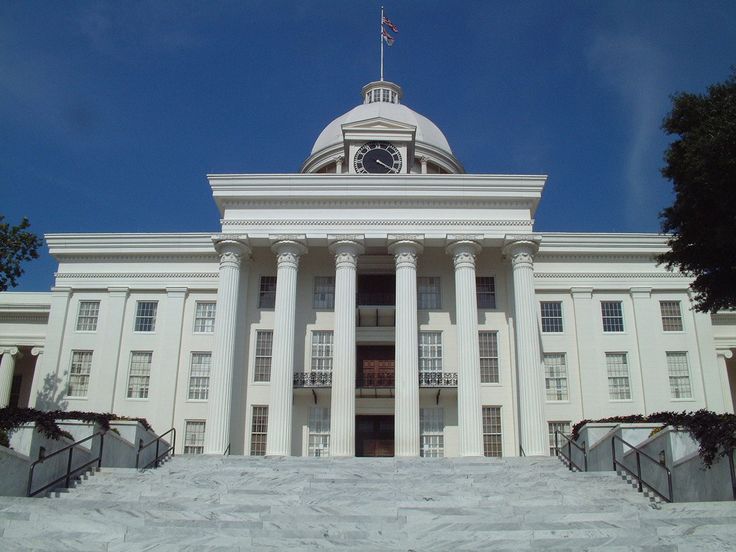
Alabama lawmakers returned to Montgomery on Tuesday for the regular session that could see gambling debate later this year. Republican Sen. Del Marsh said he hopes to introduce his planned lottery and gambling bill as soon as possible. Marsh said he believes voters are “ready to address this issue.” “The gaming issue in this state has gone unresolved in my opinion for years, and I think the gaming issue is a way to resolve some of our other problems — scholarships for our young people and young adults wishing for career changes, perhaps. I think it’s a way to find a way to finally get statewide broadband for the state of Alabama,” Marsh said. Alabama voters must approve any change to the state Constitution to allow gambling. Alabamians last voted on gambling in 1999 when they defeated a lottery proposed by then-Gov. Don Siegelman. “All I’m going to do is put something before the people of Alabama,” Marsh said. The first day of the session brought a change in leadership. Marsh resigned as Senate president pro tem and was replaced by Sen. Greg Reed of Jasper. Marsh, who is not seeking reelection, previously announced his plans to resign the position to focus on his attention on certain bills, including the gambling bill and an education bill. Reed said three pieces of legislation will take priority for the first weeks of the session. Those include a bill to shield companies and others from civil lawsuit liability during the COVID-19 pandemic. The others would exempt COVID-19 relief funds from state income tax and extend state industrial incentives. “Those are going to be the three priorities,” Reed said of the first weeks. Lawmakers this year will have to draw new congressional districts but that may occur in a special session later in the year. The session is being conducted differently this year because of the COVID-19 pandemic. Members wore masks on the chamber floors and greeted each other with elbow bumps instead of the usual hugs and handshakes. Access to the Statehouse was limited and temperature scanners were installed at Statehouse entrances to monitor people for fever. Members are getting periodic COVID tests. A House of Representatives spokesman said one representative returned home after getting a positive COVID-19 test. Legislators plan to meet for two weeks and then take a break to review COVID-19 precautions. Republished with the permission of the Associated Press.
Alabama political scientist Bill Stewart dies at 80

In Alabama politics, there are players and there are observers. And then, every once in a while, someone comes along to help make sense of it all. William H. “Bill” Stewart Jr. was among the best of the latter, spending the most of five decades educating students, reporters, and the voting public alike on the complexities that influenced state and local politics. Alabama lost that voice on Sunday when Stewart, after battling illness, died at the age of 80. A Hartselle native who taught political science as a University of Alabama professor for more than 40 years, Stewart continued to teach will beyond his retirement, serving as a professor emeritus in the political science department, where he was recognized as an expert on Alabama politics. Across his career, his students have gone on to hold elected offices at the highest levels, said his wife, Connie. “He was always mentoring students. That was his passion,” she said. “And he was just so proud of all of his students and the achievements that they made.” Counted among those students included governors, including Alabama’s last Democratic governor, Don Siegelman, and numerous Alabama legislators. But his influence wasn’t reserved to just one party, as Alabama’s own Republican Secretary of State, John Merrill, can attest. Merrill never had Stewart as a professor during his years as a student in the 1980s. Rather, their relationship – and his influence on Merrill’s own approach to politics – began after Merrill’s graduation, usually over dinners at an Olive Garden in Tuscaloosa. “There’s no doubt I was a better political science student (because of) Bill Stewart, even though I never had him for a class,” Merrill said. “The loss of Bill Stewart is a loss for all who aspire to have quality representatives in our local, county, state, and federal government positions. “As one of the most knowledgeable and insightful observers of politics, he was a voice of reason and objectivity that cannot be replaced.” Beyond politics, Stewart was an avid runner – he participated in several marathons and 5K runs, his wife said – and a devout Christian, attending the University Church of Christ for more than 50 years. Stewart’s son William H. Stewart III, who goes by Trey, said he didn’t catch the politics bug from his dad. Rather, it was the educator and spiritual leader that swayed him most. Trey Stewart, 38, attributed both his earning of a Ph.D. in educational psychology and his concerns for her fellow man to his dad’s guidance. “My dad was a Christian – a person of faith, sincere faith – and, for me, as his son, a lot of who I am I got from him in terms of my own religious faith,” Trey Stewart said. “And I try to be an empathetic person. Those aspects of my character I would say I got, to a large degree, from him.” But for scores of others across Alabama’s political landscape, Stewart’s legacy will be his approach to political analysis that was rooted not just in the events of the day, but also in the history of Alabama and how the echoes of years past were influencing current decisions. Much of that perspective came from Stewart growing up under his father, William H. Stewart Sr., who served in the Alabama Legislature. “That’s where he got this love of politics from,” Connie Stewart said. “He saw how the political machinations worked here in the state and was fascinated by it. And he really loved it. It was in his blood.” Republished with the permission of the Associated Press.
Will Ainsworth: Democrat Doug Jones fiddles while America’s cities burn
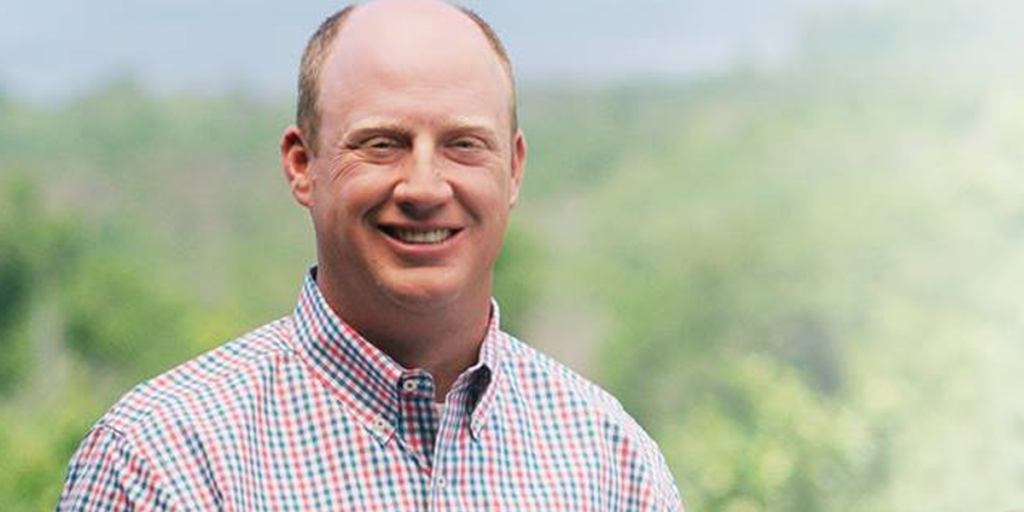
Will Ainsworth outlines his reasons for supporting Tommy Tuberville over Doug Jones in this fall’s Senate election.
Inside the Statehouse: Budget is priority number one for legislative session
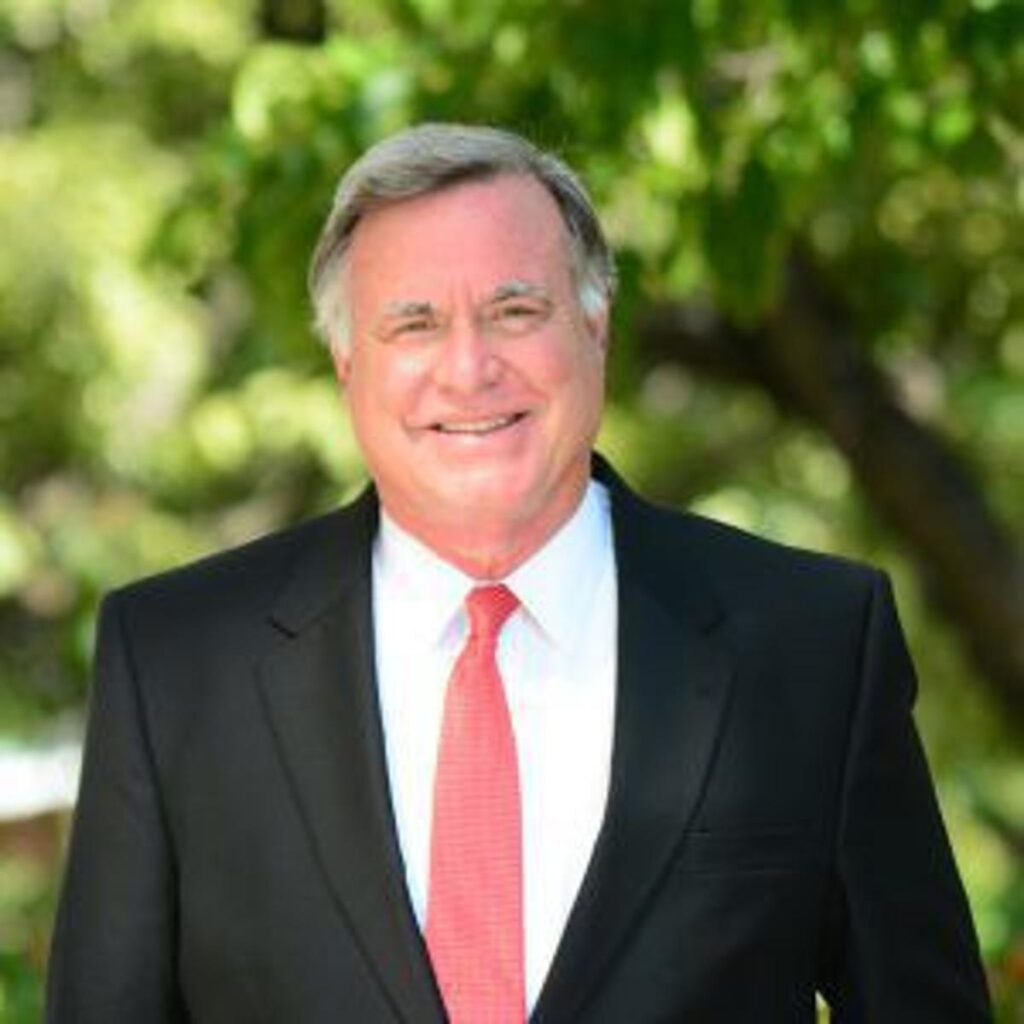
Steve Flowers discusses the unique ongoing legislative session and lists a who’s who in our budgetary process.
Inside the Statehouse: Observations
Steve Flowers discusses some general observations about Alabama politics.
Don Siegelman finishes probation for bribery
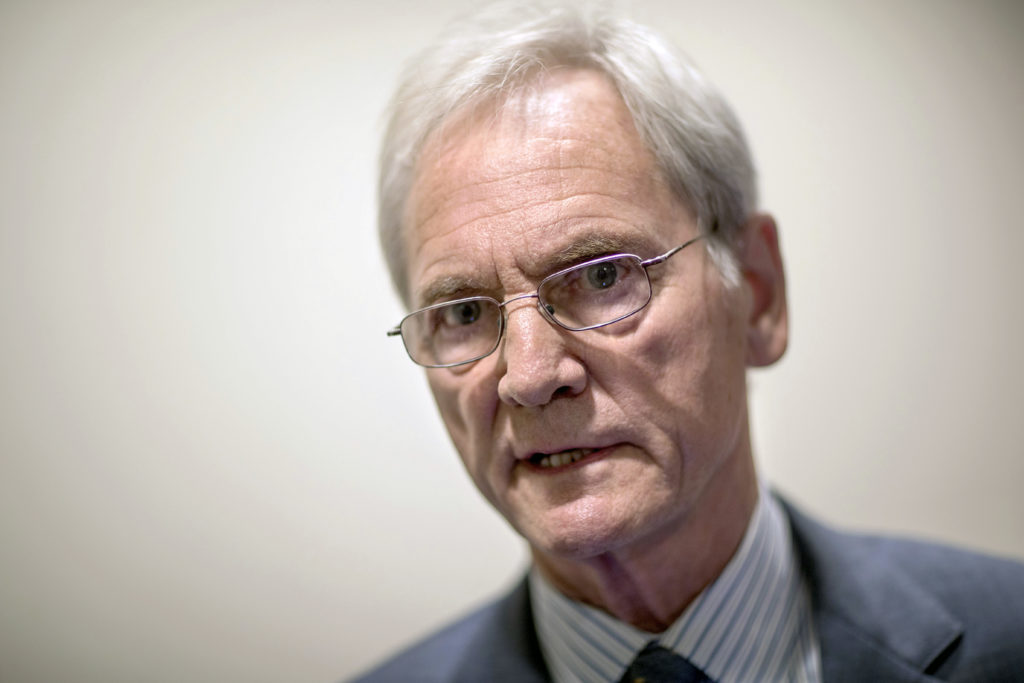
A judge has ended probation for former Alabama Gov. Don Siegelman, who went to federal prison in a bribery scheme. WSFA-TV reports that a federal judge this week agreed with an officer’s report recommending that probation end for the 73-year-old Democrat. A federal jury convicted Siegelman in 2006. Prosecutors said he gave a seat on a state regulatory board to HealthSouth founder Richard Scrushy, and that in exchange Scrushy donated $500,000 to Siegelman’s signature political issue, a 1999 campaign to establish a state lottery. Siegelman served about six years in prison before his release in 2017. The probation was supposed to end next year, but a probation officer determined the former governor had complied with all the rules. Siegelman shared the judge’s order on social media. Republished with the permission of the Associated Press.
Walt Maddox, former Governor Don Siegelman join forces in Selma
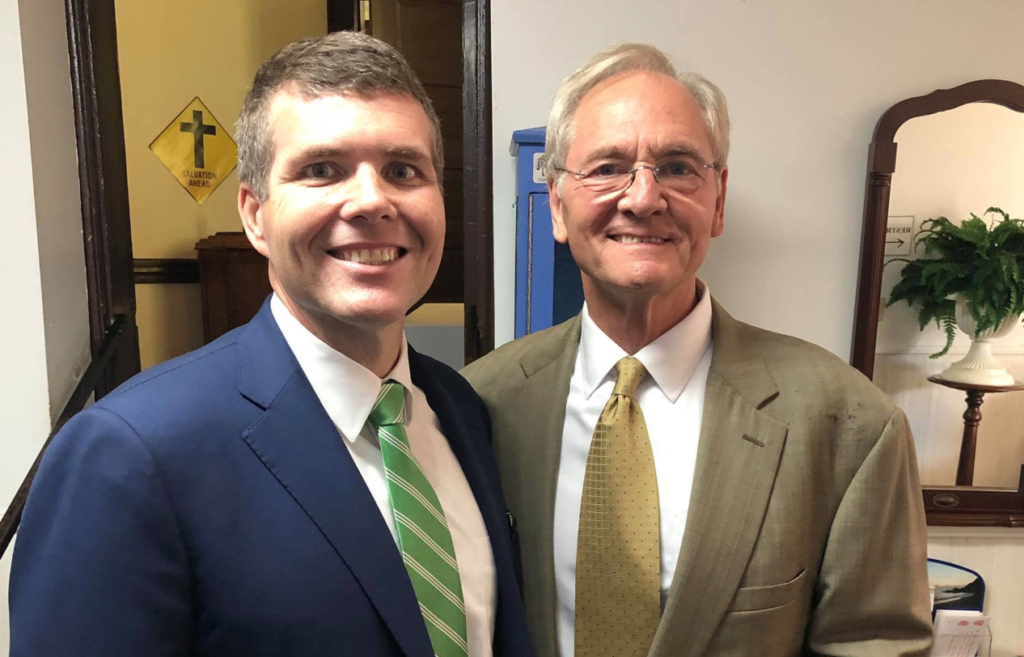
Combining forces, Democratic gubernatorial candidate Walt Maddox and former Alabama Governor Don Siegelman spoke together on Tuesday at the opening of the African-American Episcopal Church Conference in Selma, Ala. Both men spoke to the attendees about the upcoming November general election, Maddox for his own campaign and Siegelman for his son, Joseph Siegelman‘s campaign for Attorney General. “I’m running for Governor because we hear the shouts,” Maddox said during his speech at the historic Brown Chapel AME Church according to his campaign website. “We hear shouts of the ballot box in Montgomery. We hear shouts about the mental health system across the state of Alabama. We hear the shouts about the hospitals in Alabama that are closing.” “Do you hear the shouts?” Maddox continued. “Our problems in Alabama deserve a solution. As Christians, we hear those shouts. If I’m elected Governor of Alabama, we will honor those shouts.” You can watch Maddox’s full speech here. Siegelman spoke for his son’s campaign, and told attendees to vote for Maddox as next governor, “My son’s a Civil Rights Attorney in the Johnny Cochran firm,” Siegelman told the crowd according to the Selma Times-Journal. “He works for the people and I’m real proud of him.” “Vote Walt Maddox as the next Governor of Alabama,” he continued. Siegelman’s endorsement of Maddox is just one in a list of Democratic leaders who have endorsed him over the course of his candidacy. Birmingham Mayor Randall Woodfin endorsed him in May, saying he influenced how he governs his city, “Walt’s ability to convince people to work together – black and white, rich and poor, Democrat and Republican – has inspired how I seek to lead Birmingham to a new era of excellence,” Woodfin said according to AL.com. Former Alabama Agricultural Commissioner Ron Sparks, Mobile-Democrat Sen. Vivian Figures, and former state Sen. Roger Bedford have also endorsed Maddox in his bid governor.
Five things you need to know about Joseph Siegelman
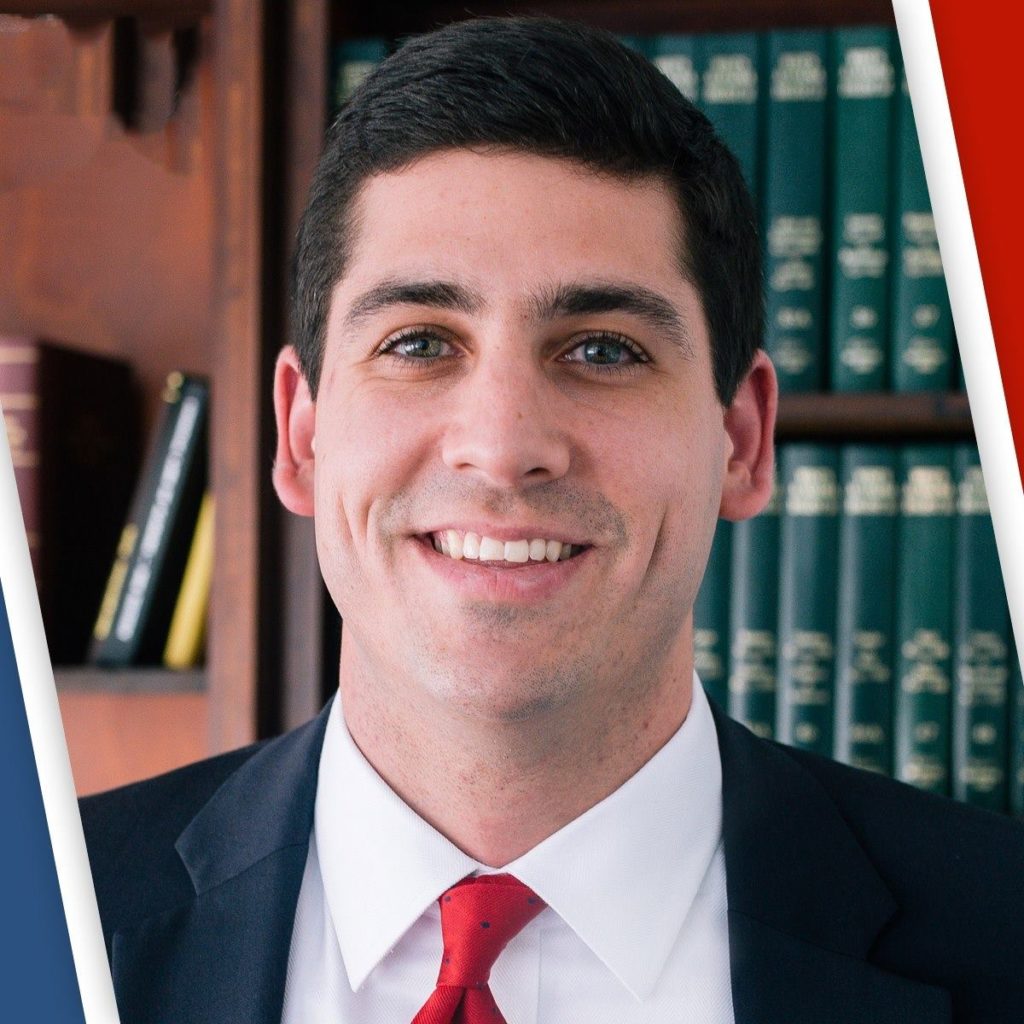
Now that the runoff elections are over, voters are turning their attention to the November General Election only 106 days away. Democratic Attorney General candidate Joseph Siegelman beat his primary opponent Chris Christie in the June primary elections while Incumbent Attorney General and Republican candidate Steve Marshall was thrown into a runoff race. Marshall won his runoff election against Troy King last week with just over 62 percent of the vote; now Marshall will face Siegelman in the November General Election. The attorney general is responsible for representing the state in criminal and civil matters, and the office often is a stepping-stone to other positions. Just ask former Alabama attorney general and U.S. Senator, now-U.S. Attorney General Jeff Sessions. With that in mind, here are the five things you need to know about Joseph Siegelman: 1. He’s the the son of former Gov. Don Siegelman. Siegelman’s father, former Gov. Don Siegelman was a dominating figure in state politics for years, but his career came to a close with a conviction on federal bribery charges. In 2016, Siegelman had filed a lawsuit seeking Department of Justice documents about his father’s prosecution. Ultimately nothing came of it and Don Siegelman was released in 2017, which was a year to the day that Joseph announced his candidacy, from a federal prison in Louisiana where he was serving a six-year sentence for bribery and obstruction of justice. 2. He received some big endorsements during the primary. Siegelman has been endorsed by the New South Alliance and equal pay activist Lilly Ledbetter. 3. He would be a very young AG. If elected, Siegelman, 29, would only be 30 when he assumes office — a stark contrast to his Republican opponent, Steve Marshall who’s career has spanned over 30 years. 4. He’s the managing partner and with The Cochran Firm. Siegelman is the managing partner in The Cochran Firm – Birmingham office. There, his practice focuses primarily in the areas of personal injury, products liability, medical malpractice and mass tort litigation. He is a member of the Alabama State Bar Association and the Birmingham Bar Association and is admitted to practice in all Alabama State and Federal courts. 5. Roll Tide Roll. Siegelman obtained his undergraduate degree from the University of Alabama while completing part of his coursework at the London School of Economics and Political Science in London, England. He received a Bachelor of Science in Commerce and Business Administration, graduating summa cum laude from the University of Alabama’s Honors College and Business Honors Program. He also received his Juris Doctor from the University of Alabama School of Law. In law school, he twice represented the University of Alabama as an advocate on its National Trial Team and was awarded the George Peach Taylor Award for his outstanding trial advocacy.
Final push in Attorney General runoff brings Trump favorites Pam Bondi and Roger Stone to AL
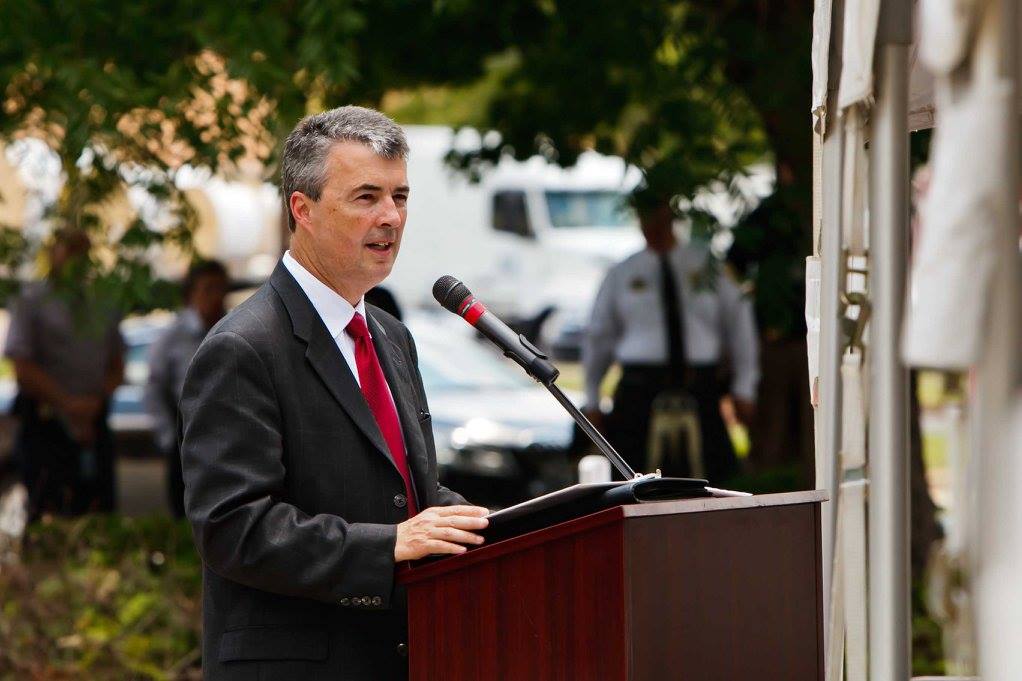
Alabama Attorney General Steve Marshall and former Attorney General Troy King are making their final pitches to voters ahead of Tuesday’s Republican runoff. Marshall returned to the campaign trail Saturday for the first time following the suicide of his wife last month. Marshall thanked people for supporting him during his loss. He said he never considered dropping out of the race because his wife had urged him to run. “One of the last things that my wife had left for me was a note. She said that I know you are the man for the job and the man for Alabama,” Marshall said. A group of GOP attorneys generals, including Pam Bondi of Florida, held rallies with Marshall on Saturday in both ends of the state. Bondi said “ethics and integrity mean everything” and others praised his record as a prosecutor. “We believe in what he’s doing for Alabama and I believe in what he’s doing for President Trump,” Bondi said Marshall is seeking to win the office in his own right after being appointed last year by then-Gov. Robert Bentley. He previously served 16 years as the district attorney of Marshall County. Both King and Marshall are stressing their records in the heated runoff. King, who was attorney general from 2004 to 2011, is seeking a political comeback. King was appointed as attorney general by then-Gov. Bob Riley. He was elected to a full term in 2006, but he lost the 2010 GOP primary to Luther Strange. In an interview with the Associated Press, King said he was the true Republican in the race, noting that, as a 10-year-old, he went door-to-door campaigning for Ronald Reagan. Marshall, who was initially appointed by Gov. Don Siegelman, switched to the GOP in 2011. “On Tuesday this election is about the Republican Party nominating a standard-bearer. Only one of us is a Republican,” King said when asked why runoff voters should choose him. King will hold a series of Monday rallies with Trump ally Roger Stone. Both campaigns paused their activities last month following the death of Bridgette Marshall. King said he pulled his commercials from the air for a week after the death out of respect for his opponent. In returning to the campaign trail, King said he would focus on contrasting their records. That does not mean the primary has not gotten heated at times. King criticized Bentley’s appointment of Marshall when Bentley was the subject of an ethics investigation as a “crooked deal.” King said Marshall got his dream job and “let a man who corrupted Alabama go free.” Marshall responded that he was ethically required to recuse himself from the investigation, but he appointed an “experienced tough prosecutor” to lead the probe and “six weeks after that Robert Bentley was out of office.” Bentley resigned after pleading guilty to misdemeanor campaign finance violations. Marshall’s campaign sent out a direct mail piece with unflattering headlines from King’s time as attorney general, including that King had briefly been the subject of a federal grand jury investigation. The probe ended without charges. King responded that the probe was politically motivated and was leaked to the press to derail his 2010 campaign. He said it ended without charges because he did nothing wrong. The runoff winner will race Democrat Joseph Siegelman in November. Republished with permission of the Associated Press.
