
Donald Trump’s vow to bring back coal gives hope to weary regions

The hard-eyed view along the Tug Fork River in West Virginia coal country is that President-elect Donald Trump has something to prove: that he’ll help bring back Appalachian mining, as he promised time and again on the campaign trail. Nobody thinks he can revive it entirely – not economists, not ex-miners, not even those recently called back to work. But for the first time in years, coal towns are seeing a commodity that had grown scarcer than the coal trains that used to rumble through around the clock: hope. Around here that hope is measured. Still, most voters saw Trump as the only choice for president. He vowed to undo looming federal rules and said President Barack Obama had been “ridiculous” to the industry. Trump told miners in Charleston: “We’re going to take care of years of horrible abuse. I guarantee it.” West Virginians went all in, backing Trump and electing a coal mine-owning billionaire, Democrat Jim Justice, as governor. But a lot of people had gone under already. “Lost my home, vehicle, everything,” said Roger Prater. Wearing the miner’s telltale blue pants with reflective strips on the legs, Prater would be heading underground that night. He’d been laid off for 20 months but now benefits from a small hiring surge that started before the election. At 31, Prater said he can get everything back, but he’s uncertain for how long. “In Trump’s term, I feel we’ll do good, but after that who’s to say?” he said. That skepticism is supported by industry analysts, who say any recovery won’t be centered in the eastern coalfields of Kentucky and West Virginia and will never bring U.S. coal back to what it once was. Last year, the nation had about 66,000 coal mining jobs – the lowest since the U.S. Energy Information Administration began counting in 1978. That’s down 20,000 since a high point in 2008, and preliminary data show 10,000 more lost this year. Mines out west stand to gain the most under Trump because of the huge reserves beneath public lands in Wyoming, Montana, Colorado and Utah. At the Wolf Mountain Coal company near Decker, Montana, superintendent Dave Bettcher said he’s been praying Trump can do just that. Wolf Mountain gets coal from the nearby Spring Creek strip mine, where operator Cloud Peak Energy has cut workforce and production. Wolf Mountain’s 20 workers still have jobs, but Bettcher said eight years of anti-coal leadership in Washington have left the industry in peril. “I believe in the guy,” Bettcher said of Trump as a conveyor belt dumped coal into a truck bound for North Dakota. “If he can hold up his end, he’s going to help a lot of people.” In January, the Obama administration – prompted in part by concerns about climate change – imposed a moratorium on new lease sales pending a three-year review of the federal coal program. Trump has vowed to rescind the moratorium, which could open huge coal reserves. Burning them would unleash an estimated 3.4 billion tons of carbon dioxide – equivalent to a year’s worth of emissions from 700 million cars, according to Environmental Protection Agency calculations. But Trump has promised, too, to roll back Obama’s Clean Power Plan, emissions restrictions that would make it more expensive for utilities to use the fuel. Such proposals would “level the playing field for coal,” allowing it to better compete with natural gas and renewable energies, said coal analyst Andy Roberts with the firm Wood Mackenzie. Yet industry executives expect that pressure to reduce carbon dioxide emissions will continue. “It can’t just be, ‘We’re going to get rid of these regulations, and you guys can party until the next administration comes,’” Cloud Peak Energy Vice President Richard Reavey said. “There are serious global concerns about climate emissions. We have to recognize that’s a political reality and work within that framework.” Owners of more than 200 coal plants, almost half the nation’s total, plan to retire the facilities by 2025, said Mary Ann Hitt, director of the Sierra Club’s anti-coal campaign. That trend is unlikely to be reversed, she said, with wind and solar power becoming more cost effective and natural gas offering a cheap alternative. But Hitt said environmentalists would be naive to think they’ve won. “The coal industry is going to have friends in high places,” she said. In West Virginia, Justice reopened four of his mines this month, saying they’ll provide 375 jobs, before being elected governor. They produce metallurgical coal for making steel; its price has risen sharply with lower Chinese production. Justice acknowledged during campaigning that the coal business is tough – mining jobs in the state fell to about 15,000 last year, with 7,000 gone since 2008 – but said he believes it will help power the U.S. economy and West Virginia’s future. “You’re going to see more miners go back to work in West Virginia to some level,” he said. On Saturday, Justice said he and Trump talked for 15 minutes about efforts to put miners back to work. He didn’t disclose specifics. For now, Williamson resembles the small Rust Belt cities of the North after factories closed, leaving empty storefronts and sidewalks. On a recent afternoon, a young man stood on the city bridge over the Tug Fork, which mostly separates southern West Virginia from Kentucky, holding a sign asking for help. Greg Blankenship from Pike County, Kentucky, across the river, lost his $50,000-a-year mining job in 2009 and got a lower-paying county job months later. His father made a good living as a miner and raised three kids. At 44, Blankenship hopes Trump’s election means he’ll be able to go back but says he knows “the president can’t do everything.” He’s right: Trump won’t control the economics of low natural gas prices or slow global growth, two big factors hurting coal demand, said John Deskins, director of the West Virginia University Bureau of Business and Economic Research. Trump will have some control over environmental regulation, but it’s not
Donald Trump opponents try to beat him at the Electoral College
Grassroots campaigns have sprung up around the country to try to persuade members of the Electoral College to do something that has never been done in American history — deny the presidency to the clear Election Day winner. Activists are circulating online petitions and using social media in hopes of influencing Republican electors to cast their ballots for someone other than President-elect Donald Trump and deprive him of the 270 Electoral College votes needed to become the next occupant of the White House. “Yes, I think it’s a longshot, but I also think we’re living in strange times,” said Daniel Brezenoff, who created a petition in favor of Hillary Clinton and is asking signers to lobby electors by email or phone. “If it was ever plausible, it’s this year.” Trump has won 290 electoral votes to Clinton’s 232, with Michigan undecided, but Clinton is on pace to win the popular vote by at least 1 million ballots. Trump’s opponents are motivated by the outcome of the popular vote and by their contention that the businessman and reality TV star is unfit to serve as commander in chief. Just one elector so far has wavered publicly on supporting Trump. Texas Republican Art Sisneros says he has reservations about the president-elect, but not because of the national popular vote. He told The Associated Press he won’t vote for Clinton under any circumstance. “As a Christian, I came to the conclusion that Mr. Trump is not biblically qualified for that office,” he said. He said he has heard from ecstatic Clinton supporters and even supportive Republicans, but also from outraged Trump backers writing “threatening and vile things.” Sisneros signed a state party pledge to support the GOP’s standard-bearer, but that was before Trump was the official nominee. He said one of his options is to resign, allowing the state party to choose another elector. Electors are chosen by party officials and are typically the party’s most loyal members. Presidential electors are not required to vote for a particular candidate under the Constitution. Even so, the National Archives says more than 99 percent of electors have voted as pledged throughout the nation’s history. Some state laws call for fines against “faithless electors,” while others open them to possible felony charges, although the National Archives says no elector has ever been prosecuted for failing to vote as pledged. In North Carolina, a faithless elector’s vote is canceled, and he or she must immediately resign and be replaced. Layne Bangerter and Melinda Smyser, two of Idaho’s four Republican electors, said they have been flooded with emails, telephone calls and Facebook messages from strangers urging them to reconsider their vote. “It’s just not going to work,” Bangerter said. “I hope it dies down, but I don’t see that happening.” The volume and tone of the messages caught the attention of Idaho’s secretary of state, who urged the public to remain civil as electors prepare to cast their ballots on Dec. 19 while meeting in their states. Republican Party officials in Georgia and Michigan said their electors also have been bombarded with messages, and Iowa reported increased public interest in obtaining contact information for electors. Michael Banerian, 22, one of Michigan’s 16 Republican electors, said he has received death threats from people who do not want him to vote for Trump. But he said he is undeterred. “It’s mostly just a lot of angry people who don’t completely understand how the process works,” said Banerian, a political science major at Oakland University. P. Bret Chiafalo, a Democratic elector in Washington state, said he and a small group of other electors from the party are working to contact their Republican counterparts and ask them to vote for any GOP candidate besides Trump, preferably Mitt Romney or John Kasich. Under the Constitution, the House — currently under Republican control — decides the presidency if no candidate reaches the required electoral vote majority. House members choose from the top three contenders. This isn’t the first time electors have faced pressure to undo the results of Election Day. Carole Jean Jordan, a GOP elector from Florida in 2000, recalled the “unbelievably ugly” aftermath of the recount battle between George W. Bush and then-vice president Al Gore, a dispute that ended with the U.S. Supreme Court leaving Bush’s slim margin intact and handing him the presidency. Jordan said Florida’s electors were inundated with nasty letters from people saying they should not vote for Bush. Police kept watch over her home until the electors convened in Tallahassee to cast their votes. They stayed at the same hotel, guarded by security officers who also escorted them to cast their ballots at the state Capitol. Republished with permission of the Associated Press.
House chairman: Donald Trump favors privatizing air traffic control
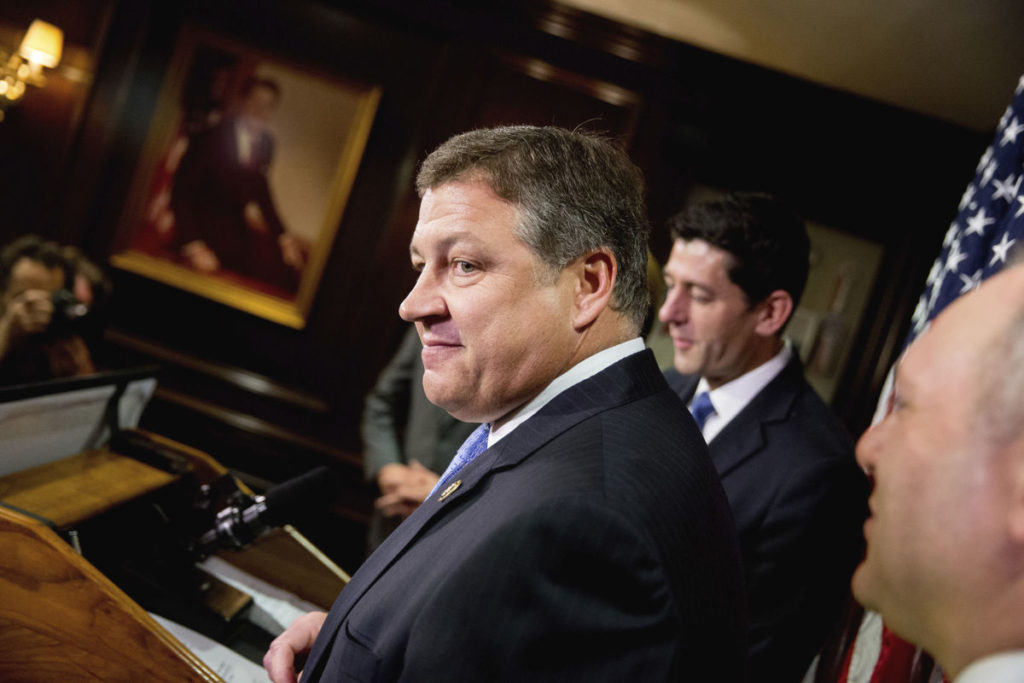
A House committee chairman says President-elect Donald Trump likes the idea of spinning off air traffic control operations from the government and placing them under the control of a private, non-profit corporation chartered by Congress. Rep. Bill Shuster, head of the House transportation committee, told The Associated Press that he spoke to Trump about the idea several times both before and during the presidential election. He said he believes the president-elect would be supportive, although details would have to be worked out. “I have spoken to him on a number of occasions and he generally likes the idea,” Shuster said. “We do need to sit down and put meat on the bones … I think in general he sees it as something that’s positive and we need to work on it.” The Republican lawmaker endorsed Trump early on and campaigned twice with him in his Pennsylvania congressional district. He also campaigned twice with Vice President-elect Mike Pence. Since the election, Shuster has met with Shirley Ybarra, a former Virginia transportation secretary who is working with the Trump transition team on transportation matters. Ybarra and the Trump transition team didn’t immediately respond to requests for comment. Shuster and most of the airline industry have been pressing for air traffic control privatization. They say the Federal Aviation Administration is moving too slowly to adopt new technology and that airlines haven’t seen the benefits they expected from the agency’s air traffic control modernization program, which has been in the works for more than a decade. Earlier this year, Shuster included a plan to privatize air traffic control in a bill to extend the FAA’s operating authority. The bill was approved by the transportation committee, but Shuster was unable to get it to the House floor after several influential lawmakers, including the Ways and Means Committee chairman and the House and Senate Appropriations Committee chairmen, raised objections. Democrats, some segments of the aviation industry and some FAA unions also oppose the plan, although the National Air Traffic Controllers Association endorsed the bill. Sen. John Thune, R-S.D., the Commerce, Science and Transportation Committee chairman and Shuster’s Senate counterpart, hasn’t taken a position on the issue. He said Friday that the FAA hasn’t been successful in bringing fundamental change to how air traffic is managed despite spending billions of dollars. “Congress has different options, and we will continue to explore them, but the case for changing the FAA’s approach to air traffic control modernization has become stronger,” Thune told the AP. Rep. Peter DeFazio, D-Ore., the senior Democrat on the House transportation committee, cautioned earlier this week that any proposal to overhaul the existing air traffic system “must be thoroughly vetted, not rushed through Congress just because the political landscape makes it easier.” Sen. Bill Nelson, D-Fla., raised objections Friday to what he described as an attempt by House proponents of air traffic control privatization to include language in a defense policy bill that would effectively squelch military objections to the plan. Nelson described his concerns in a letter Friday to Senate Armed Committee Chairman John McCain, R-Ariz., and Sen. Jack Reed, D-R.I., the committee’s senior Democrat. Republished with permission of the Associated Press.
Email insights: Progressive Change group rails against Jeff Sessions AG nomination

The Progressive Change Campaign Committee railed the nomination of Alabama Republican Sen. Jeff Sessions for Attorney General in a Friday email. “Jeff Sessions as Attorney General would be the proverbial fox guarding the henhouse,” said PCCC press secretary Kaitlin Sweeney. “He is not a mainstream choice for Attorney General, and Senate Democrats should be unified in opposition.” “Sessions has a history of racist remarks, calling a federal prosecutor ‘boy’ and calling the NAACP ‘un-American’ — and he opposes the Voting Rights Act and has draconian views on immigration,” Sweeney continued. “This makes him 100 percent unqualified to lead the Justice Department’s civil rights and voting rights divisions.” The third term Senator endorsed Trump back in February, making him one of the incoming president’s first supporters. Since Trump’s election, Sessions’ name has been tossed around for several high-level positions within the Trump administration. Sessions was long thought to be Donald Trump’s top pick for Secretary of Defense, but the incoming president announced Friday that the third term Alabama senator would be nominated as Attorney General. “Sessions has consistently opposed reforming and challenging Wall Street, and cannot be trusted to prosecute Wall Street bankers who broke the law — an idea that unites Republican, Independent and Democratic voters,” Sweeney concluded.
Email insights: Civil, Human Rights Coalition strongly opposes Jeff Sessions for AG
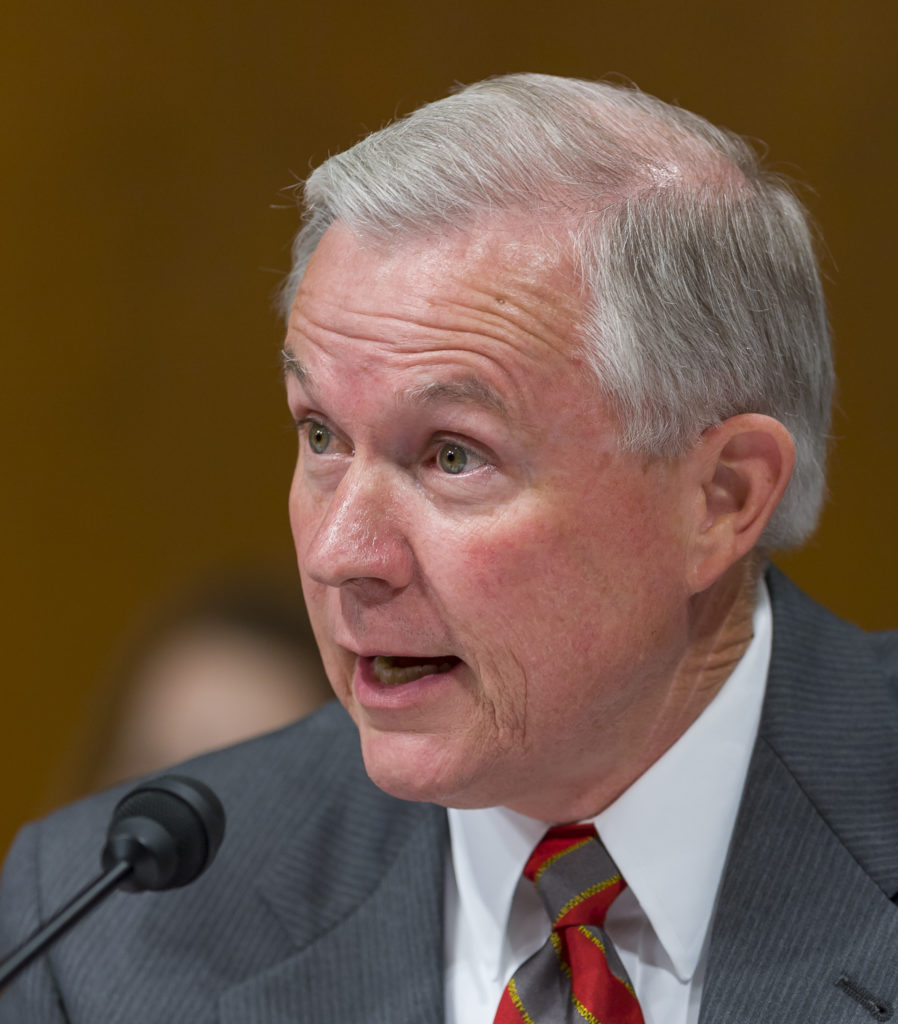
The Conference on Civil and Human Rights sounded off on the appointment of Alabama Republican Sen. Jeff Sessions as attorney general in a Friday email. “This nomination is deeply troubling to Americans who care about equal protection under the law,” group president Wade Henderson said in the email. “Throughout his tenure in the Senate, Sen. Sessions has been one of the chamber’s leading antagonists of immigrants and the LGBT community, continuing his long record of obstructing civil rights that began in his tenure as U.S. Attorney for the Southern District of Alabama.” Sessions was long thought to be Donald Trump’s top pick for secretary of defense, but the incoming president announced Friday that the third-term Alabama senator would be nominated as attorney general. Trump also announced Friday that Kansas Republican Rep. Mike Pompeo would be nominated as CIA director. Henderson said Sessions’ “record of hostility to voting rights as U.S. Attorney is particularly egregious.” “He called a white voting rights litigator a ‘disgrace to his race,’ retaliated against voting rights advocates by wrongly charging them with crimes, and proclaimed the Voting Rights Act ‘intrusive,’” Henderson said. “He also once declared that the Ku Klux Klan was ‘OK’ but that the National Council of Churches, the NAACP, and the Southern Christian Leadership Conference were ‘un-American.’” Henderson closed the email by saying Trump should pick someone else to serve as attorney general or the U.S. Senate should shoot down Sessions’ nomination.
Barack Obama mentoring Donald Trump on world leadering
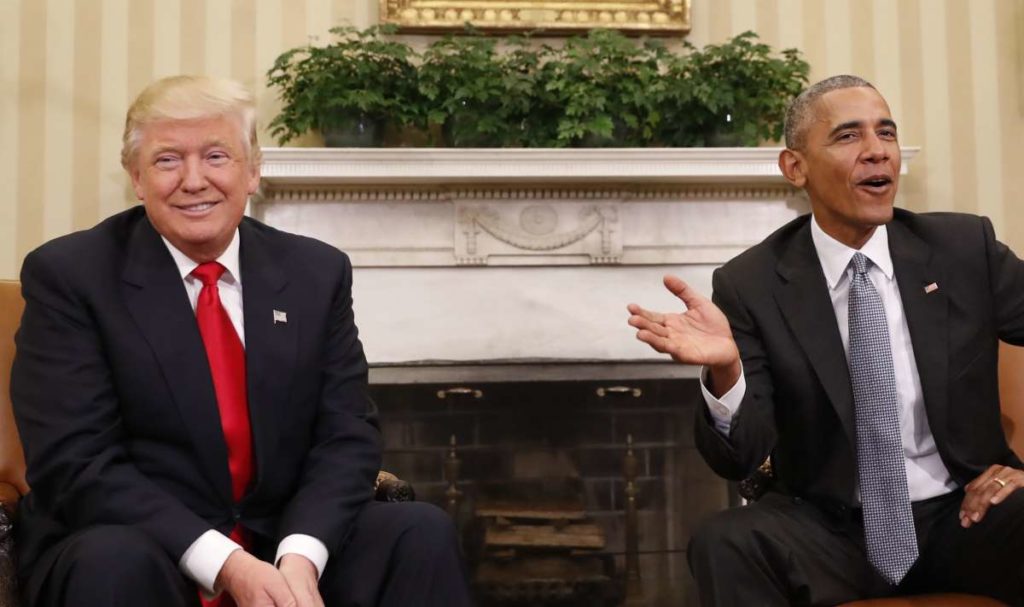
It’s the last thing President Barack Obama ever expected he’d be doing in his final months in office: Coaching Donald Trump on how to be a world leader. As the president-elect holes up in his skyscraper, Obama is giving Trump policy advice, style tips and gentle nudges to let the fervor of the campaign give way to the sobriety of the Oval Office. And as Obama completes his last world tour, he’s been thrust into the unexpected role of Trump translator to anxious U.S. allies. Standing next to German Chancellor Angela Merkel in Berlin, Obama said Trump would quickly see that a president’s responsibilities can’t be treated casually and that diverse countries can only be governed by “listening and reaching out.” “It is my hope that that is what will happen,” Obama said. “And I’m going to do everything I can over the next two months to help assure that that happens.” Though the outgoing president made clear his profound disdain for Trump throughout the campaign, perhaps no one is better positioned than Obama to get him up to speed in a matter of weeks. It’s unclear, though, how much help Trump wants or will accept from Obama. And no one expects that the executive tutoring will substantially change Trump’s vast differences with Obama, who he called the worst president in U.S. history. After meeting with Trump following the election, Obama resolved to spend more time helping prepare Trump than he might under different circumstances — say, if Hillary Clinton had been elected, aides said. Trump, to the surprise of many, seemed game. He said he wanted Obama’s “counsel” and looked forward to “many, many” more meetings. In the run-up to the election, the White House had planned only perfunctory, refresher-style briefings for Clinton, who is no stranger to the White House and whose transition team had prepared extensively for an expected takeover. Soon after Trump’s victory, White House chief of staff Denis McDonough directed that his preparatory materials be thickened and his intelligence briefings expanded to include more basic information, according to U.S. officials, who weren’t authorized to discuss the matter publicly and requested anonymity. Obama and his closest advisers were irritated when it leaked out that Trump, during his White House visit, had displayed a lack of thorough knowledge about key issues while Trump’s aides appeared unfamiliar with the process of staffing up a White House, officials said. They were concerned if Trump felt insulted or aggrieved, he might pull the plug on accepting Obama’s advice and help. After all, Obama’s aides had been pleasantly surprised when Trump, after their Oval Office chat, had agreed to preserve key elements of the “Obamacare” health law, which he’d pledged during the campaign to repeal. If Trump has felt patronized by Obama, so far he hasn’t shown it. Asked why Trump’s meeting this week with Japanese Prime Minister Shinzo Abe was closed to the press, senior transition adviser Kellyanne Conway pointed out that Obama was traveling overseas. “We are very deferential and respectful of the fact that we already have a president of the United States, Barack Obama,” Conway told reporters. “President Obama is still in office for the next two months, and we won’t be making diplomatic agreements today.” Though Trump and Vice President-elect Mike Pence have spoken by phone to more than 30 heads of state since the election, Trump hasn’t been heard from publically, save for one television interview and occasional tweets. From his suite in Trump Tower, he and top aides have been interviewing candidates for the 4,000-odd roles they must fill. Unsure how Trump as president may shake up foreign relations, world leaders have turned to Obama for information about what to expect. Traveling this week to Greece, Germany and Peru, Obama has tried to reassure U.S. partners that Trump, in their Oval Office meeting, expressed a “full commitment” to NATO. “I am encouraged by the president-elect’s insistence that NATO is a commitment that does not change,” Obama said in Germany. During the campaign, Trump said the U.S. didn’t “really need NATO in its current form,” calling it obsolete and threatening not to defend NATO allies unless they pay more into the alliance. Though Trump has since softened those comments, he hasn’t offered the explicit reassurances in public that Obama said he offered in private. But Obama said he was “cautiously optimistic” that transitioning from candidate to president-in-waiting would force Trump to focus and get serious about “gaining the trust even of those who didn’t support him.” “That has to reflect itself not only in the things he says, but also how he fills out his administration,” Obama said. “And my hope is that that’s something he is thinking about.” Republished with permission of the Associated Press.
In job growth, blue states outpaced red states in past year
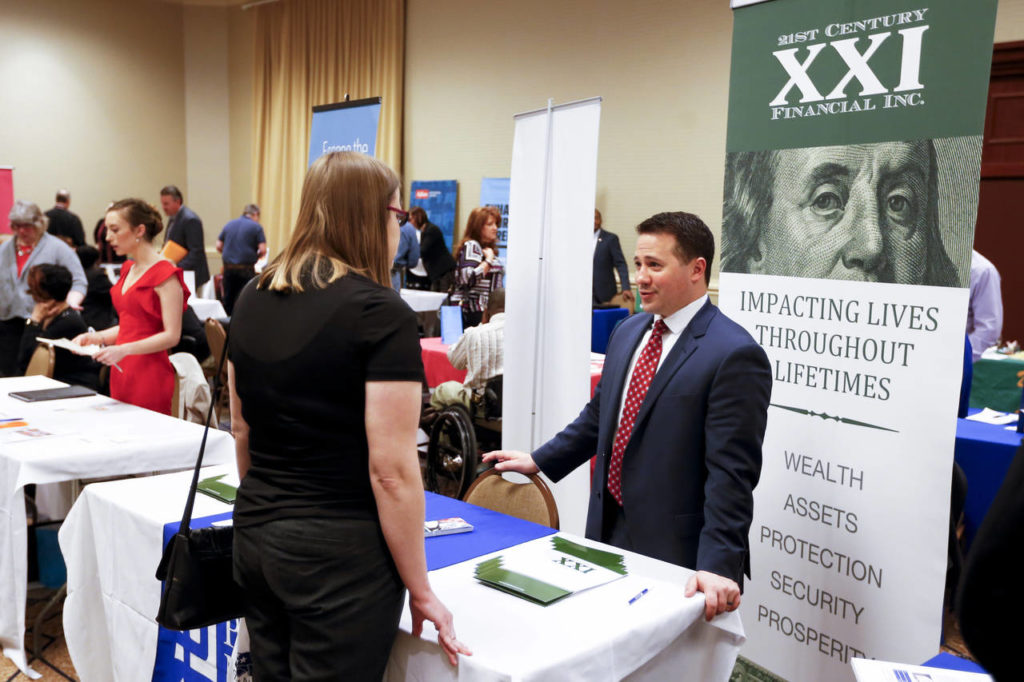
States that voted for Hillary Clinton in last week’s presidential election reported stronger job growth in the previous year than states that supported Donald Trump, according to data released by the Labor Department Friday. Large cities in states where voters were more likely to support Trump also lagged in job growth, a separate analysis by Jed Kolko, chief economist at Indeed, a job search website, also found. The figures add credence to the idea that economic concerns contributed to Trump’s unexpected victory. Eleven U.S. states reported healthy job gains in October, and the unemployment rate fell in seven, the Labor Department said Friday . Thirty-four states reported little change in employment from the previous month. The healthiest gains in the past year were in so-called “blue” states: Job growth was 3.5 percent in Washington state, the biggest gain nationwide. Oregon reported the next largest gain, at 3.3 percent. Other healthy increases were in Colorado, California and Nevada. There were exceptions to the trend: Florida, which supported Trump, saw hiring rise 3.1 percent in the 12 months ending in October, the third-highest total. But the smallest increases were in so-called “red” states that voted for the Republican candidate. Job growth was just 0.7 percent in Pennsylvania, 0.9 percent in Ohio and 1 percent in Wisconsin – three Midwestern states that handed 48 electoral votes to Trump. And two states lost jobs in the past year: Wyoming and North Dakota, which have been hit by falling oil and coal prices. They both voted for Trump. Overall, the differences weren’t huge: Job growth in blue states was 1.7 percent in the 12 months ending in October, compared with 1.5 percent in red states, according to Kolko’s calculations. But there are similarities in the city data. Six of the ten metro areas with the slowest job growth were in Pennsylvania, Ohio and Wisconsin. Allentown and Scranton, both in Pennsylvania, lost the most jobs of any city nationwide. Nationwide, the economy picked up in the fall even amid the contentious presidential election. Americans ramped up their shopping and applications for unemployment aid fell to a four-decade low, a sign layoffs are scarce. That’s prompted steady hiring, though it has fallen from last year’s pace. Employers added 161,000 jobs nationwide in October, enough to reduce the unemployment rate over time. The rate slipped to 4.9 percent from 5 percent in September. Republished with permission of the Associated Press.
Medical marijuana advocates up in arms over Jeff Sessions
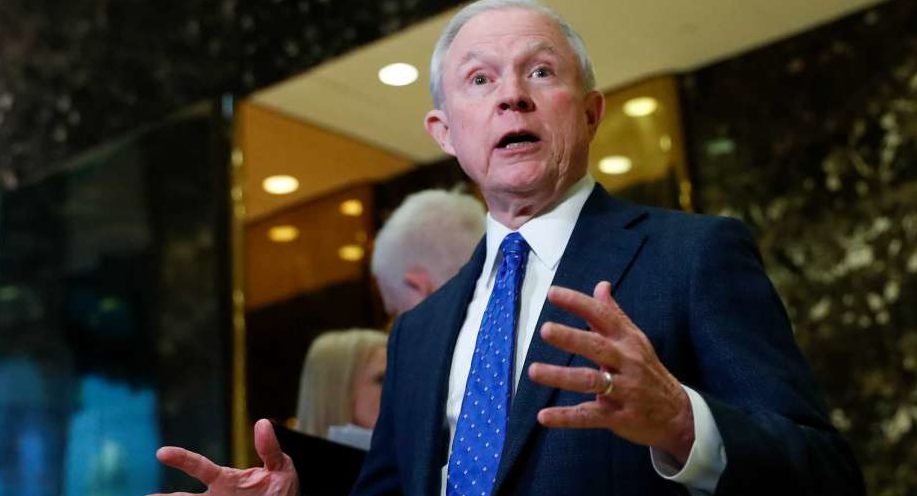
The head of a medical marijuana advocacy group is criticizing President-elect Donald Trump’s pick of Jeff Sessions for U.S. Attorney General. Steph Sherer, executive director of Americans for Safe Access, said in an email Friday that the Republican Sessions “has criticized the morality of cannabis users and has stated that cannabis is more harmful than alcohol.” Sessions, a former federal prosecutor, once “rebutted (President) Obama’s observation that marijuana is safer than alcohol by citing a renowned expert on substance abuse: ‘Lady Gaga says she’s addicted to it and it is not harmless,’” according to Forbes. On the other hand, Sherer said, Trump “repeatedly said he supports medical cannabis and that he believes states should be able to set their own policies in this area.” The president-elect “needs to reassure the more than 300 million Americans living under some sort of medical cannabis law that his attorney general will honor his campaign pledge to respect state medical cannabis programs,” Sherer said. “Plain and simple, medical cannabis is a critical therapy used by millions of patients to alleviate symptoms of epilepsy, chemotherapy, HIV/AIDS, chronic pain, and more,” she added. Twenty-eight states and the District of Columbia have decriminalized medical marijuana under state law, according to the National Conference of State Legislatures. A ballot initiative giving Floridians a state constitutional right to medical pot passed earlier this month with 71 percent of the vote. But marijuana is still outlawed by the federal government. The Obama administration has given states a pass, saying federal prosecutors should not charge those — particularly “the seriously ill and their caregivers” — who distribute and use medical marijuana under a state law.
Jeff Sessions replacement — who will Robert Bentley choose?
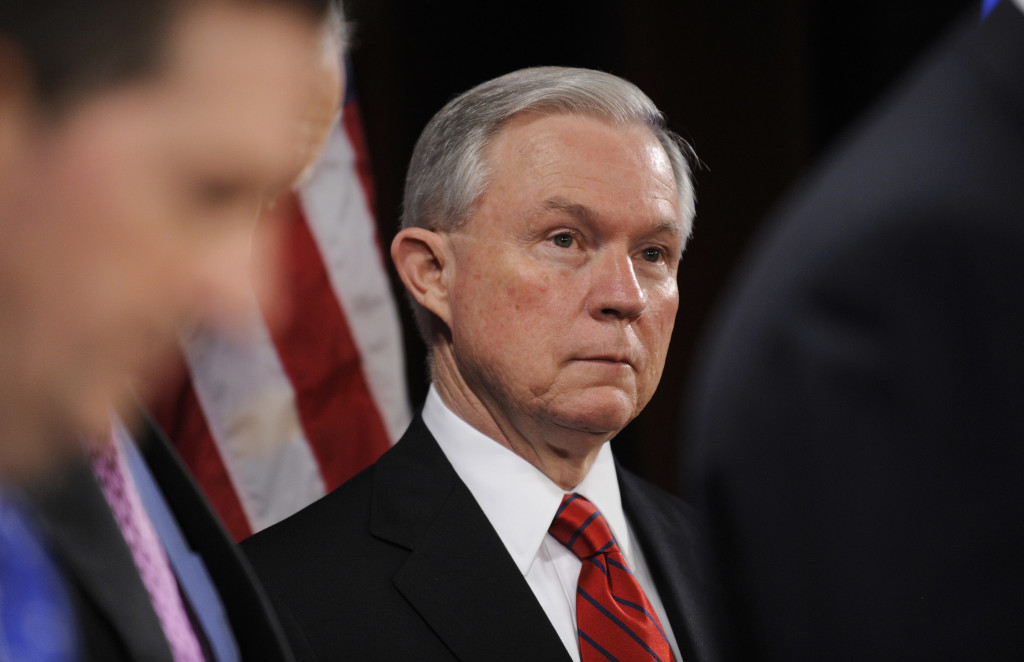
Pending acceptance of the position and a Senate confirmation hearing, Alabama Sen. Jeff Sessions is poised become the United States’ next Attorney General in President-Elect Donald Trump‘s administration. Should that happen, Sessions will leave behind a coveted U.S. Senate seat in the Yellowhammer State. According to Alabama law Gov. Robert Bentley would be tasked with appointing his replacement in the short term and setting a date for a statewide election to fill the vacant Senate seat. Already, names of potential replacements are being thrown around. From Alabama U.S. Rep. Martha Roby and Robert Aderholt, to Ala. Attorney General Luther Strange, to state senators Trip Pittman, Dick Brewbaker and Cam Ward. For a state as red as Alabama, there’s no shortage of conservative names for the Governor to choose from. Leaving only one question — who will he actually select? Bentley gave some insight into what criteria he’s using to make his decision in a Friday-morning statement following Sessions’ job offer. “[Sessions] has served our state and our people with dignity and has been a bright example for conservative values,” said Bentley. “I will choose an appointee who shares those values and will work to further the agenda of President-elect Trump, all while keeping Alabama first in his or her mind. This person must uphold the Constitution, value the rights of the Second Amendment, the rights of the states, support pro-life issues, implement a strong national security policy, and support domestic job creation.” Tell us, who would you like to see Bentley choose? Loading…
Donald Trump taps conservative Kansas congressman for CIA
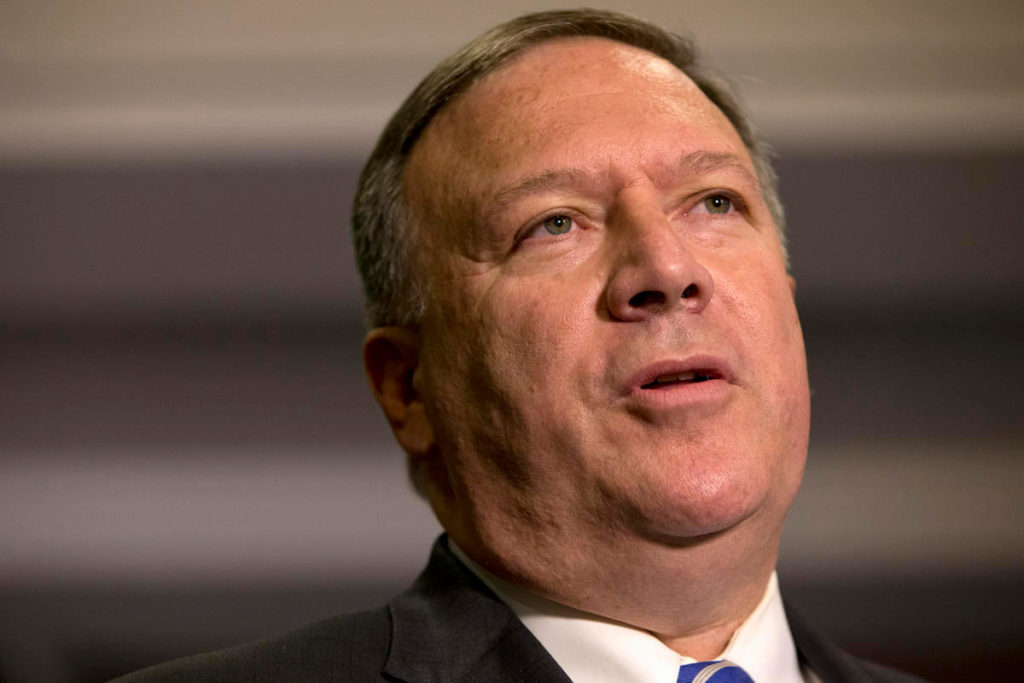
Mike Pompeo, Donald Trump‘s pick to be director of the CIA, is a hard-line Republican congressman who shares the president-elect’s pugnacious worldview and, like Trump, spent years as a businessman before becoming a politician. Pompeo has heavily criticized the landmark Iran nuclear deal, blasted Hillary Clinton over the attack on a U.S. diplomatic outpost in Libya and her use of a private email server, and believes Edward Snowden is a traitor who deserves a death sentence. He also supports restoring the National Security Agency’s bulk collection of telephone metadata, a contentious terror-fighting tool Congress eliminated after Snowden’s revelations. Before taking over the spy agency, the Kansas lawmaker has to be confirmed by the GOP-led Senate. One issue that could dominate the confirmation hearing is Pompeo’s view on using harsh interrogation techniques on detainees. Trump has backed these techniques, saying, “We should go tougher than waterboarding,” which simulates drowning. During the campaign, Trump suggested that he would push to change laws that prohibit waterboarding and other harsh techniques. He said that banning those methods puts the U.S. at a strategic disadvantage against Islamic State militants. Pompeo two years ago rejected accusations that U.S. intelligence and military personnel were “torturers” for harshly interrogating terror suspects captured after 9/11. “These men and women are not torturers, they are patriots,” Pompeo said in 2014 after the Senate released its report on the enhanced interrogation techniques used by the CIA. In a statement Friday, Pompeo said he was “honored and humbled” to accept Trump’s nomination. He called the decision to leave Congress difficult but said the “opportunity to lead the world’s finest intelligence warriors” is a call to service that he could not ignore.” Sen. Mark Warner of Virginia, who will be the top Democrat on the Senate Intelligence committee beginning in January, said in a statement that he would vigorously oversee the CIA to ensure it adheres “to America’s principles and international obligations.” Michael Hayden, former director of the CIA and the National Security Agency, said Friday he was “heartened” by Trump’s decision to pick Pompeo, calling him a “serious man.” Pompeo, 52, was elected to Congress during the tea party wave of 2010. He served on the House Select Benghazi Committee to probe the 2012 attack on the U.S. diplomatic outpost in Benghazi that killed U.S. Ambassador Chris Stevens and three other Americans. The panel’s final report this summer sharply criticized the Obama administration for a series of mistakes but produced no new evidence pointing to wrongdoing by Clinton, who was secretary of state at the time. Pompeo and fellow Republican Jim Jordan of Ohio, however, issued a separate report slamming Clinton and the administration. Pompeo called the former first lady and senator “morally reprehensible.” He also has been a fierce critic of the nuclear deal with Iran that President Barack Obama has championed. The accord granted Tehran sanctions relief for rolling back its nuclear weapons program. Pompeo has said Muslim leaders are “potentially complicit” in terrorist attacks if they do not denounce violence carried out in the name of Islam. “They must cite the Quran as evidence that the murder of innocents is not permitted,” he said in a 2013 House floor speech. A member of the House intelligence committee, Pompeo denounced Snowden, a former NSA contractor who stole and leaked highly classified documents to journalists, revealing the agency’s program for gathering the phone records of millions of Americans. During an appearance on C-SPAN in February, Pompeo said Snowden should receive the death penalty for his actions. “He should be brought back from Russia and given due process and I think the proper outcome would be that he would be given a death sentence,” Pompeo said. Snowden, who spoke Friday from Moscow via a video link during an event of the Norwegian chapter of PEN in Oslo, Norway, criticized Pompeo’s selection to lead the spy agency. “In my country, the new CIA director believes dissidents should be put to death,” Snowden said. Pompeo also has fought against Obama’s attempts to close the detention center at Guantánamo Bay, Cuba, and opposed moving prisoners to the U.S., including Fort Leavenworth in Kansas. He has maintained the detainees at Guantánamo are well taken care of and in May 2013 downplayed the extent of a hunger strike by prisoners. Pompeo, appearing on MSNBC, said it looked to him like they had put on weight. Pompeo was born in Orange, California, and lives in Wichita, Kansas. He enrolled as a teenager at the U.S. Military Academy at West Point and graduated first in his class in 1986. According to biographical information on his House website, Pompeo served as a “cavalry officer patrolling the Iron Curtain before the fall of the Berlin Wall.” He is a graduate of Harvard Law School and was editor of the Harvard Law Review. After college, he set up Thayer Aerospace and was its chief executive officer for more than 10 years. Later he was president of Sentry International, a company that sold equipment for oil fields and manufacturing. Republished with permission of The Associated Press
Head of NATO talks to Donald Trump
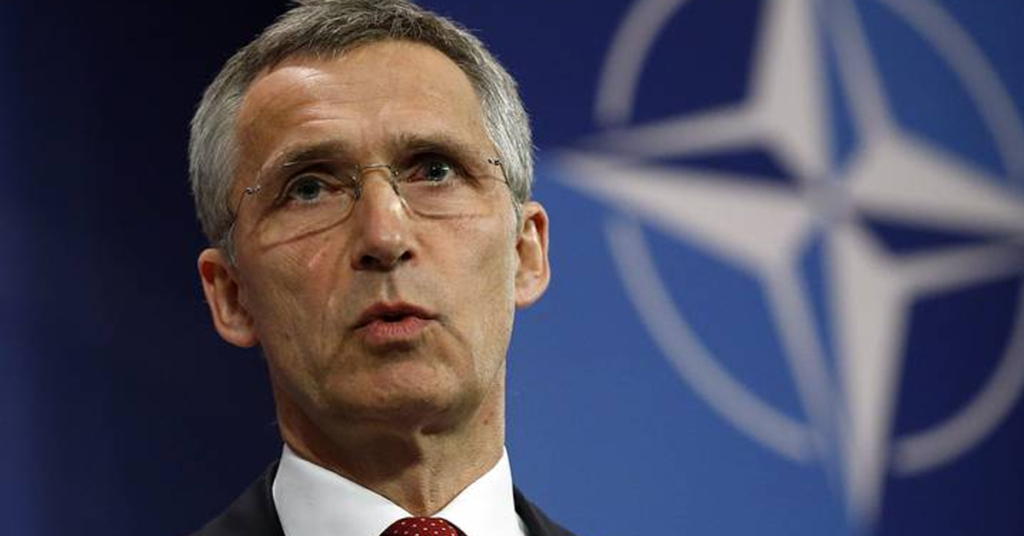
The Latest on President-elect Donald Trump‘s transition activities (all times EST): 2:15 p.m. — NATO says its secretary general, Jens Stoltenberg spoke with President-elect Donald Trump for the first time to congratulate the businessman on his election victory. The military alliance says both leaders agreed during a telephone call on Friday that progress has been made on making sure member countries are sharing the defense burden, but that there is more to do. NATO became a debated part of the presidential election after Trump suggested that the U.S. might abandon its NATO treaty commitments and pull out of the alliance if other countries don’t contribute more. The alliance statement says Stoltenberg looks forward to welcoming Trump to Brussels for next year’s NATO summit. 1:20 p.m. — Texas Sen. Ted Cruz says last week’s election could be called “the revenge of flyover country.” In his speech at the conservative Federalist Society Friday, the Republican senator said the “utter astonishment” of Democrats is a result of not listening to the American people. He said voices were crying, “leave us alone.” Cruz lost the GOP primary to President-elect Donald Trump, and didn’t endorse him until late in the race. Without mentioning Trump by name, Cruz said Republicans should move forward by being honest and trustworthy and remembering they serve a cause greater than themselves. When asked if he might be a candidate for the Supreme Court’s open seat, Cruz said “history is long and can take unexpected paths,” but he looks forward to continuing his time in the Senate. 12:40 p.m. — South Carolina Gov. Nikki Haley says Donald Trump won election as president by running against both political parties. Haley is telling conservative lawyers who are meeting in Washington Friday that Trump’s victory offers Republicans a chance to regain the public’s trust, but only if the party restrains spending and returns power to the states. Haley says voters rejected “the political class of all stripes, Republicans included.” She says now Republican control of the White House and Congress offers the party a rare opportunity, and that it’s important that Trump and Republican leaders in Congress take action quickly and “we don’t stop.” Haley acknowledges that she was not Trump’s “biggest cheerleader.” But she said she voted for him and was thrilled that he won. 12:30 p.m. — Among the people meeting with the president-elect this weekend: the man who marshalled more outside money than anyone else to help Donald Trump win the White House. Todd Ricketts, a co-owner of the Chicago Cubs, helped raise at least $66 million for outside groups called Future 45 and the 45 Committee – a nod the incoming 45th president. Ricketts is emblematic of what a topsy-turvy election it has been. Before helping Trump, Ricketts was part of a super PAC that spent more than any other trying to stop him from winning the Republican nomination. Ricketts lives in Chicago and is a small business owner and board member of TD Ameritrade, which his billionaire father founded. Trump’s team is turning its attention to economic positions in the administration, including the Department of Commerce. 11:55 a.m. — Donald Trump is stoking speculation about his future cabinet picks as he continues holding meetings behind closed doors. Trump aides say the president-elect will be meeting Saturday with retired Marine Corps Gen. James Mattis. Mattis is a potential contender to serve as Trump’s defense secretary. Trump is also meeting with Michelle Rhee and Betsy DeVos, two well-known education activists. Trump aides have cautioned that not everyone meeting with the president-elect is under consideration for an administration position. They say Trump is meeting with experts to hear their thoughts and advice. Also expected to sit down with Trump on Saturday are 2012 GOP nominee Mitt Romney, Chicago Cubs co-owner Todd Ricketts, anti-poverty advocate Bob Woodson, and restaurant executive Andy Puzder. 11:20 a.m. — A Democratic House member says attorney general nominee Jeff Sessions is the right pick “if you have nostalgia for the days when blacks kept quiet, gays were in the closet, immigrants were invisible and women stayed in the kitchen.” Rep. Luis Gutierrez, D-Ill., says no senator has fought harder “against the hopes and aspirations” of Latinos, immigrants and people of color. Gutierrez is a member of the House Judiciary Committee. While the Senate, not the House, will decide if Sessions should be confirmed, the comments by Gutierrez suggest the process will likely be contentious. Sen. Sessions, R-Ala., is one of the more conservative members of the Senate Judiciary Committee and has said the Justice Department’s Civil Rights Division should not be used as a “sword” to promote political agendas. The Senate denied him a federal judgeship in 1986 after he was accused of making racially charged remarks while U.S. attorney in Alabama. 10:50 a.m. — Senate Judiciary Chairman Charles Grassley says he is confident his panel would approve the nomination of Sen. Jeff Sessions as attorney general. Sessions would still face a vote by the full Senate, but a committee endorsement would be a critical first step. Grassley, a Republican from Iowa, says Sessions is a respected colleague who “has worked across the aisle on major legislation.” Grassley added that as a former U.S. attorney, Sessions has the right background. 10:40 a.m. — Mike Pompeo, a conservative Republican congressman from Kansas, says he accepts President-elect Donald Trump’s decision to nominate him to lead the CIA. In a statement on Friday, he said that while he has loved representing Kansans in Congress, the opportunity to lead a top U.S. intelligence agency is a call to service he can’t ignore. Pompeo still must be confirmed by the Senate. The 52-year-old was elected to Congress during the tea party wave of 2010. Pompeo has been a harsh critic of the Obama administration. He denounced the Iran deal, which granted Tehran sanctions relief for rolling back its nuclear weapons program, and was a member of the congressional committee that blasted Hillary Clinton over the attack on a U.S. diplomatic outpost in Libya.
Alabama leaders react to Jeff Sessions Trump-Administration appointment
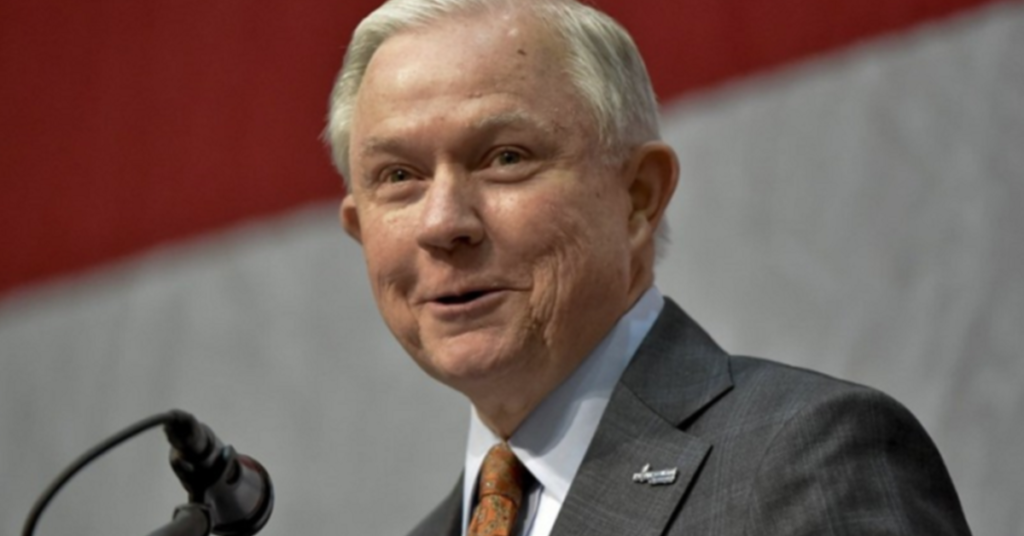
Alabama’s junior senator, U.S. Sen. Jeff Sessions has been offered the attorney general job by Donald Trump. A member of the Senate Judiciary Committee, Sessions was an early supporter and endorser of Trump, and over the past several months has become a close and trusted adviser. In a statement released Thursday, the Trump transition team hinted at Sessions’ appointment: “[T]he President-elect has been unbelievably impressed with Senator Sessions and his phenomenal record as Alabama’s Attorney General and U.S. Attorney. It is no wonder the people of Alabama re-elected him without opposition.” Sessions served as the Alabama AG from from 1995 – 1997, when he entered the United States Senate. Here’s what Alabama leaders have to say about his appointment: Gov. Robert Bentley: I wish to congratulate Senator Sessions on his appointment as United States Attorney General. I look forward to having conservative leadership in our Justice Department. Alabama enjoys strong representation in Congress and I want to ensure that continues upon the confirmation of Senator Sessions. He has served our state and our people with dignity and has been a bright example for conservative values. Sen. Richard Shelby: President-elect Trump has made an outstanding decision in selecting my friend and colleague Senator Jeff Sessions to serve as our next U.S. Attorney General. Jeff is a man of integrity who has been a trusted and valued partner of mine in the Senate as well as an unwavering voice for Alabamians in Congress. With decades of experience in the legal field and an impressive tenure on the Senate Judiciary Committee, Jeff will bring expertise to President-elect Trump’s cabinet and the Department of Justice. I am confident that Jeff will continue to stand up for the American people, our Constitution, and the rule of law in this new role. My wife Annette and I wish him, his wife Mary, and his family the very best during this exciting time. Alabama 1st District U.S. Rep. Bradley Byrne: I have known Jeff Sessions for almost 40 years, and he has always been a person of the highest level of integrity. As a U.S. Attorney in Mobile, Senator Sessions led the charge to clean up corruption in our local government. He earned respect from everyone in our community by always conducting himself in a professional and fair way. In the Senate, Senator Sessions has a clear track record of defending the law and advocating for a smaller, less invasive federal government. Just as important, he has always been willing to partner with other members of our Congressional delegation to support Alabama projects and priorities. The people of Alabama will miss the service and leadership of Jeff Sessions, but I have no doubt he will be an excellent Attorney General for the United States. Alabama 2nd District U.S. Rep. Martha Roby: There is no one more capable and qualified to serve our country as Attorney General than Senator Jeff Sessions. President-elect Trump has selected a leader with remarkable depth of knowledge and experience who cares about Americans and will fight for what’s right. I am very proud for Senator Sessions on this achievement. He has been a kind mentor to me, and I have valued his guidance and leadership over the last six years. Although I hate to see him leave the Legislative Branch, I am confident this new role will enhance Senator Sessions’ ability to change our nation’s course for the better. Alabama 3rd District U.S. Rep. Mike Rogers: Jeff Sessions is a man of the greatest integrity and character. He will do an outstanding job as the Attorney General of the United States. He has served Alabama with the utmost distinction, boundless vigor and endless determination. He will bring those same qualities and more to the Department of Justice to enforce the law. Alabama has every right to be extremely proud. I also want to congratulate President-elect Trump on this exceptional choice. Alabama 4th District U.S. Rep. Gary Palmer: Today President-elect Trump made an excellent choice for United States Attorney General by nominating Senator Jeff Sessions to serve our nation in his Administration. As a former U.S. Attorney in Mobile and Alabama’s Attorney General, as well as a United States Senator, Senator Sessions defended the Constitution and held firm to our founding principles. Over the past 20 years, Senator Sessions has proven himself to be an intelligent, trustworthy conservative in the Senate becoming a voice for millions of Americans who felt ignored by Washington. His track record of success and sound decisions make him the best possible candidate for the job. I truly believe that Senator Sessions is the right man to restore the public’s confidence in our justice system. Alabama Attorney General Luther Strange: Today I want to congratulate Jeff Sessions on his nomination to be our nation’s Attorney General. Senator Sessions is a credit to our state and to our nation, and I know that he will make us all proud in his new role where he will be a champion for the rule of law. From the day Jeff Sessions stepped foot on the floor of the United States Senate, he has never forgotten where he came from or who he represents. He has worked tirelessly for the people of Alabama, fighting to bring home jobs and economic development, to secure our borders, and to ensure that our military men and women receive all the support they need to succeed—whether on the battlefield, in a veterans’ hospital, or in their civilian lives. He leaves very big shoes to fill. There will be a time to decide who will try to fill those shoes, but that is for another day. Today is about Jeff Sessions, the legacy he leaves behind, and the good work for our country we know he is yet to achieve. In his new role, I join all Alabamians in wishing him good luck and Godspeed. Senator Sessions, you make us proud.
