
‘Execution survivor’ Alan Miller reaches settlement with state
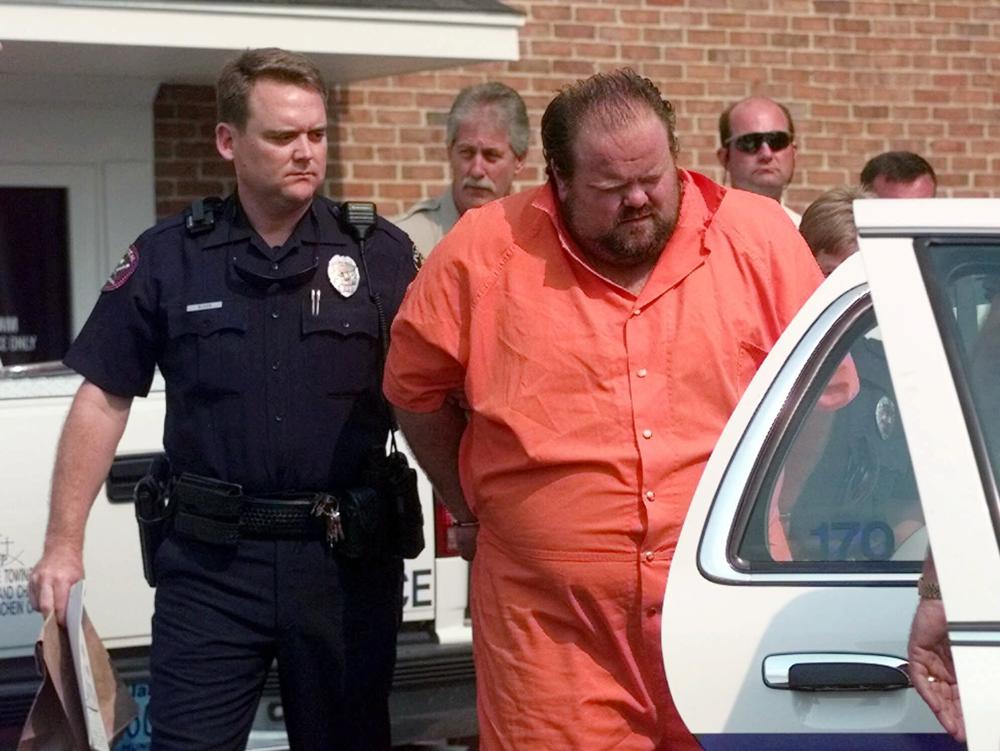
Alabama won’t seek another lethal injection date for an inmate whose September execution had been halted because of problems establishing an intravenous line, according to the terms of a settlement agreement approved on Monday. The state agreed to never use lethal injection again as an execution method to put Alan Eugene Miller to death. Any future effort to execute him will be done by nitrogen hypoxia, an execution method authorized in Alabama but that has never been used to carry out a death sentence in the US. There is currently no protocol in place for using nitrogen hypoxia. On Tuesday, U.S. District Judge R. Austin Huffaker Jr. approved the settlement agreement in a lawsuit brought by Miller seeking to prevent another lethal injection attempt. Miller had argued that the state lost paperwork stating he picked nitrogen hypoxia as his execution method and then subjected him to torture during the failed execution attempt. At the time, Miller’s attorneys called him the “only living execution survivor in the United States.” Miller was scheduled to be executed by lethal injection on September 22, but the state called off the execution after being unable to connect an IV line to the 351-pound inmate. Miller said that when prison staff tried to find a vein, they poked him with needles for over an hour and, at one point, left him hanging vertically as he lay strapped to a gurney. Alabama has acknowledged problems with IV access during at least four executions since 2018. Three of those had to be halted. Earlier this month, the execution of Kenneth Eugene Smith was halted after the execution team tried for an hour to connect an IV line. Last week, attorneys for Smith filed a lawsuit against the prison system, saying that the state violated the U.S. Constitution, various court orders, and its own lethal injection protocol during the botched execution attempt earlier this month. Smith’s attorneys are asking a federal judge to forbid the state from making a second attempt to execute him, saying Smith was already “subjected to ever-escalating levels of pain and torture” on the night of the failed execution. Alabama also called off the 2018 execution of Doyle Lee Hamm for the same reasons. He reached an agreement with the state that prevented further execution attempts, although he remained on death row. He later died of natural causes. Prison officials blamed time constraints, specifically the midnight deadline, for the three halted executions. The state’s July execution of Joe Nathan James was carried out, but only after a three-hour delay caused at least partly by the same problem with accessing an IV line. Last week Alabama Gov. Kay Ivey announced a pause on executions in order to review the procedures. The Republican governor cited concern for victims’ families. Miller was sentenced to death after being convicted of a 1999 workplace rampage in which he killed Terry Jarvis, Lee Holdbrooks, and Scott Yancy. The settlement agreement likely prevents another execution attempt in the near future since Alabama has not announced procedures for using nitrogen hypoxia, and there will be litigation over the humaneness of the method before a state tries to use it. Republished with the permission of The Associated Press.
Alabama releases copy of execution procedures
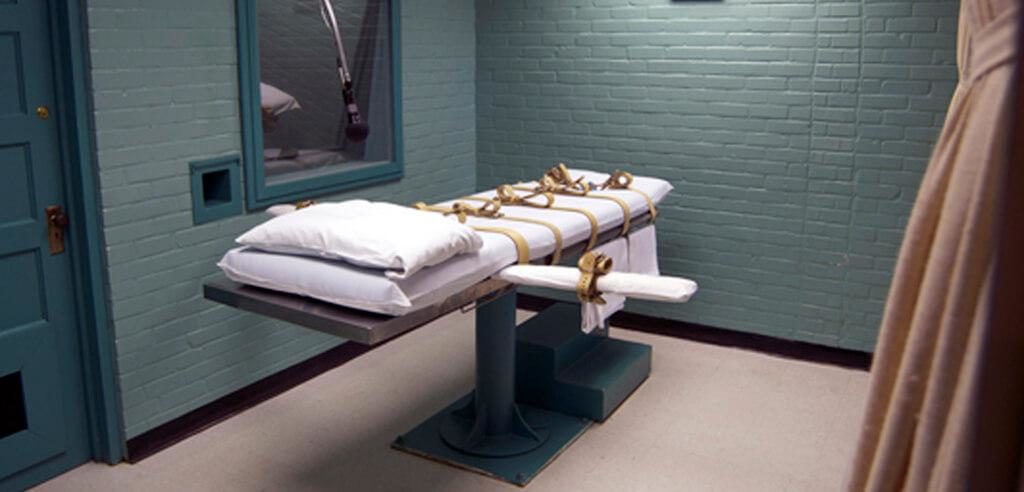
Alabama on Wednesday made its execution protocol public after being ordered to do so by a federal judge. The Alabama Department of Corrections filed a redacted copy of its execution procedure with the federal court following a legal fight with news outlets over the release of the information. A judge allowed the state to keep some of the information secret for security reasons. The 17-page document spells out procedures for before, during and after an execution. It includes information about the testing of equipment, inmate visitation, the consciousness test performed during lethal injections and a requirement to keep logs about each execution. Part of the released information was already known, such as the names of the drugs in the state’s lethal injection procedure, but the state had fought to keep the document secret.The document did not include information about where the state obtains lethal injection drugs or the job titles and training of people who connect the intravenous lines to deliver the drugs. Robert Dunham, executive director of the Death Penalty Information Center, said the document is more information than has been previously been released by Alabama. However, he said it does not tell the public some important details about how executions are carried out in the state. “It lacks critical information and redacts other important information that leaves Alabama executions secret and unaccountable,” Dunham said after briefly reviewing the document.Dunham noted that a section about execution logs was redacted and that it did not include information about the source of drugs. The Associated Press, The Montgomery Advertiser and the Alabama Media Group had asked the court last year to unseal the protocol and other records involved in a lawsuit brought by death row inmate whose execution was later halted because of problems. Alabama called off Doyle Lee Hamm’s execution last year after multiple failed attempts to insert a needle into his veins. A doctor hired by Hamm’s legal team wrote in a 2018 report that Hamm, who had damaged veins from illnesses and past drug use, had 11 puncture sites from the attempted execution. U.S. District Judge Karon Bowdre ruled the public has “a common law right of access” to the records. A federal appeals court agreed. “It may also help the public to understand how the same scenario might be repeated or avoided under the protocol as it currently stands,” Bowdre wrote of the release of the information. Alabama has also authorized execution with nitrogen gas, but has not announced the development of a protocol for using gas to carry out a death sentence. The state earlier this year cited security reasons for refusing to release a contract with an occupational safety firm. The head of the Alabama Legislature’s Contract Review Committee said the attorney general’s office indicated the contract was related to litigation over nitrogen gas as an execution method. Republished with the permission of the Associated Press.
Judge tells Alabama to release lethal injection information

Alabama officials were ordered Wednesday to release information about the state’s lethal injection procedure as a federal judge granted news organizations’ request to unseal records in the wake of an aborted execution. U.S. Judge Karon O. Bowdre ruled that the public has a “common law right of access to the sealed records relating to Alabama’s lethal injection protocol.” However, Bowdre said the state can keep some information secret in the interest of security, such as the names of low-level prison employees involved in executions. The judge ordered the state to tell her by June 7 if there is identifying information in any of the records that the court plans to make public. Alabama for years has released scant details about its execution process or where it obtains the drugs used. A spokesman for Alabama Attorney General Steve Marshall said the office is reviewing the order. The Associated Press, The Montgomery Advertiser and the Alabama Media Group had filed a motion seeking the release of the protocol. The motion was filed in federal court in a lawsuit brought by death row inmate Doyle Lee Hamm. Alabama halted Hamm’s execution in February when the execution team could not connect an intravenous line to Hamm, who had damaged veins because of lymphoma, hepatitis and past drug use. “It may also help the public to understand how the same scenario might be repeated or avoided under the protocol as it currently stands,” Bowdre wrote of the release of the information. Republished with the permission of the Associated Press.
