
Ruling could block Alabama execution scheduled next week
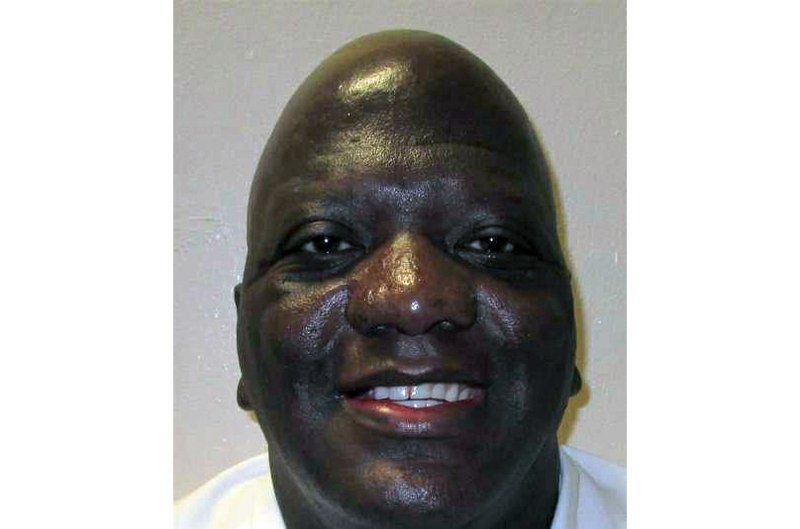
An appellate court on Friday ordered a judge to consider a request to block an Alabama execution next week as attorneys argue the low-IQ inmate should have been given help understanding the prison paperwork that laid the groundwork for the planned lethal injection. The three-judge panel directed the district court to decide a request for a preliminary injunction to prevent the state from executing Willie B. Smith III on Thursday. The 11th U.S. Circuit Court of Appeals ruled that a federal judge prematurely dismissed a lawsuit arguing that Smith was due help under the Americans with Disabilities Act in understanding paperwork related to execution method selection. The panel ruled a judge erred in saying Smith did not have standing to bring the claim. Lawyers for Smith said he has an IQ in the 70s and should have received help under the 1990 act that bars discrimination against those with disabilities. Thursday’s execution date and plan is still in place. However, John Palombi, an attorney for Smith said the decision requires the district court judge to decide whether to issue a preliminary injunction. “If the motion for preliminary injunction is granted, it would stop Mr. Smith’s execution and allow this case, which was filed long before the State asked for an execution date for Mr. Smith, to continue with discovery and depositions and go to trial as scheduled in June 2022,” Palombi wrote in an email. Smith was convicted of the 1991 kidnapping and murder of Sharma Ruth Johnson, 22. Prosecutors said Smith abducted Johnson at gunpoint from an ATM in Birmingham, stole $80 from her and then took her to a cemetery where he shot her in the back of the head. The 11th Circuit ruling centered on what, if any, obligations the state had in helping state inmates understand a brief window in which they could change their requested execution method. Lethal injection is the main execution method used in Alabama. But after lawmakers authorized nitrogen hypoxia as an execution method in 2018, the new law gave death row inmates a 30-day window to select nitrogen hypoxia as their execution method. The Federal Defenders for the Middle District of Alabama, who defend death row inmates but weren’t representing Smith at the time, drafted an election form for their clients to request nitrogen. The prison warden later gave every death row inmate a copy of the form. Smith did not turn in a form selecting nitrogen, paving the way for the state to execute him next week by lethal injection. The state has not developed a procedure for using nitrogen as an execution method, and at least for now is not scheduling executions with nitrogen hypoxia. The state argued Smith could not bring the claim because Smith never gave any indication that he wanted to request nitrogen. Smith also had a conversation with his then-lawyer in 2018 when the form was distributed, an attorney for the state told the judges. “The evidence is he talked to his lawyer in June: Nothing,” Alabama solicitor general Edmund G. LaCour told the panel during arguments Wednesday “He did have access to assistance. It’s plain as day.” This is Alabama’s second attempt this year to carry out Smith’s death sentence. The state called off a prior execution plan last Feb. 12 after the U.S. Supreme Court maintained an injunction saying he could not be put to death without his pastor present. The reprieve came the same night of his scheduled lethal injection as he waited in a holding cell near the death chamber. Republished with the permission of the Associated Press.
Mental capacity at issue as Alabama man faces execution date
Federal judges heard arguments Wednesday about whether an Alabama inmate had the mental capacity to understand the paperwork setting up his planned execution next week, with a defense lawyer arguing the man’s cognitive deficiencies warranted disability assistance. The 11th U.S. Circuit Court of Appeals is considering an appeal by Willie B. Smith III, who was convicted of a woman’s 1991 kidnap and killing. His lawyer said the man has an IQ in the 70s and should have received help under the Americans with Disabilities Act to understand a form related to the selection of an execution method. Smith is scheduled to receive a lethal injection on October 21 in the death of Sharma Ruth Johnson, 22. Prosecutors said Smith abducted Johnson at gunpoint from an ATM in Birmingham, stole $80 from her, and then took her to a cemetery where he shot her in the back of the head. This is Alabama’s second attempt this year to carry out Smith’s death sentence. The state called off prior execution plans last February 12 after the U.S. Supreme Court maintained an injunction saying he could not be put to death without his pastor present. The reprieve came the same night of his scheduled lethal injection as he waited in a holding cell near the death chamber. The Americans with Disabilities Act of 1990, also known as ADA, prohibits discrimination based on disability. Smith’s attorneys argued a federal judge wrongly dismissed a lawsuit last month involving the claims about his needing assistance under the federal disabilities act. But the state maintained it was the legally correct decision. Wednesday’s oral arguments centered on what, if any, obligations the state had in helping state inmates understand a brief window in which they could change their requested execution method. “He will be executed by lethal injection in eight days if he does not prevail in this lawsuit,” attorney Spencer Hahn told the appellate panel Wednesday. “Mr. Smith had, and has, cognitive deficiencies such that he could not and can not make the decision to elect a method of execution without reasonable accommodation.” Lethal injection is the main execution method used in Alabama. But after lawmakers authorized nitrogen hypoxia as an execution method in 2018, the new law gave death row inmates a 30-day window to select nitrogen hypoxia as their execution method. The Federal Defenders for the Middle District of Alabama, who defend death row inmates but weren’t representing Smith at the time, drafted an election form for their clients to request nitrogen. The prison warden later gave every death row inmate a copy of the form. Smith did not turn in a form selecting nitrogen. The state has not developed a procedure for using nitrogen as an execution method, and at least for now, is not scheduling executions with nitrogen hypoxia. In dismissing the lawsuit last month, a judge said that the “form was not required, directed, or sanctioned” by state law and “for the entire month of June 2018, both before and after this form was distributed, Smith had the ability to opt into execution by nitrogen hypoxia through any writing he chose.” Smith’s attorneys in their appeal questioned how an “inmate who has been segregated and locked-down; 23 hours a day for almost 30 years with, at best, an IQ of 72 could have and should have known about a change in Alabama law.” Attorneys for the state have disputed that Smith is disabled. The state has argued that the form was not required by state law, and Smith never gave any indication that he wanted to request nitrogen. Smith also had a conversation with his then-lawyer in 2018 when the form was distributed, an attorney for the state told the judges. “The evidence is he talked to his lawyer in June: Nothing,” Alabama solicitor general Edmund G. LaCour told the panel. “He did have access to assistance. It’s plain as day.”
