
Gov. Robert Bentley seeks comprehensive review of gambling in Alabama, forms new Gaming Council
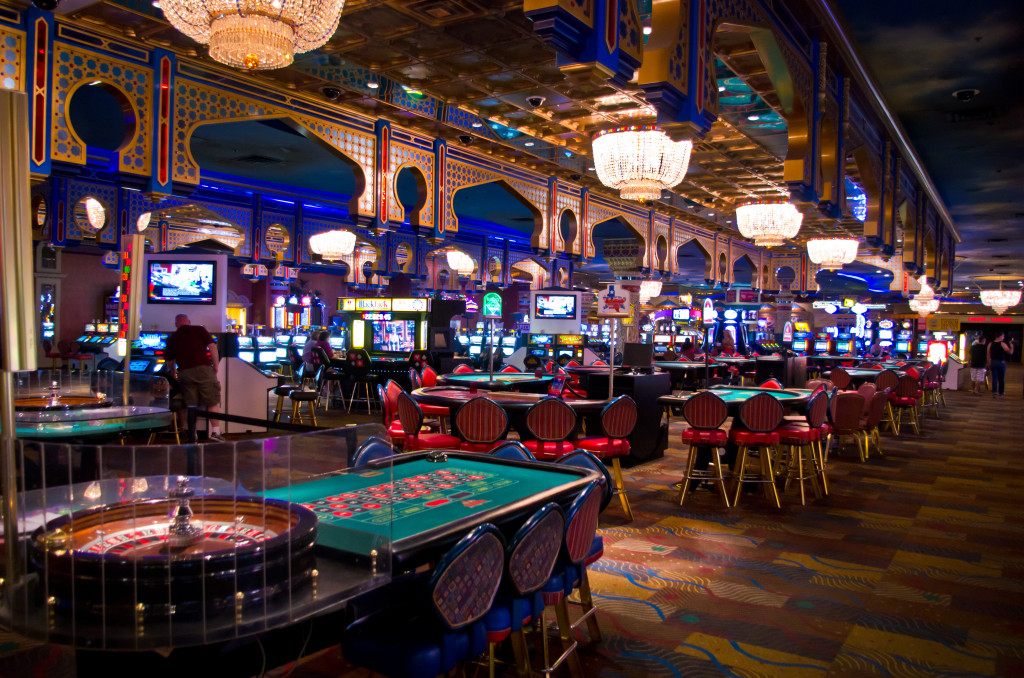
Gov. Robert Bentley is calling for a comprehensive review of gambling in Alabama, with the formation of a panel to provide recommendations that could lead to substantial changes in how gaming is addressed throughout the state. On Monday, Bentley signed Executive Order 24, creating the Alabama Advisory Council on Gaming. The job of the council will be to examine both state and local laws on gambling, taxes generated, and evaluate the best practices on gambling in other states, as well as compare Alabama to federal legislation governing gaming. According to the governor’s official website, the board will include seven appointments by the governor, two from the Alabama House of Representatives — named by the House Speaker; one Democrat and one Republican — two appointments from the Alabama Senate chosen by the Senate President Pro Tem (one from each party as well) and additional appointments “as the governor deems necessary.” Also, the council will include a member of the Alabama Sheriffs Association and one from the Alabama District Attorneys Association, each appointed by the governor. Alabama has long struggled with the issue of gambling, as lawmakers faced several bills this year aimed at loosening gambling laws, allowing the state to take part in the lucrative gaming industry. Although several bills had made headway through the Legislature, Alabama Today has reported earlier that few have gained traction during the 2016 Legislative Session, which was “marred in controversy over ill-fated budgets and sexually explicit recordings.” In August, the Greene County Circuit Court sided with the state of the of Alabama over controversial seizures of electronic bingo machines at the Frontier Bingo of Knoxville. In March 2014, Alabama law enforcement officers raided several casinos in Greene County, seizing cash and more than 1,000 illegal bingo machines. The raids and subsequent ending of bingo operations were “extremely detrimental to the quality of life” in the region, according to some community leaders. Another salvo in the battle over gambling was fired by the VictoryLand Casino, which reopened despite a ruling by the Alabama Supreme Court shutting down electronic bingo operations for nearly three years, The Shorter casino has been shuttered since 2013 when a raid by the state took 1,615 gambling machines and $260,000 in cash. The Supreme Court said in March that casino owners were passing off games as “bingo,” and the machines were illegal. Nevertheless, in August, VictoryLand owner Milton McGregor announced the state closure itself was illegal, and the casino reopened in September, without any immediate threat from local law enforcement. “While it has taken longer than we hoped,” McGregor said, “the time is now here, and we are pleased that hundreds of our people will have a new job, and VictoryLand will be generating a badly needed shot in the arm for Tuskegee and this entire region of Alabama.” In November 2015, Bentley rescinded an executive order disbanding his predecessor’s gambling task force, transferring enforcement powers to the office of Attorney Gen. Luther Strange. Strange had also pushed hard against gambling, mainly daily fantasy sports leagues operating in the state. Earlier this year, Strange had sent cease and desist letters to FanDuel and DraftKings, calling DFS “illegal gambling.” “As attorney general, it is my duty to uphold Alabama law, including the laws against illegal gambling,” Strange said in April. “Daily fantasy sports operators claim that they operate legally under Alabama law. However, paid daily fantasy sports contests are in fact illegal gambling under Alabama law.” The state’s attitude on gambling could change considerably, based on the recommendations of the newly formed Gaming Council. “Gaming in Alabama has been a long-term subject of dispute and controversy,” Bentley said in a statement. “This council will work to provide a fresh perspective on past efforts and a clear path forward as it pertains to gaming in the State of Alabama.” Bentley said he will soon name the appointees and set a date for the council’s first meeting. The board has been given a Jan. 31, 2017 deadline to present findings and recommendations on gambling to the Governor, the Senate President Pro Tem, and House Speaker.
Despite Alabama Supreme Court ruling, Victoryland casino reopens
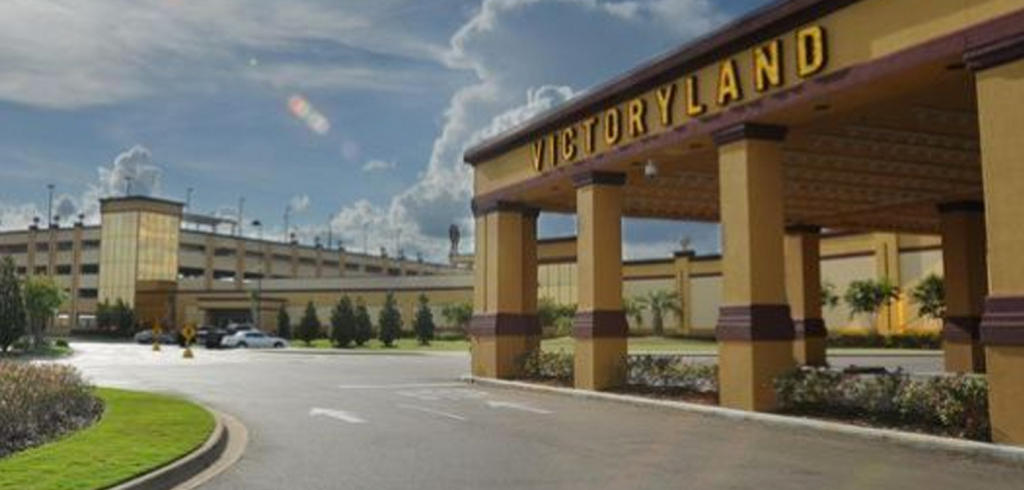
Despite an Alabama Supreme Court ruling which shut down its electronic bingo operations for nearly three years, the controversial VictoryLand casino reopened Tuesday. Located in Shorter, the casino has been shuttered since 2013, when a raid by the state took 1,615 gambling machines and $260,000 in cash. In March, the state’s Supreme Court said the casino owners were passing off games as “bingo,” ruling the machines illegal. Last month, VictoryLand owner Milton McGregor announced the state closure was illegal, and the casino would reopen. “While it has taken longer than we hoped,” McGregor said in a statement, “the time is now here, and we are pleased that hundreds of our people will have a new job, and VictoryLand will be generating a badly needed shot in the arm for Tuskegee and this entire region of Alabama.” McGregor, who greeted customers at the reopening, said he was not concerned that the state would raid the facility again. “My only concern is taking care of the customers and doing what we want to do for the county and the surrounding area,” McGregor told AL.com. Macon County sheriff and district attorney both say the new machines are legal, he added. The dispute stems from a long-running legal battle over electronic bingo machines, where some say look and feel like slot machines. A ruling by the Alabama Supreme Court said electronic bingo machines are not covered by state laws governing traditional paper bingo games used for charities and fundraisers. The electronic games are much like ones found in three casinos run by the Poarch Band of Creek Indians, which are not under the state’s jurisdiction. As for Tuesday’s grand reopening, New Canaan News reports that VictoryLand does not appear to be under any immediate legal threat from local law enforcement. In a statement last month, Macon County Sheriff Andre Brunson said the machines are in compliance with state law. In November, Gov. Robert Bentley rescinded an executive order disbanding his predecessor’s gambling task force, transferring enforcement powers to the state attorney general’s office. According to Bentley, local officials should be the ones handling enforcement of gambling laws. Alabama Attorney General Luther Strange also weighed in, saying past rulings of the Supreme Court have determined that “electronic bingo is illegal.” Strange released this statement Tuesday: “The governor has expressly told the sheriff and district attorney in Macon County that they need to do their job and enforce state gambling laws. If those local officials are disregarding the governor’s order and facilitating illegal activity, then I expect the governor to take action. I stand ready to work with the Governor and the Alabama Law Enforcement Agency to stop illegal gambling and other crimes.”
Luther Strange celebrates court ruling favoring state in electronic bingo forfeiture case
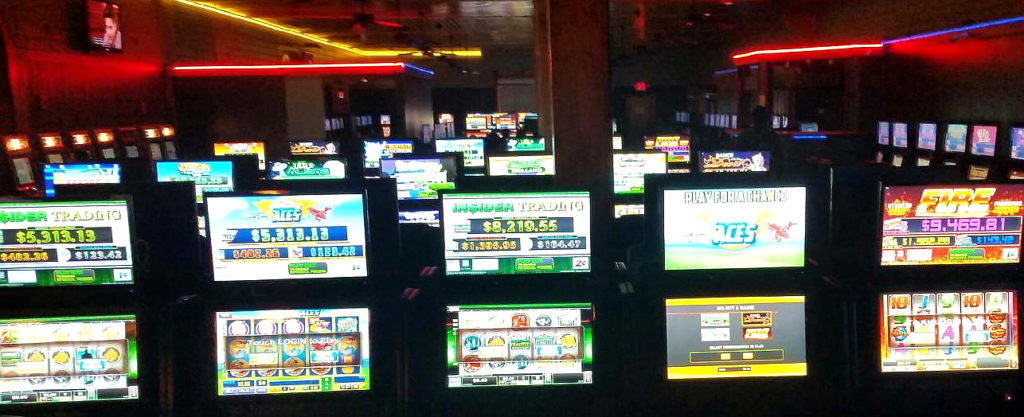
Attorney General Luther Strange is praising a ruling Monday by the Greene County Circuit Court in controversial seizures by the state of electronic bingo machines in 2014. The court sided with the State of Alabama in the case regarding Frontier Bingo of Knoxville. In March 2014, Alabama law enforcement officers raided several casinos in Greene County, seizing cash and more than 1,000 illegal bingo machines. The raids, and subsequent ending of bingo operations, were “extremely detrimental to the quality of life” in the region, according to some community leaders. “I am pleased with the ruling of the Greene County Circuit Court granting the State of Alabama’s Petition for Forfeiture and Condemnation of $191,249.11 in currency and illegal gambling machines seized from Frontier Bingo in 2014,” Strange said in a statement “This a significant victory for the rule of law in Greene County. Strange said funds seized from illegal operations at Frontier Bingo would be transferred to the state’s general fund; gambling machines seized will be destroyed. “Electronic bingo is unlawful within the State of Alabama and today’s ruling is further evidence that the law is being enforced,” he added. Strange also thanked Assistant Attorneys General John Kachelman and Bill Lisenby of the Criminal Trials Division and special agents of the attorney general’s Investigations Division for their work on the case, including executing the search warrants which led to the seizure and the successful prosecution of Frontier Bingo.
Ala. AG Luther Strange clarifies state’s position on electronic bingo
On Wednesday, Alabama Attorney General Luther Strange released a copy of his response to a request from United States Attorney George Beck, who asked for clarification on the state’s position on the legality of electronic bingo machines in the state March 21. The request specifically requested information regarding gaming on tribal and non-tribal property. In the letter, Strange notes that Beck’s request likely stemmed from a lawsuit between Strange and Tuskegee Mayor Johnny Ford. Ford sured Strange “several years ago,” but the suit was eventually dropped and Ford’s attorney sanctioned for filing a “legally frivolous lawsuit.” Strange goes on to note that neither “electronic bingo” or “bingo machines” appear in the Code of Alabama and only defines an illegal gambling device as “any device, machine, paraphernalia or equipment that is normally used or usable in the playing phases of any gambling activity, whether that activity consists of gambling between persons or gambling by a person involving the playing of a machine.” The Alabama Code further defines slot machines as “a gambling device that, as a result of the insertion of a coin or other object, operated, either completely automatically or which the aid of some physical act by the play, in such manner that, depending upon elements of chance, it may eject something of value,” a tenet that essentially outlaws electronic bingo machines in the state. Strange’s response goes continues that tribal gaming is overseen by the federal government and the National Indian Gaming Commission has ruled that federal law allows for electronic bingo machines to be operated on native land despite a state ban on the instruments. The response references multiple court rulings that have upheld Alabama’s stance that bingo machines are in fact illegal gambling devices, including a 2009 ruling from the U.S. District Court for the Northern District of Alabama. That court ruled that the way bingo machines operate “compel[s] the conclusion that the electronic bingo games at issue in this case constitute illegal slot machines under Alabama law.” In 2012, the Jefferson County Circuit Court found that “the devices before the Court are slot machines or gambling devices proscribed” by the Code of Alabama. The Houston County Circuit Court, and eventually the Alabama Supreme Court, came to the same conclusion. Strange notes his office negotiated memoranda of understanding (MOUs) with multiple out-of-state slot- machine companies in 2011, which required those companies to remove their devices from Alabama’s jurisdiction or “suffer civil and criminal penalties.” These entities have nothing to do with a tribal-state compact, as such a compact is an agreement between a tribe and a state. However, the Poarch Band of Creek Indians, which currently operates casinos in Atmore, Wetumpka and Montgomery, is not a party to any of those MOUs. Strange added that gambling regulators in other states have imposed fines on some slot-machine companies for their participation in illegal gambling in Alabama prior to 2011.
Alabama Supreme Court says no electronic bingo
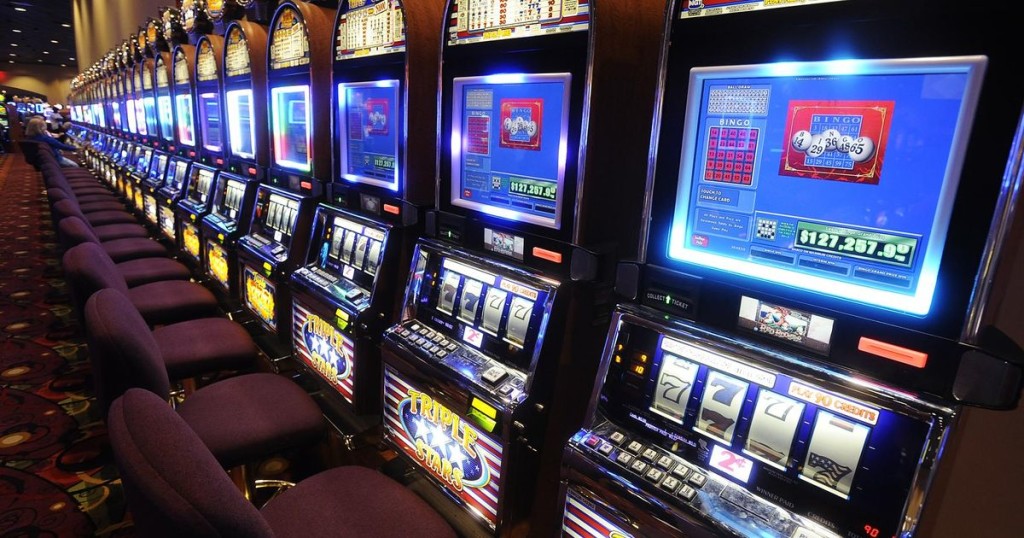
Alabama’s highest court on Friday upheld the attorney general’s raid on Center Stage gambling hall and made it clear that bingo can’t legally be played on electronic machines. The Alabama Supreme Court ruled bingo games allowed in some counties are traditional games that involve “meaningful human interaction in a group setting,” not games played on electronic machines. Attorney General Luther Strange had state police raid Center Stage near Dothan on July 25, 2012. They seized 691 gambling machines and $288,657 in cash. The Houston County Economic Development Authority, which operated Center Stage, challenged the raid and contended the machines were a legal form of bingo. A Houston County judge ruled the machines illegal and said the state could destroy the machines and keep the money. The Alabama Supreme Court affirmed that decision 9-0 Friday. “This ruling from the highest court in our state once again confirms that so-called ‘electronic bingo’ is illegal under state law,” Strange said. The Supreme Court based its decision on an earlier case upholding a 2009 raid at a Lowndes County casino. The justices said bingo is a form of a lottery, which is prohibited by the Alabama Constitution. They noted, however, that several counties, including Houston County, have constitutional amendments allowing bingo. They said bingo refers to traditional bingo with players using paper cards and numbers being drawn, and a win being announced. The games at Center Stage featured an electronic depiction of a bingo card, but the justices said that will not suffice. In earlier decisions involving Lowndes and Greene counties, the court said an announcer must be involved in bingo. The court went further Friday, saying the announcer must call the numbers one at a time and allow time between each number for a player to physically mark the card. “In accordance with the foregoing we reiterate today that the game traditionally known as bingo is not one played by or within an electronic or computerized machine, terminal, or server, but is one played outside of machines and electronic circuitry. It is a group activity, and one that requires a meaningful measure of human interaction and skill,” the justices said. Dothan attorney Ernie Hornsby, who represented the Houston County Economic Development Authority, called the ruling “extremely disappointing.” He said Houston County was the only county with bingo where a judge validated the bonds used to build the gambling complex, and the validation was clear that bingo machines would be used to help pay off the bonds. The Supreme Court said the bond validation process did not decide the legality of the machines seized by the state. Since 2009, state officials have raided several non-Indian-run gambling halls as they did Center Stage. Some have reopened. One that has not reopened is VictoryLand in Shorter, which was once the state’s largest casino. A Montgomery judge held a trial in September on whether the state can keep the games and cash seized in a 2013 raid, but he has not yet ruled. Assistant Attorney General John Kachelman, who is handling that case, said Friday’s ruling could be considered by the judge. During the VictoryLand trial, the casino’s attorney made an issue of the attorney general not presenting a gambling expert to testify how VictoryLand’s games worked. In Friday’s decision, the Supreme Court said expert testimony is not necessary. VictoryLand’s attorney, Joe Espy, was out of his office Friday and did not immediately return a call seeking comment. Republished with permission of the Associated Press.
