
EPA boosts amount of ethanol in gasoline supply

The Obama administration is boosting the amount of corn-based ethanol and other renewable fuels in the U.S. gasoline supply despite sustained opposition by an unusual alliance of oil companies, environmentalists and some GOP presidential candidates. The Environmental Protection Agency on Monday issued a final rule designed to increase production of ethanol to be blended with gasoline through 2016, a decision that could reverberate in Iowa’s crucial presidential caucuses. The agency said it will require more than 18 billion gallons of renewable fuels in 2016, most of it ethanol. The amount is less than was set in a 2007 renewable fuels law, but is more than was proposed by the EPA in May. The agency said that the demand for gasoline has risen since May, increasing the amount of renewable fuels that can be blended in. The decision doesn’t necessarily mean a higher percentage of ethanol in an individual driver’s tank, and isn’t likely to have much effect on gas prices. But it does mean there will a higher supply of the home-grown fuel overall. Janet McCabe, the acting assistant administrator for EPA’s Office of Air and Radiation, said the renewable fuels industry is “an incredible American success story” and the 2016 targets are a signal that it is growing. “It’s all about more choice and making those fuels more available” to consumers, she said. More renewable fuels are good news for farm country. But ethanol critics say the levels are too high. Oil companies have spent many years fighting the 2007 law, saying the market, not the government, should determine how much ethanol is blended into their gas. Environmental groups say that farmers growing large amounts of corn for ethanol are tearing up the land. And conservatives like Texas Sen. Ted Cruz, who is running for the Republican presidential nomination, call the government’s longtime support for ethanol “corporate welfare.” The renewable fuels law sought to address global warming, reduce dependence on foreign oil and bolster the rural economy by requiring a steady increase in the overall amount of ethanol and other renewable fuels blended into gasoline over time. The Renewable Fuel Standard, as it is called, sets out specific yearly targets. Since then, the EPA has said the standards set by the law cannot be fully reached due partly to limits on the amount of renewable fuels other than ethanol that can be produced. Next-generation biofuels, made from agricultural waste such as wood chips and corncobs, have not taken off as quickly as Congress required and the administration expected. Still, the new rule setting targets for 2015, 2016 and retroactively for 2014 would represent an overall increase in the use of renewable fuels. The new standards come as President Barack Obama and other world leaders are meeting in Paris to finalize an agreement to cut carbon emissions worldwide, and the administration says this will help achieve that goal. The new targets are a victory for the ethanol industry, which aggressively pushed back on a 2013 proposal that would have decreased the amount of ethanol mixed into fuel. At the time, the EPA said the amount of biofuel required would generate more ethanol than many engines can safely handle. Farm-state lawmakers – and some presidential candidates wanting to win over voters in farm states like Iowa – have strongly urged the EPA to meet the targets set out in the law. They have also successfully pushed back on calls from opponents to repeal the entire Renewable Fuel Standard. So far, the critics have had little luck getting past those supporters to change the policy in Congress. In the presidential race, Democratic front-runner Hillary Clinton has said she will seek to strengthen the standards, and her fellow Democratic candidates have also supported it. The issue has divided Republicans seeking the presidency. While some candidates like former Arkansas Gov. Mike Huckabee have spoken about maintaining higher levels of renewable fuels, others like Cruz have denounced the policy. Florida Sen. Marco Rubio has positioned himself somewhere in the middle, saying the standard should not be repealed because many have made investments in it but it should be eventually phased out. Iowa, host of the leadoff presidential caucuses next year, produces more ethanol than any other state, and the renewable fuel standard is a powerful economic and political issue. But as national security and the economy have eclipsed farming issues in many rural areas, some candidates like Cruz have felt comfortable criticizing it and have still fared well in the polls. In March, Cruz told an audience at an Iowa agricultural forum that he has “every bit of faith that businesses can continue to compete, continue to do well without going on bended knee to the government.” Republished with permission of The Associated Press.
Obscure issue aims for traction in presidential contest

If you thought estoppel was hard to get people interested in, try the Renewable Fuel Standard. Generally, it’s a 10-year-old mandate by Congress aimed at getting more ethanol, an alternative fuel made from corn, into gasoline to reduce emissions for cleaner air. Smarter Fuel Future, a group that opposes the standard, had a table at this weekend’s Sunshine Summit in Orlando, trying to gain attention to the issue. The group says it’s an “unfortunate case of good intentions gone bad” that “strains environmental resources and is a raw deal for consumers.” It even had a character informally named “Corn Guy” wearing an ear-of-corn costume and holding a sign that said, “Food Not Fuel.” Most gasoline sold in the United States is now 10 percent ethanol, or ethyl alcohol — the same type of alcohol in booze. America’s corn farmers, obviously, support the mandate. But critics complain it raises the cost of gas and say ethanol can damage engines, particularly in boats and motorcycles. According to the group’s handout, nine Republican presidential candidates oppose the standard and five support it — though statements from the candidates weren’t always clear about their actual position. That may be because it’s on a lower tier of concerns from, for example, jobs, immigration and health care; no candidate had brought up the fuel standard in remarks by mid-Friday afternoon. But Wayne Allard, vice president of the American Motorcyclist Association, said it’s a concern the next president will likely have to address. “This is a key issue to all (fuel) consumers on the road,” said Allard, a Republican and former U.S. senator for Colorado. “We want our candidates to be aware of it.”
Mo Brooks, Bradley Byrne, Gary Palmer among reps telling EPA: No more ethanol in our gas
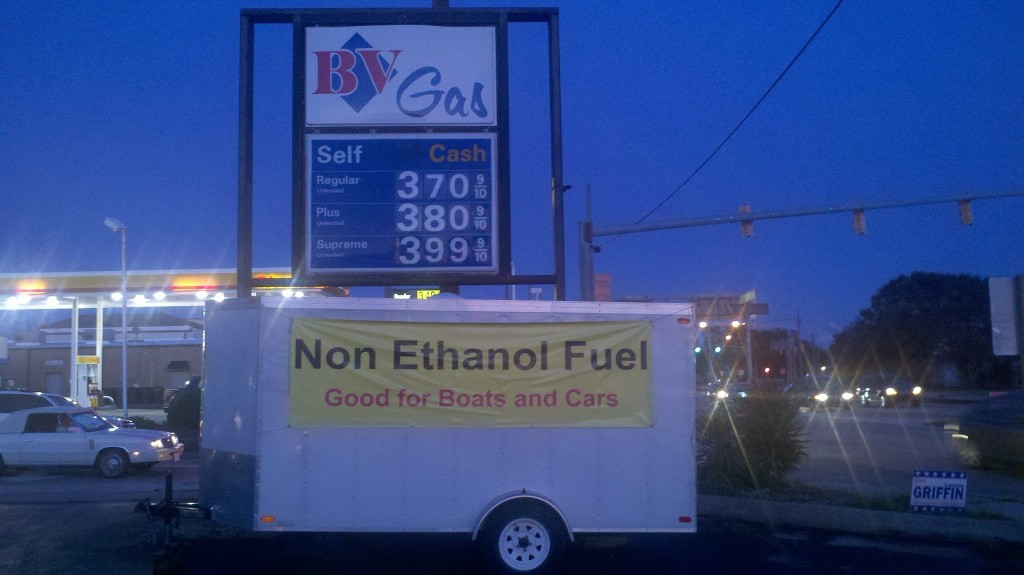
Alabama congressional delegates Mo Brooks, Bradley Byrne, Gary Palmer and Robert Aderholt are among 184 conservative-leaning members of Congress urging the Environmental Protection Agency to abandon a new Renewable Fuel Standard plan. The proposal calls for increased levels of biofuel blending in the nation’s gasoline supply, a controversial policy embraced by few Republicans. The House members signed a letter Thursday addressed to Environmental Protection Agency Administrator Gina McCarthy calling on her to use the agency’s statutory authority to waive a provision passed by Congress in 2007 set to expand biofuel blending levels next year, breaching the current “E10 blendwall” which governs current levels. “Multiple studies have shown detrimental economic harm may be caused by breaching the E10 blendwall,” wrote lawmakers, citing a Congressional Budget Office report that predicted the change could raise the price of fuel by 26 cents per gallon. They also cited a paper by the think tank Charles Rivers Associates, which said the blendwall increase would lead to “limited availability, higher consumer costs, and fewer sales of conventional transportation fuels.” The group called the EPA’s current plans to implement the biofuel changes “impractical,” as it would take “decades, not months to build out the compatible vehicle fleet” and infrastructure necessary to accommodate the new, higher-ethanol gasoline required by the proposal.
