
Martha Roby: Congress delivers the 2018 Farm Bill
Agriculture is the largest revenue-producing industry in the State of Alabama, responsible for more than $70 billion in economic impact annually. Our state is a national leader in food production and a global competitor in the livestock, peanut, cotton, poultry, timber, and catfish industries. In Alabama’s Second District, agriculture is the largest employer, responsible for more than 93,000 jobs. Agriculture is at the core of countless issues that impact the Second District and our state as a whole. Throughout my time in Congress, I have been proud to serve as a strong voice for our farmers of all commodities and to ensure that we craft smart agriculture policy that they can rely on in their important work. It is imperative that Congress honor our commitments to the hardworking farmers and producers across the country. That’s why I am glad to report that both the House and Senate have approved the 2018 farm bill. This legislation now heads to the White House where it awaits President Trump’s signature. The 2018 farm bill provides certainty to the American families who work every day to provide the food and fiber we all depend on. I was proud to support it on behalf of our Second District farmers. The 2018 farm bill includes key wins for farmers and our rural communities. It improves farm policy by providing a nationwide yield update for the Price Loss Coverage (PLC) commodity program, beginning with the 2020 crop year and allowing PLC to better respond to market conditions; making several key improvements to the Agriculture Risk Coverage (ARC) commodity program, including increased yield plugs and yield trend adjustments; protecting and improving crop insurance; investing in research, extension, and education projects, and protecting farmers from additional costly, burdensome red tape. The bill also lays the groundwork for an improved Supplemental Nutrition Assistance Program (SNAP) by preserving the Trump Administration’s flexibility to rein in SNAP work requirement waivers for able bodied adults without dependents. We are focused on improving welfare integrity by encouraging able-bodied Americans to work rather than enabling dependency on the federal government. Additionally, the 2018 farm bill dedicates funding to rural health projects to help Americans battling opioid addiction and other substance abuse disorders. It’s no secret that the opioid epidemic is gripping our state and the entire country, so it is imperative that we utilize every tool available to combat it. I’m especially proud this legislation allocates increased resources to that end. Importantly for Alabama’s Second District, the farm bill also makes significant improvements to rural broadband delivery. This includes the implementation of forward-looking standards to ensure we are meeting the next generation’s rural broadband needs. This farm bill makes good on our commitment to farmers, producers, and all of rural America by providing certainty moving forward. My goal with agriculture policy is always to create a responsible framework of laws and programs that promote a sustainable and profitable agriculture industry in Alabama while allowing our farmers to do what they do best: provide the sustenance that feeds our state, our country, and the world. I am proud of Congress’ action to make this happen, and I’m eager to see President Trump push the farm bill over the finish line. … Martha Roby represents Alabama’s Second Congressional District. She lives in Montgomery, Alabama, with her husband Riley and their two children.
Farm Bill 2018: What it means for Alabama
With the support of the entire Alabama delegation, the Farm Bill sailed through both chambers of Congress this week and has now been sent to President Donald Trump’s desk for signature. The 2018 Farm Bill, which passed the Senate on Tuesday and the House on Wednesday, supports and sustains Alabama’s farmers and foresters by reauthorizing farm programs and directing the nation’s agricultural policy for the next five years. Here are the top ways the new Farm Bill will affect the Yellowhammer State: Health care The Rural Health Liaison Act: establishes a rural health liaison at the U.S. Department of Agriculture (USDA) to better coordinate federal resources and expand health care access to Americans who have for too long struggled to receive quality, affordable care in their own communities. Fights the opioid crisis: Alabama is at Ground Zero in the opioid overdose crisis — last year the state had the highest national number of opioid prescriptions, more than the state’s total population, according to a report by insurance provider Blue Cross Blue Shield. The new Farm Bill fights the opioid crisis by opening up billions in financing opportunities for expanded telemedicine and community facility investments to provide critical treatment options for those who suffer from opioid addiction. CBD oil now legal: CBD derived from industrial hemp, with a THC concentration of not more than 0.3 percent, can be legally produced, sold, and possessed in the state. Sewage infrastructure Addresses deteriorating wastewater infrastructure: The bill provides grants of up to $15,000 to low- and moderate-income households in rural, underserved areas for installing or maintaining individually-owned decentralized wastewater systems. Broadband Expands high-speed internet in rural communities: Provides new grants that will target areas most in need and connect communities with modern internet access. The bill increases funding from $25 million to $350 million per year – nearly 15 times the previous amount to provide loans and loan guarantees for broadband services in rural communities. The Community Connect grant program: authorizes $50 million annually for the USDA Community Connect Program, which provides broadband grants targeted to the most rural, unserved, and high-poverty communities in the country. The program expands high-speed internet by providing new grants that will connect unserved households and businesses with modern internet access and streamlines broadband application process. Strengthening the diversity of American agriculture Protects crop insurance and expands coverage to new crops including fruits, vegetables, hops, and barley. The bill also improves crop insurance access for veterans, beginning farmers, and fruit and vegetable growers, and more than doubles the disaster assistance coverage options for crops that are not eligible for insurance. Improves risk management options for commodity crop farmers and dramatically expands the coverage for dairy farmers. Building on the $1.1 billion added to support dairy farmers in the Bipartisan Budget Act of 2018, the bill provides improved coverage options at more affordable rates and refunds up to $58 million in premiums paid under the former program. Expands export opportunities by securing an additional nearly $500 million in permanent funding over the next decade to help farmers find new global markets for their goods. Protecting food access for families Protects access to food assistance for families in need by avoiding harmful benefits cuts and eligibility changes that would take away food and create obstacles for working families. Increases job training opportunities to help SNAP participants find and keep good-paying jobs the right way, while keeping out partisan changes to work requirements. Farmers and ranchers The Fair Access for Farmers and Ranchers Act (S. 3117): requires the USDA’s Farm Service Agency (FSA) to provide farm numbers to farmers with certain documentation, including in concert with Uniform Partition of Heirs’ Property Laws in some states. The bill also authorizes FSA to make loans to qualified intermediaries to re-lend to families seeking to resolve heirs’ property issues. Helps socially disadvantaged, veteran, and new and beginning farmers: combines initiatives to create $435 million in permanent funding – tripling the current investment – to educate the next generation of farmers and reach more minority farmers as a part of the new Farming Opportunities Training and Outreach Program.
Alabama House delegation backs $867B Farm Bill
With the support of the entire Alabama delegation, the U.S. House of Representatives easily passed the compromise Farm Bill on Wednesday by a vote of 369-47. The bill now advances to President Donald Trump’s desk for signature. The 2018 Farm Bill, which passed the Senate on Tuesday, supports and sustains Alabama’s farmers and foresters by reauthorizing farm programs and directing the nation’s agricultural policy for the next five years. Despite recent gains in manufacturing, Alabama remains an agriculture state. Farming, forestry, livestock and crop production represent more than $70 billion in annual economic output in Alabama. Among the many important provisions, the bill: Provides a nationwide yield update for Price Loss Coverage (PLC), beginning with the 2020 crop year and allowing PLC to better respond to market conditions; Makes several key improvements to Agriculture Risk Coverage (ARC), including increased yield plugs and yield trend adjustments; Protects and improving crop insurance; Invests in research, extension, and education projects; Protects farmers from additional costly and burdensome red tape.s Here’s what the Alabama House delegation is saying about their votes: Alabama 1st District U.S. Rep. Bradley Byrne: Our farmers and foresters are our future. I am pleased to support this bipartisan legislation to better support our farmers in Alabama and throughout the country. The 2018 Farm Bill will allow for improved crop protections and loan options for farmers, incentivize rural development, support animal disease prevention and management, and will continue our nation’s commitment to agriculture and farmers. I am especially pleased to see the substantial resources provided to improve rural broadband access to communities. Providing Internet access to people in rural Alabama is absolutely critical to economic development and the success of these communities in the 21st Century. Alabama 2nd District U.S. Rep. Martha Roby: In Alabama’s Second District, agriculture is the largest employer. It is imperative that Congress honor our commitments to the hardworking farmers and producers across the country. The 2018 farm bill provides certainty to the American families who work every day to provide the food and fiber we depend on. I was proud to support this legislation on behalf of the farmers I represent, and I am eager to see President Trump sign it into law. Alabama 3rd District U.S. Rep. Mike Rogers: Was proud to sign the #FarmBill Conference Report this week after a lot of hard work. Can’t wait to get it to President Trump’s desk!#AL03 #Ag Alabama 4th District U.S. Rep. Robert Aderholt: No statement available at this time. Alabama 5th District U.S. Rep. Mo Brooks: No statement available at this time. Alabama 6th District U.S. Rep. Gary Palmer: No statement available at this time. Alabama 7th District U.S. Rep. Terri Sewell: No statement available at this time.
Compromise Farm Bill passes Senate with support of Richard Shelby, Doug Jones
The compromise Farm Bill sailed to passage in the U.S. Senate on Tuesday by a bipartisan vote of 87 to 13, with the support of both Alabama U.S. Sen. Richard Shelby and Doug Jones, less than 24 hours after it being released to the public. The final bill reflects a hard-fought bipartisan, bicameral agreement on a five-year farm bill to strengthen the diversity of American agriculture and support the 16 million jobs that power the food and farm economy. “This bipartisan legislation provides much-needed predictability that will significantly benefit our state’s farmers and the entire agriculture industry,” said Shelby. “I look forward to the lasting positive impact this bill with have on rural areas throughout Alabama and the nation.” “This is a Farm Bill for rural Alabama and rural America,” said Jones. “I’m proud that the final legislation ensures that our farmers have the support and resources they need to continue to do their important work. It also addresses several urgent issues for our state, particularly the need for expanded rural health care and broadband access. Since I arrived in the Senate in January, I’ve worked closely with my colleagues on both sides of the aisle, as well as farmers from across Alabama, to advocate for a strong Farm Bill for all of our rural communities. This bill reflects the priorities we share for a brighter and more secure future for Alabama.” Agriculture is Alabama’s top revenue producing industry, generating an annual impact of over $70 billion. With over nine million acres of farmland and more than 48,500 farms, the state is a national leader in food production and a global competitor in the poultry, catfish, timber, cotton, and livestock industries. The bill now moves to the House for final consideration. 2018 Farm Bill Overview* The Agriculture Improvement Act of 2018, also known as the 2018 Farm Bill, strengthens the diversity of American agriculture, supporting the 16 million jobs at the root of our farm and food economy. The impact of the Farm Bill reaches both on and off the farm by growing opportunities for our farmers, protecting our land and water, strengthening small towns and rural communities, and supporting families working hard to make ends meet. Strengthening the diversity of American agriculture Protects crop insurance and expands coverage to new crops including fruits, vegetables, hops, and barley. The bill also improves crop insurance access for veterans, beginning farmers, and fruit and vegetable growers, and more than doubles the disaster assistance coverage options for crops that are not eligible for insurance. Improves risk management options for commodity crop farmers and dramatically expands the coverage for dairy farmers. Building on the $1.1 billion added to support dairy farmers in the Bipartisan Budget Act of 2018, the bill provides improved coverage options at more affordable rates and refunds up to $58 million in premiums paid under the former program. Expands export opportunities by securing an additional nearly $500 million in permanent funding over the next decade to help farmers find new global markets for their goods. Strengthens investments in agricultural research to support groundbreaking science that makes farmers more efficient, resilient, and sustainable, and invests $185 million in public-private research through the innovative Foundation for Food and Agriculture Research, which will generate nearly $4 billion in returns to the agricultural economy. Grows local food economies by securing $500 million in permanent funding, more than doubling past investments for farmers markets, local food systems, and value-added production as a part of the new Local Agriculture Market Program. Helps socially disadvantaged, veteran, and new and beginning farmers by combining initiatives to create $435 million in permanent funding – tripling the current investment – to educate the next generation of farmers and reach more minority farmers as a part of the new Farming Opportunities Training and Outreach Program. Helps military veterans with careers in agriculture by making risk management tools more affordable, improving access to land and capital, and prioritizing training for veterans. Establishes historic new support for urban agriculture in the farm bill for the first time by creating a new office at the U.S. Department of Agriculture to advocate for urban farms. It also includes provisions to make it easier for urban farmers to start their farms, grow their businesses, and manage their risk. Grows the organic sector by providing $395 million in permanent funding, which almost quadruples investment for organic research. The bill also offers cost-share assistance to help farmers transition into organics and strengthens trade enforcement. Provides support for specialty crop growers by continuing $2.4 billion in permanent investments in research, pest management, and promotion of fruits and vegetables and providing $125 million to conduct five years of critical citrus disease research. Legalizes hemp as an agricultural commodity, expanding the diversity of American agriculture and opening up new market opportunities for farmers. Safeguards livestock and poultry from disease outbreaks through strong investments in detection, response, and recovery, including the creation of a national vaccine bank. Offers $40 million in new scholarship opportunities at land grant universities for students attending historically black 1890’s colleges and universities and authorizes scholarships for tribal students pursuing careers in agriculture. New tools to conserve and restore our land, water, and forests Maintains funding in the conservation title, maintains unique working lands programs, and grows overall funding for conservation by leveraging private dollars. Invests in regional conservation partnerships by tripling mandatory funding, which will leverage nearly $3 billion in new private investment in locally-led conservation over the next decade, while also streamlining requirements for farmers and local partners leading the projects. Improves soil health and water quality by encouraging farmers to plant cover crops, providing incentives in conservation programs, driving climate-smart practices through a new soil health pilot to sequester carbon, and prioritizing the protection of drinking water by dedicating at least 10 percent of all conservation dollars to these projects. Secures opportunities for outdoor recreation by adding 3 million new acres to the Conservation Reserve Program, expanding Voluntary Public Access to allow more recreation on private lands, and designating 20,000 acres of national forest wilderness. Promotes clean energy and efficiency upgrades by including $500 million to help rural
Bradley Byrne: Down the home stretch

Some of the greatest sporting events in history have come down to the wire. Those bottom of the ninth, fourth and inches, double overtime plays are what stand out in our memories as the greatest successes or the worst defeats in sports history. Similarly, we here in Washington are entering our own home stretch of the 115th Congress. It has been a long year filled with many victories for the people of Alabama, but there is still work to be done. Next year, the game will change completely. With Democrats taking control of the House, things will be different. Where bipartisan progress can be made, we must take advantage of it. Instead of being the “resistance,” we should be the loyal opposition. Loyal to the country but opposing policies and ideas that do not match up with our conservative values and beliefs. I promise you two things that won’t change no matter who is in charge of the House: I will put Alabama’s priorities first, and I will support President Donald Trump and his pro-America agenda. For now, the next two weeks will be like the bottom of the ninth in Washington. We still need to pass a Farm Bill that works for our Alabama farmers and foresters, ensure the national flood insurance program continues, pass a funding bill for the remaining portions of the federal government, and protect our Southern border. As I have said before, our farmers are our future. Without the tireless efforts of farmers all across the nation, life as we know it would not exist. I am hopeful we can pass a strong Farm Bill by the end of the year to provide greater protections for Alabama farmers and ensure benefits for rural America. The flood insurance program is very important for those of us in coastal Alabama, and I want to see the program reformed and strengthened in a way that protects our coastal communities. We cannot let the program expire, so I will be pushing hard to get the program reauthorized. Similarly, we must work to fund the remainder of the federal government. We currently have around three-quarters of the government funded for next year, including the critical funding needed to rebuild our military. This was the first time in a decade that we have been able to reach this point on time and in a bipartisan way. Now, we must address funding for agencies like the Department of Justice, Department of Agriculture, and the Department of Homeland Security. I want to see a funding bill that reflects the need to rein in wasteful spending while also supporting programs and projects important to Alabama. It is imperative that any funding bill also help secure our southern border. It is clear that our immigration system is broken, and we must fix it. First, however, we must build President Donald Trump’s border wall and stem the flow of illegal immigration. I have a solution to provide funding for the wall: the 50 Votes for the Wall Act. By using the budget reconciliation process, we can avoid Democrat obstruction in the Senate and secure the funds necessary to complete this task. I hope my colleagues will make the right decision for the country and bring my bill up for a vote. These next two weeks will be the last play of a tough-fought game. As we near the goal line, I am committed to trying to get a few more wins for Alabama and America before the next Congress starts. • • • Bradley Byrne is a member of U.S. Congress representing Alabama’s 1st Congressional District.
Martha Roby: Finalizing the Farm Bill
The farm bill is a critically important piece of legislation that sets agriculture policy in our country for about five years at a time, meaning every five years or so, it is Congress’ responsibility to craft and then ultimately pass a new – and hopefully improved – version to provide our farmers with the certainty they need. As you may know, over the summer, the House and Senate both passed our versions of the new farm bill, and I was proud to support our bill in the House. Now, it is up to select members of the House and Senate to conference and work out the differences between our two pieces of legislation. I am glad to report that this process is underway, and I’m hopeful the Conference Committee will agree on a final product soon, as the September 30th deadline for the expiration of the current law is quickly approaching. In Alabama’s Second District, agriculture is the largest employer, so we fully understand how very important it is that Congress get this policy right. Agriculture legislation doesn’t just affect the farmer who puts the seed in the ground. We’re also affecting the ones who sell the seed, who build the equipment to cultivate and harvest the crop, and those who help process the goods to their final products. In Congress, I consider it one of my top responsibilities to be a strong voice for our farmers and to represent their concerns. That’s why I’m pleased that in the House, our version of the farm bill addresses many of the issues that the hardworking farmers in AL-02 have told me they face, including reducing regulatory burdens, addressing invasive species like feral hogs, maintaining the crop insurance program, and more. In addition to these important priorities, the House’s version of the farm bill authorizes substantial funding for rural broadband and implements strict work requirements for food stamp recipients. Since the Senate is currently bound by a 60-vote threshold to pass legislation, their farm bill is quite different than our version in the House. That said, the final farm bill that ultimately comes out of the Conference Committee will very likely be a combination of both versions. No matter what differences exist between the two chambers, Alabama’s farmers and producers deserve a strong, consistent, improved, and on-time farm bill to plan for the future. I will remain actively engaged with my colleagues on the Conference Committee to deliver agriculture policy that gives fair treatment to our Alabama commodities, like cotton, peanuts, timber, poultry, soybeans, and catfish. We’ve come too far to not get this done. Our farmers produce the food and fiber that we all depend on, and it is our responsibility to move forward with strong, commonsense policy that enables them to do their jobs. I am looking forward to sending the final farm bill to the President’s desk, and I will keep you informed on developments. ••• Martha Roby represents Alabama’s Second Congressional District. She lives in Montgomery, Alabama, with her husband Riley and their two children.
Bradley Byrne: Supporting Alabama’s number one industry
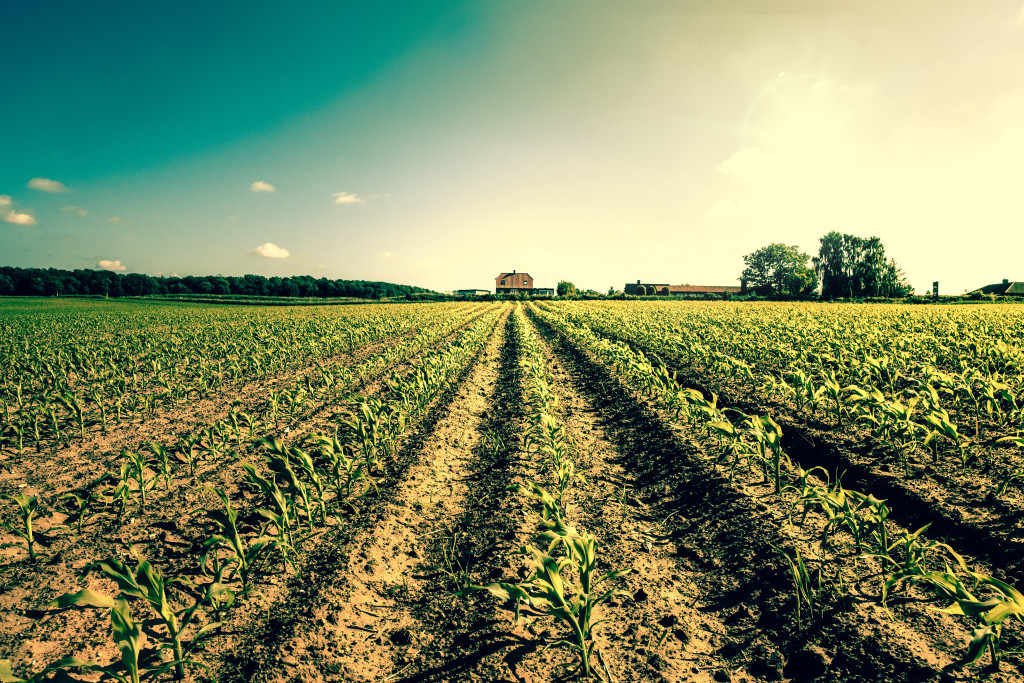
Agriculture is our country’s oldest industry. Since the beginning, America’s farmers have worked the land and sustained our communities. Today, agriculture is the top industry in rural America, and it remains the number one industry in Alabama. As our manufacturing industry continues to grow, I have made a commitment to never forget about the backbone of Alabama’s economy: our hardworking farmers who help feed America. Farming, forestry, livestock and crop production represent more than $70 billion in annual economic output, so it remains imperative that we reinforce programs that sustain and support the agriculture industry. Since being elected to Congress, I have always worked to be a steadfast advocate for agriculture and forestry. In fact, one of the first major votes I took in office was in favor of the 2014 Farm Bill. Four years later, I am proud that we could pass H.R. 2, the Agriculture and Nutrition Act, also known as the 2018 Farm Bill. The Farm Bill supports our nation’s farmers and foresters by reauthorizing farm programs and directing the nation’s agricultural policy for the next five years. Among the many important provisions, the bill includes support for Alabama’s cotton and peanut farmers and maintains access to crop insurance. This legislation also improves existing programs to maximize efficiency, reduces waste, and maintains fiscally responsible stewardship of taxpayer dollars. Very important to me, the Farm Bill establishes substantive work requirements for work-capable adults in order to receive SNAP benefits, commonly known as food stamps. It is important to note that the 2018 Farm Bill does not cut SNAP benefits. Rather, this provision puts more resources toward helping able-bodied adults find jobs and get back to work. In this economy, there is no excuse for capable Americans to not seek out employment. By encouraging Americans to find and retain jobs, we ultimately lift people out of poverty, strengthen the overall economy, and help save taxpayer money. Another significant issue facing our rural communities is a lack of broadband access. The Farm Bill authorizes substantial annual funding for rural broadband and requires the Department of Agriculture to establish forward-looking broadband standards. Finally, this bill helps equip and train the next generation of farmers. The bill enhances access to crop insurance and establishes a scholarship program at 1890 Land Grant Institutions designed to assist students interested in agriculture careers. Many family farms transcend generations, and it is critical that we provide support for up-and-coming farmers to ensure they have the resources they need. Each year, I travel across Southwest Alabama on my annual “Ag Matters” tour. This tour gives me the chance to visit family farms and forest land throughout Southwest Alabama and learn more about our state’s top industry. Ultimately, the “Ag Matters” Tour helps me better understand and appreciate the unique challenges facing our local farmers and foresters. Farming is unlike most other industries and dependent on so many external factors, like weather, that are outside the control of the farmers. It is important farmers have the certainty they need to provide the American people with a safe and reliable food source. As I travel to these family farms and speak with those who work the land, it never fails that the Farm Bill is one of the most talked about issues. This legislation truly has a huge impact on our family farms. Our farmers and foresters are good stewards of the land, and I am pleased the House could pass this important legislation to ensure that our family farms and rural communities have the resources they need to keep up with the challenges of today. • • • Bradley Byrne is a member of U.S. Congress representing Alabama’s 1st Congressional District.
Alabama lawmakers, groups react to Farm Bill passage
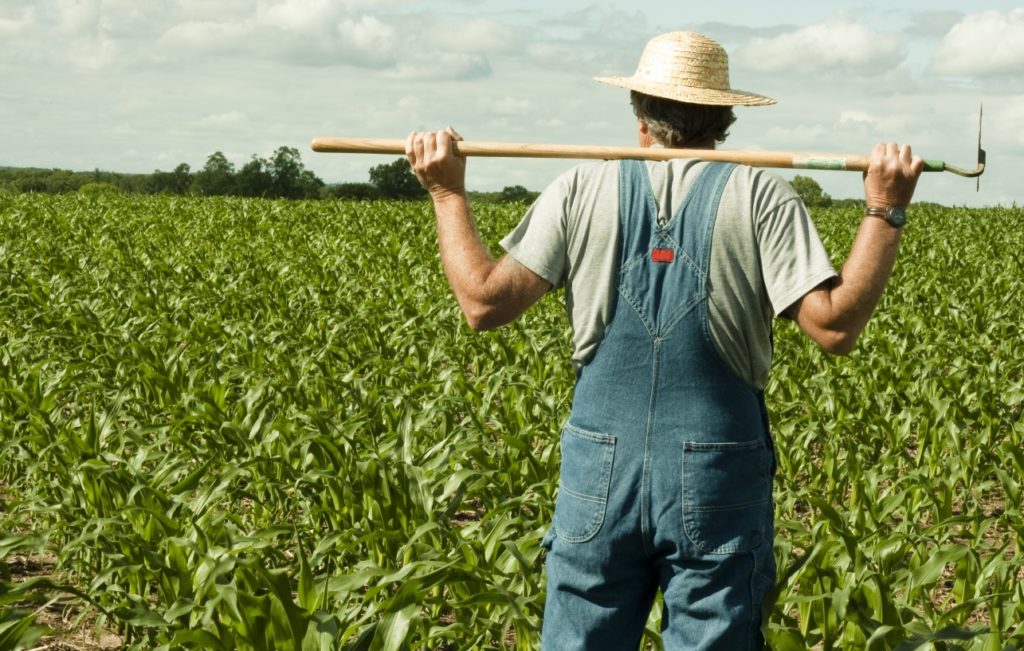
The U.S. House of Representatives narrowly passed the 2018 Farm Bill Thursday afternoon by a 213-211 vote. The measure’s passage means the Senate will have its turn to consider the package in the coming weeks. The bill aims to support and sustain farmers and foresters by reauthorizing farm programs and directing the nation’s agricultural policy for the next five years. Among the many provisions of the bill: Includes provisions critically important to Alabama’s cotton and peanut farmers; Maintains access to crop insurance through reduced premiums and waived fees; Improves existing programs to maximize efficiency and reduce waste; Restores funding for trade promotion efforts in an attempt to keep pace with trading competitors around the world; Establishes substantive work requirements for work-capable adults; Increases funding to $60 million per year for the Emergency Food Assistance Program, with $20 million to be used for the Farm-to-Food Bank program providing inexpensive food for low-income families; Provides strong incentives for providers to offer quality broadband service to all of rural America; and Helps equip and train the next generation of farmers. Despite recent gains in manufacturing, Alabama remains an agriculture state. Farming, forestry, livestock and crop production represent more than $70 billion in annual economic output. Here’s what Alabama lawmakers and groups are saying about the passage of the bill: Alabama 1st District U.S. Rep. Bradley Byrne: Our farmers and foresters are good stewards of the land, and I am pleased the House could pass this important legislation to ensure that our family farms and rural communities have the resources they need to keep up with the challenges of today. Also important, the Farm Bill will encourage able-bodied adults to find jobs and get back to work by reinforcing work requirements in order to receive SNAP benefits, commonly known as food stamps. In this economy, there is no excuse for capable Americans to not seek out employment. By encouraging Americans to find and retain jobs, we ultimately lift people out of poverty, strengthen the overall economy, and help save taxpayer money. Alabama 2nd District U.S. Rep. Martha Roby: I am proud to serve Alabama’s Second District where agriculture is the largest employer, responsible for more than 93,000 jobs and more than $11 billion in economic impact. I know how critically important it is that Congress deliver agriculture policy that actually works for farmers throughout Alabama and our country and makes their important work easier, not harder. I was glad to be a voice for Alabama’s farmers throughout the process to ensure that our commodities receive fair treatment. This farm bill addresses many of the challenges farmers face daily, and that’s why I was proud to cast my vote in favor of the legislation today. Alabama 3rd District U.S. Rep. Mike Rogers: I was pleased today to see the Farm Bill finally pass the House of Representatives. As the only member of the House Agriculture Committee from the State of Alabama, I know firsthand the Agriculture industry makes up over 40 percent of our state’s economy and that our farmers and producers count on this legislation every five years. “This year, the legislation will help people pull themselves out of the cycle of poverty because it makes meaningful reforms to the Supplemental Nutrition Assistance Program (SNAP). It helps to incentivize all able-bodied individuals to work part-time or receive free training they need to find a job. Keep in mind, this does not apply to children, the elderly, expectant mothers, disabled individuals or caretakers of children. Alabama 7th District U.S. Rep. Terri Sewell: No child deserves to go to bed hungry, but that is exactly what today’s farm bill will do to countless children across the country by making drastic cuts to our food assistance programs. I voted against today’s farm bill because SNAP is a proven pathway out of poverty for our most vulnerable families, and I believe that cutting that lifeline of support is cruel and short-sighted. In Alabama’s 7th Congressional District, 60,000 households rely on SNAP to put food on the table. For farmers and grocers in our district, cuts to this program mean lost revenue and bad business. I urge Republicans to end their attack on our social safety net and work with Democrats to help working families build a better life. Kimble Forrister | Executive Director, Arise Citizens’ Policy Project The U.S. House just voted to make life harder for tens of thousands of Alabamians. The House Farm Bill would increase hunger and hardship across Alabama and across the country by undercutting the Supplemental Nutrition Assistance Program (SNAP). This program helps nearly 900,000 Alabamians afford groceries and lifts 195,000 of them out of poverty. SNAP plays an essential role in supporting Alabama’s economy, improving public health and boosting rural communities. But the House bill would shift funding away from food assistance to a new, unworkable and underfunded employment and training system that would do little to help people actually find jobs. This move would take away or cut food assistance for millions of struggling Americans, including children, seniors, veterans, people with disabilities, low-wage workers, and people who lost their jobs. Mitt Walker | Director, Alabama Farmers Federation’s National Legislative Programs Passing the farm bill is a step forward in providing certainty and stability for American farmers in times of uncertain market and trade conditions.
GOP-led House narrowly passes farm bill
The Republican-led House has narrowly passed a sweeping farm bill that would toughen work requirements for food stamp recipients. The bill passed 213-211. Democrats opposed the measure, saying it would toss too many people off government food assistance. The measure renews the safety net for farmers as President Donald Trump‘s tough talk on tariffs threatens to close markets for many of their products. The vote Thursday marked the House’s second attempt to pass a farm bill. GOP leaders suffered an embarrassing setback in May when 30 GOP members opposed passage in an effort to get a vote on immigration legislation. The House bill sets up a certain clash with the Senate, which looks to make mostly modest adjustments to existing programs and doesn’t pick a food stamps fight. Rep. Blaine Luetkemeyer, R-Missouri, released the following statement in reaction to the bill moving forward. “Having grown up raising hogs and cattle, I understand how hard farmers work day in and day out to put food on our tables and on the shelves of our grocery stores,” said Congressman Luetkemeyer. “Under the leadership of Chairman Conaway, the Farm Bill prioritizes rural America and provides our farmers with the certainty they need. This bill protects crop insurance, requires the USDA to establish forward-looking broadband standards, and prioritizes development initiatives to promote job creation and economic growth in rural areas. I voted in support of this bill to ensure stability for our Missouri farmers and strengthen our rural communities, and I urge my colleagues in the Senate to pass this critical legislation.” Rep. Vicky Hartzler, R-Missouri, also released a statement. “Missouri farmers work hard every day to feed the world, and they need the certainty that this farm bill provides. This bill ensures the American consumer continues to enjoy the safest, most abundant food supply in the world by strengthening safeguards and improving public/private risk management programs that are vital to American agriculture. In addition, the Farm Bill makes significant investments in rural broadband, promotes trade, invests in research and development, and expands conservation acreage. “This bill contains historic improvements to the SNAP program to help recipients break the cycle of poverty by improving work opportunities for able-bodied adults receiving federal nutrition assistance. This bill promotes work and individual success while empowering those dependent on government assistance. These common-sense improvements will reduce unemployment and help people move from dependency to independence and self-sufficiency.” Republished with permission from the Associated Press.
Conservative revolt over immigration sinks House farm bill
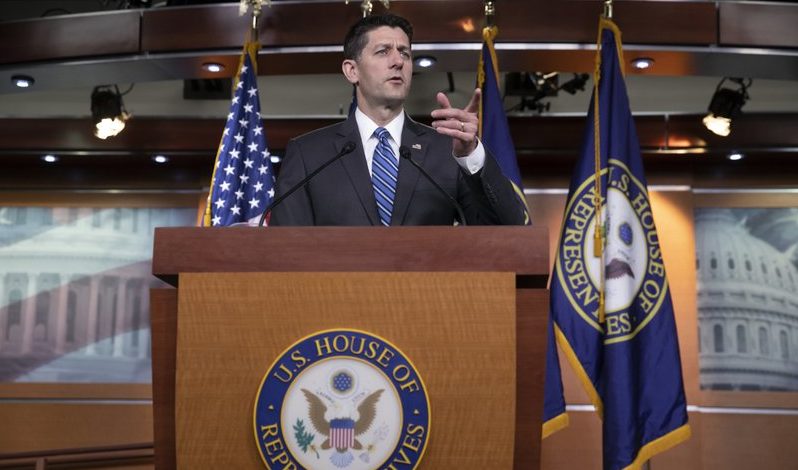
In an embarrassment for House Republican leaders, conservatives on Friday scuttled a bill that combines stricter work and job training requirements for food stamp recipients with a renewal of farm subsidies popular in GOP-leaning farm country. Hard-right conservatives upset over the party’s stalled immigration agenda opposed the measure, which failed by a 213-198 vote. Some 30 Republicans joined with every chamber Democrat in opposition. The vote was a blow to GOP leaders, who had hoped to tout its new work requirements for recipients of food stamps. The work initiative polls well with voters, especially those in the GOP political base. More broadly, it exposed fissures within the party in the months before the midterm elections, and the Freedom Caucus tactics rubbed many rank-and-file Republicans the wrong way. “You judge each piece of legislation on its own,” said Rep. Tom Cole, R-Okla. “You don’t hold one thing hostage for something that’s totally different and has nothing to do with it. I would say that’s a mistake in my view.” Key conservatives in the rebellious House Freedom Caucus opposed the measure, seeking leverage to win conservative policies an advantage in a debate on immigration next month. Negotiations with GOP leaders Friday morning failed to bear fruit, however, and the unrelated food and farm measure was defeated. Conservative Rep. Jim Jordan, R-Ohio, said some members had concerns over the farm bill, but said, “That wasn’t my main focus. My main focus was making sure we do immigration policy right” and “actually build a border security wall.” House Speaker Paul Ryan, R-Wis., took steps to call for a re-vote in the future but it’s not clear when the measure might be revived. A handful of GOP moderates opposed the bill, too, but not enough to sink it on their own. The farm bill, a twice-per-decade rite on Capitol Hill, promises greater job training opportunities for recipients of food stamps, a top priority for House leaders. Democrats are strongly opposed, saying the stricter work and job training rules are poorly designed and would drive 2 million people off of food stamps. They took a victory lap after the vote. “On a bipartisan basis, the House rejected a bad bill that failed farmers and working families,” said Minority Leader Nancy Pelosi, D-Calif. “Republicans wrote a cruel, destructive Farm Bill that abandoned farmers and producers amid plummeting farm prices and the self-inflicted damage of President Trump’s trade brinkmanship.” Currently, adults 18-59 are required to work part-time to receive food stamps, officially called the Supplemental Nutrition Assistance Program, or agree to accept a job if they’re offered one. Stricter rules apply to able-bodied adults 18-49, who are subject to a three-month limit of benefits unless they meet a work or job training requirement of 80 hours per month. Under the new bill, the tougher requirement would be expanded to apply to all adults on SNAP, with exceptions for of seniors, pregnant women, caretakers of children under the age of 6, or people with disabilities. “It sets up a system for SNAP recipients where if you are able to work, you should work to get the benefits,” said Ryan, R-Wis.” And if you can’t work, we’ll help you get the training you need. We will help you get the skills you need to get an opportunity.” The measure would have greatly expanded funding for state-administered job training programs, but Democrats and outside critics say the funding for the proposed additional job training would require huge new bureaucracies, extensive record-keeping requirements, and that the funding levels would fall far short of what’s enough to provide job training to everybody covered by the new job training requirements. “While I agree that there are changes that need to be made to the SNAP program, this is so clearly not the way to do it,” said Rep. Colin Peterson of Minnesota, top Democrat of the Agriculture Committee. “The bill cuts more than $23 billion in SNAP benefits and will result in an estimated 2 million Americans unable to get the help they need.” He said it “turns around and wastes billions … cut from SNAP benefits to create a massive, untested workforce training bureaucracy.” In addition to food stamps, the measure would renew farm safety-net programs such as subsidies for crop insurance, farm credit and land conservation. Those subsidies for farm country traditionally form the backbone of support for the measure among Republicans, while urban Democrats support food aid for the poor. On Thursday, supporters of the agriculture safety net easily defeated an attempt to weaken the government’s sugar program, which critics say gouges consumers by propping up sugar prices. The measure mostly tinkered with farm programs, adding provisions aimed at boosting high-speed internet access in rural areas, assist beginning farmers, and ease regulations on producers. But since the measure makes mostly modest adjustments to farm policy, some lawmakers believe that the most likely course of action this year is a temporary extension of the current measure, which expires at the end of September. In the Senate, the chamber’s filibuster rules require a bipartisan process for a bill to pass. There, Agriculture Committee Chairman Pat Roberts, R-Kan., promises a competing bill later this month and he’s signaling that its changes to food stamps would be far more modest than the House measure. Republished with permission from the Associated Press.
Here are the top 10 ways the proposed 2018 Farm Bill will affect Alabama
Alabama is home to a $70 billion agriculture economy, which is why the Agriculture and Nutrition Act of 2018, H.R. 2, better known as the “Farm bill” is particularly important for Yellowhammer State farmers. The bill is headed for a vote on Friday by the U.S. House of Representatives. Already, some Alabama representatives are speaking out in support of the bill, but if passed, how will it really affect the Yellowhammer State? Alabama 3rd District U.S. Rep. Mike Rogers, the only Alabama member of the House Committee On Agriculture, issued a statement on Thursday explaining how the bill will affect Alabama’s many farmers. “The truth is that the agriculture industry makes up over 40 percent of the economy in the State of Alabama,” said Rogers. “Every five years, Congress has to renew the Farm Bill and the policies that are critical to setting the guidelines for our farmers and producers.” Rogers continued to say that the Farm Bill will reform the Supplemental Nutrition Assistance Program (SNAP) by encouraging individuals to get work or free training to help pull themselves out of poverty; a condition that will only apply to able-bodied adults. The bill will also help bring higher quality broadband service to rural areas in the State by incentivizing providers. “I was also pleased my amendment was included, the SNAP Vitamin and Mineral Improvement Act,” Rogers said. “It would allow low-income Americans to purchase a daily multivitamin-mineral supplement with their SNAP benefits to make sure they are getting their daily nutrients and add choices to SNAP while not changing the costs.” Top 10 ways the 2018 Farm Bill affects Alabama: Farm policy: ARC and PLC. The bill reauthorizes and strengthens the Agriculture Risk Coverage (ARC) and Price Loss Coverage (PLC) options through 2023. Producers are given an opportunity to make a new election between ARC and PLC with several improvements, including allowing a new yield update opportunity for producers who were facing severe drought during the previous yield update, allowing reference prices to adjust to improved market conditions, and prioritizing the use of RMA data for administering ARC to minimize disparities between counties. Nutrition. Over 35 improvements are made to the Supplemental Nutrition Assistance Program (SNAP), the nation’s flagship nutrition program. Most notably, existing work requirements are strengthened, streamlined and paired with a variety of options to increase opportunities for SNAP recipients, including participating in a fully-funded, guaranteed Employment & Training (E&T) slot. Individuals may choose not to participate, but they will no longer be eligible for SNAP. The Farm Bill would not kick 1,000,000 SNAP recipients off the program: Anyone who would leave the program would do so because they have obtained employment with sufficient income and are no longer be eligible or they choose not to work or participate in a work or training program for at least 20 hours per week. No one would be kicked off SNAP due to a mandatory work requirement. The bill would not enforce work requirements on the disabled, the elderly, expectant mothers, caretakers of children or children: Any able-bodied adult on government assistance should be working at least 20 hours per week. SNAP is a tool to bring individuals and families out of poverty using the work requirements and training program. Dairy policy. The Margin Protection Program is renamed the Dairy Risk Management (DRM) program. The first 5 million pounds of milk production on a dairy is made eligible for higher coverage levels at lower premiums. Milk production not covered under DRM is made fully eligible for a comparable crop insurance policy. Finally, feed costs are studied to ensure accuracy in the DRM, and class I milk calculations are adjusted to help dairy farmers better manage risk in the futures market. Trade. Given escalating use of illegal trade actions by foreign countries, the farm bill stands by Alabama’s farmers and ranchers, providing a strengthened safety net and authorizing and restoring funding for vital tools for trade promotion and market development. The farm bill also maintains long-standing legal authority for the secretary to provide assistance to farmers and ranchers affected by unfair foreign trading practices. Establishes an International Market Development Program. Maintains and strengthens the program purposes of the Market Access Program (MAP), the Foreign Market Development (FMD) Program, the Technical Assistance for Specialty Crops (TASC) Program, and the Emerging Markets Program (EMP), bringing these initiatives under the single umbrella of a $255 million per year International Market Development Program, with no less than $200 million for MAP, no less than $34.5 million for FMD, $10 million for EMP, and $9 million for TASC. Conservation. The farm bill prioritizes working-lands conservation by retaining and folding the best features of the Conservation Stewardship Program (CSP) into the nation’s flagship incentive-based program for voluntary conservation—the Environmental Quality Incentives Program (EQIP). This supports and enables a significant investment in emerging conservation practices like the use of cover crops Crop insurance. At the request of virtually every farmer, rural banker and rural business in the country, the farm bill enhances and protects crop insurance. According to the Ag Committee, “some improvements are made but, overall, the farm bill doesn’t fix what isn’t broken.” Rural development. Rural areas of Alabama lack the same access to broadband and infrastructure that urban areas do. The bill authorizes substantial annual appropriations for rural broadband and requires USDA to establish forward-looking broadband standards. The farm bill also strengthens the suite of rural development initiatives to promote jobs and economic activity in rural Alabama where employment is suffering due to the sharp downturn in the farm economy. Tackling the opioid crisis. Provides the secretary the authority to prioritize projects that help communities meet the challenges of the opioid crisis. Funds projects that provide access to telehealth services and build medical facilities in rural communities. It also provides a 33 percent ($25,000,000) increase in authorized funding for critical telehealth grants under the distance Learning and Telehealth Program. Beginning farmers and ranchers. The bill maintains several provisions to help beginning farmers and ranchers establish themselves in agriculture. The bill establishes a scholarship program at
Carol Gundlach: Congress should oppose Farm Bill changes that would make Alabamians poorer, hungrier
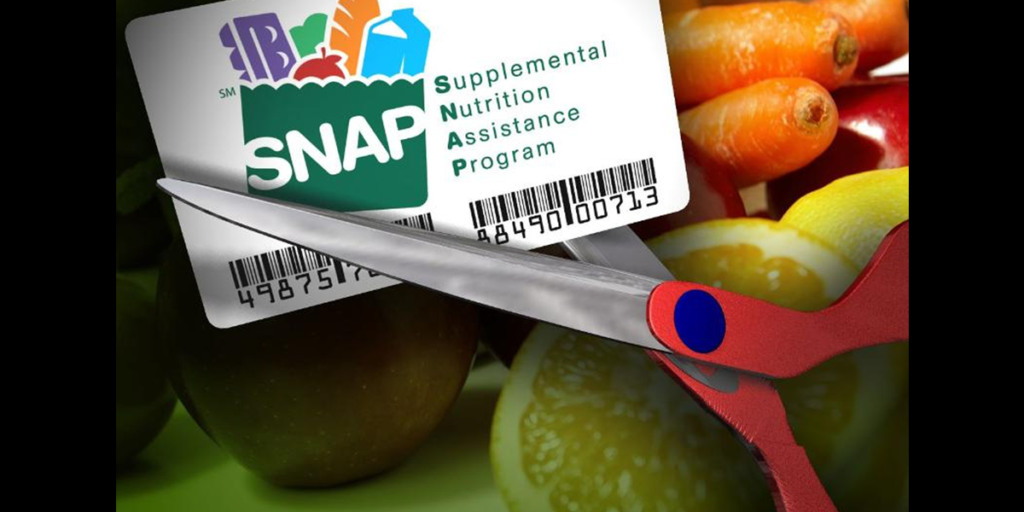
Americans across the political spectrum have long agreed on the importance of reducing hunger in our country. But the U.S. House is now considering a Farm Bill reauthorization that would do the opposite. It would be a step in the wrong direction for children, seniors and struggling families across Alabama. The Supplemental Nutrition Assistance Program (SNAP) is a proven success with a long history of bipartisan support and a strong track record of reducing hunger, creating jobs and supplementing wages. But the proposed Farm Bill would erode our shared commitment to fighting hunger. Instead, it would punish people who have very low incomes by slashing SNAP for as many as 2 million Americans, including tens of thousands Alabama adults and their children. This misguided move would increase hunger, deepen poverty and take a heavy toll on our state’s economy and budgets. The cuts would hit especially hard in rural communities, where some stores would close without SNAP income. SNAP, often called food stamps, is the largest program in the Farm Bill. It helps more than 40 million Americans make ends meet and has lifted more than 8 million families out of poverty, including 195,000 Alabamians. In Alabama alone, SNAP benefits are spent in more than 5,000 stores and contribute $1.3 billion a year to the state economy. With Alabama’s General Fund already struggling to pay for essential services like health care and prisons, the House plan would force the state to hire more SNAP eligibility workers and create expensive systems to track compliance with new work and child support mandates. It also would force Alabama to return to the costly, ineffective practice of verifying whether applicants have cars or other assets that might make them ineligible for SNAP. The Farm Bill seeks to solve a problem that doesn’t exist. Half of all adult SNAP participants without a disability are working, as are 60 percent of participants with children – often in retail, construction and other jobs with low wages, irregular or seasonal hours, and few benefits. In exchange for cutting their nutrition assistance, the House plan would create an underfunded employment and training system that would do little to help people actually find good-paying jobs. The bill also would extend these stricter requirements to people who are now exempt. That would include nearly all participants with children ages 6 and over, as well as jobless Alabamians in their 50s – even though they often remain unemployed longer than younger people do, no matter how hard they look for work. Participants who cannot prove they have worked enough hours could be denied SNAP for one year or longer. These proposed SNAP changes would hurt children, too. When parents lose food assistance because they can’t find a job or their work hours drop below an arbitrary minimum, their children are deprived of nutrition they need to grow and thrive. That makes it harder for children to succeed in school – and it’s simply cruel. Another way the plan could hurt kids is by requiring single parents to “cooperate” with child support collection. Child support is critical to eliminating child poverty, and more than 70 percent of low-income custodial parents already receive child support services. But taking food off the table doesn’t help a parent pay child support; it only makes the family hungrier. The proposal also could put applicants who are victims of domestic violence or child abuse at greater risk, along with costing Alabama millions of dollars for additional child support administration. Alabama’s congressional delegation will play an important role in Farm Bill reauthorization. Our representatives will vote on the plan when it reaches the House floor as soon as mid-May. Sen. Richard Shelby is the influential new chairman of the Senate Appropriations Committee. And Sen. Doug Jones is an important member of a bipartisan group of Senate moderates, some of whom are expected to offer their own version of the Farm Bill in the next few weeks. Alabamians are caring people, and we have a shared responsibility to keep our neighbors from going hungry. As our state’s members of Congress consider the Farm Bill, we urge them to oppose any efforts to weaken SNAP’s ability to help struggling Alabama families keep food on the table. ••• Carol Gundlach is a policy analyst for Alabama Arise, a nonprofit, nonpartisan coalition of congregations, organizations and individuals promoting public policies to improve the lives of low-income Alabamians. Email: carol@alarise.org.
