
Texas Donald Trump supporter tapped for Federal Election Commission
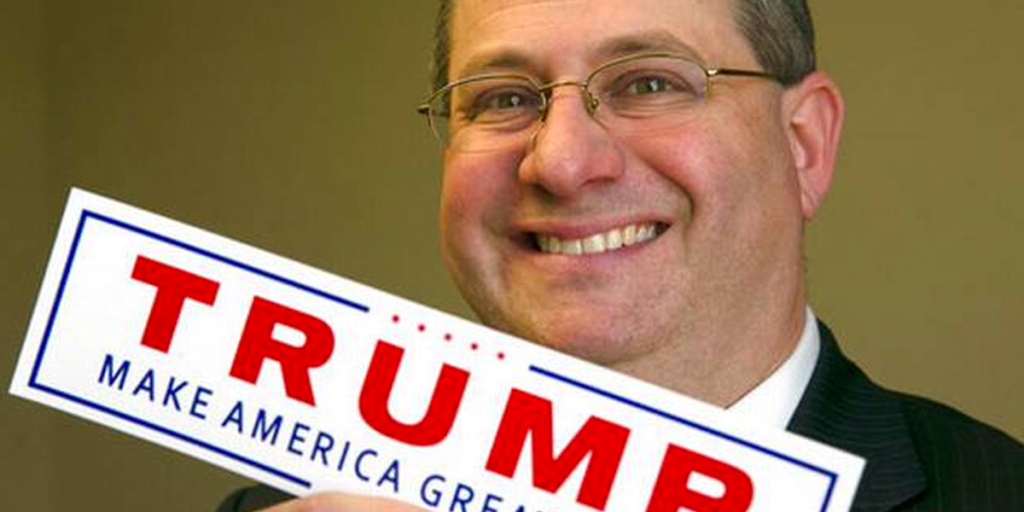
President Donald Trump has selected a Texas attorney – and supporter – to join the beleaguered Federal Election Commission. Trump appointed James “Trey” Trainor III, a well-known election-law specialist based in Austin, to the panel that monitors and polices federal campaign fundraising and spending. The position requires Senate confirmation. Trainor would serve a term that expires in April 2021, according to a White House announcement Tuesday night. The FEC is typically made up of six commissioners, and by law no more than three can be from the same political party. At least four votes are required to take action on any enforcement matter, explaining why the politically divided FEC has deadlocked repeatedly in recent years. Trainor is pictured in a January Austin American-Statesman story grinning broadly and holding pro-Trump signs. Although Trainor initially backed Texas Sen. Ted Cruz for president, he told the newspaper that under Trump, “I think America is going to be great again.” Trainor also helped Trump at the Republican National Convention, he told the newspaper, after receiving a call from Don McGahn, Trump’s campaign attorney. McGahn is now White House counsel; he previously served as an FEC commissioner himself. A short biography released by the White House cites Trainor’s experience as general counsel to the Texas Secretary of State, its Elections Assistance Commission and various other government legal roles. The appointment comes shortly after Trump appointed one of the FEC’s current Republican commissioners, Matthew Petersen, to a federal judgeship. He also will need Senate confirmation. The moves – one in, one out – would mean that the FEC would operate with just five commissioners for now. And one of them, Republican Lee Goodman, told the Center for Public Integrity that he wants to quit by the end of this year. That could leave the panel with the bare minimum number of commissioners needed to take any action, even with the 2018 midterm elections fast approaching. A Center for Public Integrity report notes that Trump could theoretically appoint all six commissioners as long as he adheres to the three-members-per-party rule, because everyone currently serving is in an expired term. Republished with permission from the Associated Press.
Donald Trump’s politicking raises ethics flags
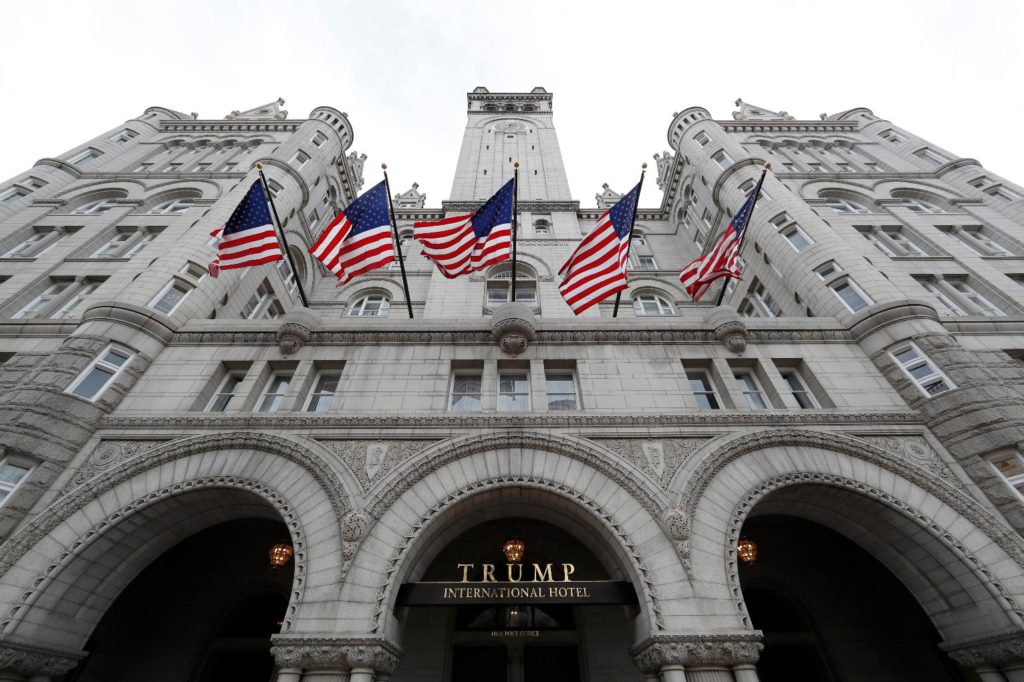
Barely five months into office, President Donald Trump keeps taking time out from governing to run for re-election. On Wednesday night, he’ll attend his first 2020 campaign fundraiser, rubbing elbows with some of the Republican Party’s top donors on familiar turf: his own hotel down the street from the White House. He’s already spent five evenings on the road at political rallies, always in states that supported him in November and always in front of an audience of thousands of fans who are screened and selected by his campaign aides. The historically early campaigning comes with clear fundraising benefits, but it has raised red flags. Among them: Government employees have inappropriately crossed over into campaign activities, tax dollars may be subsidizing some aspects of campaign events, and as a constant candidate, the president risks alienating Americans who did not vote for him. Larry Noble, former general counsel to the Federal Election Commission, said the early campaigning creates plenty of “potential tripwires,” adding: “They’re going to have to proceed very carefully to avoid violations.” The White House ensures that political entities pay for campaign events, and White House lawyers provide advice to employees to make sure they do not run afoul of rules preventing overtly political activities on government time, spokeswoman Lindsay Walter said Tuesday. The Trump team has decided that any risks are worth it. The re-election effort raised more than $7 million in the first three months of this year, all from small donations and the sale of “Make America Great Again” merchandise. Wednesday’s dinner is his first solicitation of larger donors, with tickets starting at $35,000. Trump can ask for those large donations because the money is to be split between his re-election campaign and Republican Party groups. Campaign director Michael Glassner has said the rallies give Trump the chance to speak directly and powerfully to his base of supporters. And the president is clearly energized by his campaign rallies. But Trump’s social media guru, who now works at the White House, is Exhibit A on the dangers of running a permanent campaign. The Office of the Special Counsel, an independent agency that investigates federal personnel, reprimanded Dan Scavino for violating the Hatch Act, a law prohibiting the use of government resources for campaigning. Scavino had tweeted a call to defeat a Republican representative who is often critical of Trump. “Mr. Scavino has been advised that if in the future he engages in prohibited political activity while employed in a position covered by the Hatch Act, we will consider such activity to be a willful and knowing violation of the law,” the counsel’s office wrote in a June 5 response to a liberal-funded watchdog that had complained about the tweet. Last week, Scavino sent a message from his government Twitter handle that mentioned both Trump’s presidential appearance in Iowa and his political rally there later that night. “What you have to do is draw very clear lines, or you risk having people constantly blurring or crossing them,” said Virginia Canter, executive branch counsel for the group Citizens for Responsibility and Ethics in Washington, which has complained about Scavino’s tweeting. Canter was a longtime federal ethics attorney before joining CREW. Scavino earns a government salary as White House director of social media, and his company continues to financially benefit from the Trump campaign. Scavino & Associates collected $14,500 for consulting from Trump’s re-election campaign in the first three months of this year, FEC reports show. He’s not the only person juggling duties. At an April Trump campaign rally in Harrisburg, Pennsylvania, Commerce Secretary Wilbur Ross was photographed signing a “Trump/Pence” poster for a fan. White House deputy press secretary Sarah Huckabee Sanders tweeted that photo from her government account with the Trump campaign slogan “MAGA” – short for “Make America Great Again.” CREW filed a Hatch Act complaint about Sanders, and the Office of Special Counsel cleared her because her tweets didn’t push for her boss’s re-election. The office said in public guidance issued in February that Trump’s early decision to become a candidate needed a special approach for how to navigate the Hatch Act. “Because the 2020 election is still more than three years away, at this time not all expressions of support or opposition to President Trump constitute political activity for purposes of the Hatch Act,” the office wrote. Closer to the election, it warned, the prohibitions will broaden. In April, the campaign made its first new commercial, a celebration of the president’s first 100 days in office. But its first cut of the 30-second ad included a clip of National Security Adviser H.R. McMaster in uniform – a no-no under Defense Department rules prohibiting active duty military members from political advocacy while in uniform. The campaign removed the footage. Trump’s predecessors also took heat for commingling presidential and political duties when they began running for re-election. In 2012, Reince Priebus, then head of the Republican National Committee, complained to the Government Accountability Office that President Barack Obama was “fraudulently” billing the government for political travel. Obama said he carefully followed the rules about when his campaign must reimburse the government. Priebus, now Trump’s chief of staff, joined the president at a February campaign rally in Melbourne, Florida. So far, no reimbursements to the Secret Service, which operates Air Force One, have shown up in the Trump campaign’s FEC reports. Walters said the White House, through its lawyers, “carefully scrutinizes each itinerary to ensure that the proper political entity pays for all political travel and that official funds are used exclusively for official travel.” Republished with permission of The Associated Press.
Luther Strange supporters launch joint-fundraising effort for crowded Senate race

He’s only been in office a few short months and already Sen. Luther Strange is having to do something most sitting senators don’t have to worry about but once every six years — campaign to keep his seat. Facing a bevy of primary challengers — former Chief Justice of the Alabama Supreme Court Roy Moore; State Rep. Ed Henry; President of the Christian Coalition of Alabama Dr. Randy Brinson; Birmingham businessman Dom Gentile — Strange has his work cut out for him preparing for the August 15 GOP primary. Which is precisely why a new joint-fundraising effort has been launched on his behalf. Seeking to boost the senator’s chance of winning the primary and to clear a path for a December special election victory, former Republican National Committee CFO Benjamin Ottenhoff filed the paperwork on Tuesday creating the Strange Victory Committee to fundraise on behalf of Strange for Senate and the National Republican Senatorial Committee (NRSC). The move should come as no surprise as NRSC communications director Katie Martin told Politico last month, “We have made it very clear from the beginning that Sen. Luther Strange would be treated as an incumbent. It has also been a clear policy that we will not use vendors who work against our incumbents.” Martin said Strange is considered an incumbent by the NRSC and will be protected like one. Fundraising aside, Strange may already have a leg-up on his opponents. According to his campaign’s latest filing with the Federal Election Commission he already has $763,612 cash-on-hand. Last month Gov. Kay Ivey moved the date of the special election to 2017 from 2018, giving little time for his opponents to catch up on the fundraising front. Prior to that, the special election was set to coincide with the 2018 regular election cycle as set by former-Gov. Robert Bentley. “I promised to steady our ship of state. This means following the law, which clearly states the people should vote for a replacement U.S. Senator as soon as possible,” Ivey said in a statement. “The new US Senate special election dates this year are a victory for the rule of law.” In February, Bentley appointed Strange to the Senate seat to replace Jeff Sessions. The GOP primary will be his first test of approval to see if Alabamians support Bentley’s decision.
Donald Trump inaugural attracts record $107 million in donations
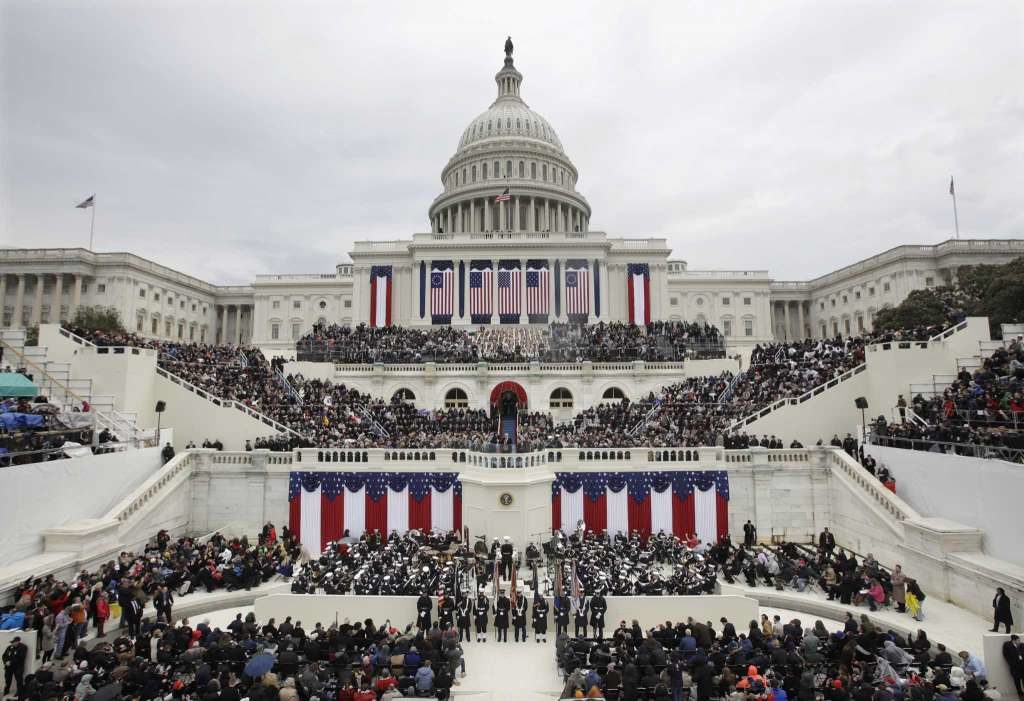
President Donald Trump raised $107 million for his inaugural festivities, nearly double the previous record set by President Barack Obama eight years ago. Trump’s inaugural committee is due to file information about those donors with the Federal Election Commission and said it would do so Tuesday. The committee doesn’t need to publicly disclose how the money was spent. Trump placed no restrictions on the amount of money donors could give. Obama limited contributions to $50,000 in 2009 but lifted that cap four years later. After raising about $55 million in 2009, Obama used excess funds to help pay for the White House Easter egg roll and other events, his former inaugural committee chief executive officer said. Trump promised to give any extra money to charity, but didn’t specify which ones. Republished with permission of The Associated Press.
A month into presidency, Donald Trump prepares for a campaign rally
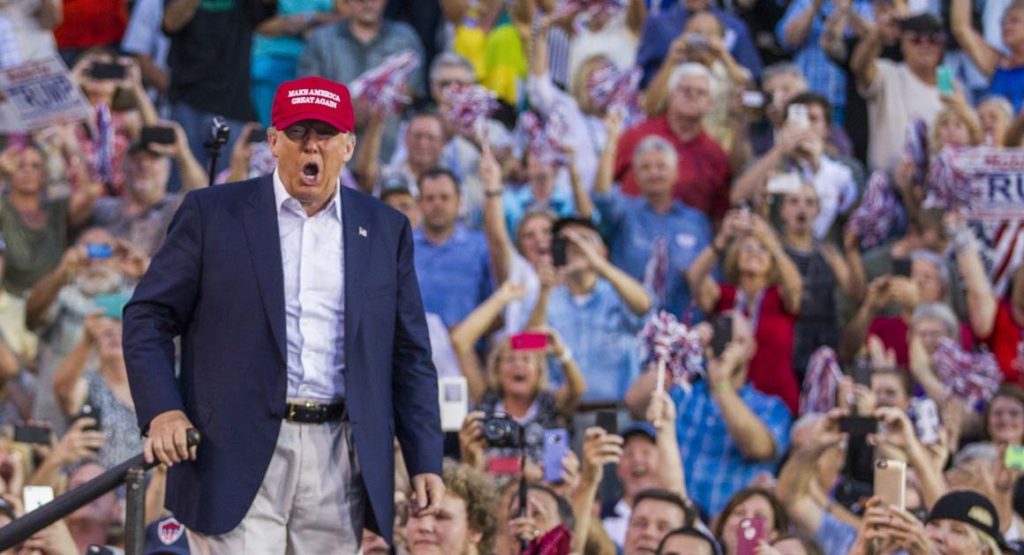
President Donald Trump is holding a campaign rally Saturday in politically strategic Florida — 1,354 days before the 2020 election. The unusually early politicking follows a pattern: Trump filed his paperwork for re-election on Jan. 20, Inauguration Day. By comparison, President Barack Obama didn’t make his re-election bid official with the Federal Election Commission until April 2011. Huge rallies were the hallmark of Trump’s presidential campaign. He continued to do them, although with smaller crowds, throughout the early part of his transition, during what he called a “thank you” tour. The Florida event will be his first such one as president. “I hear the tickets — you can’t get them,” Trump said Thursday during a meeting with lawmakers. “That’s OK, that’s better than you have too many.” Trump responds well to the supportive crowds, who often chant, cheer and applaud enthusiastically when he speaks. The rallies serve a practical purpose by enabling his campaign to continue building a list of supporters. To attend, people must register online, giving their email address and other personal information that the campaign can use to maintain contact and raise money. Trump’s upcoming evening event is set for an airport hangar in Melbourne, Florida, and it comes as he makes another weekend trip to what he calls his “Winter White House,” his Mar-a-Lago resort in Palm Beach. Trump also said he would play golf this weekend with Ernie Els, a South African professional golfer. It will be his Trump’s third consecutive weekend at Mar-a-Lago. White House spokesman Sean Spicer said the rally is “being run by the campaign.” It follows an official trip Friday to South Carolina, where Trump will visit a Boeing facility in North Charleston. Spicer and others at the White House have not responded to repeated questions about why Trump’s embryonic campaign is organizing this rally, or about who will pay for the event and transportation to and from it. Presidents regularly hold large campaign-style events to build support for their policies. Those events are often considered part of their official duties and organized by the White House. Michael Glassner, executive director of Trump’s campaign committee, also did not respond to questions. Trump’s campaign is running the event because Trump does not want to spend taxpayer dollars on it, a person close to him said. The person requested anonymity to discuss private conversations. Although Trump is getting started far earlier than his predecessors, it’s common for presidents to combine political and governing events into the same trip. When that happens, the campaign picks up the tab for part of the trip and taxpayers for the rest. Trump’s campaign account had more than $7.6 million in the bank at the end of the year, according to fundraising reports. He’s continued raising money postelection by selling popular merchandise, such as the ubiquitous red “Make America Great Again” ball caps. On Thursday, as the president wrapped up a confrontational press conference with the media — during which he repeatedly referred to coverage as “unfair” and “fake news” — one of Trump’s campaign accounts emailed a “media survey” to his supporters. The 25 multiple-choice questions included: Do you believe that the mainstream media has reported unfairly on our movement? Do you believe that our Party should spend more time and resources holding the mainstream media accountable? After clicking through the survey, there’s a prompt to donate money. Republished with permission of The Associated Press.
Right to the end, Donald Trump campaign spent less than Hillary Clinton’s
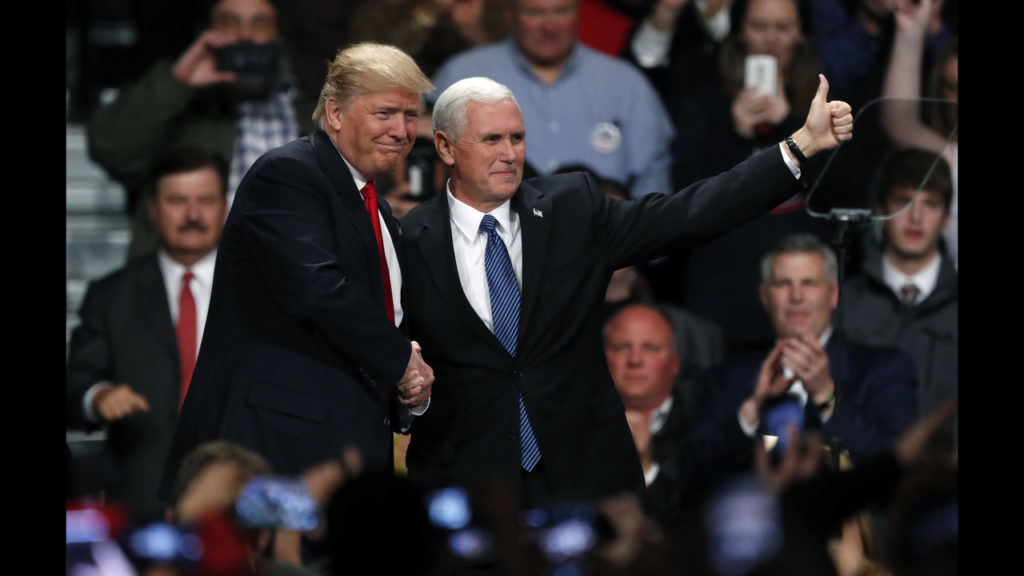
Donald Trump‘s campaign spent about $94 million in its final push for the White House, according to new fundraising reports filed Thursday. The Republican continued his campaign-long trend of spending far less than Democratic rival Hillary Clinton. Her campaign blew through almost $132 million in its closing weeks, according to reports filed Thursday with the Federal Election Commission. The latest reports cover Oct. 20 through Nov. 28. Over the course of the primary and general elections, the Trump campaign raised about $340 million. That included $66 million that the billionaire businessman contributed from his own pocket. The Clinton campaign, which maintained a longer and more concerted fundraising focus, brought in about $581 million. Brad Parscale, Trump’s digital director who was empowered with spending decisions across the campaign, credited strategic last-minute investments with helping propel the political newcomer to victory. Specifically, he told The Associated Press, the campaign and Republican Party spent about $5 million in get-out-the-vote digital advertising targeted in the final few days to Michigan, Wisconsin, Pennsylvania and Florida. That proved critical; some of those states were won by razor-thin margins. “You think, what if we hadn’t spent that?” Parscale said. “We might not have won.” Another investment that he said paid dividends was $7 million to air a two-minute “closing” television commercial. “Our movement is about replacing the failed and corrupt political establishment with a new government controlled by you, the American people,” he said as images from his rallies rolled across the screen. The final FEC report showed the extent of the Trump advertising splurge. The campaign spent nearly $39 million on last-minute TV ads and another $29 million on digital advertising and consulting work done by Parscale’s firm. Clinton’s campaign placed a far greater emphasis than Trump on television advertising, a more traditional way of reaching swaths of voters. She spent $72 million on TV ads and about $16 million on internet ads in the final weeks. The former secretary of state also spent more than $12 million on travel — about double what Trump spent. Clinton, who not only had a money advantage over Trump but a staffing edge, spent more than $4 million on a nearly 900-strong payroll. Still, Clinton’s top campaign aides have acknowledged in post-election appearances that it didn’t always spend money in the right places. Her campaign manager Robby Mook said at a gathering of political strategists and journalists last week at Harvard University that he regretted not putting more staff in Michigan. When the state certified its results — 20 days after the election— Trump had won by just under 11,000 votes. Outside groups that spent money on the presidential election also filed reports Thursday. Trump got help from the super political action committees Future 45, Make America Number 1 and Rebuilding America Now. Future 45 and a partner nonprofit that does not disclose donors spent late in the campaign but became Trump’s biggest outside investors. Las Vegas casino magnate Sheldon Adelson and his wife, Miriam, together gave $10 million to Future 45 in the final weeks of the campaign, the new reports show. Former wrestling executive Linda McMahon, who Trump named this week as head of the Small Business Administration, gave $1 million to the group in October. She’d earlier given $6 million to Rebuilding America Now. Make America Number 1 benefited from a $1 million donation by PayPal co-founder Peter Thiel, now an executive on the Trump transition team. On Clinton’s side, Priorities USA — which raised and spent more than any super PAC in history — landed $16 million in the final weeks of the campaign. That brought its total haul to about $192 million. Some of the group’s final seven-figure contributions came from its most loyal donors: media mogul Haim Saban and investors James Simons and Donald Sussman. The 2016 election is over — but the fundraising continues. The president-elect has raised millions of dollars since Nov. 8. That money is coming in mostly through purchased merchandise such as hats and ornaments and is paying for Trump’s “thank you” tour, which took him to Ohio and Iowa on Thursday. Republished with permission of The Associated Press.
Racism and talk of religious war: Donald Trump staff’s online posts
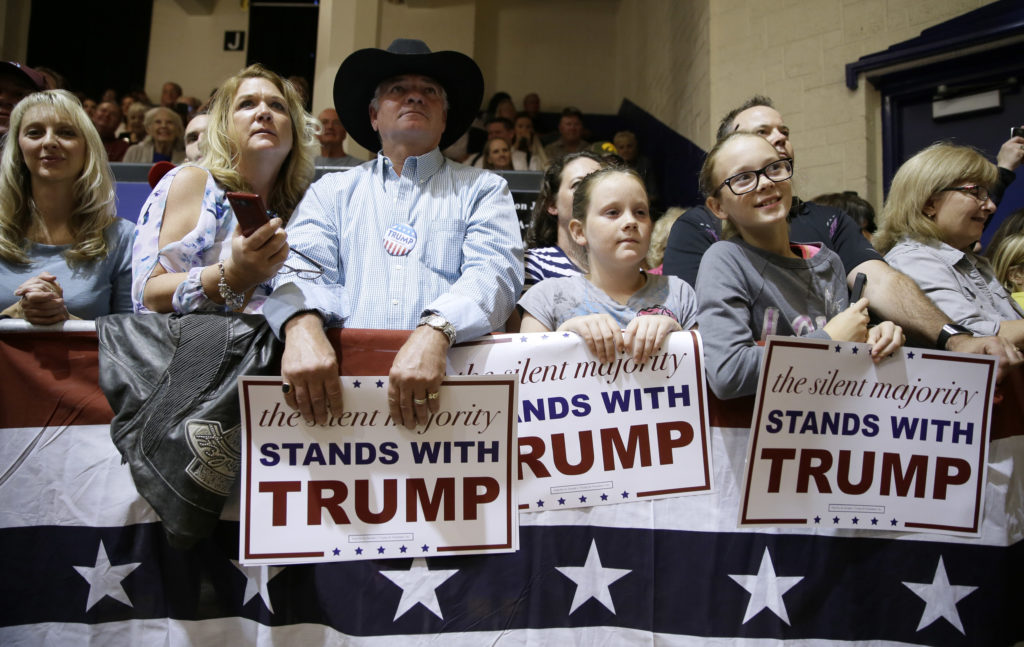
Donald Trump‘s paid campaign staffers have declared on their personal social media accounts that Muslims are unfit to be U.S. citizens, ridiculed Mexican accents, called for Secretary of State John Kerry to be hanged and stated their readiness for a possible civil war, according to a review by The Associated Press of their postings. The AP examined the social media feeds of more than 50 current and former campaign employees who helped propel Trump through the primary elections. The campaign has employed a mix of veteran political operatives and outsiders. Most come across as dedicated, enthusiastic partisans, but at least seven expressed views that were overtly racially charged, supportive of violent actions or broadly hostile to Muslims. A graphic designer for Trump’s advance team approvingly posted video of a black man eating fried chicken and criticizing fellow blacks for ignorance, irresponsibility and having too many children. A Trump field organizer in Virginia declared that Muslims were seeking to impose Sharia law in America and that “those who understand Islam for what it is are gearing up for the fight.” The AP’s findings come at a time when Trump is showing new interest in appealing to minority voters, insisting he will be fair in dealing with the 11 million people in the U.S. illegally and explicitly pitching himself to African-Americans, saying “what do you have to lose?” Since Trump declared his candidacy last summer, he has paid about 120 people on his campaign, according to Federal Election Commission filings. Over the weekend, the campaign reported about 70 people drawing salaries, a number that did not include a few dozen more working as consultants. A slew of hires in early August were not yet reflected in Trump’s filings. The AP was able to review the accounts of only a minority of Trump staffers: Others set their accounts to private, some could not be found or identified with confidence as Trump campaign employees. The AP also reviewed the public social media accounts of more than three dozen employees of Hillary Clinton‘s far larger campaign staff and found nothing as inflammatory. One staffer said Trump’s style of speaking reminded him of a roommate who had taken too many hallucinogenic mushrooms. AP also reviewed images attached to more than 19,000 stolen internal emails from the Democratic National Committee for racially or religiously inflammatory memes, finding nothing of note. The Clinton campaign declined to comment on its procedures for vetting staff. It employs more than 650 people, according to its FEC filings. One month ago, the AP sent written questions to the Trump campaign with examples of the posts. The campaign has not commented, despite several requests since. Veteran Republican campaign operatives said keeping an eye on staffers’ social media postings has long been a standard practice. “In vetting a prospective staffer, I’m not sure where the line would be for not hiring someone or simply asking them to take something down from social media, but there is a line,” said Beth Myers, a former top Mitt Romney campaign aide. During Myers’ work for Mitt Romney in the 2008 and 2012 presidential campaigns, she said, social media was newer, so indiscrete or embarrassing photos were more often concerns than inflammatory views. Even outside social media, she stressed to the campaigns’ staffers that what they said and did would reflect on the candidate who employed them. “Don’t put anything in an email that you wouldn’t want on the front page of The New York Times,” she recalled telling staff. “The same thing I told my kids, I told my staffers.” The AP found little questionable content in the ranks of Trump’s top officials. The campaign’s social media director, Dan Scavino, tweets prolifically but avoids discussing race and religion. Field organizers representing Trump’s campaign around the country, however, have had no such reservations, either before or during their employment with the campaign. Their judgment matters beyond the campaign because the paid staff of winning presidential candidates often receives jobs in the next administration. Before being tapped as statewide director of coalitions, Craig Bachler of Bradenton, Florida, posted jokes in 2015 about Mexican accents superimposed over pictures of an overweight man wearing a sombrero. Bachler was named by the campaign as official staff in November, though there is no record he has been paid for his work. Bachler did not respond to a request for comment via Facebook or a message left at his office voicemail. After AP’s inquiries, Bachler blocked access to an AP reporter, and his Facebook account — which included a photo of Bachler with Trump — was scrubbed to remove the offensive post. Teresa Unrue, a field organizer and graphic designer in Myrtle Beach, South Carolina, for Trump’s advance team, shared a video on her Facebook account July 11 — the week before the Republican National Convention — of a black man eating fried chicken while shaming fellow black people. “Why are you mad about slavery?” the man asks. “Y’all weren’t no damn slaves.” “Had me crack’n up!! Thank you!” Unrue wrote of the video. “Please share this with people.” In a short phone conversation, Unrue said she tried to keep her personal social media comments positive and referred questions to the campaign. Some posts fixated on stories of black-on-white violence with claims that news about such crimes was being suppressed. “How about this little white boy being murdered by a black man,” grassroots organizer Annie Marie Delgado of Palm Beach Gardens, Florida, wrote in December 2014 post, one of a number highlighting crimes against white people before Trump declared his candidacy. Delgado also shared a discredited, hoax photo of the State Department’s Kerry with Jane Fonda, and commented: “I say hang them!” She was paid $11,146 through April, according to campaign records. Fear or dislike of Muslims was a recurring theme. Though Trump at one point proposed temporarily barring foreign Muslims from entering the country and scrutinizing the activities of mosques, he has sometimes distinguished Islamic extremists who pose a risk and those
Donald Trump campaign doubles spending, not ground game

Donald Trump‘s campaign expenses more than doubled last month, even as the Republican presidential nominee held his payroll to about 70 employees, aired zero television advertisements and undertook no significant operational build out across the country. Instead, about half of the campaign’s $18.5 million in spending was vacuumed up by Giles-Parscale, a web design and marketing firm new to national politics, Federal Election Commission filings show. It’s a crossover vendor from Trump’s real estate organization. The campaign paid Giles-Parscale $8.4 million in July, about twice what the San Antonio firm had collected from it over the course of the preceding year. Brad Parscale, the president, is the campaign’s director of digital marketing. The big expense came as Trump put a new emphasis on online fundraising, after paying for his primary run mostly out of his own pocket. Millions more went to air travel. The campaign paid about $2 million for private jets other than Trump’s own TAG Air, which also collected $500,000. Some of Trump’s consultants are also mysteriously well-paid. Chess Bedsole, the campaign’s Alabama state director, was paid $64,000 last month for field consulting. His last campaign payment was for $15,000 in December. Yet the campaign’s payroll remained thin, and there did not appear to be much new in the way of office leases across the country, including in critical battleground states such as Ohio. Trump has relied heavily on the Republican National Committee for conventional campaign infrastructure. And he’s boasted of holding the line on his campaign spending. But he’s running critically low on time to build an operation that can compete with Democratic presidential nominee Hillary Clinton. In addition to being ahead of Trump in polls in key states, Clinton has maintained a staff of about 700 for months, opened up offices across the country and already spent $67 million on general election ads. Trump put out his first ads days ago, spending $5 million to air them in Florida, Ohio, Pennsylvania and North Carolina. Her campaign spent $38 million in July, about double his spending. Clinton can afford to spend more than Trump, the July campaign finance reports show. Her campaign raised $52 million while his brought in $37 million for the month, including a $2 million contribution from Trump himself. The candidates also raise money for their parties, enabling them to ask for contributions far higher than the $2,700-per-donor limit to the campaigns. Overall in July, Clinton raised $90 million for her campaign and Democratic partners, while Trump raised $80 million for the campaign and Republican groups. Trump did bring aboard some new campaign consultants in July. He paid $100,000 to Cambridge Analytica, a deep-dive data firm that did business with GOP opponent Ted Cruz. Hedge fund billionaire Robert Mercer, who contributed $2 million to a pro-Trump super political action committee in July, is an investor in Cambridge. The Trump filings also show some old ties. Two weeks after the ouster of campaign manager Corey Lewandowski, Trump’s campaign cut his firm, Green Monster Consulting, another $20,000 check. That’s about the same amount it had paid him each month while he was running the campaign. At the time of the latest payment, Lewandowski was already on the payroll of CNN, where he is a political contributor. The campaign also paid Trump Organization employee Meredith McIver, who has worked as a Trump ghostwriter over the years. She took credit — and then blame — for writing Melania Trump‘s speech at the Republican National Convention that included similar lines from Michelle Obama‘s speech at the 2008 Democratic National Convention. The campaign valued McIver’s time, accounted for as payroll from the Trump Organization, at $356.01. Republished with permission of the Associated Press.
Alabamians gave Hillary Clinton their votes and their dollars, but to Donald Trump only votes
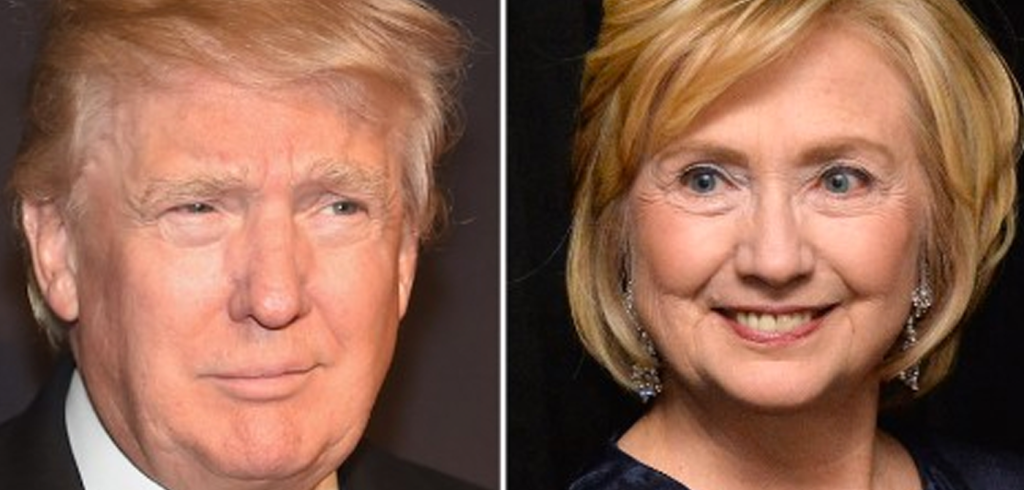
Hillary Clinton won the Alabama Democratic Primary back in March by a whopping 77.8% over rival Bernie Sanders, and the dollars have flowed accordingly. To date, Clinton has taken in $658,565 from Alabamians supporting her in the 2016 cycle. Meanwhile, despite winning the state’s GOP primary, presumptive Republican nominee Donald Trump has yet to see votes translate to donations like the Clinton camp. Alabamians have only sent $50,263 to his campaign this cycle. Just 2.13% of total GOP donations according to the latest campaign finance numbers. What’s more is Trump’s main Alabama primary opponent, Ted Cruz, who took home a paltry 21.1% of the vote compared to Trump’s 43.4%, has raked in $718,226 from 7,960 donors across the state. Trump only has 219 Alabama donors — 36 times fewer donors than Cruz. The numbers, from the Federal Election Commission, show that all candidates who were in the field at some point in the race, Republicans and Democratic, have gathered a total of $3.2 million from the Yellowhammer State. While Clinton has handily taken in more donations than Trump, she’s also worked a lot harder for them. Unlike his contemporaries, the billionaire businessman has yet to actively solicit dollars, which may explain his low intake amounts. The good news for Trump? While the former First Lady may have a lot of more cash in her coffer coming from the Yellowhammer State, Trump’s averaging larger checks per Alabamian — $229.51 to $146.18. Republicans: $2,351,447 Ted Cruz: $718,226 Ben Carson: $569,388 Marco Rubio: $444,669 Jeb Bush: $270,599 Mike Huckabee: $83,617 Rand Paul: $55,735 Scott Walker: $54,906 John Kasich: $53,983 Donald Trump: $50,263 Carly Fiorina: $31,294 Rick Santorum: $10,908 Chris Christie: $3,645 Bobby Jindal: $2,759 Lindsey Graham: $855 Rick Perry: $600 Democrats: $938,963 Hillary Clinton: $658,565 Bernie Sanders: $275,858 Martin O’Malley: $2,891 Larry Lessig: $1,000 Jim Webb: $650
Donald Trump’s campaign investment tops $43 million

Donald Trump poured more than $7.5 million of his own money into his presidential campaign in April, bringing his total personal investment to more than $43 million since he declared his candidacy, new campaign finance reports filed late Friday show. The billionaire businessman, who swatted away 16 Republican rivals and relied heavily on wall-to-wall media coverage of his outsized personality and often inflammatory remarks, reported spending about $56 million during the primary, which lasted until his final two rivals, Texas Sen. Ted Cruz and Ohio Gov. John Kasich, dropped out of the race at the beginning of May. In April alone, Trump spent nearly $9.4 million, according to his monthly filing with the Federal Election Commission. Trump’s largest expense in April, about $2.6 million, was for advertisements. The campaign also spent more than $930,000 on direct mail. Other big-ticket items included roughly $585,000 in airfare paid to Trump’s TAG Air Inc. While much of Trump’s money has come from his own pocket, he reported about $1.7 million in donations last month. Those contributions have come largely from people buying Trump’s campaign merchandise, including the red “Make America Great Again” ball caps, and giving online through his campaign website. Trump didn’t begin developing a team of fundraisers until recently, after he became the presumptive GOP nominee. Almost all of Trump’s personal investment has come in the form of loans. That leaves open the possibility that he can repay himself now that he’s aggressively seeking donations. A new fundraising agreement he struck with the Republican National Committee and 11 state parties explicitly seeks contributions for his primary campaign. Yet Trump said in a statement this week that he has “absolutely no intention” of paying himself back. Instead, he will be able to use any primary money he raises, in increments of up to $2,700 per donor, on expenses such as salaries, advertising and voter outreach over the next nine weeks. After the GOP convention in late July, Trump will officially become the nominee and be restricted to spending money that’s earmarked for the general election. His likely rival, Democrat Hillary Clinton, has a head start on building a war chest for the November election. She partnered with Democratic parties months ago and has been raising millions of dollars for them. In April alone, she collected almost $800,000 in campaign money for the general election. By contrast, Trump will hold his first campaign fundraiser next week, an event in Los Angeles where the minimum price of admission is $25,000, according to the invitation. Those donations are to be split among Trump’s campaign and his Republican Party allies. In addition to the Trump campaign’s financial health, the filings also show that when Cruz dropped out, money wasn’t the issue: He had $9.4 million in his campaign coffers at the end of April, just days before his defeat May 3 in the Indiana primary prompted him to end his bid. At the time, Cruz said he left the race because he saw no path forward. Republished with permission of The Associated Press.
Donald Trump says his business flourishing since presidential run
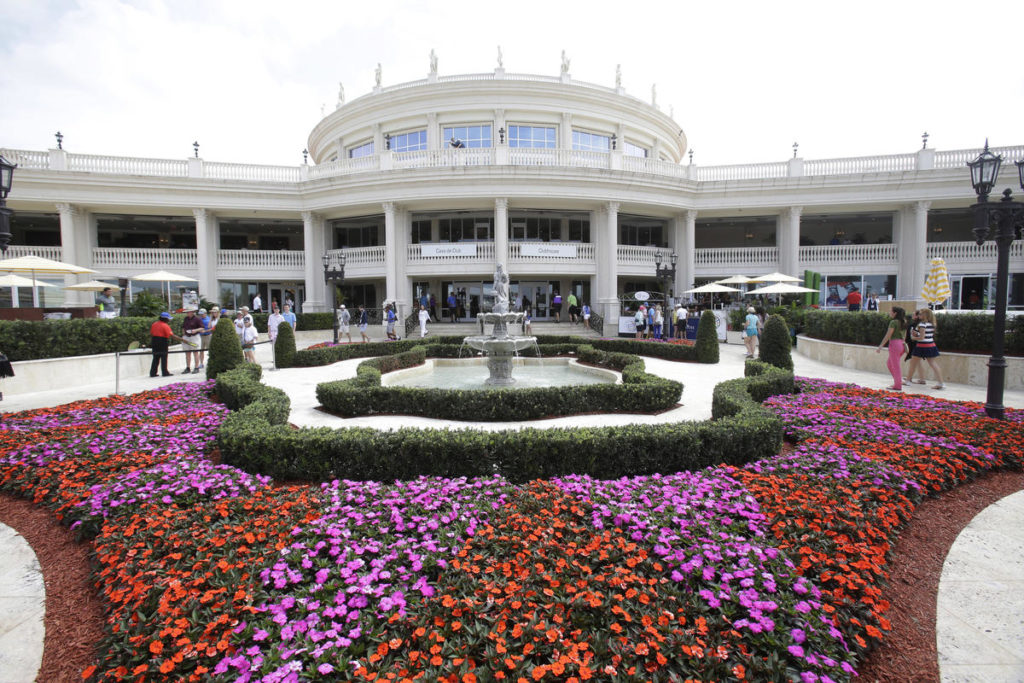
Donald Trump has told the government that his myriad businesses have flourished with rising revenues since his improbable political success, according to financial documents released Wednesday. The presumptive Republican presidential nominee said revenue at his businesses grew by $190 million over the past 17 months, and he had $557 million in earned income. The Federal Election Commission released the personal financial documents that Trump filed with the agency. They provide an overview of the billionaire’s assets and revenues and his roles with hundreds of corporate shell companies. Trump has so far declined to release his tax returns, making it difficult to confirm financial details. The 104-page filing provided little evidence that Trump’s combative campaign hurt his business prospects, despite regular talk of boycotts early in his campaign. Though the disclosure overlaps with one he filed last year — making straight comparisons difficult — revenues from his golf resort businesses are up, with Trump reporting $306 million in revenues from his courses around the world. About $132 million of that came from Trump’s course in Doral, Florida, up from $49 million in revenue the year before. The Mar-a-Lago club, a Trump vacation property and private club that has been a regular backdrop for campaign events, also saw a big jump. It reported $29 million in revenues, far more than the $16 million reported in Trump’s filing last year. The Miss Universe Pageant, which Trump sold after his comments on Mexican immigrants led to a dispute with television networks, went for $49 million. That was far more than the $5 million to $25 million the pageant was listed as worth on his financial disclosures from last year. Trump said late Tuesday that the filing was “the largest in the history of the FEC” and he praised the timely submission. Despite promising at various points during the campaign that he would release his tax returns, Trump has not yet done so. He has said audits by the IRS prevent him from doing so, and speculated that he was being singled out because of his strong Christian beliefs. IRS officials have not said whether they were auditing Trump. They have said Trump could publicly release his filings even if such an audit was occurring. Trump’s personal financial disclosure provides little hint that Trump is winding down his business ventures amid his presidential run. Trump reported new licensing and management companies with international names, including ones that appear to be set up to do business in Kolkata, India, Buenos Aires, Argentina, and Jeddah, Saudi Arabia. He also resigned from about one dozen companies since last year, most of which do not appear to have been active. Among them: companies tied to a failed Trump-branded condo project south of Tijuana, Mexico; a company tied to the Trump SoHo high-rise hotel in Manhattan; a licensing company associated with an Israeli vodka company; and a branding company set up to do business in Dubai, United Arab Emirates. Trump has said he would turn over the reins of his business to his children should he become president. Smaller but notable details of Trump’s business efforts include sales of “Crippled America,” his campaign book published last year. Trump reported that the book generated between $1 million and $5 million in income. The skin care line run by his wife, Melania, generated little or no revenue. The Trump Entrepreneur Initiative, the rebranded name of Trump University, a real estate seminar firm that has drawn multiple class action lawsuits and a suit by New York’s attorney general, reported $13,000 in income. Republished with permission of The Associated Press.
Donald Trump has a ‘plan B’ for convention – outside help
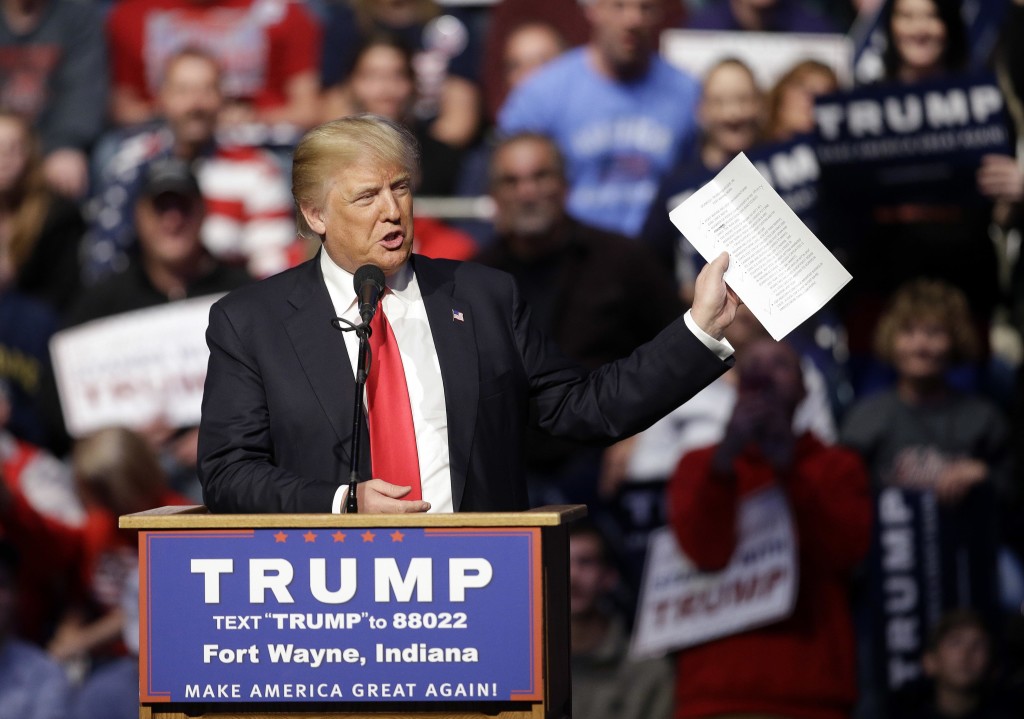
Donald Trump has a Plan B if he’s faced with a contested convention, and it involves the sort of outside groups that he’s called “corrupt.” While the billionaire businessman might lock up the Republican presidential nomination in the next five weeks of voting, he and his allies are simultaneously undertaking a parallel effort in case he falls short. Outside groups, including one led by longtime Trump political ally Roger Stone, and a loose collection of colorful supporters such as “Bikers for Trump” are organizing ahead of the July convention in Cleveland. They’re soliciting money to pay for their transportation and housing, and they’re already trying to influence the mood of the convention with a social media campaign saying that anything short of a Trump nomination would be “stealing.” “Our principal focus right now is Cleveland,” Stone said of his group, called Stop the Steal. “We want to bring as large a contingent as possible to demonstrate the breadth of Trump’s appeal so that the party can see graphically what they’re going to lose if they hijack the nomination from him.” Stop the Steal and other groups are gaining steam even though Trump has insisted he wants no donor help for his bid and is beholden to no one. Super political action committees “are a disaster, by the way, folks,” Trump said at a Republican debate in March. “Very corrupt.” Stop the Steal is not technically a super PAC, but it operates under very similar rules. This past week, Trump’s lawyers sent the Federal Election Commission a letter renewing the campaign’s disavowal of groups using his “name, image, likeness, or slogans in connection with soliciting contributions.” All the groups planning Cleveland activities repeatedly use his name in their literature. Trump set the stage for what the outside groups are doing by making provocative comments about the complex way Republicans pick a nominee — “rigged,” he calls it. Voters weigh in, but each state has its own rules about what delegates go to the convention and how they must vote on a presidential candidate while they’re there. Stop the Steal and other Trump fans are pushing a similar message on social media and websites. “The big steal is in full swing,” one online letter says, calling unfriendly delegates “stooges.” The Stone-led Cleveland coalition includes We Will Walk, Bikers for Trump, Citizens for Trump and Women for Trump. Stone said the goal is to bring thousands of people to march peacefully in the streets. “We are prepared to bring the Republican Party down if they mess with Trump and try to take it away from him by doing the dirty tricks,” said Paul Nagy, a New Hampshire Republican. He runs We Will Walk, a group that has collected more than 41,000 online signatures of people who say Trump deserves the nomination. The public relations offensive is a counterpart to GOP rival Ted Cruz‘s carefully crafted, labor-intensive strategy of recruiting friendly delegates in hopes he can win if Trump falls short on the first ballot of voting. This weekend in Arizona, Cruz won another strategic victory over Trump, getting numerous friendly delegates elected to head to Cleveland while the Trump backers appeared to be virtually shut out. Those delegates are required to first vote for Trump at the convention because he won the state, but they could later switch their votes to Cruz. While Cruz is playing within the party’s rules, Trump’s claim that what Cruz is doing amounts to “stealing” resonates with voters. In mid-April, after Cruz swept Colorado’s elected delegates, stay-at-home mom Erin Behrens said she felt sick about what was happening to her candidate. So Stop the Steal helped her organize protests in the state. Stone and an ally, Greg Lewis, flew in to help Behrens answer email and arrange a rally. At the April 15 event in Denver, about 200 demonstrators waved banners that read “Banana Republicans” and chanted “Stop the Steal!” Behrens said in an interview last week that she’s continuing to organize Trump supporters in Colorado. “If there’s funny business and they make it clear they’re going to not give it to Trump, Stop the Steal Cleveland will be one thing,” she said. “But we will have protests, events across the United States. Count on it.” A good chunk of what the outside groups are doing now is fundraising. “Bottom line we need to raise $262,000 in the next two weeks,” Stop the Steal’s website says. “If you can’t make it to Cleveland will you help those who can? Will you send $500, $200 or even $100 to this crucial effort?” A different pro-Trump group, Great America PAC, also is raising money for a Cleveland effort. This one is led by William Doddridge, chief executive officer of the Jewelry Exchange. Its commercials warn that “party elites” will try to seize the nomination from Trump at the convention and suggest that people stop that from happening by calling an 800 number and giving money. It needs the help. The group’s latest fundraising report, covering through the end of March, shows it is more than $600,000 in debt. The super PAC can take unlimited contributions from individuals, corporations and unions. Trump’s lawyers have specifically asked it to cease operations. Stop the Steal isn’t a super PAC, the category of outside group that attracts the most ire from Trump, Stone said. But it’s a distinction without a difference. It is organized as a political nonprofit “527” group that files periodic disclosure reports about its donors and spending with the Internal Revenue Service rather than the Federal Election Commission. Like an FEC-monitored super PAC, a 527 can take unlimited amounts of money from individuals, corporations and unions. Republished with permission of the Associated Press.
