
David Ketchen: A bill to regulate franchising is a bad idea for Alabama
Having taught a university course on franchising for more than a decade, I interact regularly with franchisors and franchisees. Senate Bill 129 – a bill to regulate franchising – has the laudable goal of protecting franchisees from exploitation by their much larger franchisors. But, as the old saying goes, the road to hell is paved with good intentions. Advocates of the bill ignore that franchisees already enjoy ample protection. Franchising’s rise in the 1950s and 1960s helped companies such as McDonald’s and Holiday Inn become household names. When money is flowing, shady people soon arrive on the scene. By the 1970s, some franchisors were collecting fees from franchisees and returning nothing but empty promises. This led the Federal Trade Commission to tightly regulate the franchise relationship starting in 1979. Today, forty years later, franchisors must provide transparency by law. Specifically, they must give potential franchisee a detailed Franchisee Disclosure Document (FDD) that lists 23 sets of information, including all fees the franchisor collects, the franchisor’s history (if any) of litigation, recent financial statements, and 20 other pertinent items. At the state level, the franchising relationship is governed by all laws pertaining to business fraud. Many problems franchisees encounter are their own creation. FDDs often run hundreds of pages and franchise contracts are complex. Franchisees should have an attorney who specializes in franchise law review these documents before buying a franchise, but some do not. Others are not aware of their rights. One franchisee lamented to me that her franchisor required her to buy bottled water from its endorsed supplier and the price was higher than what she would pay Sam’s Club for the water. She was unaware that the U.S. Supreme Court determined in 1971 that franchisees cannot be required to purchase an item from a specific supplier unless that item is central to the franchisor’s brand, such as KFC’s secret spices. A new state law regulating franchising will not address these problems. It will, however, impose costs that ultimately trickle down to consumers and make it more difficult for franchises to thrive in our state. A minority of states regulate franchising, including California, Oregon, and New York. Some franchisors avoid operating in such states because the added costs of doing business make success there less likely. Let’s not join California, Oregon, and New York in being hostile to franchisors who want to do business in Alabama. See additional articles on Senate Bill 129 by Kim McCutcheon and Grover Norquist. Dave Ketchen serves as Harbert Eminent Scholar and Professor of Management at Auburn University.
Luther Strange joins national fight against illegal debt collections
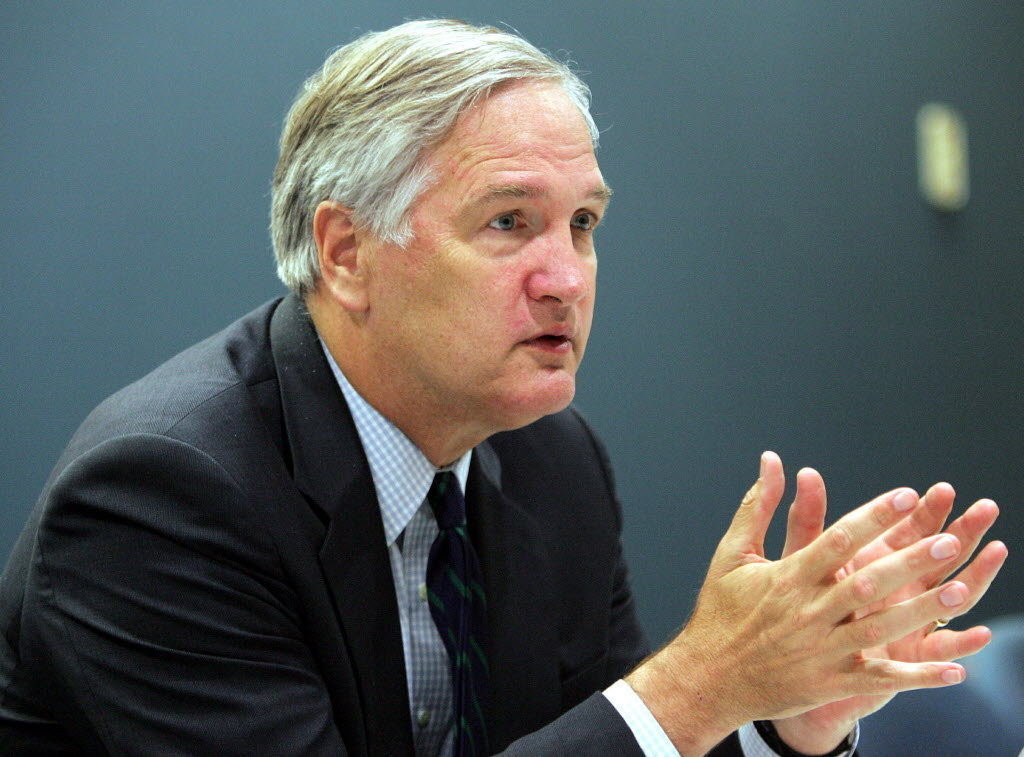
Alabama Attorney General Luther Strange said Wednesday he’ll join a coalition of consumer and government groups in weeding out fraudulent and deceptive practices in the nation’s burgeoning debt-collection industry. Strange will team up with the Federal Trade Commission as part of their new “Operation Collection Protection” initiative, which aims to root out bad actors in debt litigation, sales, and swapping. “Consumers deserve for debt collections to be handled in an appropriate and legal manner,” said Strange, the state’s highest-ranking prosecutor. “My office is committed to assist consumers who are suffering from mistreatment in debt collections, and to ensure more fair practices.” A news release trumpeted Strange’s efforts to lead the state’s participation in a recent settlement with Chase Bank USA which has so far turned over about $65,000 to 85 Alabama consumers as part of an estimated $50 million settlement after Chase admitted fault in its credit card collection practices. The case was spurred in part by Operation Collection Protection, which said Wednesday it will pursue 110 new actions against coercive or fraudulent collectors. Strange also urged Alabamians to call his office’s Consumer Protection Section if they suspect they are being subjected to illegal debt collection practices, or to visit the division’s website at ago.alabama.gov. Operation Collection Protection initiated approximately 118 actions, according to Strange’s statement, some of which have resulted in debt collectors being barred or suspended. The endeavor has secured more than $180 million in monetary relief and $300 million in judgments and brought criminal charges against some 15 defendants. Strange, a Republican, was first elected in 2010 and subsequently re-elected last November.
Hillary Clinton questions plans for health insurers to merge
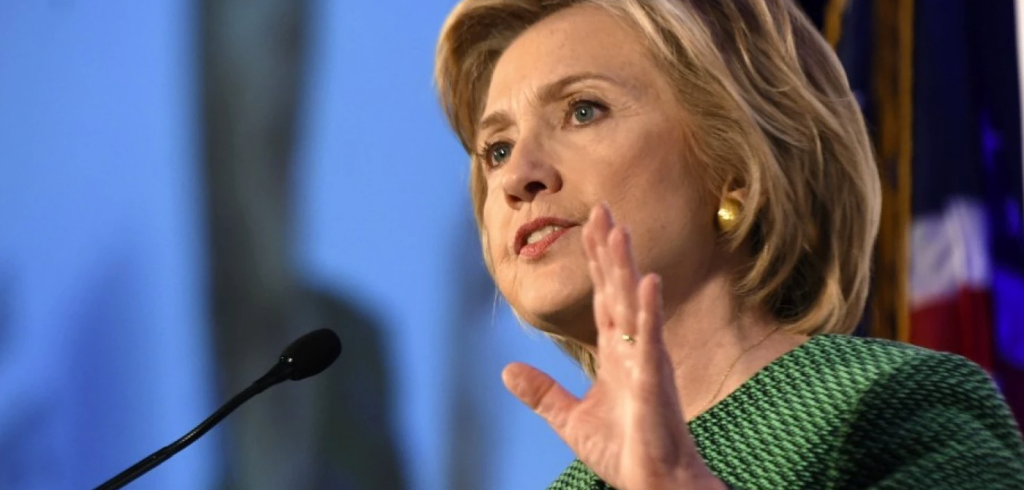
Hillary Rodham Clinton warned Wednesday that two major health insurers preparing multibillion dollar acquisitions could tip “the balance of power” too far away from consumers. The Democratic presidential candidate said in a statement she had “serious concerns” with the proposed acquisition of Cigna by Blue Cross-Blue Shield insurer Anthem, and plans by Aetna to acquire Medicare Advantage coverage provider Humana. Clinton said the planned merger between Anthem and Cigna could raise market concentration in New Hampshire – home of the nation’s first presidential primary – to “excessive levels.” She said both deals would concentrate competition in other U.S. markets. Anthem plans to buy Cigna for $48 billion, while Aetna wants to acquire Humana for about $35 billion in a wave of consolidation within the health insurance industry. Before the deals can close, the Justice Department must decide whether the mergers would make the companies so dominant that they could create a competitive imbalance. That review is expected to last several months. Clinton said she is skeptical that consumers would benefit because “too often the companies end up pocketing profits rather than passing savings to consumers.” Clinton said if elected she would strengthen the antitrust enforcement arms of the Justice Department and the Federal Trade Commission and appoint “aggressive regulators” to address concentration in the health care industry and other sectors. Republished with permission of The Associated Press.
