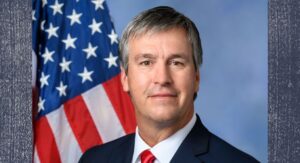
Bradley Byrne: The House is working for the American people
Last week in Washington, all eyes were on the Senate Intelligence Committee where former FBI Director James Comey was sent to testify. The hearing was a media circus. News outlets used countdown clocks in the lead up to the “big moment.” Of course it is important to get to the bottom of Russia’s involvement in the 2016 election. That is why committees in Congress and a special counsel are working diligently to get answers. Unfortunately, many think the issue should be litigated in the media instead of through the proper legal process. We should follow the facts and the law and nothing but the facts and the law. What the news media was not talking about last week was our efforts in the House to stick true to our word and enact a commonsense, conservative agenda. We are getting the work done that the American people elected us to do. Consider these numbers: to date the Republican-led House has passed over 158 bills, making us the most productive in the modern era. On top of that, President Trump has signed 37 bills into law, which places him ahead of the last four presidential administrations. We are getting things done. So what exactly are we accomplishing? Everything from passing a bill to repeal and replace Obamacare to enacting a whole range of bills focused on rolling back burdensome regulations that are restricting economic growth. Just this past week we passed a range of bills addressing a range of issues important to the American people, including financial regulations and border security. First, we passed a bill to dismantle the Dodd-Frank law passed by Democrats in 2010. We were promised that the Dodd-Frank Act would be a major win for the American consumer. Instead, big bank bailouts were enshrined in law while small banks and credit unions that people in Southwest Alabama rely upon are drowning in regulations and red tape, making it harder for them to serve their customers and threatening their existence. In fact, studies show that at least one small bank or credit union close each day due to Dodd-Frank. That is why the House passed the Financial CHOICE Act last week, sending a clear message that Main Street comes before Wall Street. The bill officially ends the policy of “too big to fail” and puts a stop to bank bailouts. Just as important, the bill increases consumer protections and simplifies systems to ensure they cannot be gamed by the well-connected and powerful. It is all about increasing opportunities for hardworking Americans and small businesses. Second, we passed the Anti-Border Corruption Reauthorization Act of 2017, which will make it easier to fight illegal immigration and secure the border. Our border protection programs are currently severely understaffed. In fact, the numbers show that we are short 1,000 officers and 1,800 Border Patrol Agents. This shortage is making it harder to secure the border and keep bad guys out of our country. That is where our bill comes it. It will allow us to expedite the hiring of border patrol agents when the individuals have previously served in law enforcement or in the military. These are the exact kind of people we need working to secure the border. As you can see, in the House of Representatives, we refuse to have our agenda thrown off course. Even more, we are continuing to making important progress on other priorities like tax reform, rebuilding the military, and fixing our nation’s infrastructure. I pledge to continue to keep my head down and focus on the issues you elected me to tackle. We must get the job done. • • • Bradley Byrne is a member of U.S. Congress representing Alabama’s 1st Congressional District.
Terri Sewell votes against bill aimed at reversing Dodd-Frank financial regulations
The U.S. House of Representatives voted Thursday to deliver on their promise to repeal Dodd-Frank — the sweeping set of financial regulations imposed on Wall Street that former President Barack Obama signed into law following the 2008 financial crisis. H.R. 10: the Financial CHOICE (Creating Hope and Opportunity for Investors, Consumers and Entrepreneurs) Act is intended to end taxpayer-funded bailouts of Wall Street banks and create more opportunities for Americans on Main Street, but the Alabama delegation’s sole Democrat, 7th District U.S. Rep. Terri Sewell, says the bill would actually “eliminate consumer protections designed to deter abuse by predatory lenders and large financial institutions.” “I voted against the Wrong CHOICE Act because it erases financial protections for American families and eliminates the safeguards enacted to protect against another financial crisis,” said Sewell. “In Alabama, we all remember the devastating impact the recession had on families in our communities.” Sewell continued, “Between the home foreclosures, rising unemployment, and the families whose dreams were stripped away to pay for Wall Street’s mistakes, it is hard to forget. It is unacceptable that only a decade later, Congress is rolling back key financial reforms enacted under the Obama Administration. We cannot go back to a time when predatory lenders and other bad actors abused consumers and brought our economy to the brink of collapse.” The remainder of the Alabama delegation voted in favor of the bill, which passed the House 233-186 along party lines.
GOP House panel takes first step to gut Dodd-Frank law
House Republicans took a major step toward their long-promised goal of unwinding the stricter financial rules created after the 2008 crisis, pushing forward sweeping legislation that would undo much of President Barack Obama‘s landmark banking law. A House panel on Thursday approved Republican-written legislation that would gut much of the Dodd-Frank law enacted by Democrats and signed by Obama in the wake of the financial crisis and the Great Recession. The party-line vote in the Republican-led House Financial Services Committee was 34-26. “I can’t do a good James Brown, but I feel good,” said Rep. Jeb Hensarling, the normally reserved Republican chairman of the committee, referring to the singer often called the godfather of soul. Hensarling wrote much of the overhaul legislation. Republicans argued that the Dodd-Frank law is slowing economic growth because of the cost of compliance and by curbing lending. Democrats warned the GOP bill will create the same conditions that led to the financial crisis and pushed the economy to the brink of collapse. Rep. Maxine Waters, the panel’s senior Democrat, called it “a deeply misguided measure that would bring harm to consumers, investors and our whole economy.” “The bill is rotten to the core and incredibly divisive,” Waters said. “It’s also dead on arrival in the Senate, and has no chance of becoming law.” After attempts in recent years to overhaul the Dodd-Frank legislation, the Republicans were heartened this time by a sympathetic Republican president now in the White House. President Donald Trump has denounced Dodd-Frank and promised that his administration would “do a big number” on it. Still, getting the new bill to Trump’s desk could be a hard road. It now goes to the GOP-dominated House for a vote, but supporters admit that the path will be much more difficult in the Senate, where Democratic support will be needed. In a fast-moving session following two days of laborious debate, the panel flew through a series of votes on amendments, as the majority Republicans easily beat back Democrats’ attempts to reshape and soften the legislation. The bill would repeal about 40 provisions of the Dodd-Frank Act. Banks could qualify for much of the regulatory relief in the bill so long as they meet a strict basic requirement for building capital to cover unexpected big losses. Republicans argued that big banks have done well under Dodd-Frank, but that community banks and credit unions are struggling to keep up with the regulatory burdens imposed by the law. “This economy is poised to take off, but it’s not going to take off as long as Dodd-Frank in its current form remains on the book,” Hensarling said. “It’s important that we get tax reform done. It’s important we get health care reform done, but it’s also important we pass the Financial Choice Act.” While the measure is expected to pass the full House, in the Senate, it will need 60 votes to become reality, meaning the GOP will need several Democrats to join their effort. Leaders of the Senate panel with jurisdiction over a Dodd-Frank overhaul have said they would like to work together to find areas of common agreement to enhance economic growth. Such agreement was nonexistent during the House hearings this week. Instead, the hearings turned into a contentious debate over Democratic efforts to cast a spotlight on President Donald Trump’s business empire and his refusal to release his tax returns. The Republican bill also goes after an agency that enforces consumer protection laws and scrutinizes the practices of virtually any business selling financial products and services. That ranges from credit card companies to mortgage servicers to auto lenders. The bill removes some of the Consumer Financial Protection Bureau’s powers and replaces its guaranteed funding from the Federal Reserve with whatever Congress determines would be the appropriate amount, a move Democrats said would gut the agency. The advocacy group Consumers Union criticized the legislation, saying the consumer agency has worked to win almost $12 billion in refunds and relief for an estimated 29 million Americans. “This bill strips the CFPB of most of its power and would leave consumers vulnerable to fraud, hidden fees and costly gotchas by banks and unscrupulous financial firms,” said Pamela Banks, senior policy counsel for Consumers Union. Republished with permission of The Associated Press.