
Donald Trump endorsement could affect the special election ‘bigly’
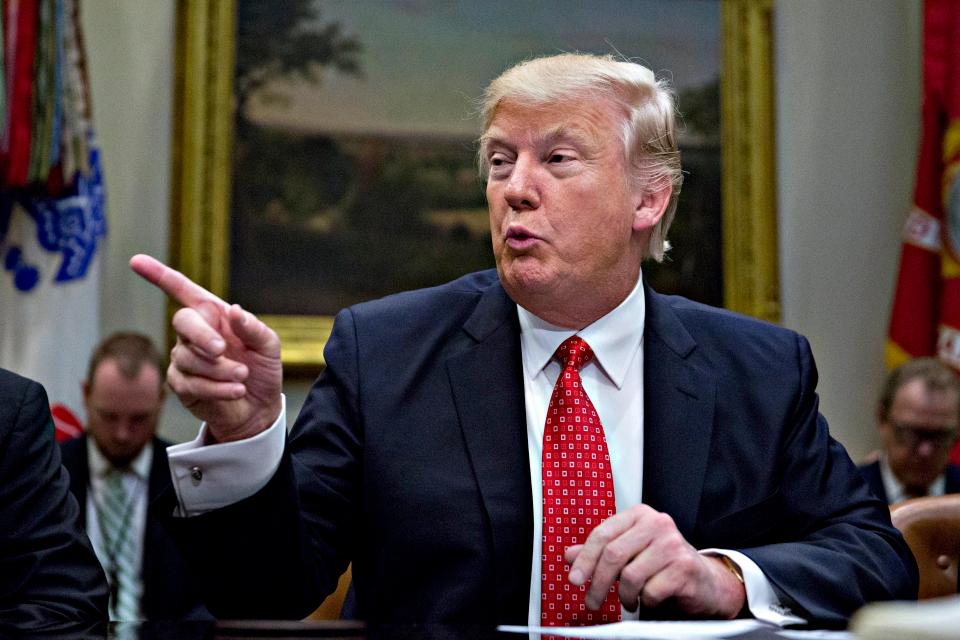
President Donald Trump endorsed sitting Sen. Luther Strange Tuesday, which means more in Alabama than just about anywhere else according to an analysis posted on FiveThirtyEight. Trump enjoys 85 percent job approval among likely primary voters despite his nationwide ratings hovering in the mid-30s. That high likability among voters has caused Strange and fellow Senate candidates Roy Moore and U.S. Rep. Mo Brooks to try to tie themselves “as tightly as possible” to the president, writes Harry Enten. The strategy is quite a reversal for the three Republicans, all of whom declined to endorse Trump during the presidential primary season last year, but times change. Despite his ties to Senate Majority Leader Mitch McConnell, disgraced former Gov. Robert Bentley and other establishment Republicans, Strange is polling far higher among Trump supporters than those that disapprove of the president. Though Moore polls equally well among Trump supporters, he pulls even more support from religious conservatives. The former Alabama Supreme Court Justice has 38 percent support among likely voters who identify as evangelical Christians, the best numbers of the nine Republicans in the race, though he only pulls 14 percent of those who don’t identify as evangelical. Brooks, who comes in third place in most polls, is in opposite land: His base of support comes from voters who view Trump negatively. That is likely due to the many ads by McConnell’s committee, Senate Leadership Fund, attacking the CD 5 congressman for being “insufficiently pro-Trump,” since by all metrics Brooks is one of the more conservative Republicans in the House. He has a very conservative voting record, is a member of the Freedom Caucus, has the backing of Sean Hannity and has courted conservative outside groups during the campaign. Strange and Moore are jockeying for first place in the nine-way primary race. The same poll showed Brooks with 18 percent support, followed by state Sen. Trip Pittman with 8 percent and Alabama Christian Coalition president Randy Brinson with 2 percent. Eleven percent were undecided. Unless one of the candidates can secure a majority of the vote in the Aug. 15 primary, Alabamians will have to decide between the top two vote-getters in a Sept. 26 runoff. The general election is slated for December 12.
FiveThirtyEight ranks Alabama strongest college football team in history
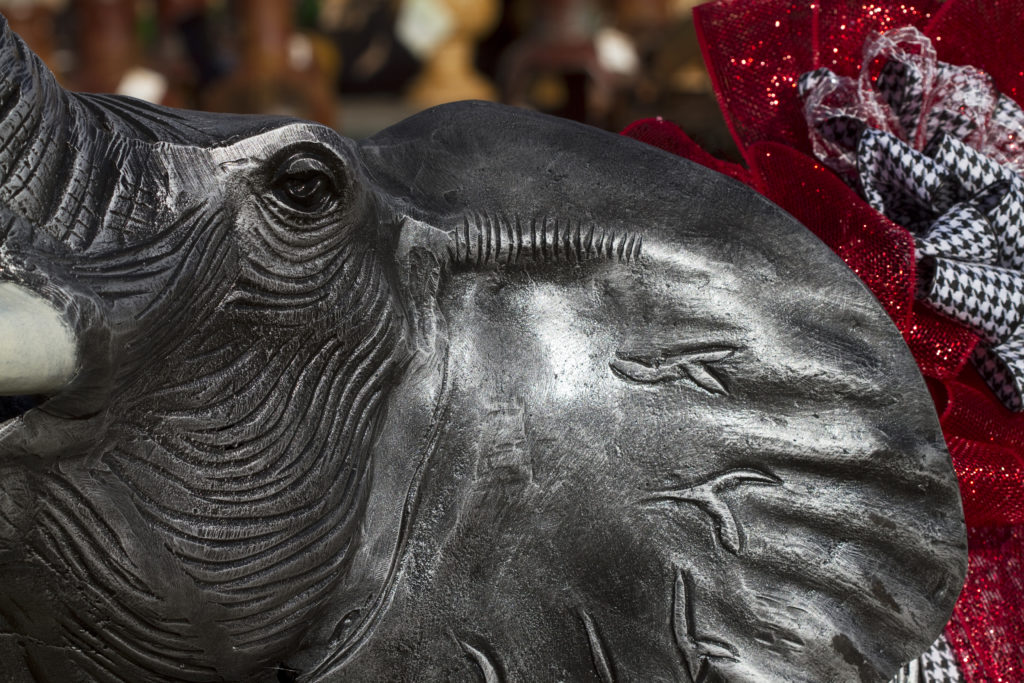
Alabama beat Florida in Saturday’s SEC conference championship game, securing a spot in the College Football Playoff, and becoming the greatest college team of the past 80 years. The Crimson Tide needed to defeat Florida by 11 or more points to surpass the 1995 Nebraska Cornhuskers for No. 1, according to FiveThirtyEight’s Elo power rating. In fact, they whipped the Gators by 38 points, putting ’Bama ahead of any team in the history of The Associated Press poll, which began in 1936. For many college teams, the pinnacle of this year’s Elo ranking coincided with the end of the schedule. However, in the case of Alabama, the Crimson Tide needed to be both Washington and in the winter of the Clemson-Ohio State game to become this year’s national champ. If they didn’t, says Neil Paine of FiveThirtyEight, Alabama would’ve peaked a bit too soon. Nevertheless, FiveThirtyEight.com notes that Nick Saban can now boast that his 2016 Alabama team is now the strongest team in the modern college football era.
