
How popular are Alabama’s senators?
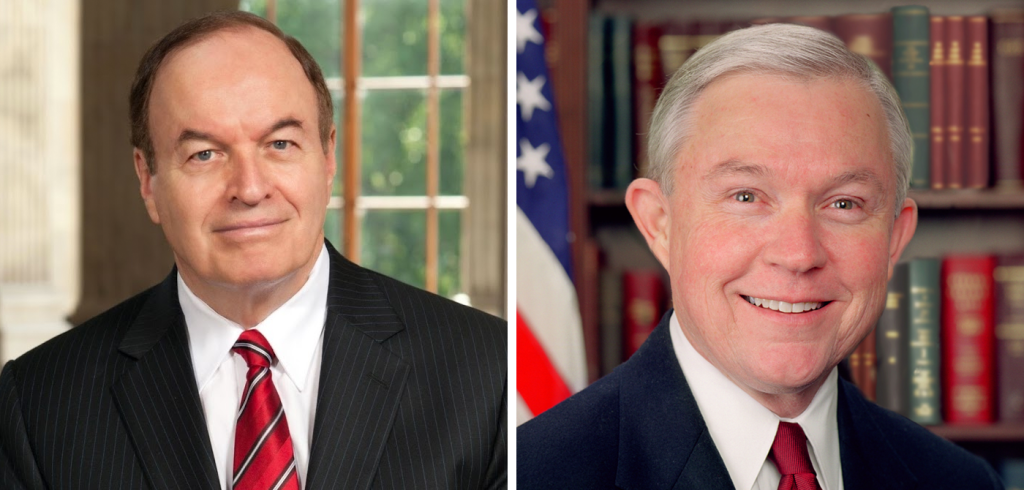
It’s no surprise, Congress’ public approval rating is abysmal — a vast majority of Americans continue to disapprove of the job they’re doing. According to Gallup polling the rating has been stuck in the mid-teens for over year, and has not exceeded 20 percent since October of 2012. Nevertheless some Americans actually really like particular members of Congress. A new survey by Morning Consult polled 62,000 registered voters in all 50 states as to what they thought about the job their senators are doing. The results: despite the overall Congressional approval rating, some senators rate highly in their home states among constituents. The top five most popular senators in America: Bernie Sanders (I-VT) Susan Collins (R-ME) John Hoeven (R-ND) Angus King (I-ME) Patrick Leahy (D-VT) The five least popular senators in America: Mitch McConnell (R-KY) Pat Roberts (R-KS) John McCain (R-AZ) Orrin Hatch (R-UT) Harry Reid (D-NV) As for Alabama’s senators, long-time Republican Senator Richard Shelby ranks as the 16th most liked senator with a 59% approval rating. Perhaps more surprisingly is that Tea Party darling Sen. Jeff Sessions is solidly in the middle of the pack ranked 33rd overall with a 54% approval rating.
Marc Yacht: The voters are angry and unhappy
The late singer Ted Lewis in top hat, cane and tuxedo would look straight at the audience and ask, “Is everybody happy?” He would go on to sing, “Me and My Shadow” or any number of songs in his repertoire. The audience laughed then, but there would be little amusement today. Very few are happy. Democrats and Republicans disagree on most issues, but they are kindred spirits in their distaste for political leadership. According to numerous Pew Research Center polls, Americans have lost confidence in traditional politics. Voters feel betrayed. Republican distaste for Democrats and President Barack Obama runs much deeper than suggested racial bias. The Democratic disdain for Republicans has to do with congressional gridlocks and the GOP’s attitudes about the poor and women’s rights. The popularity of Donald Trump and Bernie Sanders shows the parties’ failure to deliver what voters expected. Republicans and Democrats feel abandoned and are convinced that big money drives the political agenda. They have been lied to and deceived for decades and are right. Now, the birds are coming home to roost. At stake is the future of the two-party system. Trump may hold the key to Republican survival. Sanders’ popularity may not destroy the Democrats but should change their direction and focus. Despite arguments by the Obama administration that the economy is better, the middle and working classes are not seeing this in their wages and lifestyle. What they are seeing is an abuse by corporate executives to fatten their wallets while using lobbying influence to undermine wages. The middle class now feels this pinch. Frontline plant workers have suffered stagnant wages for decades. Many of those workers have been staunch Republicans but cannot ignore inadequate incomes. Furthermore, the future appears bleak. The millionaires, billionaires, corporations and Wall Street are the villains. People believe that generous bonuses were paid to executives with money that was supposed to assist people who were losing their homes. Few were helped. Called “corporate welfare,” the abuses continue. Neither Republicans nor Democrats have digested that betrayal, though each side blames the other. Both sides are to blame. There has been no accountability for the flagrant fiscal abuse. All voters are frightened of terrorism. Recent events in Europe and California perpetrated by extremist Muslims have Americans scared. Irresponsible media pundits are whipping up hate but clearly more is needed in the way of policy than Muslim appeasement. A lack of a sound immigration policy angers voters. Political correctness is thwarting needed action. The public needs to know what is being done to identify Muslim extremist groups to avert further tragedies. Congressional gridlock has angered both sides. People expect Congress to function and many voters are abandoning their party leaders because of the dysfunction. A Gallup poll says that Americans believe that government is to blame for the sluggish economy, lack of jobs and immigration chaos. Politicians are seen as abrogating their responsibility to the people who elected them. The U.S. is losing respect internationally. Americans note that other rich nations see a divided America becoming more estranged from its citizens. Trump and Sanders have tapped into the angry American voter. Both parties may have lost the confidence of their constituents. Once trust is lost, it is very difficult to regain. The parties have neglected their voters for too long. If the Republican leaders are successful and derail Trump, how will Republican voters react? If the Democrat leadership marginalizes Sanders, how will Democratic voters respond? Voters on both sides agree that we need politicians who will serve the public. Most voters feel elected officials have failed them. *** Dr. Marc Yacht, MD, MPH is a retired physician living in Hudson Florida.
Gallup: Jeb Bush’s image among Republicans declines
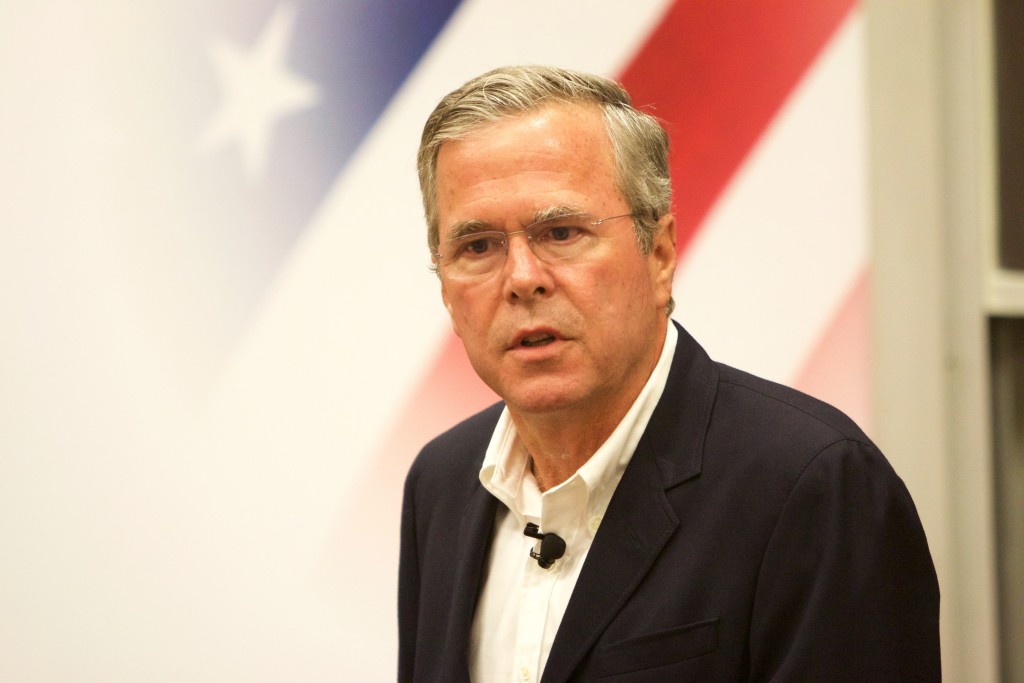
Jeb Bush’s image among Republicans has worsened, according to a new Gallup poll. Forty-five percent of Republicans and Republican-leaning independents said they had an unfavorable opinion of the former Florida governor. The results reflect voters opinions between Dec. 18 and Jan. 5. That support, the poll found, is significantly lower than his position in July, when 54 percent of Republicans and Republican-leaning independents said they had a favorable opinion of Bush. Frank Newport of gallup.com reported that Bush’s -1 net favorable rating is the “worst of any major GOP candidate – lower than John Kasich’s +5, and well below seven other GOP candidates Gallup is tracking.” Ted Cruz tops the list during the two-week period, with 61 percent of Republicans and Republican-leaning independents saying they had a favorable opinion of the Texas senator. Cruz has a +45 net favorable rating. Marco Rubio has a +35 net favorable rating, with 55 percent of people saying they had a favorable view of the Florida senator during the two-week period. He came in third in Gallup’s net favorable rankings, ahead of Ben Carson, who has a +40 net favorable rating. Carly Fiorina, Donald Trump and Chris Christie all have net favorable ratings in the +23 to +25 range. Bush went from being the presumed front-runner to lagging in the polls. National polling averages show he is in sixth place, with 3.3 percent support. Trump continues to lead the pack, national polling averages show, with 35.3 percent support. Bush has spent a considerable amount of time in early voting states in recent weeks as he tries to gain momentum in advance of the country’s first primaries. The Iowa caucuses are Feb. 1; the New Hampshire primary follows a week later, on Feb. 9.
