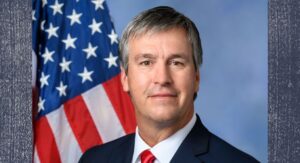
Luther Strange weighs in on Alabama lottery legislation
Various lottery bills are being considered by Alabama state lawmakers Tuesday, but Alabama Attorney General Luther Strange doesn’t support any of them. Strange released a statement Tuesday morning, calling the proposed state lottery a “Band-Aid” for the state’s ongoing budget shortfall. “I am personally opposed to any lottery to fund state government,” said Strange. “I believe the lottery is, at best, a Band-Aid on the state’s budgetary problems and will not provide the kind of longterm solution we need.” He also said he believes one of the lottery proposals could open loopholes that would lead to casino gambling. Strange continued, “As attorney general, I have been approached by the Legislature to offer a legal interpretation of the impact of the various lottery proposals upon the state. My office has reviewed the governor’s proposed constitutional amendment (SB3). If the amendment passes as proposed and is followed by responsible enabling legislation, my legal team believes it will create a limited lottery without the kinds of loopholes that will lead to casino gambling or protracted litigation. However, if Sen. McClendon’s proposed constitutional amendment (SB11) passes, my legal team believes it will not only allow for a lottery, but will lead to casino gambling and protracted litigation.” A special session of the state Legislature began Monday to consider a state lottery. There, Gov. Robert Bentley is asking state lawmakers to approve a referendum that would allow state voters to decide whether or not Alabama should have a lottery. Bentley said a lottery could raise an estimated $225 million per year.
VictoryLand Casino sets Sept. 6 reopening date
VictoryLand Casino will re-open next month. The Macon County casino, which has been closed three years following a raid by the state Attorney General Luther Strange‘s office, will reopen its doors Sept. 6, according to a press release issued by Tuskegee Mayor Johnny Ford. Ford made the announcement Saturday saying the chairman of the Macon County Racing Commission Luther Curry was told the news by casino owner Milton McGregor. “I’m calling on all the people in Macon County to stand with [VictoryLand owner] Milton McGregor and make sure that when VictoryLand is opened on Sept. 6 that it stays open,” Ford said in the release. “[McGregor] promised that VictoryLand would reopen before the end of the summer, and Sept. 6 is good enough for us in Tuskegee/Macon County who have waited so long for our homegrown industry, which was illegally closed by Luther Strange, to be reopened.” VictoryLand was raided as part of a statewide crackdown on “illegal gambling” in 2013, devastating the Macon County economy, which has one of the highest unemployment rates in the state. McGregor said recently he’ll reopen with roughly 1,000 employees, down from the 2,000-plus the casino once employed.
Daily fantasy sports websites comply with Alabama Attorney General’s order to leave
Daily Fantasy Sports (DFS) websites DraftKings and FanDuel have reached an agreement with Alabama Attorney General Luther Strange to cease operations in the state after the AG’s office declared the relatively new practice to constitute illegal gambling last month. In DFS, participants pay to create a roster of players, then pit their roster against those of other participants. Whomever’s roster performs the best that day within a particular pool wins prize money through the site. “I am pleased to report that fantasy sports operators DraftKings and FanDuel have complied with my order that they halt paid contests within the State of Alabama,” said Strange. “As Attorney General, it is my duty to uphold Alabama law, including the laws against illegal gambling. The daily fantasy sports operations violate state law because a player stakes something of value on a contest of chance in order to win a prize. While there is a measure of skill involved in creating a fantasy sports roster, in the end, contestants have no control over the performance of the players on their rosters. This activity is illegal under Alabama law.” In addition to ceasing operations in the state, DraftKings and FanDuel must process user requests from Alabama-based IP addresses to withdraw their account balances within seven business days of receiving such requests, according to the AG’s office. According to Alabama Code Section 13A-20-12, a person participates in gambling if he or she “stakes or risks something of value upon the outcome of a contest of chance or a future contingent event not under his control or influence, upon an agreement or understanding that he or someone else will receive something of value in the event of a certain outcome.” Gambling in Alabama is illegal, with a few exceptions including buying securities and commodities, insurance, and some grandfathered activities. DFS sites often contend they are games of skill, not of chance, and thus aren’t covered under most states’ gambling laws, but Strange argues this is not sufficient to keep them legal in Alabama. Two bills which would have undone the AG’s actions are stalled indefinitely in their houses of origin in the Alabama Legislature. With only two days left in the 2016 Regular Session, it is now virtually impossible for either of them to be considered during this session.
Gambling not a problem in Alabama, will legislation change that?
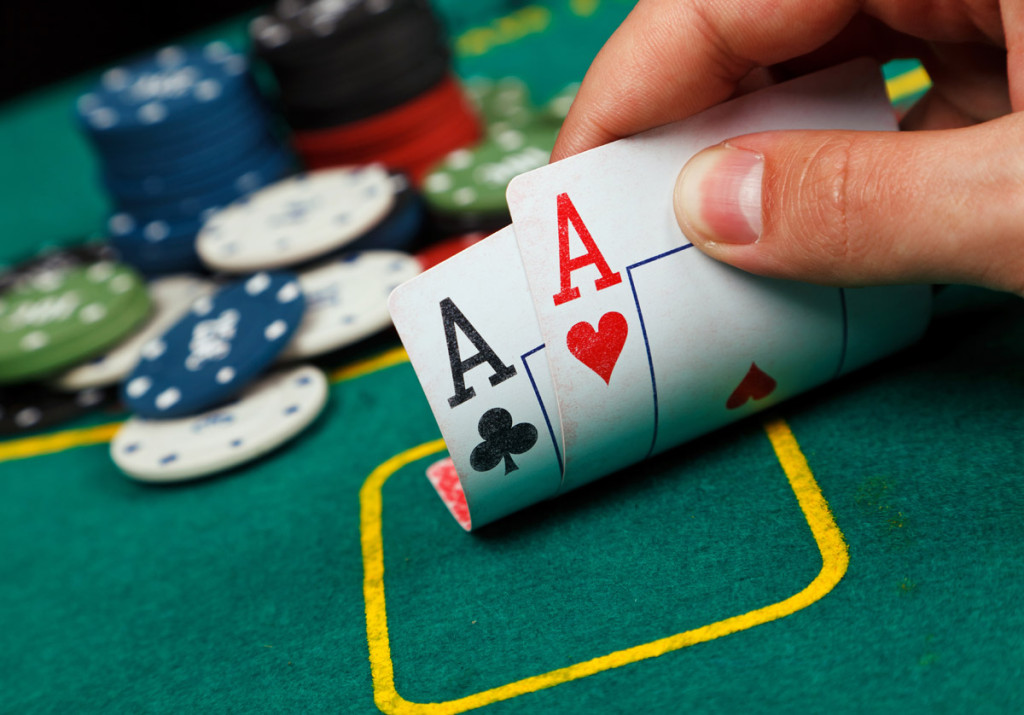
Alabama lawmakers on Tuesday begin the home stretch of the 2016 legislative session, and despite passing the state’s General Fund and Education budgets, one dilemma remains unsolved: the shortfall in the state’s Medicaid funding. With five legislative meeting days remaining, lawmakers in Montgomery are scrambling for creative fixes on how to handle a projected $85 million shortfall for next year’s Medicaid funding. Overtime lawmaking and special session looms in the Legislature’s future. Historically one of the most talked about, and most controversial, solutions to help generate revenue — a state lottery. Despite the fact Alabama could benefit greatly from the revenue a state lottery would generate — Missouri is expecting to generate “several million” dollars from fantasy contest regulation (an industry slated to rake in about $20 billion by 2020) and South Dakota has raised nearly $2.5 billion through its state lottery — state lawmakers appear poised to avoid a vote on the topic, letting another year tick by with no long-term budget solution. Being in the Bible Belt may be the biggest reason Alabamians have long opposed a state lottery, which was last voted on nearly 17 years ago under then-Gov. Don Siegelman. And new data from the personal finance website WalletHub may strengthen the debate against a state lottery — the Yellowhammer State ranks the 3rd least gambling-addicted state in America. Perhaps it’s simply a matter of access, but Alabamians are able to avoid the economic consequences of a gambling addiction, which affects slightly more than 2 percent of all U.S. adults. According to the Mayo Clinic, “gambling can stimulate the brain’s reward system much like drugs such as alcohol can, leading to addiction.” That addiction can lead to serious economic consequences. On a societal level, compulsive gambling costs an estimated $6 billion per year, according to a study by the National Council on Problem Gambling. Gambling addiction in Alabama (1=Most Addicted, 25=Avg.): 34th: Number of casinos per capita 34th: Number of gaming Machines per capita 44th: Lottery sales per Capita 40th: Number of gambling-related arrests per capita 20th: Legality of daily fantasy sports 18th: NCPG (National Council on Problem Gambling) affiliation Take a look at how Alabama’s gambling addiction, or rather lack thereof, compares to the rest of the country: Source: WalletHub Whether or not the Legislature will consider a state lottery to help fund the Medicaid shortfall during the remaining days of Legislative session remains to be seen.
VictoryLand electronic bingo machine bill fails in Senate
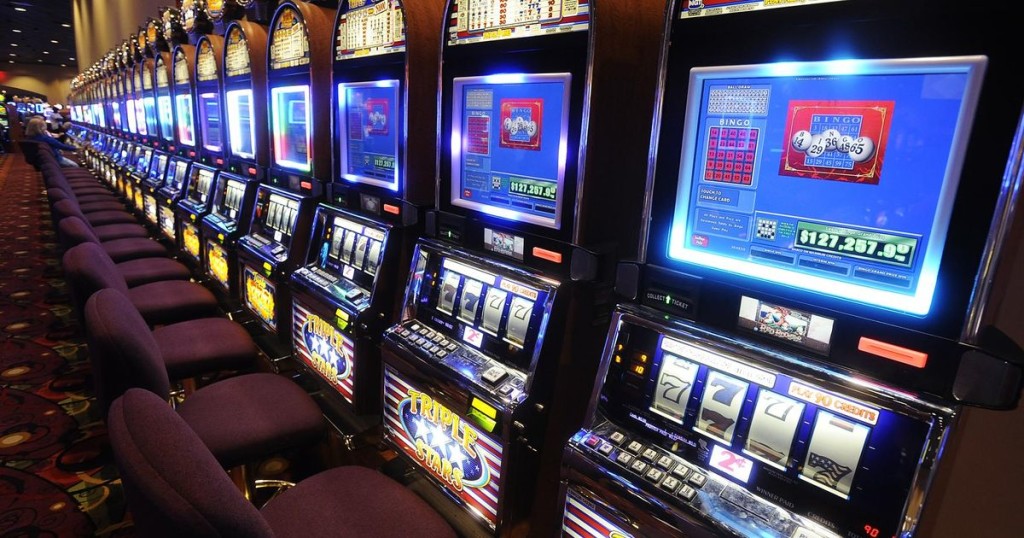
A bill that would have allowed electronic gambling machines at VictoryLand dog track failed on a procedural vote Tuesday night in the Alabama Senate. Filed by Sen. Billy Beasley (D-Clayton), SB320 — which would allow VictoryLand in Macon County to operate the same bingo machines being used by the Poarch Creek Indians at casinos in Wetumpka, Atmore and Montgomery — was narrowly supported 14-13 for debate, however, a three-fifths majority is required to debate bills before lawmakers pass state budgets. Beasley said the bill would stand to reinforce the current amendment allowing bingo in the county and help to recoup the more than 2,000 jobs lost when the gambling hall was closed down. Late last month, the Alabama Supreme Court ruled once again that electronic bingo is illegal in the Yellowhammer state, making the bill’s passage necessary to continue operations at VictoryLand. VictoryLand owner Milton McGregor has said he plans to reopen despite losing a three-year legal battle over the legality of electronic bingo machines. The VictoryLand bill was the second electronic bingo bill to fall short in the Alabama Senate this month. Last week, a proposal by Sen. Bobby Singleton (D-Greensboro) to add an amendment to the state constitution that would keep GreeneTrack’s bingo casino operational failed by four votes shy of the necessary 21.
GreeneTrack casino constitutional amendment fails in Alabama Senate
A proposal to add an amendment to the state constitution that would keep GreeneTrack’s bingo casino operational has failed. The amendment, sponsored by Sen. Bobby Singleton (D-Greensboro), failed Wednesday four votes shy of the necessary 21. Earlier this month, the Alabama Supreme Court’s ruled once again that electronic bingo is illegal in the Yellowhammer state, making the amendment’s passage necessary to continue operations at GreeneTrack. Singleton’s amendment would have limited “bingo gaming” in Greene County to “a licensed racetrack where pari-mutuel wagering is currently legal”; defined bingo to allow it to be played on electronic machines; and it would have transferred oversight of bingo from the sheriff to a Greene County Gaming Commission.
Alabama Attorney General: Daily fantasy sports leagues are illegal gambling
Televisions, smartphones, and computers were flooded during the 2015-2016 football season with advertisements for a relatively new form of fantasy sports. Between FanDuel and DraftKings, sports fans across the country were inundated with commercials promising a fast-paced game with the potential for high payouts. But on Tuesday, Alabama Attorney General Luther Strange sent cease-and-desist letters to two Daily Fantasy Sports companies, after determining that paid daily fantasy sports contests constitute illegal gambling. In daily fantasy sports (DFS), participants pay to create a roster of players, then pit their roster against those of other participants. Whomever’s roster performs the best that day within a certain pool wins prize money through the site. “As Attorney General, it is my duty to uphold Alabama law, including the laws against illegal gambling,” said Strange in a news release Tuesday afternoon. “Daily fantasy sports operators claim that they operate legally under Alabama law. However, paid daily fantasy sports contests are in fact illegal gambling under Alabama law.” According to Alabama code section 13A-20-12, a person participates in gambling if he or she “stakes or risks something of value upon the outcome of a contest of chance or a future contingent event not under his control or influence, upon an agreement or understanding that he or someone else will receive something of value in the event of a certain outcome.” Gambling in Alabama is illegal, with a few exceptions including buying securities and commodities, insurance, and some grandfathered activities. DFS sites often contend they are games of skill, not of chance, and thus aren’t covered under most states’ gambling laws, but Strange contends this is not sufficient to keep them legal in Alabama. “There is, of course, a measure of skill involved in creating a fantasy roster,” wrote the AG’s office. “But in the end, contestants have no control over the performance of the players on their rosters. For example, a player could fall ill before a game, be injured in pre-game warm-ups, or miss a large portion of the game due to injury or equipment failure. All of these factors, and many more, are outside the control of a fantasy sports player. Thus, the results of paid daily fantasy sports contests depend to a large degree on chance.” Two bills currently stalled in committee, SB114 by Sen. Paul Sanford (R-Huntsville) and HB56 by Rep. Connie Rowe (R-Jasper) would each establish regulatory rules regarding fantasy sports games in the state. The bills would require contest operators to institute procedures for consumer protection, require audits of operators and provide penalties for those operating outside of the established regulations. Were they to be passed, the bills would undo Strange’s decision, making the industry immune from being considered a gambling operation in the state. AG Strange says Alabama is the twelfth state to declare DFS to be illegal.
VictoryLand owner plans to reopen despite losing legal fight
VictoryLand owner Milton McGregor says he will reopen his casino later this year despite losing a three-year legal battle over the legality of electronic bingo machines. McGregor in a Monday press conference said he hoped to have the casino open by early summer. McGregor criticized last week’s Alabama Supreme Court ruling that electronic gambling machines that had been seized are illegal. The court ruled that the state could keep 1,615 gambling machines seized from VictoryLand in a 2013 raid. McGregor said he has agreements with machine manufacturers to provide machines for the reopening. The casino’s planned reopening could set off a new legal battle over the machines. ___ Republished with permission of the Associated Press.
Luther Strange celebrates Alabama Supreme Court ruling against Victoryland
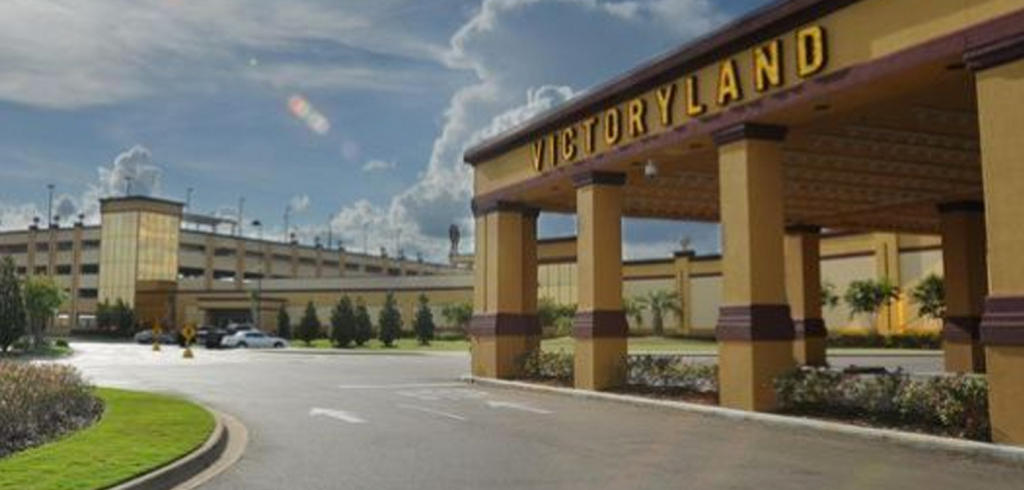
On Friday, Attorney General Luther Strange released a statement praising the Alabama Supreme Court for ruling against Victoryland in a case over the gambling hall’s use of electronic bingo machines. Strange called the ruling a “resounding victory for the rule of law and the definitive word that electronic bingo is illegal in Alabama.” “The Alabama Supreme Court’s ruling is abundantly clear that electronic bingo is illegal and repeated court challenges to the contrary will not change that fact,” Strange said in the statement. “I cannot say it any better than the court itself.” In it’s ruling, the state’s high court said the following: Today’s decision is the latest, and hopefully the last, chapter in the more than six years’ worth of attempts to defy the Alabama Constitution’s ban on ‘lotteries.’ It is the latest, and hopefully the last, chapter in the ongoing saga of attempts to defy the clear and repeated holdings of this Court beginning in 2009 that electronic machines like those at issue here are not the ‘bingo’ referenced in local bingo amendments. It is the latest, and hopefully the last, chapter in the failure of some local law-enforcement officials in this State to enforce the anti-gambling laws of this State they are sworn to uphold, thereby necessitating the exercise and performance by the attorney general of the authority and duty vested in him by law, as the chief law-enforcement officer of this State, to enforce the criminal laws of this State. And finally, it is the latest, and hopefully last, instance in which it is necessary to expend public funds to seek appellate review of the meaning of a simple term — ‘bingo’ – which, as reviewed above, has been declared over and over and over again by this Court. There is no longer any room for uncertainty, nor justification for continuing dispute, as to the meaning of that term. And certainly the need for any further expenditure of judicial resources, including the resources of this Court, to examine this issue is at an end. All that is left is for the law of this State to be enforced.” “I consider the work of my office in bringing the issue of electronic gambling to the courts for final judgement to now be complete,” Strange remarked. “It is now up to the Governor, ALEA, and local authorities to ensure that the law is properly enforced. I am proud of the work of the many local law enforcement jurisdictions who have performed their duty to enforce our laws and I am equally proud of my legal team in bringing this case and the question of electronic bingo to a successful conclusion.”
Fantasy sports, gambling could be big business for state
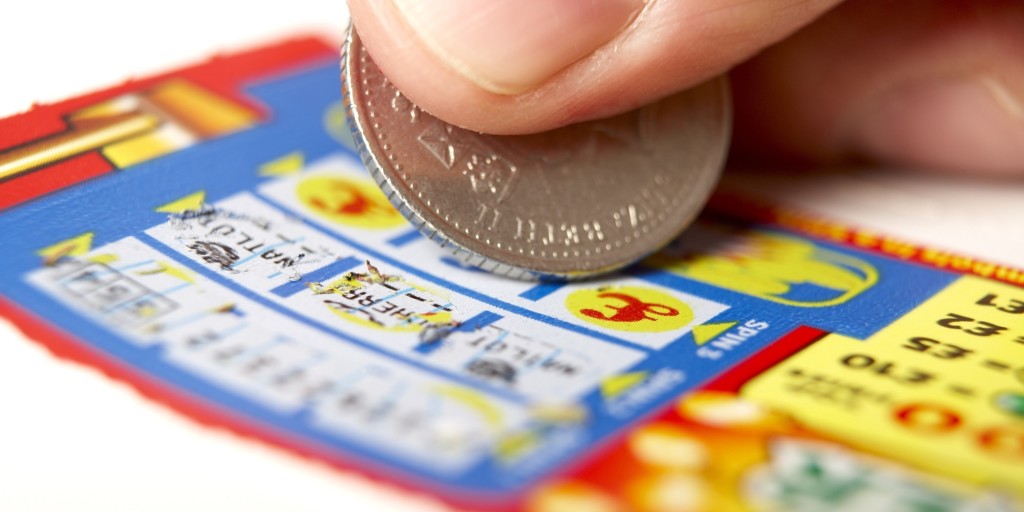
A slate of bills aimed at loosening Alabama’s gambling laws and setting the state up to benefit from the lucrative gaming industry have been slowly winding their ways through the legislative chambers this Session, but none have gained any real traction in a Legislative Session marred in controversy over ill-fated budgets and sexually explicit recordings. Despite that, the bills keep coming, aimed at regulating untapped gaming revenues and opening the doors to a state lottery and even full-on casino gambling. The first high-profile lottery bill was announced only days before the start of the Legislative Session. Sen. Jim McClendon (R-Springville) and Rep. Alan Harper (R-Northport) introduced SB19 and HB13, respectively, that offer a constitutional amendment to allow a state lottery to be established. The bill makes no mention of how the proceeds from such a lottery would be spent, it only allows for residents to vote on whether a lottery should be operated in the state. Legislators would be tasked with figuring out how to set up and allocate the proceeds next year. The Harper-McClendon legislation has passed hurdles in their respective committees, but so far has not come up for discussion on either floor Rep. Craig Ford (D-Gadsden) has offered four bills aimed at establishing the Alabama Lottery Commission and distributing the proceeds from the operation. HB10 would establish the commission, as well as the Lottery Trust Fund where profits would be stashed to fund college scholarships for qualifying students. HB208 establishes the Alabama Gaming Commission, which would oversee pari-mutuel wagering at county-approved racetracks and levy taxes on some establishments. HB209 is the meat and potatoes of 10 and establishes all of the commissions, corporations and funds required to oversee the proposed state lottery and gaming endeavors. HB278 allows the governor to negotiate a compact with the Poarch Creek Indians, who are currently the only operation allowed to offer slot-machine gaming in the state. Like the Harper-McClendon bills, Ford’s bills have gone before their required committees but have gained no real traction. Sen. Trip Pittman (R-Daphne) has offered his own lottery bill, SB232, which would allow Alabama to participate in other multistate lotteries and compel the legislature to establish rules regarding the enterprise. Pittman’s legislation has gone before committee but has not yet come out on the other side. Rep. John Knight (D-Montgomery) has offered HB263, which would simply repeal Alabama’s prohibition on a state lottery. Knight’s legislation was directed to committee in February but, so far, has gone nowhere. And while lottery and pari-mutuel gambling has long been a centerpiece of Alabama’s political discourse, a newcomer has made its way into the fold. Two bills have been filed to regulate fantasy sports contests in the state, possibly setting the state up to be involved in what has quickly become a multibillion operation. SB114 from Sen. Paul Sanford (R-Huntsville) and HB56 from Rep. Connie Rowe (R-Jasper) would both establish regulatory rules regarding fantasy contests in the state. The bills would require contest operators to institute procedures for consumer protection, require audits of operators and provide penalties for those operating outside of the established regulations. Further, the bill makes the industry immune from being considered a gambling operation in the state. Both have seemingly stalled in committee. Despite the fact Alabama could benefit greatly from the revenue that these types of gaming operations would generate – Missouri is expecting to generate “several million” dollars off of fantasy contest regulation (an industry slated to rake in about $20 billion by 2020) and South Dakota has raised nearly $2.5 billion through its state lottery – state lawmakers appear poised to avoid a vote on the topic and let another year tick by with no good answers on how to generate much-needed funding. Being in the Bible Belt may be the biggest reason Alabamians have long opposed such gaming operations, but it doesn’t hurt that organizations that run gambling enterprises, such as the Poarch Creek Indians, have funneled money into anti-gambling candidates’ campaigns. The New York Times reported in 2014 that the group had covertly spent $350,000 to fund anti-gambling candidates. And that wasn’t the first time. In the late 1990’s, Christian Coalition Chairman Ralph Reed was caught up in a scandal with GOP lobbyist Jack Abramoff. The duo funneled $1.3 million from the Choctaw Tribe to the Alabama Christian Coalition. The move was made to hide that the money had come from Choctaw gaming interests and used to fight video poker and a proposed lottery in the state.
Ala. AG Luther Strange clarifies state’s position on electronic bingo
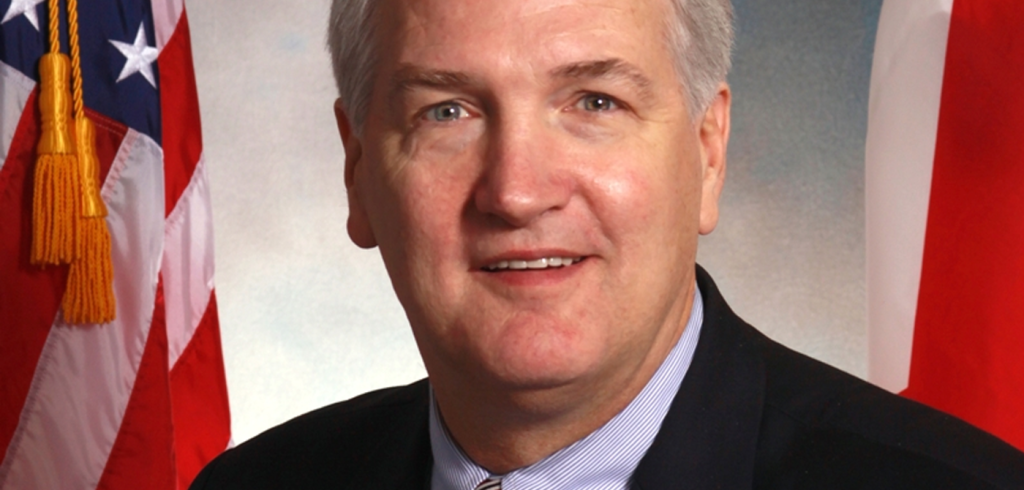
On Wednesday, Alabama Attorney General Luther Strange released a copy of his response to a request from United States Attorney George Beck, who asked for clarification on the state’s position on the legality of electronic bingo machines in the state March 21. The request specifically requested information regarding gaming on tribal and non-tribal property. In the letter, Strange notes that Beck’s request likely stemmed from a lawsuit between Strange and Tuskegee Mayor Johnny Ford. Ford sured Strange “several years ago,” but the suit was eventually dropped and Ford’s attorney sanctioned for filing a “legally frivolous lawsuit.” Strange goes on to note that neither “electronic bingo” or “bingo machines” appear in the Code of Alabama and only defines an illegal gambling device as “any device, machine, paraphernalia or equipment that is normally used or usable in the playing phases of any gambling activity, whether that activity consists of gambling between persons or gambling by a person involving the playing of a machine.” The Alabama Code further defines slot machines as “a gambling device that, as a result of the insertion of a coin or other object, operated, either completely automatically or which the aid of some physical act by the play, in such manner that, depending upon elements of chance, it may eject something of value,” a tenet that essentially outlaws electronic bingo machines in the state. Strange’s response goes continues that tribal gaming is overseen by the federal government and the National Indian Gaming Commission has ruled that federal law allows for electronic bingo machines to be operated on native land despite a state ban on the instruments. The response references multiple court rulings that have upheld Alabama’s stance that bingo machines are in fact illegal gambling devices, including a 2009 ruling from the U.S. District Court for the Northern District of Alabama. That court ruled that the way bingo machines operate “compel[s] the conclusion that the electronic bingo games at issue in this case constitute illegal slot machines under Alabama law.” In 2012, the Jefferson County Circuit Court found that “the devices before the Court are slot machines or gambling devices proscribed” by the Code of Alabama. The Houston County Circuit Court, and eventually the Alabama Supreme Court, came to the same conclusion. Strange notes his office negotiated memoranda of understanding (MOUs) with multiple out-of-state slot- machine companies in 2011, which required those companies to remove their devices from Alabama’s jurisdiction or “suffer civil and criminal penalties.” These entities have nothing to do with a tribal-state compact, as such a compact is an agreement between a tribe and a state. However, the Poarch Band of Creek Indians, which currently operates casinos in Atmore, Wetumpka and Montgomery, is not a party to any of those MOUs. Strange added that gambling regulators in other states have imposed fines on some slot-machine companies for their participation in illegal gambling in Alabama prior to 2011.
Committees OK bills to allow Alabama casinos to operate bingo machines
Committees approved two bills Wednesday aimed at gambling halls VictoryLand and GreeneTrack to resume operations without interference from state law enforcement. The Senate Committee on Tourism and Marketing approved SB320 from Sen. William Beasley (D-Clayton), which would allow VictoryLand in Macon County to operate the same bingo machines being used by the Poarch Creek Indians at casinos in Wetumpka, Atmore and Montgomery. Beasley’s bill would codify the legality of the machines and allow the now-closed casino to resume normal operations. He said the bill would stand to reinforce the current amendment allowing bingo in the county and help to recoup the more than 2,000 jobs lost when the gambling hall was closed down. The bill was approved with little discussion. The House Committee on Economic Development and Tourism approved HB419 from Rep. Artis McCampbell (D-Livingston), does essentially the same thing as Beasley’s: It codifies the legality of bingo on electronic devices used by Native American casinos and establishes a gaming commission to oversee the operations. However, McCampbell’s legislation is a constitutional amendment, which means that, if it is passed by the legislature, the voters of Greene County would have the final say in whether or not is in enacted. Beasley’s bill will have to go before the governor if it is able to clear the legislature. Gov. Robert Bentley said last year that he has no further plans to go after gambling operations in the state. Further, Attorney General Luther Strange, who had previously taken the lead in unraveling many state gaming operations, has demonstrated an unwillingness to attack such operations recently. The two bills aim to ensure that the gambling halls are safe from prosecution once Bentley’s time has expired. After gaining favorable reports, both bills are slated to go before their respective houses when the legislative session resumes April 5.