
Robert Bentley says Alabama will see cuts in Medicaid services due to budget

Following the Alabama Legislature’s vote to override Gov. Robert Bentley‘s veto of the General Fund budget, Bentley announced announced at a press conference Wednesday the Alabama Medicaid Agency is considering several significant cuts to their services in an effort to operate within the means of the new 2017 budget. Bentley said the budget comes up $85 million short of what the federal government requires for assistance. “For a number of years we have tried to make our Medicaid agency more effective, more steam-lined, and more efficient,” Bentley said. “We have tried to improve the lives of the people in this state, the one million people who depend on medicaid… and we did that.” Bentley said he has asked the Medicaid Agency, which provides health care to roughly one million Alabamians, to come up with a list of possible cuts to be reviewed within the coming days. Medicaid Commissioner Stephanie Azar joined Bentley listing some options up for consideration such as eliminating prescription drug coverage for adults, adult eyeglasses, prosthetics, outpatient dialysis, or requiring patients to go to one big box pharmacy, among others. “I think today it is very important for recipients to know that their access to care is at risk and for the Medicaid providers in the state to start preparing for the impact of these cuts,” Azar said. The governor has previously suggested he might call a special session on Medicaid funding, but said Wednesday that he has yet to make a decision. “We are going to have to make some very tough decisions. After we look at the options, we will make those tough decisions,” said Bentley.
Alabama lawmakers return to decisions on budget, prisons
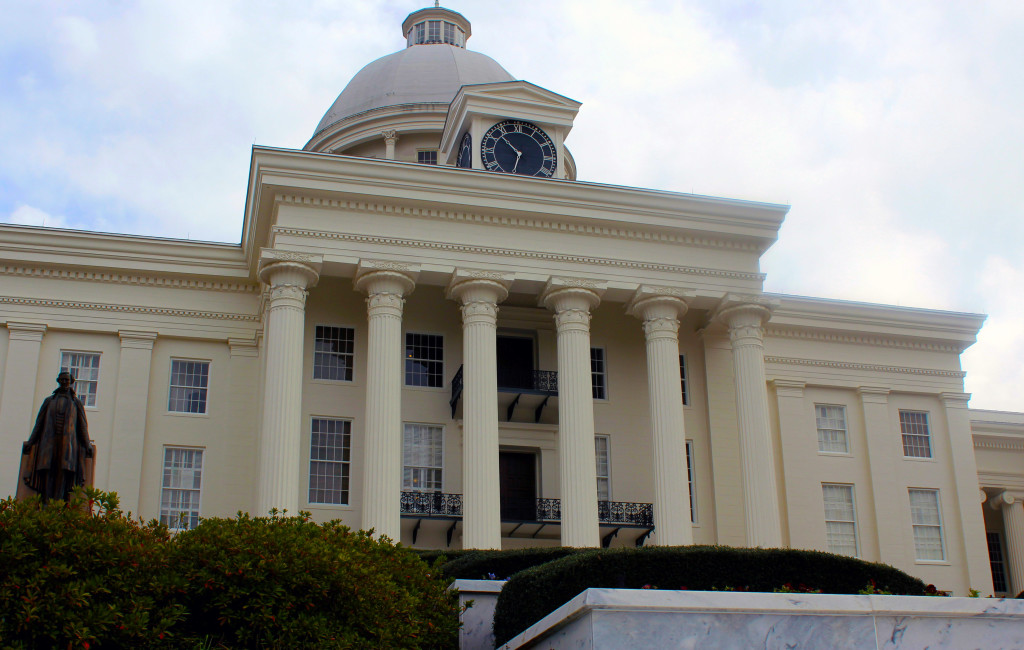
Alabama lawmakers return from spring break Tuesday with decisions ahead of them on several major pieces of legislation. The session can last until May 16. Here is what to look for in the final weeks of the 2016 legislative session. GENERAL FUND BUDGET VETO: Gov. Robert Bentley is expected to veto the state’s general fund budget over Medicaid funding. The lawmaker-passed spending plan provides $85 million less than what Bentley says is needed to adequately fund the state’s Medicaid program. Legislative leaders have said they plan to override the governor’s veto, a procedure that requires a majority vote of all the members in the Senate and House. ___ FALLOUT FROM GOVERNOR’S SCANDAL: Bentley recently admitted that he had “inappropriate” conversations with a top female staffer after racy recordings surfaced. The admission comes as the politically wounded governor is trying to make headway on his budget and prison construction proposals. At least one lawmaker has said he wants to consider an impeachment resolution, but other Republicans called that discussion premature. ___ GASOLINE TAX: The proposal would raise the state’s gasoline tax to pay for road and bridge construction. The proposal would raise the gasoline tax by 6 cents per gallon. The tax would then be adjusted every four years to equal the average tax in Alabama’s four border states. ___ PAYDAY LOAN: The bill would put a Colorado-style restriction on the payday loan industry by giving borrowers at least six months to pay back the loan instead of just a few days or weeks. The bill would also require that people be allowed to make installment payments. ___ PRISON CONSTRUCTION: The governor is seeking an $800 million bond issue to build four new large prisons — three for men and one for women. Most existing prisons would be closed under the plan. The governor’s major initiative for the session is still awaiting its first floor vote. ___ LOTTERY: Lottery bills have so far stalled in the Alabama Legislature under a mix of opposition to gambling, disagreements on how a state lottery should be structured and a push to include casino gambling. The bills, so far, have not gotten a floor vote in either chamber. ___ TENURE/TEACHER EVALUATIONS: The bill would extend the time to obtain tenure from three to five years. It would also create an evaluation system in which 25 percent of a teacher’s annual evaluation score would come from measures of student achievement growth by using ACT Aspire or other test scores. Senate President Pro Tem Del Marsh named the bill his priority for the session, but it has hit opposition from the Alabama Education Association. Marsh said he is anxious to try to get to the bill to the Senate floor. ___ Republished with permission of the Associated Press.
Senate passes General Fund budget with $85 million Medicaid shortfall

The Alabama Senate approved a $1.8 billion General Fund budget Wednesday that will provide level-funding to most state agencies, despite a threat from Gov. Robert Bentley that he would veto any budget that did not adequately fund Medicaid. The budget passed by the Senate leaves Alabama’s Medicaid program about $85 million short of the money it had requested. The point of contention for Alabama lawmakers was Bentley’s plan to pull $181 million from education to fund the increase in Medicaid allocations. Senate Pro Tem Del Marsh has said repeatedly throughout the session that there is no appetite among lawmakers to pull from the education budget or to raise taxes any further. The House passed the budget last week and House Speaker Mike Hubbard (R-Auburn) echoed much of Marsh’s sentiments. Hubbard said that the requested increase to Medicaid’s coffers would come at the expense of other state agencies. A failure to provide Medicaid with adequate funding would obliterate the state’s earlier announced plans to institute a Regional Care Operation (RCO) programs. With the RCO plan in jeopardy, many state lawmakers have backed out of their previous promises to see the program come to life. “Alabama took bold steps towards improving healthcare in our state with our plan for regional care organizations and today’s announcement proves our efforts are paying off,” Hubbard said when the plan was announced. “This investment could lead to a more streamlined and localized system, produce better outcomes, and save millions of taxpayer dollars in the long-term.” “The Federal government has determined that Alabama has been innovative with our plan to transition to regional care organizations,” Marsh said at the time. “Over time it will save the taxpayers millions of dollars and will serve as a potential model for states as an alternative to expanding Medicaid.” Despite Bentley’s repeated threats to veto the budget, Alabama Republicans who favor the bill would easily be able to override such a move by the governor.
House OKs General Fund despite opposition, threat of veto
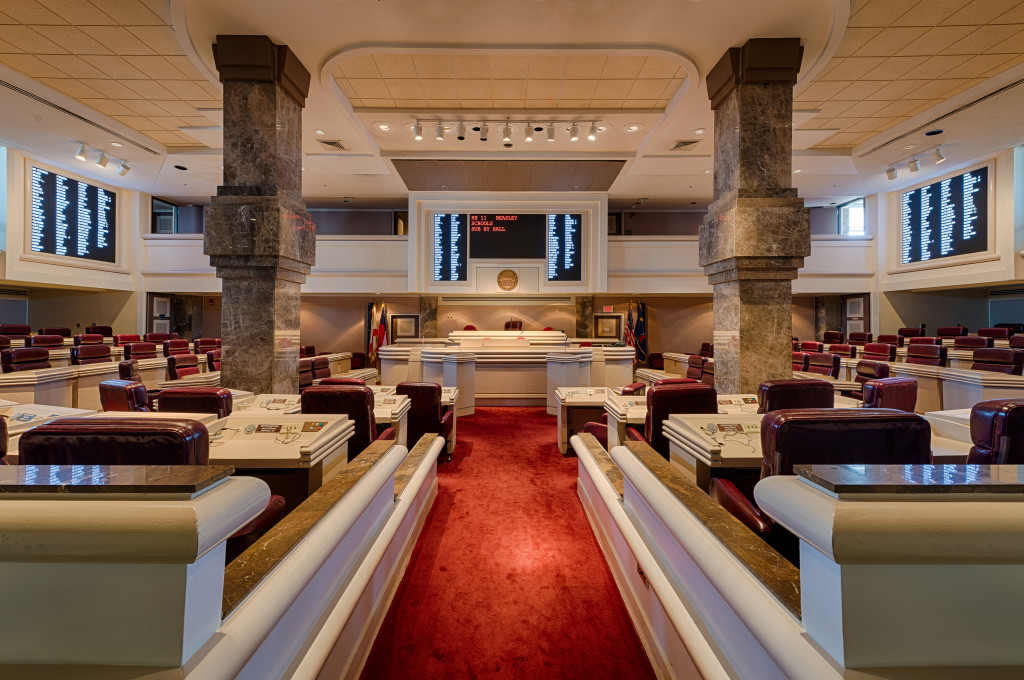
The Alabama House of Representatives passed a General Fund budget Tuesday, which leaves in place a roughly $85 million budget shortfall for the state’s Medicaid program. Gov. Robert Bentley has already signaled that a failure to fully fund Medicaid would cause him to veto the bill and likely call for a special session. House Democrats fought vehemently against bringing the budget to the floor, noting that a failure to fully fund Medicaid would obliterate the state’s recently announced Regional Care Organization (RCO) program and leave millions of needy Alabamians with no healthcare. Despite that, the bill made it to the floor and was debated for several hours. In the chamber, Democrats again railed against the legislation in the five-hour skirmish and members of both parties chastised Bentley for providing some Cabinet members with a significant raise while the state’s General Fund crumbles. Republicans struck back, claiming that the additional money for Medicaid just is not there and there is little to no appetite for raising taxes in an effort to collect more revenue. After passage of the bill, the Arise Citizens’ Policy Project (ACPP) released a statement condemning the General Fund budget’s failure to fully fund Medicaid. “These Medicaid cuts would be devastating for Alabamians, our economy and our entire health care system,” said ACPP Executive Director Kimble Forrister. “They could force many rural hospitals to close and prompt many pediatricians to leave the state. They would end coverage of essential services like outpatient dialysis and adult eyeglasses. And they would end promising new Medicaid reforms that would save money and keep people healthier.” “We simply can’t afford these Medicaid cuts,” Forrister continued. “It’s wrong to put health care at risk for children, seniors, and people with disabilities in Alabama. It’s time to get serious about raising the revenue needed to invest in a healthier Alabama for all.” With its passage in the House, the bill will go before the Senate. If the Senate passes the measure, Bentley has said he will veto the legislation and require lawmakers to take it up again.
Despite Democrats’ opposition, General Fund budget has its day before the House

Taking a strategy from last week’s playbook, Alabama House Democrats began a filibuster as the Special Order Calendar was brought up for discussion. The calendar includes the General Fund budget, which raised the ire of Dems because of its lack of adequate Medicaid funding. The current budget leaves in place an about $100 million shortfall in the Medicaid budget and will obliterate plans announced by Gov. Robert Bentley to institute a Regional Care Organization (RCO) program in the state. Both Bentley and House Speaker Rep. Mike Hubbard (R-Auburn) have signaled that there will likely be a special session called to address the shortfall in Medicaid. According to statements made by Hubbard, Republicans are slow to fully fund the Medicaid program because it puts a strain on all other state agencies. Along with prisons, Medicaid takes up about 62 percent of the state’s budget. “I stand here today because I am concerned about where we are on the Medicaid budget,” said Rep. Juandalynn Givan (D-Birmingham). “Yet again, we will have failed the people who need it the most. We find money here in this state for everything in this state that we need to find it for. I still cannot fathom why we need to have a special session, yet again, to fix a problem here in this state that we should be addressing right now.” Givan noted that more than a million Alabamians receive Medicaid benefits and lawmakers should be looking at ways to raise revenue to fund the program. Rep. William Buskey (D-Mobile) referred to constituent concerns over a “bare-bones budget.” “I don’t think it’s bare bones,” Buskey said. “I think it cuts through the flesh, almost to the marrow.” “I believe healthcare is paramount to everything we do,” said Rep. Darrio Melton (D-Dallas). “Healthcare drives so much of our economic development. Let’s make health care strong.” Democrats stalled for more than two hours, but eventually a vote was taken and the Special Order Calendar was approved.
Daniel Sutter: A history lesson for our state parks
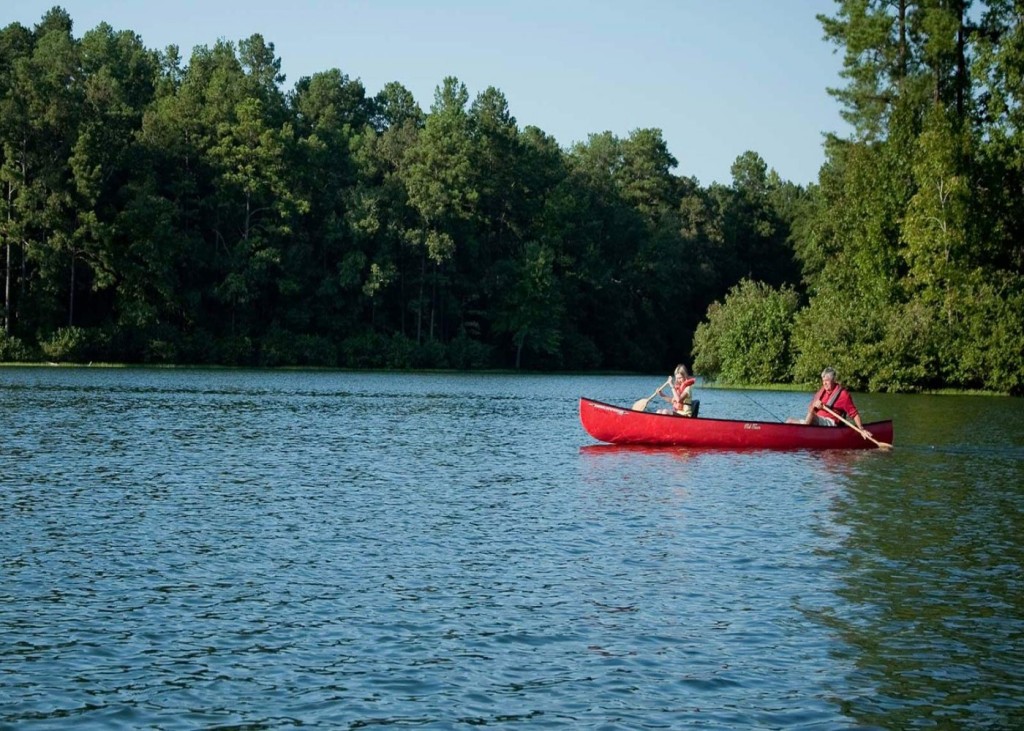
Last year’s budget fight threatened many Alabama State Parks with closure. In addition to budget cuts, $15 million in park revenues have been transferred to the General Fund since 2012. Senator Clay Scofield has proposed amending the state constitution to prevent future diversions of park revenues. While the Senator’s proposal is reasonable, I think that creative privatization offers a better option to protect our parks. And a case from American history illustrates the potential for creative private support. America in the 1790s needed a massive infrastructure investment, to fund roads able to handle wagon traffic. Improved roads were needed to connect towns in the countryside with commercial centers. Private turnpike companies built hundreds of roads across the northeastern U.S. The turnpike companies operated under rights granted by the states, were allowed to collect tolls, and typically sold stock to raise capital for road building. States limited the tolls and mandated toll exemptions, and travelers could detour around toll booths fairly easily. Consequently, the turnpikes generally lost money for the investors. We might interpret this as evidence for government built roads. But George Mason University economist Dan Klein argues that turnpike companies were a means for local interests to provide for the common good. Purchasing turnpike stock essentially amounted to donating to a good cause. Contributing through stock purchases allowed community leaders to bring social pressure to bear on those who did not contribute. Turnpike companies lost money, but their communities prospered. Today local communities typically look to the state or federal transportation departments to repair or improve roads. But state or federal funding depends on the whims of the political process, meaning that our roads might not get repaired. And ultimately state or federal money we hope to attract is really the taxes we have paid. Making decisions locally using local money is more reliable. The case of turnpikes reminds us that American ingenuity can creatively harness our willingness to contribute to the common good. Alabamians today recognize the value of state parks: we pay fees when we visit, and want to spend more on preservation and improvements. We pay $9 billion in state taxes each year, and yet our officials can’t find money in the budget for parks. We might be tempted to blame the parks’ plight on the deficiencies of our state officials. But our elected officials implement the policies which win elections, and often lose when they fail to do so. Spending money on state parks does not seem to be a winning electoral formula. The solution I think is to take state politics out of the process. The Property and Environment Research Center at Montana State University has extensively examined the privatization of state and national parks. We can privatize parks without worrying that developers will have, to quote Joni Mitchell, “paved paradise, put up a parking lot.” Covenants in the deeds could prohibit conversion away from preservation and recreation. Or development rights could be placed in trust, with only the rights to operate, maintain, and improve the park privatized. The owner or operator could be a nonprofit organization, including perhaps an existing environmental organization, or a for-profit company. A new form of organization introduced in 2010 known as a Benefit Corporation might be particularly appropriate. Benefit corporations resemble traditional corporations, except that the company commits to a specific public purpose or benefit in addition to profit. Explicit commitment allows company directors to act to advance the specified purpose when conflicts arise with near term profit maximization. Privatization via a benefit corporation might assure Alabamians that parks will never be compromised for a few extra dollars. Alabamians, I think, are willing to pay for our state parks, and creative forms of privatization offer the best way to ensure funding. We naturally trust democracy, or government by the people, to do our bidding. But democracy in practice means the policies that win elections. Alabama’s parks are a legacy for future generations and too important to leave to the mercy of elections. • • • Daniel Sutter is the Charles G. Koch Professor of Economics with the Manuel H. Johnson Center for Political Economy at Troy University and host of Econversations on TrojanVision.
Robert Bentley not seeking tax increases; budget cuts anticipated
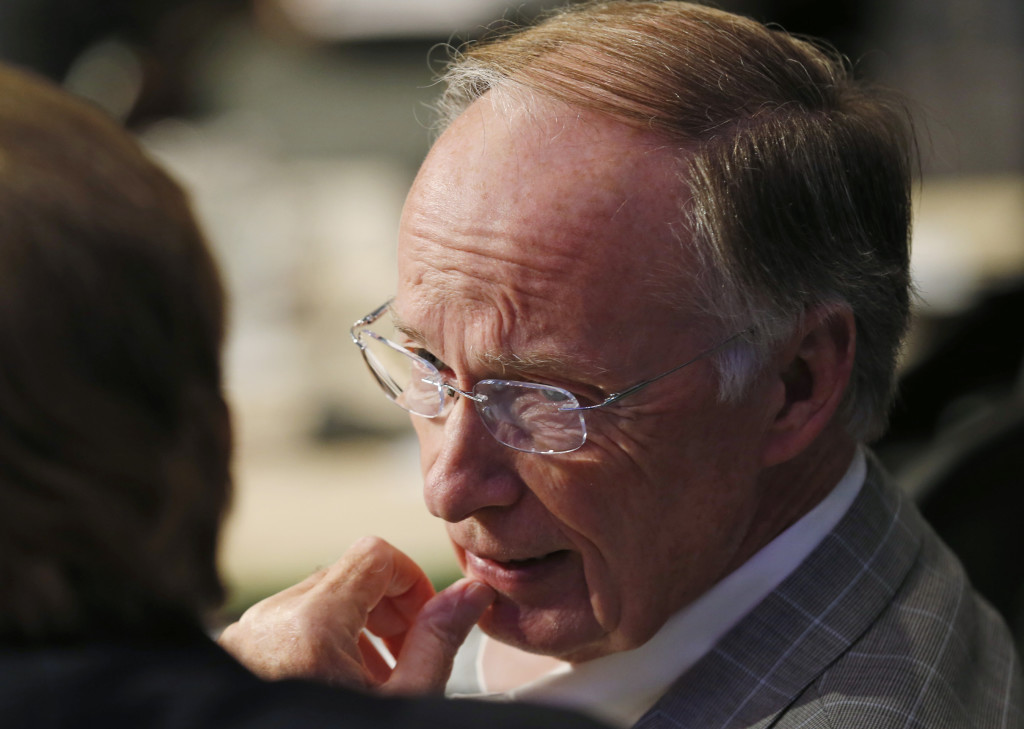
Gov. Robert Bentley won’t propose tax increases in the upcoming legislative session that could see more funding cuts to state agencies. The governor said Thursday that his proposed general fund budget will not include tax increases. Bentley’s decision comes after nearly a full year of fighting with lawmakers over taxes. Bentley last year asked lawmakers to approve $541 million in tax increases to avoid budget cuts. Legislators approved a cigarette tax but rejected many of his other ideas. Budget chairmen say they also doubt lawmakers will approve any tax increases. House budget chairman Steve Clouse of Ozark said lawmakers will try to address critical needs in Medicaid and prisons. He says other agencies will likely face cuts. Legislators spent this week in budget hearings. The session begins Feb. 2. Republished with permission of the Associated Press.
ALEA requests $23 million more for 2016
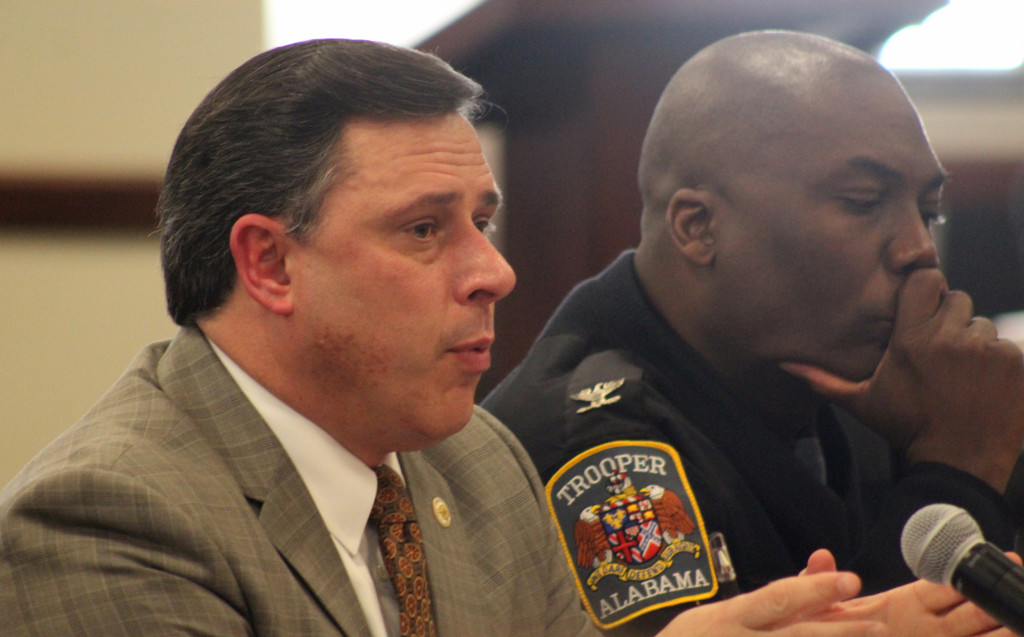
The Alabama Law Enforcement Agency (ALEA) is requesting an additional $23 million in funding from the state’s General Fund for the 2016 fiscal year. ALEA, founded on Jan. 1 last year, is the combination of a variety of previously unique law enforcement agencies, including state troopers, marine police, and homeland security. ALEA has been allocated $44 million from the state’s beleaguered general fund, a decrease of about $20 million from what the agencies were accustomed to receiving before being combined under the ALEA headline. ALEA Secretary Spencer Collier attributed the request for additional money to a variety of reasons, including the need to hire more troopers. According to Collier, ALEA has 420 troopers. A recent study found Alabama should have about 1,100 troopers on its roadways, and compared to other states, Collier called Alabama’s numbers “abysmal” and “embarrassing.” Because Alabama is facing another year with an estimated $200 million shortfall in the General Fund, legislators grilled Collier on how the agency could cut costs. Suggestions included the increased use of local sheriff’s to handle local accidents and the extension of driver’s licenses from four- to five-year coverage. In its first year as a unified law enforcement agency, ALEA issued more than 380,000 tickets, handled more than 30,000 vehicular accidents, ran 27 surveillance operations and handled 146 manhunts.
Kay Ivey: 2015 year in review

It began as a challenging, yet rewarding year. On Jan. 19, 2015, I took the oath of office for my second term as lieutenant governor. I’m grateful to the people of this great state for entrusting me with this responsibility. The year started at a rapid pace. A week before the Inauguration, the Alabama Senate convened in an Organizational Session, where new Senate leadership was elected and new rules were adopted to help the legislative proceedings operate more effectively for the next four years. The first Regular Session of the Quadrennium started in March with the looming challenge regarding the state budgets. Although intense debates surrounded the budgets, the Education Trust Fund Budget received priority and passed in May during the Regular Session. Two very contentious Special Sessions followed and took until September to finalize a balanced General Fund Budget with reforms and limited new taxes. One of my many proud moments came when I presided over a Joint Legislative Session honoring Alabama’s living Congressional Medal of Honor recipients, including the newest, Sgt. Major Bennie Adkins of Opelika, a true American hero. Throughout the year, I’ve met with several dignitaries from around the world, including leaders representing Canada, Hong Kong, Ukraine and Taiwan, as well as His Excellency Cui Tiankai, China’s Ambassador to the United States. Alabama continues to attract attention from global leaders interested in trade and investment opportunities. In my continued efforts to support our military missions in Alabama, I’m chairman of the Military Stability Commission to help our military bases in Alabama remail well positioned to meet future challenges. In addition, I participated in a welcome-home ceremony for 187th Fighter Wing members and their families. I’m grateful to the Alabama men and women who serve our country in global deployments. I also participated in a Wiregrass Sequestration Listening Forum hosted by the Department of Defense to help highlight the important role Fort Rucker plays in our national security. It’s vital we continue to improve our military assets and prepare to successfully face future evaluations of our force structure that could lead to reductions of federal military bases and missions in Alabama. After our final Legislative Session of the year ended in October, I hosted the National Aerospace Foreign Direct Investment Exposition in Los Angeles, California, as chairman of the Aerospace States Association, along with the U.S. Department of Commerce. My friend Barry Eccleston, president of Airbus America, began his presentation with “Sweet Home Alabama” playing on the sound system at the international conference, highlighting their investment in our state. Conference participants and the aerospace industries recognize our state’s rich aerospace history, as well as continued growth with over 400 aerospace companies in Alabama. Alabama students continue to compete at the highest levels in and out of the classroom. Most recently, the “Fort Payne Seven” from Fort Payne High School placed second out of 19 teams in the Real World Design Challenge National Championship with the successful design and development of an Unmanned Aerial System (UAS) to support precision agriculture. Alabama students have proven repeatedly they can compete globally. As we end 2015, I was honored with this year’s Service to Agriculture Award from the Alabama Farmers Federation. It was gratifying to receive it from the people who help make agriculture the largest industry in our state. Alabama continues to increase its presence in global markets and to be recognized as an attractive location for business investment. As a result, our unemployment rate has dropped to 5.9 percent, the lowest in our state in seven years. Even though we are not where we want to be, we continue to be trending in the right direction with more new jobs on the way. As I reflect over this past year and prepare for the upcoming year, I am reminded of how blessed we are as a state. Thank you for the opportunity to be your lieutenant governor. I hope you and your family have a Merry Christmas and a Happy New Year. Kay Ivey is the lieutenant governor of Alabama. Elected in 2010, she was the first Republican woman to hold the office in Alabama’s history.
Cam Ward: Un-earmarking is a common-sense solution to budget issues
Budget cuts. Tax increases. Agency restructurings. We’ve heard and seen it all over the past several months since the Legislature first came to order in early March. Since that time, there has been a regular session and two special sessions. Throughout each, a lot of ideas were bounced off the wall – some stuck, some got shot down, and some still have legs. State senators and representatives came forward with ways they thought the $200 million hole in the General Fund budget should be filled. On one side you had those who believed government services should be unilaterally slashed without regard to the impact on our citizens. On the other side was Governor Bentley with a $541 million tax increase that also gave equal disregard to the impact on Alabamians. Most legislators, including myself, believed a more responsible solution was a mix of targeted cuts to state agencies, small revenue increases, and continued reform of high cost state services, like Medicaid and prisons. This was the budget solution ultimately passed the Legislature and was signed by Governor Bentley in September. Most state agencies were asked to make cuts ranging from 1% to 5%. A $0.25 increase in the cigarette tax was passed to fund the exploding cost of Medicaid, while reforms to our state prison system and Medicaid will save taxpayers hundreds of millions of dollars over the coming years. Yet, there are still grave fiscal challenges ahead for Alabama. The growing number of senior citizens in our state means the cost of the Medicaid program will continue to rise over the coming decade. Even now, Medicaid consumes 37% of the state’s General Fund budget, which funds all non-education expenses. For Alabama to thrive in the coming decade, the Legislature must have flexibility to allocate state tax dollars in the most efficient manner possible. Currently, 91% of Alabama’s tax dollars are earmarked for specific departments or programs. Alabama has the highest percentage of earmarked revenue in the nation, and the next highest is Michigan with only 63%. The national average is just 24%. That means Alabama has nearly four-times the earmarks of the average state. Earmarking leads to apathy in state government since state agencies are assured specific sources of funding, and there isn’t incentive to show they are using current funds efficiently. Bureaucrats can rest easy in the knowledge that a stream of taxpayer dollars is earmarked just for their programs. I believe government can and does provide essential functions for our citizens. But there should pressure on the agencies each year to become as efficient as possible, in order that you, the taxpayer, can keep more of your hard-earned income. That is why I have authored a bill that will significantly reduce the number of earmarks in the state budget. Under this legislation, more than $450 million in state revenue will be un-earmarked. It represents about 15 percent of the total earmarked state General Fund dollars, leaving protected the funds that draw down federal matches or fund critical services. Just as a business or family must have some flexibility in yearly budgeting to respond to changing priorities, the Legislature needs the ability to move resources to meet changing needs for our state. Both excessive debt and high levels of taxation will mire an economy in sluggish growth. Republicans in the Legislature have stood firm against the Governor’s calls for massive, broad-based tax hikes. Yet, the challenge of fully funding essential programs like Pre-K for our children and Medicaid for the elderly can only be met if the Legislature has the flexibility to move funds on an as-needed basis. Un-earmarking state revenue to create more flexibility is the crucial next step to ensure we deliver a sound financial future to our children and grandchildren. We have seen the dire consequences of debt and high tax rates in countries like Greece, states like Illinois, and cities like Detroit. For Alabama to continue to afford the low tax rates we enjoy, the Legislature needs additional flexibility to more smartly allocate existing resources. That’s exactly why we need this un-earmarking bill to pass in the 2016 legislative session. Republican Senator Cam Ward represents District 14 in the Alabama State Senate, which includes all or parts of Shelby, Bibb, Chilton, Hale, and Jefferson Counties. He serves as Chairman of the Senate Judiciary Committee.
Governor, lawmakers clash over future budget process
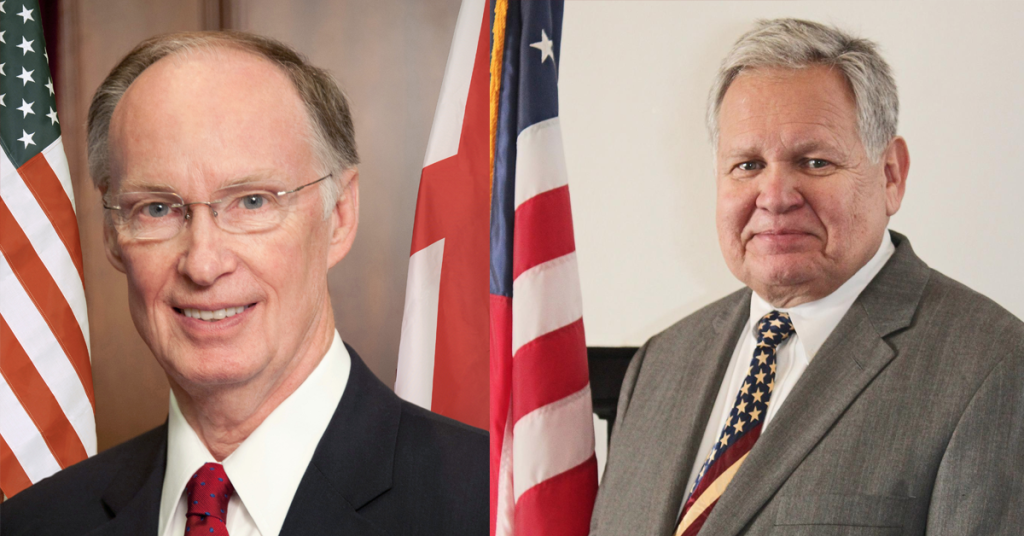
In the wake of a messy conflict between the executive and legislative branches over state spending, Sen. Paul Bussman of Cullman on Tuesday called for a hearing where all state department heads would testify during a “open communications meeting” regarding future budgets. But presumably prompted by the office of Gov. Robert Bentley, state Acting Finance Director Bill Newton issued a memo Thursday telling Bussman “Thanks, but no thanks,” claiming such a hearing would interfere with the annual formal budget process. “Each of you was invited to attend an open communications on future budget meeting on October 21,” wrote Newton. “I have been asked by the Governor to instruct you to not attend the meeting on October 21. The reason for this decision is the Budget Management Act.” “You and your staff are familiar with this 40 year old law that defines in detail our State’s budget process. This law clearly sets out the responsibilities of all parties involved in this process including the Legislature. The legislative branch is to consider the Governor’s budget proposal and evaluate alternatives. At this point in the budget process, the Governor has not sent his FY 17 proposal to the Legislature for their consideration,” explained Newton. State Auditor Jim Zeigler, however, thinks a hearing along the lines Bussman has suggest would not circumvent the formal budget process, and in fact “could greatly help that process.” Zeigler called Bentley’s decision to prevent department heads for testifying next week – which are by and large appointed by the governor – a “boycott.” “This is a strange application of the rules and procedures,” said Zeigler, saying more scrutiny would help the cause of an effective budget process. “One problem this year was the governor was chronically late in getting proposals and bills to the legislature. He promised a special session on a date certain with plenty of time for preparation, but he pulled a surprise and called the session for the very next Monday,” said Zeigler, who plans to attend the hearing despite Bentley’s protestations. “The early open communications meeting can be a great idea. It does not violate the procedures for the governor’s budget,” Zeigler said Thursday. The disagreement could set up a massive clash over spending and budget authority between the governor and the Legislature – and if Zeigler’s actions are a harbinger of the future, perhaps the governor and his own Cabinet. Zeigler’s state auditor post is a statewide elected position not appointed by Bentley. Sen. Bussman’s hearing is scheduled for 4 p.m. on October 21, in the Joint Briefing Room of the Alabama State House in Montgomery.
Robert Bentley calls license office closures a funding problem
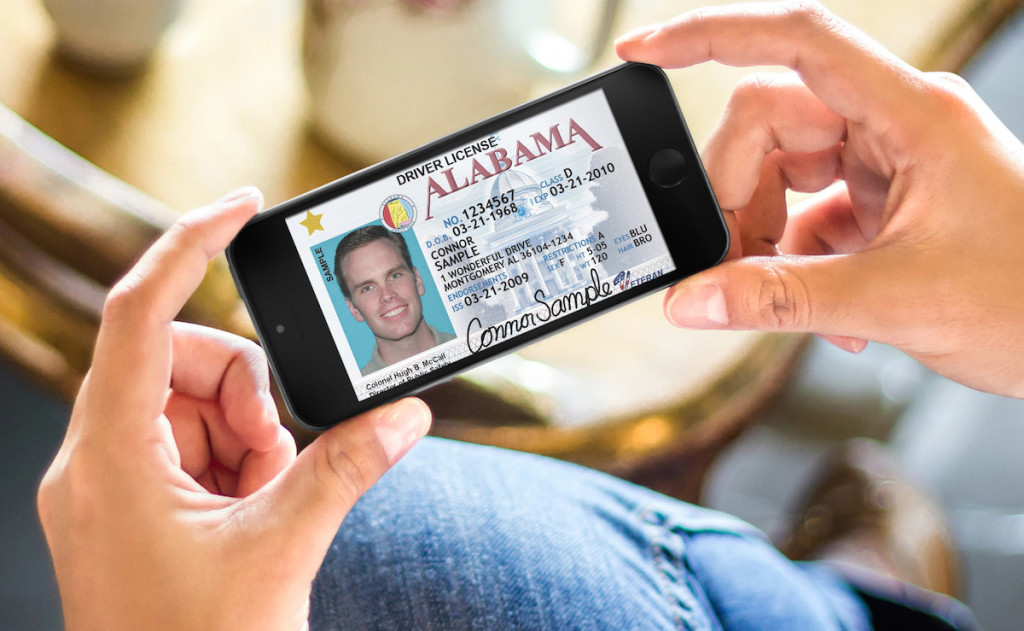
Gov. Robert Bentley on Wednesday said it’s up to lawmakers to come up with funding to reopen 31 rural driver’s license offices that were shuttered this fiscal year. “I do feel sorry for the rural areas. I do feel sorry for those who have to drive distances to get a driver’s license but the Legislature chose this. They chose not to fund these agencies,” Bentley said Wednesday. The governor said he is in discussions with lawmakers about how to reopen the offices, at least some of the time, but so far nothing has been finalized. The closures have become the latest point of contention between legislators and the governor. Bentley argued that lawmakers caused the closures when they rejected tax increases. Lawmakers have questioned the need for the closures, saying the state is saving little money while creating a hardship for people in rural, poverty-stricken areas of the state. The Alabama Law Enforcement Agency last month announced the closures of the satellite offices – where a state examiner would typically give driving tests one or two days a week – because of budget cuts. House Ways and Means General Fund Chairman Steve Clouse said Bentley had discussed using money from the governor’s emergency fund to reopen the offices until February and then asking lawmakers to approve a supplemental appropriation, or tax, when they return in February for the 2016 legislative session. Bentley said he, “talked about that, but we may not do it that way.” “There are different ways we could do this, but it still comes down to a funding issue. If the Legislature wants to do their job and fund these offices then they are going to have to come up with some money. It’s really up to them,” Bentley said. However, Clouse said he was unsure where additional state dollars would come from for ALEA. “The money is just not there,” Clouse, R-Ozark, said State agencies last week announced the closure of state parks, license offices and National Guard Armories because of funding reductions in the fiscal year that began Oct. 1. Shuttering the license offices has created the greatest backlash. U.S. Rep. Terri Sewell asked the Department of Justice to investigate the impact on minorities since Alabama requires a photo identification to vote. Black lawmakers held a news conference with the Rev. Jesse Jackson last week criticizing the closures as an added burden on poor, rural families who already struggle with transportation. The offices were largely located in county-owned buildings and a state examiner would travel to the offices to give driving tests typically one day a week. An ALEA spokeswoman said last week that the department was on track to spend $100,000 on travel to staff the offices. ALEA Secretary Spencer Collier has called the closures a business decision to allocate existing staff to the state’s 44 fulltime offices that serve a much higher number of people each week. The 31 locations in 2014 collectively issued 5,000 learners permits, 3,149 driver’s licenses and gave 10,587 permit exams, according to numbers from ALEA. Bentley said one of the possibilities under discussion was to have the rural offices open twice a month, instead of once a week. Republished with permission of the Associated Press.
