
U.S. marks 22nd anniversary of 9/11
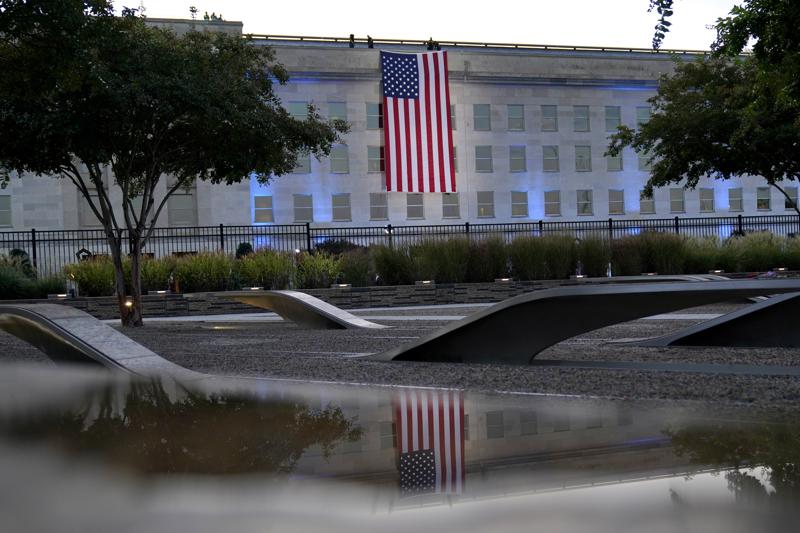
Today is the 22nd anniversary of 9/11. On that day in 2001, Al Qaeda terrorists seized four massive airliners filled with passengers by force and flew two of them into the two towers of the World Trade Center in New York City. The third crashed into the Pentagon in Washington, D.C. After learning of the plights of the first three jets by cell phone, the passengers of the fourth airliner attacked their terrorist captors and took control of the plane by force. They all died, but their heroism likely saved the lives of hundreds, perhaps thousands of their fellow countrymen that day. The War on Terror that began that day would last for twenty years in Afghanistan. U.S. forces are battling ISIL (an offshoot of Al Qaeda) in Syria today, and U.S. forces in Niger are involved in anti-terror actions there. Nine days after the crushing terrorist attack, then-President George W. Bush said, “Even grief recedes with time and grace. But our resolve must not pass. Each of us will remember what happened that day, and to whom it happened. We’ll remember the moment the news came — where we were and what we were doing. Some will remember an image of a fire or a story of rescue. Some will carry memories of a face and a voice gone forever. And I will carry this: It is the police shield of a man named George Howard, who died at the World Trade Center trying to save others.” Congressman Mike Rogers (R-AL03), Chairman of the House Armed Services Committee, released a statement on the 22nd anniversary of the September 11, 2001 attacks. “Twenty-two years ago, our world was forever changed by the horrific terrorist attacks on September 11, 2001,” Rep. Rogers said. “Today, we remember the thousands of innocent lives that were lost and honor the many heroes who selflessly risked their lives to save others.” “Over two decades later, the threat our nation faces from terrorism has not subsided,” Rogers continued. “Every day, brave men and women in our armed forces continue to fight against those who seek to harm our nation. It is only because of their service and sacrifice that the United States remains unbowed in the fight against evil.” “Our nation was forever changed on September 11, 2001,” said U.S. Senator Tommy Tuberville (R-Alabama) on X. “Today, we pause to remember the thousands of American lives lost. #NeverForget.” “Today we mark 22 years since the September 11 attacks on our nation,” said U.S. Senator Katie Britt (R-Alabama). “We will never forget the innocent lives lost and the heroes who displayed extraordinary courage in the face of terrible evil. “These acts shattered steel, but they cannot dent the steel of American resolve.”” In last year’s remembrance ceremony, President Joe Biden said we will never forget 9/11. “Never Forget. We’ll keep the memory of all those precious lives stolen from — from us: 2,977 — at Ground Zero in New York; in Shanksville, where my wife is speaking now — in Pennsylvania; 184 of them here at the Pentagon. And I know, for all those of you who lost someone, 21 years is both a lifetime and no time at all. It’s good to remember. These memories help us heal, but they can also open up the hurt and take us back to that moment when the grief was so raw.” To connect with the author of this story or to comment, email brandonmreporter@gmail.com.
UAB stroke study receives $20 million grant

The University of Alabama at Birmingham’s stroke study received a $20 million grant to help look into strokes in the South and among African-Americans. UAB’s Regions for Geographic and Racial Differences in Stroke will receive funds through 2023, Al.com reported. The study has gotten almost $100 million in grant funding in the past 15 years. More than 30,000 people have participated in the REGARDS study. The National Institute of Neurological Disorders and Stroke is funding the grant. University officials say study participants have taken part in the program for 14 years. The study is based in UAB’s School of Public Health. It includes collaborators from the University of Vermont, University of Cincinnati, Indiana University, Drexel University and Columbia University. UAB professor of biostatistics George Howard said the stroke mortality rate between the ages of 45 and 65 is 200 to 300 percent higher for African-Americans. He also said 11 percent of deaths from strokes in white people happen before age 65, but the number rises to 28 percent for African-Americans. Experts found that living in Alabama, Arkansas, Georgia, Louisiana, Mississippi, North Carolina, South Carolina and Tennessee early in life increases the risk of stroke, the newspaper reported. Republished with permission of The Associated Press.
