
Republican governors ask Biden administration to rescind Title IX guidance

Twenty-five of the nation’s 26 Republican governors have asked the Biden administration to shelve its intent to expand Title IX protections to transgender athletes. The letter, led by the signature of Mississippi Gov. Tate Reeves, says the U.S. Department of Education’s proposed regulation should be withdrawn pending litigation that could be addressed by the U.S. Supreme Court. “The Department’s proposed regulation would attempt to coerce compliance with an uncertain, fluid, and completely subjective standard that is based on a highly politicized gender ideology,” the letter reads. The letter comes as the public comment period ends Monday on a proposed revision to Title IX that would ban state and local governments from prohibiting transgender students from participating on sports teams aligned with their gender identity. Title IX was created to increase opportunities for female athletes. Federal funds can be withheld from those found to be in violation. The law, which was passed in 1972, prohibits discrimination based on sex for school districts, universities, museums, and other educational institutions that receive federal funds. “Compelling a subjective, athlete-by-athlete analysis controlled by a student’s self-identified ‘gender identity’ enforced under threat of Department retribution affords no clarity,” the letter reads. “It does the opposite. This ‘fluid’ subjective standard ensures chaos and confusion in schools and will no doubt result in protracted and disruptive litigation.” Twenty-one states prohibit transgender students from participating on sports teams that do not align with their biological sex at birth, according to the Movement Advancement Project that tracks state policies. The letter was signed by Alabama Gov. Kay Ivey, Alaska Gov. Mike Dunleavy, Arkansas Gov. Sarah Sanders, Florida Gov. Ron DeSantis, Georgia Gov. Brian Kemp, Idaho Gov. Brad Little, Indiana Gov. Eric Holcomb, Iowa Gov. Kim Reynolds, Missouri Gov. Mike Parson, Montana Gov. Greg Gianforte, Nebraska Gov. Jim Pillen, Nevada Gov. Joe Lombardo, New Hampshire Gov. Chris Sununu, North Dakota Gov. Doug Burgum, Ohio Gov. Mike DeWine, Oklahoma Gov. Kevin Stitt, South Carolina Gov. Henry McMaster, South Dakota Gov. Kristi Noem, Tennessee Gov. Bill Lee, Texas Gov. Greg Abbott, Utah Gov. Spencer Cox, Virginia Gov. Glenn Youngkin, West Virginia Gov. Jim Justice, and Wyoming Gov. Mark Gordon. The signature of Vermont Republican Gov. Phil Scott is not on the letter. Republished with the permission of The Center Square.
Lt. Gov. Will Ainsworth: As companies flee blue states, Alabama needs to make the case that they should relocate here
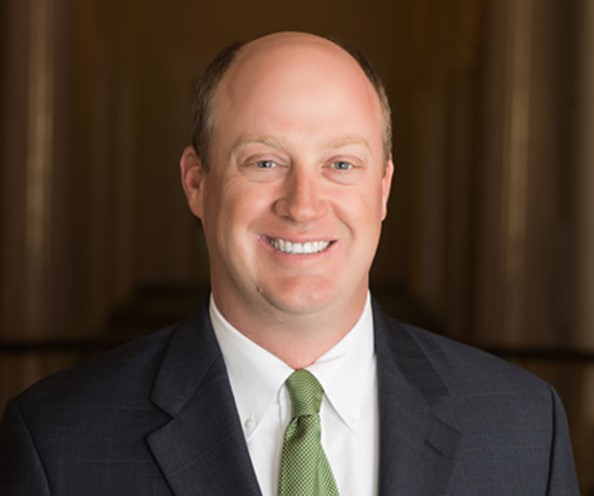
With companies across the globe looking to make big-dollar investments into communities and accompany those investments with high-paying, high-quality jobs, Alabama has an opportunity to take the bull by the horns and become one of the top states companies look toward to invest. But currently, Alabama is falling behind other states such as Tennessee, Georgia, and Virginia when it comes to a competitive supply of quality industrial sites, which companies depend on in order to build manufacturing facilities and plants. This can result in companies interested in investing in our state instead taking their jobs and economic impact elsewhere. But if our state’s leaders make the right investments now where they count, this problem can turn into an opportunity. There are thousands of jobs on the line, and we need to make sure that companies looking to establish manufacturing bases choose Alabama to set up shop. Last year I chaired the Joint Legislative Study Commission on Economic Development Incentives, which identified the need to increase the state’s number of sites to lure more industry and create more jobs for our state. That’s why we recommended legislation, called the Site Evaluation and Economic Development Strategy (SEEDS) Act, which the legislature unanimously passed, and the Governor signed into law, that would allow Alabama to close the gap with our competitors. We now need to fully fund that program so that it can be successful. Other states recognize this need and have continued to invest millions into preparing industrial sites for future development. Alabama is going to be left behind if we don’t act now to secure a future of economic success. A declining manufacturing base can be absolutely fatal for communities. Look at Detroit, Michigan, as an example. As their automotive manufacturing sector began to diminish, so did the city, which at the time was thriving. Look at it now. While losing a manufacturing base can destroy a community, a growing manufacturing base can literally change the trajectory and future of a community for decades. States across the country recognize this. For example, in Virginia’s 2022-2024 budget, which Virginia Governor Glenn Youngkin signed in June 2022, the state allocated $150 million for their site development program, of which $90 million in grants were announced in January 2023. Governor Youngkin has also proposed that this program receive an additional $350 million in new site development funding in fiscal year 2023. If approved by the Virginia legislature in its 2023 legislative session, the new allocation would bring the state’s total recent investments for site development to $500 million. Alabama should follow that example. Alabama needs to be a leader in economic development strategy and work to be the most business-friendly environment in the country. As companies are fleeing states with disastrous economic policies like California and New York, we need to be able to make a compelling case to those companies that they should choose to relocate here. If Alabama can make the investments needed for those companies to see that Alabama has industrial sites with the utilities, infrastructure, and other assets needed to be successful, the sky is the limit for what our state can achieve. To create an environment where Alabama is one of the first states companies consider when looking to locate, we need to step up and fully fund our economic development programs enacted under the SEEDS Act. Hindsight is 20/20, and it would be a shame for the leaders of our state to look back in 10 years and see the investments that could have been made here in Alabama, instead of paying off in dividends in competing states. Let’s create an environment where our state is heading in the right direction, instead of retreating in the wrong direction, like California and New York. Let’s take advantage of the opportunity to lure companies fleeing those states to make Alabama home. Let’s pave the way for a future where Alabama communities will have more jobs and economic opportunities than ever before. That’s a future for our state that I believe in – let’s invest into that future. Alabamians depend on our state’s government and elected leaders to get real results that benefit their communities and families. The best way to do that is to deliver high-quality jobs and economic investments that lift communities up and give Alabamians the future they deserve. Will Ainsworth has served as lieutenant governor of Alabama since 2019.
Tommy Tuberville welcomes Nikki Haley to 2024 presidential race
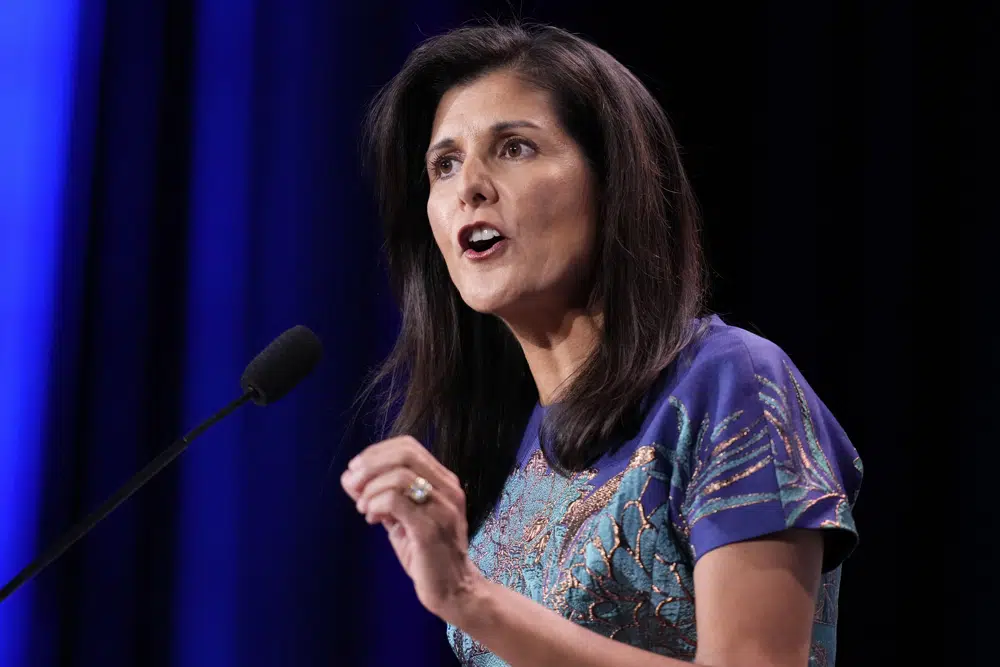
On Monday, former South Carolina Governor and UN ambassador Nikki Haley announced her candidacy for the Republican nomination for President of the United States. U.S. Senator Tommy Tuberville, who has already announced his endorsement of former President Donald Trump, welcomed Haley’s entrance into the 2024 presidential race. Tuberville told reporters that she would be a “great candidate.” Tuberville favors a large GOP primary field and said that he has recently spoken with Trump and told the former President that he hopes “they all get in.” “He needs the challenge as well as anybody,” Tuberville said. “They need to work for it. They need to fight for it.” In the 2020 election, President Trump endorsed Tuberville in his Republican primary battle for U.S. Senate with former Trump Attorney General Sen. Jeff Sessions. Tuberville had spent forty years as a teacher and coach – including stints as head football coach at Ole Miss, Auburn, Texas Tech, and Cincinnati – prior to that 2020 first run for public office. At this point, the only announced GOP candidates for the Republican nomination for 2024 are Haley and Trump, but that is expected to change quickly. Florida Gov. Ron DeSantis, former Vice President Mike Pence, and former Secretary of State Mike Pompeo are widely believed to be seriously looking at entering the race. According to the Hill, former Arkansas Gov. Asa Hutchinson, New Hampshire Gov. John Sununu, former Maryland Gov. Larry Hogan, U.S. Sen. Rick Scott, and Virginia Gov. Glenn Youngkin are also possible presidential candidates. GOP Senators who oppose a third Trump presidential run fear that a crowded GOP primary field makes it easier for Trump to emerge as the eventual GOP nominee. “Look, we were all concerned with the fact that we had 15 or 16 or 17 individuals vying for attention in the last one,” said Sen. Mike Rounds (South Dakota) told the Hill referring to the 2016 election. “We really don’t want to see that happen again. We just don’t.” U.S. Sen. Katie Britt was endorsed by Trump in her 2022 GOP primary battle with then-Congressman Mo Brooks and war veteran and defense contractor Mike Durant. Britt, however, cannot make an endorsement in the Presidential primary because she is serving on the national Republican steering committee. Trump faced a crowded field in 2016 that included U.S. Sens. Ted Cruz, Marco Rubio, Rand Paul, Rick Santorum, and Lindsey Graham, as well as former Florida Gov. Jeb Bush, former Ohio Governor John Kasich, former Arkansas Gov. Mike Huckabee, then-New Jersey Gov. Chris Christie, businesswoman Carly Fiorina, former Virginia Gov. Mike Gilmore, former New York Gov. George Pataki, then Louisiana Gov. Bobby Jindal, and Dr. Ben Carson. Trump won the 2016 Alabama Republican Primary despite the crowded field. Trump went on to win the Republican nomination and then beat former Secretary of State Hillary Clinton in the general election. Trump was unseated by former Vice President Joe Biden in 2020. Biden appears to be virtually unopposed at this point for the 2024 Democratic nomination for President. The 2024 Alabama Republican Primary is only 55 weeks away on March 5. DeSantis will speak to the Alabama Republican Party in Birmingham on March 9. To connect with the author of this story, or to comment, email brandonmreporter@gmail.com.
Some U.S. clinics stop doing abortions as ruling takes hold
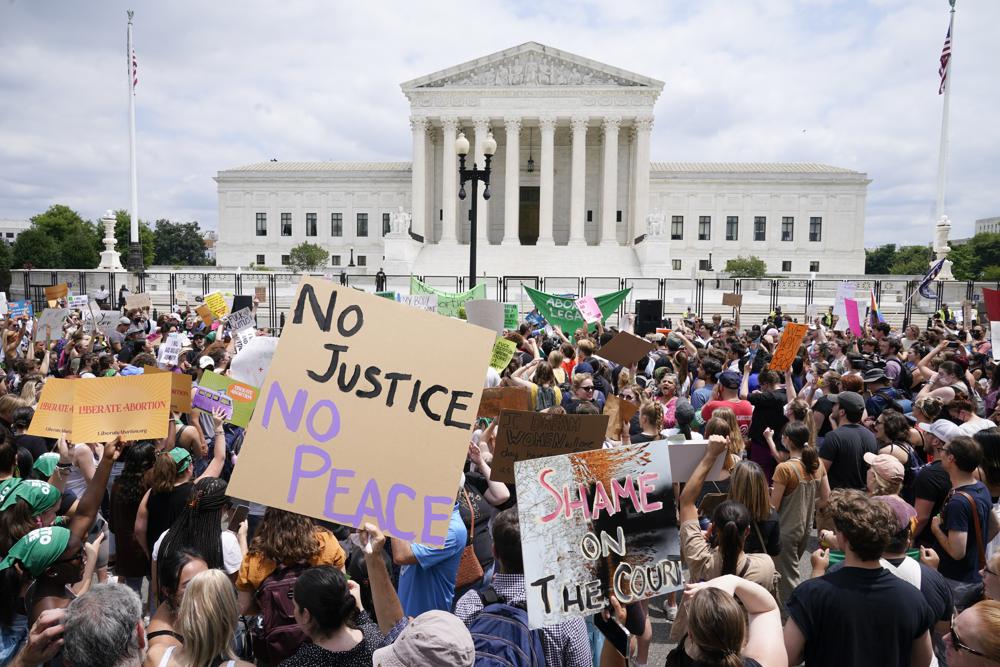
Abortion bans that were put on the books in some states in the event Roe v. Wade was overturned started automatically taking effect Friday, while clinics elsewhere — including Alabama, Texas, and West Virginia — stopped performing abortions for fear of prosecution, sending women away in tears. “Some patients broke down and could not speak through their sobbing,” said Katie Quinonez, executive director of West Virginia’s lone abortion clinic, whose staff spent the day calling dozens of patients to cancel their appointments. “Some patients were stunned and didn’t know what to say. Some patients did not understand what was happening.” America was convulsed with anger, joy, fear, and confusion after the Supreme Court overturned Roe. The canyon-like divide across the U.S. over the right to terminate a pregnancy was on full display, with abortion-rights supporters calling it a dark day in history while abortion foes welcomed the ruling as the answer to their prayers. Women who traveled across state lines to end a pregnancy found themselves immediately thwarted in some places as abortions were halted as a result of state laws that were triggered by the court decision or confusion over when those laws would take effect. In eliminating the constitutional right to abortion that has stood for a half-century, the high court left the politically charged issue up to the states, about half of which are now likely to ban the procedure. Abortions were immediately halted in nine states. Providers in two other states, Oklahoma and South Dakota, had already stopped performing the procedure in the past month. About 73 million people live in the 11 states where the procedure was not available — more than a fifth of the U.S. population. The reaction across the country largely fell along predictable political lines. New Mexico Gov. Michelle Lujan Grisham, a Democrat in a state where abortions are available with few restrictions, called the ruling a “war on women” and vowed to stand as a “brick wall” to help preserve the right. Republican Virginia Gov. Glenn Youngkin vowed to seek a ban on abortions after 15 weeks. Florida Gov. Ron DeSantis, a conservative Republican widely considered a potential candidate for president in 2024, tweeted: “The Supreme Court has answered the prayers of millions upon millions of Americans.” The issue is certain to intensify the fall election season. Both sides intend to use the issue to energize supporters and get them to vote. “This country is lurching to the right, taking away rights. The voters are going to have to intervene,” said Democratic Rep. Jim Clyburn of South Carolina, the U.S. House majority whip. Some states, including Louisiana, Arkansas, and Missouri, had “trigger law” bans on the books that went into effect as soon as Roe fell. In Alabama, the state’s three abortion clinics stopped performing the procedure for fear providers would now be prosecuted under a law dating to 1951. At the Alabama Women’s Center for Reproductive Alternatives in Huntsville, the staff had to tell women in the waiting room Friday morning that they could not perform any more abortions that day. Some had come from as far away as Texas for an appointment. “A lot of them just started breaking down crying. Can you imagine if you had driven 12 hours to receive this care in this state and you are not able to?” clinic owner Dalton Johnson said. Patients were given a list of out-of-state places still doing abortions. Abortion providers across Arizona likewise stopped doing procedures while they try to determine if a law dating to pre-statehood days — before 1912 — means doctors and nurses will face prison time now. In Texas, providers wondered which law they had to follow: a 1925 ban, a 2021 law that limits abortions to the first six weeks of pregnancy, or a trigger law that bans the procedure outright, but wouldn’t take effect for a month or more. The confusion led them to suspend abortions while they seek legal advice. Texas Republican Attorney General Ken Paxton warned they could face immediate prosecution for performing abortions under the Prohibition-era ban, which carries two to five years in prison. It was the risk of prosecution under a 19th-century abortion ban punishable by prison that led the Women’s Health Center of West Virginia to stop performing the procedure. West Virginia Gov. Jim Justice, a Republican, said he will not hesitate to call the Legislature into special session if the ban needs to be clarified. In Ohio, a federal judge dissolved an injunction, allowing a 2019 state law to take effect banning most abortions at the first detectable fetal heartbeat. The high court ruling drew strong reactions around the country. Carol E. Tracy, the executive director of the Women’s Law Project in Philadelphia, was “absolutely furious.” “They want women to be barefoot and pregnant once again,” she said. “But I have no doubt that women and like-minded men, and people in the LGBTQ community, who are also at great risk, … we’re going to fight back. I think it’s going to be a long, hard fight.” Garrett Bess, who works with a lobbying arm of the conservative Heritage Foundation, said his group will continue to press states to restrict abortion. “We’ll be working with grassroots Americans to ensure the protection of pregnant mothers and babies,” Bess said outside the Supreme Court. “This has been a long time coming, and it’s a welcome decision.” Opinion polls show that a majority of Americans favor preserving Roe. They include Alison Dreith, 41, an abortion activist in southern Illinois, where the governor has vowed to keep the procedure accessible. She said she fears for the safety of abortion workers, especially those who help people from states where the procedure is banned. Dreith works with the Midwest Action Coalition, which offers gas money, child care, and other practical support to women seeking abortions. “I absolutely believe that they will try to come after me. I’m not built for prison, but I’m ready,” she said, “and I say, ‘Let’s do this.’ You
States adding to financial pressure on Russia over war
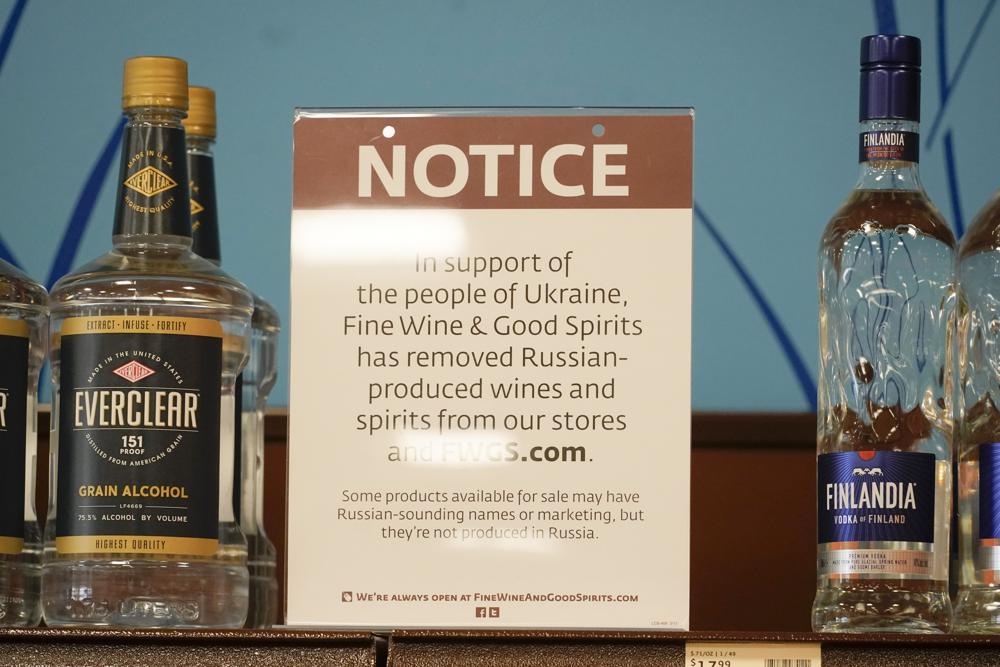
Seeking to tighten the financial squeeze on Russia over its war against Ukraine, governors, and lawmakers in numerous U.S. states were taking actions Monday to pull state investments from Russian companies while encouraging private entities to do the same. The effect of sanctions by U.S. states often pales in comparison to national ones, but state officials said they wanted to show solidarity with Ukraine and do what they could to build upon the penalties imposed on Russia by the U.S. government and other Western nations. Georgia House Speaker David Ralston, a Republican, got a bipartisan standing ovation Monday when he told representatives he would seek to have the state’s retirement funds quickly divested from any Russian assets. “I don’t know about y’all, but I don’t want one penny of Georgians’ money going to subsidize Vladimir Putin,” Ralston said. “While our role in international affairs is limited, we make clear we stand with those who want to live in peace.” Some actions have been largely symbolic. The governors of Arizona, Pennsylvania, and Tennessee ordered their capitols lit with the blue and yellow colors of Ukraine’s flag. Minnesota Gov. Tim Walz, a Democrat, and Ohio Gov. Mike DeWine, a Republican, issued a joint statement condemning Russia’s invasion of Ukraine as co-chairs of the presidentially appointed Council of Governors. Other state actions have potential teeth. On Monday, the Indiana House passed legislation that would block Russian-controlled businesses and nonprofits from acquiring property in Indiana for one year. It now goes to the Senate. “Indiana will not be a safe haven for ill-gotten Russian funds, nor for its oligarchs trying to find financial shelter in the wake of Putin’s unconscionable invasion of Ukraine,” Democratic state Rep. Ryan Dvorak said while proposing the amendment last week. New York Gov. Kathy Hochul signed an executive order Sunday forbidding her state from doing business with Russia. She ordered state agencies to divest money and assets from companies or institutions aiding Russia in its war against Ukraine. The Democratic governor also said New York would welcome Ukrainian refugees, noting that New York already is home to the largest Ukrainian population in the U.S. Pennsylvania lawmakers said Monday they will file legislation requiring state pension funds to pull investments connected to the Russian government and its critical supporters. The state Treasury Department also has begun divesting its minimal holdings in Russian-based companies. In a memo to fellow senators, Democratic state Sen. Sharif Street said Pennsylvania “must wield our economic power to ensure that Russia faces grave consequences for their flagrant violations of international law and human cooperation.” Pennsylvania House Majority Leader Kerry Benninghoff, a Republican seeking co-sponsors for the legislation, said state lawmakers “have a moral obligation to ensure that our public fund investments are not inadvertently supporting those who are engaging in an unprovoked invasion of their democratically elected neighbors.” Arkansas lawmakers have filed proposals authorizing banks in the state to freeze the assets of Russian oligarchs and to require a boycott of Russian-made goods. A bipartisan group of California lawmakers said Monday they also will introduce legislation to divest public money from Russian state entities. Colorado Gov. Jared Polis, a Democrat, has banned state agencies from doing business with Russian state-owned firms and their subcontractors. Colorado’s $61 billion state pension fund is pulling $8 million from a Russian state-owned bank identified in federal sanctions. Governors in Connecticut, New Jersey, Virginia, and Washington also have ordered a review of whether any state money is going to Russian companies or investments supporting the Russian government. A North Dakota investment board was due to meet later this week to discuss its investments in Russia. “If our state can put one brick in the wall around Putin, it will be a good thing, and we intend to do all that we can in this regard,” said Washington Gov. Jay Inslee, a Democrat. Two prominent Republican governors, Florida’s Ron DeSantis and South Dakota’s Kristi Noem, who are widely seen as angling for a White House bid, mostly took aim at President Joe Biden rather than issue executive orders targeting Russia. They criticized his energy policies and said that had made it difficult to slap sanctions on Russia’s exports of oil and gas. Other governors are seeking to sever good-will relationships between their home states and those in Russia. Republican Gov. Larry Hogan announced Monday that he’s dissolving Maryland’s decades-old sister-state relationship with Russia’s Leningrad region after the invasion of Ukraine. Virginia Gov. Glenn Youngkin, a Republican, asked the cities of Norfolk and Roanoke to end their sister city partnerships with Russian cities. Iowa Gov. Kim Reynolds, a Republican, called for an end to its sister-state relationship with Stavrapol Krai, Russia, and a strengthening of its sister-state relationship with Cherkasy Oblast, Ukraine. Several states have expressed a willingness to provide housing to Ukrainian refugees. The Washington state House and Senate each have added amendments to their budget proposals setting aside $19 million to provide services and temporary housing to refugees who come from Ukraine. Texas Gov. Greg Abbott, a Republican, posted on Twitter over the weekend that he has asked restaurants and retailers “ to voluntarily remove all Russian products from their shelves.” Officials in Alabama, Iowa, New Hampshire, Ohio, Pennsylvania, Utah, Vermont, Virginia, and West Virginia — all states that control the sale of alcohol — have directed Russian-sourced alcohol to be removed from store shelves. “Utah stands in solidarity with Ukraine and will not support Russian enterprises, no matter how small the exchange,” Republican Utah Gov. Spencer Cox said. Republished with the permission of the Associated Press.
Donald Trump reasserts GOP dominance as others focus on midterms
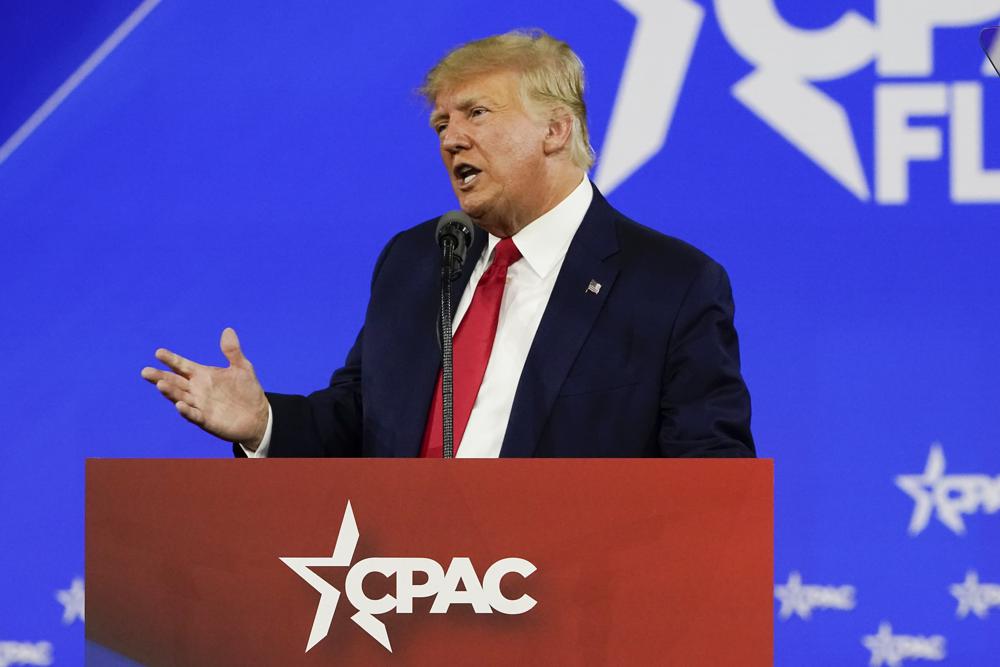
Leading Republicans spent much of three days avoiding Donald Trump’s chief grievances or ignoring him altogether as they unified behind a midterm message designed to win back the voters the polarizing former president alienated while in office. But by the end of the four-day Conservative Political Action Conference, Trump had reminded those who want to move on that he remains the most powerful voice in Republican politics. In his keynote address Saturday night, Trump indicated he planned to run for president a third time in 2024. He falsely blamed his 2020 election loss on widespread voter fraud, for which there is no evidence. And on Sunday, he was the overwhelming winner of a presidential preference straw poll of conference attendees. “We did it twice, and we’ll do it again,” Trump said of running in 2024. Even so, he has teased about a 2024 campaign before, and his vow this time was not necessarily ironclad. As invading Russian troops battled with Ukrainian forces, Trump also described Russian President Vladimir Putin as “smart.” “Of course he’s smart,” Trump said in his remarks Saturday, doubling down on praise of the Russian leader that many other Republicans have avoided after the invasion. “But the real problem is our leaders are dumb. Dumb. So dumb.” While Trump expressed support for the Ukrainian people and called the country’s president, Volodymyr Zelenskyy, a “brave man,” he also noted his ties with other leading autocrats. He specifically pointed to his friendly relationships with Xi Jinping of China and North Korean leader Kim Jong Un. Up until Trump’s appearance, lies about election fraud, the focus of last year’s conference, had been an afterthought among the top speakers. No one parroted Trump’s approving rhetoric toward Putin. And some leading Republicans didn’t even mention Trump’s name. Instead, those most likely to seek the GOP’s 2024 presidential nomination not named Trump united behind an agenda that includes more parental control of schools, opposition to pandemic-related mandates, and a fierce rejection of “woke” culture. The message from more than a half-dozen elected officials, delivered to thousands of mostly white activists at an event that usually celebrates far-right rhetoric, does not mean the party has turned its back on Trumpism. Far from it. The former president was a frequent topic among some of the conference’s lower-profile speakers. T-shirts proclaiming “Trump won” were being sold in the hallways. And in the straw poll of 2,574 conference attendees, Trump earned 59%, followed by Florida Gov. Ron DeSantis with 28%. No one else had more than 2%. When asked for their preference should Trump not run in 2024, DeSantis earned 61%, with no one else earning more than 6% of the vote. The straw poll only measured the opinion of those at the conference, not broader Republican sentiment. Aside from Trump, Florida Gov. Ron DeSantis was a crowd favorite throughout the four-day conference. Audience members applauded almost every time his name was mentioned, or his picture appeared on big screens. Conference organizer Matt Schlapp said Trump remains a dominant force, but he does not have a lock on the party’s base. “No. 1 is, Does he run again? And it’s overwhelming that people want him to,” Schlapp said. “But there’s a diversity of opinion.” And while Trump’s most controversial supporters were generally given lower-profile speaking slots over the four-day program, they were not excluded. Rep. Majorie Taylor Greene, R-Ga., appeared on a Saturday morning panel hours after being featured at a conference of pro-Trump white nationalists. Trump offered Taylor Greene a particularly warm shoutout during his speech as he ticked down the Republican officials in attendance. “I refuse to shut up,” Taylor Greene said earlier in the day during a brief appearance as she railed against “Democrat communists.” Despite Trump’s dominant place at the head of the Republican Party, other party leaders are increasingly optimistic they have found a forward-looking strategy to overcome pro-Trump extremism and expand the party’s appeal with control of Congress at stake in November. It’s essentially the same playbook that Virginia’s Republican Gov. Glenn Youngkin used last fall when he won in the swing state by avoiding Trump and his biggest grievances, including the false notion that the 2020 presidential election was plagued by mass voter fraud. “There are people that perhaps have never voted the same way any of you have in a presidential race, and they’re really angry,” Florida Sen. Marco Rubio said Friday. “And that’s why I believe that for all the negative we’ve heard, the pendulum is swinging.” Democrats are clinging to paper-thin majorities in the House and Senate, and voter sentiment has swung in an ominous direction for them since President Joe Biden took office in January 2021. In an AP-NORC poll conducted Feb. 18-21, 70% of Americans said the country was headed in the wrong direction. As few as 44% said the same in April 2021. Some leading Republicans seemed intent at CPAC on not helping Democrats by embracing Trump. Missouri Sen. Josh Hawley, who tried to block the certification of Biden’s electoral victory after the Jan. 6 Capitol attack, sidestepped a question about whether he would challenge Trump in a 2024 prospective matchup. “I’ve said I’m not planning to run for president,” Hawley said. He also declined to say whether he wants Trump to run again in 2024: “I never give him advice, including on this.” Hawley also said it was a mistake for Republicans like Trump to offer soft praise for Putin: “Putin is our enemy. Let’s be clear about that.” DeSantis, who has also refused to rule out a 2024 presidential bid should Trump run, did not mention the former president in his 20-minute address, focusing instead on his resistance to mask and vaccine mandates. Trump’s former secretary of state, Mike Pompeo, spoke about his work in the Trump administration, but he did not repeat his own recent flattering comments about Putin, in which he called the Russian leader “very capable” and said he has “enormous respect for him.” South Dakota Gov. Kristi
Senate Dems push new voting bill, and again hit GOP wall
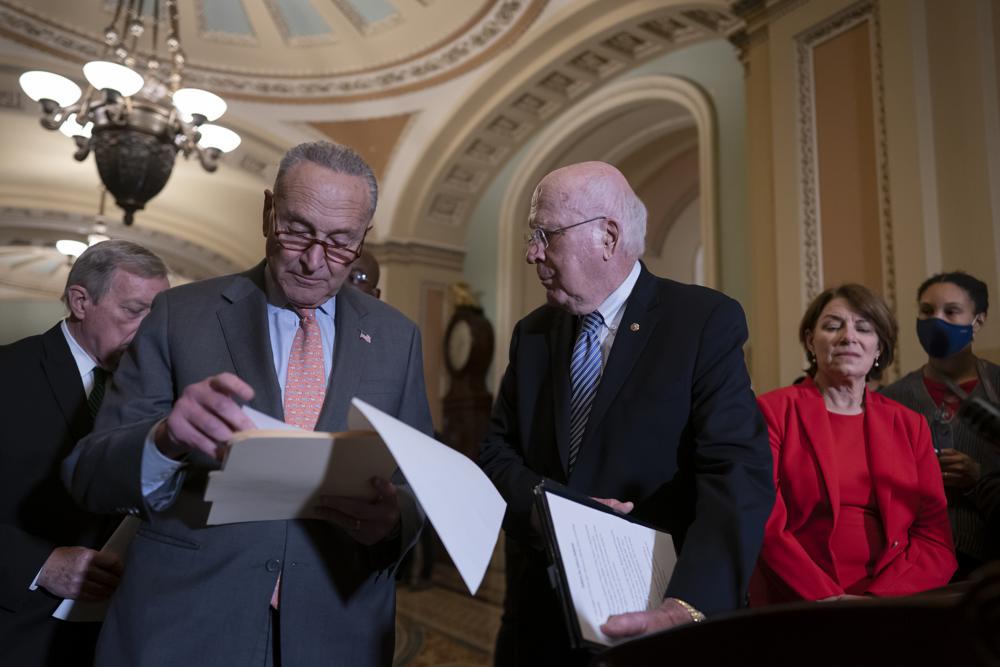
If at first you don’t succeed, make Republicans vote again. That’s the strategy Senate Majority Leader Chuck Schumer appears to be pursuing as the New York Democrat forced another test vote Wednesday on legislation to overhaul the nation’s election laws. For the fourth time since June, Republicans blocked it. Democrats entered the year with unified, albeit narrow, control of Washington, and a desire to counteract a wave of restrictive new voting laws in Republican-led states, many of which were inspired by Donald Trump’s false claims of a stolen 2020 election. But their initial optimism has given way to a grinding series of doomed votes that are meant to highlight Republican opposition but have done little to advance a cause that is a top priority for the party ahead of the 2022 midterm elections. The Senate voted against debating voting legislation Wednesday, with Republicans this time filibustering an update to the landmark Voting Rights Act, a pillar of civil rights legislation from the 1960s. GOP senators oppose the Democratic voting bills as a “power grab.” “This is a low, low point in the history of this body,” Schumer said after the failed vote, later adding, “The Senate is better than this.” The stalemate is forcing a reckoning among Senate Democrats about whether to make changes to the filibuster rule, which requires 60 votes for legislation to advance. That could allow them to muscle legislation through but would almost certainly come back to bite them if and when Republicans take back control of the chamber. Earlier Wednesday, Schumer met with a group of centrist Democrats, including Sens. Jon Tester of Montana, Angus King of Maine, and Tim Kaine of Virginia, for a “family discussion” about steps that could be taken to maneuver around Republicans. That’s according to a senior aide who requested anonymity to discuss private deliberations. But it’s also a move opposed by moderate Sens. Kyrsten Sinema of Arizona and Joe Manchin of West Virginia. Without their support, Democrats won’t have the votes needed to make a change. Time is ticking down. Redistricting of congressional districts (a once-in-a-decade process Democrats want to overhaul to make less partisan) is already underway. And the Senate poised to split town next week for a home-state work period. “Senate Democrats should stay in town and focus on the last act in this battle,” said Fred Wertheimer, who leads the good government group Democracy 21. The latest measure blocked by Republicans Wednesday is different from an earlier voting bill from Democrats that would have touched on every aspect of the electoral process. It has a narrower focus and would restore the Justice Department’s ability to police voting laws in states with a history of discrimination. The measure drew the support of one Republican, Alaska Sen. Lisa Murkowski after Democrats agreed to make changes that she sought. But all other Republicans opposed opening debate on the bill. “Every time that Washington Democrats make a few changes around the margins and come back for more bites at the same apple, we know exactly what they are trying to do,” said Senate Minority Leader Mitch McConnell, who slammed the vote as “political theatre” on a trumped-up a “go-nowhere bill.” Murkowski, too, said she still had underlying issues with the bill as written while criticizing Schumer’s decision to force repeated “show votes.” “Let’s give ourselves the space to work across the aisle,” she said Wednesday. “Our goal should be to avoid a partisan bill, not to take failing votes over and over.” The Democrats’ John Lewis Voting Rights Advancement Act, named for the late Georgia congressman who made the issue a defining one of his career, would restore voting rights protections that have been dismantled by the Supreme Court. Under the proposal, the Justice Department would again police new changes to voting laws in states that have racked up a series of “violations,” drawing them into a mandatory review process known as “preclearance.” The practice was first put in place under the Voting Rights Act of 1965. But it was struck down by a conservative majority on the Supreme Court in 2013, which ruled the formula for determining which states needed their laws reviewed was outdated and unfairly punitive. The court did, however, say that Congress could come up with a new formula. The bill does just that. A second ruling from the high court in July made it more difficult to challenge voting restrictions in court under another section of the law. The law’s “preclearance” provisions had been reauthorized by Congress with overwhelming bipartisan support five times since it was first passed decades ago. But after the Supreme Court’s 2013 ruling, Republican support for the measure cratered. Though the GOP has shown no indication that its opposition will waver, there are signs that some of the voting changes Democrats seek aren’t as electorally advantageous for the party as some hope. Republican Glenn Youngkin’s victory in Virginia’s Tuesday gubernatorial election offers the latest test case. Democrats took control of all parts of Virginia’s government in 2019 and steadily started liberalizing the state’s voting laws. They made mail voting accessible to all and required a 45-day window for early voting, among the longest in the country. This year they passed a voting rights act that made it easier to sue for blocking ballot access. But those changes didn’t hurt Youngkin, who comfortably beat Democrat Terry McAuliffe, a popular former governor seeking a valedictory term. That’s still unlikely to change Republicans’ calculus. “Are we all reading the tea leaves from Virginia? Yes, absolutely,” Murkowski said. “Will it be something colleagues look to? It’s just one example.” Democratic frustration is growing, meanwhile leading to increasingly vocal calls to change the filibuster. “We can’t even debate basic bills,” said Minnesota Sen. Amy Klobuchar, a Democrat. “The next step is to work on ideas to restore the Senate.” Republished with the permission of the Associated Press.
