
Gulf State Park Pier renovations begin on November 13
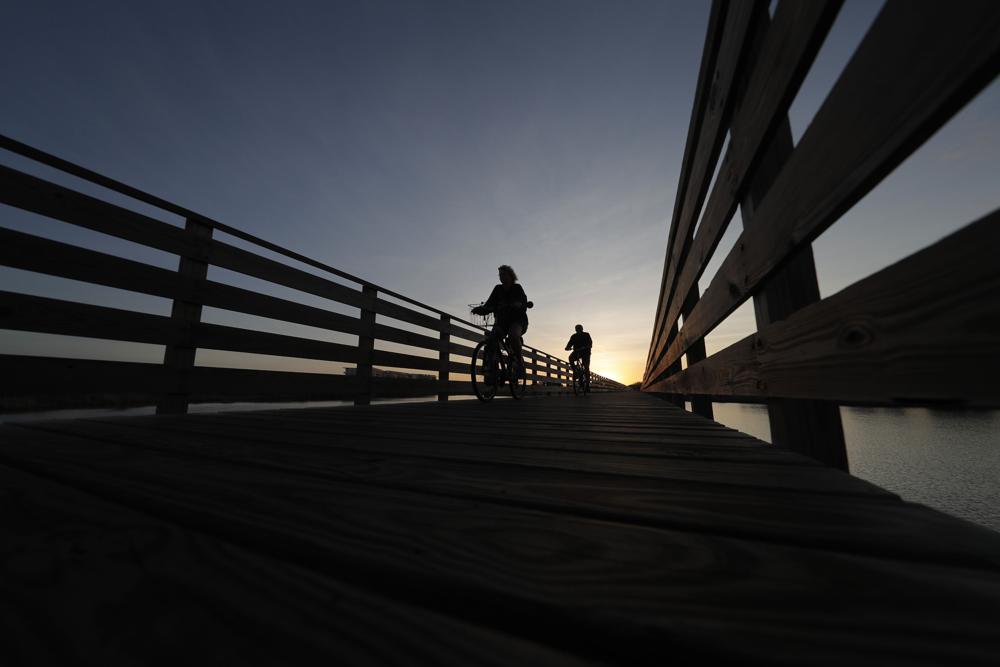
The Alabama Department of Conservation and Natural Resources (ADCNR) announced on Monday that Gulf State Park Pier will close at 5 p.m. on Sunday, November 12, 2023, so that work can begin to repair the damage caused to the pier by Hurricane Sally in 2020. The pier, a popular destination for fisherman and sightseers. will remain closed during the renovation process. Chris Blankenship is the Commissioner of ADCNR. “We are excited to announce this project to restore Gulf State Park Pier,” said Commissioner Blankenship. “The pier provides quality recreational fishing for thousands of anglers each year. Once the work is completed, anglers and other park visitors will have full access to one of the premier fishing and sightseeing destinations on the Gulf Coast.” M.D. Thomas Construction in Orange Beach, Alabama, was awarded the contract to perform the repairs which will include rebuilding a 200-foot section of the pier that collapsed during the storm. The pier is scheduled to reopen to the public in the summer of 2024. On September 16, 2020, Hurricane Sally hit Alabama’s Gulf Coast as a category two storm. Prior to Sally’s formation and landfall, the pier had been scheduled to reopen after the completion of a $2.4 million renovation. The newly renovated pier was devastated by the storm. Greg Lein is the Director of ADCNR’s State Parks Division. “The pier partially reopened to fishing and sightseeing in 2021,” said Director Lein. “Since then, visitors have had access to half of the pier. We look forward to welcoming anglers and sightseers back to the full pier next summer.” Species of fish commonly harvested at the pier include sheepshead, red drum, Spanish mackerel, flounder, Florida pompano, king mackerel, whiting, and more. The pier also is a site where birders can see numerous coastal birds including seagulls and pelicans. ADCNR is encouraging anglers to check out other fishing locations along Alabama’s Gulf Coast, including Gulf State Park’s Alabama Point, Romar Beach and Cotton Bayou (wheelchair accessible), and the Steve McMillan Fishing Pier and Boat Ramp at Fort Morgan during the closure. The state had hoped to do the repairs to the pier in 2022, but when that was bid out, the winning bid was $12 million, so the state elected to not proceed with repairs in May 2022. Alabama is a sportsmen’s dream, with year-round opportunities for saltwater fishing, freshwater fishing, and hunting. Alabama residents and nonresidents alike can purchase a license from the state. License fees are used to protect the state’s natural resources and promote sound conservation practices. To connect with the author of this story or to comment, email brandonmreporter@gmail.com.
Campgrounds, cabins temporarily close for maintenance at Roland Cooper State Park as it transitions back to ADCNR management

Beginning on Monday, September 11, through October 1, the campgrounds and cabin areas at Roland Cooper State Park will temporarily close for maintenance as park management transitions back from a concessionaire contract back to the State Parks Division of the Alabama Department of Conservation and Natural Resources (ADCNR). Existing overnight reservations will be honored during the maintenance period. In 2015, Roland Cooper was temporarily closed due to cost-cutting measures ordered by then-Governor Robert Bentley (R). The park reopened in 2016 under a concessionaire contract with an Arizona-based management company, Vista Recreation, taking over the management. Greg Lein is the Director of ADCNR’s State Parks Division. “We are grateful for the partnership with Vista Recreation over the last seven years,” said Director Lein. “Going forward, we are excited to have our park personnel once again operating the park and working with the City of Camden, Wilcox County, and local tourism professionals to promote the region and all that Roland Cooper State Park has to offer.” Roland Cooper State Park is 6 miles north of Camden in Wilcox County. Lein said that Roland Cooper State Park is the perfect base camp to enjoy various outdoor recreation in Alabama’s Black Belt, including boating, fishing, hunting, birding, wildlife watching, hiking, camping, and more. Chris Blankenship is the Commissioner of ADCNR. “For decades, Alabama’s Black Belt region was overlooked as a vacation destination,” said Commissioner Blankenship. “An increased interest in outdoor recreation has started to change that. We encourage Alabamians and out-of-state visitors to explore the many recreational opportunities at Roland Cooper and in the surrounding areas.” One of the main attractions at Roland Cooper is its access to boating and fishing on Dannelly Reservoir, also known as Millers Ferry. The lake is known for its abundance of game fish. The park also boasts a recently constructed pier that significantly expanded the available docking space for recreational boaters and anglers. The new T-shaped pier measures 160 feet long by 128 feet wide and is Americans with Disabilities Act (ADA) compliant. Fishing tournaments can be hosted at the park throughout the year. In addition to excellent boating and fishing access, Roland Cooper State Park offers several overnight accommodations, including 47 improved and 13 primitive campsites, six tiny house-style cabins, and five two-bedroom cabins. Hunters and anglers who have trips planned to the various nearby ADCNR Wildlife Management Areas, Special Opportunity Areas, and State Owned Public Fishing lakes are encouraged to make reservations to stay at Roland Cooper during the upcoming hunting and fishing seasons. The park also has hiking trails, a rental pavilion, a bathhouse, and boat rentals. Roland Cooper is also a stop on the Alabama Birding Trail, and bald eagles and ospreys can be spotted at the park throughout the year. The park is convenient to Montgomery, Mobile, and Selma, with all three being within a two-hour drive, The Bentley Administration closed five state parks: Bladon Springs, Chickasaw, Paul Grist, Roland Cooper, and Florala as part of the governor’s cost-cutting plan. The closings, which disproportionately affected the Black Belt Counties, were criticized at the time because the cuts, like the cuts at the time of 31 driver’s license offices by the Alabama Law Enforcement Agency (ALEA), targeted the government infrastructure closest to the people rather than management and redundant administration and staff in Montgomery. Gov. Kay Ivey has made a point of reversing many of her predecessor’s more controversial policies. State Revenues have more than doubled since 2015. Four of the five have reopened as State Parks. Florala is now owned and operated by the City of Florala, who took over the park after the state cut the park. To plan your next adventure at Roland Cooper State Park or to make reservations, visit www.alapark.com. To connect with the author of this story or to comment, email brandonmreporter@gmail.com.
Visitors asked to take precautions with fire at select State Parks
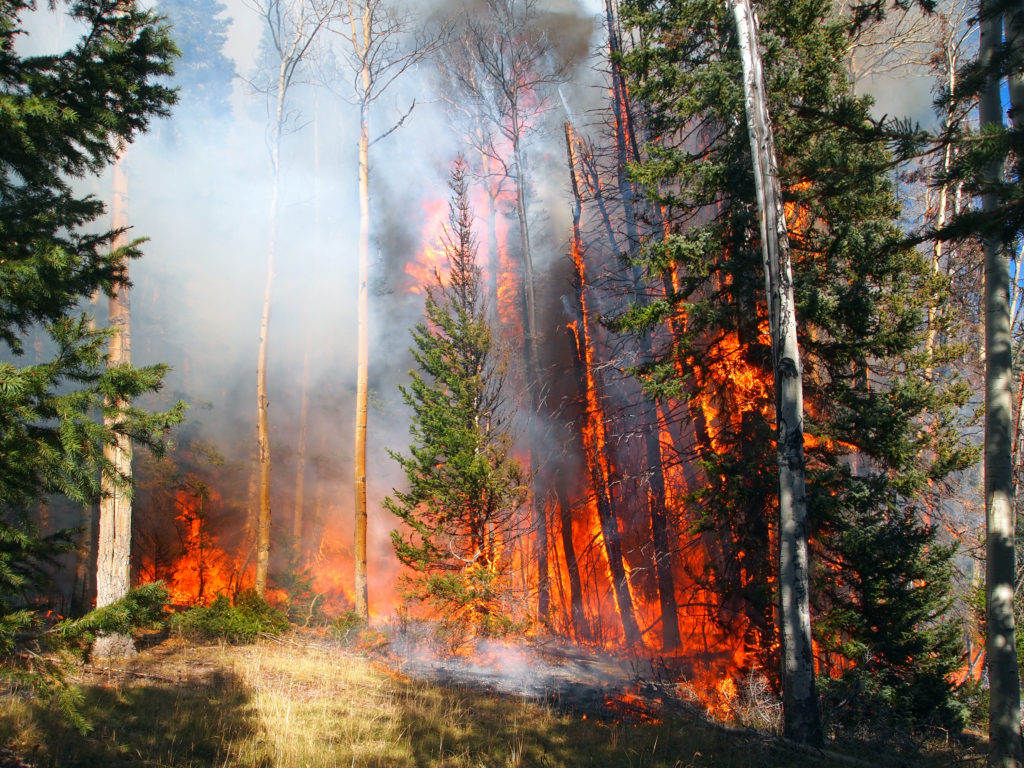
Ahead of Labor Day weekend, the State Parks Division of the Alabama Department of Conservation and Natural Resources (ADCNR) has announced that visitors to select State Parks in the southern portion of the state should take extra fire precautions because of dry conditions. The five state parks are Gulf, Meaher, Bladon Springs, Roland Cooper, and Frank Jackson. Visitors and overnight guests are asked to take extra precautions with campfires and barbecue grills. Greg Lein is the Director of ADCNR’s State Parks Division. “As park guests plan for the upcoming Labor Day holiday, we ask that they keep the recent hot and dry conditions in mind when it comes to campfires and grilling,” said Director Lein. “Those conditions have increased the risk for wildfires at state parks in south Alabama. We encourage park visitors and overnight guests to be very cautious with campfires and grills during this period until we get some much-needed rain and the temperatures moderate.” The additional fire precautions at Gulf, Meaher, Bladon Springs, Roland Cooper, and Frank Jackson state parks include the following: · No campfires outside of designated day-use picnic areas, campgrounds, or developed recreational areas. · Barbecue grills and gas-fueled stoves are permitted only in designated day-use picnic areas, campgrounds, or developed recreational areas. · Do not use barbecue grills or gas stoves in areas that can scorch, burn, or damage lawns or picnic tables. · Place barbecue grills a minimum of 15 feet away from any flammable material such as grass, weeds, wood chips, brush, or park facilities. · Do not leave a campfire or grill unattended. · Completely extinguish all burning fuel, such as wood or charcoal, before disposing of it in an existing fireplace, fire pit, or barbecue grill. If you have questions about the additional fire precautions at Gulf, Meaher, Bladon Springs, Roland Cooper, and Frank Jackson state parks, please contact the main offices of the individual parks. The recent forest fire in Maui, Hawaii, has the highest death toll from a forest fire in American history, and bodies are still being found. Park visitors should also monitor each state park’s social media accounts for updates on fire precautions and restrictions. Visitors should also be aware that there have been two human cases of Eastern Equine Encephalitis (EEE) in Baldwin County recently, including one where a little girl died. Since EEE is spread by mosquitos, the Alabama Department of Public Health is advising everyone to take precautions against mosquito bites. Wear chemical repellants and always wear long-sleeved shirts and pants. To connect with the author of this story or to comment, email brandonmreporter@gmail.com.
Hugh S. Branyon Backcountry Trail voted best in the nation
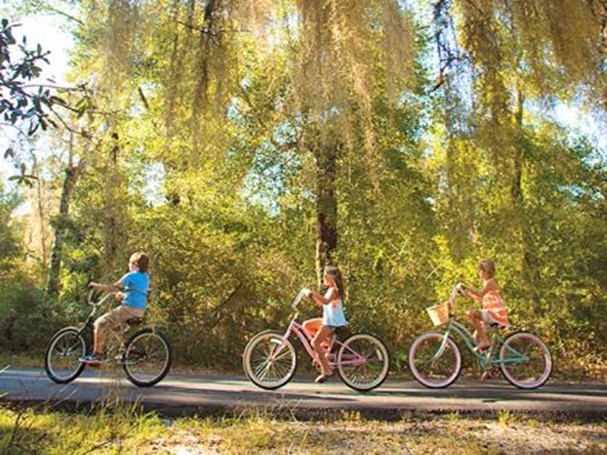
USA Today announced that readers have voted the Hugh S. Branyon Backcountry Trail as the best recreational trail in the country. The Hugh S. Branyon Backcountry Trail is at Gulf State Park in Baldwin County. Alabama Governor Kay Ivey said on Twitter Tuesday. “Congratulations to the Hugh S. Branyon Backcountry Trail for being voted the best recreational trail in the nation! From our rolling hills to our sandy shores, Alabama’s natural beauty holds a multitude of recreational opportunities for Alabamians and our visitors near and far.” Innovate Alabama tweeted, “We are excited to see Alabama’s very own Hugh S. Branyon Backcountry Trail voted as the #1 recreational trail in the country by @USATODAY’s 10Best. We want the world to know about the natural beauty and recreational opportunities they can find in Alabama.” The trail was voted as the top recreational trail in the country in the 2023 USA TODAY 10 Best Readers’ Choice Awards. The south Alabama trail took first place over nine other trails located throughout the U.S., including Missouri’s 240-mile Katy Bike Trail – one of the longest Rails-to-Trails projects in the country – and the Great Allegheny Passage that connects Cumberland, Maryland, to downtown Pittsburgh, Pennsylvania. The awards were announced on Friday. Greg Lein, Director of the Alabama State Parks, stated, “We are excited for the Hugh S. Branyon Backcountry Trail to receive this award,” said Director Lein. “We’ve worked together with our partners in Orange Beach and Gulf Shores to offer access to some of the most unique habitats and recreational opportunities along the Gulf Coast. Thank you to everyone who voted for the Backcountry Trail as the best recreational trail in the country.” The Hugh S. Branyon Backcountry Trail was established in 2003 as a multi-use recreational trail connecting Gulf Shores, Orange Beach, and Gulf State Park. The trail is a system of paved and unpaved paths and boardwalks providing trail users with access to several distinct ecosystems and outdoor recreational opportunities. The trail was named in honor of Hugh Branyon, who served as superintendent of Gulf State Park for more than 30 years. The Backcountry Trail system features 29 miles of trails that are located within the park. Chris Blankenship, Commissioner of the Alabama Department of Conservation and Natural Resources (ADCNR), stated, “This recognition from USA Today puts a spotlight on just how important recreational trails are to our communities. Trails like the Hugh S. Branyon Backcountry Trail help connect cities and residents with the natural environment and provide recreational opportunities that are important to our well-being and economy.” Bobcats, alligators, sea turtles, ospreys, and dozens of species of birds are just some of the wildlife trail users might see along the trail. An estimated 44 million people use hiking trails each year in the U.S. each year. For more information about the Hugh S. Branyon Backcountry Trail at Gulf State Park, visit The Alabama State Parks website. To connect with the author of this story or to comment, email brandonmreporter@gmail.com.
State to celebrate bald eagles return from near extinction with program at Lake Guntersville State Park
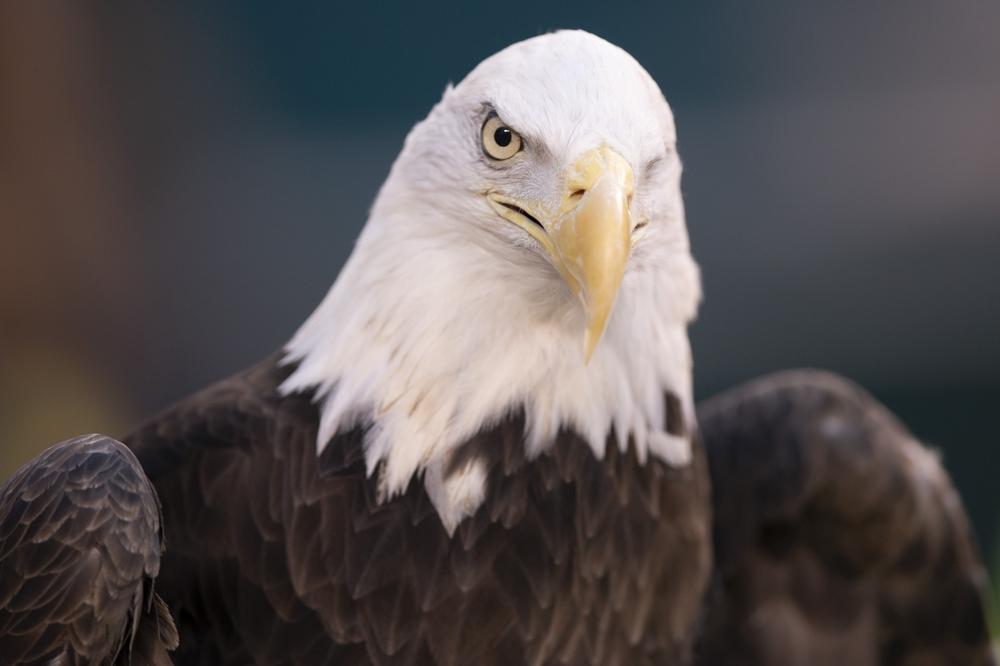
Alabama’s last documented nesting pair of bald eagles was in 1962. By 1972, only 480 nesting pairs of bald eagles were left in the United States, and the species appeared to be headed toward extinction. According to a recent survey, today, there are 700 to as many as 1000 bald eagles that winter every year in Alabama. This remarkable species recovery in the state was due to a 1940 law that banned the killing of bald eagles, the 1972 banning of the pesticide DDT, and restoration efforts by the state and efforts by the Alabama Department of Conservation and Natural Resources (ADCNR) to reintroduce the eagles into the state. Since the 1980s, the state has celebrated the return of the eagles to Alabama by hosting Eagle Awareness Weekend events at Lake Guntersville State Park. The three-day 2023 events are scheduled for January 20-22, January 27-29, and February 3-5. Greg Lein is the Alabama State Parks Director. Lein said that packages during Eagle Awareness Weekends include lodging, two breakfasts, one dinner, a welcome packet, VIP access to presentations from experts in eagles and other raptors, discounts at the restaurant and gift shop, and photo excursions around the park. “Our lodge, campground, and chalets often fill up quickly for these weekends, so we encourage people to make reservations and join us at Lake Guntersville State Park for what we believe will be another amazing year of Eagle Awareness Weekends,” Lein said. When the eagle weekends began in the mid-1980s, visitors would see eagles that had migrated from other states to Lake Guntersville for the winter months. Today many eagles live in Alabama year-round, and participants view both resident eagles and nonresident eagles (snowbirds) that visit the lake and forest habitats during the winter. Mercedes Maddox is a Nongame Biologist with the ADCNR’s Wildlife and Freshwater Fisheries (WFF) Division. She will be one of the presenters during the Eagle Awareness Weekends. “Historically, we had a large population of eagles in Alabama, just like the rest of the U.S.,” Maddox said. “But as early as the late 1800s, that population started to decline. That was primarily due to human intervention.” The Bald Eagle Protection Act was passed in 1940 to protect bald eagles. It now also protects golden eagles. Eagles then suffered a second setback that almost ended the species when the pesticide DDT became widely used. DDT was used on crops to minimize losses from insects and to control mosquitos to prevent malaria and yellow fever. The insecticide, however, got in the fish. Bald eagles consume large quantities of fish, so the pesticide accumulated in the bodies of the birds. There it impeded the ability of the birds to deposit calcium in their eggs, leading to weaker, softer shells that were crushed by the brooding birds resulting in greater nesting failure for the eagles leading to population decline. “By the time it made it to the top of the food chain, it was having direct and indirect impacts on bald eagles,” Maddox said. “One of the things it caused was the eagles’ eggshells to thin. They would lay the eggs, but when they sat on the nest to incubate them, the eggs would crack and never hatch. The eagles were building nests, laying eggs, and producing no young.” DDT was banned in 1972. In 1982 the WFF started its Nongame Wildlife Program. In 1984 Alabama joined the multi-state Bald Eagle Restoration Program. “We used a technique called hacking to grow the bald eagle population,” Maddox explained. “Hacking is where biologists force an immature bird to take its first flight in a desired area. They would take eaglets from Florida and Alaska and release them in specific locations with depleted populations.” Alabama participated in the hacking program until 1992. Ninety-one eagles were released from hacking towers throughout the state in that period. Today the eagles nest in Alabama. “There was a nest attempt in 1987, but the first successful nest occurred in 1991,” Maddox said. “That was the first successful nest in 30 years. It was a huge, huge success for the program as a whole.” By 2006 there were 77 nests found in the state. The eagles have continued to increase since then, so many of them that they are difficult to count. “You can now find eagles in every single county,” Maddox said. “It is one of the top recovery stories in the nation.” Alabama’s restoration program was funded through the Pittman-Robertson Act, which levies an excise tax on firearms and ammunition. Now that the state of Alabama has restored the bald eagle to the state, more attention is being focused on its cousin, the golden eagle. “A lot of people don’t know we have golden eagles that winter in Alabama,” Maddox said. “The Golden Eagle Project began about ten years ago. It’s a multi-state project as well, as with any good conservation effort. So, partners are heavily involved in this. We use simple game cameras to monitor where eagles are occurring throughout the state. We’ve set up cameras at 21 different locations during the program. We’ve had golden eagle sightings at 10 locations, with the most southern location at Upper State Special Opportunity Area near Jackson.” Maddox said several golden eagles have been captured and fitted with transmitter tags to track their movement to determine migration pathways and habitats the eagles are accessing in Alabama. She said 19 tags have been attached since 2013, and six remain active. “One of those tags still active is on a bird we’ve named Natchez, a bird that was captured at Freedom Hills,” Maddox said. “She travels from way up in Canada near Hudson Bay. Other birds migrate to northern parts of Ontario, and others go to Newfoundland. They migrate a long way to get to Alabama every winter.” “Golden eagles are most often found in forested areas,” she said. “They feed on carrion, which is one of their primary food sources in the winter, but they also feed on small mammals. Maddox said WFF depends on the public to report eagle sightings and nesting activity. Email mercedes.maddox@dcnr.alabama.gov to report
Kay Ivey announces free admission to state parks on National Public Lands Day

On Monday, Gov. Kay Ivey announced that Alabama State Parks will waive all entrance and parking fees on National Public Lands Day, which takes place Saturday, September 24, 2022. “The past few years have shown us just how important outdoor recreation is to our health and wellbeing,” Ivey stated. “Spending time outdoors can reset our minds and refresh our spirits. Because of that, I encourage you to visit any of our Alabama State Parks on National Public Lands Day and experience some of the best our state has to offer.” .@ALStateParks will waive all entrance & parking fees on National Public Lands Day on Sat., Sept. 24, 2022! I encourage you to visit any of our parks on this special day & experience some of the best our state has to offer. @OutdoorAlabama #alpolitics https://t.co/EXUePc6vDW — Governor Kay Ivey (@GovernorKayIvey) September 19, 2022 Established in 1994, National Public Lands Day celebrates the importance of public lands like Alabama State Parks, wildlife management areas, and Forever Wild Land Trust tracts. The day also promotes the important role volunteers play in supporting access to outdoor recreation for everyone. “Having quality access to outdoor recreation is a vital aspect of improving the quality of life for all Alabamians,” said Chris Blankenship, commissioner of the Alabama Department of Conservation and Natural Resources (ADCNR). “I am honored that Governor Ivey has made outdoor recreation a priority of her Administration. We look forward to continuing our efforts to increase access to public lands and outdoor recreation throughout the state.” Alabama State Parks is a division of ADCNR and maintains 21 state parks encompassing approximately 48,000 acres of public land and water in the state. In recent years the State Parks Division has been implementing an extensive renovation and improvement project statewide. State Parks Director Greg Lein expressed excitement over showing off improvements that have been made to the parks. “In addition to much-needed infrastructure repairs and improvements, we have updated many day use areas and modernized campgrounds throughout the parks system,” stated Lein. “We look forward to sharing these improvements with our guests on National Public Lands Day.” Each year, several million people participate in outdoors-related activities in Alabama, generating an economic impact of almost $15 billion. This translates into more than 135,000 jobs for Alabamians. Alabama’s state parks system offers a wide variety of outdoor recreation options from the mountains of North Alabama to the state’s Gulf Coast. Although entry and parking fees will be waived on September 24, fees for park amenities such as canoe rentals and cave tours will still apply. There will be no cost for activities like hiking and mountain biking and enjoying day-use areas throughout our state parks system.
PETA urges ban on all fishing in Alabama state parks
A threatened loggerhead sea turtle died recently after getting hooked by fishing lines twice in one week at Gulf State Park. PETA sent a letter to Alabama State Parks Director Greg Lein, requesting a fishing ban at the park. They also asked him to consider extending the ban to all state parks. PETA noted that fishing kills at least 4,600 sea turtles in U.S. coastal waters annually after they get caught in nets or are accidentally hooked on bait lines. The necropsy revealed that two fishhooks had perforated the turtle’s intestine and that a third “was anchored at the entrance to the [turtle’s] stomach.” “Gulf State Park should provide at least threatened and non-target animals with a safe haven,” says PETA President Ingrid Newkirk. “PETA is asking Lein to protect all the park’s wildlife, from trout to turtles, by making fishing off-limits,” the letter continued. “Whether people like to think about it or not, fish are sentient beings, capable of feeling fear and pain—especially the pain of being hooked through their sensitive mouths, which have many nerve endings. It should be no more acceptable to harm them than it is to harm any other living, feeling beings.” People for the Ethical Treatment of Animals (PETA) is the largest animal rights organization in the world with more than 9 million members. PETA opposes speciesism, a human-supremacist worldview. Their motto states, “Animals are not ours to experiment on, eat, wear, use for entertainment, or abuse in any other way.” PETA’s letter to Lein follows.October 20, 2021 Greg Lein Director of Alabama State Parks Alabama Department of Conservation and Natural Resources Dear Mr. Lein: PETA entities have more than 9 million members and supporters globally, including thousands across Alabama. I’m writing to you on behalf of PETA U.S., the largest animal rights organization in the world, in response to news that a threatened loggerhead turtle recently died eight days after he had accidentally been hooked (for the second time that week) and rescued at Gulf State Park Pier. While we applaud park security and naturalists who helped rescue this turtle—two fishhooks had also perforated his small intestine and a third hook was in the entrance to his stomach—we have an urgent request to get ahead of this problem: Please ban fishing at Gulf State Park to protect turtles, fish, and other wildlife.Every year, anglers worldwide leave behind a trail of victims that includes turtles, birds, and other animals who sustain debilitating injuries after swallowing fishhooks or becoming entangled in fishing line. Wildlife rehabilitators say that abandoned, lost, or discarded fishing gear is one of the greatest threats to aquatic animals and makes up about 10% of all ocean litter. It damages marine habitats and entangles marine animals, leading to injury, illness, suffocation, starvation, and death. Researchers estimate that fishing kills at least 4,600 sea turtles in U.S. coastal waters annually, because they become caught in nets or hooked on bait lines. According to the National Oceanic and Atmospheric Administration, bycatch in fishing gear is the greatest threat to loggerhead turtles worldwide, and a 2010 study estimated that as many as 1.5 million sea turtles were caught in fisheries worldwide over an 18-year period.Whether people like to think about it or not, fish are sentient beings, capable of feeling fear and pain—especially the pain of being hooked through their sensitive mouths, which have many nerve endings. It should be no more acceptable to harm them than it is to harm any other living, feeling beings. As more information on fish sensitivity and pain receptivity has been in the news lately, yet another benefit to a ban is that fewer of these sensitive animals would be suffocated, gutted while still alive, or hooked and thrown back, only to die slowly and painfully from the resulting injuries and stress.I hope that in light of both this recent hideous incident and the ongoing dangers that angling poses to turtles and other wildlife species, you’ll impose a ban on fishing at Gulf State Park and consider extending it to all state parks. Thank you for your consideration. I look forward to hearing from you. Very truly yours,Ingrid Newkirk President
Greg Lein: Celebrate Alabama State Parks Heritage
Labor Day weekend in Alabama marks two major events for citizens of our state: the unofficial end of summer and the official start of college football season. As the leaves eventually begin to change and fall temperatures start to prevail, many Alabamians will spend their Saturdays over the next few months focused on their favorite team and tracking their fantasy leagues. Alabamians’ love for parks extends much further than the Saturdays spent at the ballpark. Parks of all kinds are important to our communities; national and state parks provide dozens of options for people to go unwind. As you prepare for your Labor Day adventure and officially kick off fall, I encourage you to get outside and experience some of the amazing opportunities in Alabama’s State Parks as well as the thousands of attractions that can be found in city, county, and National Parks. Last week the National Park Service (NPS) celebrated 100 years of service and stewardship. Alabama’s State Parks are celebrating their 77th year of service. These incredible public lands are much more than simply protected lands; they are outlets for cultural, historical and environmental education. Parks also give citizens countless opportunities for recreation and help provide an exceptional quality of life with scores of recreational options. The Alabama State Parks system protects more than 47,000 acres of land across the state and offers dozens of recreational options. Within Alabama’s State Parks you’ll find hundreds of miles of trails, golf courses, mountain top views, serene beachfront, luxury resorts, ziplines, archery courses and museums that tell the story of Native Alabamians and early pioneers. These parks are as diverse and distinct as the guests that visit them each year. Parks provide opportunities for people of all backgrounds. Regardless of socioeconomic background, education, and physical ability, there’s something for everyone to enjoy at the parks. Our leaders had the choice generations ago of whether to keep these lands available to citizens. They made the right decision to keep our parks available to future generations. We hope all these amazing public lands will still be available to all Americans in the next century. The citizens of Alabama are faced with a decision this November about whether they want their State Parks preserved for future generations. A “yes” vote on Amendment 2 on the November 8 ballot is a vote to help ensure our incredible State Parks will remain available and thriving for future generations. The proposed Constitutional Amendment would protect the State Park system’s money, keeping it within the parks and preventing it from being taken and used elsewhere. Since almost all of the money in the State Parks’ budget comes from Parks’ users, it is only right for those funds to remain in the Parks. Let’s continue to celebrate our “Parks Heritage” during this centennial year and let us come together to ensure the future of our State Parks by voting “Yes” on Amendment 2 – and encourage all your friends and neighbors to do likewise. ••• Greg Lein is the Director of Alabama’s State Parks.
In wake of budget cuts, state parks supporters asking for donations
Though the 2015 state budget row in Montgomery left few sectors of the government and public infrastructure unscathed, state parks took it on the chin in a major way, closing down entire parks and leading to municipal takeovers in others. But for those who needed more proof Alabama’s state parks are in a bad way, check out a recent missive Philip Darden, chair of the Alabama State Parks Partners Coalition, issued Monday. Darden asked friends of the state parks via email to donate to the park as part of so-called “#GivingTuesday,” a day following Black Friday and Cyber Monday generally aimed at philanthropic and humanitarian causes like disaster relief or disease research. “Our parks bring to much to the state of Alabama; by participating in this worldwide giving event the Alabama Parks Partners hope to inspire people and organizations to give back these great parks,” said Darden, a photographer and designer by trade. “Your donations will help this incredible state parks system thrive, help put on special projects and events and improve communication to supporters of Alabama State Parks. Public causes with the presumed backing of state governments are not usually the object of pleas for charity, but Darden’s group is making an exception due to the severity of the cuts. “Alabama State Parks have been hit hard with a fifth year of budget transfers by the Legislature,” wrote Darden. “Due to this continual transfer of park funds to the general fund, five parks have closed their doors. “The Parks System make the majority of its own money from park guest fees, but the Legislature has taken this money to fund other agencies of government; $30 million has been transferred from the Department of Conservation and Natural Resources since 2012. This year The Parks Partners are participating in #GivingTuesday to combat the severe losses of funding to Alabama State Parks.” Some critics say Alabama’s state parks were affected more than was necessary. State Auditor Jim Zeigler, for instance, has called the shuttering of six state parks so far “needless” and even equated the closures to mismanagement. State parks director Greg Lein penned an op-ed on the issue featured on Alabama Today in October, just days before of the looming park closures. “Despite seeing our money siphoned to other areas of government, we’ve been successful in helping our entire system thrive,” Lein wrote. “For the first time in nearly two decades all facilities at the parks are operational, and we were able to have one of our best peak seasons ever this summer. “Unfortunately, we’re now seeing nearly all of the revenue made off this record season transferred to the general fund,” wrote Lein.
Parks director, Governor volley back and forth on park closings
It has been a busy week for Alabama State Parks Director Greg Lein with all eyes on the parks department’s reaction to proposed budget cuts. The division announced plans to close several parks and golf courses May 1 because of budget shortages, but has since backed off that deadline. Al.Com quoted Lein talking about what has happened since announcing the May 1 closing dates. “Since that time, we have received a tremendous amount of support from the public. In addition, the governor’s office and the Legislature have received an outcry for our parks to stay open and for them to receive full funding,” Lein said. “Given these recent developments and discussions that are taking place in Montgomery, Gov. (Robert) Bentley has instructed the state parks division to delay these closings slated for May 1 until further notice.” Bentley announced that the parks would remain open until further notice. The Alabama State Parks system operates 22 parks across the state and welcomes an estimated 4 million to 5 million visitors annually.
