
Bradley Byrne: SUPPORT in times of crisis

One of the things we pride ourselves on as Alabamians is taking care of each other. Not only should this mean we take care of those we know or our next-door neighbors, it should also mean taking care of all those throughout our region, especially those experiencing hardships. According to the Centers for Disease Control and Prevention, anywhere from 115 to nearly 200 Americans die every day from an opioid overdose. Last year alone, roughly 72,000 people died from this public health crisis. No community or group is exempt from the crisis. This is not a political issue. The opioid epidemic has been going on for far too long, and it is time that something be done about it. It became clear early in the opioid epidemic, as we were just beginning to understand the problem, that treating the opioid crisis would require assistance from every level of government, but also from the private sector. This is more than a single statewide issue, or even a regional issue. The entirety of our country is being affected: every death is another loved one, friend, or neighbor that won’t see their loved ones again. In Congress, we knew we needed to start looking for ways to support those in need in our own backyard, all across the nation. When it comes to a drug crisis like this, prevention comes down to early detection within the community, proper medical treatments, and patient support programs. Last month, the House passed landmark legislation to address the opioid epidemic. Last Wednesday, the Senate passed that bill, known as the SUPPORT for Patients and Communities Act, and it will now be signed into law by President Donald Trump. SUPPORT stands for Substance Use-Disorder Prevention that Promotes Opioid Recovery and Treatment. This multi-pronged solution will be able to better detect, treat, and provide recovery opportunity for those at risk or suffering from opioid abuse or overdose in our communities. Our bipartisan bill will both establish and expand upon early-detection programs to better spot those who may be struggling with opioid addiction. It will also increase health care providers’ ability to treat patients with effective solutions, and it will establish drug management programs for at-risk beneficiaries under Medicaid. This legislation is the most significant congressional action against a single drug crisis in our nation’s history: it is bipartisan, bicameral, and it is a plan that will provide assistance to those who need it most. This legislation comes on top of efforts over the last two years to increase funding for grant programs that help states deal with the opioid crisis. Top-down, government-knows-best solutions rarely work, so I support giving greater resources to allow states and local communities to develop programs that best meet the needs of their residents. Oftentimes we can become wrapped up in our own world of heading to and from work, catching the game, and making sure the kids get to school on time. Rarely do we think of those who may be suffering through the struggles of addiction. But, we are all part of a community, and we cannot fail anyone in our community by not acting. I am proud to say that Congress has done the right thing, and I will continue to support our medical providers, first responders, police officers, and recovery program managers here in Alabama. They need our constant support. I will also keep all those throughout the country who struggle through the awful grips of addiction in my prayers and will continue to look for greater ways we as a community can come together and provide for all our neighbors. • • • Bradley Byrne is a member of U.S. Congress representing Alabama’s 1st Congressional District.
Martha Roby: Continuing our fight against the opioid crisis
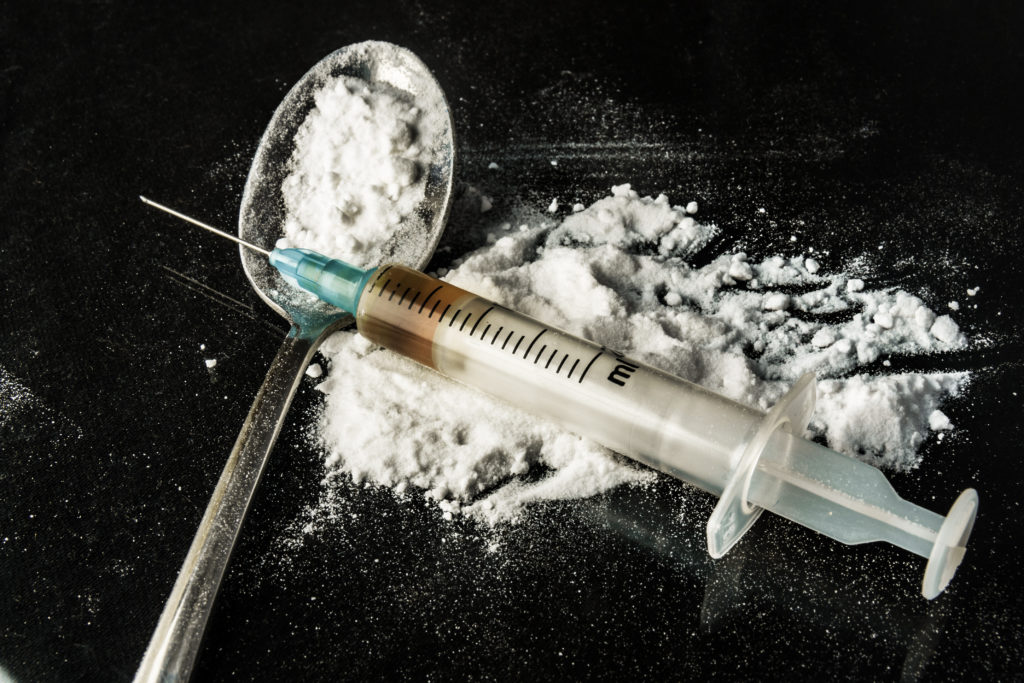
While the news of the day and partisan bickering often distract from the issue, it is important that we remember our nation is in the midst of an urgent public health epidemic that is ravaging virtually every community in this country. Hundreds of thousands of lives have been cut short by opioid addiction and abuse in recent years. Last year alone, more than 72,000 Americans lost their lives due to complications from drug overdose. Of those fatalities, nearly 50,000 were related to opioids. In Congress, we have made great strides towards addressing this tragic epidemic that is gripping the State of Alabama and the entire country, and we recently made even more progress by passing H.R. 6, the SUPPORT for Patients and Communities Act. This bill authorizes critical funding to assist states in combatting the opioid crisis, expand patient access to addiction treatment, and improve the detection of importation of illegal drugs, including fentanyl. H.R. 6 has passed both the House and Senate and now awaits President Trump’s signature. I am eager to see it become law. One aspect of H.R. 6 that is especially worth highlighting is the bill’s increased attention to addiction treatment. This legislation will create a grant program for comprehensive recovery centers that provide housing and job training in addition to mental and physical health care. The bill will also increase access to medication-assisted treatments that help individuals with addiction disorders safely wean themselves off of opioids. Another significant element of H.R. 6 is the change it would implement to an outdated rule that prohibits Medicaid from covering patients with substance abuse disorders who were receiving treatment in a mental health facility with more than 16 beds. This legislation will lift that rule and allow up to 30 days of residential treatment coverage. In addition to House and Senate passage of H.R. 6, Congress has allocated $8.5 billion this year for opioid-related programs. While there’s no guarantee of this level of funding in future years, I believe that Congress is taking this public health crisis seriously and will remain committed to properly funding efforts to combat it. The opioid crisis has devastated both rural and urban communities of all sizes in every corner of our country. The problem has grown too large to solve itself, and while I am proud of the steps we’ve taken in Congress, much work remains in this fight. Opioid overdose is now the leading cause of accidental death in the United States, causing more fatalities than car accidents. In order to fight this battle with the aggression it requires, we must be unified and coordinated in our efforts. Action must be taken by leadership in local communities, in state governments, and in the federal government. I am glad that in Congress, this fight has garnered the widespread support it deserves. American lives depend on all of us, and our work is far from being complete. I’m eager to see President Trump sign H.R. 6 into law, and I will continue to support efforts to combat the opioid epidemic on behalf of Alabama’s Second District. ••• Martha Roby represents Alabama’s Second Congressional District. She lives in Montgomery, Alabama, with her husband Riley and their two children.
Richard Shelby, Doug Jones concur on key vote to combat opioid epidemic ravaging Alabama

With the support of both Alabama senators, the U.S. Senate on Monday passed sweeping, bipartisan legislation aimed at combating the nation’s deadly opioid epidemic. The legislation, H.R. 6: The Opioid Crisis Response Act of 2018, combines three major bills that, together, aim to improve federal coordination of the opioid response, increase access to treatment, improve coordination of care, invest in non-opioid pain-killer research, and stop the flow of synthetic drugs into our country. It also reauthorizes funding and provides additional flexibility to states as they respond to the crisis. It passed by a vote of 99 – 1. “I am proud to have supported this significant legislation that will aid in combatting a crisis that is affecting nearly every community in the nation,” said Alabama’s senior Senator Richard Shelby. “We have worked in a bicameral, bipartisan effort to fight the dangerous opioid epidemic and present viable solutions for prevention. I look forward to getting this bill to the President’s desk for his signature.” “The opioid crisis has taken hold in every corner of our nation, and while we have seen some strides to turn that tide, we need to take an all-of-the-above approach to combatting this deadly epidemic,”said Jones, a member of the Senate Health, Education, Labor, and Pensions (HELP) Committee. “I was proud to support a comprehensive legislative effort through my work on the HELP Committee and I am glad to see several of the provisions I supported early on have been included in the final bill.” Last Thursday, the Senate and House Appropriations Conference Committee came to an agreement on H.R. 6157, which includes $3.8 billion for opioid funding, an increase of $206 million above the Fiscal Year 2018 enacted level. Alabama’s ongoing struggle with opioids Alabama is at Ground Zero in the opioid overdose crisis — last year the state had the highest national number of opioid prescriptions, more than the state’s total population, according to a report by insurance provider Blue Cross Blue Shield. According to a July study conducted by Harvard University, two Alabama Congressional Districts rank among the top five districts with the highest opioid prescription rates in the U.S. Alabama’s 4th Congressional District has the highest prescription rate in the country. Whereas Alabama’s 1st Congressional District has the 5th highest rate.
U.S. House of Representatives: July 6-10
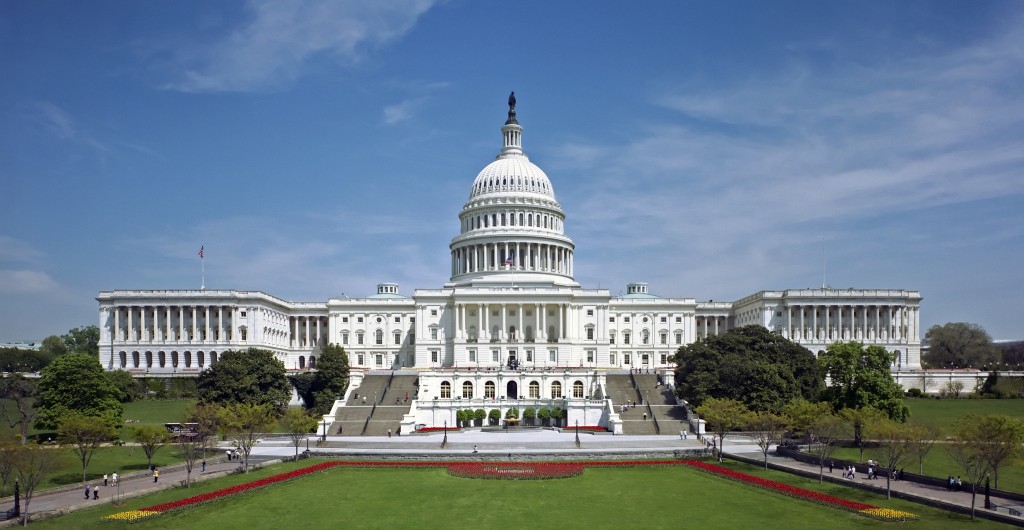
The U.S. House of Representatives returns Tuesday after a weeklong holiday recess ready to tackle a busy July agenda. They’ll begin with a vote on three noncontroversial bills under suspension of the rules. After Tuesday’s suspension votes, members will resume consideration of H.R. 2822: the Interior, Environment, and Related Agencies Appropriations Act for FY 2016. The bill provides a total of $30.2 billion in discretionary spending in FY 2016 for the Interior Department, the EPA, the Forest Service and a variety of other agencies. That total is $246 million (1 percent) less than current funding and $3.1 billion (9 percent) less than requested by the Obama administration. It’s considered a controversial bill because it decreases funding for EPA by 9 percent and limits the EPA’s regulatory authority. It also cuts funding for Forest Service activities and for the Fish and Wildlife Service. Other legislation on the floor for a vote this week includes: H.R. 5: the Student Success Act. The House originally began consideration of H.R. 5 in February, but postponed completing consideration at that time. The bill reauthorizes the Elementary and Secondary Education Act (ESEA, sometimes also referred to No Child Left Behind, NCLB). The bill makes fundamental changes to many ESEA programs. Alabama co-sponsors: Rep. Bradley Byrne (AL-1) H.R. 6: the 21st Century Cures Act. This bill is a bipartisan medical research and innovation bill intended to assure American leadership in biomedical research for the future and to allow drugs to get to patients more quickly, while also ensuring they are safe and effective for use. Alabama co-sponsors: Rep. Mike Rogers (AL-3) H.R. 2647: the Resilient Federal Forests Act of 2015. The bill would modify federal forest management practices by restoring fundamental land management capabilities to the U.S. Forest Service, such as routine thinning practices to improve forest health and reduce wildfire threats. Alabama co-sponsors: Rep. Gary Palmer (AL-6) Aside from the floor activity, the House will continue to work with the Senate through a conference committee to resolve the differences between their two versions of the National Defense Authorization Act. They are hoping to produce a final conference report before the August congressional recess, despite that President Barack Obama has threatened to veto the defense policy bills produced by both of the chambers.
