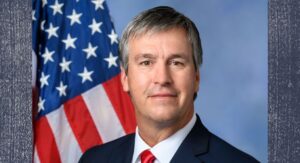
Steve Marshall on ‘In God we Trust’ proposal: ‘we’ll stand up for anybody who does it’
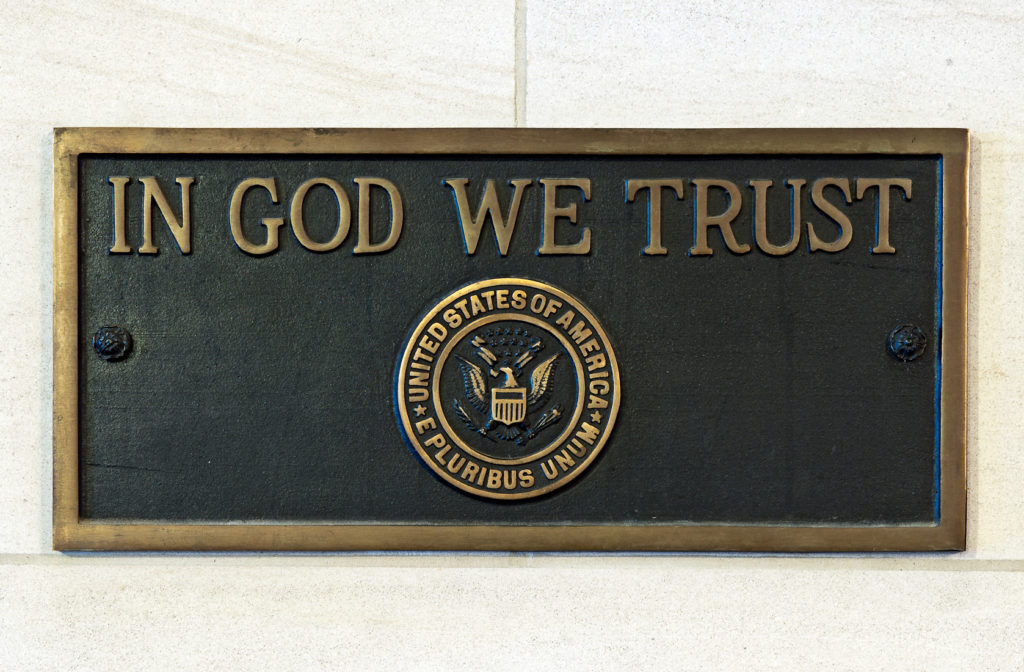
As students near the end of the first month of classes across the state, a new law is allowing schools to bring God back to Alabama public schools; and legal challenges are expected to follow. Earlier this month, the Blount County school board is positioned to become the first system to display the motto publicly, and Blount County Superintendent Rodney Green told AL.com a policy could be drafted within the next month. “You would think that something that passes the Legislature won’t be challenged in the courtroom but we all know that it can and probably will,” Green told the Associated Press. But Attorney General Steve Marshall is ready to fight anyone who challenges the new policy, “We ought to be able to display the nation’s motto, and to be able to do it without fear of litigation, we’ll stand up for anybody who does it,” Marshall told Gray DC. “In God We Trust” has been the official motto of the United States since 1956 and back in March, the State Legislature passed HB228: The National Motto “In God We Trust” Act, which allows the national motto to be placed on government agencies and offices, in and on public buildings, including public school classrooms across the state. “I think this is our nation’s motto ‘In God we trust.” It’s been challenged in federal court for multiple reasons including for being on our currency, it’s been dismissed out of hand by federal courts; there’s no reason why it wouldn’t be true in Alabama,” Marshall continued. “We believe it’s an appropriate use of government authority to be able to stand behind the motto of this president, and we ought to be able to continue to do that.”
After debate, Houses passes controversial ‘In God we trust’ bill
After lengthy debate, a bill passed through the state House on Tuesday that would allow “In God We Trust” to be displayed in public spaces across the state of Alabama. Hayden-Republican state Rep. David Standridge filed HB228: The National Motto “In God We Trust” Act ultimately passed 91-4. It would allow the national motto to be placed on government agencies and offices, in and on public buildings, including government office buildings, public school classrooms, and vehicles across the state. “In God We Trust” has been the official motto of the United States since 1956, but that didn’t stop legislators from discussing the bill and the origins of the phrase for over two hours. Where one state lawmaker, Indian Springs-Republican state Rep. Arnold Mooney, was accused of twisting history when he explained the phrase is from the national anthem, and added that Francis Scott Key once argued slaves on a captured ship should return to Africa. Black legislators said Mooney was wrong and didn’t know what he was talking about, as Key himself owned slaves and his third stanza is thought to celebrate the deaths of escaped slaves who actually fought with the British. It now moves to the Alabama Senate.
Move aside political correctness, state Rep. David Standridge files bill to allow ‘In God we trust’

“In God We Trust” has been the official motto of the United States since 1956, and a new bill proposed in the state Legislature would allow it to be displayed in public spaces across the state of Alabama. Hayden-Republican state Rep. David Standridge filed HB228: The National Motto “In God We Trust” Act on Tuesday. It would allow the national motto to be placed on government agencies and offices, in and on public buildings, including government office buildings, public school classrooms, and vehicles across the state. “Political Correctness has gone too far when our national motto becomes unwelcome in public settings,” Standridge said in a statement. “This bill makes it clear that schools, courthouses, law enforcement vehicles, public officials and government bodies may proudly display ‘In God We Trust.’” The proposed legislation will be considered by the House Committee on State Government in the coming weeks before being debated by the entire state House of Representatives.