
This week at the Statehouse: Legislative Days 19-20
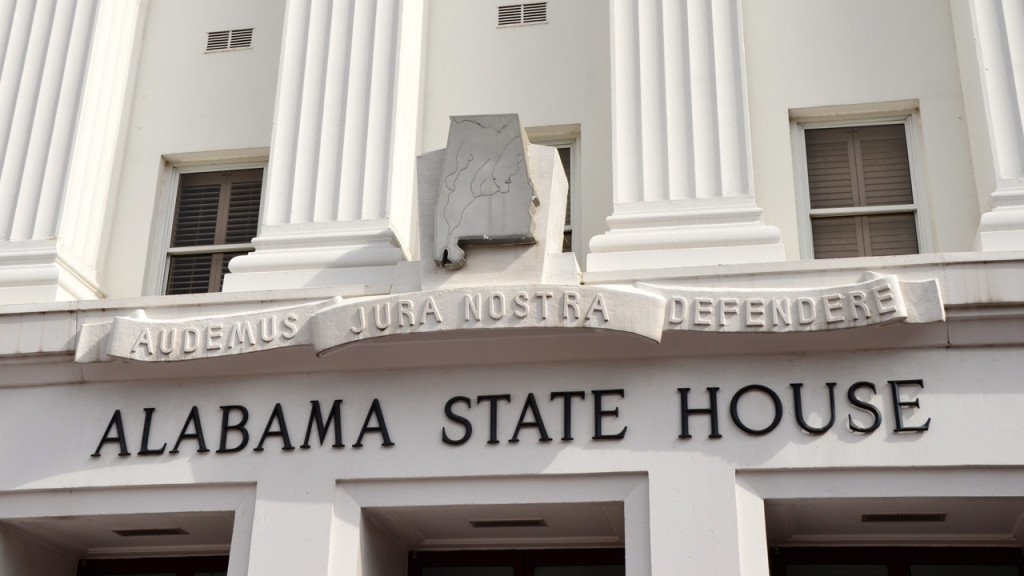
The talk of the town this week is expected to be about the gaming proposals Sen. Del Marsh drafted and sent home to members last week and the Poarch Creek Indian Tribe’s counter offer. Then there’s the lawsuit that the State Auditor Jim Zeigler has announced he’ll drop Monday to challenge Attorney General Luther Strange for his decision not to challenge school boards from using tax payer money to lobby for tax increases. Here are some of the proposals expected to move in the statehouse this week: Sen. Cam Ward’s comprehensive prison reform bill Senate Bill 67 could go to the House floor was early as Tuesday, according to reports from AL.Com. On Tuesday in the House Ways and Means Committee there will be four bills up. They include House Bill 572 which would raise the cigarette taxes from $.425 a pack to $.675 a pack, House Bill 267 which would raise the rental car tax from one-half percent to four percent and House Bill 590 which would authorize the state skipping the 2015-2016 longevity pay paid out at the beginning of December for state employees. On Wednesday, an education policy panel will hear comments on House Bill 243 to authorize local boards of education to admit or readmit students up to age 21 into the 12th grade. That same panel is expected to vote on Erin’s Law House Bill 197, a proposal to provide age-appropriate instruction in public schools on recognizing and avoiding child sexual abuse. The health committee is slated to vote on a trio of proposals governing abortion on Wednesday. The committee declined to vote last week following public hearings on the Fetal Heartbeat Act, the Healthcare Rights of Conscience Act, and a proposal to bar clinics within 2,000 feet of a public school. Keep checking ALToday.com for updates. *Article updated to reflect tax bills heard on Tuesday not Wednesday.
No vote on bill to bar abortion clinics near public schools

Lawmakers on Wednesday declined to vote on three controversial proposals on abortion, including a proposal introduced last week to bar abortion clinics within 2,000 feet of a public school. The bill is sponsored by state Rep. Ed Henry and was introduced last week, sparking a heated debate over whether children should be shielded from clashes between pro-life and pro-choice advocates. Bob Beecher, an assistant district attorney from Huntsville spoke to the panel of lawmakers as a concerned parent. “There’s antagonistic behavior between these two groups and it’s never going to end,” he said. “They can have their clinic someplace else, just not right across from children of that age.” Others pointed out the history of violent acts by both sides near abortion clinics. Community member Cindy Adams said, “It’s the government’s job to ensure children’s safety while they attend public schools. […] If abortion providers fear for their safety and the safety of their own children, shouldn’t we be concerned about the safety of children going to school?” Clinic advocates pointed to another potential solution: establishing a “bubble” around abortion clinics to separate the two groups and diminish the possibility of conflict. The House Health Committee had also been slated to vote on the Fetal Heartbeat Act and the Healthcare Rights of Conscience Act.
Law protects health workers refusing to perform care that runs against personal beliefs
Healthcare providers could refuse to perform services that run against their beliefs under legislation considered in the House Committee on Health on Wednesday. Rep. Arnold Mooney is sponsoring House Bill 491 also known as the Healthcare Rights of Conscience Act. The bill gives providers the right to refuse to perform or participate in health care services that violate their moral or religious beliefs. Further, providers would be immune from any civil, criminal, or administrative liability for refusing to participate in services that go against their conscience. During Wednesday’s public hearing, Rep. Mooney said that in emergency situations, health care providers would be required to provide medical care until another worker is able to step in. Workers would be required to given their employer written notice of their objections at least 24 hours before the procedure. “This bill allows people to get the services they choose to have from providers who choose to provide it,” said Rep. Mooney. Several advocates spoke in favor of the bill, including one man who said it would treat “health care workers as human beings, not automatons.” Concerns over the bill included its potential to block a patient’s ability to make an informed decision, since practitioners could refuse to offer certain options based on their personal beliefs rather than on medical evidence or potential for health risk. Rep. Laura Hall suggested an amendment that would require health offices to post information clearly stating that that medical staff could refuse certain services. She compared the requirement to the Alabama law concerning placing signs outside of businesses where guns are not allowed. Rep. Mooney signaled that he would be unwilling to consider amending the bill. The committee declined to vote on Wednesday.
