
Republican governors ask Biden administration to rescind Title IX guidance
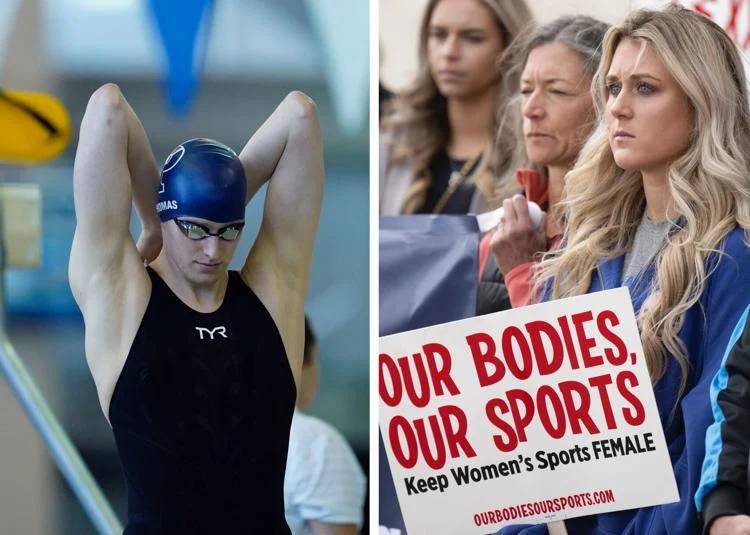
Twenty-five of the nation’s 26 Republican governors have asked the Biden administration to shelve its intent to expand Title IX protections to transgender athletes. The letter, led by the signature of Mississippi Gov. Tate Reeves, says the U.S. Department of Education’s proposed regulation should be withdrawn pending litigation that could be addressed by the U.S. Supreme Court. “The Department’s proposed regulation would attempt to coerce compliance with an uncertain, fluid, and completely subjective standard that is based on a highly politicized gender ideology,” the letter reads. The letter comes as the public comment period ends Monday on a proposed revision to Title IX that would ban state and local governments from prohibiting transgender students from participating on sports teams aligned with their gender identity. Title IX was created to increase opportunities for female athletes. Federal funds can be withheld from those found to be in violation. The law, which was passed in 1972, prohibits discrimination based on sex for school districts, universities, museums, and other educational institutions that receive federal funds. “Compelling a subjective, athlete-by-athlete analysis controlled by a student’s self-identified ‘gender identity’ enforced under threat of Department retribution affords no clarity,” the letter reads. “It does the opposite. This ‘fluid’ subjective standard ensures chaos and confusion in schools and will no doubt result in protracted and disruptive litigation.” Twenty-one states prohibit transgender students from participating on sports teams that do not align with their biological sex at birth, according to the Movement Advancement Project that tracks state policies. The letter was signed by Alabama Gov. Kay Ivey, Alaska Gov. Mike Dunleavy, Arkansas Gov. Sarah Sanders, Florida Gov. Ron DeSantis, Georgia Gov. Brian Kemp, Idaho Gov. Brad Little, Indiana Gov. Eric Holcomb, Iowa Gov. Kim Reynolds, Missouri Gov. Mike Parson, Montana Gov. Greg Gianforte, Nebraska Gov. Jim Pillen, Nevada Gov. Joe Lombardo, New Hampshire Gov. Chris Sununu, North Dakota Gov. Doug Burgum, Ohio Gov. Mike DeWine, Oklahoma Gov. Kevin Stitt, South Carolina Gov. Henry McMaster, South Dakota Gov. Kristi Noem, Tennessee Gov. Bill Lee, Texas Gov. Greg Abbott, Utah Gov. Spencer Cox, Virginia Gov. Glenn Youngkin, West Virginia Gov. Jim Justice, and Wyoming Gov. Mark Gordon. The signature of Vermont Republican Gov. Phil Scott is not on the letter. Republished with the permission of The Center Square.
Alabama beverage company to build bottling plant in South Carolina

An Alabama beverage company plans to invest $130 million and create more than 100 jobs in South Carolina’s Spartanburg County. Milo’s Tea Company, headquartered in Bessemer, Alabama, will open a new brewing and bottling operation in Moore, South Carolina. Spartanburg County Councilman David Britt announced the plan Monday during a County Council meeting. The facility would be the company’s fourth plant in the U.S., The Herald-Journal reported. “They are an outstanding family-owned business that was established in 1946, and their people-first attitude will fit incredibly well in our county,” said Britt, who chairs the county’s economic development committee. Milo’s will build a 110,000-square-foot (10,200-square-meter) plant to accommodate brewing and bottling operations, Britt said. Operations are expected to be online by the end of 2024, Gov. Henry McMaster said in a statement Tuesday. “South Carolina’s strong economy continues to attract leading businesses such as Milo’s Tea Company,” McMaster said. “Their decision to invest in South Carolina will significantly strengthen our beverage industry, and the new jobs will greatly enhance the Spartanburg County community and the state as a whole.” Milo’s Tea Company’s Chief Executive Officer Tricia Wallwork said Spartanburg County was chosen because it “was the optimal location to efficiently serve our customers up and down the East Coast.” Milo’s products include sweetened and unsweetened tea, lemonade, and peach, raspberry, and lemon-flavored teas. Republished with the permission of The Associated Press.
GOP governors to Joe Biden: Student loan plan will be costly for American taxpayers
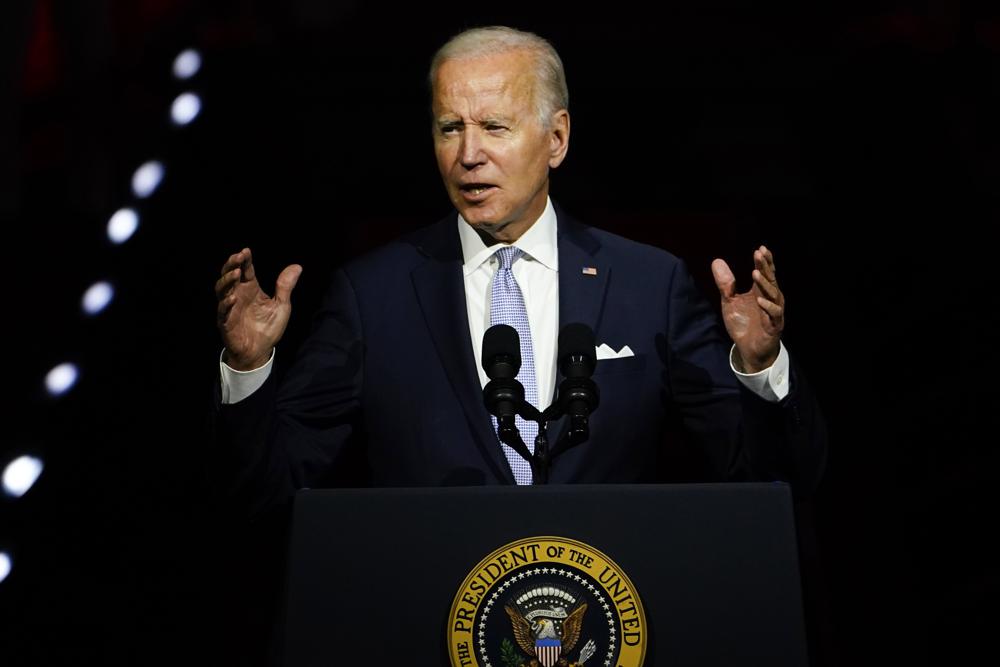
President Joe Biden’s student loan forgiveness plan will be costly for American taxpayers, a coalition of GOP governors said in a letter sent Monday to the White House. The letter, signed by 22 GOP governors, tells Biden to “withdraw” the plan, citing cost estimates of up to $600 billion, or $2,000 per American taxpayer. “As governors, we support making higher education more affordable and accessible for students in our states, but we fundamentally oppose your plan to force American taxpayers to pay off the student loan debt of an elite few,” the coalition wrote. The coalition includes Alabama Gov. Kay Ivey, Alaska Gov. Mike Dunleavy, Arizona Gov. Doug Ducey, Arkansas Gov. Asa Hutchinson, Florida Gov. Ron DeSantis, Georgia Gov. Brian Kemp, Idaho Gov. Brad Little, Iowa Gov. Kim Reynolds, Maryland Gov. Larry Hogan, Missouri Gov. Mike Parson, Montana Gov. Greg Gianforte, Nebraska Gov. Pete Ricketts, New Hampshire Gov. Chris Sununu, North Dakota Gov. Doug Burgum, Ohio Gov. Mike DeWine, Oklahoma Gov. Kevin Stitt, South Carolina Gov. Henry McMaster, South Dakota Gov. Kristi Noem, Tennessee Gov. Bill Lee, Texas Gov. Greg Abbott, Utah Gov. Spencer Cox, and Wyoming Gov. Mark Gordon. “At a time when inflation is sky high due to your unprecedented tax-and-spend agenda, your plan will encourage more student borrowing, incentivize higher tuition rates, and drive-up inflation even further, negatively impacting every American,” the governors added. Biden announced the plan last month during an address from the White House. “Many people – many people can’t qualify for a mortgage or buy a home because the debt they continue to carry,” Biden said. “A lot of folks are even putting off starting families because of the cost, and the dream of starting or owning your business is just way off in the distance with a debt that’s – that so many are saddled with.” The plan forgives $10,000 in federal student loan debt for those who make less than $125,000 annually, while federal Pell Grant recipients will be forgiven $20,000. The Committee for a Responsible Federal Budget has estimated that the plan’s total cost would be $440 to $600 billion. Republished with the permission of The Center Square.
Republican governors call Democrat spending bill “reckless”

Twenty-one Republican governors called the Inflation Reduction Act “another reckless tax and spending spree” in a joint statement released Thursday. The legislation, dubbed the “Democrats spending bill” by Republicans, would reduce the federal deficit, Senate Democrats said in a summary. But the $740 billion bill would hurt all Americans, the Republican governors said. “While denying recession, Democrats want to raise taxes on businesses and manufacturers, which will force higher costs onto consumers, worsen inflation, and aggravate shortages,” they said in the letter. “With sky-high prices at the pump, the last thing Americans need is for Democrats to punish energy producers, which will ultimately hurt working families struggling to pay for gas, goods, food, and utilities.” Democrats maintain the measure would reduce inflation by investing taxpayer dollars into domestic energy production and manufacturing and lowering carbon emissions by 40% by 2030. Republicans have maintained that Biden’s policies hindered energy production in the oil and gas industry, leading to record high gas prices this summer, which in part contributed to 40-year high inflation. They point to the president’s executive orders ending new leases for oil production on federal lands, ending the Keystone Pipeline construction, and other restrictions on the industry. Democrats say their bill also would allow Medicaid to negotiate prescription drug prices, something critics say will discourage investment in new treatments. The Affordable Care Act also would be extended for three years under Democrats’ plans. The bill also includes up to $7,500 in tax credits on the purchase of an electric or fuel cell vehicle made in America. Large corporations would be required to pay a minimum 15% tax, and the measure would not raise taxes on Americans making less than $400,000 a year, according to remarks by President Joe Biden. The joint statement opposing the Inflation Reduction Act was made by South Carolina Gov. Henry McMaster, Georgia Gov. Brian Kemp, Alabama Gov. Kay Ivey, Arizona Gov. Doug Ducey, Arkansas Gov. Asa Hutchinson, Florida Gov. Ron DeSantis, Idaho Gov. Brad Little, Indiana Gov. Eric Holcomb, Iowa Gov. Kim Reynolds, Mississippi Governor Tate Reeves, Missouri Gov Mike Parson, Montana Gov. Greg Gianforte, Nebraska Gov. Pete Ricketts, North Dakota Gov. Doug Burgum, New Hampshire Gov. Chris Sununu, Oklahoma Gov. Kevin Stitt, Tennessee Gov. Bill Lee, Texas Gov. Greg Abbott, Utah Gov. Spencer Cox, Virginia Gov. Glenn Younkin, and Wyoming Gov. Mark Gordon. Republished with the permission of The Center Square.
Parroting Donald Trump, GOP primary losers cast doubt on elections
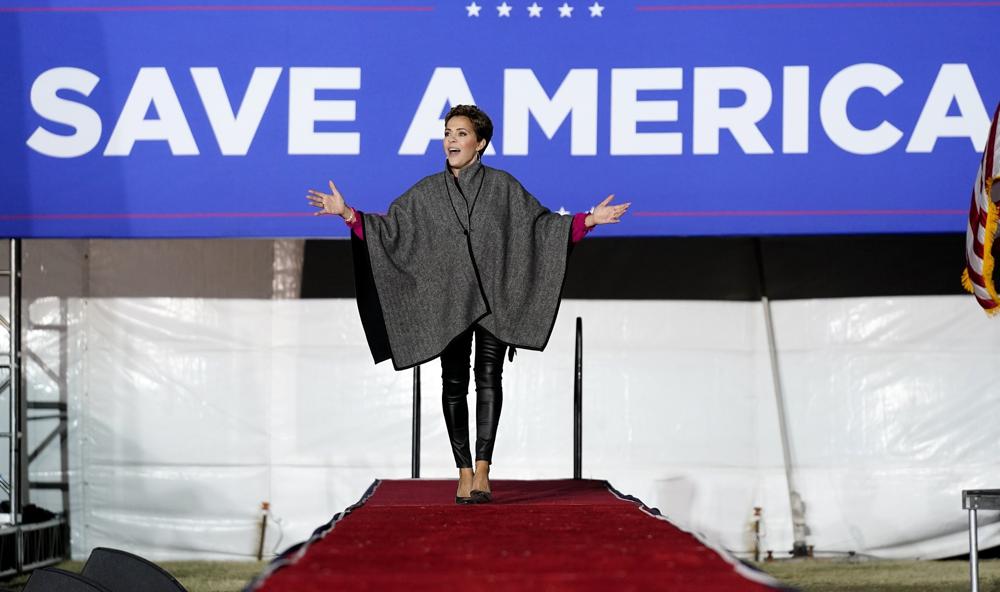
It was no shock that state Rep. Ron Hanks and Mesa County Clerk Tina Peters handily lost their recent Republican primaries in Colorado for U.S. Senate and secretary of state. Hanks was outspent 14-to-1 by his rival. Peters, who was vying to become Colorado’s top elections official, had been indicted on seven felony charges alleging she helped orchestrate a breach of her voting system’s hard drive. But this past week, both candidates formally requested recounts of their primary elections from June 28, suggesting widespread irregularities seen by no one other than their own campaigns and allies. “I have reasons to believe extensive malfeasance occurred in the June 2022 primary,” Peters wrote in her recount request, “and that the apparent outcome of this election does not reflect the will of Colorado voters not only for myself but also for many other America First statewide and local primary candidates.” America First is a coalition of conservative candidates and officeholders who, among other things, promote the falsehood that Democrat Joe Biden did not win the 2020 presidential election. This idea has seeped deeply into this year’s Republican primaries, which have revealed a new political strategy among numerous candidates: running on a platform that denies President Donald Trump’s defeat two years ago. As some of those candidates lose their own races, they are reaching new frontiers in election denial by insisting that those primaries, too, were rigged. “There’s a clear reason they’re doing it, and it’s a much broader, coordinated attack on the freedom to vote across the country,” said Joanna Lydgate of States United Action. Her group supports election officials who recognize the validity of the 2020 election. Noting that she coaches youth basketball, Lydgate added another reason: “Really, what this is is people who are sore losers, people who don’t want to accept defeat.” The primary losers have an obvious role model: Trump himself. After his first election loss during his 2016 run for the White House, in the Iowa caucuses, Trump baselessly claimed fraud and demanded an investigation. When he was elected president later that year, he claimed that fraud was the reason Democrat Hillary Clinton won more votes than he did. Trump set up a commission to try to prove that. That commission was disbanded when it failed to produce any evidence. After his 2020 defeat, Trump and his supporters lost 63 of 64 legal challenges to the election. Trump continued to blame fraud without evidence, even after his own attorney general and election reviews in the states failed to turn up any widespread wrongdoing that would have any impact on the outcome. This year’s post-primary election denial may be a preview for November when Republicans face Democrats in thousands of races across the country. The GOP is expected to do well — an expectation that could set the stage for more false claims of fraud when some of those candidates lose. Still, some Republicans aren’t waiting for Democratic voters to weigh in before making unsubstantiated fraud claims. Some recent candidates who have done that are relatively marginal ones. In Georgia, Trump’s two recruits to challenge the state’s governor and secretary of state — former Sen. David Perdue and Rep. Jody Hice — admitted defeat after they lost the May primaries. But Kandiss Taylor, a fringe candidate who won only 3% of the primary vote for governor, refused to concede, claiming there was widespread cheating. In South Carolina, Republican Harrison Musselwhite — who goes by Trucker Bob — lost his primary against Gov. Henry McMaster by 66 percentage points. Still, he complained of problems with the election to the state party, as did another losing GOP contender, Lauren Martel, who ran for attorney general. The party rejected their claims. Others who have cried fraud are more prominent. Joey Gilbert, who came in second in the Nevada Republican primary for governor, posted a Facebook video days after the June tally showing him 26,000 votes short. “These elections, the way they’ve been run, it’s like Swiss cheese,” he said. “There’s too many holes.” Gilbert, who attended Trump’s rally near the White House on Jan. 6, 2021, before the riot at the U.S. Capitol, demanded a recount. The results appear unlikely to substantially change the final tally. He did not return messages seeking comment. In Arizona, former newscaster Kari Lake won Trump’s endorsement in her quest for the party’s nomination for governor, insisting that he won the presidency in 2020. This past week, she told supporters that her top opponent in the primary “might be trying to set the stage for another steal” in next month’s primary. That earned her a rebuke from Gov. Doug Ducey, a Republican who has endorsed Lake’s chief rival, Karin Taylor Robson. “The 2022 elections haven’t even been held yet, and already we’re seeing speculation doubting the results – especially if certain candidates lose,” Ducey tweeted. “It’s one of the most irresponsible things I can imagine.” Lake’s campaign did not return messages seeking comment. In Colorado, county clerk Peters immediately questioned the primary results once the tally showed her losing badly in the secretary of state’s race. Claiming fraud as she trailed former county clerk Pam Anderson, a regular debunker of Trump’s election lies, Peters said: “Looking at the results, it’s just so obvious it should be flipped.” She and Senate candidate Hanks repeated Trump’s election lies, a position that had won them strong support last spring at the 3,000-strong GOP state assembly, a convention attended by the party’s strongest activists. Both candidates, in letters to the secretary of state’s office this past week demanding a recount, cited that support in explaining why they could not have lost their primaries. Hanks referred a reporter to an email address for media for the two candidates, though no one responded to questions sent to that address. The activists who attend the GOP gathering are just a small fraction of the 600,000 who voted in the June primary. According to preliminary results, Peters lost by 88,000 votes and Hanks by 56,000 votes. Their recount letters gave reasons why the candidates believed those vote tallies were “being artificially controlled.” The Colorado Secretary of State’s office said
More than 20 states back South Carolina in fetal heartbeat bill appeal
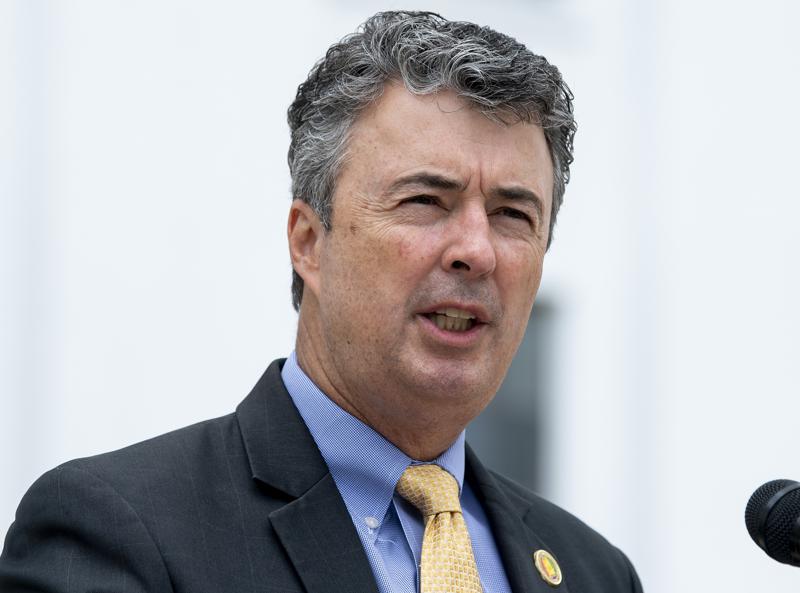
Twenty-one states filed a brief in support of South Carolina’s call for a Fourth Circuit Court of Appeals review of the state’s Fetal Heartbeat Act. The brief asks for the appeals court to review a preliminary injunction of a three-judge panel’s ruling to uphold the injunction against the law, which Gov. Henry McMaster signed into law in February 2021. The law limits abortions after a fetal heartbeat can be detected and requires the health care provider to offer a mother to view an ultrasound, hear the heartbeat and view information on the fetus’ development before an abortion. South Carolina previously banned abortions after 20 weeks. A fetal heartbeat can be detected after six to seven weeks, according to the American Pregnancy Association. “From the day I signed the Heartbeat bill into law, we knew it would be an uphill battle – but a battle well worth fighting,” McMaster said in a statement. “We’re grateful that Alabama Attorney General Steve Marshall and 20 other states share our goals of protecting the right to life and our concern with the three-judge panel’s apparent disregard for South Carolina’s sovereign authority.” Alabama Attorney General Steve Marshall led the amicus brief, which was joined by Alaska, Arizona, Arkansas, Georgia, Idaho, Indiana, Kansas, Kentucky, Louisiana, Mississippi, Missouri, Montana, Nebraska, North Dakota, Ohio, Oklahoma, Tennessee, Texas, Utah, and West Virginia. “The Fetal Heartbeat Law is about protecting the lives of unborn children, but it’s also about protecting the Constitution and the rule of law,” South Carolina Attorney General Alan Wilson said. “There’s nothing in the Constitution that justifies abortions and, in fact, we believe abortion violates the constitutional rights to life and equal protection.” The brief said 24 states currently require a provider to offer to display an ultrasound image to a mother. “Yet the courts enjoined South Carolina’s ultrasound disclosure law,” the brief read. “Same for South Carolina’s requirement that abortion providers make the fetal heartbeat audible for the pregnant mother if she would like to hear it – a law that at least 16 other states have also enacted. And same for South Carolina’s requirement that an ultrasound be performed before an abortion is conducted – a requirement shared by at least 12 other states.” Republished with the permission of The Center Square.
Kay Ivey signs on to joint U.S.-Canada letter in support of protesting truck drivers
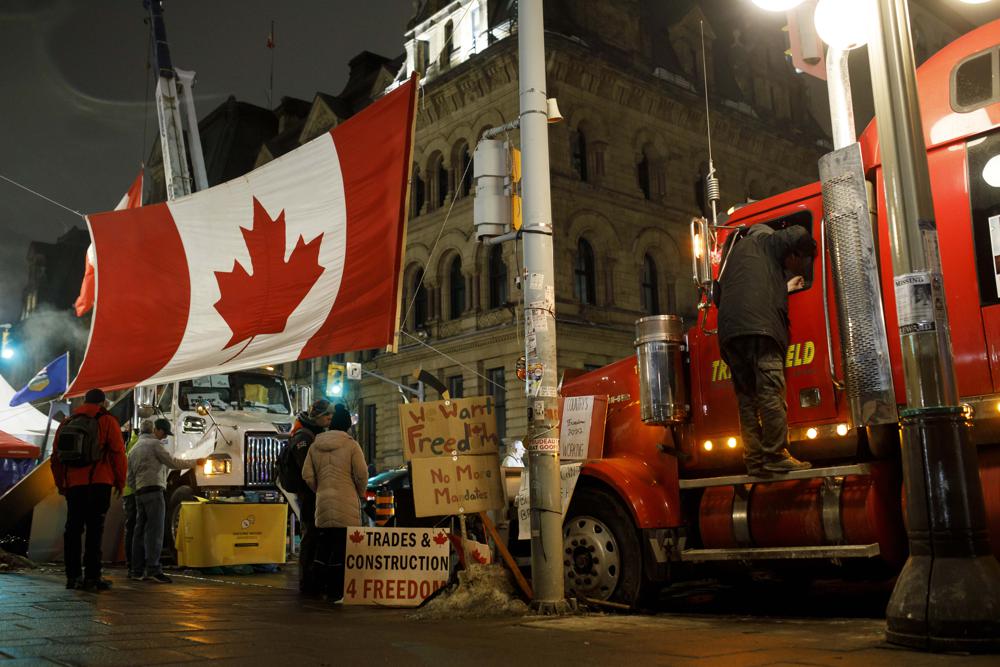
Governor Kay Ivey, along with 15 other governors, has signed on to a letter to Prime Minister Justin Trudeau and President Joe Biden asking them to immediately reinstate the vaccine and quarantine exemptions available to cross border truck drivers. Since late January, Canadian truckers have blocked some of the busiest border crossings between Canada and the U.S. The demonstrations initially focused on Canada’s vaccine requirement for truckers entering the country but quickly became a broad attack on COVID-19 precautions and Trudeau himself. Demonstrations and blockades have shut down border crossings into the U.S. and inflicted economic damage on both countries. Ivey stated on Twitter, “The truck drivers we’ve seen peacefully protesting in Canada simply want common sense reinstated & freedoms protected. I support them and am joining my fellow governors in calling Prime Minister Trudeau & @POTUS to immediately allow exemptions for cross border truck drivers. These types of unnecessary mandates would continue to exacerbate supply chain and economic issues.” The letter emphasizes the need for the border to remain open because of COVID-19 supply chain issues. The letter states, “The timing of your decision to terminate the vaccine and quarantine exemptions could not have been worse, as North America already faces grave supply chain constraints. These constraints, combined with increasing inflation, place significant burdens on the residents of Canada and the United States. Furthermore, transportation associations have informed us that the lack of exemptions will force thousands of drivers out of the trucking industry, which is already facing a significant workforce shortage. The removal of these exemptions is ultimately unnecessary, and we cannot afford to lose any more truck drivers who transport food and other vital supplies across the border.” Last week, the White House stated, “The two leaders agreed that the actions of the individuals who are obstructing travel and commerce between our two countries are having significant direct impacts on citizens’ lives and livelihoods.” Other governors who signed the letter include Greg Gianforte (MT), Mike Dunleavy (AK), Asa Hutchinson (AR), Brian Kemp (GA), Brad Little (ID), Kim Reynolds (IA), Tate Reeves (MS), Mike Parson (MO), Pete Ricketts (NE), Doug Burgum (ND), Henry McMaster (SC), Kristi Noem (SD), Bill Lee (TN), Spencer Cox (UT), and Mark Gordon (WY).
COVID mask disputes make for rocky start of school year
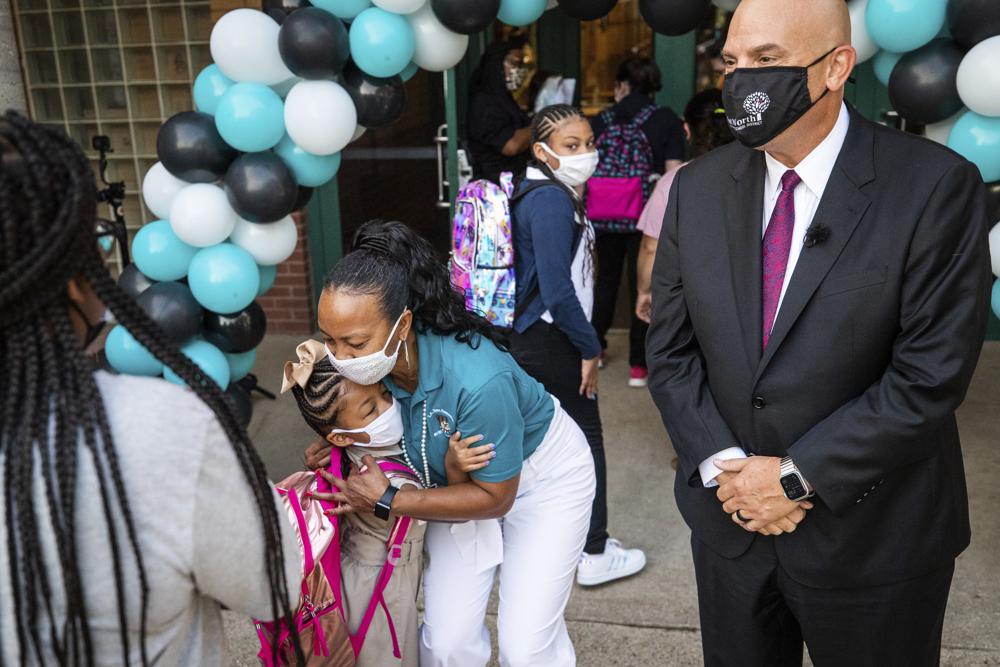
The summer surge of the highly infectious delta variant of the coronavirus made for a disruptive start of the school year in many parts of the country Monday as hundreds of thousands of children returned to classrooms and parents, administrators and governors clashed over whether masks should be required. Confusion reigned in several Texas school districts after the state Supreme Court stopped mask mandates in two of the state’s largest districts, the day before the first day of school in Dallas. An Arizona judge upheld, at least temporarily, a mask mandate in a Phoenix district despite a new state law prohibiting such mandates. One Colorado county posted sheriff’s deputies in schools on the first day of classes as a precaution after parents protested a last-minute mask mandate. Public school authorities are committed to making up lost ground after frequent disruptions, including on-and-off remote learning, in the pandemic’s first year left millions of children behind in their studies, especially those of communities of color. The U.S. Centers for Disease Control and Prevention recommends masks in schools for students, staff, and teachers. Nowhere did Monday’s battles play out greater than in Texas, where some counties and school districts kept in place mask mandates and others rescinded them as schools reopened after Sunday’s court ruling. The order by the state’s highest court — entirely comprised of elected Republican justices — halts mask requirements that county leaders in Dallas and San Antonio, which are run by Democrats, put in place as new infections soared. Dallas school officials said Monday that masks were still required on district property and that visitors weren’t allowed in schools. The Austin school district and Harris County, which includes Houston, also said their mask mandates for schools remained in place. The top elected official in Dallas County said in a tweet that the Supreme Court ruling did not strike down his mask order and that it remained in effect. “We’re at war on behalf of moms and dads and kids against a deadly virus. I sure wish the Governor would join our side in the battle,” said Dallas County Judge Clay Jenkins. Republican Gov. Greg Abbott strongly opposes public school mask mandates, and students and parents gathered outside the governor’s mansion in Austin to urge him to drop that opposition. The start of the school year comes as the country is averaging more than 130,000 new infections a day and the number of people hospitalized with COVID-19 has soared to levels last seen in mid-February. The death toll has also risen to nearly 700 a day. Hospitals in several virus hotspots say they are seeing an increase in infections and hospitalizations in children, bringing anxiety to families starting school. A handful of Republican-led states ban schools from requiring masks but many have defied the laws and are fighting them in the courts. At least 11 Arizona districts accounting for 140,000 students and more than 200 schools have defied a mask mandate ban by imposing their own requirements for face coverings. Maricopa County Superior Court Judge Randall Warner on Monday allowed the Phoenix Union High School District to keep its mask mandate despite a new state law that he says does not take effect until Sept. 29. Warner said state law grants school boards authority to protect their students. Yellow school buses and parents snapping back-to-school pictures made the first day of school seem almost normal in Los Angeles, where many schools reopened Monday in the nation’s second-largest school district. In Los Angeles, like the rest of the state, students and teachers are required to wear masks in indoor settings, and teachers must show proof of vaccination or submit to weekly COVID-19 testing. Los Angeles Unified School District, which serves about 600,000 K-12 students, is also requiring students and staff to get tested weekly for COVID-19, regardless of vaccination status, and is conducting daily health checks. “There is no substitute for in-person learning, friendship, and physical activity, which is why we have committed to putting into place the highest safety standards,” LAUSD interim Superintendent Megan Reilly said. San Francisco schools also reopened Monday to more than 50,000 students — many for the first time in 17 months. San Francisco Unified is recommending that students and staff get tested if they have symptoms but is not requiring tests. “It’s been a long time coming,” San Francisco Mayor London Breed said Monday morning as she joined city leaders on a tour of schools to welcome children back. At one elementary school, students walked along a red carpet into the school building as school staff cheered. In South Carolina, one district has already moved to all virtual classes after a rash of cases led to hundreds of students quarantined within the first two weeks of the fall semester. That decision has led to protests among parents in Pickens County. In other South Carolina counties, officials considered joining Columbia, the capital, in requiring masks in schools despite a state budget requirement that bans districts from doing so without risking funding. The Palmetto State Teachers Association, representing the state’s public teachers, urged Gov. Henry McMaster on Monday to suspend the requirement. The Republican governor has repeatedly insisted mask-wearing should be left for parents to decide. Tennessee Gov. Bill Lee signed an executive order Monday allowing parents to opt their children out of coronavirus-related school mask mandates after a few school districts issued mask requirements for students. In Eagle County, Colorado, sheriff’s deputies were posted to elementary and middle schools on the first day of class Monday after parents objected to a last-minute decision Friday by the county school district to require universal masking. No problems were immediately reported. The delta surge and rising COVID hospitalizations stressed health facilities and prompted new restrictions in several states. The University of Mississippi Medical Center was setting up a second emergency field hospital in a parking garage to handle some of the sickest COVID-19 patients. Mississippi’s coronavirus numbers have doubled in the past two weeks and hospitalizations are the highest since
Kay Ivey backs SCOTUS case that could overturn Roe v Wade
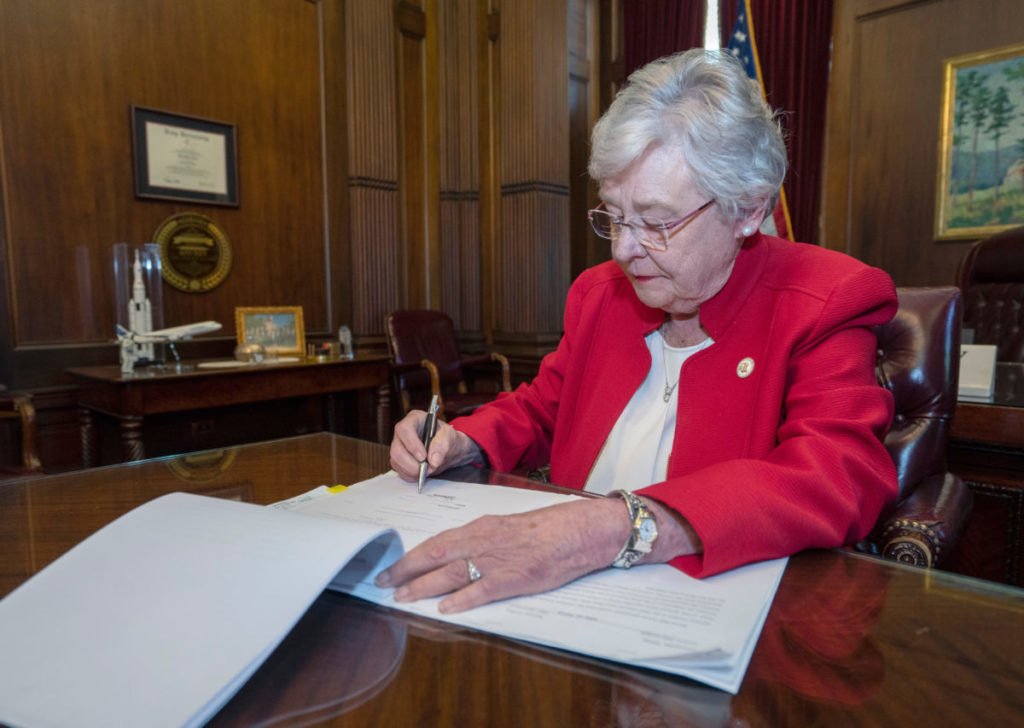
Gov. Kay Ivey has joined 11 other Republican governors in asking the U.S. Supreme Court to overturn the Roe v. Wade abortion-rights decision, Al.com reported. Governor Henry McMaster led the group by filing an amicus brief that questions whether all pre-viability prohibitions on elective abortions are unconstitutional in regards to Dobbs v. Jackson Women’s Health Organization. The case is pending at the U.S. Supreme Court and involves a challenge to a Mississippi law banning abortion after 15 weeks of pregnancy. In a brief filed Thursday, the governors joined Mississippi’s argument that the 14th Amendment does not include the right to abortion and that the rulings in Roe v. Wade and Planned Parenthood v. Casey upset the constitutional balance between states and the federal government. Kay Ivey said in a press release, “Alabama will continue to fight for life so that every unborn child is protected. We must stand strong for those babies who do not have a voice, and I assure my fellow Alabamians that we will continue this fight until they are protected once and for all. We will not rest until Roe v. Wade is overturned.” In May 2019, Alabama passed one of the most restrictive abortion laws. House Bill 314 established the personhood of the baby in the womb and criminalized surgical abortions as soon as a pregnancy can be medically determined, in almost all cases except if a doctor determines that the pregnancy poses a serious health risk to the mother. In October 2019, U.S. District Judge Myron Thompson issued a preliminary injunction temporarily blocking Alabama from enforcing the law that would make performing an abortion a felony in almost all cases. “Alabama’s abortion ban contravenes clear Supreme Court precedent,” Thompson wrote in an accompanying opinion. “It violates the right of an individual to privacy, to make choices central to personal dignity and autonomy. It diminishes the capacity of women to act in society and to make reproductive decisions. It defies the United States Constitution.” Reproductive rights activists criticized the governor’s inclusion on the Supreme Court brief. If Roe v. Wade were overturned, experts speculate that it could mean an almost immediate ban on all abortions in the state. Planned Parenthood Southeast Advocates commented on Twitter, “What we’re witnessing right now is a full-scale assault on patients, their health care providers, and their support systems. This isn’t about protecting families and this is not what the American people want. The data is clear: 80% of people in this country support access to a safe, legal abortion.” Other governors who joined McMaster’s brief include Doug Ducey of Arizona, Asa Hutchinson of Arkansas, Ron DeSantis of Florida, Brian K. Kemp of Georgia, Brad Little of Idaho, Kim Reynolds of Iowa, Michael L. Parson of Missouri, Greg Gianforte of Montana, Kevin Stitt of Oklahoma, and Greg Abbott of Texas.
20 states support South Carolina in abortion lawsuit
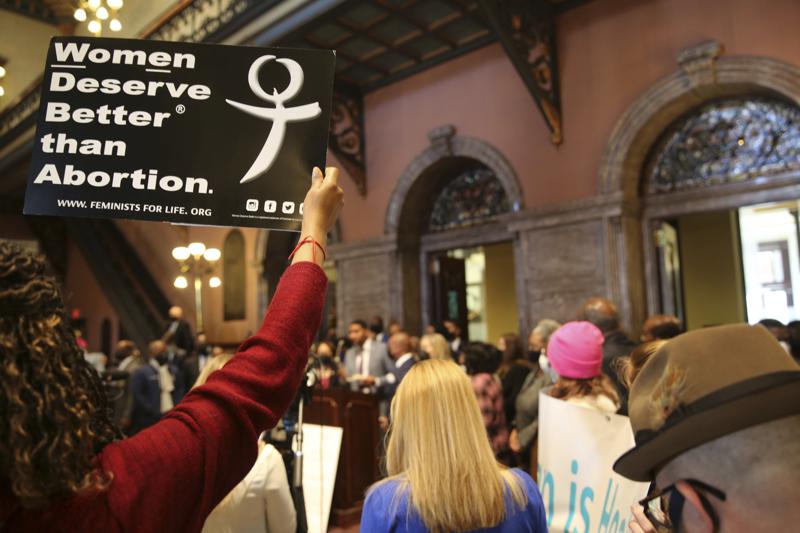
Twenty states are supporting South Carolina’s defense of a new abortion law, arguing in an amicus brief that a federal judge was wrong to pause the entire measure instead of just the provision facing a court challenge. In a filing Tuesday with the 4th U.S. Circuit Court of Appeals on behalf of the states, Alabama Attorney General Steve Marshall argued that U.S. District Judge Mary Geiger Lewis overstepped her authority when she put the entire abortion law on hold, rather than just the portion being challenged. The judge’s ruling, Marshall wrote, “treads on South Carolina’s sovereign ability to decide for itself the purposes of its legislation” and “aggrandizes the judicial power by treating the court’s injunction of the challenged provision as erasing it entirely so the whole Act collapses.” The arguments mirror those of South Carolina Gov. Henry McMaster, a Republican who signed the measure into law earlier this year. The state’s attorneys wrote in an appellate filing earlier this month that Lewis’ decision to halt the entire measure during litigation “oversteps the bounds of federal judicial power.” McMaster’s brief asked the appellate judges to lift a lower court’s injunction on the “ South Carolina Fetal Heartbeat and Protection from Abortion Act.” The law requires doctors to perform ultrasounds to check for a heartbeat in the fetus, which can typically be detected about six weeks after conception. If cardiac activity is detected, the abortion can only be performed if the pregnancy was caused by rape or incest, or the mother’s life was in danger. Planned Parenthood attorneys sued immediately, and the entire law has been blocked from taking effect during the lawsuit. The states filing in support of South Carolina all “have in place laws similar to the South Carolina laws the district court enjoined,” Marshall wrote. In halting the whole law, Lewis presumed that the sole purpose of other provisions in the law — like requiring an ultrasound to be performed before an abortion — “was to ban abortions of unborn children with heartbeats,” Marshall wrote. That, he continued, “would be news not only to the South Carolina General Assembly but to many other state legislatures that have enacted similar ultrasound requirements without South Carolina’s additional regulation.” The states that signed onto the amicus brief are: Alabama, Alaska, Arkansas, Georgia, Idaho, Indiana, Kansas, Kentucky, Louisiana, Mississippi, Missouri, Montana, Nebraska, North Dakota, Ohio, Oklahoma, Tennessee, Texas, Utah, and West Virginia. All but three have Republican governors. Several other groups have submitted filings in support of South Carolina, including the Southern Baptist Convention and an anti-abortion group of obstetricians and gynecologists. Attorneys for Planned Parenthood have not responded in court. Actions by an even higher court could also dictate outcomes in this case. On Tuesday, Lewis ruled she would stay further motions following the U.S. Supreme Court’s decision to take a case from Mississippi — which wants to enforce an abortion ban after 15 weeks of pregnancy. The court will likely hear that case in the fall, with a decision likely in 2022. About a dozen other states have passed similar or more restrictive abortion bans, which could take effect if the U.S. Supreme Court were to overturn Roe v. Wade, the landmark 1973 court decision supporting abortion rights. Federal law supersedes state law. More than 90% of abortions take place in the first 13 weeks of a woman’s pregnancy, according to the federal Centers for Disease Control and Prevention. Opponents have argued many women do not know they are pregnant at six weeks, especially if they are not trying to conceive. And, they argue, with such an early deadline, the law gives women little time to consider whether to have an abortion. Republished with the permission of the Associated Press.
Kay Ivey wants Joe Biden to prioritize getting states 2020 Census data
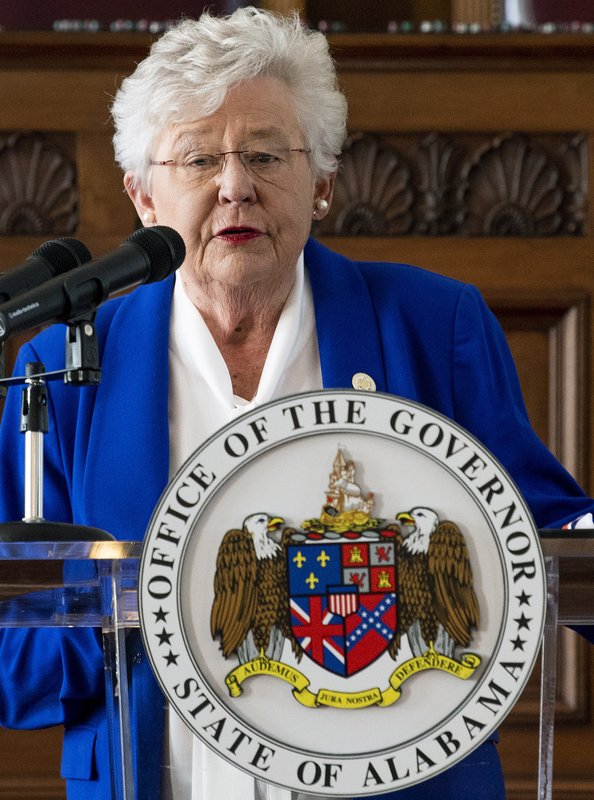
Gov. Kay Ivey and fourteen other governors wrote a joint letter to Secretary of Commerce Gina Raimondo urging a swift release of the census redistricting information. The letter addresses the main issue: the delay in releasing the data has made state legislatures unable to redraw district lines before the 2022 election cycle. The letter stated, “While we recognize the difficulties associated with completing a decennial census amid a pandemic, the ongoing delay in the release of 2020 Census redistricting data places our states in a nearly impossible situation to redraw lines prior to the 2022 election cycle. Consequently, we urge you to release redistricting data this month or as soon as possible prior to the delayed release date of September 30, 2021, and the release of the “legacy format” data on August 16, 2021.” The 2020 Census became a challenge to complete during the pandemic. In July 2020, Ivey warned the state’s current participation rate was 59.8%, or two percentage points behind the national average. At the time, Alabama was in danger of losing House seats because of a lack of participation. On Twitter, Ivey commented, “The stakes were high for Alabama in the #2020Census, and because of our efforts on the local and state levels, we succeeded. I’m proud to join fellow governors in urging the Biden Administration to not further delay the release of the redistricting data.” The stakes were high for Alabama in the #2020Census, and because of our efforts on the local and state levels, we succeeded. I’m proud to join fellow governors in urging the Biden Administration to not further delay the release of the redistricting data. #alpolitics @SecRaimondo pic.twitter.com/oMxsIodsoK — Governor Kay Ivey (@GovernorKayIvey) June 22, 2021 The letter continued, “Districts for the U.S. House of Representatives cannot be drawn until the data has been released. Districts for state legislatures also cannot be drawn until this data has been released. Districts for county, parish, township and municipal governing bodies cannot be drawn until states have had the opportunity to draw congressional and state legislative districts. Lastly, districts for school district seats cannot be drawn until county, parish, township, and municipal governing bodies have had the opportunity to draw their own respective districts. As a result of such negative impacts to our constitutional responsibilities, we seek the release of redistricting data as soon as possible—and in line with traditional timelines—so that states may begin to perform important redistricting tasks on behalf of our constituents.” Other governors signing the letter were Asa Hutchinson (AR), Brian Kemp (GA), Ron DeSantis (FL), Doug Ducey (AZ), Kim Reynolds (IA), Mike Parson (MO), Pete Ricketts (NE), Greg Gianforte (MT), Mike DeWine (OH), Henry McMaster (SC), Bill Lee (TN), Greg Abbott (TX), and Mark Gordon (WY), Doug Burgum (ND).
Kay Ivey joins 19 other governors urging action at the U.S. border
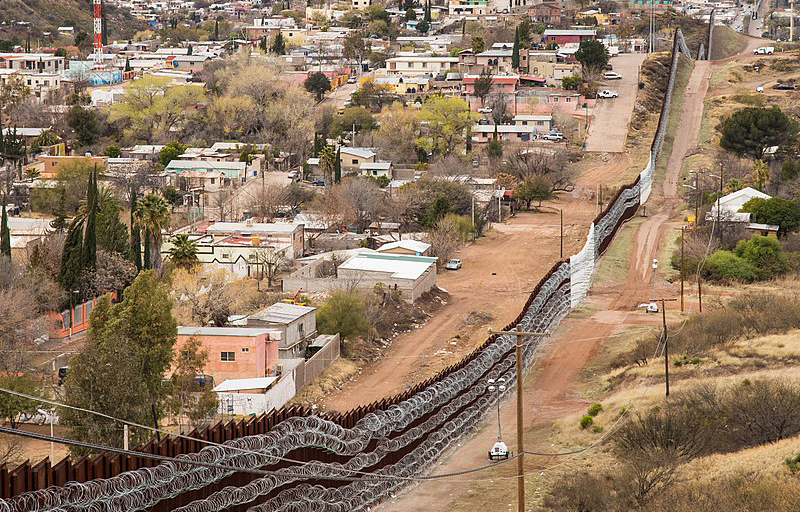
Today Gov. Kay Ivey joined 19 other governors in a call for Joe Biden to take action and reverse their policies regarding the U.S. border. The group wrote a letter to President Biden and Vice-President Kamala Harris describing worsening conditions at the border. In April, Arizona’s governor Doug Ducey declared a state of emergency at the southern border and deployed the Arizona National Guard to support law enforcement agencies in border regions. In May, the Associated Press reported that the State Emergency Council voted to allocate approximately $2.5 million to help pay for the deployment of 250 National Guard personnel to free up law enforcement officers in border towns along the Arizona-Mexico border. Part of the letter states, “This Administration has enticed a rush of migrants to our border and incentivized an influx of illegalcrossings by using irresponsible rhetoric and reversing a slew of policies—from halting border wall construction to eliminating asylum agreements to refusing to enforce immigration laws.” The letter concluded, stating, “At a time when our country is trying to recover from a once-in-a-generation pandemic, the last thing weneed is a self-created crisis that exploits families, undermines public safety, and threatens our national security. We urge you to take action to end the humanitarian crisis and secure our southern border immediately.” Gov. Ivey stated on Twitter, “I’m proud to sign on to this letter with fellow governors urging @POTUS & @VP to take immediate action on the crisis happening at America’s southern border. The crisis is too big to ignore & is now spilling over the border of all of our states.” I’m proud to sign on to this letter with fellow governors urging @POTUS & @VP to take immediate action on the crisis happening at America’s southern border. The crisis is too big to ignore & is now spilling over the border of all of our states. #alpolitics @WhiteHouse pic.twitter.com/lyX6AQsyaE — Governor Kay Ivey (@GovernorKayIvey) May 11, 2021 Other governors who signed the letter are Governors Bill Lee, Tennessee; Doug Ducey, Arizona; Asa Hutchinson, Arkansas; Brian Kemp, Georgia; Brad Little, Idaho; Eric Holcomb, Indiana; Kim Reynolds, Iowa; Tate Reeves, Mississippi; Mike Parson, Missouri; Greg Gianforte, Montana; Pete Ricketts, Nebraska; Chris Sununu, New Hampshire; Doug Burgum, North Dakota; Kevin Stitt, Oklahoma; Henry McMaster, South Carolina; Kristi Noem, South Dakota; Greg Abbott, Texas; Spencer Cox, Utah; and Mark Gordon, Wyoming.
