
California county considers fighting state’s ‘sanctuary’ law
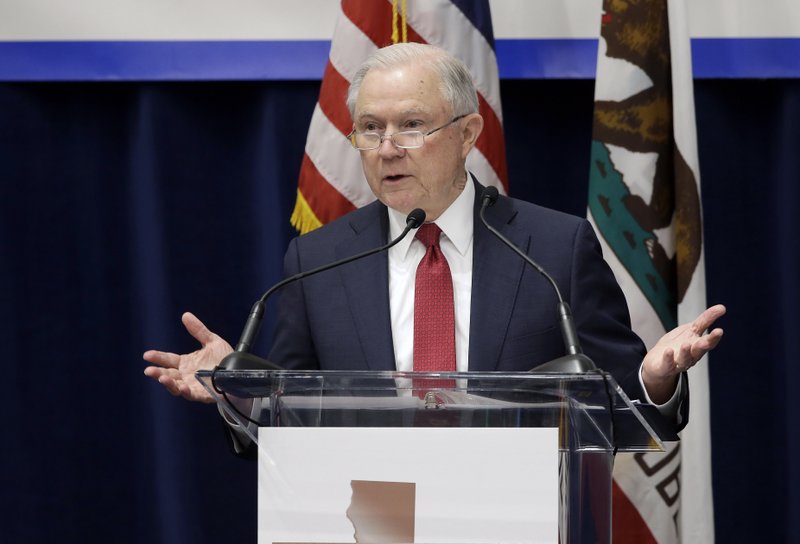
Leaders of Orange County, California, planned Tuesday to consider fighting a state law aimed at protecting immigrants from stepped-up deportations under the Trump administration. The backlash to the state’s so-called sanctuary law comes a week after the small city of Los Alamitos in Orange County voted to opt out of the policy. The all-Republican supervisors of the Southern California county of 3.2 million people were expected to discuss passing a resolution in support of Los Alamitos and whether to join the U.S. government’s lawsuit over the law, which bars police in many cases from turning over suspects to federal immigration agents for deportation. “This legislation prevents law enforcement from removing criminals from our community and is a threat to public safety,” said Supervisor Shawn Nelson, who has proposed joining the lawsuit by President Donald Trump’s administration or filing a new one. Orange County, which is home to Disneyland and wealthy beach communities where many people vacation, has a five-member board of supervisors, and all are Republican. While Republicans still outnumber Democrats in the county, Democrats have gained significant ground in recent years, and Hillary Clinton won more votes than Trump in Orange County in the 2016 presidential election. California, a liberal state that is home to more than 10 million immigrants, passed its sanctuary law last year to limit local police collaboration with U.S. immigration authorities. Supporters argue that the measure would encourage immigrants to report crime without fearing deportation, while critics say local police should provide more assistance to federal authorities. Officials in Los Alamitos, a community of about 12,000 people 20 miles (32 kilometers) southeast of downtown Los Angeles, raised constitutional concerns about the law and sent letters to other cities seeking their support. Legal experts and immigrant advocates have said cities can’t simply opt out of state law and will face lawsuits if they try. Sameer Ahmed, a staff attorney at the American Civil Liberties Union of Southern California, said some cities appear to be discussing largely political resolutions, not local laws like Los Alamitos. But the idea that Orange County would consider taking such a stand is concerning to immigrant advocates, he said. “We definitely think it is wrong, and offensive as well, that these cities and the county are saying they would rather further the anti-immigrant agenda of the Trump administration than protect the rights of their own immigrant residents,” he said. Republished with the permission of the Associated Press.
Politicians weigh-in as Doug Jones wins Alabama Senate seat
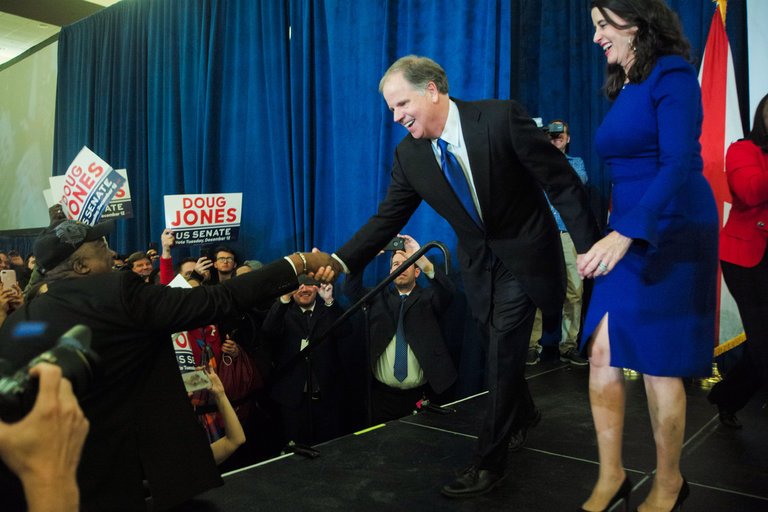
Doug Jones became the first Democrat elected to the U.S. Senate from Alabama in a quarter of a century on Tuesday night when he bested former Alabama Chief Justice, Republican Roy Moore. Following Jones’ victory, politicians from both sides of the aisle took to social to weigh-in on the results. See their reactions below: Alabama 7th District U.S. Rep. Terri Sewell: Honored to welcome the Alabama Senator-elect Doug Jones to the United States Senate!! #RightsideofHistory 2016 Democratic presidential nominee Hillary Clinton: Tonight, Alabama voters elected a senator who’ll make them proud. And if Democrats can win in Alabama, we can — and must — compete everywhere. Onward! Democratic U.S. Sen. from Massachusetts Elizabeth Warren: Tonight Alabama is sending a powerful message across the country. The American people will fight back against bigotry, hate &, yes, pedophilia – & reject a man totally unfit to serve in the US Senate. Republican, Democrat, Independent – on this, there will be no compromise. Republican U.S. Sen. from Arizona Jeff Flake: Decency wins. Republican Gov. of Ohio John Kasich: Thankfully, today enough Republicans chose country over party. Tomorrow we must redouble our efforts to support candidates worthy of the office they seek. #TwoPaths California 43rd District U.S. Rep. Maxine Waters: How many diet cokes did Trump consume while he gulped and waited for the defeat of his pedophile candidate?? #swishswish Democratic U.S. Sen. from New York Chuck Schumer: Roy Moore was an awful candidate & should never have gotten to the Senate. But make no mistake, just like in VA, Dems are energized, focused more on the middle class & those struggling to get there, & things are looking better & better for 2018. Doug Jones will be an outstanding Senator who will represent Alabama well. He was a great candidate and will be an even better Senator. Former U.S. Vice-President Joe Biden: Doug Jones. Thank you, Alabama. You’ve elected a man of incredible integrity, grit, and character. A fighter for working class and middle class Alabamians. He is going to make you proud in the Senate.
Mike Rogers: What is the real Russian influence?
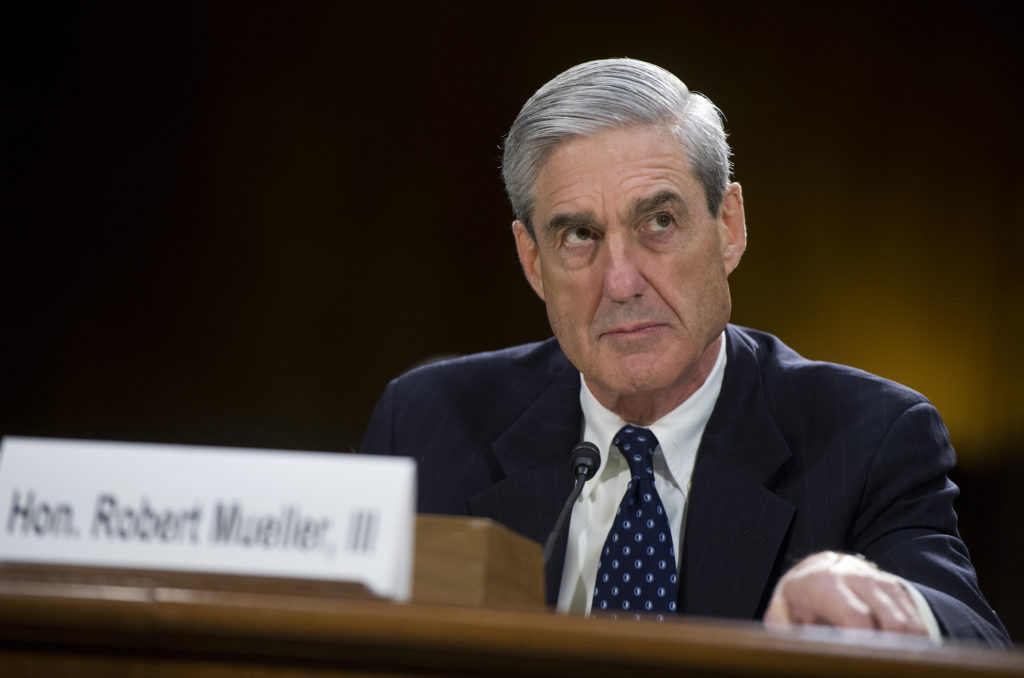
As most folks across East Alabama may have seen recently in the news, Robert Mueller, the special counsel appointed to investigate the alleged Russian meddling in the 2016 presidential campaign, has been in the spotlight. Mr. Mueller has a very important job to do and he must do it fairly and in a nonpartisan manner. Details have come out in the past few weeks about Hillary Clinton’s campaign and the Democrat National Committee (DNC) role in funding a dossier on then-presidential candidate Donald Trump. The dossier was full of information that was unverified and painted Mr. Trump in a negative light. The dossier was put together by a man named Christopher Steele, a foreign intelligence agent, and is sometimes referred to as the Steele Dossier. The DNC and Clinton campaign hired a company called Fusion GPS, which has very deep ties to Russia, to conduct some of the research. We now know that some of the information used in the dossier may have been the basis of the Obama Administration’s decision to begin spying on members of the Trump campaign – spying on Americans. This should raise more than just eyebrows. It is more than troubling. The liberal media elite is obsessed with Russian meddling and President Trump, but there are real questions about Secretary Clinton and the DNC’s involvement with Russia during the 2016 presidential election. I believe that there should also be an investigation into then-Secretary Clinton’s involvement in the approval of the Uranium One deal and donations made to the Clinton Foundation. Robert Mueller, or another appropriate special counsel, needs to dig deep in to the details of this matter that could be the real heart of Russian influence. The American people deserve to know the truth and learn more beyond what the liberal media elite and the Democrat spin cycle chooses to believe and to report on. I want to hear from you on this or any issue. ••• Mike Rogers is a member of U.S. Congress representing Alabama’s 3rd Congressional District. Sign-up for his e-Newsletter by visiting www.mikerogers.house.gov. To stay up to date, you can also like him on Facebook at Congressman Mike D. Rogers, follow him on Twitter, Pinterest and Instagram at RepMikeRogersAL, on Tumblr at www.repmikerogersal.tumblr.com.
Jeff Sessions vows ‘proper’ action on possible Hillary Clinton investigation
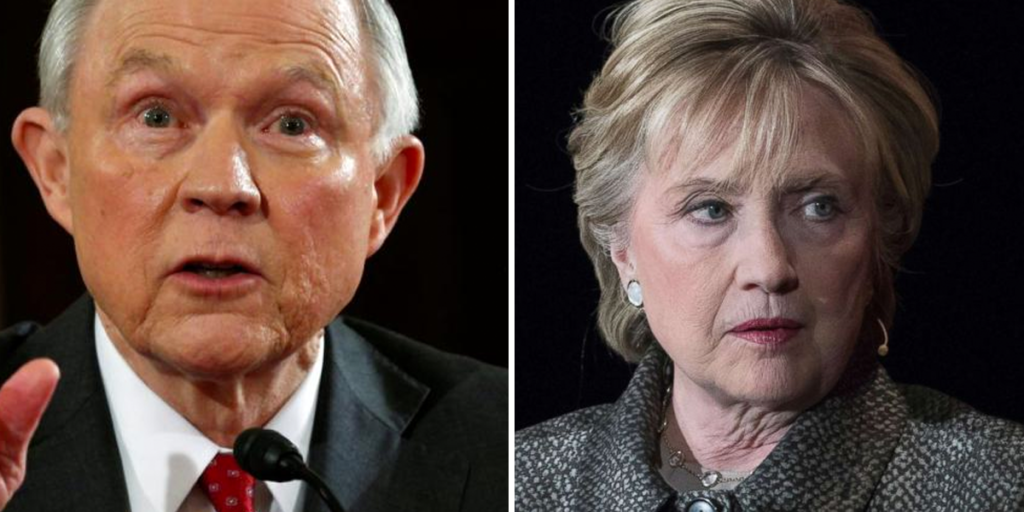
Attorney General Jeff Sessions offered testimony to lawmakers on Capitol Hill Tuesday, where he pushed back on requests to immediately appoint a special counsel to investigate Hillary Clinton and the Clinton Foundation, saying said the Department of Justice (DOJ) still needs to “study what the facts are” before taking action. “I would say ‘looks like’ is not enough basis to appoint a special counsel,” Sessions told Ohio-Republican Rep. Jim Jordan at the House Judiciary Committee when he was asked why the DOJ has yet to appoint special counsel when it “looks like” wrongdoing took place. Sessions, however, did not, rule out that a special counsel could be appointed should the proper standards were met. Jordan’s questions came in the wake of a Monday night response to an inquiry made by Judiciary Committee Chairman Robert Goodlatte. In a letter, the department revealed it was weighing proposals to name an special independent counsel to investigate the FBI’s handling of the probe into Hillary Clinton‘s use of a personal email server for official and classified business. The DOJ also confirmed it was contemplating a probe into the foundation of former president Bill Clinton and its ties to companies involved selling US uranium rights to a Russian state company. While he did not have an immediate decision, Sessions promised the committee he would decide quickly whether or not to take account. “Do I have your assurance that these matters will proceed fairly and expeditiously?” Goodlatte inquired. “Yes, you can, Mr. Chairman, and you can be sure that they will be done without political influence and they will be done correctly and properly,” Sessions answered. “We will make only decisions that are right and just and not going to use the department to unlawfully advance political agenda.” Trump has repeatedly criticized his Justice Department for not aggressively investigating Clinton. He said recently officials there “should be looking at the Democrats and that it was “very discouraging” they were not “going after Hillary Clinton.” He also went on record saying the “saddest thing is that because I’m the president of the United States, I am not supposed to be involved with the Justice Department. I am not supposed to be involved with the FBI.”
Jeff Sessions defends James Comey firing, ties it to Hillary Clinton email case
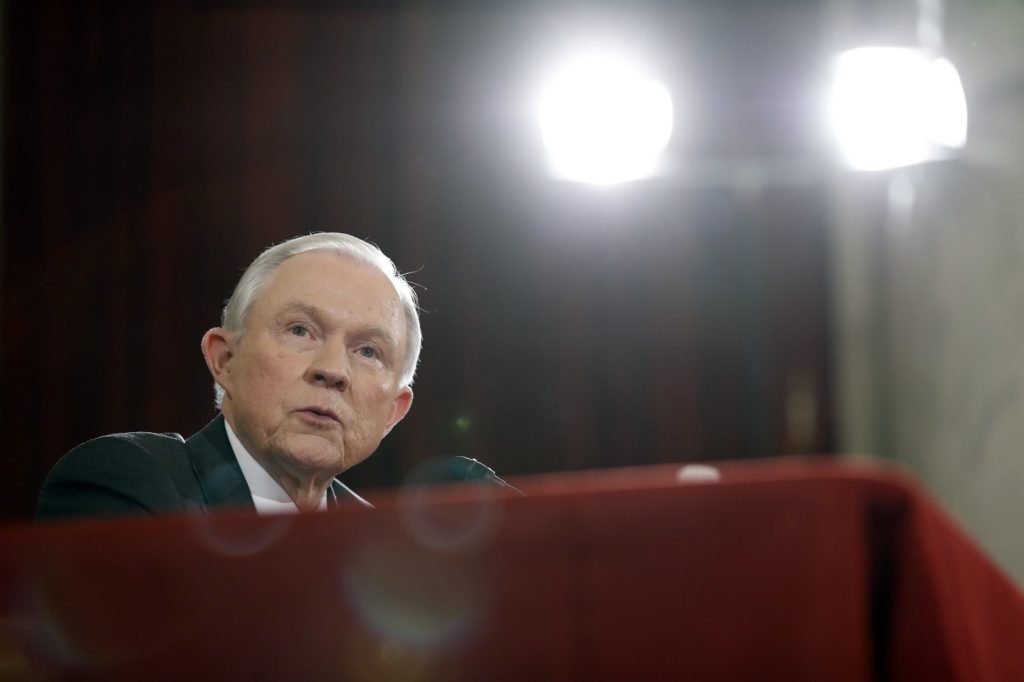
Attorney General Jeff Sessions on Wednesday strongly defended President Donald Trump‘s firing of James Comey, linking the FBI director’s abrupt dismissal to his handling of the Hillary Clinton email server investigation. But he refused to discuss any private conversations he had with the president leading up to Comey’s firing and would not say if he had discussed with the president an FBI investigation into potential coordination between Russia and the Trump campaign. Sessions, appearing before the Senate Judiciary Committee, said it was “the first time I’m aware of” in which an FBI director had performed the traditional role of Justice Department prosecutors by announcing on his own the conclusion of a federal investigation – that no charges would be brought against Clinton. He said he was further galled when Comey, one week before his firing, insisted to Congress that he would have taken the same actions again. Sessions’ insistence that Comey’s firing was motivated by displeasure over the Clinton email case is consistent with the initial White House explanation. But Trump himself has at times appeared to undercut that explanation, saying he would have fired Comey even without the recommendation of the Justice Department and that he was thinking of “this Russia thing” when he dismissed him on May 9. Trump has accused Comey of having prematurely exonerated Clinton, even though the Justice Department’s own explanation for the firing cited his decision to effectively reopen the probe days before the November election. The FBI’s investigation is now being run by the Justice Department’s special counsel, Robert Mueller. After initially balking at the question, Sessions said that he had not been questioned by Mueller’s team of investigators. He has been seen as a possible witness in the case given his involvement in the firing of Comey. Sessions stressed at the outset that he would not discuss any private conversations with the president and he largely abided by that principle, deflecting questions not only about the Russia investigation but also about the president’s pardon of Sheriff Joe Arpaio, among other topics. The Russia probe has shadowed much of Sessions’ tenure as attorney general, even though he recused himself in March because of his role as a stanch Trump campaign ally. It was a central focus the oversight hearing, too, as lawmakers repeatedly pressed Sessions about his contacts with the former Russian ambassador to the U.S., his discussions with Trump about the investigation and his involvement in the firing of Comey. Though he refused to say whether he discussed with Trump Comey’s involvement in the Russia investigation, or his private conversations with Trump, Sessions did say that the president had asked him and Deputy Attorney General Rod Rosenstein for their recommendations about what to do with Comey. “He did ask for our written opinion and we submitted that to him,” Sessions said under questioning from Sen. Dianne Feinstein of California, the committee’s top Democrat. “It did not represent any change in either one of ours opinions.” The routine oversight hearing is Sessions’ first before the committee since his January confirmation, and it comes as has worked quickly to reshape the department with an intense focus on immigration, drugs, gangs and violent crime. He also faced questions from lawmakers about his swift undoing of Obama-era protections for gay and transgender people and his rollback of criminal justice policies that aimed to reduce the federal prison population, among other changes he has made in nine months since taking office. Sessions has tried to pressure so-called sanctuary cities into cooperating with federal immigration authorities by threatening to withhold grant money, and he was the public face of the Trump administration’s decision to end a program benefiting hundreds of thousands of young people who entered the U.S. illegally as children. Congress is seeking a legislative solution to extend the protections before recipients’ work permits expire. It is standard policy for attorneys general to appear each year before the Justice Department’s congressional overseers on the House and Senate judiciary committees. Yet, in a reflection of the extent to which the Russia investigation and his own role as a Trump campaign ally have dominated public attention, Sessions made his first appearance on Capitol Hill as attorney general before the Senate Intelligence Committee. Democratic senators have already made clear they want Sessions to detail his private conversations with Trump, particularly in the run-up to the Comey’s firing, or announce that Trump is invoking executive privilege to protect those communications. Sessions repeatedly refused to discuss his talks with Trump during his three-hour appearance before the Senate intelligence panel. He did not say he was using executive privilege, but rather adhering to longstanding tradition of Justice Department leaders to refrain from revealing the contents of private conversations with the president. That explanation left many Democrats unsatisfied and is unlikely to put to an end demands for detailed accounts of those conversations. Republished with permission from the Associated Press.
Hillary Clinton takes blame in upcoming book but responds to critics

Hillary Clinton takes the blame for her 2016 presidential defeat in her upcoming book but offers choice words for President Donald Trump, her campaign rivals and Russian President Vladimir Putin. Clinton writes in “What Happened” that Vermont Sen. Bernie Sanders caused “lasting damage” to her presidential campaign and pushes back against the notion raised by Vice President Joe Biden that she didn’t campaign forcefully enough for middle class voters. “I go back over my own shortcomings and the mistakes we made. I take responsibility for all of them. You can blame the data, blame the message, blame anything you want – but I was the candidate,” she writes. “It was my campaign. Those were my decisions.” CNN reported Wednesday that it purchased a copy of the book in Jacksonville, Florida ahead of its Sept. 12 release date. In the book, Clinton says she miscalculated “how quickly the ground was shifting under all our feet” and tried to run a traditional campaign “while Trump was running a reality TV show that expertly and relentlessly stoked Americans’ anger and resentment.” During the primary, Clinton writes that advisers often told her not to fight back against Sanders’ criticism for fear of alienating his supporters. She says “his attacks caused lasting damage, making it harder to unify progressives in the general election and paving the way for Trump’s ‘Crooked Hillary’ campaign.” As the campaign moved along, she says then-FBI Director James Comey‘s probe into her private email server, including his late-October decision to issue a letter to Congress on the investigation, disrupted the image of her as a strong leader. Clinton questions whether a stronger response from President Barack Obama to reports of Russian meddling in the election might have made a difference. And she writes with regret that she never got the chance to confront Putin in person. “There’s nothing I was looking forward to more than showing Putin that his efforts to influence our election and install a friendly puppet had failed,” she writes. “I know he must be enjoying everything that’s happened instead. But he hasn’t had the last laugh yet.” Clinton’s previous books include her 2003 memoir, “Living History,” published while she was a U.S. senator from New York, and 2014’s “Hard Choices,” her account of her time as secretary of state. Republished with permission from the Associated Press.
Hillary Clinton: My ‘skin crawled’ as Donald Trump hovered during debate

Hillary Clinton says Donald Trump‘s pacing, hovering demeanor onstage during an October 2016 presidential debate made her so uncomfortable “my skin crawled.” She says in her upcoming book that Trump shadowed her so closely she had to resist shouting out, “Back up you creep, get away from me.” The Democratic presidential nominee recounts her struggle to keep composed during that pivotal Oct. 9 faceoff in St. Louis less than a month before the election. Two days earlier, their bitter campaign was rocked by the release of footage in which Trump bragged aggressively about groping women. During the town-hall style debate, the 6-foot-3 Trump repeatedly hovered over Clinton, who’s closer to 5-foot-5, as she responded to questions. “This is not OK, I thought,” Clinton says in her audio narration of “What Happened,” set for release Sept. 12. “It was the second presidential debate, and Donald Trump was looming behind me. Two days before, the world heard him brag about groping women. Now we were on a small stage and no matter where I walked, he followed me closely, staring at me, making faces. It was incredibly uncomfortable he was literally breathing down my neck. My skin crawled.” Clinton says, “It was one of those moments where you wish you could hit pause and ask everyone watching, ‘Well, what would you do?’ Do you stay calm, keep smiling and carry on as if he weren’t repeatedly invading your space? Or do you turn, look him in the eye, and say loudly and clearly, ‘Back up you creep, get away from me! I know you love to intimidate women, but you can’t intimidate me, so back up.’” Clinton says she “kept my cool, aided by a lifetime of dealing with difficult men trying to throw me off.” “Maybe I have overlearned the lesson of staying calm, biting my tongue, digging my fingernails into a clenched fist, smiling all the while determined to present a composed face to the world,” Clinton says. Excerpts of Clinton reading from the book aired Wednesday on MSNBC’s “Morning Joe.” Republished with permission of The Associated Press.
Why won’t Donald Trump condemn white nationalism?

Why doesn’t President Donald Trump just unequivocally condemn white supremacists? It’s a jarring question to ask about an American president. But it’s also one made unavoidable by Trump’s delayed, blame-both-sides response to the violence that erupted Saturday when neo-Nazis, skinheads and members of the Ku Klux Klan protested in Charlottesville, Virginia. Trump has faced such a moment before — one that would have certainly drawn swift, almost predictable condemnations from his recent predecessors, regardless of party. As a candidate and now as president, when racial tensions flared or fringe groups rallied around his message, Trump has shown uncharacteristic caution and a reluctance to distance himself from the hate. At times, his approach has seemingly inflamed racial tensions in a deeply divided country while emboldening groups long in the shadows. On Saturday, as Trump read slowly through a statement about the clashes that left dozens injured and one woman dead, he condemned hatred, bigotry and violence “on many sides.” The president was silent when journalists asked whether he rejected the support of nationalists’ groups. That silence was cheered by the white supremacist website Daily Stormer: “When asked to condemn, he just walked out of the room. Really, really good. God bless him.” Trump denies that he’s racist or sympathetic to such groups. Son-in-law Jared Kushner, the grandson of Holocaust survivors, and daughter Ivanka, who converted to Judaism, are among those who have defended the president against those charges. Still, he has a history of engaging in high-profile, racially fraught battles. Early in his career as a developer, Trump fought charges of bias against blacks seeking to rent at his family-owned apartment complexes. He long promoted the lie that the nation’s first black president, Barack Obama, was not born in the United States. As a candidate, he proposed temporarily banning Muslims from the United States. He retweeted a post from accounts that appeared to have ties to white nationalist groups. And he was slow to reject the endorsement of former KKK leader David Duke. Some of the president’s friends and advisers have argued that Trump is simply refusing to bend to liberals’ desire for political correctness. A boastful, proudly disruptive politician, Trump often has been rewarded for saying impolite and impolitic things. Some supporters cheered him for being someone who said what they could not. Democrats frequently assert that Trump sees a political advantage in courting the support of the far right. Indeed, he has benefited politically from the backing of media outlets such as Breitbart or InfoWars. They have consistently promoted Trump and torn down his opponents, sometimes with biased or inaccurate reports. Charlottesville’s mayor, Democrat Mike Signer, said Sunday that Trump made a choice during his campaign to “go right to the gutter, to play on our worst prejudices.” “I think you are seeing a direct line from what happened here this weekend to those choices,” Singer said on CBS’ “Face the Nation.” White House senior adviser Steve Bannon ran Breitbart before joining Trump’s campaign, and several of the president’s other aides believe Bannon continues to have influence over the website. In “Devil’s Bargain,” a new book about his role in the Trump campaign, Bannon is quoted as saying that attempts by Democratic presidential nominee Hillary Clinton to tie Trump to the alt-right and nationalists did not move voters. “We polled the race stuff and it doesn’t matter,” Bannon said, according to the book. But there here’s no reliable public polling on the scope of Trump’s support among those with white nationalist leanings or the percentage of the electorate they comprise. The reaction from Republicans following Trump’s statement Saturday suggests there may be greater political risks for the president in aligning himself with bigoted groups. “The president needs to step up today and say what it is,” said Sen. Cory Gardner, R-Colo., who was one of several GOP lawmakers urging Trump to be more strident in calling out the nationalists and neo-Nazis that gathered in Charlottesville. Gardner said plainly: “It’s evil. It’s white nationalism.” By Sunday, the White House was scrambling to try to clean up the president’s statement. The White House issued a statement saying the president does condemn “white supremacists, KKK, neo-Nazi and all extremist groups.” The spokeswoman who issued the statement refused to be named. And the president himself remained silent. Republished with permission of The Associated Press.
Bipartisan Senate bill aims to protect special counsel’s job

Two members of the Senate Judiciary Committee are moving to protect Special Counsel Robert Mueller‘s job, putting forth new legislation that aims to ensure the integrity of current and future independent investigations. Republican Sen. Thom Tillis of North Carolina and Democratic Sen. Chris Coons of Delaware plan to introduce the legislation Thursday. The bill would allow any special counsel for the Department of Justice to challenge his or her removal in court, with a review by a three-judge panel within 14 days of the challenge. The bill would be retroactive to May 17, 2017 — the day Mueller was appointed by Deputy Attorney General Rod Rosenstein to investigate Russian meddling in the 2016 election and possible ties to Donald Trump‘s campaign. “It is critical that special counsels have the independence and resources they need to lead investigations,” Tillis said in a statement. “A back-end judicial review process to prevent unmerited removals of special counsels not only helps to ensure their investigatory independence, but also reaffirms our nation’s system of check and balances.” Mueller was appointed as special counsel in May following Trump’s abrupt firing of FBI Director James Comey. Mueller, who was Comey’s predecessor as FBI director, has assembled a team of prosecutors and lawyers with experience in financial fraud, national security and organized crimes to investigate contacts between Moscow and the Trump campaign. Trump has been critical of Mueller since his appointment, and his legal team is looking into potential conflicts surrounding the team Mueller has hired, including the backgrounds of members and political contributions by some members to Hillary Clinton. He has also publicly warned Mueller that he would be out of bounds if he dug into the Trump family’s finances. Mueller has strong support on Capitol Hill. Senators in both parties have expressed concerns that Trump may try to fire Mueller and have warned him not to do so. “Ensuring that the special counsel cannot be removed improperly is critical to the integrity of his investigation,” Coons said. Republican Sen. Lindsey Graham of South Carolina, another member of the Judiciary panel, said last week that he was working on a similar bill that would prevent the firing of a special counsel without judicial review. Graham said then that firing Mueller “would precipitate a firestorm that would be unprecedented in proportions.” The Tillis and Coons bill would allow review after the special counsel had been dismissed. If the panel found there was no good cause for the counsel’s removal, the person would be immediately reinstated. The legislation would also codify existing Justice Department regulations that a special counsel can only be removed for misconduct, dereliction of duty, incapacity, conflict of interest or other good cause, such as a violation of departmental policies. In addition, only the attorney general or the most senior Justice Department official in charge of the matter could fire the special counsel. In the case of the current investigation, Rosenstein is charged with Mueller’s fate because Attorney General Jeff Sessions recused himself from all matters having to do with the Trump-Russia investigation. Republished with permission of The Associated Press.
Hillary Clinton lost, but Republicans still want to investigate her
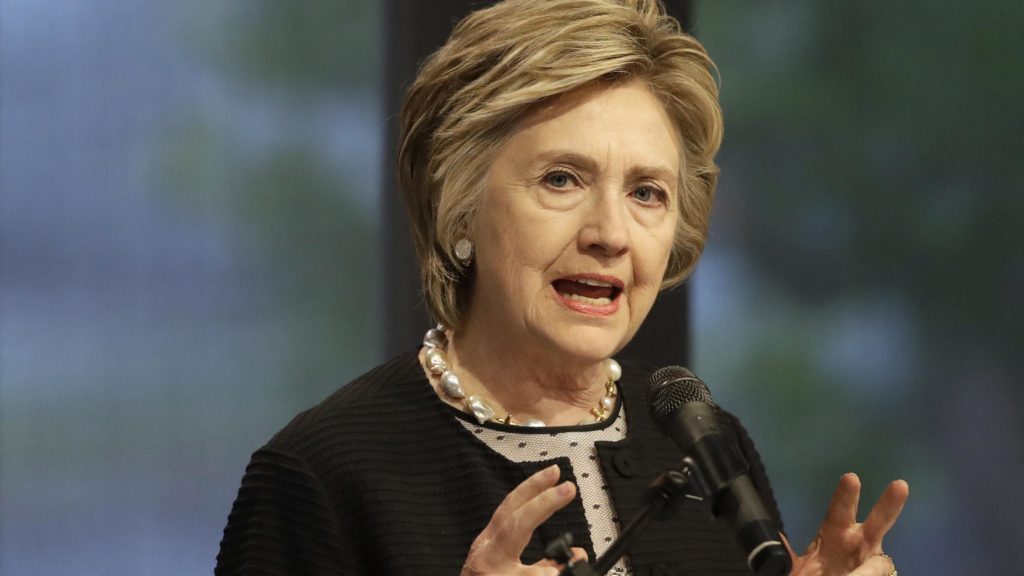
Democrat Hillary Clinton lost the 2016 election to President Donald Trump, but some Republicans in Congress are intensifying their calls to investigate her and other Obama administration officials. As investigations into Russian meddling and possible links to Trump’s campaign have escalated on both sides of the Capitol, some Republicans argue that the investigations should have a greater focus on Democrats. Democrats who have pushed the election probes “have started a war of investigative attrition,” said GOP Rep. Steve King of Iowa, a member of the House Judiciary Committee. Several officials from former President Barack Obama’s administration and Clinton’s campaign have appeared before or been interviewed by the House and Senate Intelligence Committees as part of the Russia investigation, along with Trump campaign officials. The GOP-led committees are investigating whether Trump’s campaign had any links to Russian interference in last year’s election. The chairman of the House Intelligence Committee, Rep. Devin Nunes, R-Calif., has continued a separate investigation into whether Obama administration officials inappropriately made requests to “unmask” identities of Trump campaign officials in intelligence reports. The House Judiciary Committee, which has declined to investigate the Russian meddling, approved a resolution this past week to request documents related to the FBI’s now-closed investigation of Clinton’s emails. In addition, Republican on that committee wrote the Justice Department on Thursday and asked for a second special counsel, in addition to Special Counsel Robert Mueller, to investigate “unaddressed matters, some connected to the 2016 election and others, including many actions taken by Obama administration.” “The American public has a right to know the facts — all of them — surrounding the election and its aftermath,” the lawmakers wrote. Republicans want to investigate the unmasking issue and also Clinton’s email scandal that figured prominently in the campaign. They also frequently bring up former Attorney General Loretta Lynch, and former FBI Director James Comey’s testimony that she told him to call the Clinton email investigation a “matter” instead of an investigation during the campaign. Nunes wrote his own letter to Director of National Intelligence Dan Coats last week, saying that his committee has learned that one Obama administration official had made “hundreds” of the unmasking requests. Even though he remains committee chairman, Nunes stepped back from the Russia investigation earlier this year after he was criticized for being too close to the White House. Rep. Mike Conaway, R-Texas, took over the leading role. The committee has conducted bipartisan interviews of witnesses; Trump son-in-law Jared Kushner appeared on Tuesday, a day after talking to Senate staff. But partisan tensions have been evident. GOP Rep. Pete King of New York, who’s on the House Intelligence Committee, said after the Kushner interview that the committee investigation into Russian meddling is a “sham.” “To me there is nothing to this from the beginning,” he said of his committee’s own probe. “There is no collusion … it’s the phoniest investigation ever.” Both the Senate and House committees have interviewed or expressed interest in interviewing a series of Democratic witnesses, including Obama’s former national security adviser, Susan Rice, and former U.N. Ambassador Samantha Power — both of whom Republicans have said may be linked to the unmasking. Rice met with staff on the Senate Intelligence Committee earlier this month, and Power met with the panel Friday. “Ambassador Power strongly supports any bipartisan effort to address the serious threat to our national security posed by Russia’s interference in our electoral process, and is eager to engage with the Senate and House committees on the timeline they have requested,” Power’s lawyer, David Pressman, said in a statement. Republished with permission of The Associated Press.
Hillary Clinton calling new book ‘What Happened’
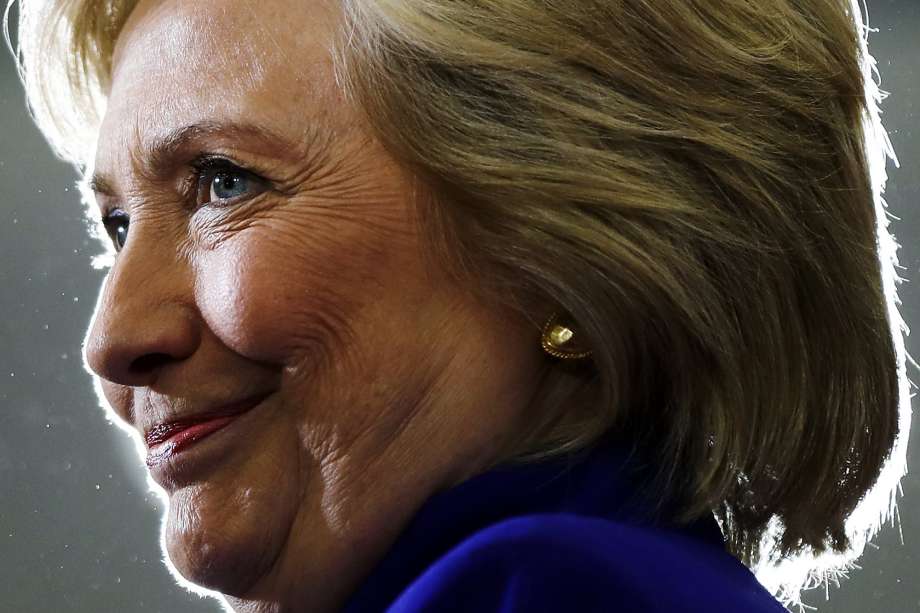
Hillary Clinton is calling her new book “What Happened” and promising unprecedented candor as she remembers her stunning defeat last year to Donald Trump. “In the past, for reasons I try to explain, I’ve often felt I had to be careful in public, like I was up on a wire without a net,” Clinton writes in the introduction, according to publisher Simon & Schuster. “Now I’m letting my guard down.” Simon & Schuster told The Associated Press on Thursday that Clinton’s book will be a highly personal work that also is a “cautionary tale” about Russian interference in last year’s election and its threat to democracy. In public remarks since last fall, the Democrat has cited Russia as a factor in her defeat to her Republican opponent, along with a letter sent by then-FBI Director James Comey less than two weeks before the election. Comey’s letter, sent to Congress on Oct. 28, said the FBI “learned of the existence of emails that appear to be pertinent to the investigation” into the private email server that Clinton used as secretary of state. Days later, Comey wrote that the FBI did not find anything new. “Now free from the constraints of running, Hillary takes you inside the intense personal experience of becoming the first woman nominated for president by a major party in an election marked by rage, sexism, exhilarating highs and infuriating lows, stranger-than-fiction twists, Russian interference, and an opponent who broke all the rules,” according to Simon & Schuster. “In these pages, she describes what it was like to run against Donald Trump, the mistakes she made, how she has coped with a shocking and devastating loss, and how she found the strength to pick herself back up afterwards.” “What Happened” is scheduled to come out Sept. 12 and has evolved since first announced, in February. It was originally billed as a book of essays that would “tell stories from her life, up to and including her experiences in the 2016 presidential campaign,” as opposed to a memoir centered on the race. Clinton’s loss has already been the subject of the best-selling “Shattered,” a highly critical book by Jonathan Allen and Amie Parnes, and a more sympathetic account, Susan Bordo’s “The Destruction of Hillary Clinton.” Within hours of Thursday’s announcement, “What Happened” had jumped from No. 3,350 to No. 17 on Amazon.com. Clinton’s previous works include the 2003 memoir “Living History,” published while she was a U.S. senator from New York, and a book about her years as secretary of state, “Hard Choices,” which came out in 2014 as she prepared to launch her presidential candidacy. She also wrote “It Takes a Village: And Other Lessons Children Teach Us” when she was first lady. Her upcoming memoir isn’t the first political book to be called “What Happened.” Scott McClellan, a former White House press secretary during the George W. Bush administration, released a book with the same title in 2008. McClellan’s memoir was an unexpectedly critical take on his former boss that became a best-seller. Republished with permission of The Associated Press.
Chris Christie says getting Russian opposition research ‘probably’ illegal
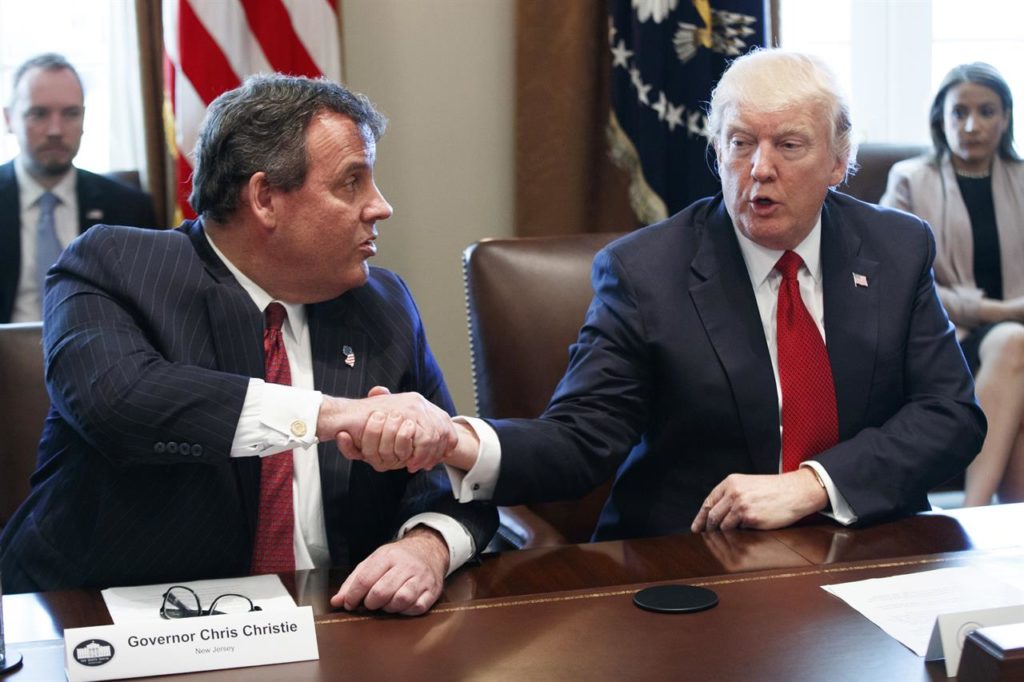
Republican Gov. Chris Christie on Monday addressed Donald Trump Jr.’s 2016 meeting with a Russian attorney, saying it’s “probably against the law” to get opposition research for his father’s presidential campaign from a foreign country. But Christie, a friend and adviser to President Donald Trump, also said that it’s too early be “jumping to conclusions” and that there’s no evidence the campaign obtained such research. “I think, quite frankly, it’s probably against the law in addition to being inappropriate,” Christie said. “I think the thing that bothers me the most is that we seem to have a frenzy of people jumping to conclusions.” Christie, a former U.S. attorney, spoke Monday at an unrelated event in his first public appearance since he ended a three-day government shutdown earlier this month. He was widely criticized after an NJ.com photographer snapped photos of him on a state beach closed to the public during the shutdown. He traveled to Monday’s news conference by state helicopter from another stay at Island Beach State Park. Christie’s comments come a day after the Republican president’s attorney insisted there was nothing illegal in the meeting that Trump’s eldest son attended during last year’s presidential campaign. The president’s attorney, Jay Sekulow, defended Trump and his son in a series of appearances Sunday on five television networks. “Nothing in that meeting that would have taken place, even if it was about the topic of an opposition research paper from a Russian lawyer, is illegal or a violation of the law,” Sekulow said. He said the president did not attend the meeting and was not aware of it. The president himself tweeted Monday: “Most politicians would have gone to a meeting like the one Don jr attended in order to get info on an opponent. That’s politics!” Trump Jr. initially said the June 2016 meeting was about a Russian adoption program. Then The New York Times reported the meeting was actually to hear information about his father’s opponent, Democrat Hillary Clinton. Finally, under pressure from The Times, which had obtained email correspondence, Trump Jr. was compelled to release emails that revealed he had told an associate that he would “love” Russia’s help in obtaining incriminating information about Clinton. Christie served as campaign transition chairman and now leads an anti-opioid commission for the White House. Republished with permission of The Associated Press.
