
Joe Biden’s attorney general search is focused on Doug Jones, Merrick Garland

Alabama Sen. Doug Jones and federal appeals court judge Merrick Garland are emerging as the leading contenders to be nominated as President-elect Joe Biden’s attorney general, three people familiar with the matter told The Associated Press. A decision hasn’t been finalized and the dynamics could shift in the coming days as Biden builds out his Cabinet with an eye to ensuring diverse leadership in the top ranks of his administration. But Jones, who lost reelection last month, and Garland, whose Supreme Court nomination was snubbed by Republicans, appear increasingly well-positioned ahead of other rivals. Democrats are particularly concerned about the prospect of Biden nominating former Deputy Attorney General Sally Yates, fearing she could face a difficult confirmation in the Senate because of her role in issues related to the Russia investigation. Biden’s thinking was described by people with knowledge of the presidential transition’s internal thinking who were not authorized to speak publicly. Andrew Bates, a representative for the transition, did not comment for this story. The president-elect is facing pressure to ensure that Black and Latino leaders are prominently positioned in his administration. He selected retired Army Gen. Lloyd Austin this week to become the first Black secretary of defense. Jones, who is white, has had a long-standing personal relationship with Biden dating back to Biden’s first presidential campaign in 1988. The former U.S. attorney prosecuted members of the Ku Klux Klan who were responsible for a 1963 church bombing in Birmingham, Alabama, and later served as the U.S. attorney there from 1997 until 2001. Biden met with civil rights activists on Tuesday to discuss diversity in his Cabinet. The Rev. Al Sharpton, who attended the meeting, encouraged Biden to select a Black attorney general but gave him room to select someone of another race as long as they had a background in civil rights. “I said the least we could have is someone that has a proven civil rights background that’s someone that’s going to handle this heightened racist bigoted atmosphere,” Sharpton told reporters. It’s unclear whether Garland would fit that standard as easily. He is an experienced judge with a reputation for moderation who held senior positions at the Justice Department decades ago, including as a supervisor of the prosecution of the 1995 Oklahoma City bombing. Garland was put forward by President Barack Obama for a seat on the Supreme Court in 2016 following the death of Justice Antonin Scalia, but Republicans refused to hold hearings in the final year of Obama’s term. The vacancy was later filled by Justice Neil Gorsuch during the Trump administration. The incoming attorney general would inherit a Justice Department that has endured a tumultuous four years and would likely need to focus on not only civil rights issues and an overhaul of national policing policies after months of mass protests over the deaths of Black Americans at the hand of law enforcement, but also on concerns from Democrats about politicization of the department in the Trump administration. Biden has said he will not be involved in Justice Department investigative decisions even as some Democrats have openly wished for probes into President Donald Trump and his associates after he leaves office. Supporters of Yates view her nearly 30-year Justice Department career in both Democratic and Republican administrations, and experience ranging from civil rights cases to national security matters, as making her uniquely qualified to lead the department as it looks to move on from the Trump era. Still, Republican senators would be likely to focus a Yates confirmation hearing on her final year at the department, when the FBI closed out the Hillary Clinton email investigation and opened an investigation into whether the Trump campaign was coordinating with Russia, which later morphed into special counsel Robert Mueller’s investigation. Yates has repeatedly discussed both, including before the Senate committee that has oversight of the confirmation process. She has made clear that she disagreed with the way the FBI conducted some of the most heavily scrutinized actions of both investigations, including the decision to hold a press conference about the Clinton probe and then to alert Congress days before the election that it had been reopened. Even so, Republicans would nonetheless press Yates on problems with the Russia probe that were revealed by a Justice Department inspector general investigation, including errors and omissions in applications to surveil a former Trump campaign aide, and about how she would handle a special counsel inquiry focused on the FBI’s actions in that case. Yates has said that she would not have signed off on the surveillance had she known of the problems in the applications. But the appointment of John Durham as a special counsel to review the Russia probe suggests the inquiry is likely to endure into the Biden administration, creating a backward-looking focus for a new attorney general just as Yates would try to turn the page from the issue. Jones would not comment Tuesday on the possibility of a nomination as attorney general. “They have a process and we’ll let that process play,” he told reporters on Capitol Hill. The Biden team has also been considering a number of other potential candidates for the post, including former Justice Department official Lisa Monaco. Republished with the permission of the Associated Press.
VP-elect Kamala Harris picks Tina Flournoy to be her chief of staff
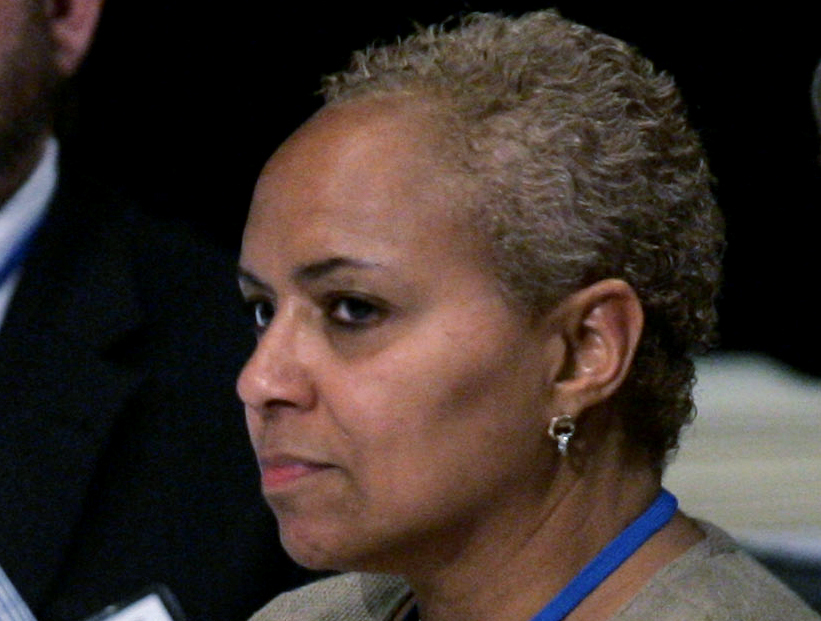
Vice President-elect Kamala Harris has named Tina Flournoy, a veteran Democratic strategist and aide to the Clintons, as her chief of staff, the transition team announced Thursday. Flournoy’s appointment as Harris’ top staffer adds to a team of advisers led by Black women. Harris, who is of Jamaican and Indian heritage, is the nation’s first female vice president. Flournoy joins Ashley Etienne as Harris’ communications director and Symone Sanders as her chief spokeswoman. Flournoy has served as chief of staff for former President Bill Clinton since 2013. That follows a career that took her to top posts at the Democratic National Committee, in the presidential campaigns of former Vice President Al Gore and former Secretary of State Hillary Clinton, and with the American Federation of Teachers. Bill Clinton called her appointment “great news for our country.” “Tina Flournoy is incredibly smart, strong, and skillful, with deeply rooted values. She’s done a wonderful job as my chief of staff for nearly 8 years, and I will miss her—but I’m thrilled about VP-elect Harris’ choice,” he tweeted. Harris also announced Rohini Kosoglu as her domestic policy adviser and Nancy McEldowney as her national security adviser. Kosoglu had served as Harris’ top adviser during the general election campaign. McEldowney is a former ambassador to Bulgaria and has 30 years of service in various diplomatic and foreign affairs jobs. “Together with the rest of my team, today’s appointees will work to get this virus under control, open our economy responsibly and make sure it lifts up all Americans, and restore and advance our country’s leadership around the world,” Harris said in a statement. Former colleagues describe Flournoy as a no-nonsense operative who has both policy and political chops. Matt McKenna, who was Bill Clinton’s spokesperson from 2007 to 2015, noted the historic nature of Harris’ candidacy and said Flournoy will skillfully manage competing demands for her time. “(Harris) represents so many things to so many people, and they’re all going to want some of her time. She needs someone who can honor the historic nature of her candidacy and her victory and her place in the world,” he said. Harris has regularly joined President-elect Joe Biden and offered remarks at briefings on the economy, the coronavirus, and health care since the two won the November election. The transition team has yet to announce whether she’ll focus on any specific issues or initiatives. Flournoy has never held a position with Harris. But Minyon Moore, another former Clinton aide and close friend of Flournoy’s, is assisting Harris with staffing during the transition. It’s unclear if any of Harris’ former Senate staff or longtime political advisers will join the vice president’s office. Republished with the permission of the Associated Press.
Joe Biden eyes defeated candidates for key administration roles

In politics, there can sometimes be an upside to losing. President-elect Joe Biden is eyeing several Democrats who lost congressional reelection races last month for key positions in his administration. They include outgoing Reps. Abby Finkenauer of Iowa, Donna Shalala of Florida, and Sen. Doug Jones of Alabama. Their consideration continues a long Washington tradition of defeated politicians seeking shelter in a new White House. Landing a job in a new administration can both position the losing candidates for future campaigns and provide the incoming president with important relationships on Capitol Hill. “It’s good to have people who know how to roam the halls of Congress,” said Andrew Card, who directed George W. Bush’s transition and later served as the Republican president’s chief of staff. Biden’s transition team declined to comment on the prospects of any individual contender for an administration role. He has already unveiled much of his economic and national security team and is expected to announce picks soon for key health positions. But there are still a large number of major Cabinet positions to be filled, including attorney general and leaders of the departments of Labor, Commerce, and Transportation. As Biden considers his options, his personal connection with some of the defeated lawmakers could carry significance. Finkenauer, who is under consideration as Labor secretary, owes her start in politics in part to Biden. As a college student, she worked on his ill-fated 2008 presidential campaign. A decade later, he headlined a rally for her winning congressional campaign. She was a key surrogate for Biden ahead of the Iowa caucuses. “I know they have a long relationship, and it’s been mutually supportive,” said former Assistant Dubuque City Manager Teri Goodman, who is a decades-long Biden supporter and has watched Finkenauer’s rise. Finkenauer narrowly lost her bid for a second term in a rural northeast Iowa district. But since then, the former state legislator, who made a name promoting public employee unions, has had conversations with senior Biden transition officials about leading the Labor Department, according to Democratic sources familiar with the communications. Jones, meanwhile, is in the mix to lead the Justice Department, partly due to his work as a U.S. attorney who helped convict Ku Klux Klansmen for the Birmingham church bombing that killed four Black girls. He narrowly won a special Alabama Senate election in 2017 but lost reelection last month. He also has a longstanding personal relationship with Biden, dating to Biden’s first presidential campaign in 1988. Biden spoke at Jones’ campaign kickoff in 2017, saying of Jones, “He knows your heart and will never let you down,” and was the first to telephone him on Nov. 3 after he’d lost the seat to Republican Tommy Tuberville. Shalala is perhaps the most administration-ready of 2020′s losing Democratic class. She spent eight years as secretary of health and human services under Bill Clinton and then served as president of the University of Miami before winning a south Florida House seat in 2018. She has heard from Biden transition officials. Beyond the outgoing members of Congress, Biden is also considering his former rivals in the Democratic primary for jobs. He already tapped California Sen. Kamala Harris as his vice president. Biden is weighing roles for Pete Buttigieg, the former South Bend, Indiana mayor who mounted a surprisingly strong campaign in the early stretch of the Democratic primaries. Biden has expressed deep affection for Buttigieg, who was one of the first major candidates to drop out of the race and endorse Biden. Montana Gov. Steve Bullock, who lost his Senate bid after leaving the White House race, is part of discussions for a Biden administration role, perhaps as secretary of agriculture. Another name under consideration for agriculture is former North Dakota Sen. Heidi Heitkamp, who lost in 2018 but has been a champion of reinvigorating rural America. “If they think I can be helpful, then good,” Heitkamp told The Associated Press recently. Presidents have often sought losing rivals for positions. Republican Donald Trump chose fellow 2016 GOP presidential candidates Rick Perry as energy secretary and Ben Carson for housing and urban development. Democrat Barack Obama notably chose former rival Hillary Clinton to be secretary of state after the 2008 election. Missouri Sen. John Ashcroft’s defeat in 2000 paved the way for his four years as attorney general under George W. Bush, including during the aftermath of the 2001 terrorist attacks in the United States. Former Senate Majority Leader Tom Daschle of South Dakota, who lost the election to a third term in 2004, was tapped after the 2008 election by Obama to head health and human services, which would have put him at the forefront of the health care debate. Daschle withdrew from consideration after questions arose about his failure to properly report and pay income taxes. The most successful losing congressional candidate of the past 50 years is George H. W. Bush, who as a two-term Republican U.S. House member from Texas lost his 1970 bid for Senate against Democrat Lloyd Bentsen. As a consolation, President Richard Nixon picked Bush to be ambassador to the United Nations, a disappointment for the up-and-comer who was hoping for a treasury job. But the post led to an ambassadorship to China, and the experiences were valuable when as president he found himself leading a global coalition in Operation Desert Storm. “The significance is that was the beginning of his self schooling and expertise in foreign affairs,” said Chase Untermeyer, director of White House personnel during George H. W. Bush’s administration. In a White House led by a Capitol Hill veteran like Biden, a team with a background in Congress is particularly valuable to those around the president, since Biden remains well acquainted with the rules and many members. But considering Biden hasn’t been a senator in nearly a dozen years, Card said those with more recent experience in Congress will be helpful. “More than helping the president, these people can help the White House staff dealing with members of Congress,” said Card. “They know where
Political fight brewing over Joe Biden’s White House budget chief nominee
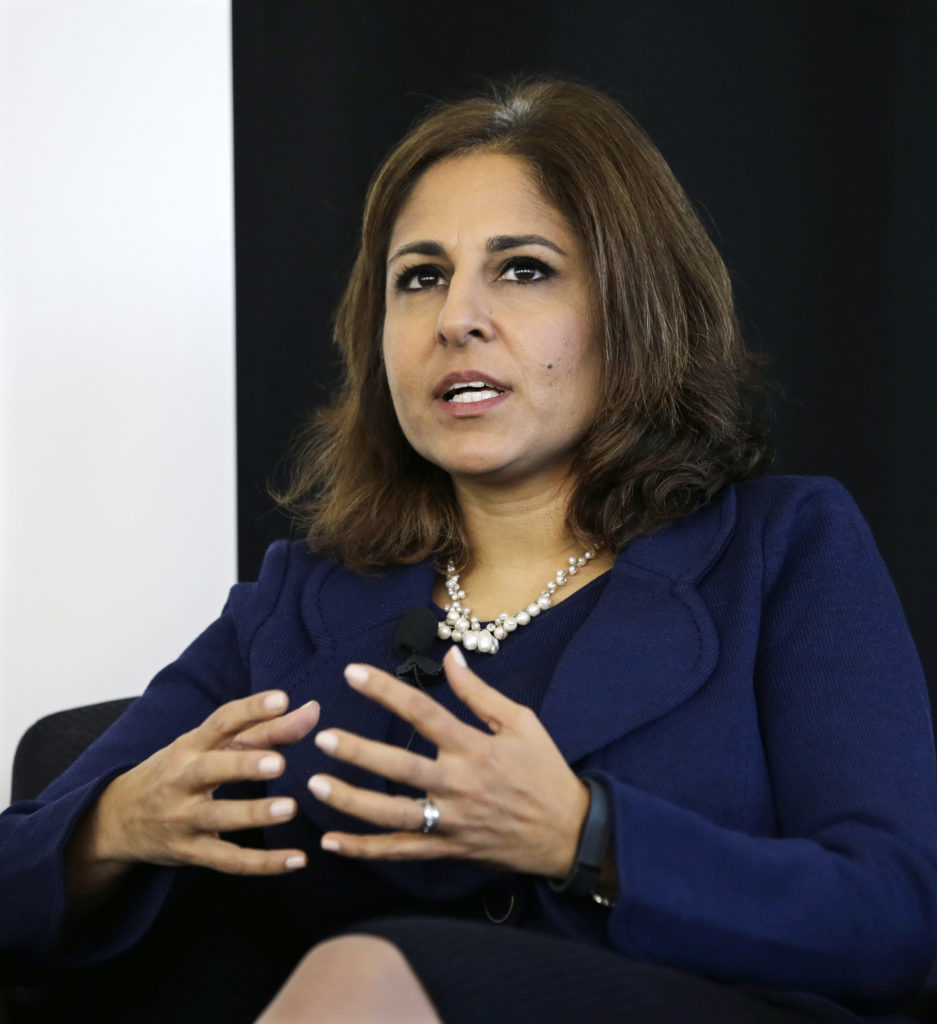
President-elect Joe Biden’s pick to lead the Office of Management and Budget is quickly emerging as a political battle that could disrupt his efforts to swiftly fill out his administration. Some Republicans are expressing doubt that Neera Tanden could be confirmed by the Senate after she spent years attacking GOP lawmakers on social media — and many panned the choice. Arkansas Republican Sen. Tom Cotton claimed Tanden’s rhetoric was “Filled with hate & guided by the woke left.” Texas Republican Sen. John Cornyn said Tanden’s “combative and insulting comments” about Republican senators created “certainly a problematic path.” He called her “maybe (Biden’s) worst nominee so far” and “radioactive.” Potential Budget Committee Chair Lindsey Graham, R-S.C., was less hostile, telling reporters, “Let’s see what happens.” Moderate Susan Collins, R-Maine, a target of Tanden’s, said, “I do not know her or much about her, but I’ve heard she’s a very prolific user of Twitter.” Such sentiment is notable considering the GOP’s general reluctance to criticize President Donald Trump’s broadsides on Twitter. But like all of Biden’s nominees, Tanden has little margin for error as she faces confirmation in a closely divided Senate. That could be especially daunting for Tanden, the former adviser to Hillary Clinton and the president of the center-left Center for American Progress, given her history of political combat. Biden’s transition team released a litany of praise for Tanden from figures including Sen. Elizabeth Warren of Massachusetts and former Georgia gubernatorial candidate Stacey Abrams. Other Democrats also rushed to defend Tanden’s nomination. Former Obama aide Valerie Jarrett said Tanden “grew up on welfare and lived in public housing. She experienced first hand the importance of our social programs. Her extraordinary career has been devoted to improving opportunities for working families. She is an excellent choice to lead OMB.” “Neera Tanden is smart, experienced, and qualified for the position of OMB Director,” added Ohio Sen. Sherrod Brown, a member of the party’s progressive wing. “The American people decisively voted for change – Mitch McConnell shouldn’t block us from having a functioning government that gets to work for the people we serve.” On the Senate floor, Democratic leader Chuck Schumer said it’s impossible to take Republicans’ criticism of Tanden seriously. “Honestly, the hypocrisy is astounding. If Republicans are concerned about criticism on Twitter, their complaints are better directed at President Trump,” Schumer said. At OMB, Tanden would be responsible for preparing Biden’s budget submission and would command several hundred budget analysts, economists, and policy advisers with deep knowledge of the inner workings of the government. If Democrats should win runoff elections for Georgia’s two GOP-held Senate seats, Tanden’s job would become hugely important because the party would gain a slim majority in the chamber. That would allow them to pass special budget legislation that could roll back Trump’s tax cuts, boost the Affordable Care Act, and pursue other spending goals. OMB would have a central role in such legislation. Top Democrats, Biden included, supported anti-deficit packages earlier in their careers, but the party has since changed. Biden was a force behind the establishment of the Obama deficit commission, which was created to win votes of Democratic moderates to pass an increase in the government’s borrowing cap and was chaired by former Clinton White House chief of staff Erskine Bowles. Tanden shares a commonly held view among Democratic lawmakers that Republicans usually profess concerns about deficits only when Democrats are in power, pointing to tax cut packages passed in the opening year of Trump’s administration and former President George W. Bush’s 2001 tax cut. Republished with the permission of the Associated Press.
Joe Biden wins Georgia, flipping the state for Democrats
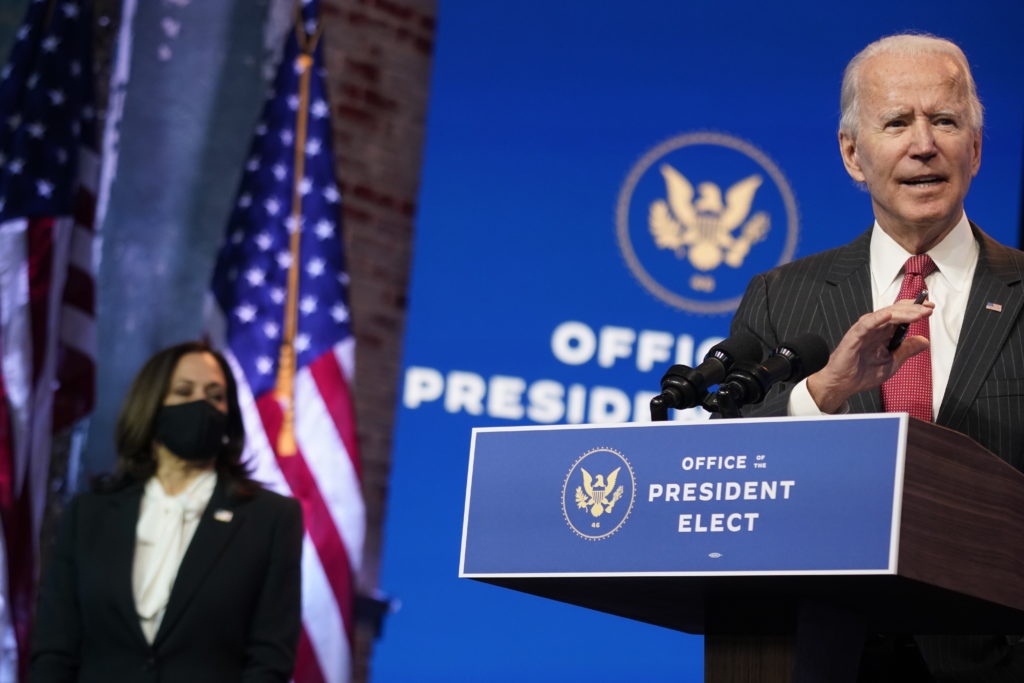
Joe Biden has won Georgia and its 16 electoral votes, an extraordinary victory for Democrats who pushed to expand their electoral map through the Sun Belt. The win by Biden pads his Electoral College margin of victory over President Donald Trump. Biden was declared the winner of the presidential election on Nov. 7 after flipping Pennsylvania, Michigan, and Wisconsin to the Democrats’ column. Biden now has 306 electoral votes to Trump’s 232. Trump won Georgia by 5 percentage points in 2016 over Democrat Hillary Clinton. In 2020, Democrats had focused heavily on the state, seeing it in play two years after Democrat Stacey Abrams narrowly lost the governor’s race. Both of Georgia’s Senate seats were on the ballot this year, further boosting the state’s political profile as well as spending by outside groups seeking to influence voters. Those two races are headed to a January runoff. Georgia hadn’t voted for a Democratic presidential candidate since Bill Clinton in 1992. Republished with the permission of the Associated Press.
Steve Flowers: Turnout for presidential election shatters record in Alabama
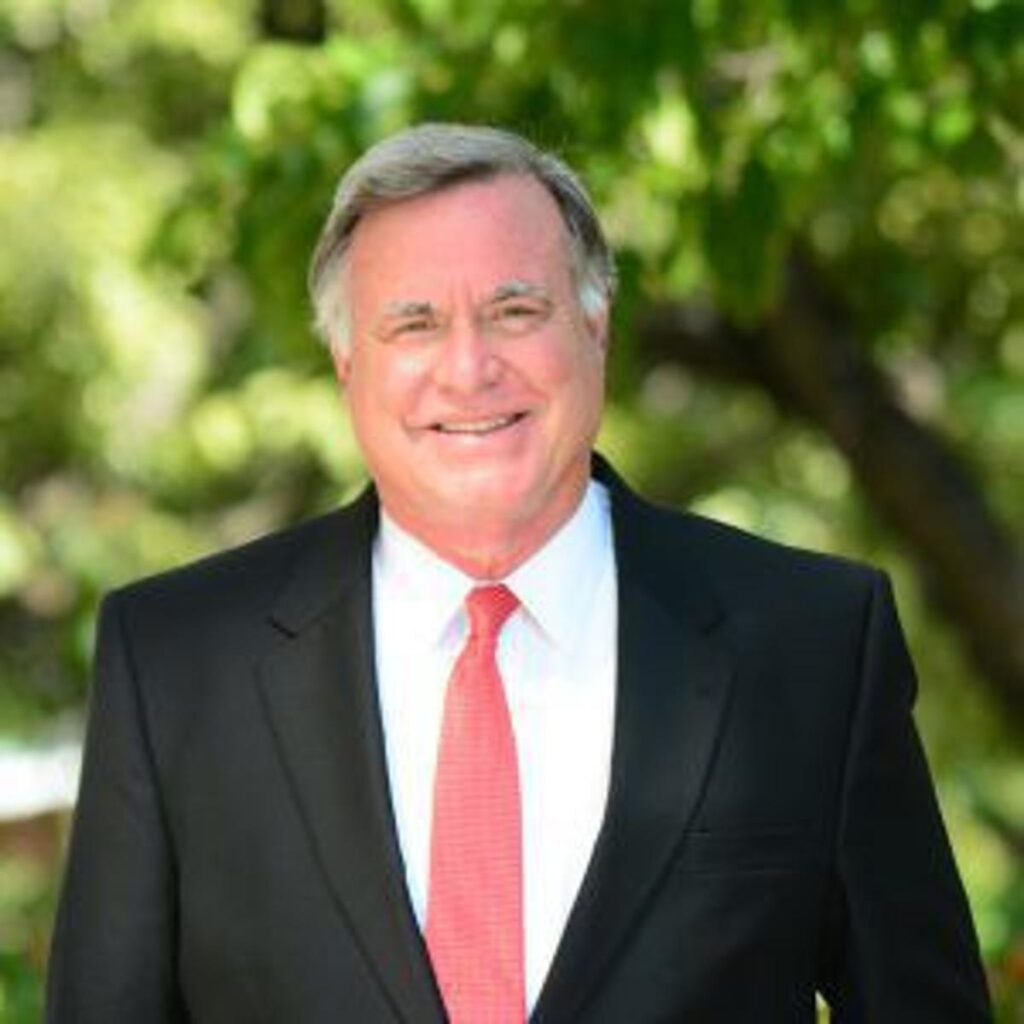
On the morning of the momentous November 3 Presidential Election Day, I began my day on my hometown radio station, WTBF in Troy, which has been my tradition for election days for over 30 years. As the polls began to open around 7 a.m., we began getting calls that the people were lined up for almost a mile outside of the two most populous voting locations in Pike County. Then, I started getting texts that a good many of the Republican boxes in major North Alabama cities had people waiting in line for two to three hours in voting precincts in Jasper, Hamilton, Cullman and Huntsville. Folks in Talladega were showing up in droves driven by a local amendment. When I voted around 10 a.m., the voting officials informed me that more people had already voted in record breaking numbers. About that time, I was receiving texts from other South Alabama locales like Daphne and Fairhope in Baldwin County and Enterprise and Ozark in the Wiregrass that records were going out the window. In Dothan, where I had spoken the day before, people were calling to tell me that records were being shattered at the Westgate polling place, which is one of the largest Republican boxes in the state. When I went on the popular Mobile talk radio Jeff Poor Show at 10:30 a.m., Jeff said reports were coming in of an unbelievable turnout. During the noon hour, I traversed to Montgomery for Talk Radio and interviews with my Capitol City television home, the Alabama News Network CBS 8 and ABC 32. I saw the same thing happening. At St. James Methodist Church where most of Wynlakes votes there were two-hour long lines. At Woodland Methodist in Pike Road it was two to three, and at most of the Republican boxes in Elmore County, especially Millbrook and Wetumpka, there were three hour waits. As I headed on to Birmingham for my election night TV appearance the scene in Shelby and Jefferson Counties was more of the same, if not more pronounced. My daughter, who votes at Vestavia Hills United Methodist Church said the line had been out the door and around the church all day with no parking. The two major voting locations of Hoover, the Finlay Center and Hoover Met, had lines that reached almost a mile. Around 6:00 p.m., while discussing the unprecedented turnout with Secretary of State John Merrill, who had joined me on CBS 42, we saw an unbelievable line out the street at the prestigious Church of the Highlands voting location in Tuscaloosa. The coup de gras was at around 9:30 p.m. a good two-and-a-half-hours after the polls had closed, our TV cameras showed a picture of Trussville City Hall where voters were still waiting in line to cast their ballot even though Trump and Tuberville had already been declared the winners by the Associated Press. Secretary of State John Merrill confirmed what I knew by that time, that indeed the state of Alabama had an unprecedented, unbelievable, amazing, record breaking turnout – 2.3 million Alabamians voted despite COVID which shattered any previous voting participation record. The driving force had to unquestionably be driven by a fervor to vote for President Donald J. Trump. The vote for President Trump was the largest for any candidate in the history of the state. Trump garnered an amazing 62.7% of the vote, which surpassed his 62% against Hillary Clinton. He provided immense coattails for Coach Tommy Tuberville who beat our-anomaly, liberal, two-year-tenured Democratic Senator Doug Jones by an amazing 60-to-40 shellacking. Tuberville is now Senator Tommy Tuberville. PSC President Twinkle Cavanaugh set a record in her reelection bid with almost 1.4 million votes. She gained the record by receiving the most votes for any candidate in a contested race outside the Presidency in state history. Tuberville set the record for most votes for any senatorial candidate in state history. He trounced Jones by over 20 points despite being outspent 4-to-1. According to unofficial election night results the top Alabama Counties for Trump were Winston 90.3%, Cleburne 89.7%, Blount 89.6%, Marion 88.4% and Cullman 88.2%. They were the brightest red in the ruby red Heart of Dixie. See you next week. Steve Flowers is Alabama’s leading political columnist. His weekly column is in over 60 Alabama newspapers. He served 16 years in the state legislature. Steve may be reached at www.steveflowers.us.
Joe Biden wins White House, vowing new direction for divided U.S.
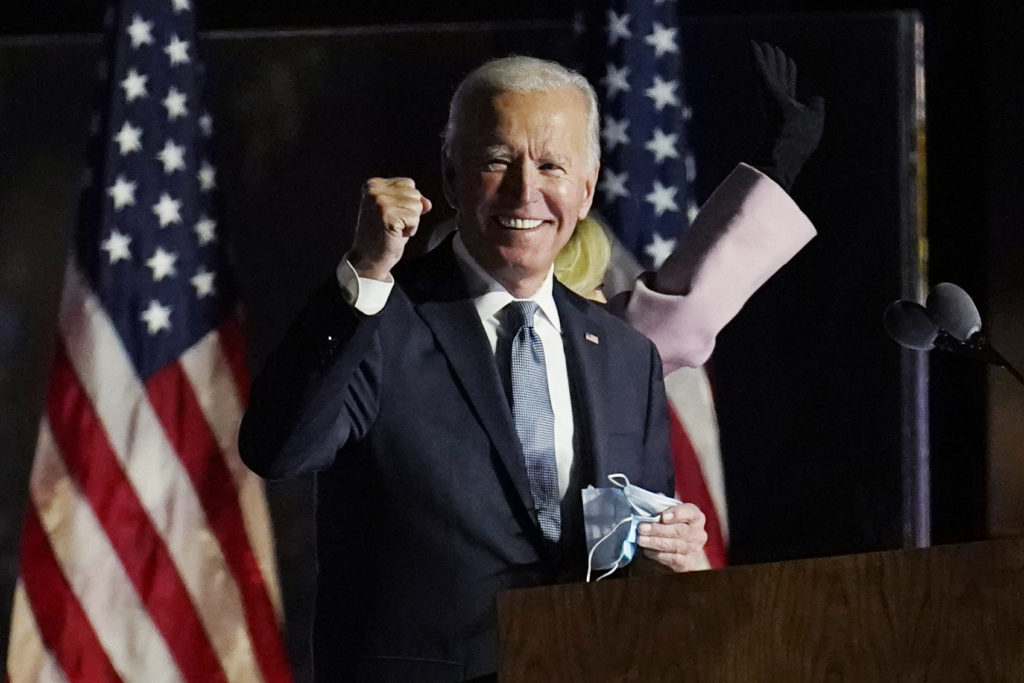
Democrat Joe Biden defeated President Donald Trump to become the 46th president of the United States on Saturday, positioning himself to lead a nation gripped by a historic pandemic and a confluence of economic and social turmoil. His victory came after more than three days of uncertainty as election officials sorted through a surge of mail-in votes that delayed the processing of some ballots. Biden crossed 270 Electoral College votes with a win in Pennsylvania. Biden, 77, staked his candidacy less on any distinctive political ideology than on galvanizing a broad coalition of voters around the notion that Trump posed an existential threat to American democracy. The strategy proved effective, resulting in pivotal victories in Michigan and Wisconsin as well as Pennsylvania, onetime Democratic bastions that had flipped to Trump in 2016. Biden was on track to win the national popular vote by more than 4 million, a margin that could grow as ballots continue to be counted. Trump seized on delays in processing the vote in some states to falsely allege voter fraud and argue that his rival was trying to seize power — an extraordinary charge by a sitting president trying to sow doubt about a bedrock democratic process. As the vote count played out, Biden tried to ease tensions and project an image of presidential leadership, hitting notes of unity that were seemingly aimed at cooling the temperature of a heated, divided nation. “We have to remember the purpose of our politics isn’t total unrelenting, unending warfare,” Biden said Friday night in Delaware. “No, the purpose of our politics, the work of our nation, isn’t to fan the flames of conflict, but to solve problems, to guarantee justice, to give everybody a fair shot.” Kamala Harris also made history as the first Black woman to become vice president, an achievement that comes as the U.S. faces a reckoning on racial justice. The California senator, who is also the first person of South Asian descent elected to the vice presidency, will become the highest-ranking woman ever to serve in government, four years after Trump defeated Hillary Clinton. Trump is the first incumbent president to lose reelection since Republican George H.W. Bush in 1992. It was unclear whether Trump would publicly concede. Americans showed deep interest in the presidential race. A record 103 million voted early this year, opting to avoid waiting in long lines at polling locations during a pandemic. With counting continuing in some states, Biden had already received more than 74 million votes, more than any presidential candidate before him. More than 236,000 Americans have died during the coronavirus pandemic, nearly 10 million have been infected and millions of jobs have been lost. The final days of the campaign played out against the backdrop of a surge in confirmed cases in nearly every state, including battlegrounds such as Wisconsin that swung to Biden. The pandemic will soon be Biden’s to tame, and he campaigned pledging a big government response, akin to what Franklin D. Roosevelt oversaw with the New Deal during the Depression of the 1930s. But Senate Republicans fought back several Democratic challengers and looked to retain a fragile majority that could serve as a check on such Biden ambition. The 2020 campaign was a referendum on Trump’s handling of the pandemic, which has shuttered schools across the nation, disrupted businesses and raised questions about the feasibility of family gatherings heading into the holidays. The fast spread of the coronavirus transformed political rallies from standard campaign fare to gatherings that were potential public health emergencies. It also contributed to an unprecedented shift to voting early and by mail and prompted Biden to dramatically scale back his travel and events to comply with restrictions. Trump defied calls for caution and ultimately contracted the disease himself. He was saddled throughout the year by negative assessments from the public of his handling of the pandemic. Biden also drew a sharp contrast to Trump through a summer of unrest over the police killings of Black Americans including Breonna Taylor in Kentucky and George Floyd in Minneapolis. Their deaths sparked the largest racial protest movement since the civil rights era. Biden responded by acknowledging the racism that pervades American life, while Trump emphasized his support of police and pivoted to a “law and order” message that resonated with his largely white base. The president’s most ardent backers never wavered and may remain loyal to him and his supporters in Congress after Trump has departed the White House. The third president to be impeached, though acquitted in the Senate, Trump will leave office having left an indelible imprint in a tenure defined by the shattering of White House norms and a day-to-day whirlwind of turnover, partisan divide and the ever-present threat via his Twitter account. Biden, born in Scranton, Pennsylvania, and raised in Delaware, was one of the youngest candidates ever elected to the Senate. Before he took office, his wife and daughter were killed, and his two sons badly injured in a 1972 car crash. Commuting every night on a train from Washington back to Wilmington, Biden fashioned an everyman political persona to go along with powerful Senate positions, including chairman of the Senate Judiciary and Foreign Relations Committees. Some aspects of his record drew critical scrutiny from fellow Democrats, including his support for the 1994 crime bill, his vote for the 2003 Iraq War and his management of the Clarence Thomas’ Supreme Court hearings. Biden’s 1988 presidential campaign was done in by plagiarism allegations, and his next bid in 2008 ended quietly. But later that year, he was tapped to be Barack Obama’s running mate and he became an influential vice president, steering the administration’s outreach to both Capitol Hill and Iraq. While his reputation was burnished by his time in office and his deep friendship with Obama, Biden stood aside for Clinton and opted not to run in 2016 after his adult son Beau died of brain cancer the year before. Trump’s tenure pushed Biden to make
Bradley Byrne: After the election: One nation under God
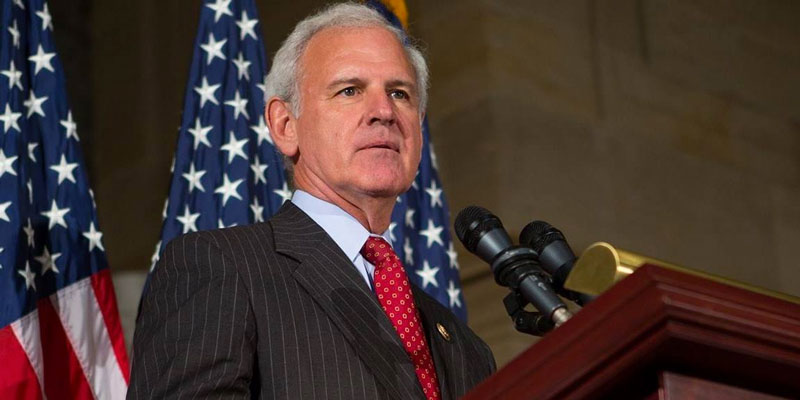
I’ll never forget sitting in the US House Chamber in January of 2017, watching the counting of the Electoral College votes from the 2016 presidential election. Under the Twelfth Amendment to the Constitution, the sitting Vice President opens and counts the votes as submitted and certified by the electors chosen from each state, and the Vice President must do so “in the presence of the Senate and the House of Representatives.” Because Inauguration Day was still several days away, the sitting Vice President was Joe Biden, and as a member of the House, I was entitled to be there. Procedurally, any Representative or Senator can object to any state’s electoral college votes, but at least one member from the other house must agree with the objection before it can be considered. Alabama was the first state up, and Jim McGovern, a very liberal Democrat member from Massachusetts who served on the Rules Committee with me, stood up and objected because the Russians supposedly interfered with our vote for Donald Trump. He also made a blatantly false allegation that our state violated the Voting Rights Act and suppressed thousands of votes. No Senator agreed with him, and Vice President Biden ruled the objections out of order, which kept me from having to argue against McGovern’s silly and frankly slanderous objections. The count went on, and as every Trump state’s votes came up, a Democrat House member would stand up and object, but because no senator agreed with the objections, Biden would rule them out of order. Finally, after several of these, Biden leaned into the microphone and said firmly to his fellow Democrats, “it’s over.” Though they hated the result, he was saying, the Constitution calls for the person with the most electoral votes to be President. And that person was Donald Trump, not Hillary Clinton. This has been an extraordinary year, with the pandemic, a record economic downturn and recovery, riots and violence, and an unprecedented number of hurricanes. It will be an extraordinary election, too, as record numbers of people have already voted in many states, but their votes can’t be counted until election day, and many of those states’ election processes require days to count all those votes. There will also be challenges to the counting of some, perhaps many, ballots because they weren’t filled in or submitted properly. So, we aren’t likely to know the result on Election Day. We didn’t know the result of the 2000 election until December, weeks after the election, and that took an extraordinary decision by the Supreme Court to resolve it in favor of George W. Bush. The Twelfth Amendment was passed and ratified because the 1800 presidential election resulted in an electoral college tie between Thomas Jefferson and his supposed running mate Aaron Burr. That threw the election into the House of Representatives which took 36 ballots to finally make Jefferson the president, three months after the election. In both cases, the nation moved on and accomplished great things. Though this year’s election isn’t likely to be over as quickly as we are used to, all of us should be patient and trust in our Constitution and the institutions which have served us so well for over 230 years. There will be plenty of eyes on the process, and nothing inappropriate is going to go unnoticed. Our intelligence and law enforcement communities have been closely monitoring foreign actors and will continue to do so after the election. Be careful of the information you receive during and after the election because we know there’s a lot of truly fake “news” out there, designed to divide us as a nation. And when we have a result, if your candidate doesn’t win, let’s not have a replay of 2016 when Democrats refused to accept the result, who wouldn’t let it be “over” and shamefully called themselves the “resistance,” a slap in the face of the Constitution and our tradition of peaceful transfer of power. We’ve wasted too much time in Washington over the Mueller report and a failed impeachment effort, attempting to reverse the 2016 election. And we’ve had too much violence this year – we don’t need more due to the election. If your candidate loses, the appropriate response is to be the loyal opposition – loyal to our nation and its Constitution but opposed to the policies of the victorious party. Remember, in American politics, today’s loser is often tomorrow’s winner. Our greatest enemy isn’t a foreign nation but our internal division, driven by a hyper-partisan news media and entertainment industry ready to exploit every fault line in our country and craven before the far worse fault lines of countries where that industry makes a lot of money. Let’s ignore the media and entertainment industry and return to what we learned in school about the traditional values which make us great. As a unified nation there is nothing we can’t do, no problem or issue we can’t solve. We are one nation under God. Let’s keep it that way. Congressman Bradley Byrne currently represents Alabama’s 1st congressional district.
Bruised and haunted, US holds tight as 2020 campaigns close

Just over her mask, Patra Okelo’s eyes brimmed with tears when she recalled the instant that a truth about America dawned and her innocence burned away. One moment on Aug. 11, 2017, she thought the tiki torches blazing in the distance at the University of Virginia were “the most beautiful thing I’d ever seen, lighting up the darkness.” Later, on television, she could see the fire more clearly. Hundreds of white supremacists carried those torches, sparking 24 hours of fury and death that transformed Charlottesville into an enduring battle cry of the 2020 presidential election. “My heart broke that night,” Okelo, now 29, said on Saturday, as President Donald Trump and Democrat Joe Biden blitzed across the country to make the closing arguments of their bitter contest to lead the divided nation. Presidential elections are traditionally moments when Americans get a high-definition look in the mirror. But by the final, frenetic sprint of the 2020 race, the world had long peered into the country’s darkest corners and seen a battered and haunted image staring back. The presidency and control of the Senate are in the balance, but for many, there was something even more urgent. Survival was the immediate goal, both as human beings and as a country whose very name seems aspirational at a time of such division and angst. The list of threats is long and personal: Coronavirus has killed more than 230,000 people in the U.S., and infections are surging in almost every state. The economy and with it families are suffering from uncertainty. The legacy of slavery ripped through society yet again this year after the police killing of George Floyd in Minneapolis sparked nationwide protests and crackdowns by law enforcement. Okelo can draw a line from the August night in 2017 when she first saw the torches to the last hours of the 2020 election. She voted for Biden. On Aug. 12, 2017, in the hours after the torchlight parade, James Alex Fields Jr. plowed his car into a group of protesters on 4th Street and killed activist Heather Heyer. That intersection is now decorated with purple flowers and messages in chalk. Okelo says she has avoided the area ever since. Trump blamed “both sides” for that conflagration. Earlier this year, he boarded up the White House and used federal forces to protect it from the protests over Floyd’s death. And when asked, he has most often refused to condemn white supremacy. Okelo, who is Black, heard when Biden launched his campaign for president with the words, “Charlottesville, Va.” “My younger brother is in danger,” Okelo said she has come to realize. “So I waited in line today, and I voted as I did.” But the connection between 2017 and now also is marked by contrasts. A year ago, Americans were riveted by the House impeachment proceedings against Trump for his appeals for political help from Ukraine. The Senate acquitted him at the beginning of 2020, followed by Trump’s victory lap and House Speaker Nancy Pelosi’s show-topping rip of his State of the Union speech. A campaign that started with more than two dozen Democrats competing for the right to challenge Trump ended with Biden the party’s nominee, and one of his rivals, California Sen. Kamala Harris, as his running mate, the first Black or Indian woman to seek the vice presidency. It seems like a distant, more innocent time. When Harris announced her own presidential bid nearly two years ago, she did it before nearly 20,000 people attending an outdoor event in her home city of Oakland, California. Campaigning in the West in the race’s final week, Harris spoke in Las Vegas to a socially distanced crowd of people sitting on blankets spaced 6 feet apart. White circles around chairs denote appropriate social distancing. As for the sound of the 2020 race, car horns have replaced the roar of Democratic crowds. “Honk if you’re fired up! Honk if you’re ready to go!” former President Barack Obama has said in the final swing. On the Republican side, Trump remained energized by large, mostly unmasked crowds in defiance of the advice from his administration’s top public health officials. The president was making a final blur of 10 rallies across battleground states, arguing falsely that the coronavirus was on the wane and falling back on familiar anthems about Hillary Clinton, his vanquished 2016 rival, and building a border wall between the U.S. and Mexico. “Tuesday is our big deal as a country!” Trump said on Sunday, as he braved flurries and a stiff wind chill in Michigan. The president is aiming to run up support in the whiter, more rural parts of the state with warnings that a Biden win could be disastrous for the economy. Down in the polls and at a cash disadvantage, Trump expressed confidence and said of Biden at one point, “I don’t think he knows he’s losing.” In contrast, Biden’s campaign rallies through Michigan, Georgia and Pennsylvania were strictly distanced and often drive-in affairs where mask-wearing is required. At an Atlanta-area event on Sunday, a Biden staffer stepped to the podium and enforced the rules just before Harris spoke. “Y’all need to go back to your cars,” the aide said. “We are not a Trump rally.” Also defining this campaign at its ragged end is a hovering uncertainty and anxiety. Trump has refused to commit to a peaceful transfer of power if he loses to Biden, and his exhortation to supporters to “stand back and stand by” the polls to make sure the vote is legit sounded to some like a call to intimidate voters and elections officials. Images and reports, such as a get-out-the-vote rally in North Carolina on Saturday that ended with law enforcement pepper spraying the crowd, kept the country on edge. State police said participants were blocking the roadway and had no authorization to be there. In Texas, Trump supporters in cars and trucks swarmed around a Biden campaign bus at high speed on a highway. The
Joe Biden vows to unify and save country; Donald Trump hits Midwest
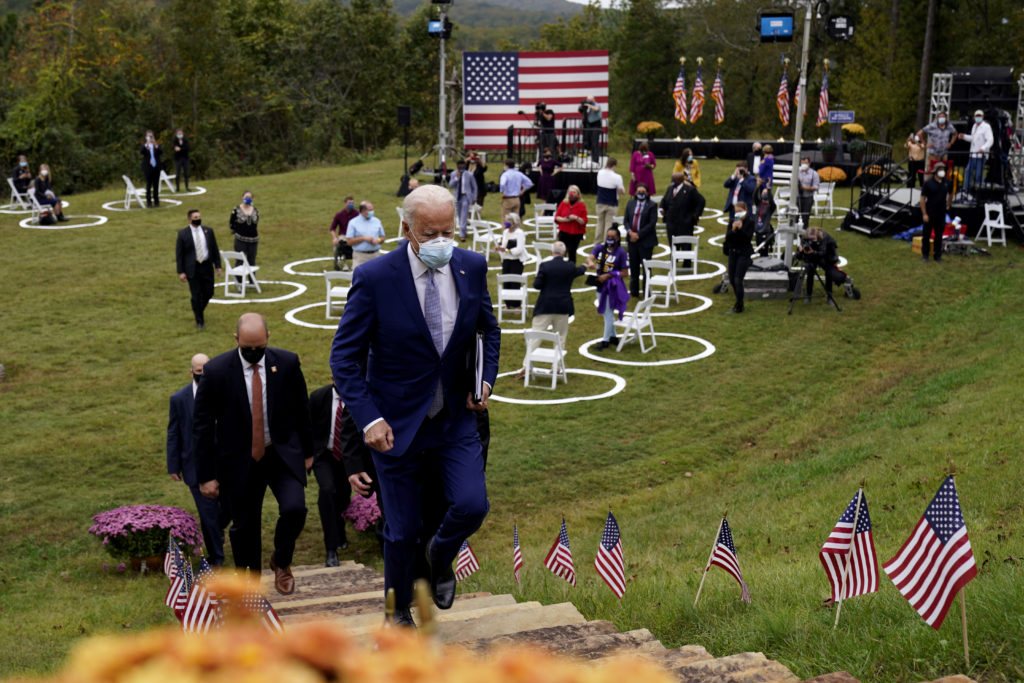
Joe Biden traveled Tuesday to the hot springs town where Franklin Delano Roosevelt coped with polio to declare the U.S. is not too politically diseased to overcome its health and economic crises, pledging to be the unifying force who can “restore our soul and save this country.” The Democratic presidential nominee offered his closing argument with Election Day just one week away while attempting to go on the political offensive in Georgia, which hasn’t backed a Democrat for the White House since 1992. He promised to be a president for all Americans regardless of party, even as he said that “anger and suspicion is growing and our wounds are getting deeper.” “Has the heart of this nation turned to stone? I don’t think so,” Biden said. “I refuse to believe it.” While Biden worked to expand the electoral map in the South, President Donald Trump focused on the Democrats’ “blue wall” states that he flipped in 2016 — Michigan, Wisconsin and Pennsylvania — and maintained a far busier travel schedule taking him to much more of the country. At a cold, rain-soaked rally in the Michigan capital of Lansing, Trump said Biden supported the North American Free Trade Agreement and China’s entry into the World Trade Organization, both of which he said hurt the auto industry and other manufacturing in the state. “This election is a matter of economic survival for Michigan,” the president said, arguing that the state’s economy was strong before the coronavirus pandemic hit. “Look what I’ve done.” Trump also cheered Senate candidate John James — who may ultimately have a better chance of winning the state than the president — while attacking Michigan Gov. Gretchen Whitmer for moving aggressively to shut down much of the state’s economy to slow the virus’ spread. He even seemed to cast doubt on federal authorities breaking up what they said was a plot to kidnap her, which Whitmer has argued Trump’s “violent rhetoric” helped spark. “It was our people that helped her out with her problem. And we’ll have to see if it’s a problem. Right?” Trump said. “People are entitled to say ‘maybe it was a problem. Maybe it wasn’t.’” Biden, even as he predicted the country could rise above politics, went after his election rival, accusing Trump anew of bungling the federal response to the pandemic that has seen new cases surging in many areas, and failing to manage the economic fallout or combat institutional racism and police brutality that have sparked widespread demonstrations. “The tragic truth of our time is that COVID has left a deep and lasting wound in this country,” Biden said, scoffing at Trump’s pronouncements that the nation is turning a corner on the virus. He charged that the president has “shrugged. He’s swaggered. And he’s surrendered.” Venturing into Georgia was a sign of confidence by the Biden team, which is trying to stretch the electoral map and open up more paths to the needed 270 Electoral College votes. The former vice president plans to travel to Iowa, which Trump took by 10 points in 2016, later in the week. And his running mate, California Sen. Kamala Harris, is hitting Arizona and deep red Texas. Besides Lansing, Trump traveled to West Salem, Wisconsin. First lady Melania Trump was on the road, too, making her first solo campaign trip of the year in Pennsylvania. And Vice President Mike Pence was in South Carolina, maintaining his campaign schedule despite several close aides testing positive for the coronavirus last weekend. There, Republican Sen. Lindsey Graham is in a potentially tight reelection race. Hillary Clinton flirted with GOP territory in 2016, only to lose traditional Democratic Midwestern strongholds. But a top Biden adviser rejected the notion that the campaign is spreading itself too thin, noting that the former vice president’s visit follows weeks of paid advertising in Georgia and visits by Harris and the candidate’s wife, Jill Biden. In the coming days, Biden will also visit Wisconsin, Michigan and Florida, where former President Barack Obama gave a speech in Orlando on Tuesday, blistering Trump with the theory that he was only worrying about the virus because it was dominating news coverage. “He’s jealous of COVID’s media coverage,” Obama said. “If he had been focused on COVID from the beginning, cases wouldn’t be reaching new record highs across the country this week.” Trump expressed his displeasure that Fox News carried his Democratic predecessor’s speech live, complaining to reporters about it and tweeting the network was “playing Obama’s no crowd, fake speech for Biden.” In Atglen, Pennsylvania, Melania Trump said she was feeling “so much better now,” just weeks after being diagnosed with the virus. She slammed Biden’s “socialist agenda,” praised her husband as “a fighter” and commented on his use of social media. “I don’t always agree the way he says things,” she said, drawing laughter from the crowd, “but it is important to him that he speaks directly to the people he serves.” The Trumps left for their campaign trips at the same time, and the president gave the first lady a quick peck on the cheek before they boarded separate planes. The president also visited Omaha, Nebraska, after a Sunday stop in Maine. That anticipates a razor-thin Electoral College margin since both areas offer one electoral vote by congressional district. “We have to win both Nebraskas,” Trump told the big crowd that gathered at the city’s Eppley Airfield, presumably referring to Omaha and the state’s more rural districts. While Biden rarely travels to more than one state per day, the Republican president has maintained a whirlwind schedule, focusing on his argument that he built a booming economy before the coronavirus pandemic upended it. Trump is planning a dizzying 11 rallies in the final 48 hours before polls close. His latest swing is also something of a victory lap after the Senate on Monday approved the nomination of Amy Coney Barrett to give conservatives a commanding 6-3 advantage on the Supreme Court. Trump has sought to use the vacancy created by the
Donald Trump, Joe Biden hit battleground Pennsylvania amid pandemic
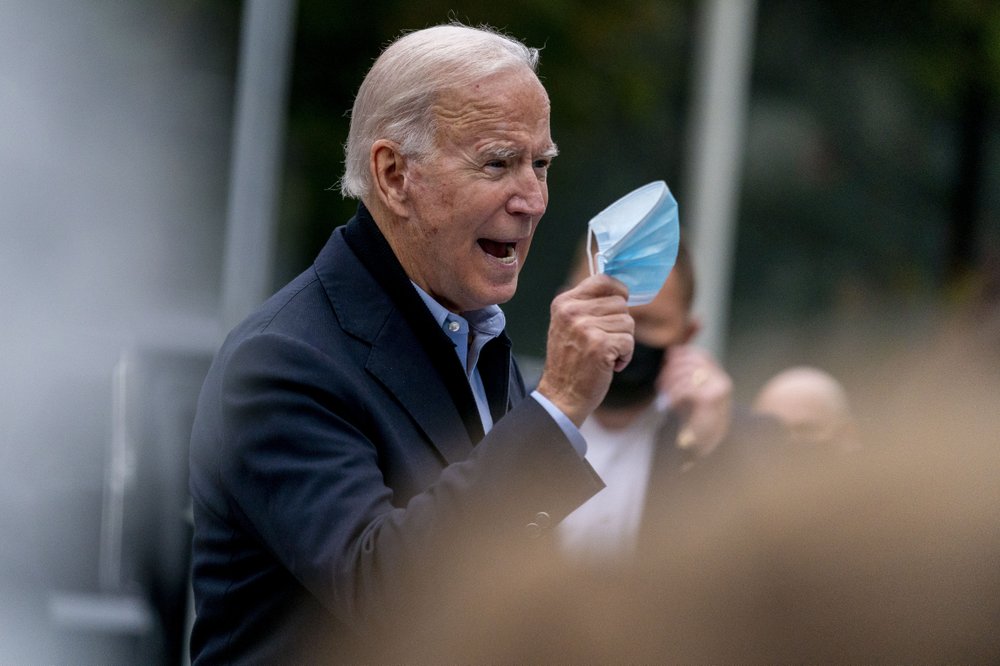
President Donald Trump and Democratic rival Joe Biden zeroed in on the critical battleground of Pennsylvania on Monday, demonstrating starkly different approaches to rallying voters just eight days before polls close during the worst public health crisis in a century. Trump drew thousands of largely mask-less supporters as he began a final-week charge through nearly a dozen states ahead of the election. Biden, taking a more cautious approach in an effort to show that he’s taking the pandemic seriously, greeted a few dozen supporters outside a Chester, Pennsylvania, campaign field office. “Bottom line is Donald Trump is the worst possible person to lead us through this pandemic,” Biden said as he sharpened his closing message into an indictment of Trump’s handling of the virus. Trump, meanwhile, stoked fears about Biden’s plans to address the outbreak. “It’s a choice between a Trump boom or a Biden lockdown,” Trump claimed at a rally in Allentown, focusing on the economy and the possibility of lost jobs. Trump returned to the White House to celebrate the confirmation of Supreme Court Justice Amy Coney Barrett Monday evening. Trump has sought to use the vacancy created by the death of Justice Ruth Bader Ginsburg last month to animate conservative evangelical and Catholic voters to his candidacy, but the high court fight has been overshadowed by virus concerns. In Pennsylvania, Trump also touted the appointment of another conservative justice as potentially giving him an edge in election-related litigation surrounding a surge in absentee and mail ballots due to the pandemic. For each candidate, the differing campaign approaches carry risks. For Trump, the full-speed-ahead strategy could spread the virus in places that are already setting new records and leave him appearing aloof to the consequences. And if Biden comes up short in the election, his lower-key travel schedule will surely come under scrutiny as a missed opportunity. Trump’s campaign schedule suggested he’s on the defensive in Pennsylvania, viewed by his aides as critical to his path to 270 electoral votes. Biden, meanwhile, is demonstrating more confidence with signals that he’s hoping to expand his campaign map. In the closing days Biden plans to visit Georgia, a state that hasn’t voted for a Democratic presidential candidate since 1992, and Iowa, which Trump carried by more than 9 percentage points in 2016. He’s dispatching his running mate, Kamala Harris, later this week to Texas, which hasn’t backed a Democrat for the White House since Jimmy Carter in 1976. With more than a third of the expected ballots in the election already cast, it could become increasingly challenging for Trump and Biden to reshape the contours of the race. But both men are fighting for any endgame advantage. Biden is leading Trump in most national polls and has an advantage, though narrower, in many key battlegrounds. While the final week of the campaign is colliding with deepening concerns about the COVID crisis in far-flung parts of the U.S., Trump is anxious for voters to focus on almost anything else. He’s worried that he will lose if the election becomes a referendum on his handling of the pandemic. Biden, meanwhile, is working to ensure the race is just that, hitting Trump on the virus and presenting himself as a safer, more stable alternative. The stakes were clear this past weekend as the White House became the locus for a second outbreak of the virus in a month. Several close aides to Vice President Mike Pence tested positive, including his chief of staff, Marc Short. Pence, though, was insistent on maintaining his aggressive political calendar, even though he was deemed a “close contact,” claiming the status of an “essential employee.” Pence arrived at a rally in Hibbing, Minnesota, wearing a mask Monday but removed it as he reached the podium to speak to a crowd of supporters who were largely not wearing face coverings or social distancing. Hibbing police confirmed more than 650 people in attendance, exceeding Minnesota health guidelines to restrict crowds to 250 people. With Election Day just over a week away, average deaths per day across the country are up 10% over the past two weeks, from 721 to nearly 794 as of Sunday, according to data from Johns Hopkins University. Confirmed infections per day are rising in 47 states, and deaths are up in 34. The latest national outbreak has provided a potent sign of the divergent approaches the Trump and Biden campaigns have taken to the virus. On Sunday, White House chief of staff Mark Meadows said that “we’re not going to control the pandemic” and the focus should be on containment and treatment. Biden, in a statement, said Meadows’ comments continued with the Trump administration waving “the white flag of defeat” in the face of the virus. Trump fired back Monday as he arrived in Pennsylvania, saying Biden, with his concerns about the virus spread, has “waved a white flag on life.” He rejected Biden’s comments that the nation is facing a “dark winter,” saying, “No it’s not going to be a dark winter. It’s going to be a great winter. It’s going to be a great spring.” Biden’s team argues the coronavirus is likely to blot out any other issues that might come up in the final days of the campaign — including his recent debate-stage comment in which he affirmed he’d transition away from oil, later walking that back as a transition away from federal subsidies. That strategy appeared to pay off as the outbreak in Pence’s staff refocused the national conversation once again on the pandemic. Trump and his team, meanwhile, have struggled to settle on a closing message, with the undisciplined candidate increasingly trusting his instincts over his advisers. He’s grasped for dirt on his Democratic rival and used apocalyptic terms to describe a Biden presidency, but Biden has thus far proven more resistant to such attacks than Trump’s 2016 rival, Hillary Clinton. Anticipating a razor-thin Electoral College margin, Trump has an aggressive schedule including a visit Omaha, Nebraska,
In debate countdown, Donald Trump holds rally, Joe Biden does prep

President Donald Trump pushed into arguably the most important state on the electoral map on Tuesday, opting for a rally in Pennsylvania instead of formal debate practice two days ahead of the final presidential debate that may be his last, best chance to alter the trajectory of the 2020 campaign. Democrat Joe Biden took the opposite approach, holing up for debate prep in the leadup to Thursday’s faceoff in Nashville. But Trump, trailing in polls in most battleground states, continued his travel blitz in the race’s final fortnight, and delivered what his campaign has wanted to be his closing message. “This is an election between a Trump super recovery and a Biden depression. You will have a depression the likes of which you have never seen,” the president said in Erie. “If you want depression, doom and despair, vote for Sleepy Joe. And boredom.” But the president’s pitch that he should lead the rebuilding of an economy ravaged by the pandemic has been overshadowed by a series of fights. In the last two days he has attacked the nation’s leading infectious disease expert and a venerable TV newsmagazine while suggesting that the nation was tired of talking about a virus that has killed more than 220,000 Americans. Before leaving the White House, Trump taped part of an interview with CBS’ “60 Minutes” that apparently ended acrimoniously. On Twitter, the president declared his interview with Lesley Stahl to be “FAKE and BIASED,” and he threatened to release a White House edit of it before its Sunday airtime. Also trailing in fundraising for campaign ads, Trump is increasingly relying on his signature campaign rallies to deliver a closing message to voters and maximize turnout among his GOP base. His trip Tuesday to Pennsylvania was one of what is expected to be several to the state in the next two weeks. “If we win Pennsylvania, we win the whole thing,” Trump said in Erie. Erie County, which includes the aging industrial city in the state’s northwest corner, went for President Barack Obama by 5 percentage points in 2012 but broke for Trump by 2 in 2016. That swing, fueled by Trump’s success with white, working-class, non-college-educated voters, was replicated in small cities and towns and rural areas and helped him overcome Hillary Clinton’s victories in the state’s big cities. But Trump will likely need to run up the score by more this time around as his prospects have slipped since 2016 in vote-rich suburban Philadelphia, where he underperformed by past Republican measures. This raises the stakes for his campaign’s more aggressive outreach to new rural and small-town voters across the industrial north. His aides worry that his opponent is uniquely situated to prevent that, as Biden not only hails from Scranton, but has built his political persona as a representative of the middle and working classes. Trump, who spoke for less than an hour, showed the crowd a video of various Biden comments on fracking in a bid to portray Biden as opposed to the process. The issue is critical in a state that is the second leading producer of natural gas in the country. Biden’s actual position is that he would ban new gas and oil permits, including for fracking, on federal lands only. The vast majority of oil and gas does not come from federal lands. Three weeks of wrangling over the debate format and structure appeared to have subsided Tuesday after the Commission on Presidential Debates unveiled a rules change meant to reduce the chaotic interruptions that plagued the first Trump-Biden encounter last month. This time, Trump and Biden will each have his microphone cut off while his rival delivers an opening two-minute answer to each of the six debate topics, the commission announced. The mute button won’t figure in the open discussion portion of the debate. Trump was to have been joined in Erie by first lady Melania Trump, in what was to be her first public appearance since she and the president were sickened with COVID-19. But her chief of staff, Stephanie Grisham, said Tuesday that Mrs. Trump has a lingering cough and would not accompany the president. As Trump was on the road, Biden was huddling at his lakeside home in Wilmington, Delaware, with senior adviser Ron Klain, who is in charge of debate preparation. Also on hand: a group of aides that the campaign has purposely kept small to reduce the risk of spreading the coronavirus. Biden, who taped his own interview with “60 Minutes” on Monday at a theater near his home, had no public events Tuesday or Wednesday and wasn’t scheduled to travel — except to the debate itself — on Thursday. His running mate, California Sen. Kamala Harris, was out campaigning, and he was expected to receive a late boost from former President Barack Obama, who was to host an event Wednesday in Philadelphia. Biden is now tested about every two days for the coronavirus and has never been found to be positive. He suggested before last week’s planned second debate in Miami that the proceedings shouldn’t happen if Trump was still testing positive for COVID-19 after contracting the virus earlier in the month. The candidates instead held dueling town halls on separate networks after the commission said the debate should occur virtually, citing safety concerns, and Trump rejected the idea. Biden has been tightlipped about his preparation for the Nashville debate, saying only that he has focused on watching Trump’s past statements on key issues. Biden’s advisers see the final debate as a chance to discuss foreign policy, which they see as one of their candidate’s strengths. Biden has praised the Trump administration for helping to broker deals that the Gulf states of Bahrain and the United Arab Emirates signed recognizing Israel, but otherwise has accused the president of shunning allies and making foreign relations more volatile at most points around the globe. The debate comes as Trump is again defending his handling of the coronavirus pandemic that has killed more
