
Hillary Clinton aims to reset campaign with focus on black voters
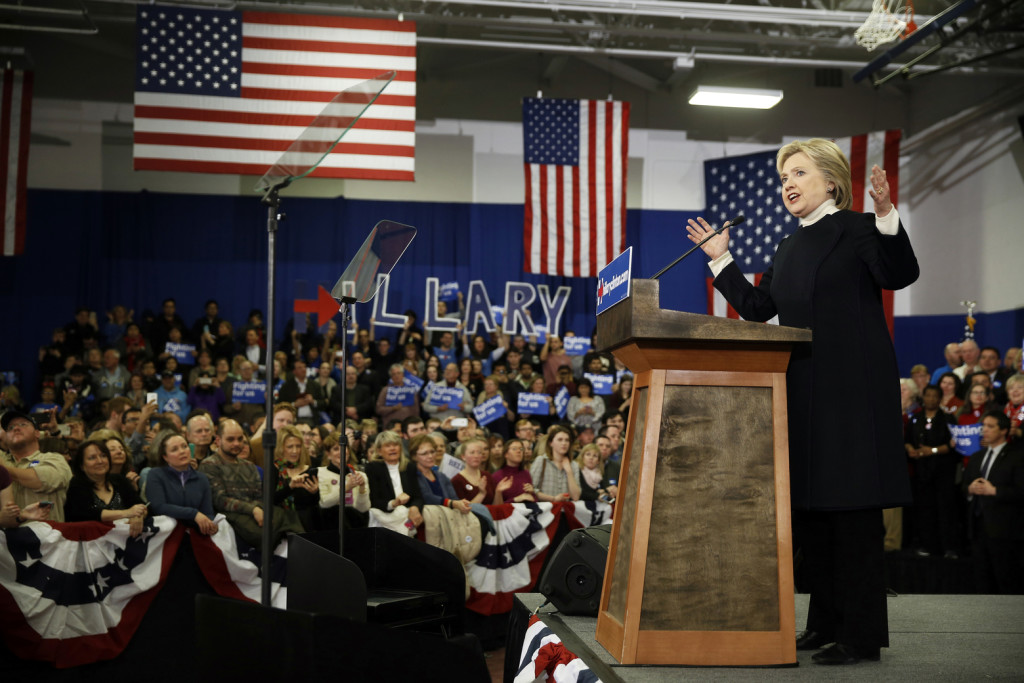
After an overwhelming loss in New Hampshire, Hillary Clinton is staking a campaign comeback on her ability to woo black and Latino voters, placing outreach to those communities at the center of her strategy to retool her 2016 bid. The 22-point loss to rival Bernie Sanders in this week’s primary heightened concerns among Democrats that Clinton’s message is failing to win over both women and young voters — two key parts of the coalition that twice elected Barack Obama to the White House. The New Hampshire defeat, along with Clinton’s razor-thin win in the leadoff Iowa caucuses, raised the stakes for Clinton to rally minority voters — another pillar of the Obama coalition — in the contests coming up in Nevada and South Carolina. As the contest fans out across the country, Clinton’s campaign is casting her as a stalwart advocate for racial justice, tracing back to her days working for the Children’s Defense Fund in the 1970s. She will tie her future even closer to Obama, a deeply beloved figure among black Americans. Clinton also plans to intensify her focus on issues of importance to minority voters, such as immigration, civil rights and gun control, dispatching African-American supporters to make her case and launching a flurry of attacks to undermine any credibility Sanders may be building within the black community. Focus-group surveys conducted by Clinton’s campaign with undecided black voters in Charleston found that the former secretary of state has retained a high degree of trust with African-Americans, even as her numbers on trust and honesty have declined overall, according to Clinton aides. While the voters were open to Sanders and liked his economic message, their views shifted after hearing about his plans to replace the Affordable Care Act with a single-payer health care system and his past opposition to gun control measures, the aides said. “One candidate voted to give immunity to the gun manufacturers and opposed the Brady bill. … I can’t get past that,” said Rep. Cedric Richmond, D-La., on Thursday as the Congressional Black Caucus’ political action committee endorsed Clinton. While Clinton still holds a big lead among party insiders known as superdelegates, who can support the candidate of their choice, the first two contests made clear that Sanders has undermined her once dominant position as the nomination favorite. Her aides believe the next two contests and the primaries that follow in March, where minority voters make up a larger slice of the electorate than in overwhelmingly white Iowa and New Hampshire, could essentially decide the race. She already has a head start with black voters. An NBC News/Wall Street Journal/Marist Poll in late January showed African-American voters said they preferred Clinton to Sanders, 74 percent to 17 percent Since New Hampshire, Clinton has launched a full-scale press, unveiling endorsements from top African-American leaders. At the CBC event on Thursday, Georgia Rep. John Lewis, a civil rights icon, said he would travel to South Carolina this weekend to campaign for her. Clinton’s team will also be rolling out the support of 119 black legislators in the March voting states. And she’ll be endorsed by faith leaders in Flint, Michigan, adding to the 28 ministers and 50 black mayors who’ve already expressed support. Meanwhile, Clinton supporters are targeting Sanders’ record on issues like racial equality and criminal justice, even playing down his early support for the civil rights movement as a college student who joined the 1963 March on Washington. “Thousands of people walked on Washington. What are the real policy issues or legislation that he has presented?” said Dr. Hazel Dukes, president of the NAACP’s New York State Conference. On Friday, Clinton will head to rural Bamberg County, South Carolina, a poor, majority-black area, to hold a town hall on racial and economic disparities. She’s holding a Monday campaign event in Riviera Beach, Florida, a majority African-American city, before meeting with civil rights leaders on Tuesday and holding a campaign event with the mother of Sandra Bland, the Chicago-area woman whose death in a Texas jail cell has become a rallying cry for criminal justice reform. Former President Bill Clinton is being dispatched to Memphis, Atlanta and Florence, South Carolina, and the Clintons’ daughter, Chelsea, is heading to Flint, where the crisis over water has become a symbol of racial and economic inequality. Sanders’ campaign plans to promote his personal story, arguing that his early work as a college civil rights activist and his message of economic equality will help diversify his support. On Wednesday, he held a heavily publicized breakfast with civil rights activist Al Sharpton in Harlem, and Ta-Nehisi Coates, an influential writer on racial issues, said he would vote for Sanders. But his team also acknowledges that his constituency may be far stronger in states with less diverse Democratic electorates, like Oklahoma, Minnesota, and Massachusetts — all states where they launched new ads on Wednesday. “Bernie Sanders has an incredibly powerful story to tell,” said adviser Tad Devine. “His fight for equality and civil rights, his fight against inequality and economic injustice is very, very powerful. It’s going to resonate with the African-American community.” Republished with permission of the Associated Press.
Hillary Clinton struggles to win over younger women
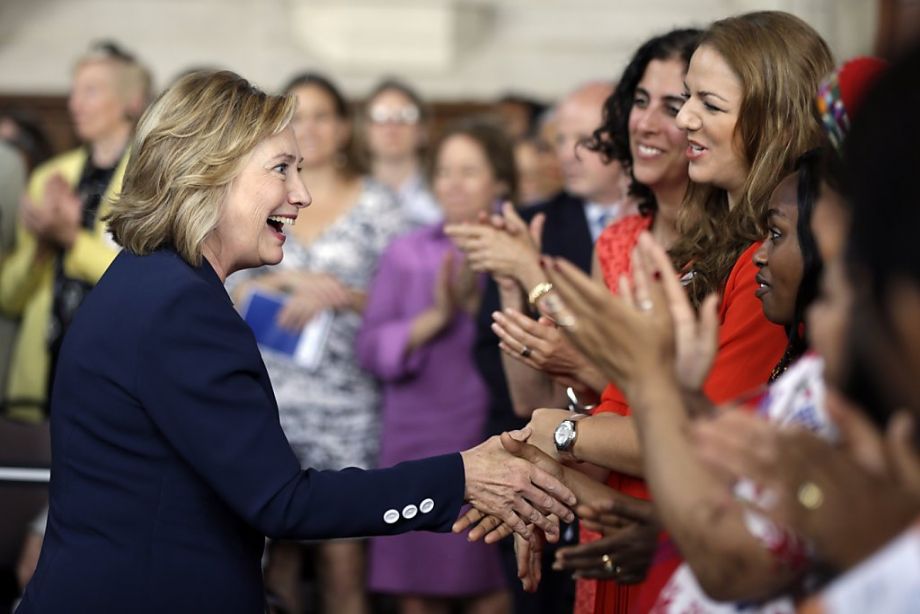
For young women, political revolution is currently trumping the idea of a Madame President. In New Hampshire, women under the age of 45 overwhelmingly backed Bernie Sanders over Hillary Clinton, exit polls showed. It’s a problem for the former secretary of state as she tries to build the coalition of voters needed to win the Democratic nomination, and she knows it, saying of young voters as she conceded New Hampshire to Sanders that, “even if they are not supporting me now, I support them.” The numbers are staggering, and not just because Clinton – widely expected to be the first woman to win the presidential nomination of a major political party – lost New Hampshire women to a 74-year-old grandfather. Sanders won the votes of 7 out of every 10 women under the age of 45, and nearly 80 percent of women under the age of 30. “I think for young women, they clearly identify as feminists, they say they’re feminists, but I think the notion of having a woman president … it doesn’t drive them in the same way, as women who are in the traditional second wave of feminism,” said Debbie Walsh, director for the Center for American Women and Politics at Rutgers University. Indeed, young women in New Hampshire said they were more inspired by the Vermont senator’s ambitious policy proposals, including a government-run health care system for all and free public college tuition. Clinton’s more pragmatic ideas and complicated public history are a tough sell. “We always have another chance to have another woman president, but do we have another chance to have someone as genuine as Bernie Sanders is?” asked Nicole McGillicuddy, 26, a server at a Concord restaurant, who believes there will a female president in her lifetime. Clinton and Sanders will meet for the next debate of the Democratic race on Thursday in Milwaukee, when Clinton’s outreach to younger women is sure to continue. Compared with her 2008 bid, which focused more on experience and her readiness for the White House, Clinton has embraced her gender this time, touting her potential to be the first female president and stressing economic issues popular with women, including equal pay and family leave. She has promoted endorsements from women’s organizations, campaigned with female elected officials and sought to impress younger women with surrogates such pop star Katy Perry and actress Lena Dunham. But the message has not resonated, much to the frustration of the Clinton campaign. Angst over Sanders’ appeal erupted recently, when former Secretary of State Madeleine Albright said there was “a special place in hell” for women who don’t help women and renowned feminist Gloria Steinem said that Sanders’ female supporters were doing it to meet boys. Those comments were roundly criticized, prompting an apology from Steinem. “I can’t see voting for someone just because she’s a woman. That’s a bad message. It does not resonate. It’s lame,” said Barbara Considine, 58, of western Massachusetts. “It backfires. In fact, it’s suggesting we’re not supposed to think about what the issues are or anything else.” Clinton is expected to fare better in the upcoming early contests than she did in Iowa, where she barely eked out a win in the caucuses, and lost in New Hampshire. A recent national poll from Quinnipiac University showed Clinton winning women voters 48-38 against Sanders. Stephanie Schriock, the president of Emily’s List, which supports Democratic women who back abortion rights as they run for Congress and governors, and who has been campaigning for Clinton in the early states, argued that the idea Clinton was losing women was “overblown.” “We look at the national numbers and she’s doing well, including on millennial women. We’ve seen really good energy across the county from women of all ages,” Schriock said. Clinton has struggled to clearly define her message against Sanders’ insurgent effort, however – and his intense focus on breaking up big financial institutions and expanding social programs has captured liberal voters, especially young people. There are some similarities to 2008, when polling showed that President Barack Obama did better than Clinton with younger women. But the generational divide among young women over Clinton’s candidacy appears more entrenched than it was at this point in 2008. That year, the youngest female primary voters in New Hampshire – those under age 30 – were slightly more likely to support Obama than Clinton, 45 percent to 37 percent, while this year 79 percent of them voted for Sanders. Women between 30 and 44 in 2008 were slightly more likely to support Clinton than Obama, while this year most of them supported Sanders. “In 2008, I liked her a lot more back then. I think she was more of a genuine individual. Now she’s had eight years to become enmeshed in the machine,” said Lucy Fitzpatrick, 60, of Epping, New Hampshire, who is backing Sanders, as are her 20-year-old twin daughters. “I’d love to see a woman in the office one day, but I can’t, in good conscience, vote for her.” Republished with permission of the Associated Press.
New Hampshire Takeaways: Donald Trump proves he’s a winner
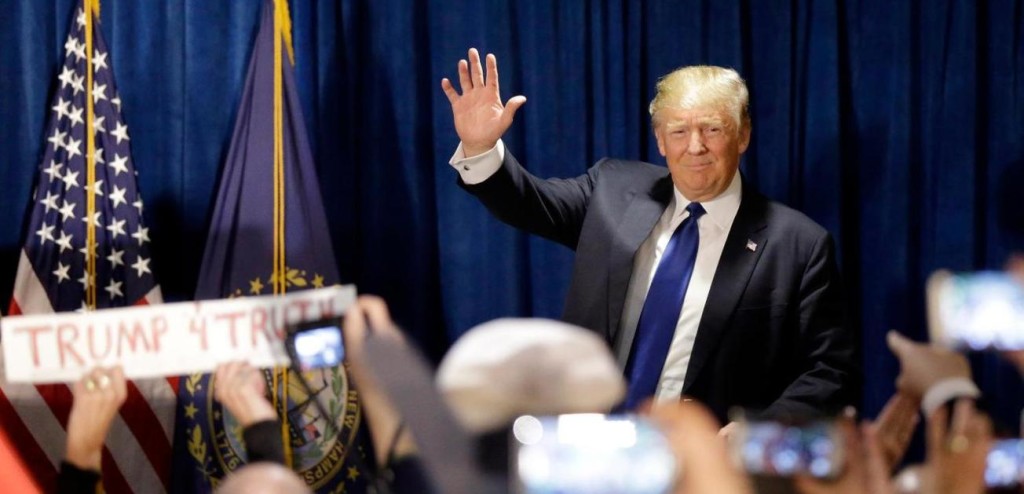
New Hampshire voters have made their picks: Republican Donald Trump and Democrat Bernie Sanders. They are choices with implications for next-to-vote South Carolina, Nevada and beyond in the 2016 race for president. Here are some takeaways from the results in the first primary state: — TRUMP PROVES HE’S A WINNER He needed a strong victory. Trump got one Tuesday in New Hampshire. The longtime Republican front-runner proved he can do more than just top preference polls by posting a dominant victory in the nation’s first primary state. And with it, he could become difficult to stop as the nomination battle moves forward. The brash billionaire was already far ahead of the fractured GOP field in polls of next-to-vote South Carolina before Tuesday’s win, and it should be expected that he’ll get a boost of momentum coming out of New Hampshire. Also to be expected: the GOP establishment’s worries about Trump will deepen. Those Republican leaders who fear Trump is unelectable in a general election – and there are many – publicly suggest they have until mid-March to coalesce behind a viable alternative. But the continued strength of Texas Sen. Ted Cruz, along with Marco Rubio‘s lackluster performance in New Hampshire, suggest that most of the Republican field will be locked in a messy muddle for weeks to come. And as they fight among themselves for second and third place, Trump may get a relative free pass to grow stronger. — RUBIO’S TOUGH NIGHT Hounded by Chris Christie in the final debate before Tuesday’s primary for what the New Jersey governor argued is his thin record of accomplishment, Rubio repeated a line from his standard stump speech four times. And for the next two days, Rubio defended doing so – even as the whiff of momentum he had carried forward from a strong third-place finish in Iowa’s caucuses was evaporating. The Florida senator finally fessed up after voters delivered their verdict in Tuesday’s primary. “I want you to understand something. Our disappointment tonight is not on you. It’s on me. It is on me. I did not do well on Saturday night,” Rubio said. “Listen to this: That will never happen again. That will never happen again.” The question for Rubio is how long the damage will last. He moves on to South Carolina no longer ready to emerge as the prospective alternative to Trump and Cruz. Instead, he’s back among the pack of GOP hopefuls looking to break out. — CLINTON’S VULNERABILITIES Sanders’ blowout victory over Hillary Clinton exposed significant weaknesses in the former secretary of state’s White House bid. Sanders won an overwhelming majority of young voters, a significant part of the coalition that twice helped elect Barack Obama. And Sanders and Clinton were evenly divided among women, a major setback for a candidate who aims to become the nation’s first female president. Clinton campaign manager Robby Mook wrote in a memo that her campaign is well-positioned among black and Latino voters who are prominent in Nevada, South Carolina and the March contests. But the resounding loss in New Hampshire, which Clinton won in 2008 and where her husband revived his flagging campaign in 1992, creates the potential for the party’s diverse electorate to give Sanders a second look. — WHAT VOTERS CARE ABOUT Among Democrats, voters said they valued honesty over other qualities in a candidate – including experience, caring about people like them and electability. That loomed large for Sanders. Less than half of Democratic primary voters in New Hampshire said Clinton is honest and trustworthy. Asked which of the two Democratic candidates had those qualities, half said only Sanders had them – and more than 9 in 10 of those people voted for him. About 4 in 10 said both of the Democrats were honest and trustworthy, but very few said only Clinton has those traits. Seven in 10 self-identified independents voting in the Democratic primary supported Sanders, while self-identified Democrats were evenly split between the two candidates. On the Republican side, voters who wanted an outsider made a big difference for Trump. Half said they want the next president to be outside the political establishment – 6 in 10 of them voted for Trump. Among those saying they want a candidate who “tells it like it is” over other qualities, two-thirds voted for the real estate mogul and former reality TV star. — CAMPAIGN CASH Money is about to get tight for several candidates who just unloaded much of their campaign coffers in New Hampshire, a state where it costs a lot to broadcast TV ads. And some of the biggest Republican donors who’d been hoping for a clear signal from voters as to which of several candidates would be the strongest competitor to Trump and Cruz will have to keep waiting. That means fortunes aren’t likely to dramatically rise for any of those would-be alternatives: Rubio, John Kasich and Jeb Bush. Kasich, the second-place finisher in New Hampshire, began the year with just $2.5 million, about one-third as much as Bush and a quarter of Rubio’s available cash. Kasich senior adviser Tom Rath said Tuesday he expects an infusion of donations based on the New Hampshire results. “We have a lot of people who have been promising money if we perform,” Rath said. “Tonight, we performed.” As for Rubio and Bush, both campaigns were working hard to portray to donors their middle-of-the-pack finishes as a “win” of sorts. Yet both ended up well behind Trump and Kasich and were in a battle for third place with Cruz. The results leave little incentive for prospective donors looking for someone to take on Trump and Cruz to act now. Republished with permission of the Associated Press.
Presidential Primary Brief: 273 days until Election Day
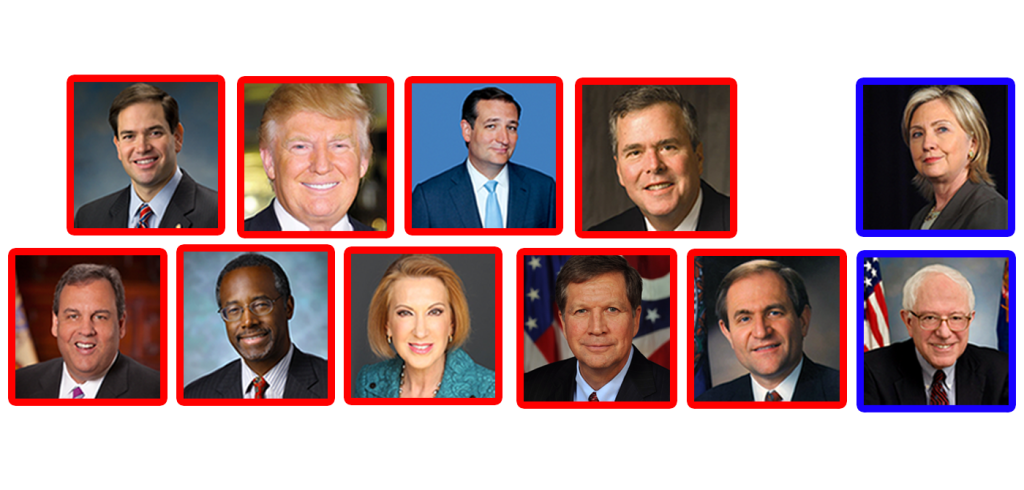
21 days until AL Presidential Primary 273 days until Election Day Convention Dates: Republican July 18-21, 2016, Democratic July 25-28, 2016 Weekly Headlines: Iowa caucuses kick off 2016 presidential election Donald Trump says Ted Cruz stole victory in Iowa caucuses Hillary Clinton wins Iowa caucuses Press Clips: 5 takeaways from the GOP debate (Politico 2/7/16) Here’s what everyone is supposed to write: Marco Rubio, the communal target of the GOP field looking to knock him down, stumbled badly, reciting his pre-scripted pablum of a soulless establishment-candidate cyborg. Meh. Rubio wasn’t great. The morning-after narrative is Marco the Rube — and his weird triple talking-point repeat just might be enough to slow down the young man in hurry, even though the polls have shown him only modestly rising into second place here behind Donald Trump. Marco Rubio slams Obama’s speech on Fighting Islamophobia (Huffington Post 2/3/16) Republican presidential candidate Sen. Marco Rubio (R-Fla.) somehow found a way to criticize President Barack Obama’s speech on Wednesday denouncing anti-Muslim bigotry. Rubio, who often stresses religious liberty and his own faith on the campaign trail, said Obama’s words at a Baltimore mosque were intended to divide, rather than unite, the American people. “I’m tired of being divided against each other for political reasons like this president’s done,” Rubio said at a Wednesday campaign stop in Dover, New Hampshire. “Always pitting people against each other. Clinton’s margin of victory shrinks to 0.25 after Iowa audit (Politico 2/7/16) Hillary Clinton still has defeated Bernie Sanders in the Iowa Democratic caucus, but an internal party review released Sunday found new errors in the original count that further narrowed her margin of victory — a result that’s likely to keep scrutiny on the caucus state while the rest of the country looks to New Hampshire. The audit by the Iowa Democratic Party discovered errors in five of 14 precincts across the state from Monday’s caucuses that shrink Clinton’s overall advantage in the key delegate results to a 0.25 percent lead over Sanders, down from 0.27 percent. Martin O’Malley to drop out of Democratic presidential race (The Wall Street Journal 2/2/16) The first casualty of Iowa’s caucuses is former Maryland Gov. Martin O’Malley, who announced Monday night that he was dropping out of the Democratic presidential race after a disappointing showing. Mr. O’Malley told supporters at a Des Moines bar that he was suspending a campaign that never gained traction against rivals Hillary Clinton and Bernie Sanders. He did not endorse either of the two. With about 90% of the Iowa caucus results reported, Mr. O’Malley stood at less than 1%. Mike Huckabee suspends his 2016 campaign (Politico 2/1/16) Mike Huckabee suspended his bid for the Republican nomination, ending a second run that overshadowed by other candidates in the former Arkansas governor’s social-conservative lane. Huckabee’s announcement concludes a campaign that was not nearly as prominent as his previous run at the Republican nomination in 2008, where he won eight states, including the Iowa caucus. Rand Paul ends presidential bid (USA Today 2/3/16) Kentucky Sen. Rand Paul, who had hoped to ride libertarian support to the Republican presidential nomination, withdrew from the race after a fifth-place showing in the Iowa caucuses. “It has been a privilege to give voice to the liberty movement in this race, and I believe we have broadened the debate by being part of it,” Paul said on Fox News. “Although today I will suspend my campaign for the presidency, I will continue to fight on for liberty, for the Constitution, for justice in the United States Senate.” Paul, 53, is running for re- election in November to a second Senate term. Wednesday morning, he posted this video thanking his supporters on Twitter. Kasich wraps himself in Reagan (Politico 2/7/16) The Ohio governor, who’s fighting to win over more moderate New Hampshire Republicans not enamored of Ted Cruz or Donald Trump, compared himself twice to Ronald Reagan within a few minutes on Sunday in an interview with Jake Tapper on CNN’s “State of the Union.” Tapper asked Kasich about a remark he made on Saturday, when a Democratic voter told Kasich on the trail that Kasich was the only Republican he’d consider supporting. Kasich joked that maybe he “ought to be running in a Democrat primary.” Rick Santorum drops presidential bid, endorses Marco Rubio (CNN 2/3/16) Former Pennsylvania Sen. Rick Santorum ended his presidential bid on Wednesday, throwing his support behind Florida Sen. Marco Rubio. Santorum made the announcement Wednesday night on Fox News’ “On the Record,” saying he spoke with Rubio “for more than hour” Tuesday before making up his mind. Santorum won the 2012 Iowa caucuses and ended that race with the second-most number of delegates to eventual GOP nominee Mitt Romney. But he was unable to capture any momentum this year despite extensive barnstorming efforts in Iowa. He is the third Republican presidential candidate to drop out after Monday’s caucuses. Mike Huckabee ended his campaign that night, and Rand Paul suspended his campaign Wednesday morning. Trump stands by proposal to revive waterboarding (Politico 2/7/16) Donald Trump, who vowed to bring back waterboarding and “a hell of a lot worse than waterboarding,” stood by his proposal on the Sunday shows, while refusing to say exactly how he’d reinstate the harsh and controversial interrogation technique banned during President George W. Bush’s second term. Trump vowed during the Republican debate on Saturday night to bring back waterboarding and “a hell of a lot worse that waterboarding.
Hillary Clinton, Bernie Sanders spar over who’s more liberal
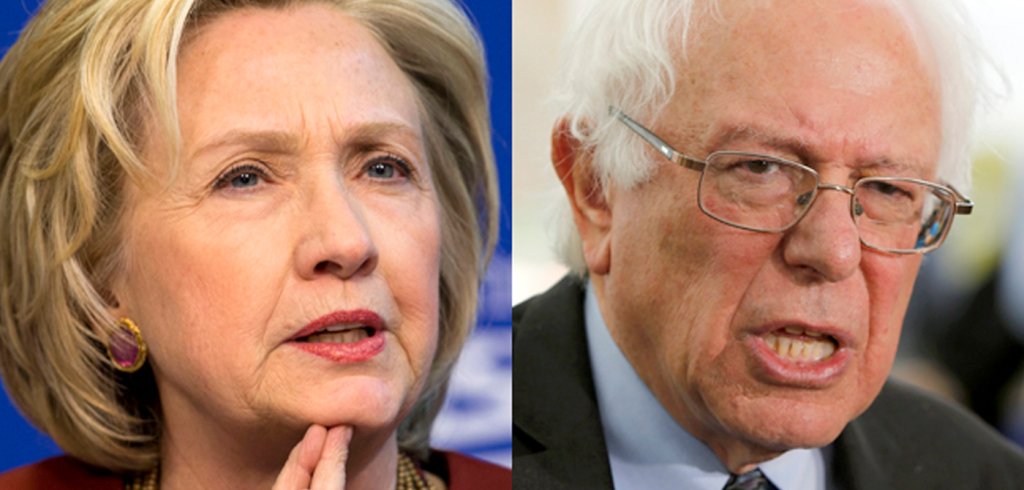
Vermont Sen. Bernie Sanders opened up a new line of attack in the Democratic presidential primary on Wednesday, putting Hillary Clinton on the defensive over her liberal credentials just days after she eked a slim victory in the Iowa caucuses. Sanders, who has a sizable lead in the upcoming New Hampshire primary, rattled off a list of issues where Clinton isn’t in sync with the liberal wing of the party, including trade, Wall Street regulation, climate change, campaign finance and the 2002 authorization of the war in Iraq. “I do not know any progressive who has a super PAC and takes $15 million from Wall Street,” Sanders said, during a candidate forum sponsored by CNN. “That’s just not progressive.” Clinton moved quickly to defend her record, saying that under Sanders’ criteria President Barack Obama, Vice President Joe Biden and even the deceased Minnesota Sen. Paul Wellstone, a champion of liberal causes, would not be considered progressive. “I know where I stand,” said Clinton. “But I don’t think it helps for the senator to be making those kinds of comparisons because clearly we all share the same hopes and aspirations for our country.” She also pushed back on charges by Sanders and his allies that she cannot be trusted to regulate Wall Street because of the millions in speaking fees she made from the industry before announcing her presidential bid. An Associated Press analysis of public disclosure forms and records released by her campaign found that Clinton made $9 million from appearances sponsored by banks, insurance companies, hedge funds, private equity firms and real estate businesses. Clinton said she was still deciding whether to run for president when she accepted the appearances “I don’t know,” she said, when asked why she was paid such a high speaking fee. “That is what they offered.” The back-and-forth on progressive credentials was the latest example of tensions between Clinton and Sanders as the race nears the Feb. 9 New Hampshire primary. The Democratic rivals are expected to appear at a debate on Thursday night and both camps have quarreled over the timing and locations of three debates planned for later this spring. Clinton has questioned Sanders’ commitment to gun control and whether his proposal to create a universal health care system might endanger Obama’s signature health care law. Sanders, meanwhile, casts Clinton as an establishment figure and an inconsistent champion of liberal causes such as the environment, trade and campaign finance reform. Speaking at a town hall meeting in Derry, New Hampshire earlier in the day, the former secretary of state called Sanders attacks on her ideology a “low blow,” before listing a series of liberal accomplishments that she described as progressive, including her work on expanding access to children’s health insurance, advocating for women and gay people and pushing for gun control measures. “We’ve been fighting the progressive fight and getting results for people for years,” Clinton said. “I hope we keep it on the issues. Because if it’s about our records, hey, I’m going to win by a landslide.” But Clinton’s team clearly sees an opening in Sanders’ comment. On Twitter, Clinton’s top spokeswoman Jennifer Palmieri compared it to the moment in 2008 when President Barack Obama said during a debate that Clinton was “likable enough,” which prompted criticism from Clinton supporters. The attack came from a comment Clinton made at a campaign event in September, when she was describing tax cuts passed under former President George W. Bush and noted that she’s occasionally been called a moderate. “I plead guilty,” she told the crowd in Columbus, Ohio. Sanders cited her words in a Wednesday evening news conference in Concord, before noting that she has done some “progressive things” like advocating for children. “This is not a low blow. There’s nothing wrong with people who are moderates. Some of my best friends are moderates,” he said. “All I was doing was repeating what she actually said.” Sanders’ razor-thin loss in the Iowa caucuses Monday, and his formidable lead in New Hampshire polls, have heightened the possibility that the two remaining Democrats will be involved in a protracted fight for the nomination. “We are in this until the convention,” Sanders told reporters on Tuesday. He said the narrow Iowa outcome showed his campaign’s ability to take on Clinton’s vast political network and address doubts among voters about his electability. Clinton acknowledged that she yet to win over broad swaths of the party, particularly younger voters. In Iowa, Sanders won 84 percent of voters under age 30 and 58 percent of those aged 30-44 according to entrance polls. “I respect the fact that I have work to do,” said Clinton. “They don’t have to be for me, I will be for them.” Republished with permission of the Associated Press.
Jeb Bush invokes dad’s Iowa victory as hopeful sign of things to come
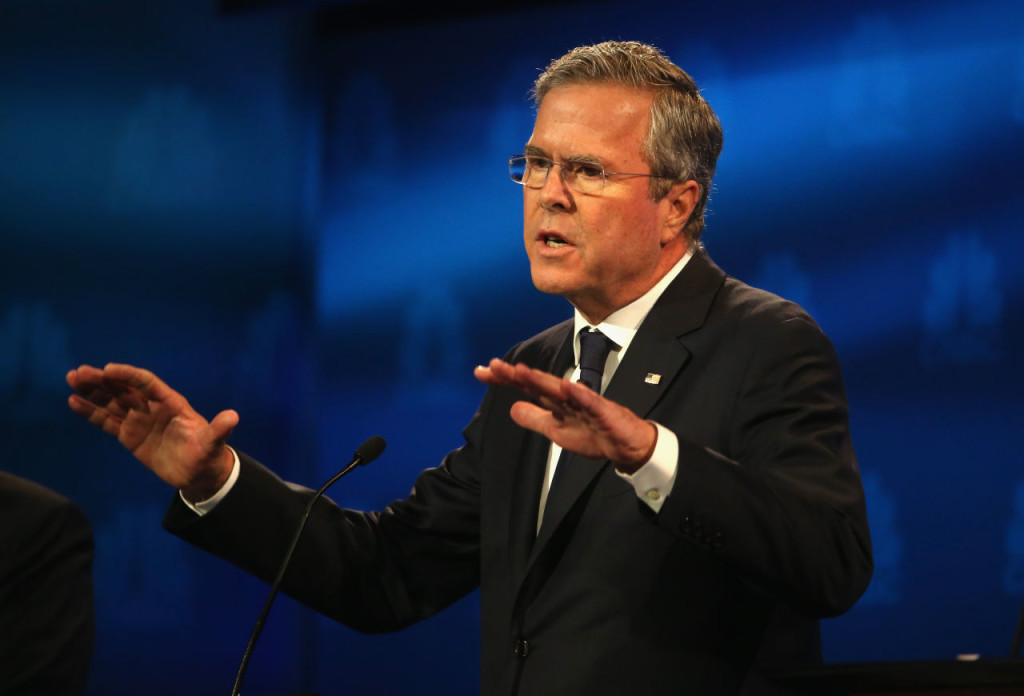
Jeb Bush was never expected to be a serious contender in Iowa, but his paltry total of just 2.8 percent of Iowa caucus voters still has to hurt. That’s after his Super PAC spent nearly $15 million there. The former Florida governor knew the results wouldn’t be pretty. He wasn’t even in Iowa Monday night, instead campaigning at a town hall meeting in New Hampshire. Appearing on “Fox and Friends” early Tuesday, Bush referenced a breaking story from Paris (where French police say five people were arrested with plans to stage attacks on nightspots and leave for Syria), and pivoted to his foreign policy gravitas. “We have a national security threat that is not going to go away, we need someone with a steady hand, someone who can has the backbone to be able to be a commander in chief to lead this country,” he said. Bush refused to play along with Fox anchor Steve Doocy‘s question about what he would do over if he could in Iowa. “I don’t look back,” he said, adding that he looks forward to campaigning in New Hampshire, South Carolina and Nevada. Doocy reminded Bush that the Iowa winner often doesn’t become the GOP nominee, referring to George H.W. Bush‘s surprise victory in 1980. “Yeah, I remember in 1980 we were all excited, with my dad upsettingRonald Reagan in the Iowa caucus. He had big mo, he came here to New Hampshire and it didn’t work out. And many other candidates have the same story.” In fact, it’s been 16 years since Republican caucus-goers here have accurately picked the eventual GOP nominee for president. Some polls have shown Bush with growth in the polls in New Hampshire. The Real Clear Politics average of polls in New Hampshire shows Bush locked in a tight four-man battle for second place, less than a point below Ted Cruz and John Kasich in fourth place with 10.3 percent. All are way behind Donald Trump, however, who dominates currently with a poll average rating of 33 percent.
The day after the big day: What to watch in NH and beyond
The political suspense isn’t over now that the Iowa caucuses are history. There will be plenty of intrigue to track on the day after, too. What to watch Tuesday: UMM, WHO WON?: The Democratic caucus results were so tight that Hillary Clinton and Bernie Sanders both went to bed unsure who’d won. Will party bigwigs declare a winner Tuesday or simply leave it as a draw? CLAIMING VICTORY: There’s more than one way to define victory. Multiple candidates will try to claim a win simply by exceeding low expectations. Marco Rubio is fashioning his third-place showing as an “important step to winning the nomination.” Rand Paul is trumpeting a “strong top-five finish.” EXIT STRATEGIES: Does Iowa turn into a knockout blow for more bottom-tier candidates? Democrat Martin O’Malley and Republican Mike Huckabee bailed out before midnight on caucus night. More candidates could look for the exits after sleeping on it. SPIN CYCLE – WHY IOWA DOESN’T MATTER: Poor performers in the caucuses will look for ways to play down the importance of Iowa. Ben Carson, for one, complained in his evening speech that he’d been the target of caucus-night dirty tricks. SPIN CYCLE – WHY IOWA MATTERS: Winners and those who exceeded expectations will be happy to play up the significance of the Iowa results. Just how far do they stretch that victory lap? WHERE NEXT? It’s not just where the candidates point their planes, but where they ship all those Iowa staffers who will be packing their bags Tuesday. With New Hampshire just a week away, the state already is flooded with campaign staff and advertising dollars. While most candidates were planting themselves in New Hampshire, Texas Sen. Ted Cruz has stops Tuesday in both New Hampshire and South Carolina; he thinks his conservative message may resonate in the latter state. ADS, ADS, ADS: For Iowans, it’s now safe to turn on the TV; viewers in New Hampshire, beware. From Tuesday forward, presidential candidates and the outside groups helping them are set to spend $11 million on TV and radio ads in the state, according to advertising tracker Kantar Media’s CMAG. By New Hampshire primary night, spending in the state will have topped $116 million. If the month of January is a guide, look for Trump with a side of Trump. Political ads already are popping up in states with later primaries and caucuses: Nevada has $1.7 million in ads scheduled. MONEY CHASE: Beware of inbox overload. Wins and losses have one thing in common: They’re both fundraising opportunities. Expect many breathless emails from the candidates that convert their Iowa performances – fantastic or dismal – into pleas for campaign cash. Iowa winner Cruz had an email out before midnight warning that “I must raise over ONE MILLION DOLLARS in the next 24 hours or I risk wasting our Iowa victory.” ENDORSEMENT CHASE: As candidates exit the race, where do they point their supporters? Donald Trump plans to campaign in Arkansas on Wednesday. Could he be hoping to pick up an endorsement from Huckabee? Republished with permission of the Associated Press.
Iowa Takeaways: Donald Trump can’t meet hype, Hillary Clinton underwhelms
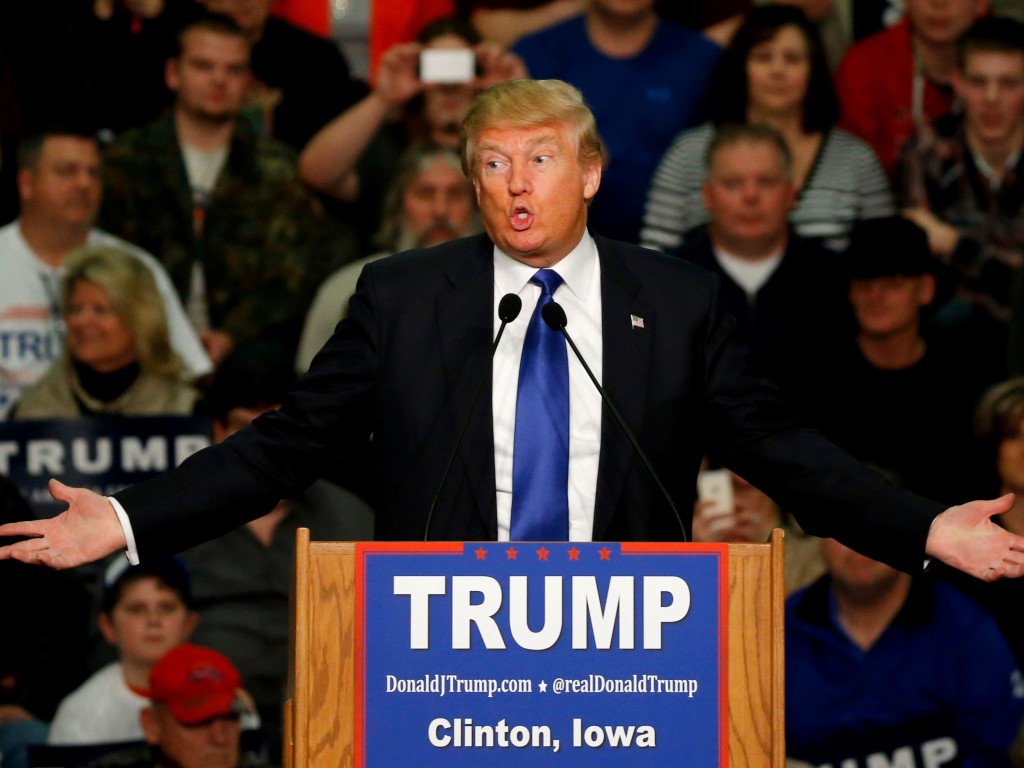
Donald Trump failed to live up to his own hype and finished second to Ted Cruz, but it was a late surge from Marco Rubio that may wind up the as the biggest surprise of the Iowa caucuses. Democrats Hillary Clinton and Bernie Sanders finished in what the Vermont senator termed a “virtual tie,” an outcome that may further embolden her critics even as her team claimed victory. The 2016 presidential contest moves on to New Hampshire, where the nation’s first primary is now just seven days away. To get you started, here are some takeaways from Iowa’s leadoff caucuses: — A HUGE TURNOUT, BUT NOT HUGE ENOUGH FOR TRUMP Before Monday’s contest, the major question about Trump was whether his legion of fans would ultimately become an army of voters. Plenty did, as turnout in the Republican caucuses was up by nearly 60,000 people compared to 2012. The problem for the billionaire businessman was that he still didn’t have enough backers to push past the first-term Texas senator. Trump, a New Yorker through and through, was never well-positioned to win over rural Iowa’s evangelical voters. More than 4 in 10 Republicans arriving at caucus sites said the candidate quality that mattered most in their vote was that the candidate shares their values. Among those who said so, Cruz won the support of nearly 4 in 10, compared to less than 1 in 10 for Trump. Trump will be quick to point out that Iowa backed two deeply flawed GOP candidates in 2008 and 2012, neither of whom went on to win the party’s nomination. Yet he missed an opportunity to deal Cruz a blow that would have made his path to the nomination far easier. — A CLOSE DEMOCRATIC RACE Hillary Clinton’s campaign team declared victory in the early morning hours as they headed to New Hampshire, pointing to her capture of at least 22 delegates to the party’s national convention to Sanders’ 21 – with one left to be decided. But the Iowa results appeared likely to benefit Sanders’ campaign far more than her own. “We came in and we took on the entire political establishment and we fought them to a draw,” said Sanders adviser Tad Devine. “It’s a huge step forward for us. We’re very, very pleased with what happened.” Even before the caucuses, Sanders said he was prepared to compete deep into the spring and fight until the summer convention. He raised $20 million in January and will be well-positioned to build a campaign organization in the lengthy list of states holding contests in March. Still, Iowa has a largely white, liberal Democratic electorate, which will make it difficult for Sanders to argue that he’s a stronger candidate than Clinton to face off against the GOP in the general election. To do so, he’ll need to win over the minority voters who play a major role in upcoming states on the primary calendar, including Nevada, South Carolina and several Southern states that hold contests in March. — IOWA TRUSTED CRUZ By claiming victory in Iowa, Cruz ensures he’ll be a force in the Republican primary contest for weeks to come – if not longer. He moves on to New Hampshire as the favorite of his party’s most conservative voters. Expect him to pick up support from likeminded candidates who underwhelmed on Monday, among them former neurosurgeon Ben Carson and Kentucky Sen. Rand Paul – and former Arkansas Gov. Mike Huckabee, who dropped out of the race. Cruz won with an impressive ground game and beat back brutal attacks from Trump and others about his trustworthiness, the cornerstone of his campaign and his “TRUSTED” slogan. And he’s got built-in advantages that will help him sustain his momentum as the race moves into the spring. Cruz began the year with more money than most of his competitors combined, and after New Hampshire, he’ll be able to spend it in more friendly territory as the GOP race moves into the South. — RUBIO RISING He didn’t win the most votes, but Marco Rubio had a very good night in Iowa. The first-term Florida senator claimed third place, finishing just behind Trump. More importantly, he absolutely dominated his competitors in the mainstream wing of the party, earning more votes than former Florida Gov. Jeb Bush, New Jersey Gov. Chris Christie and Ohio Gov. John Kasich combined. Rubio’s team also proved to be masters of the expectations game. By casting Trump and Cruz as the overwhelming front-runners in recent weeks, Rubio’s strong third place finish exceeded expectations and recent polls alike – which made it feel like a victory of sorts. Republished with permission of the Associated Press.
Presidential Primary Brief: 280 days until Election Day
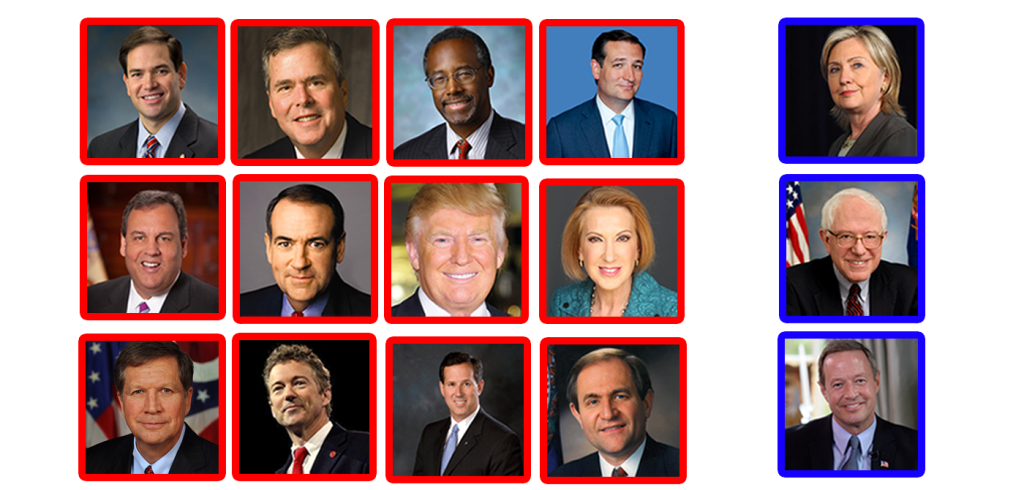
28 days until AL Presidential Primary 280 days until Election Day Convention Dates: Republican July 18-21, 2016, Democratic July 25-28, 2016 Weekly Headlines: Skipping debate, Donald Trump gambles with Iowa Pressure grows on Paul to ditch presidential bid Poll: Sanders and Clinton in tight battle for Iowa Press Clips: Sanders challenges Clinton to 3 new debates (Politico 1/27/16) Hours after Hillary Clinton ratcheted up her pressure on him to accept an invitation to an unsanctioned debate on Feb. 4, Bernie Sanders escalated the debate by calling for three new debates. “From the beginning of this campaign Sen. Sanders has called for more debates. Secretary Clinton has not. Now she is asking to change the rules to schedule a debate next week that is not sanctioned by the DNC. Why is that? The answer is obvious. The dynamics of the race have changed and Sen. Sanders has significant momentum,” said Sanders campaign manager Jeff Weaver in a statement on Wednesday night, while Sanders was speaking to a packed audience here. Trump gets backing of S.C. lieutenant governor (Politico 1/27/16) South Carolina Lt. Gov. Henry McMaster has thrown his support behind Donald Trump and will appear alongside him at a rally Wednesday .In a statement from the Trump campaign, McMaster said he is “delighted” to support the businessman. “He is a man of accomplishment and speaks the truth in words everyone can understand, instills confidence in the people about our country’s bright future, and reflects and believes in the strength and determination necessary for success,” McMaster said. “These qualities — and his quiet compassion for those in need — are essential to ‘making America great again.’” Faith and the 2016 campaign (Pew Research Center 1/27/16) The conventional wisdom in American politics has long been that someone who is not religious cannot be elected president of the United States. Most Americans have consistently said that it is important to them that the president have strong religious beliefs. And a new Pew Research Center survey finds that being an atheist remains one of the biggest liabilities that a presidential candidate can have; fully half of American adults say they would be less likely to vote for a hypothetical presidential candidate who does not believe in God, while just 6% say they would be more likely to vote for a nonbeliever. Jeb Bush super PAC cash plummets (Politico 1/31/16) The super PAC dedicated to former Florida Gov. Jeb Bush’s flagging campaign for the GOP presidential nomination raised $15 million in the second half of the year ― a massive drop- off from the $103 million it raised in the first half ― according to a report filed Sunday night with the Federal Election Commission. The super PAC, Right to Rise, spent $54 million between the beginning of July and the end of last year, leaving it with $59 million in the bank at the beginning of this year, according to the report. Donald Trump reclaims lead in latest Iowa poll (USA Today 1/30/16) Donald Trump has muscled ahead in Iowa, regaining his lead on the brink of the first votes being cast in the 2016 presidential race. Trump stands at 28 percent, while rival Ted Cruz has slid to 23 percent. But there’s still a strong case for Cruz in this race — he’s more popular and respected than Trump, the final Des Moines Register/Bloomberg Politics Iowa Poll shows. “The drill-down shows, if anything, stronger alignment with Cruz than Trump, except for the horse race,” said J. Ann :, the pollster for the Iowa Poll. Fact check: The seventh Republican debate (USA Today 1/29/16) The Republican presidential candidates debated in Iowa Jan. 28 and stretched the facts: Sen. Marco Rubio went too far in claiming that Hillary Clinton “wants to put Barack Obama on the Supreme Court.” An Iowa resident suggested such an appointment to Clinton, and she said she’d take it “under advisement.” Rubio also said that the White House “still refuses to acknowledge” that the shooting of a Philadelphia police officer on Jan. 7 “had anything to do with terror.” DNC expected to sanction Feb. 4 debate in New Hampshire (Politico 1/31/16) The Democratic National Committee will formally sanction the Feb. 4 debate in New Hampshire, hosted by MSNBC, the network announced on Sunday. The debate will be held at University of New Hampshire in Durham at 9 p.m. ET and will be moderated by MSNBC anchors Chuck Todd and Rachel Maddow. All three Democratic presidential candidates, former secretary of state Hillary Clinton, Sen. Bernie Sanders and former Gov. Martin O’Malley are expected to attend. Email issues dog Hillary Clinton on eve of Iowa caucuses (New York Times 1/31/16) This is not what Hillary Clinton wanted to discuss the morning before the Iowa caucuses. But, in her brief appearance on ABC’s “This Week” on Sunday, Mrs. Clinton found herself defending her use of a private email server while serving as secretary of state and reinforcing that she did not knowingly send or receive classified emails. “She lied about the fact that there is nothing classified on my server. Why as long as you can get away with it?” Carly Fiorina says in ABC’s introduction of Mrs. Clinton, who appeared on the show right before her main rival, Senator Bernie Sanders of Vermont. “She put our national security at risk for her convenience,” Chris Christie says.
Ted Cruz-Marco Rubio feud flares in Iowa closer
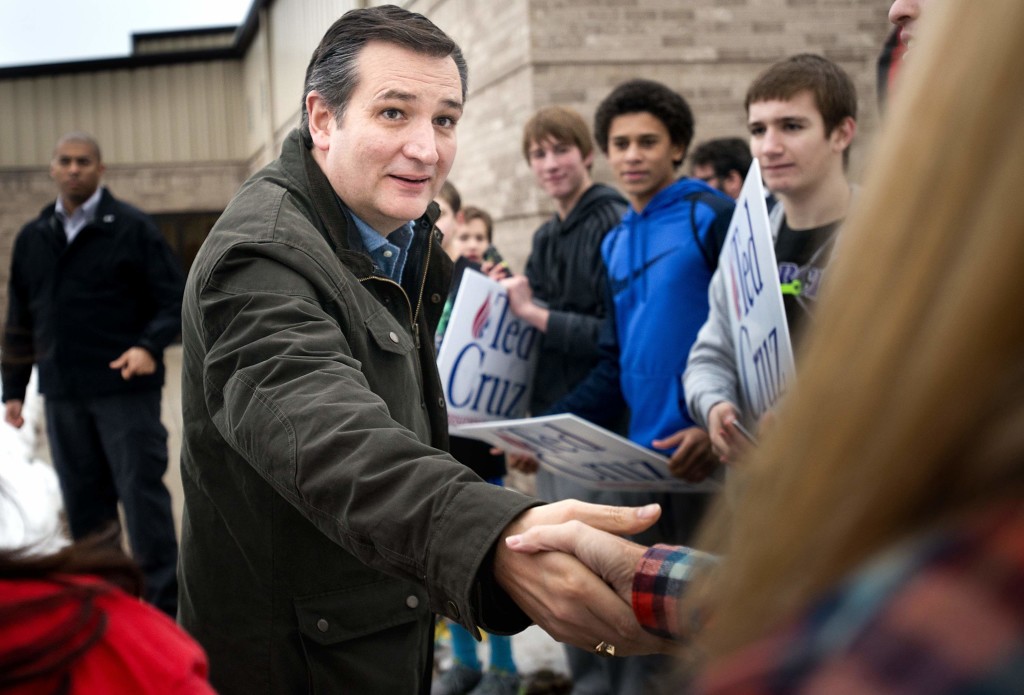
As if hearing Marco Rubio’s footsteps creeping up on him, Ted Cruz directed much of his final advertising against the Florida senator in the frenzied weekend prelude to the Iowa caucuses, feeding a Republican feud that turned increasingly bitter before voters have their first say in the 2016 presidential race. Considered to be vying with front-runner Donald Trump for Iowa victory Monday, Cruz denounced the next in line, according to polls, sharply challenging Rubio’s conservative credentials on the airwaves while ignoring him face to face with Iowans. One ad said darkly of Rubio: “Tax hikes. Amnesty. The Republican Obama.” “The desperation kicks in,” Rubio said in response to Cruz. “From my experience, when people start attacking you it’s because you’re doing something right.” On the Democratic side, Bernie Sanders implored Iowa supporters Saturday to get on their feet in two days and convert their monthslong infatuation with his upstart campaign against Hillary Clinton into actual votes. That call to action was echoed by Democratic and Republican hopefuls alike as they worked to motivate Iowans to attend the caucuses. Trump, the showman of the Republican race and its front-runner, made a dramatic entrance to a Dubuque rally as his jet flew low over a hangar half-filled by the waiting crowd and music played from the movie “Air Force One.” There was more drama inside, as a small group of protesters interrupted him and Trump joined the crowd in chanting “USA” to drown out the discord. He asked security to “get them out” but “don’t hurt them.” Iowa offers only a small contingent of the delegates who will determine the nominees, but the game of expectations counts for far more than the electoral math in the state. Campaigns worked aggressively to set those expectations in their favor (meaning, lower them) for Iowa, next-up New Hampshire and beyond. Asked whether Rubio could win or come second, his senior strategist Todd Harris laughingly responded with an obscenity and said the goal in Iowa is third, behind the flamboyant Trump and the highly organized Cruz. “There’s no question we are feeling some wind at our back,” he told The Associated Press. But, he added, “It’s very hard to compete with the greatest show on earth and the greatest ground game in Iowa history. So we feel very confident that what we need to do here is finish a strong third. I don’t care what any of the polls say, Ted Cruz is going to win this caucus.” With that, he tried to set expectations so that if Rubio finishes better than third, it can be proclaimed a great performance and if Cruz doesn’t win, it will be seen as a great failure. In the last major preference poll before the caucuses, Trump had the support of 28 percent of likely caucus-goers, with Cruz at 23 percent and Rubio at 15 percent. The Iowa Poll, published by The Des Moines Register and Bloomberg, also found Clinton with 45 percent support to Sanders’ 42 percent. The poll of 602 likely Republican caucus-goers and 602 likely Democratic caucus-goers was taken Tuesday to Friday and has a margin of error of plus or minus 4 percentage points. Cruz’s campaign was challenged by Iowa Secretary of State Paul Pate over a mailer sent to potential voters that seemed designed to look like an official notice warning recipients about “low expected voter turnout in your area.” The mailer refers to a “voting violation” and grades the recipient’s voting history and that of several neighbors, citing public records. Pate said Cruz’s campaign “misrepresents Iowa election law.” There’s “no such thing as an election violation related to frequency of voting,” he said, and insinuating otherwise is “not in keeping in the spirit of the Iowa caucuses.” Cruz brushed off the fuss. “I will apologize to nobody for using every tool we can to encourage Iowa voters to come out and vote,” he said. In Charles City, Iowa, a testy Sanders accused Clinton of misrepresenting his positions. He cited an ad from her campaign that says she would defend Planned Parenthood, “not attack it,” and implies he has taken on the organization that offers contraceptive and abortion services. The ad, without naming him, also says she would “build on Obamacare,” not start over, and stand up to the gun lobby, “not protect it,” all swipes at the senator. Sanders slammed the “idea that I am attacking Planned Parenthood when I have a 100 percent lifetime voting record for Planned Parenthood” and bristled at the implication that he’s not for tougher gun laws. “Let’s debate those differences of opinion, but let’s not go around distorting a record that I am very proud of,” he said. Clinton has worked assiduously to avoid a repeat of 2008, when then-Illinois Sen. Barack Obama scored a surprise win in Iowa, she dropped to third and her days as the prohibitive favorite for the nomination faded. She faced the prospect of escalating political heat from revelations Friday that the private email server she used when she was Obama’s first secretary of state contained top-secret messages that should have remained within proper, secured channels. That heat was coming from Republicans; Sanders earlier declared the email flap a nonissue in his mind. But at a Sanders rally in Manchester, Iowa, Ruth Lewin, a retired grocery store clerk and child care provider, said the latest news about Clinton’s emails reinforced why she will be caucusing for Sanders on Monday. “It’s a matter of honesty, integrity along with other issues I have about her,” Lewin said. “When you get $600,000 for a speaking engagement, I mean that’s more than I’ve made in my entire lifetime.” And Sanders? “I believe he’s like we are,” she said. Republished with permission of the Associated Press.
Turnout is name of the game in Monday’s Iowa caucuses
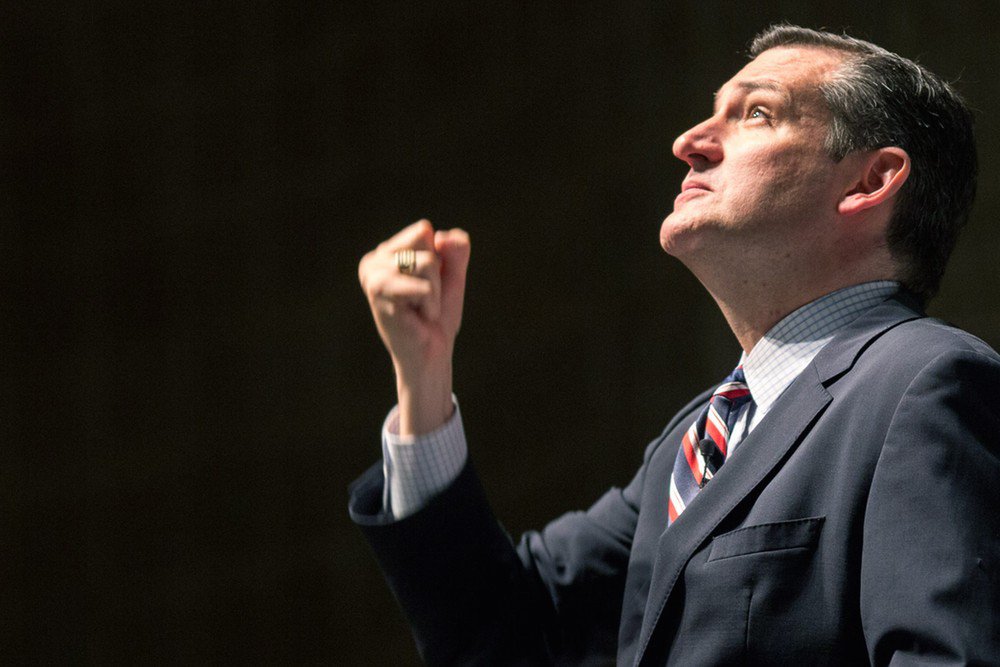
In a final frenzy to inspire supporters to turn out for Monday’s Iowa caucuses, the presidential contenders scrambled to close the deal with the first voters to have a say in the 2016 race for the White House. The result Sunday was a blur of sometimes conflicting messages. Even as the candidates begged backers to caucus, many hopefuls also tried to lower expectations and look ahead to the New Hampshire primary on Feb. 9 and later contests. Republican Donald Trump, who has a slight edge over Ted Cruz in Iowa, predicted that “many” senators “soon” would endorse him rather than their Texas colleague. Trump didn’t name any such senators, and none immediately emerged. Democratic Hillary Clinton, in a tight race with Vermont Sen. Bernie Sanders, suggested that political point-scoring helped explain the hubbub over the State Department’s announcement Friday that it was withholding some emails on the home server she used while secretary of state. One development — the weather — was beyond the candidates’ control. A snowfall forecast to start Monday night appeared more likely to hinder the hopefuls in their rush out of Iowa than the voters. Republican John Kasich already has decamped to New Hampshire. Iowa offers only a small contingent of the delegates who will determine the nominees, but the game of expectations counts for far more than the electoral math in the state. Campaigns worked aggressively to set those expectations in their favor (read: lower them) for Iowa, New Hampshire and beyond. Meantime, a pastor at a church outside Des Moines urged politicians to treat their opponents with love and not attack ads. With Cruz and his family in the audience, pastor Mike Housholder of Lutheran Church of Hope played two parody attack ads questioning the faith of church members. There is a better way, he said — by speaking the truth with love. He says if you can’t do that, don’t speak. Too late: The candidates were all over the airwaves Sunday, talking about each other in distinctly unloving ways. Trump, for example, called Cruz a liar at least three times on ABC’s “This Week” for having said in a Des Moines Register ad that Trump supports President Barack Obama‘s signature health care law. Trump says he wants people’s health care “taken care of” but not with the current program. He did not say how he’d pay for such coverage. The candidates’ agreed on one thing: It’s all about turnout now. “People are really enthusiastic, and if people come out to vote, I think you’re going to look at one of the biggest political upsets in the modern history of our country,” Sanders told CNN’s “State of the Union.” Clinton said she had been subjected to “years of scrutiny, and I’m still standing.” On ABC’s “This Week,” she said, “I feel vetted. I feel ready. I feel strong, and I think I’m the best person to be the nominee and to defeat whoever they nominate in November.” Trump said “I don’t have to win” in Iowa, before adding that he believes he has “a good chance” of a caucus victory. He said he was confident of taking New Hampshire and many other contests down the road. “One of the reasons that I’ll win and, I think, none of the other guys will win is because I’m going to get states that they’ll never get,” he told CBS’ “Face the Nation,” citing Pennsylvania, Ohio, Michigan, Florida, along with strong hopes for New York and Virginia. Cruz is conceding nothing. “What we’re seeing is the old Reagan coalition coming together. We’re seeing conservatives and evangelicals and libertarians and Reagan Democrats. And if conservatives come out, we’re going to win tomorrow,” the Texas senator told “Fox News Sunday.” Cruz directed much of his final advertising against Marco Rubio as the senators’ feud grew even more bitter in the final day. Cruz took to the airwaves to challenge the conservative credentials of Rubio, the Floridian running third in Iowa, according to the polls. One ad said of Rubio: “Tax hikes. Amnesty. The Republican Obama.” Rubio shot back, telling CNN that as voters learn more about Cruz’s record, they will understand that “he’s always looking to take whatever position it takes to win votes or raise money.” Rubio said Republicans won’t beat Clinton “with someone that will say or do anything to get elected.” In the last major preference poll before the caucuses, Trump had the support of 28 percent of likely Republican caucus-goers, with Cruz at 23 percent and Rubio at 15 percent. The Iowa Poll, published by The Des Moines Register and Bloomberg, also found Clinton with 45 percent support to Sanders’ 42 percent in the Democratic race. The poll was taken from Tuesday to Friday and has a margin of error of plus or minus 4 percentage points. Republished with permission of the Associated Press.
Des Moines Register poll: Donald Trump captures top spot in Iowa
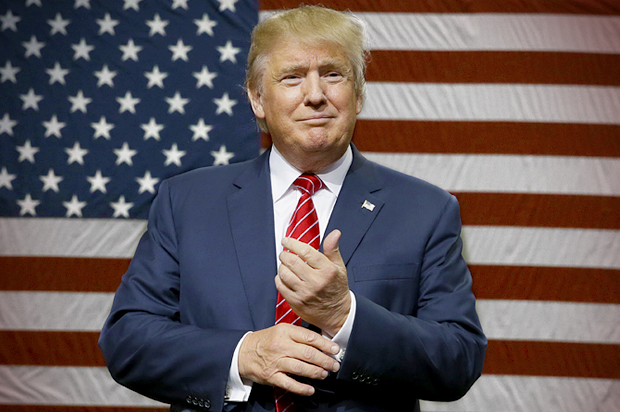
With two days before the Iowa caucuses, Donald Trump leads among likely Republican caucus-goers, according to the Des Moines Register/Bloomberg Politics Iowa Poll released Saturday. Trump leads Ted Cruz in Iowa 28 percent to 23 percent. Marco Rubio is in third with 15 percent, followed by Ben Carson with 10 percent and Rand Paul with 5 percent. Fifty-five percent of likely Republican caucus-goers polled said their minds were made up; 45 percent of respondents said they could still be persuaded. When asked who their second choice of candidates would be, 20 percent of likely Republican caucus-goers said Rubio, while 17 percent said Cruz. The poll found 71 percent of Trump supporters said their minds were made up. According to Bloomberg Politics, in the final Iowa Poll before the 2012 GOP caucus, 51 percent said their minds were made up. Trump’s lead is a reversal from a Des Moines Register/Bloomberg Politics poll in early January. That poll showed Cruz leading Trump, 25 percent to 22 percent. Seventy percent of likely Republican caucus-goers said they had a favorable opinion of Rubio; while Jeb Bush was among the most disliked candidates. The survey found 53 percent of respondents had an unfavorable opinion of the former Florida governor. The Iowa Poll is considered one of the most respected polls. The Iowa-based firm of Selzer & Company was awarded an A-plus rating from the FiveThirtyEight blog. On the Democratic side, Hillary Clinton leads Bernie Sanders 45 percent to 42 percent. The Des Moines Register/Bloomberg Politics Iowa Poll was conducted from Jan. 26 to Jan. 29 and has a margin of error 4 percent.
